British sea fish species in one place: how to identify 28 UK sea fish, when each is caught around Cornwall, angling size limits and which are good to eat.
Showing
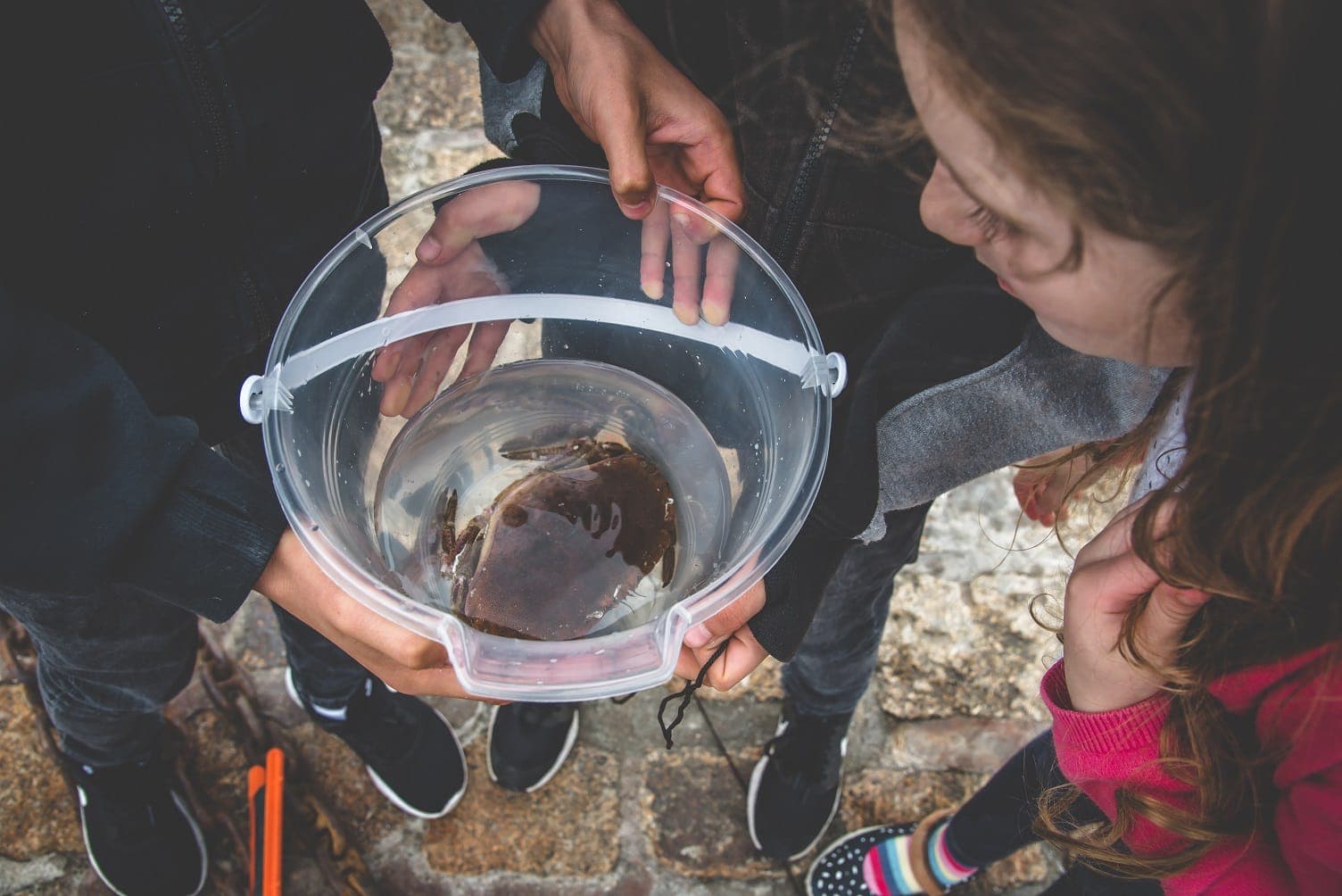
Most crabs you meet on a UK harbour wall or rock pool belong to a handful of species, and each has one or two features that give it away. This guide shows you how to tell them apart, which ones nip hardest, how to sex a crab and which non-native crabs to report.
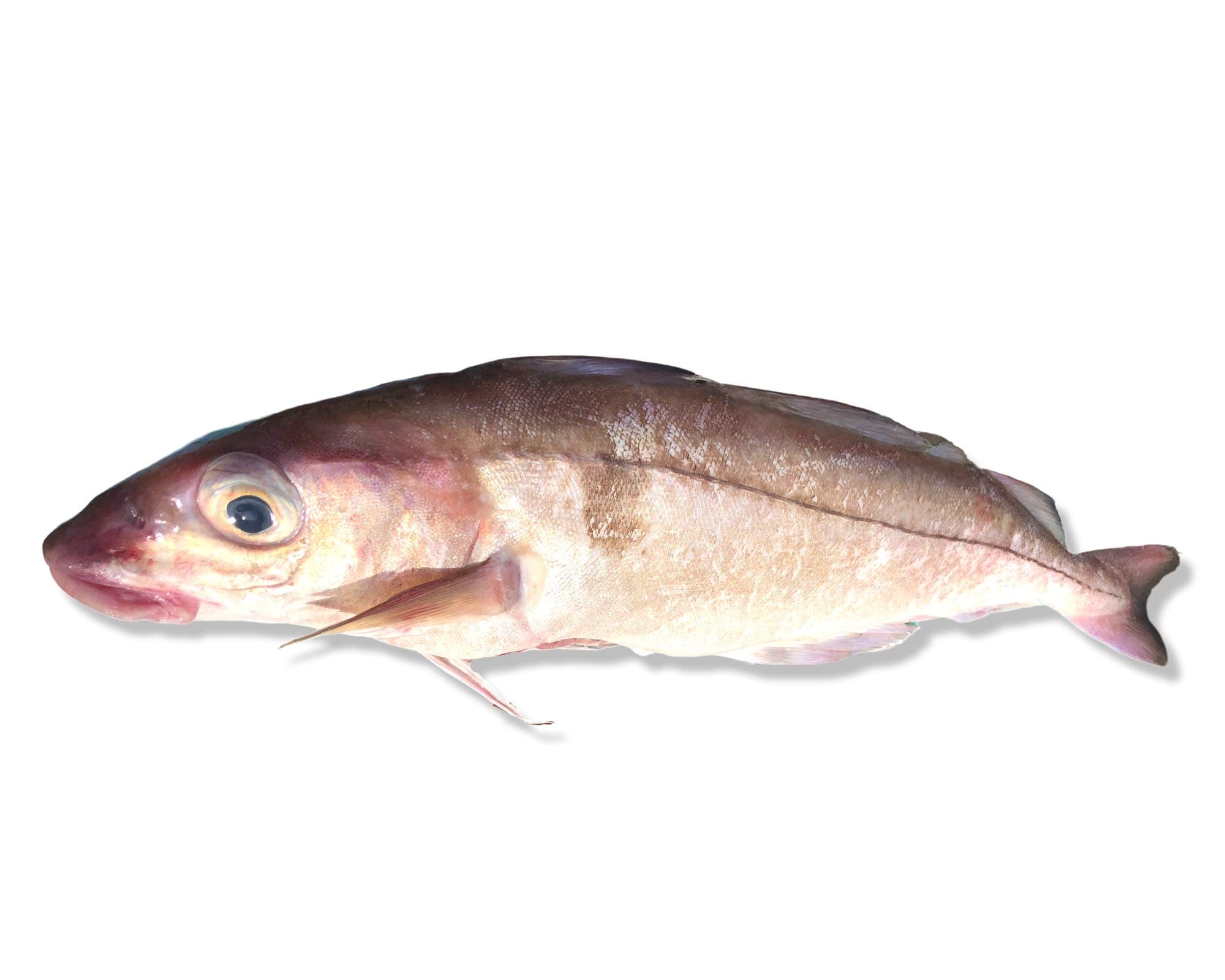
Haddock have a dark lateral line running along their white side, which is the opposite to pollock that have a white line running along their dark side. The most distinguishing m...
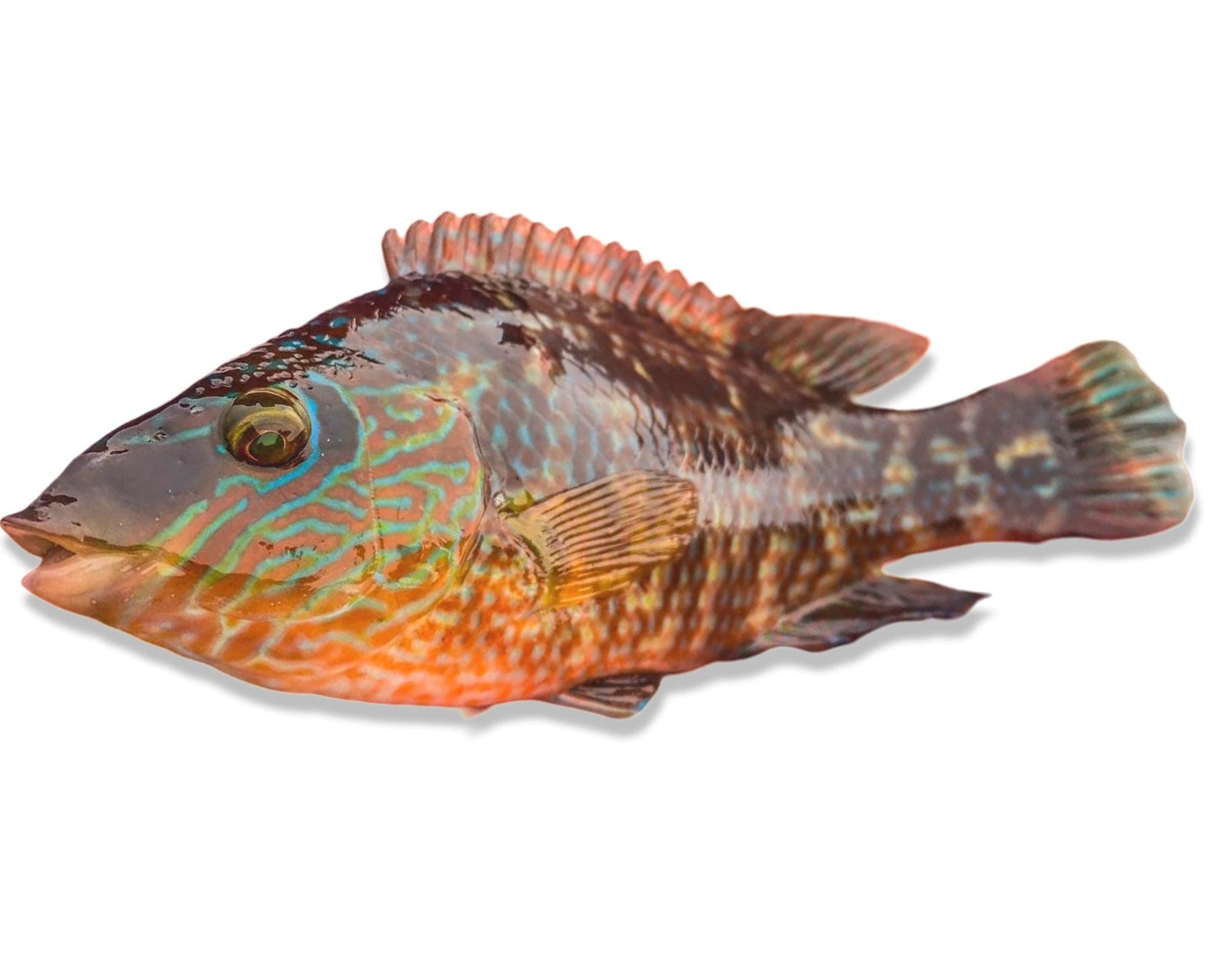
Good places to catch wrasse in Cornwall are Boscastle & Tintagel, the rocks off Porthtowan, Cape Cornwall, Mullion, Mevagissey, Charlestown, the rocks between Mousehole and Newl...
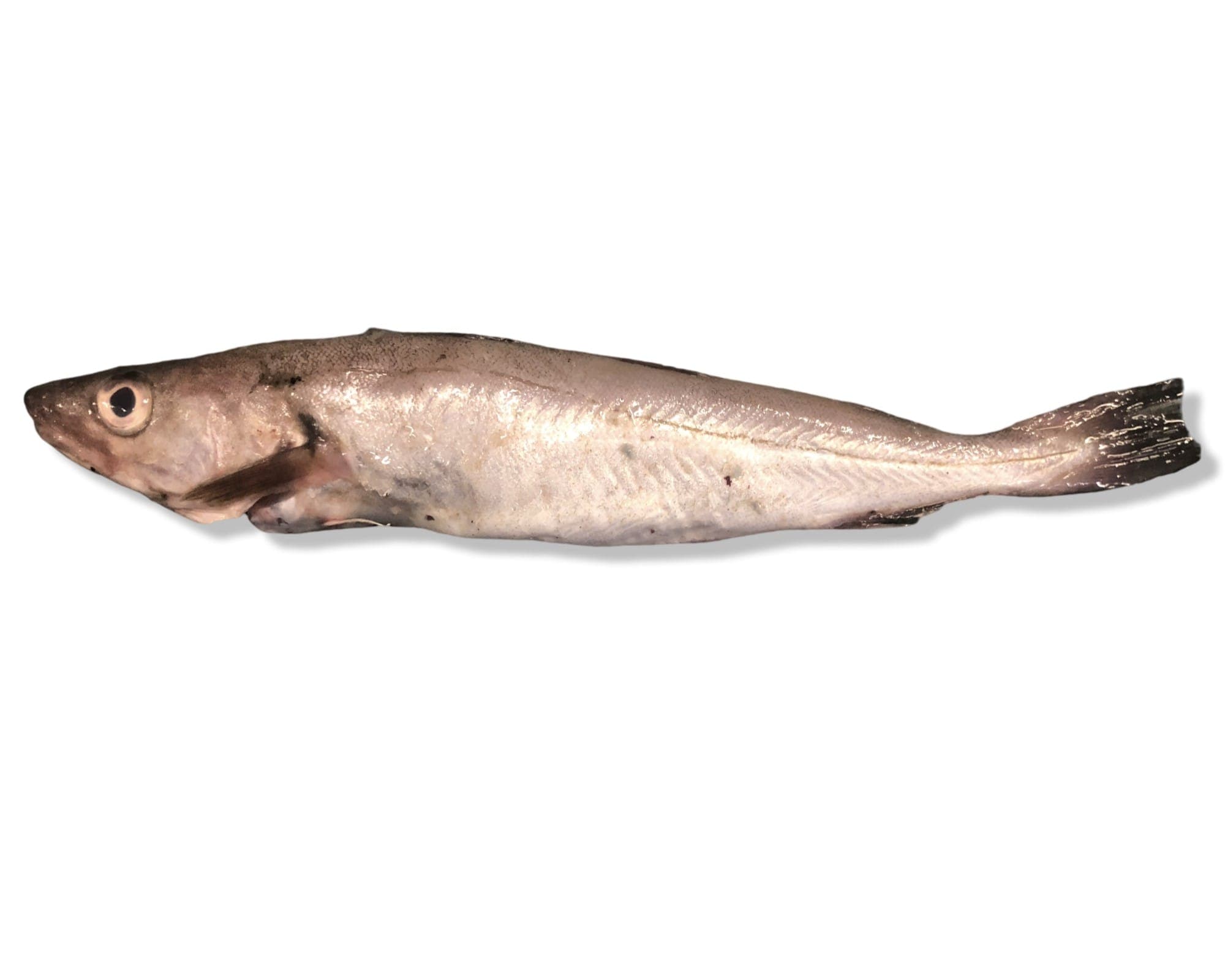
Good places to catch whiting in Cornwall are Falmouth, the headlands in the Padstow area, Port Isaac, Perranporth, Penzance, Porthleven
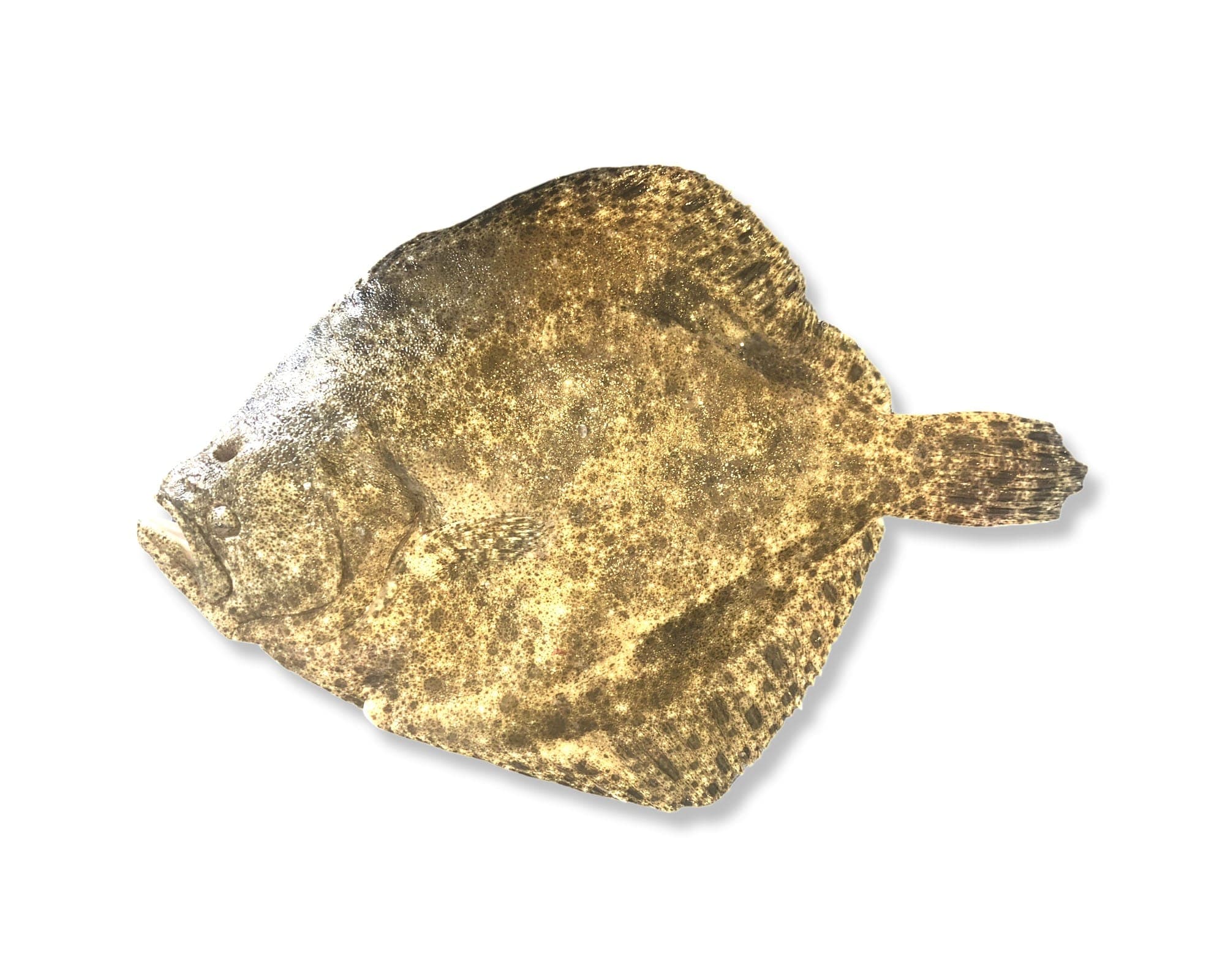
Sandy beaches and estuaries are the best locations to fish for turbot and other flat fish
A good place to catch trigger fish in Cornwall is the area around Porthcurno and Lamorna
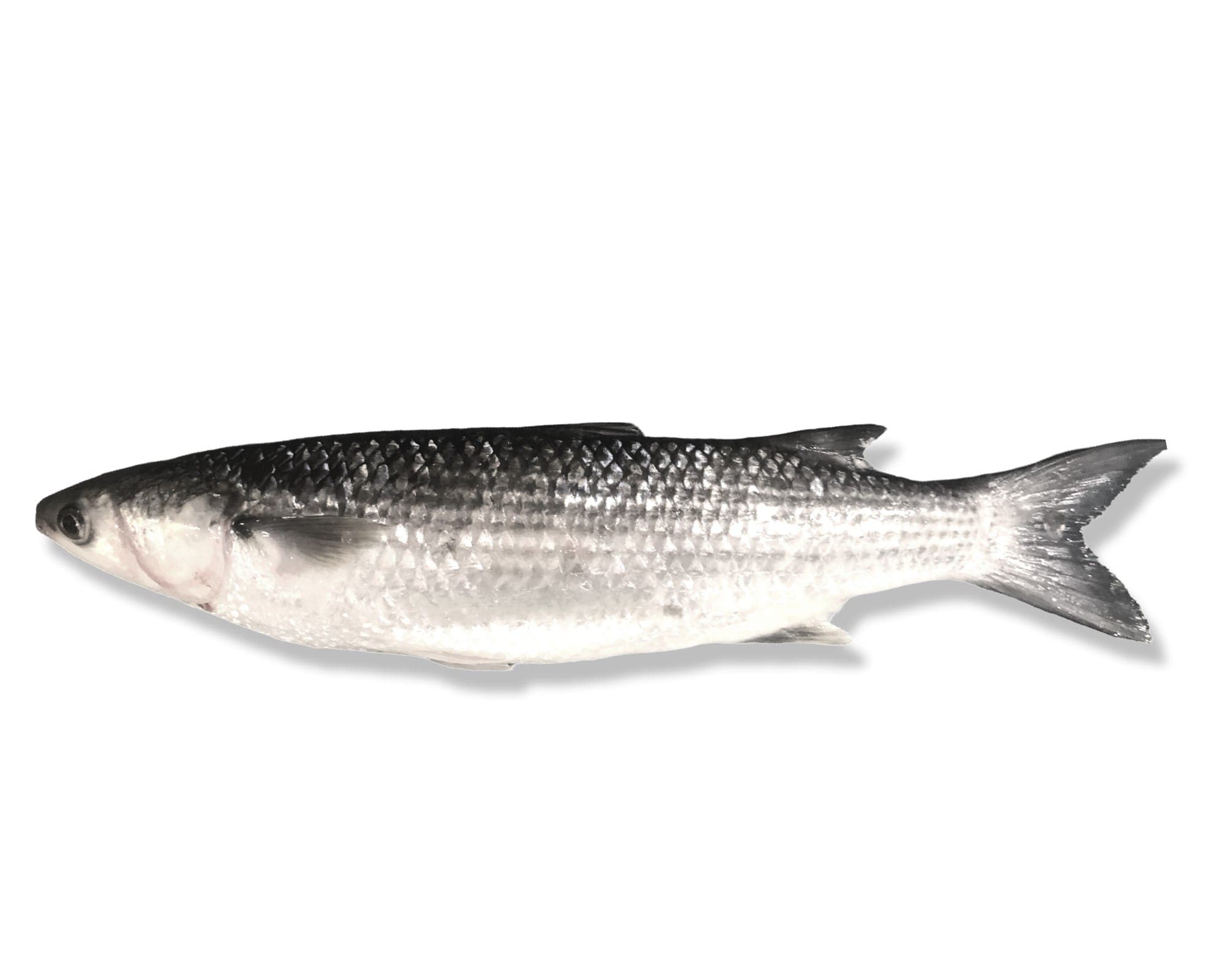
Good places to catch thick lipped grey mullet in Cornwall are the Hayle estuary, Helford river, Falmouth, Flushing and Charlestown
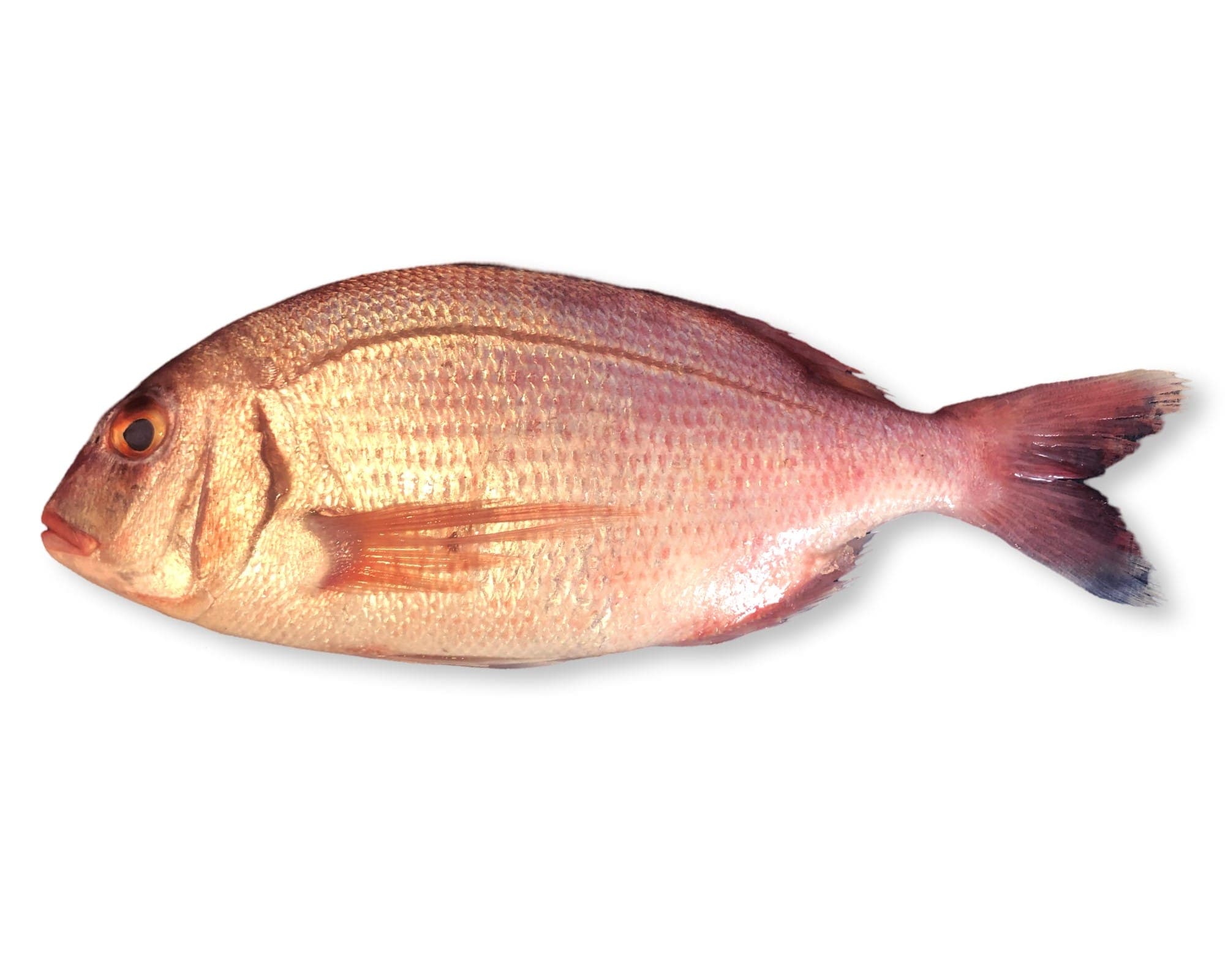
Good places to catch red sea bream in Cornwall are Helford and Mevagissey
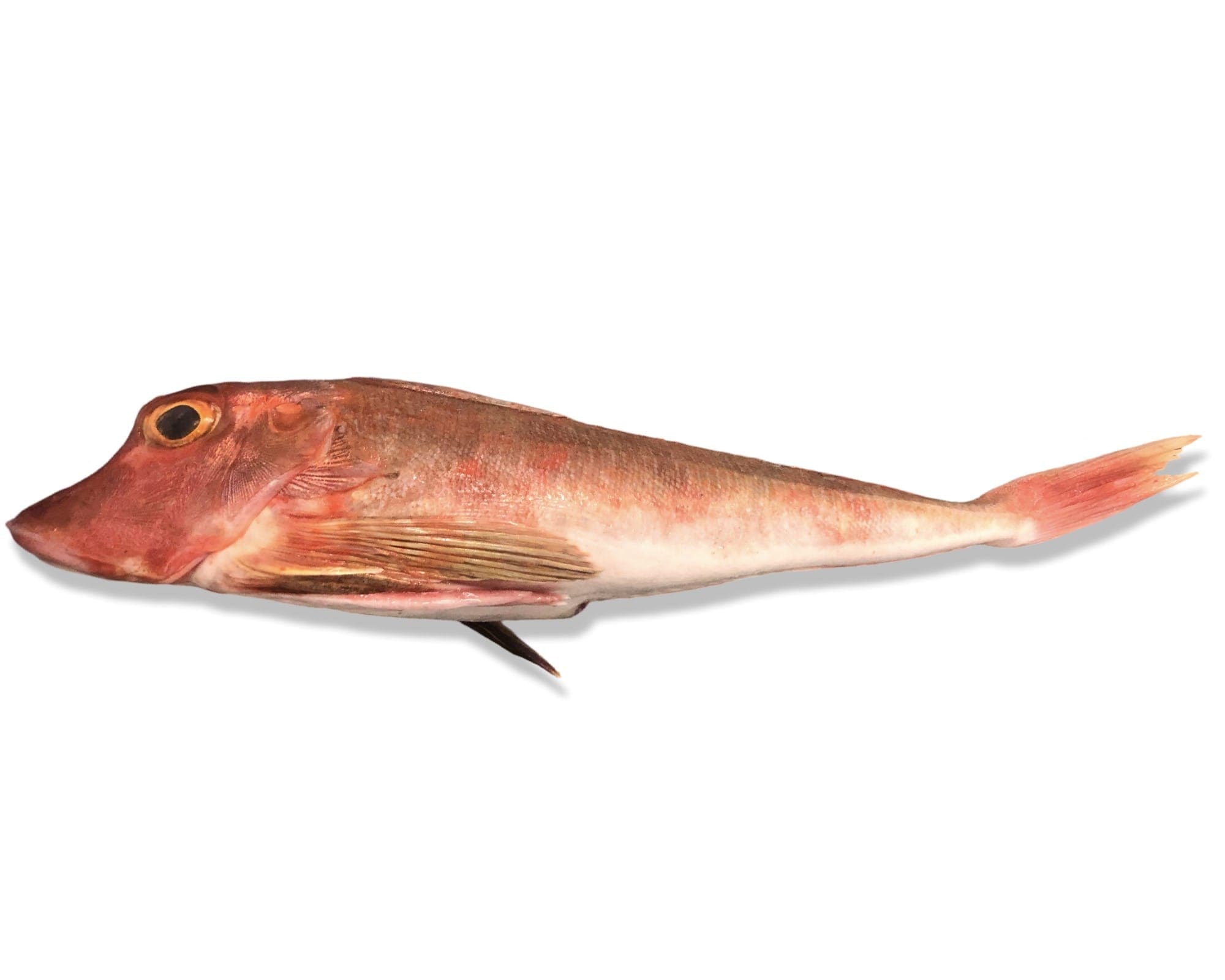
Good places to catch red gurnard in Cornwall are Port Isaac, Cadgwith & Kennack Sands, the rocks off Porthtowan
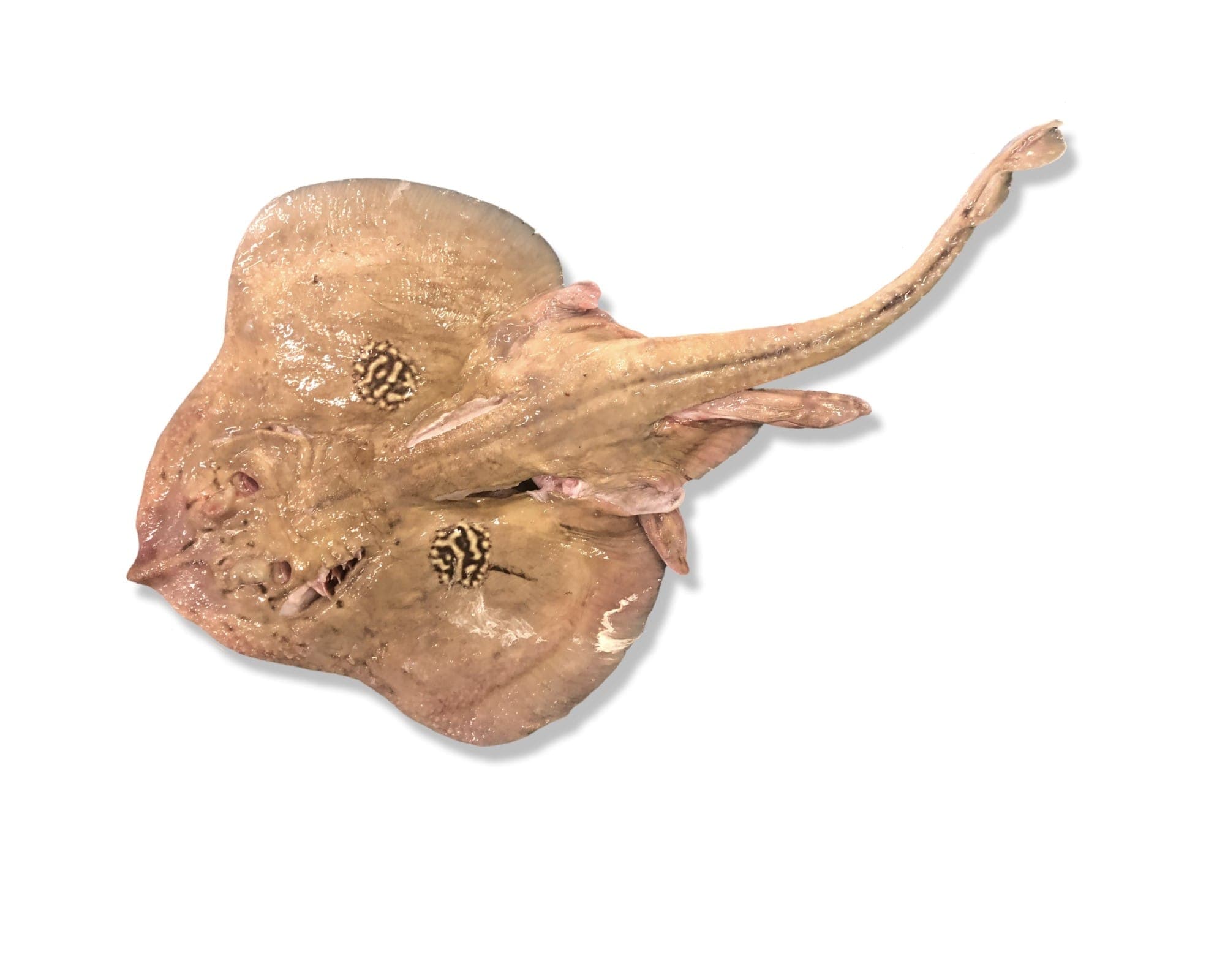
Good places to catch thorn back ray in Cornwall are Polzeath, Rock, Penzance area
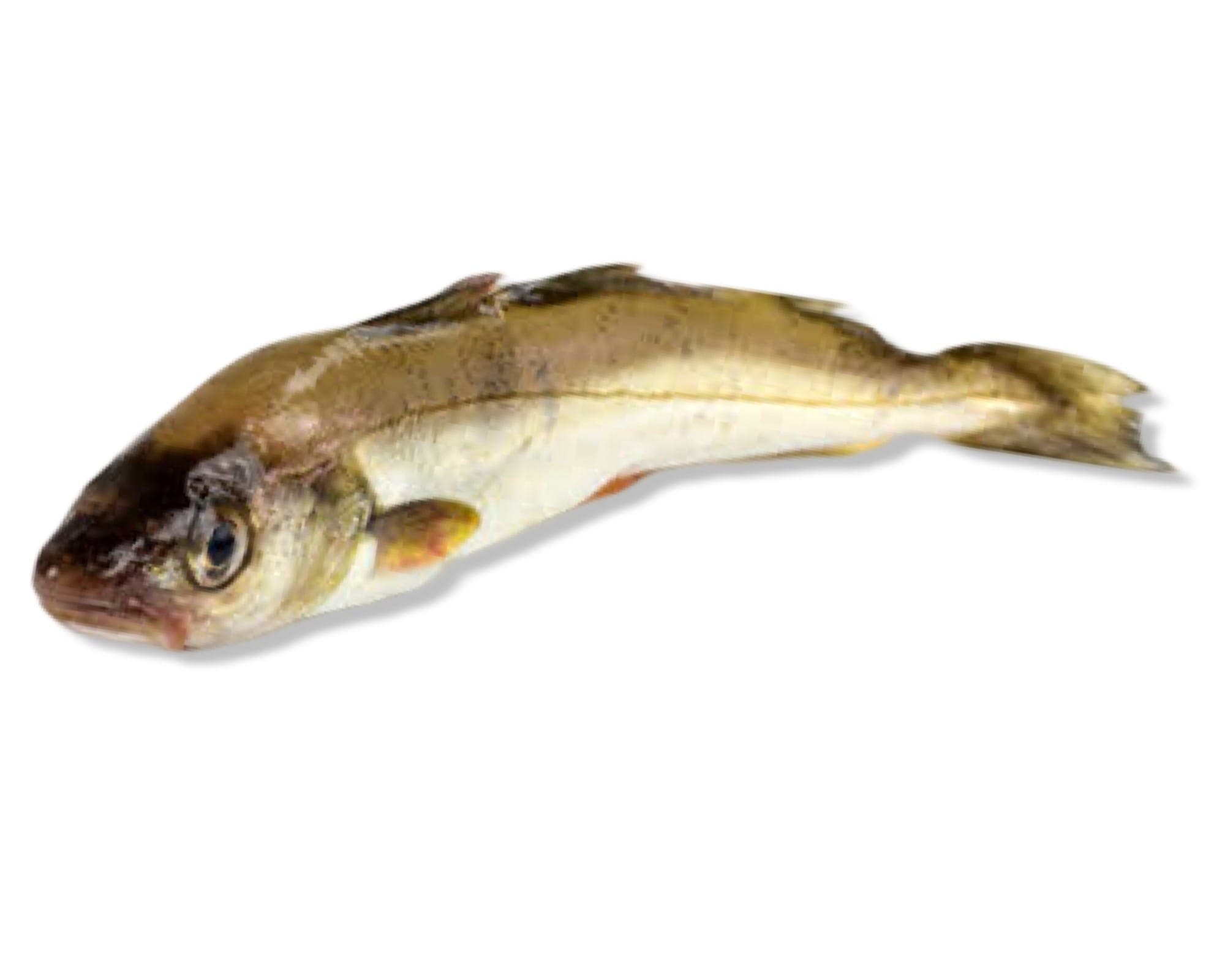
Pollock are caught all around Cornwall including Cape Cornwall, Padstow area headlands, Port Isaac, Boscastle & Tintagel, Porthcurno, Lamorna, Sennen, The Lizard, the rocks off...
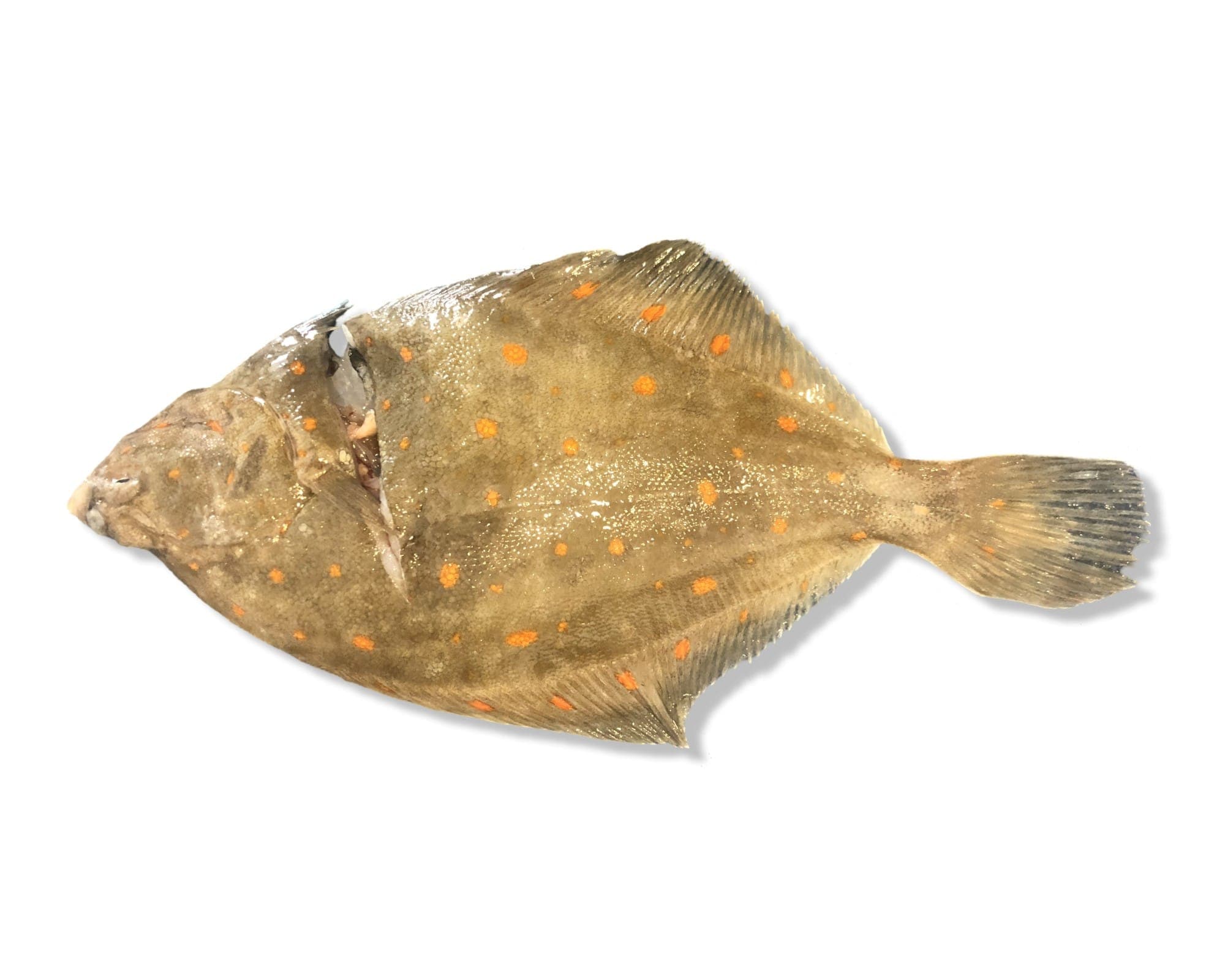
Sandy beaches and estuaries are the best locations to fish for plaice and other flat fish
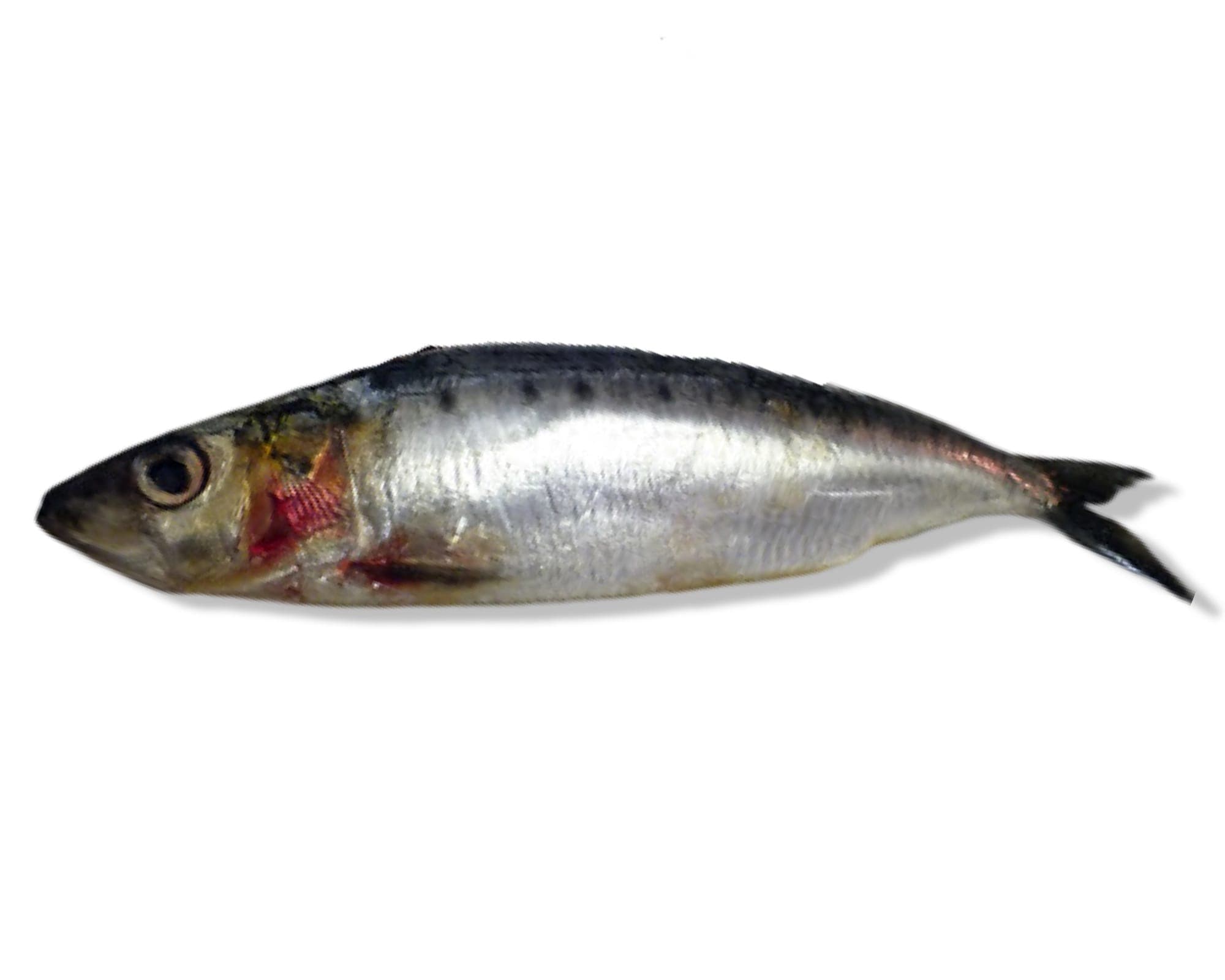
Pilchards (also known as Cornish Sardines) are silver with a dark back and tail. The tail has a deep fork.
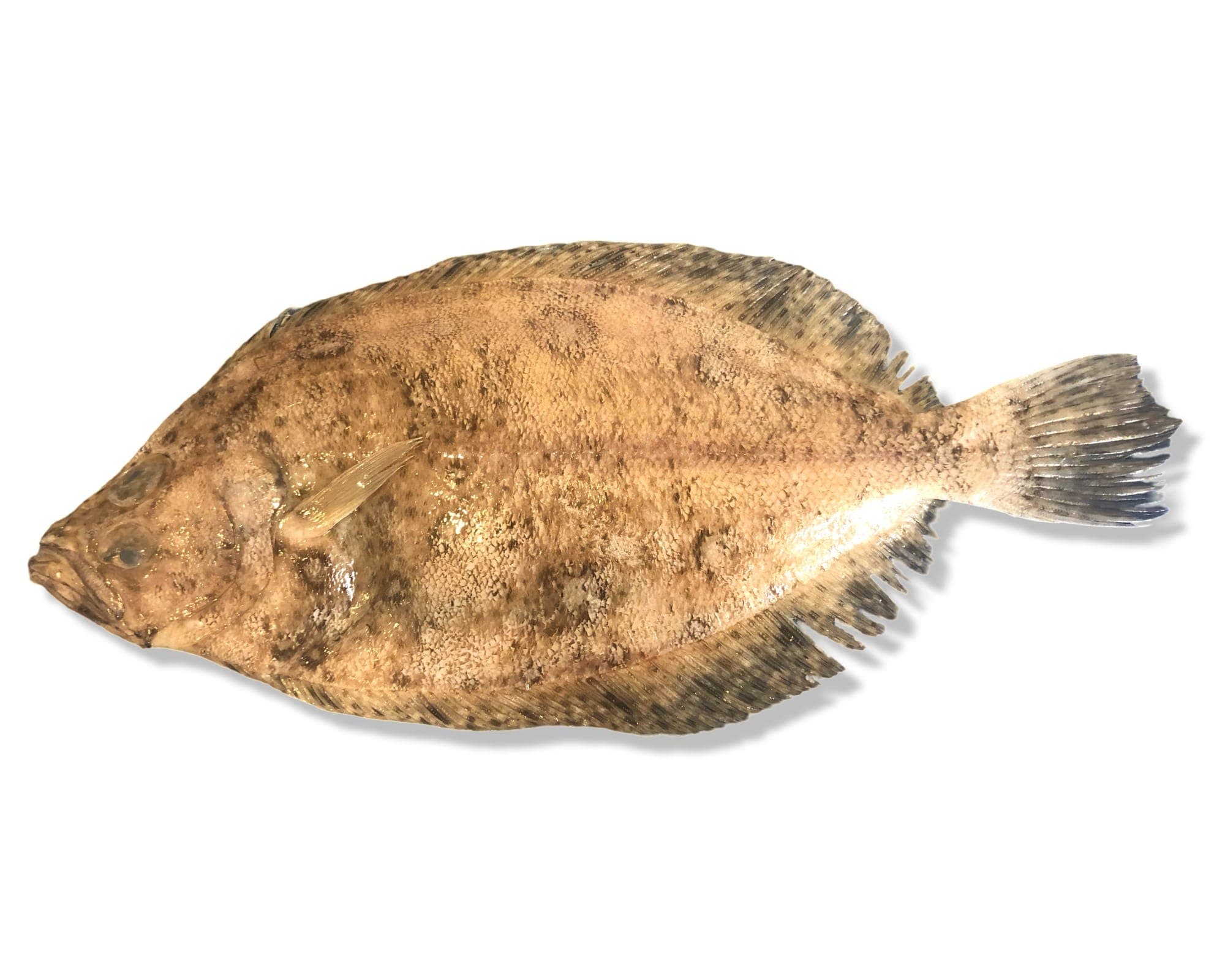
Sandy beaches and estuaries are the best locations to fish for megrim and other flat fish
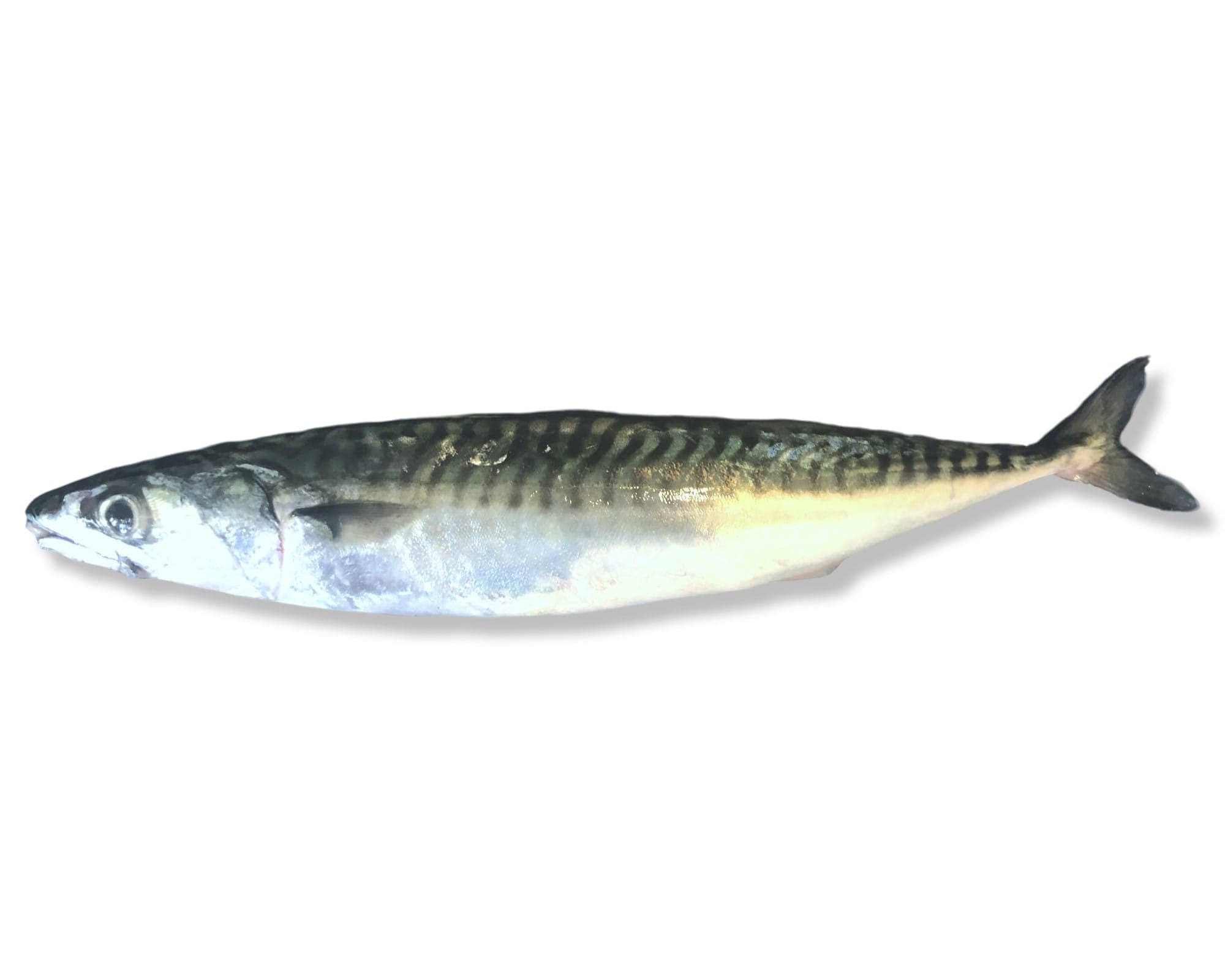
Mackerel can be caught all around Cornwall but some suggestions are: Padstow area headlands, Port Isaac, Boscastle, Mullion, Porthcurno, Lamorna, Sennen, The Lizard, the rocks o...
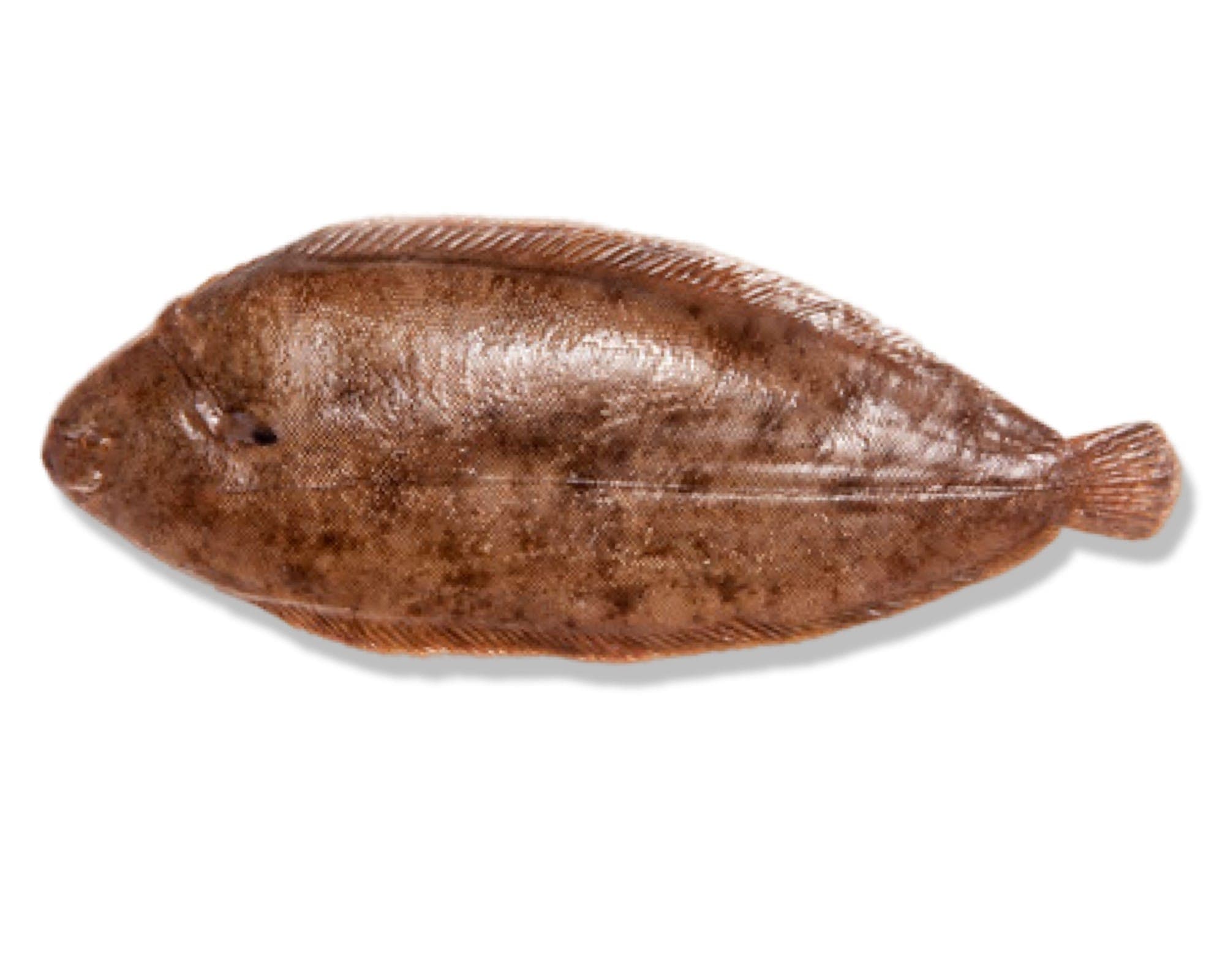
Sandy beaches and estuaries are the best locations to fish for dover sole and other flat fish
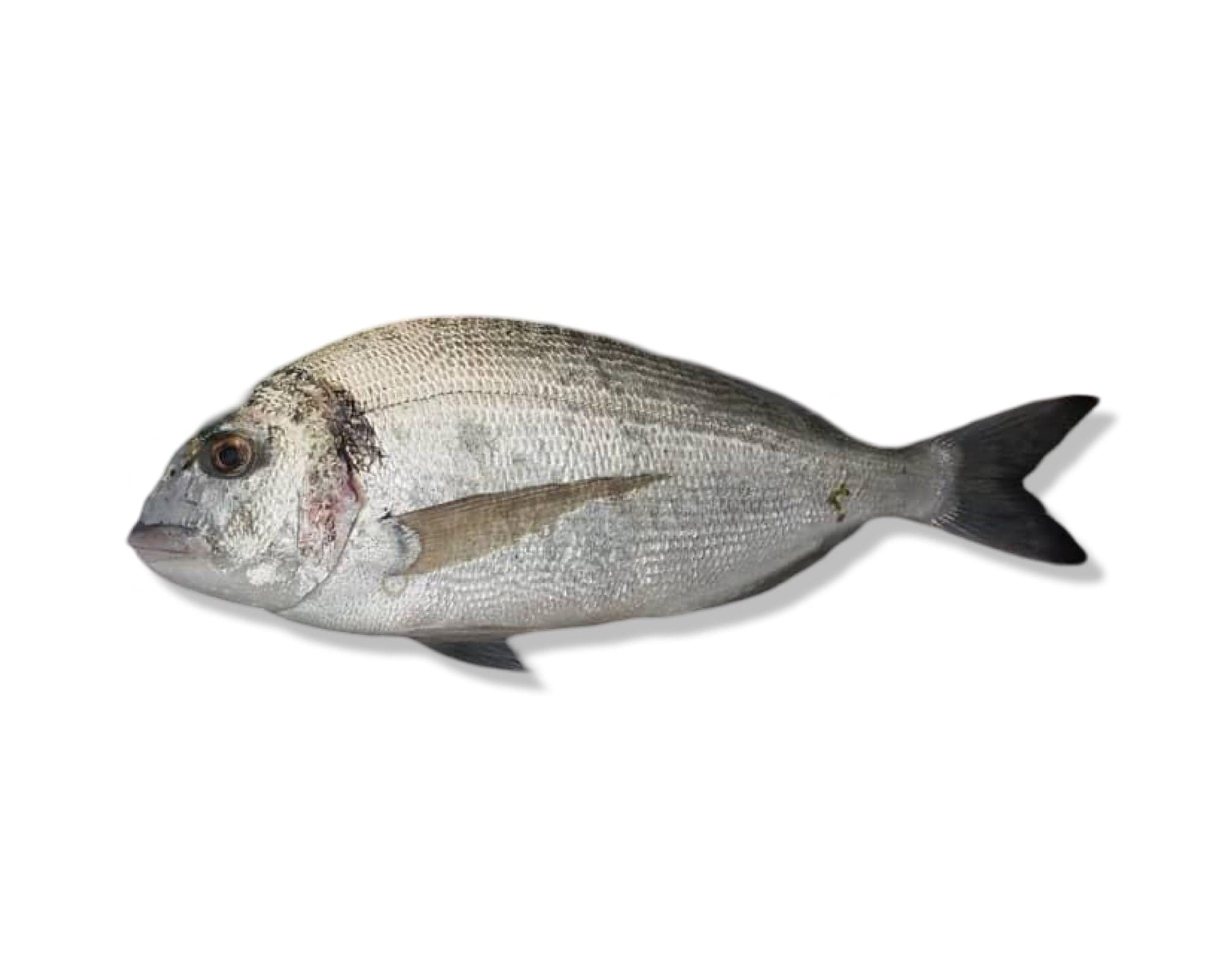
Good places to catch gilthead bream in Cornwall are Helford and Mevagissey
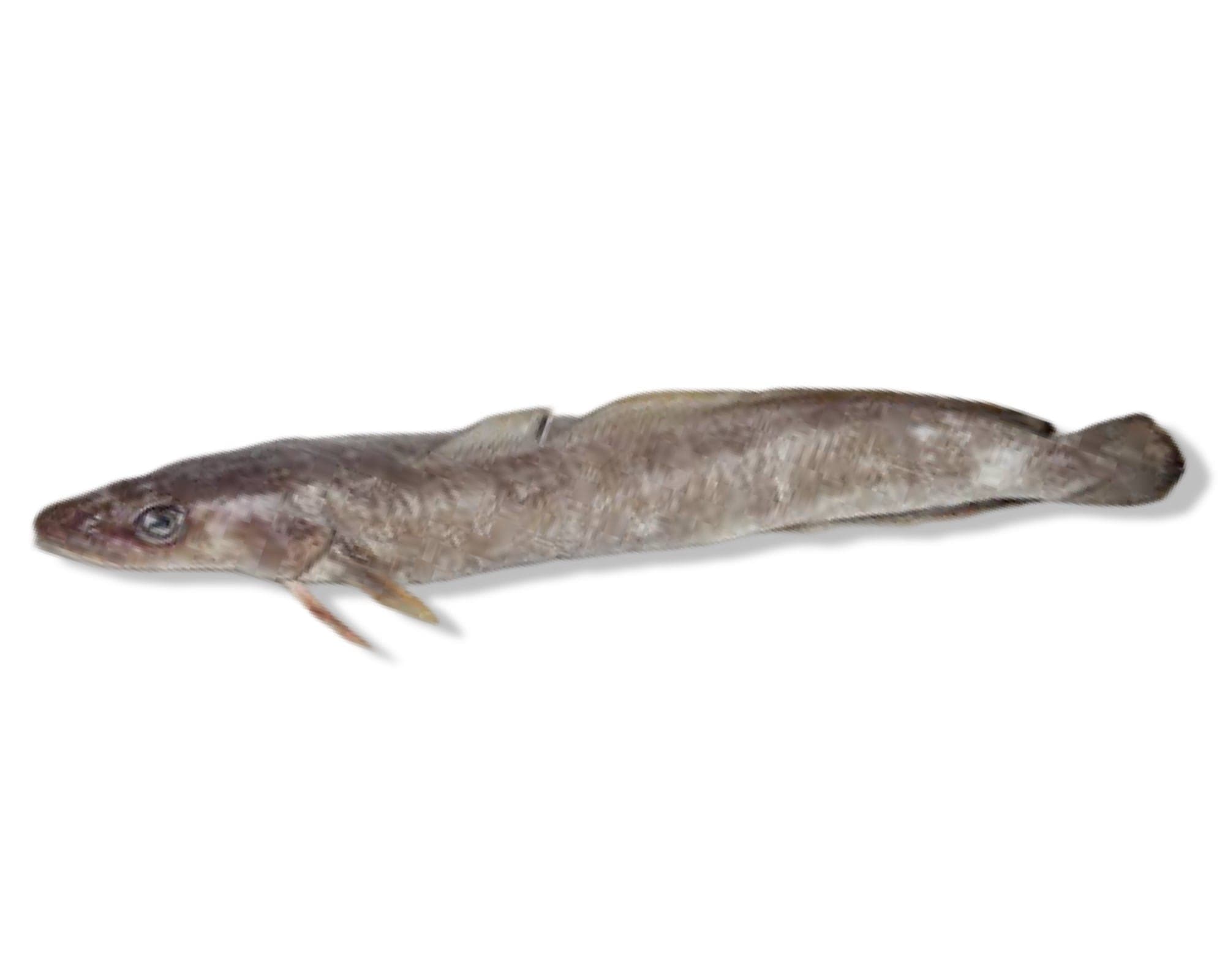
ling are long and slender. Mottled green and brown in colour with white belly. There is a dark blotch at the rear of both dorsal fins. The second dorsal fin is feathery and reac...
Showing 1-18 of 30
Species index
Every UK sea fish we cover, grouped by type, with the one field mark that identifies it, the months it is usually caught around Cornwall and its sustainability rating. Each guide covers identification and look-alikes, size, British records and angling rules, where and when to find the fish, how to catch it and how to cook it. For the month-by-month picture from the shore, see our Cornwall shore fishing calendar.
Both eyes on one side, lying flat on sand and mud. Check which side the eyes are on, the skin and the lateral line.
Pleuronectes platessa
Bright orange spots, smooth skin and a row of bony knobs behind the eyes.
Platichthys flesus
A rough, prickly lateral line; the flatfish that runs up rivers into fresh water.
Limanda limanda
Lateral line arched over the pectoral fin and skin rough like fine sandpaper.
Solea solea
Slim oval body, rounded snout and a dark spot on the tip of the pectoral fin.
Microstomus kitt
A tiny head and mouth, smooth freckled skin and no bony knobs.
Lepidorhombus whiffiagonis
Left-eyed, slim and pale, with a big head and mouth; a deep-water fish.
Scophthalmus maximus
Almost round, left-eyed and scaleless, studded with hard bony lumps.
Round white fish with three dorsal fins or a long, eel-like body. The lateral line and the chin barbel settle most mix-ups.
Gadus morhua
A pale lateral line, three dorsal fins and a long barbel under the chin.
Melanogrammus aeglefinus
A black lateral line and a dark thumbprint above the pectoral fin.
Pollachius pollachius
A jutting lower jaw and a dark lateral line that curves over the pectoral fin.
Merlangius merlangus
Slim, with a dark spot at the pectoral fin base and almost no chin barbel.
Molva molva
Long and eel-like, with a chin barbel and two dorsal fins.
Silver, spiny-finned fish of rocks, reefs and estuaries. Count the dorsal fins and look at the head.
Dicentrarchus labrax
Silver, with two dorsal fins (the first spiny) and a dark mark on the gill cover.
Spondyliosoma cantharus
A deep blue-grey body and a single dorsal fin carrying 11 spines.
Sparus aurata
A gold bar across the brow between the eyes.
Pagellus bogaraveo
Pinkish-red, very large eyes and a dark spot behind the gills. Return any you catch.
Harbour, estuary and rock fish. Mullet are told apart by the lip; reef fish by their armour, spines and fins.
Chelon labrosus
A deep upper lip covered in small bumps; the biggest of our three grey mullet.
Chelon auratus
A thin, smooth lip and a gold patch on each gill cover.
Labrus bergylta
Stocky and freckled, with thick lips and a long spiny dorsal fin.
Balistes capriscus
Oval, leathery and armoured, with a dorsal spine that locks upright.
Chelidonichthys cuculus
An armoured head, wing-like fins and finger-like rays for walking on the seabed.
Fast, shoaling fish of open water and the surface. Most are oily fish, rich in omega-3.
Scomber scombrus
A blue-green back crossed by wavy dark bars, over a plain silver belly.
Clupea harengus
Silver, with loose scales that rub off and a smooth gill cover.
Sardina pilchardus
Bony ridges on the lower gill cover; the same fish as the sardine.
Belone belone
Long, slim and needle-beaked, with bones that are green.
These are Cornwall IFCA's minimum sizes for sea anglers. They come from older byelaws and do not cover some rivers and estuaries, so check locally. Bass also has national rules: catch and release only from 1 February to 31 March, and up to three fish per person per day for the rest of the year. Other species have no angler minimum in Cornwall, though commercial boats work to national sizes, and each guide explains both.
Rules checked November 2026 (Cornwall IFCA recreational minimum sizes; MMO bass guidance).
