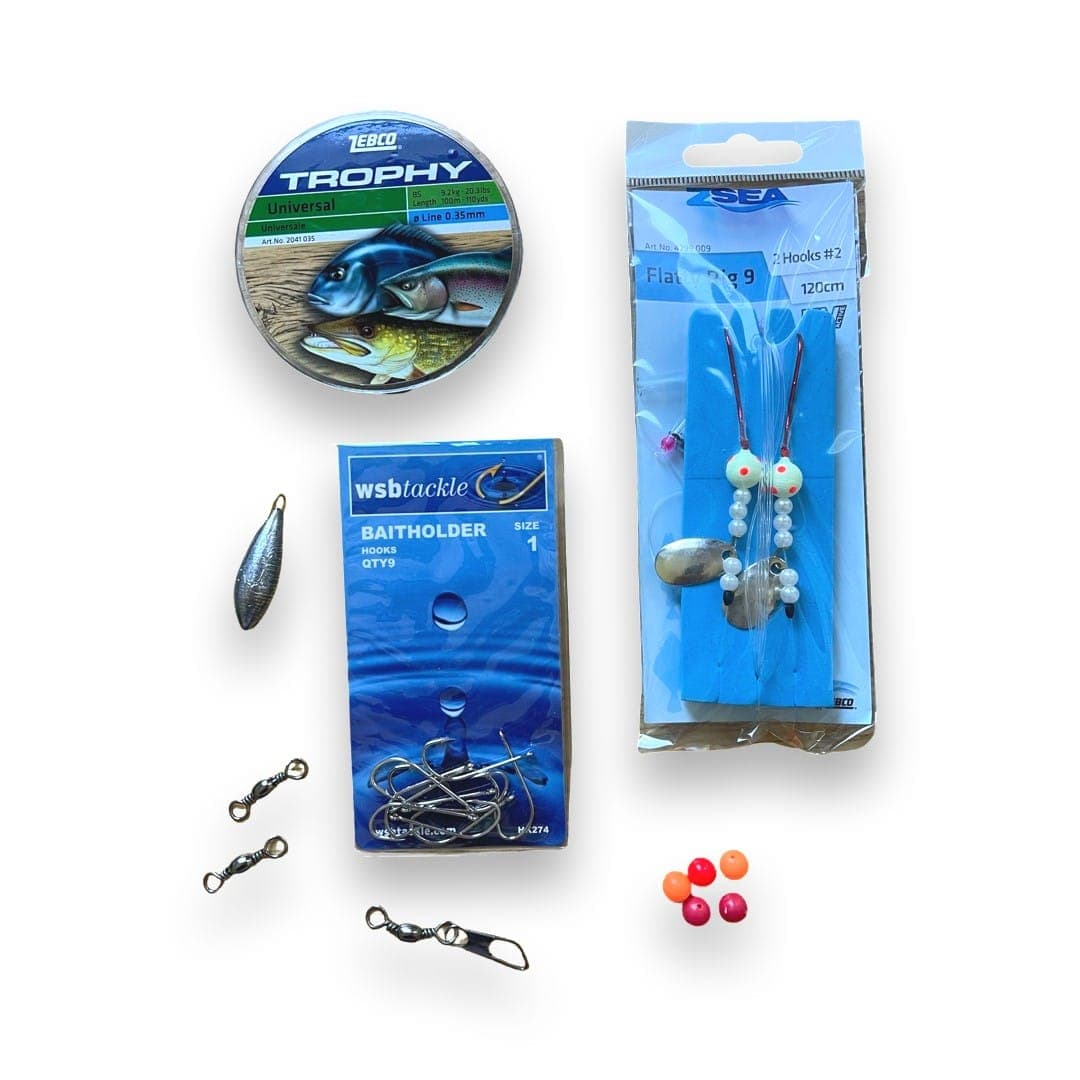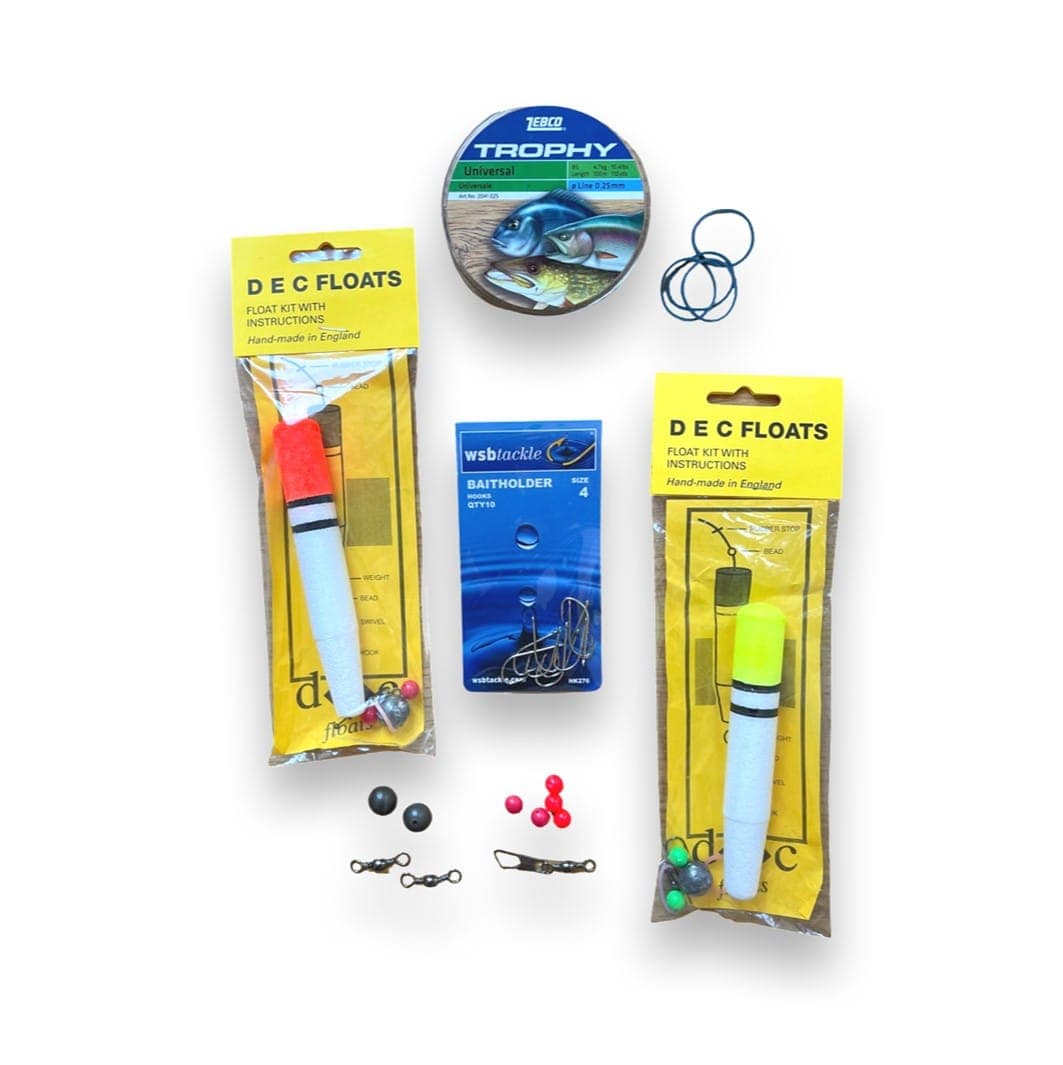
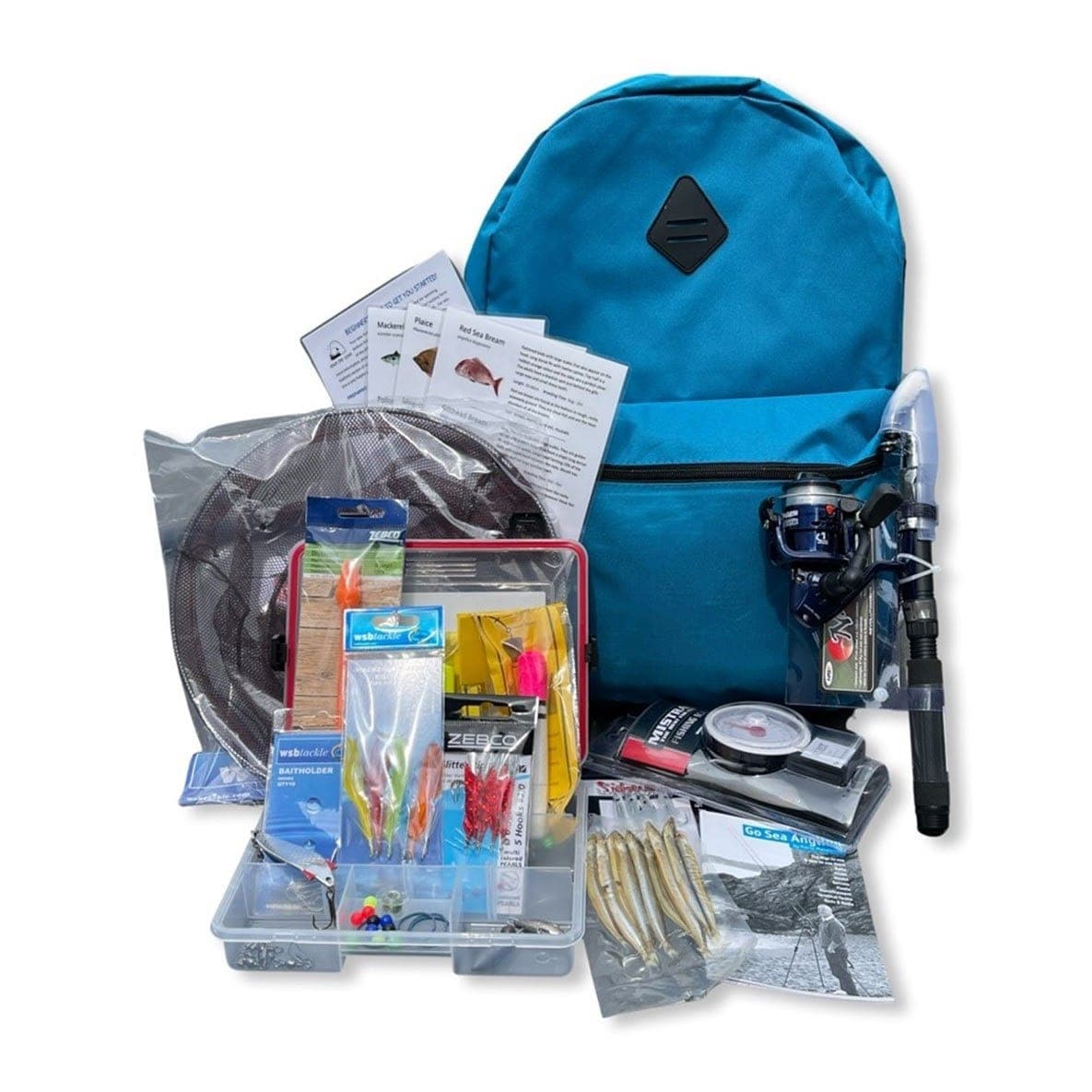
Useful for your next trip
Useful kit connected to this guide, chosen to keep the next step simple.
Full lemon sole guide
How to spot it, where it lives, how it is caught and how to cook it — the complete guide, in one easy read.
Lemon sole is the flatfish nobody shouts about, which is exactly why the chefs love it. It lives out on clean sand and gravel, a tidy little fish with a freckled brown back, a comically small head and a mouth barely big enough for a worm. The flesh is fine and faintly nutty, milder than plaice, and it asks for almost nothing in the pan. Land one and you feel like you have got away with something.
How to spot it
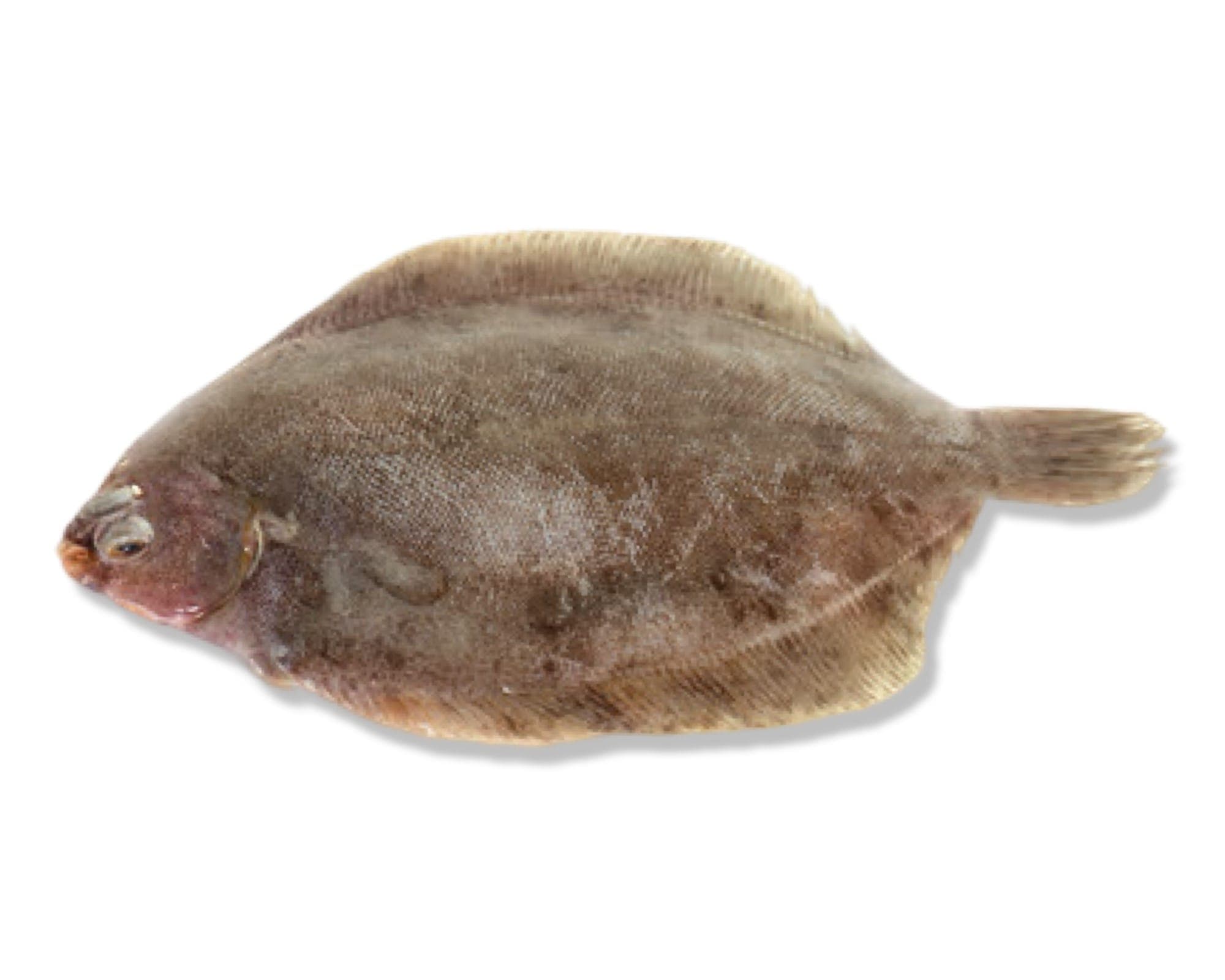
Lemon sole is a tidy right-sided flatfish, both eyes sitting on the right upper side, the body smooth and rounded with no spines to catch your hand. The colour is a warm brown, marbled and freckled with darker blotches over a sleek, unblemished top. What you notice first is the head: strikingly small, finished with a tiny, almost prim mouth. Two quick tells sort it from the crowd. Unlike plaice it carries no bright orange spots, and set next to a dab it looks rounder, sleeker and more heavily mottled, with that distinctly smaller head and mouth.
Where it lives
Lemon sole are bottom dwellers that like a clean sandy or gravelly seabed, lying flush against the ground out on open, deeper water. You will not find them poking into estuaries or freshwater the way a flounder does; they prefer it offshore and uncomplicated. They are around for much of the year, with spawning running roughly February to May. Honestly, season matters less here than freshness: a lemon sole is at its best the day it comes out of the water, and a tired one is never worth the trouble.
Catching it
Lemon sole are patient, deliberate feeders rather than smash-and-grab hunters, so lay your bait quietly on the bottom and let it sit. A simple ledger rig resting on the seabed is the reliable way in. Fresh sand eel, a peeled prawn or a lively worm all earn takes, and a worm suits that tiny mouth best of all. If the fish are sulking, a plaice spoon dragged slowly across the sand adds a flash of movement that can draw one out of hiding. Look over clean, open ground off sandy beaches and estuary mouths. Slip undersized fish back gently so the patch keeps producing season after season.
In the kitchen
Lemon sole rewards a light hand and punishes a heavy one. The flesh is fine, pale and faintly nutty, milder than most everyday white fish, so the cook's only real job is to stay out of its way. Grill it whole on the bone: dot the skin with butter, squeeze over a little lemon, season, then baste once or twice as it colours. The skin shields the flesh and peels back cleanly when it is done. Filleting is easy once you know the move; run a flexible knife down the lateral line and ease two fillets off each side, working the blade flat along the bones. The frame makes a quick stock while you eat.
Related guides and gear
FAQs
Quick fish questions
Short answers for the questions families and coastal readers often ask first.
Is lemon sole actually a sole?
Not really. Despite the name it belongs to the family Pleuronectidae, the right-eyed flatfish, rather than the true soles. The name most likely comes from the French limande, an old word for a flatfish, and has nothing to do with the citrus.
How do you cook lemon sole?
Whole on the bone under the grill is hard to beat. Dot the skin with butter, add a squeeze of lemon and a little seasoning, then baste once or twice as it turns golden. The skin protects the fine flesh and lifts away cleanly once it is cooked.
How do you fillet lemon sole?
Use a thin, flexible knife. Cut down the lateral line, then ease the blade flat over the bones to lift two fillets from each side, four in total. The small frame makes a quick stock. Many cooks skip filleting entirely and grill it whole on the bone.
What is the difference between lemon sole and plaice?
Spots are the giveaway. Plaice wear bright orange spots; lemon sole has none. Lemon sole also has a noticeably smaller head and a tiny mouth, with a warm, freckled brown colour rather than the vivid markings you see on a plaice.
Is lemon sole healthy, and where can I buy it?
It is a lean, delicate white fish, high in protein and low in fat, with a useful hit of B vitamins, iodine and selenium. A good fishmonger or day boat should have it, whole or filleted and landed fresh.
What is the best bait for lemon sole?
Fresh sand eel, a peeled prawn or a lively worm all earn takes, and a worm suits that tiny mouth best of all. Lay the bait quietly on clean, sandy ground and let it sit, as lemon sole are deliberate, unhurried feeders.