
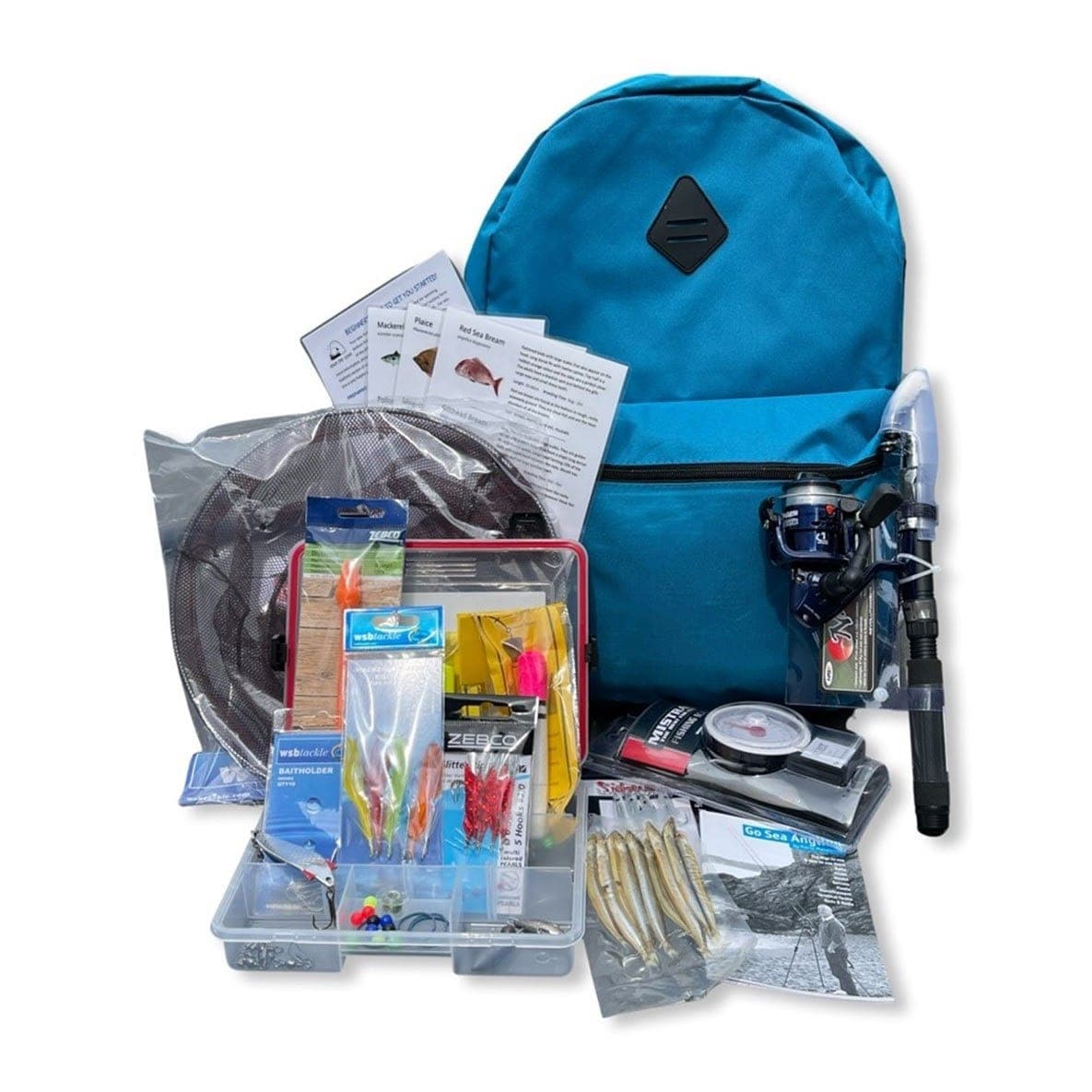
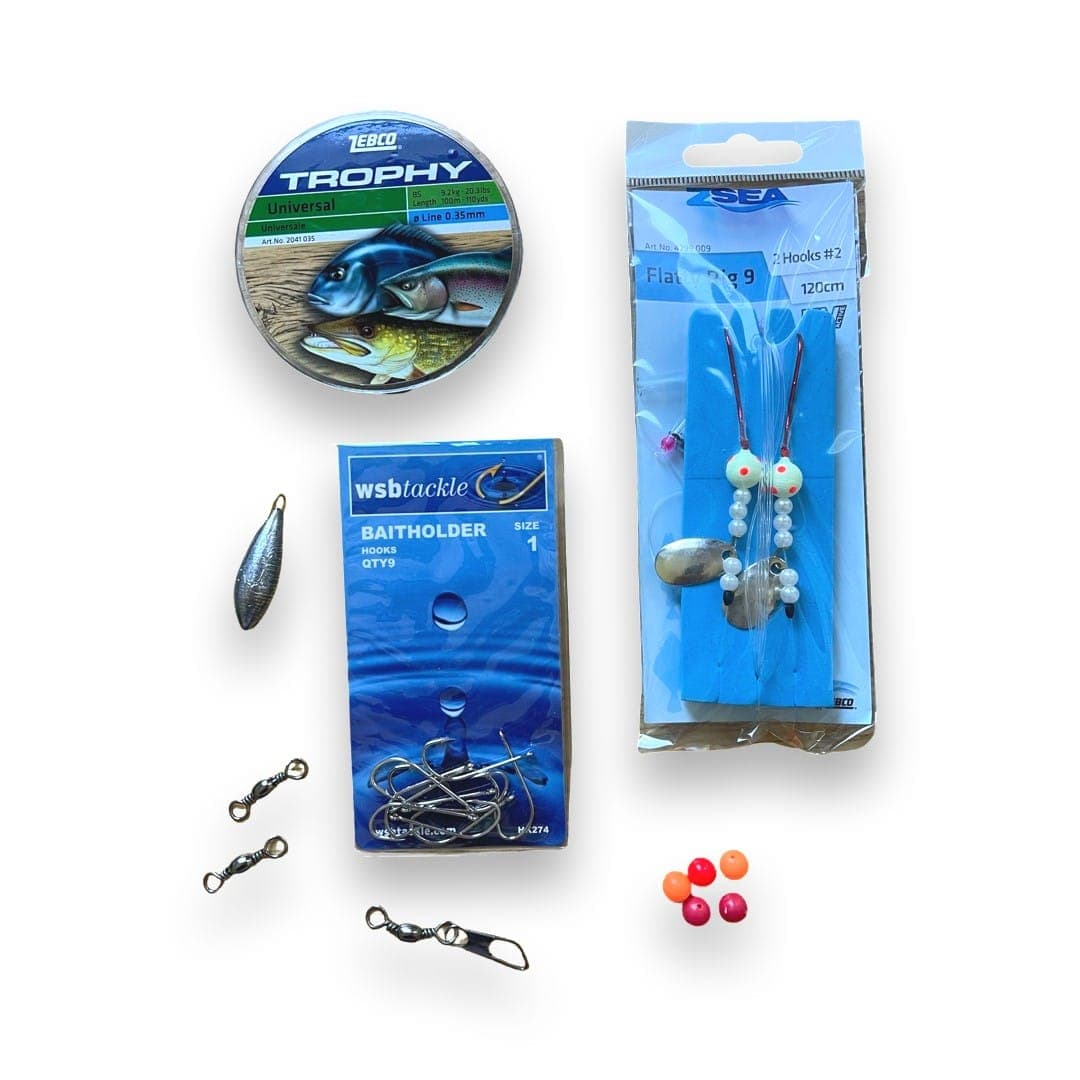
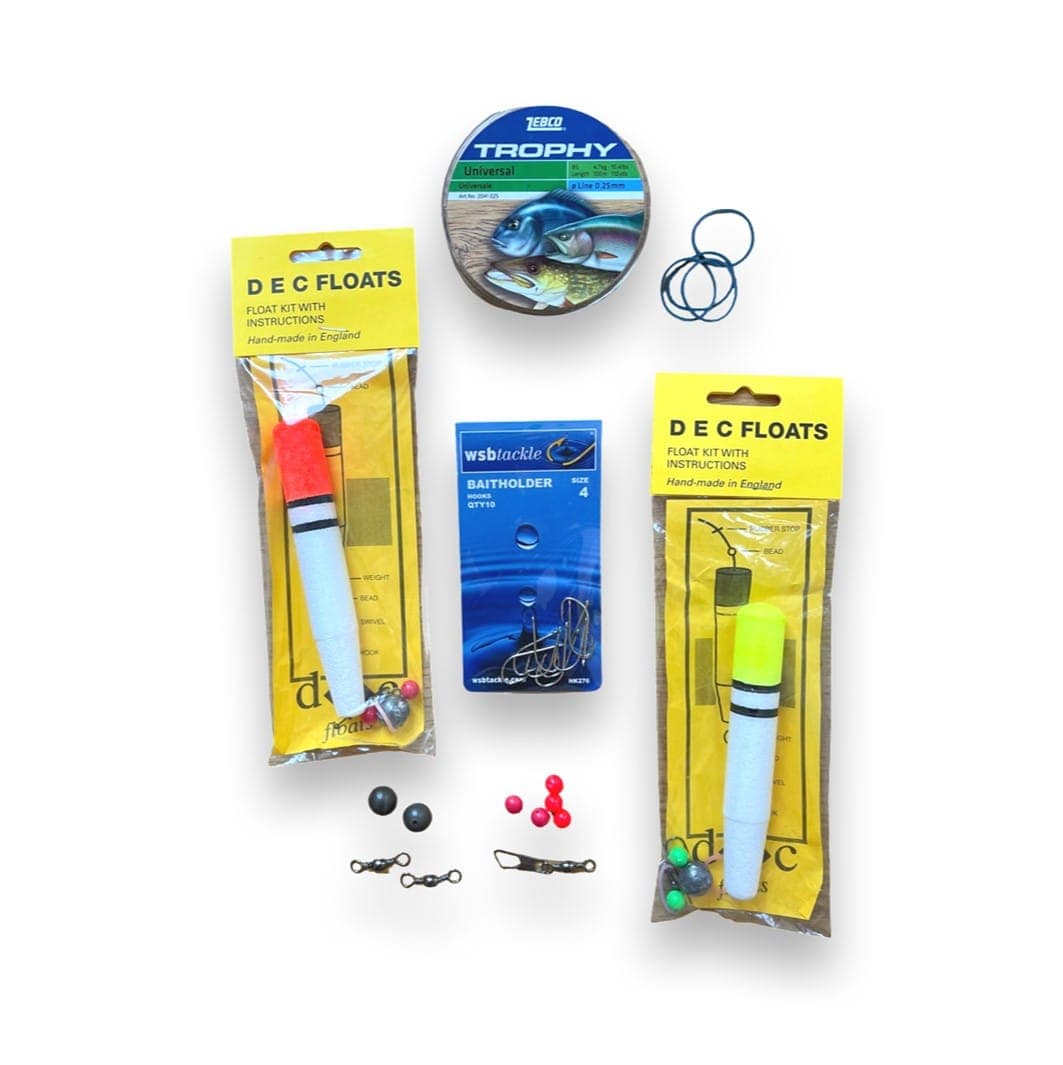
Useful for your next trip
Useful kit connected to this guide, chosen to keep the next step simple.
Full turbot guide
How to spot it, where it lives, how it is caught and how to cook it — the complete guide, in one easy read.
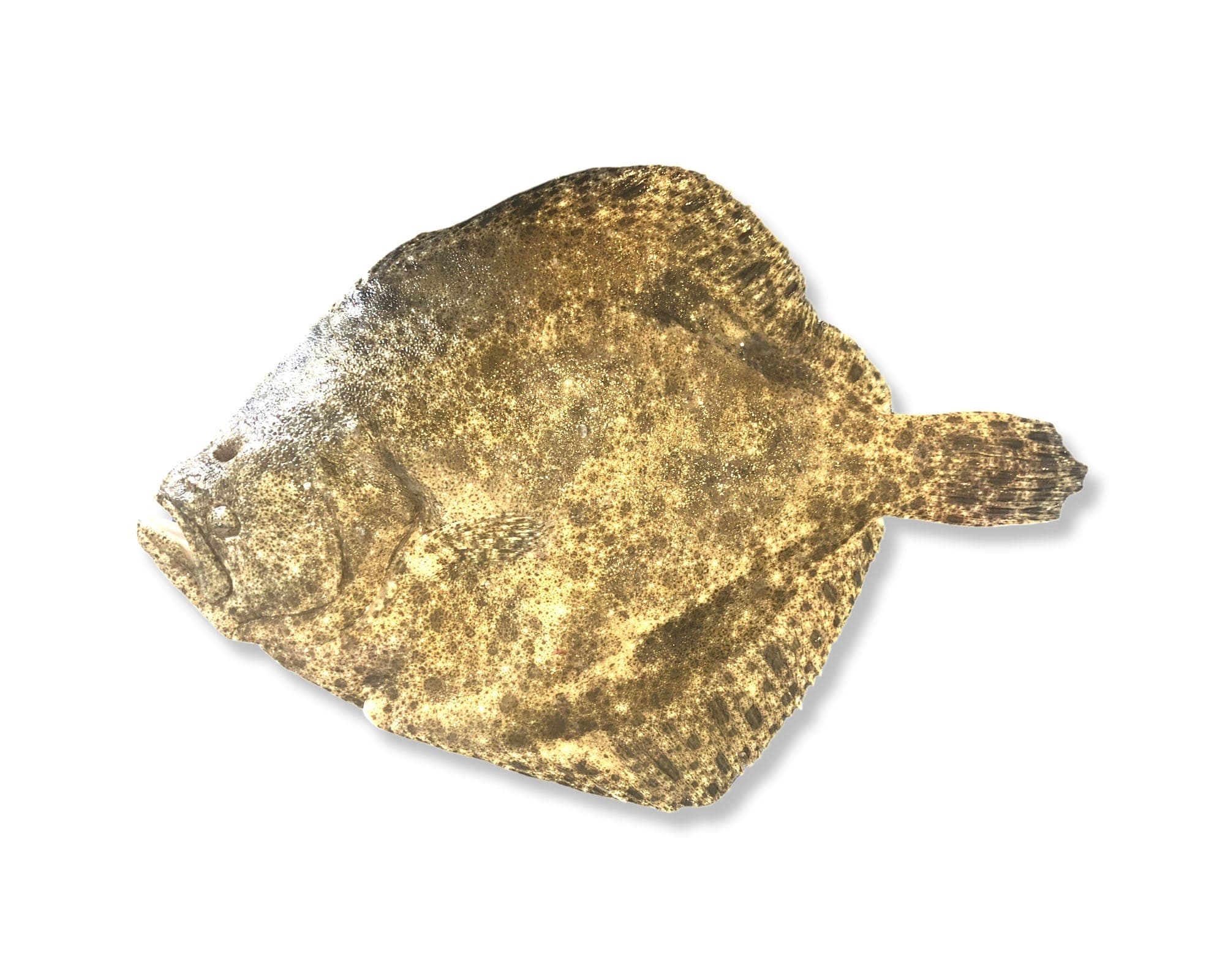
Turbot is the flatfish chefs whisper about. A broad, almost circular fish, it lies half-buried on clean sand, perfectly camouflaged and patiently waiting. To find one off the Cornish shore is a moment anglers remember for years; and on the plate, that firm white flesh, dense and faintly sweet, earns every bit of its reputation.
How to spot it
Turbot has an almost circular outline, a broad disc that sets it apart from the more oval plaice and dab at a glance. It's a left-eyed flatfish, both eyes sitting on the left side of the body, and it carries no scales. Instead the upper surface is studded with small bony lumps, or tubercules, scattered like grit across the skin. Its mottled, sandy-brown colouring shifts to match whatever ground it's resting on. Between the rounded shape and that gritty, textured skin, you'll rarely mistake a turbot once you know the signs.
Where it lives
Turbot are dedicated bottom dwellers that favour clean sandy and gravelly seabeds, the open ground where their camouflage works best. They lie half-buried, waiting in ambush for smaller fish and shrimp to pass within reach. Around the UK and Cornish coast you'll find them off sandy beaches and around estuary mouths, though they tend to sit more at sea than up inside the estuaries themselves. Seek out clean, uncluttered ground rather than reef or weed, and you're fishing where a turbot is most likely to be lying in wait.
Related guides and gear
FAQs
Quick fish questions
Short answers for the questions families and coastal readers often ask first.
How do you tell turbot from plaice?
Look at the outline. Turbot is almost circular, a broad disc, while plaice and dab are more oval. Turbot also has no scales but a skin studded with small bony lumps called tubercules, which plaice lack entirely.
What is the best bait for turbot fishing in the UK?
Sand eel is the classic and hard to beat. Strips of fresh mackerel and prawn also prove reliable. Present any of them on a ledger rig to keep the bait pinned near the bottom where turbot lie in ambush.
How do you fillet a turbot?
Lay it dark-side up and cut down the central lateral line. Work the knife from that line out to the edge over the bones, lifting each fillet clear; you'll get two from the top and two from the bottom. Keep the frame for stock.