
Useful for your next trip
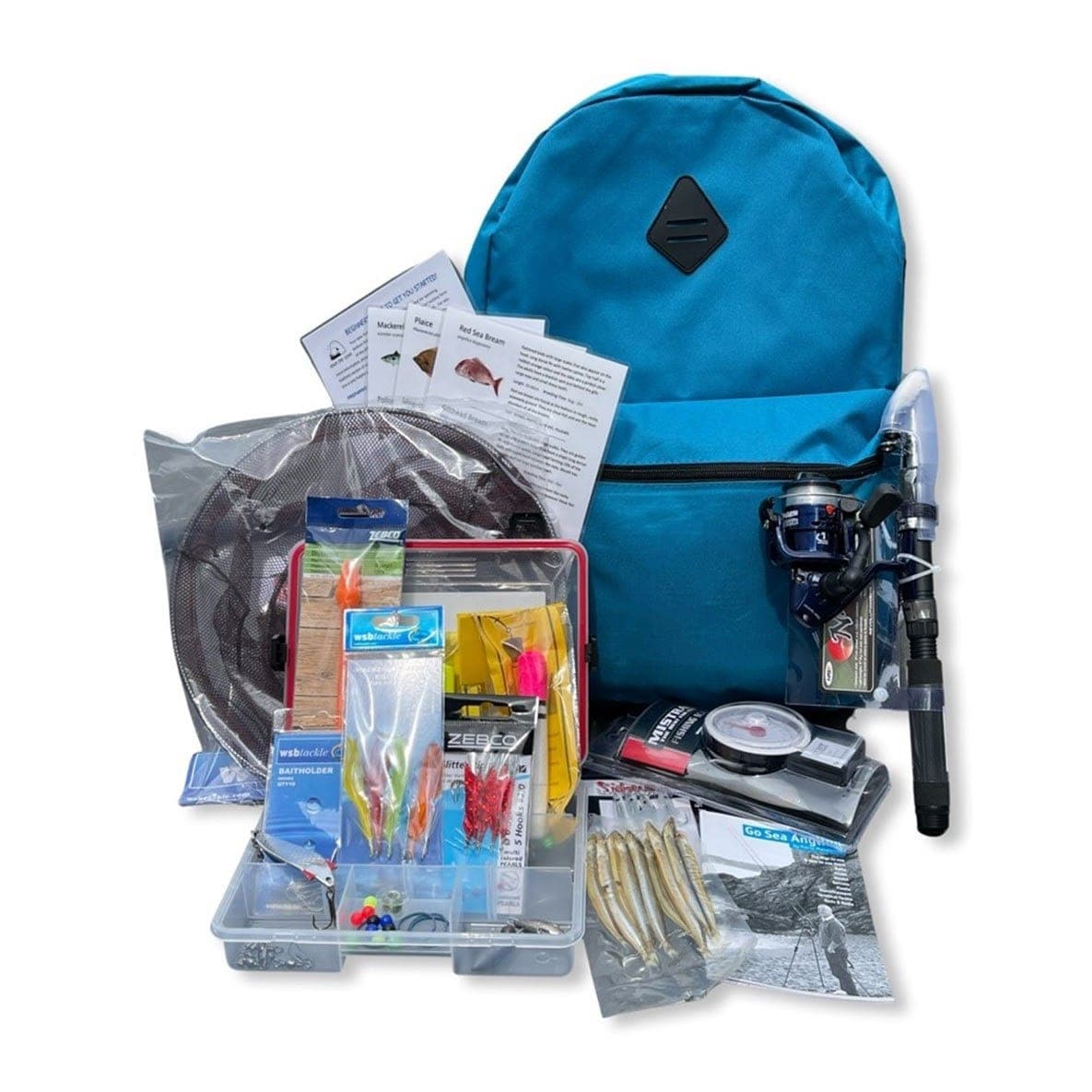
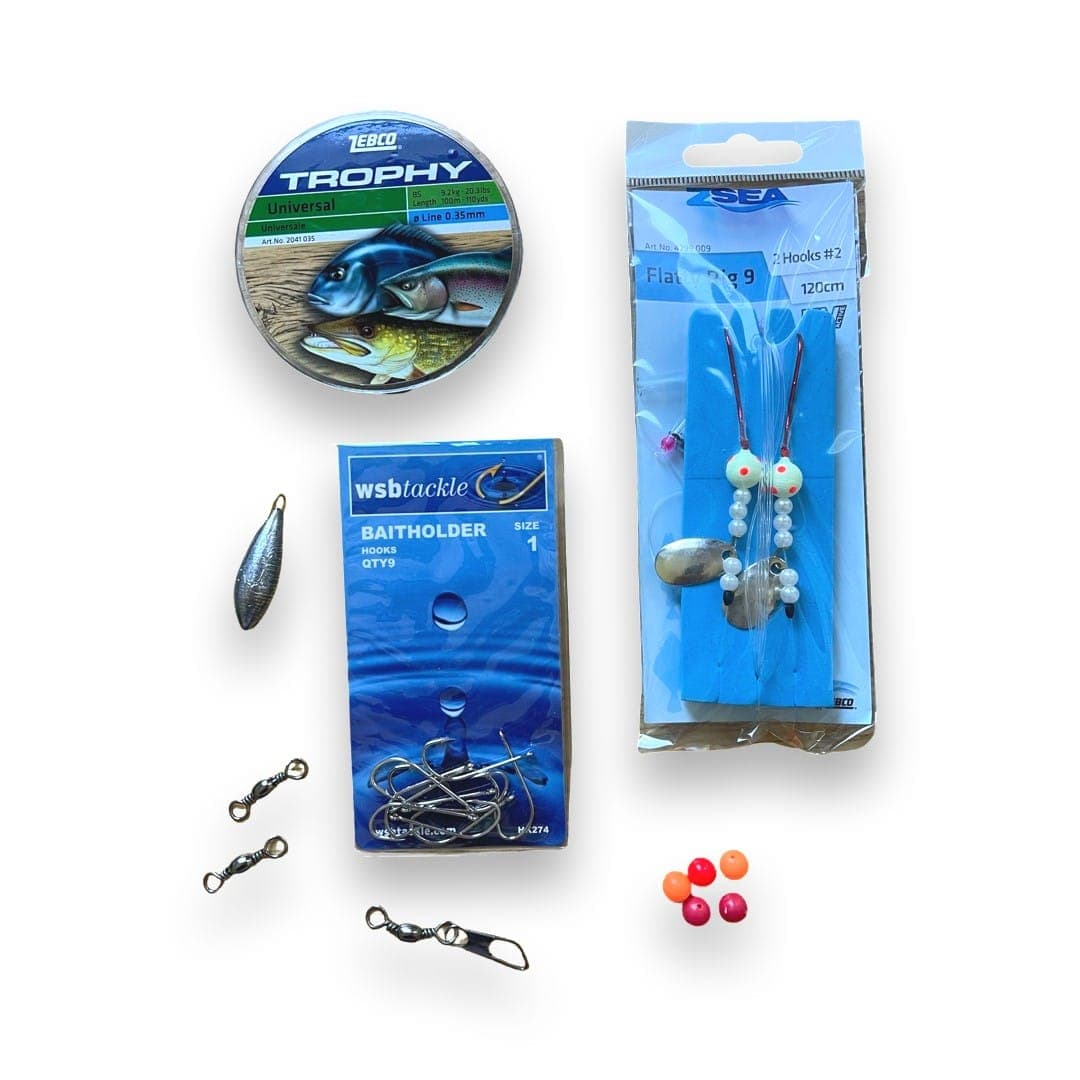
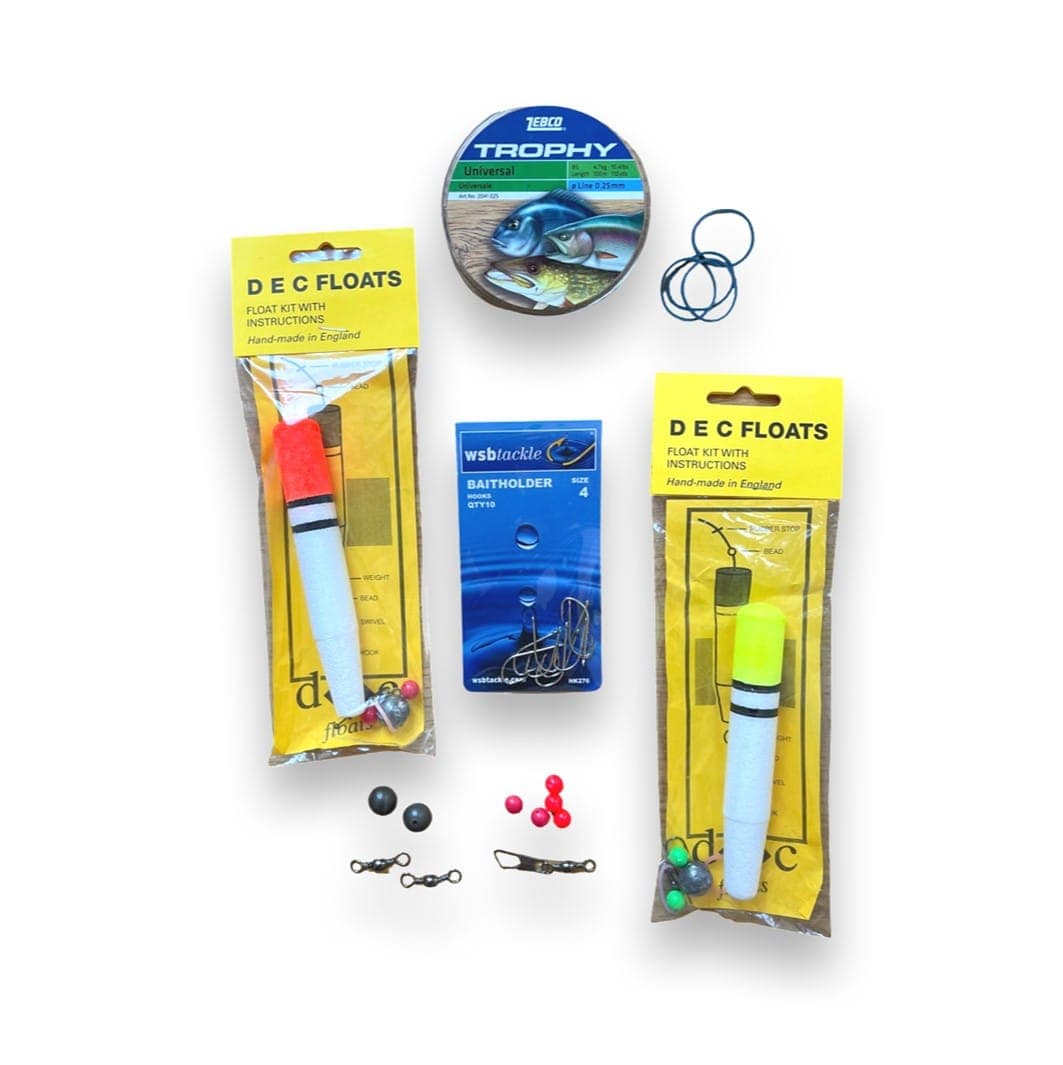
Useful kit connected to this guide, chosen to keep the next step simple.
Full ling guide
How to spot it, where it lives, how it is caught and how to cook it — the complete guide, in one easy read.
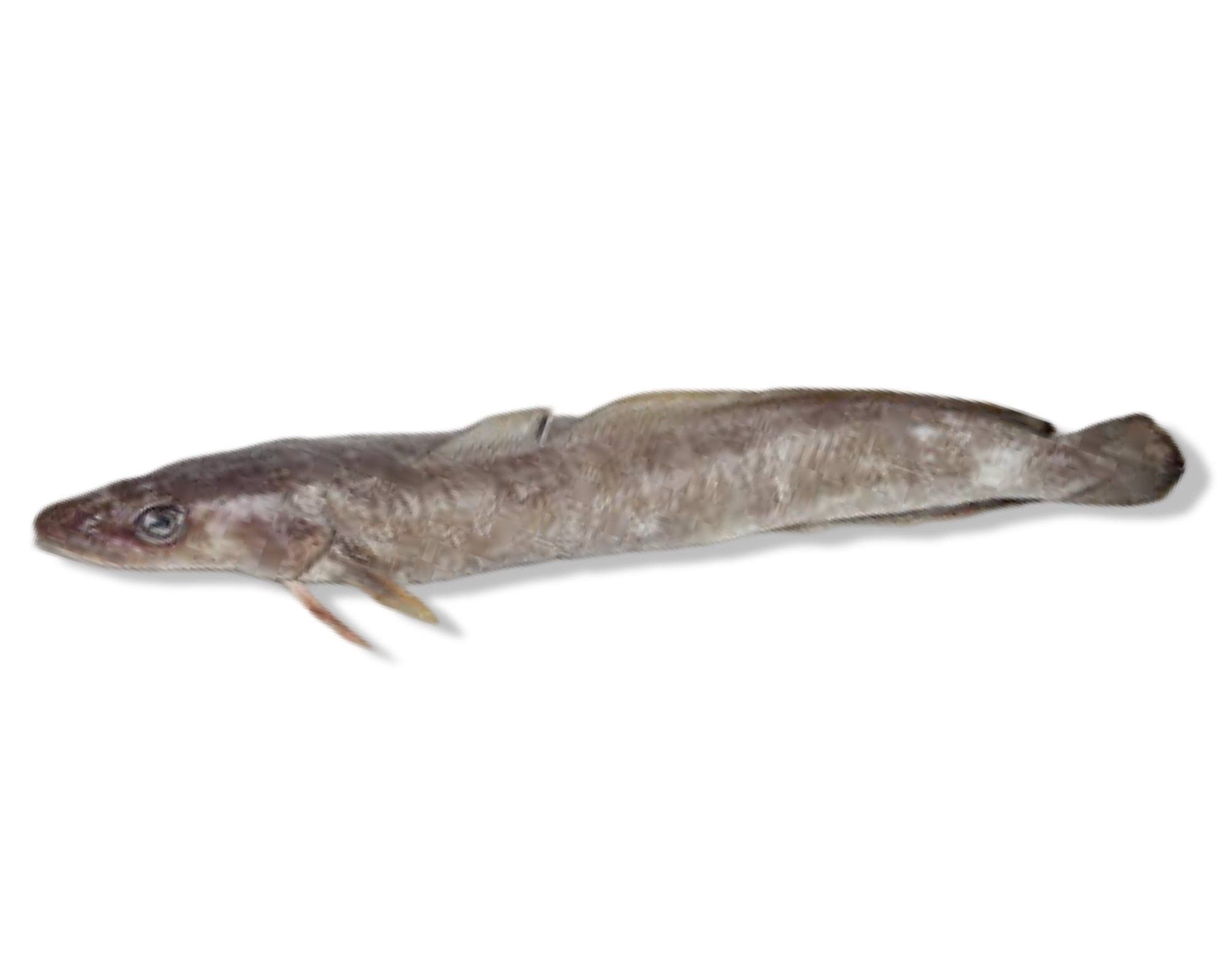
Ling is a creature of the deep, holding hard to the wrecks and rough ground well off the Cornish coast. Long and snake-like, with a feathery fin trailing almost to the tail and a jaw full of needle teeth, it lurks in the iron and the rock where smaller fish shelter, waiting. Send a bait down to that structure and you may find yourself in a slow, heavy tug-of-war to lever a good fish up off the wreck.
How to spot it
Run your eye along a ling and the length tells you most of what you need: a long, slender, almost eel-like body, mottled green and brown over the back and fading to a clean white belly. Look for a dark blotch at the rear of each dorsal fin, with the second dorsal stretching long and feathery nearly to the tail. The lower jaw sits level with or pushes past the upper, a single barbel dangles from the chin, and the mouth bristles with needle teeth. Anglers muddle it with cod, but cod is deep and chunky through the body where ling is long and lean.
Where it lives
Related guides and gear
FAQs
Quick fish questions
Short answers for the questions families and coastal readers often ask first.
Is ling a good fish to eat?
Yes, it is underrated eating. The flesh is dense, meaty and mild, and because it holds together under heat it is one of the most useful white fish you can bring home. It takes roasting, baking, poaching or pan-frying, but it truly comes into its own in a stew.
What is the difference between ling and cod?
Body shape settles it. Ling is long, slender and almost eel-like, with mottled green-brown colouring and a long feathery second dorsal fin running towards the tail. Cod is a much deeper, chunkier fish through the middle, and lacks that snaky outline.
How do you fillet ling?
Lay the fish flat and cut behind the head down to the backbone, then run a firm knife along the spine from head to tail to take off a whole side. Repeat on the other side, skin the fillets, and trim the thin belly flap. The dense flesh cuts cleanly into chunks for the pot.