
Useful for your next trip
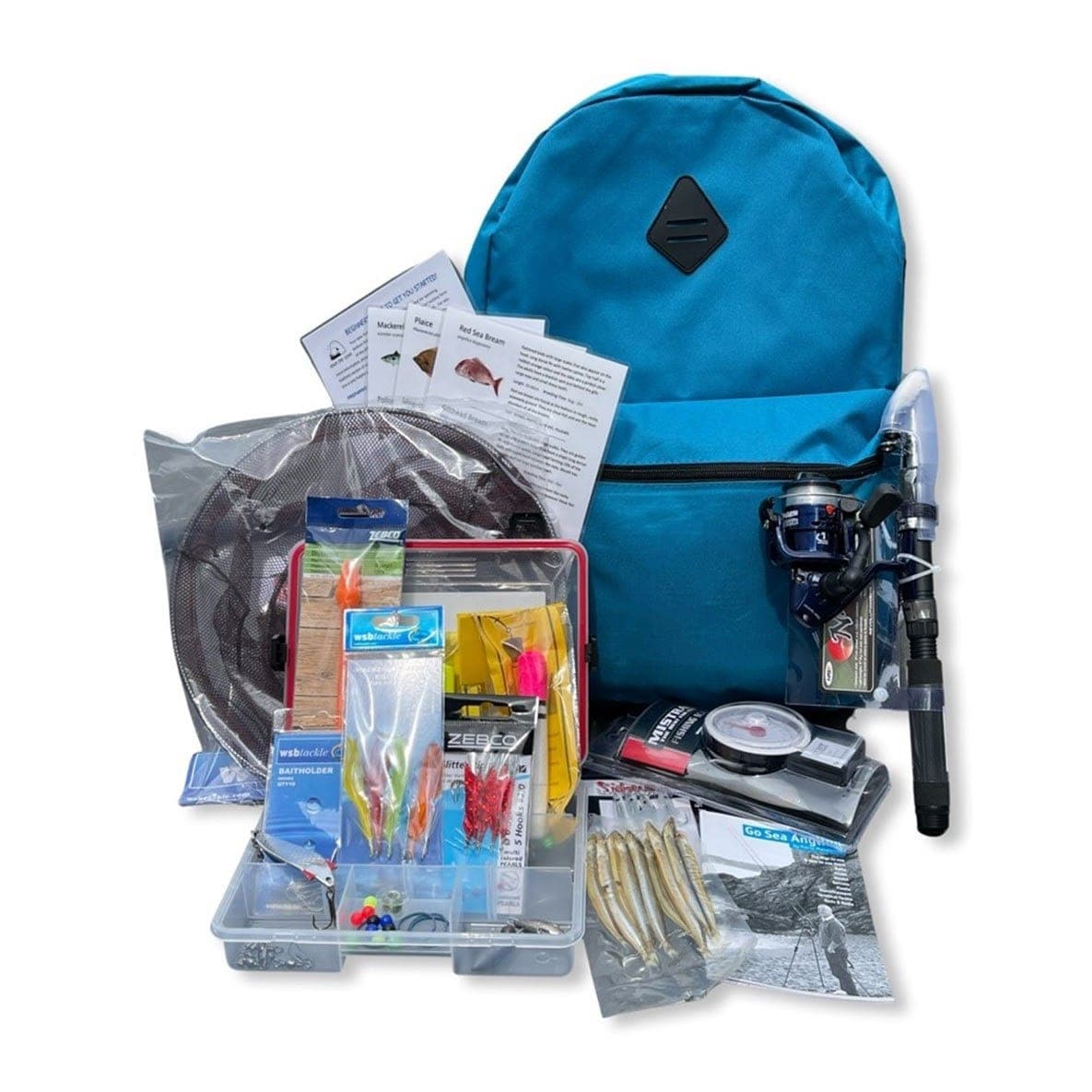
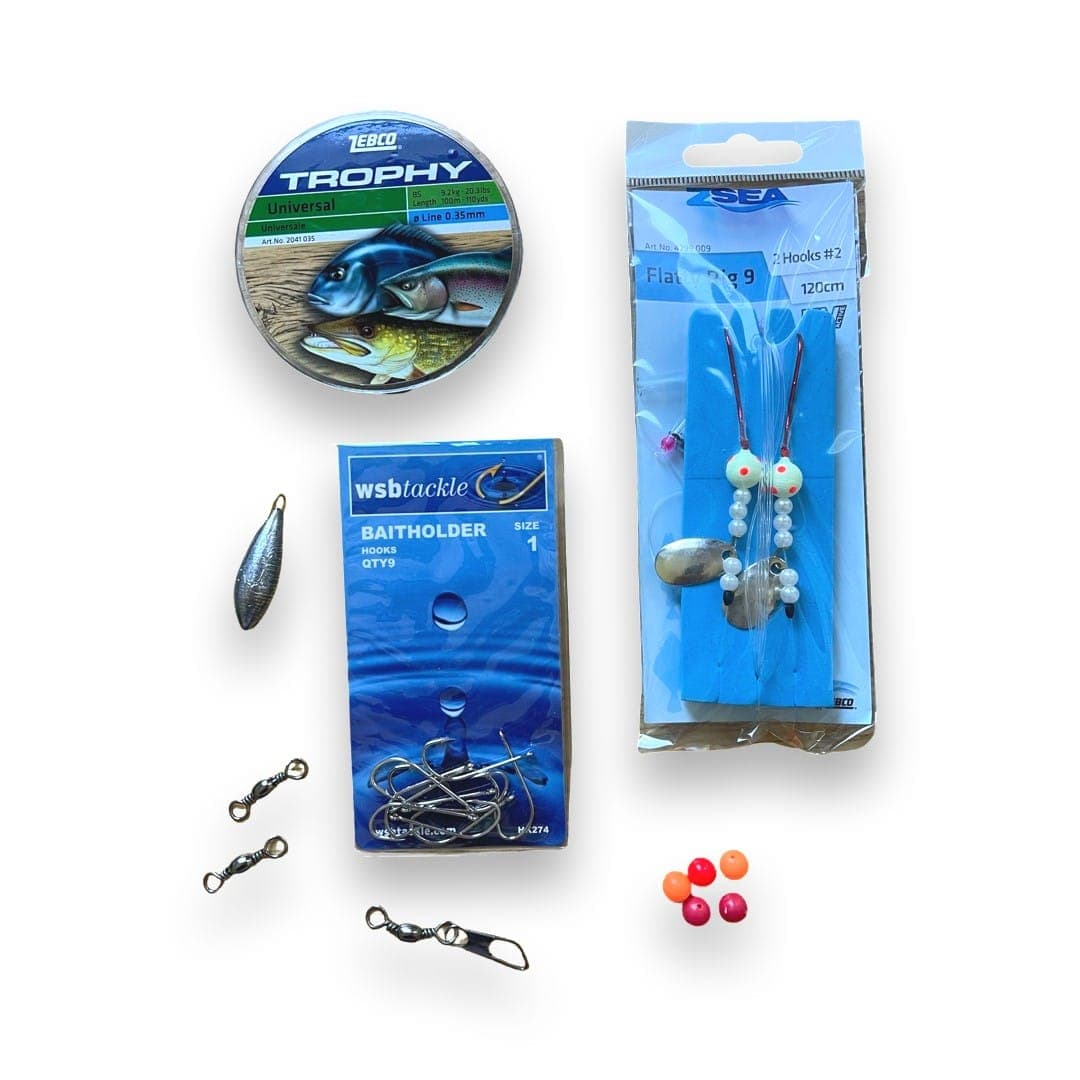
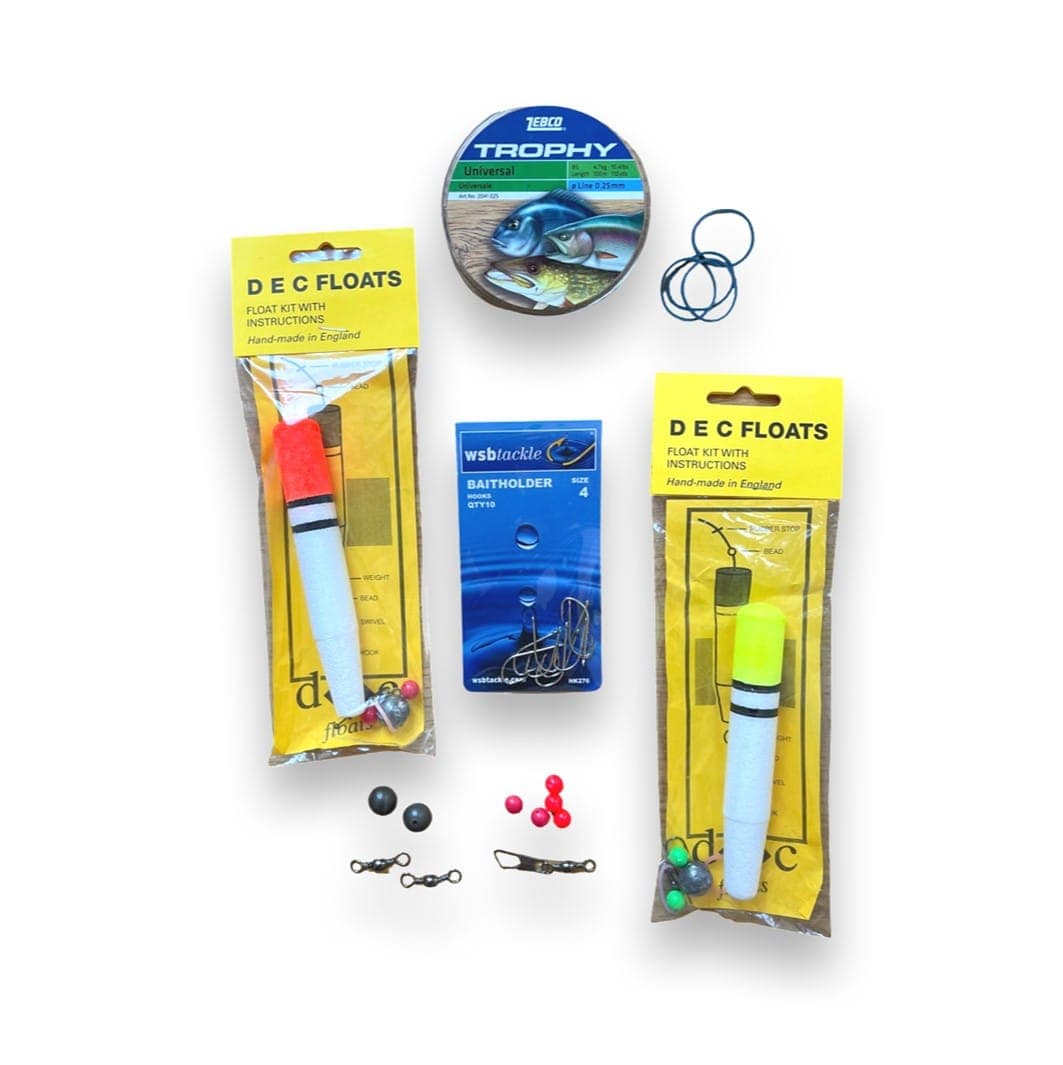
Useful kit connected to this guide, chosen to keep the next step simple.
Full cod guide
How to spot it, where it lives, how it is caught and how to cook it — the complete guide, in one easy read.
Generous, adaptable and a proper winter prize, cod is one of the most loved fish to land and to cook. It feeds over beaches, harbours and deep water alike, and its flakes are as at home in batter as in a slow Sunday bake. Tell it from a haddock, treat it kindly in the pan, and it will repay you all winter.
How to spot it
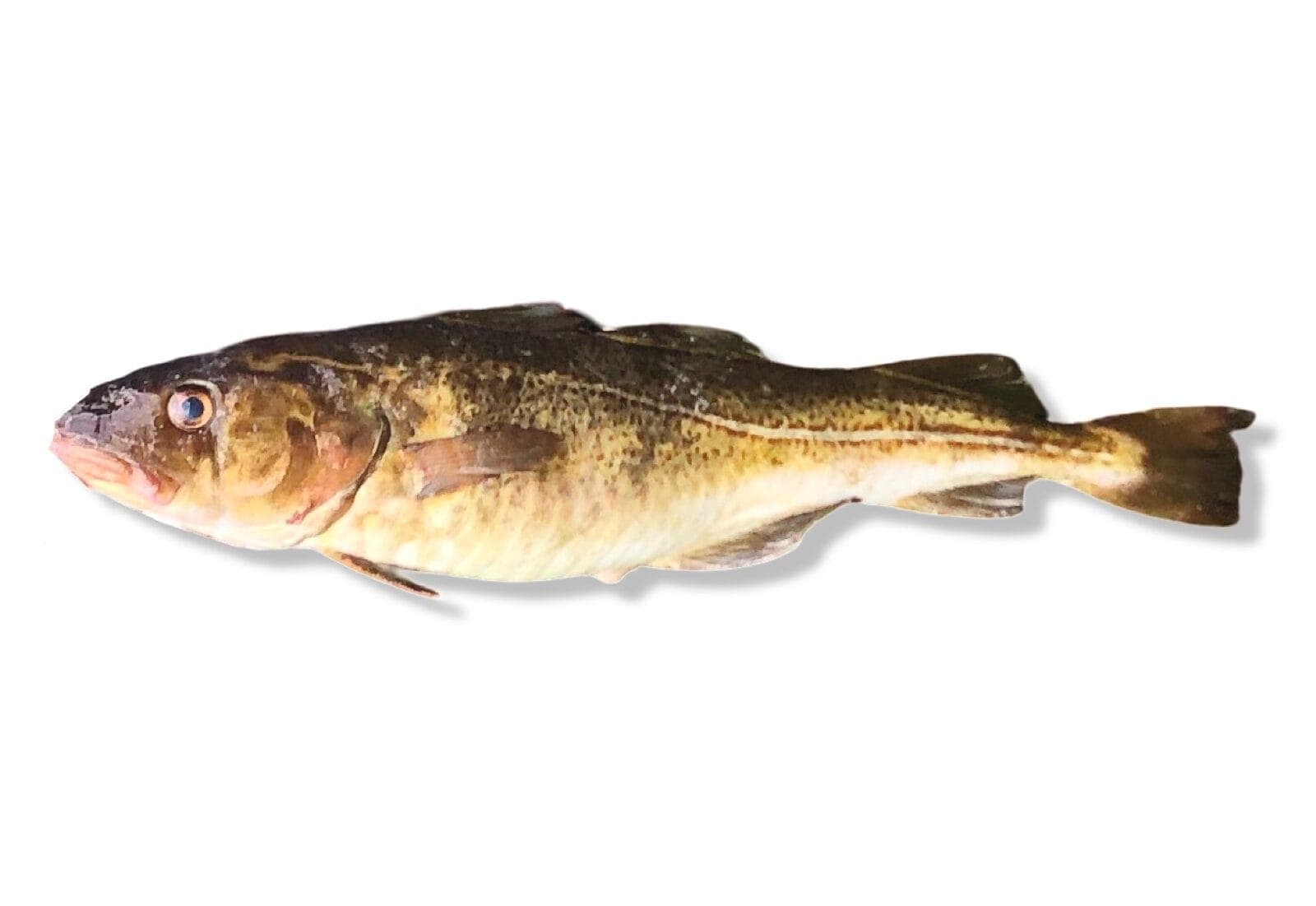
Cod and haddock get muddled constantly, so start there. Cod has a mottled greenish-brown back and a pale, almost white lateral line; haddock is greyer, with a dark lateral line and a smudgy dark blotch above the pectoral fin, the famous "thumbprint". Beyond that, cod is built to a clear plan: three rounded dorsal fins along the back, two anal fins beneath, an upper jaw overhanging the lower, and a single barbel hanging off the chin like a whisker. The belly is white, and a good fish reaches around 1.2m.
Where it lives
Cod aren't fussy about where they show up, coming from beaches, harbours, jetties, estuaries and deep water. They're mainly bottom feeders, though they'll lift into mid-water readily enough when the food's there. Around Cornwall, Boscastle repays the effort on the north coast, along with the Padstow headlands and Perranporth, and the Penzance area is worth a look too. Their run holds from January through to April, when the colder water pushes them inshore, which is reason enough to wrap up and fish the quiet end of the year.
Related guides and gear
FAQs
Quick fish questions
Short answers for the questions families and coastal readers often ask first.
How do you tell cod and haddock apart?
Cod has a mottled greenish-brown back, a pale lateral line and a chin barbel. Haddock is greyer, with a dark lateral line and a dark blotch above the pectoral fin, the "thumbprint". Once you've spotted the line and blotch, the two are easy to separate.
How do I identify cod in the UK?
Look for three rounded dorsal fins, two anal fins, an upper jaw that overhangs the lower, and a single barbel under the chin. The back is a greenish-brown mottle, the belly white, with a pale lateral line curving past the pectoral fin.
Is cod sustainable in the UK?
It depends on the source. Some North Sea and Celtic Sea stocks have been under pressure, while Icelandic cod remains certified and well managed, while north-east Arctic cod is now red-rated. Look for MSC-certified or line-caught cod, mind the size limit, and ask where yours was landed.