
Useful for your next trip
Useful kit connected to this guide, chosen to keep the next step simple.
Full haddock guide
How to spot it, where it lives, how it is caught and how to cook it — the complete guide, in one easy read.
Haddock might be the most useful fish in the British kitchen. Cod's slimmer cousin, it wears a dark thumb print behind the gill and turns its hand to almost anything: battered, poached in milk, or smoked to pale gold. It is the smoking that makes it special, though, and a fillet of real, naturally smoked haddock opens up a whole run of proper comfort food.
How to spot it
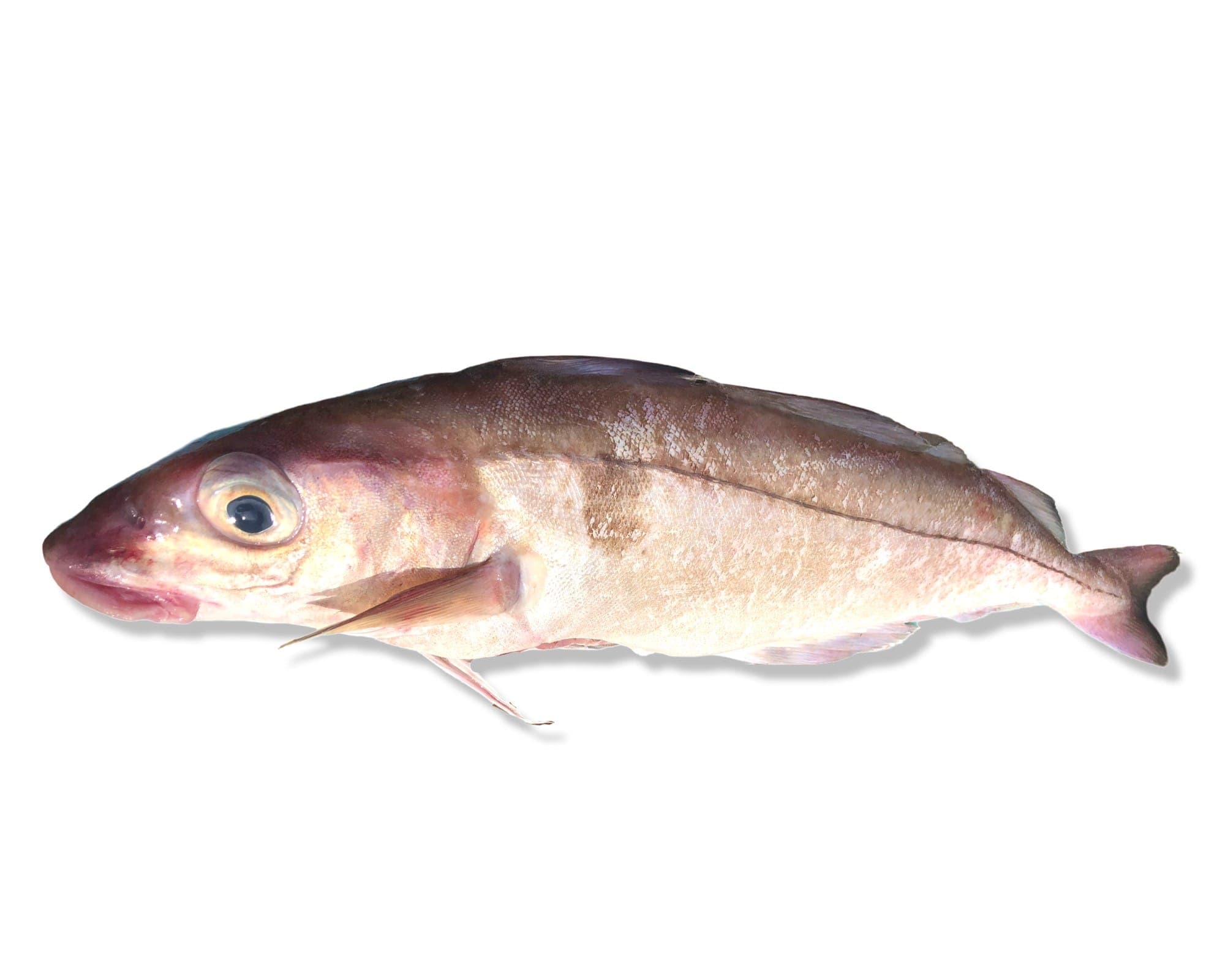
A haddock wears a dark, almost-black lateral line down a pale, silvery flank, the reverse of the pollock, which carries a pale line over a darker body. The back is a soft grey-brown above a clean white belly, and the body runs slimmer and more tapered than a cod's. The chin barbel is barely there, unlike cod's prominent whisker. Its best-known feature is the dark shoulder mark, often called the thumb print, just behind the gill. At a typical 38 to 69cm, it is smaller and finer in the flesh than cod, and a touch sweeter on the plate.
Where it lives
Haddock are bottom-dwellers, feeding close to the seabed over clean sand, gravel and mud, and they are found all around the UK. They favour cool, deeper water and turn up most abundantly in the North Sea and off Scotland. You can catch them year-round, though they are at their best through the cooler months, roughly autumn into early spring, when the cold water suits them and the flesh firms up. As a close cousin of the cod they share much of the same ground, but haddock keep to those deeper, cooler patches where the bottom is clean.
Related guides and gear
FAQs
Quick fish questions
Short answers for the questions families and coastal readers often ask first.
Where can you buy smoked haddock online?
Seek out naturally smoked, undyed haddock: dull-gold fillets with a clean, smoky smell rather than the bright-yellow, artificially coloured kind. A proper fishmonger or smokehouse is your best bet, as the real thing is smoked over wood, not dyed.
Is smoked haddock already cooked?
It depends. Most smoked haddock is cold-smoked, which means it still needs cooking, by poaching, grilling or baking. Hot-smoked types are cooked during the smoking and are ready to eat as they are.
Is haddock good for you?
Yes. Haddock is lean, low in fat and high in protein, with useful minerals such as selenium and B vitamins. Poached or baked rather than battered, it is one of the lighter, more nourishing white fish you can eat.