
Useful for your next trip
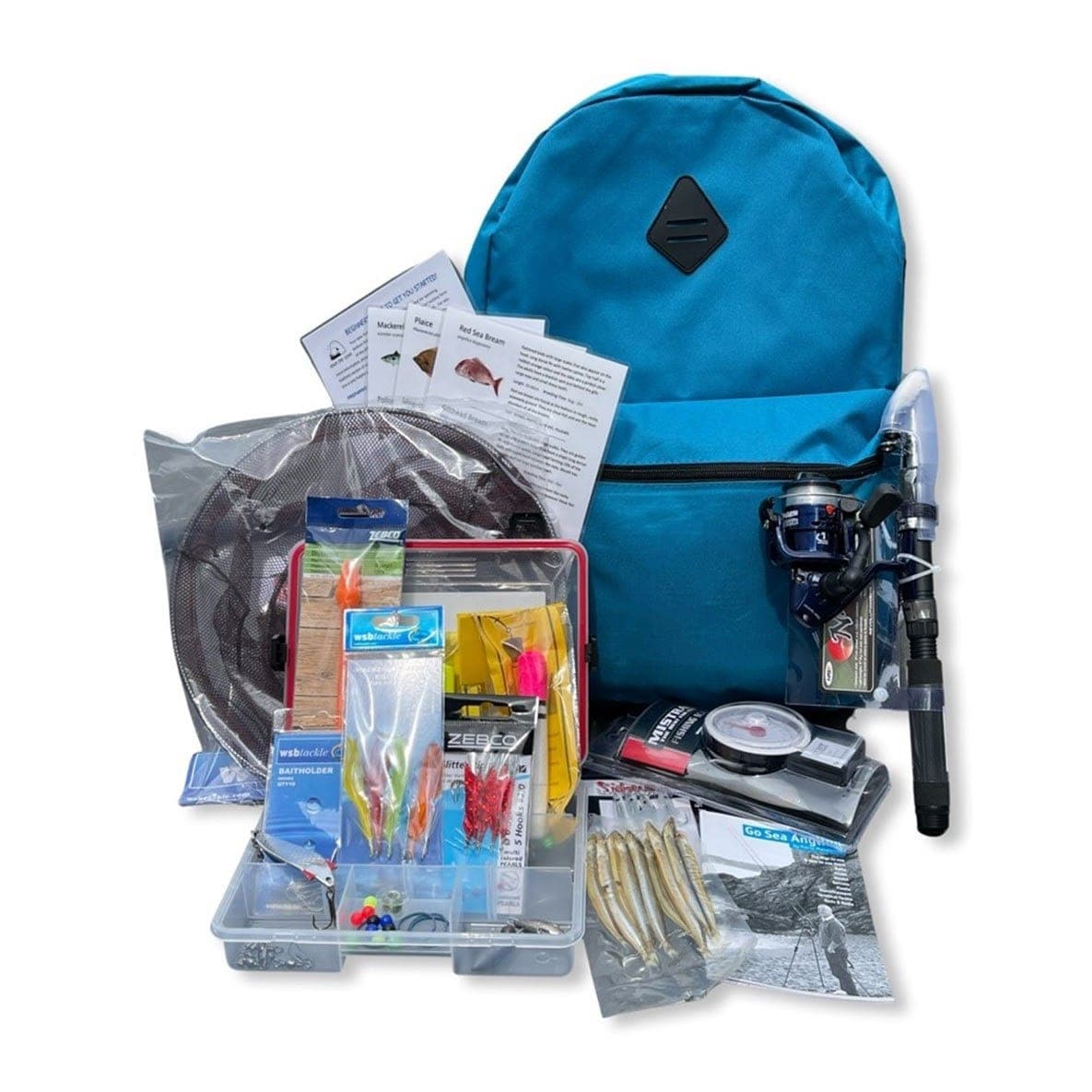
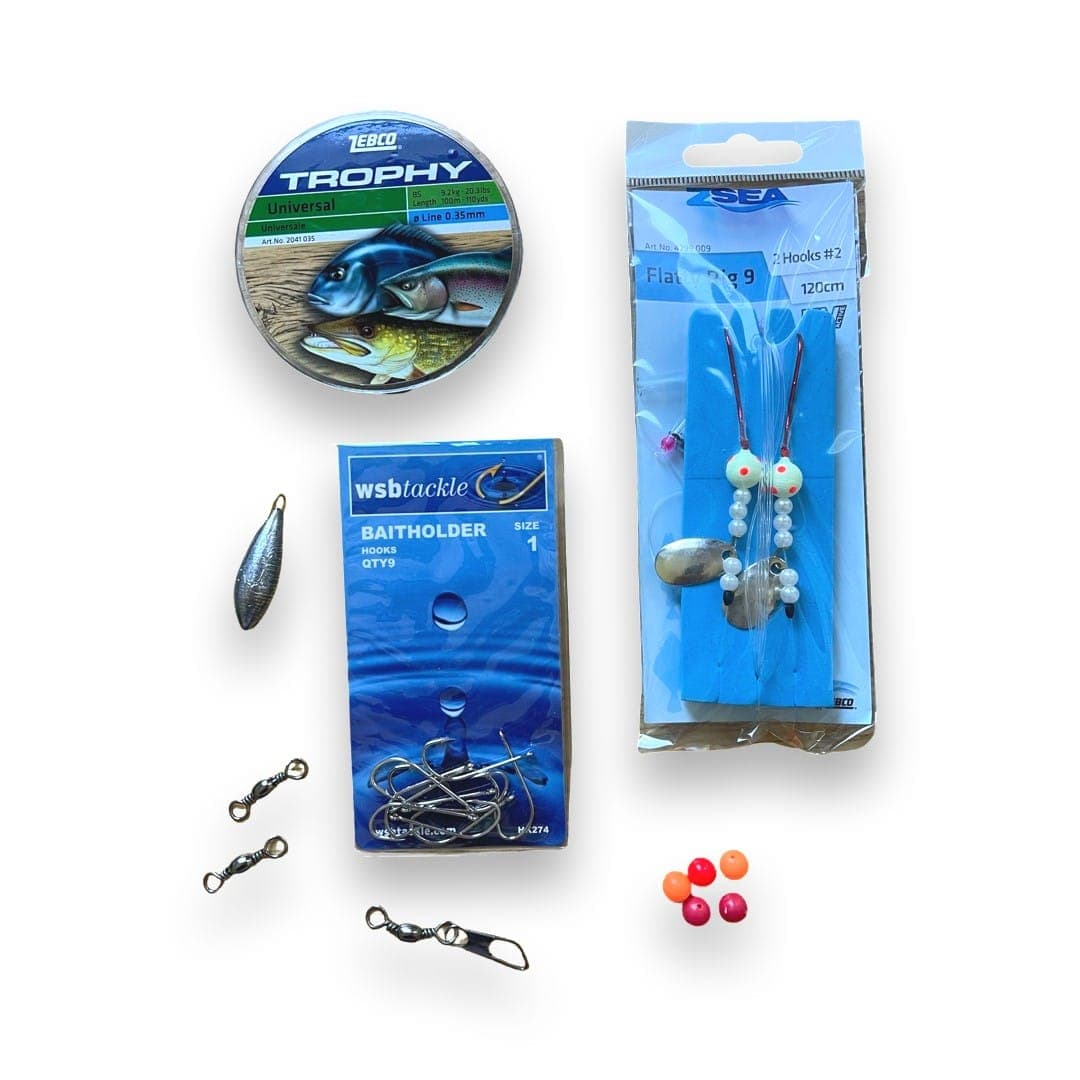
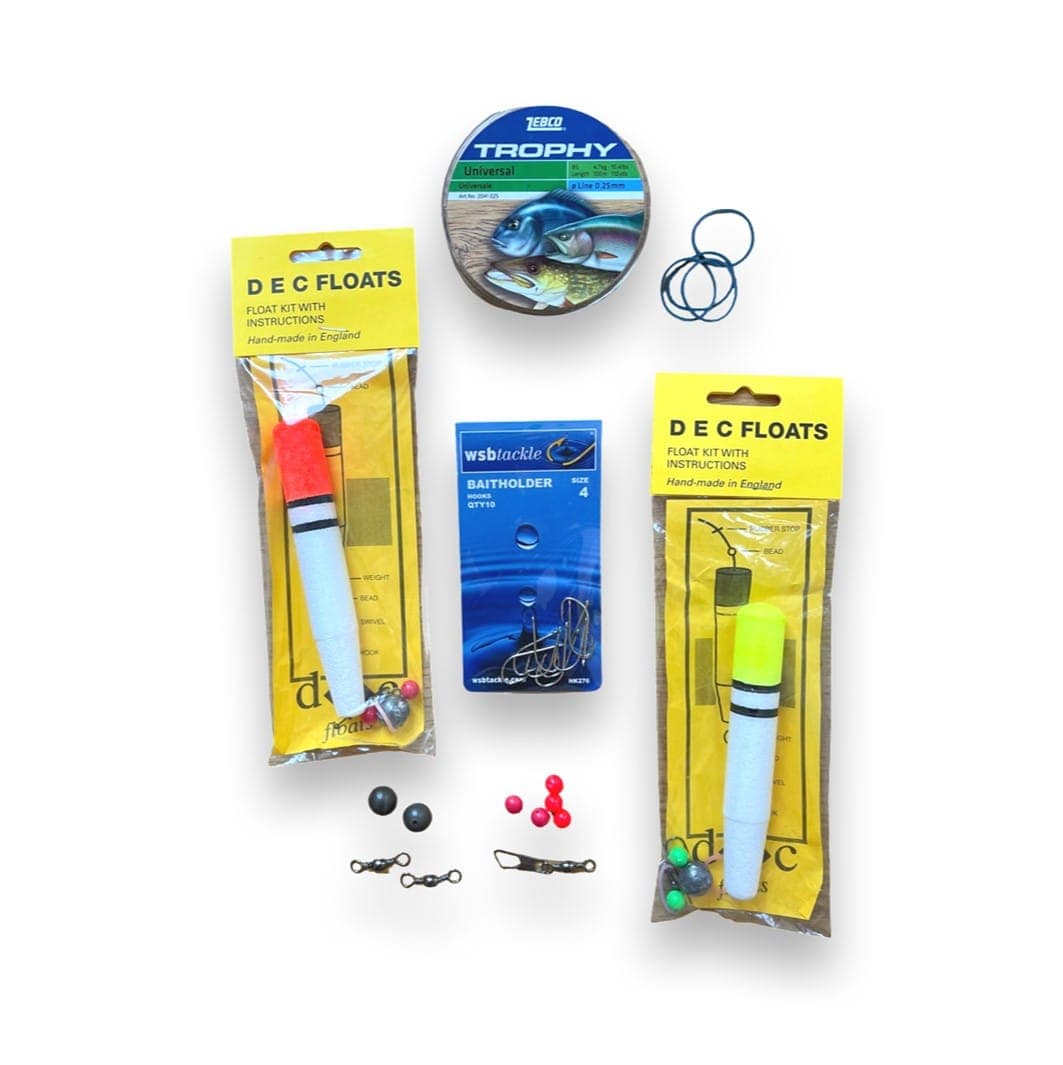
Useful kit connected to this guide, chosen to keep the next step simple.
Full herring guide
How to spot it, where it lives, how it is caught and how to cook it — the complete guide, in one easy read.
Herring never travels alone. Find one and you have found a few thousand, sweeping the coast in shoals that scatter the light like loose change spilled across the surface. It is an oily fish with proper backbone on the plate, the sort our grandparents ate by the barrelful, and it will hang itself on a string of feathers without much persuasion. For all its history, it remains one of the most rewarding fish you can land from the shore.
How to spot it
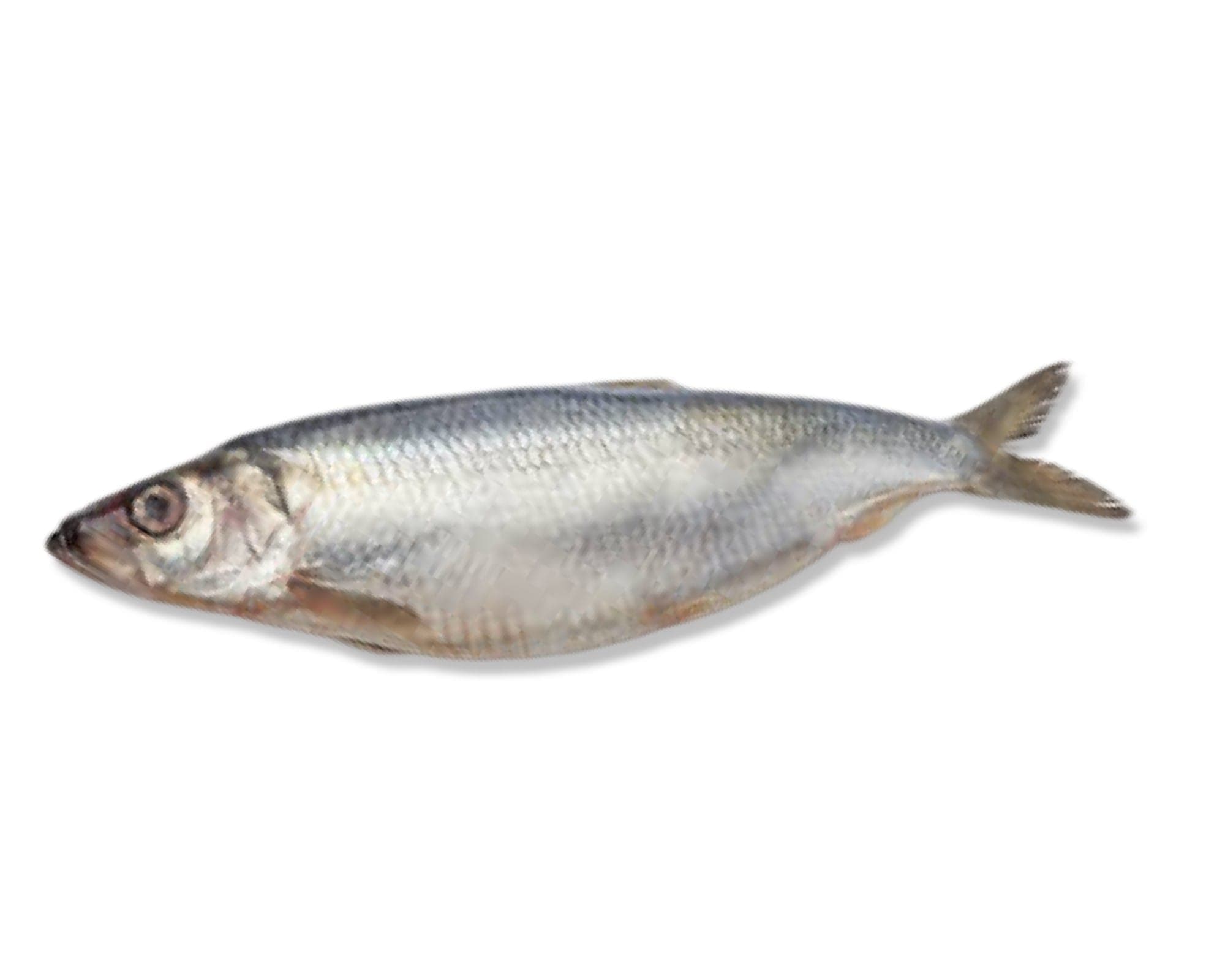
Picture a compact, streamlined fish with flanks and belly of clean silver and a back washed greeny-blue, the head and gills running noticeably darker. What settles it is the scaling. Herring carry large, loosely-set scales that come away at the lightest touch and leave your fingers glittering, so a fish that has already shed half its silver onto the deck is almost always a herring. Most run 20-30cm. Put that size together with the silver-and-blue colouring and those shedding scales and you can pick it out from the other small shoaling fish that turn up on the same rig.
Related guides and gear
FAQs
Quick fish questions
Short answers for the questions families and coastal readers often ask first.
Is herring good for you?
It is one of the best things you can eat from the sea. Herring is an oily fish, which means it is loaded with omega-3 fatty acids that support heart and brain health, alongside protein, vitamin D and B12. Its oiliness also makes it hard to overcook.
When is the best time to catch herring in the UK?
The shore window runs through the warmer months, roughly June to September, when shoals push in close. Herring rise to feed after dark and drop deeper by day, so an evening or night session will usually out-fish the middle of the day.
How do you make rollmops?
Buy rollmops from a reputable supplier and follow the storage and use-by instructions. This guide does not provide a validated raw-fish pickling process or shelf life.