
Useful for your next trip
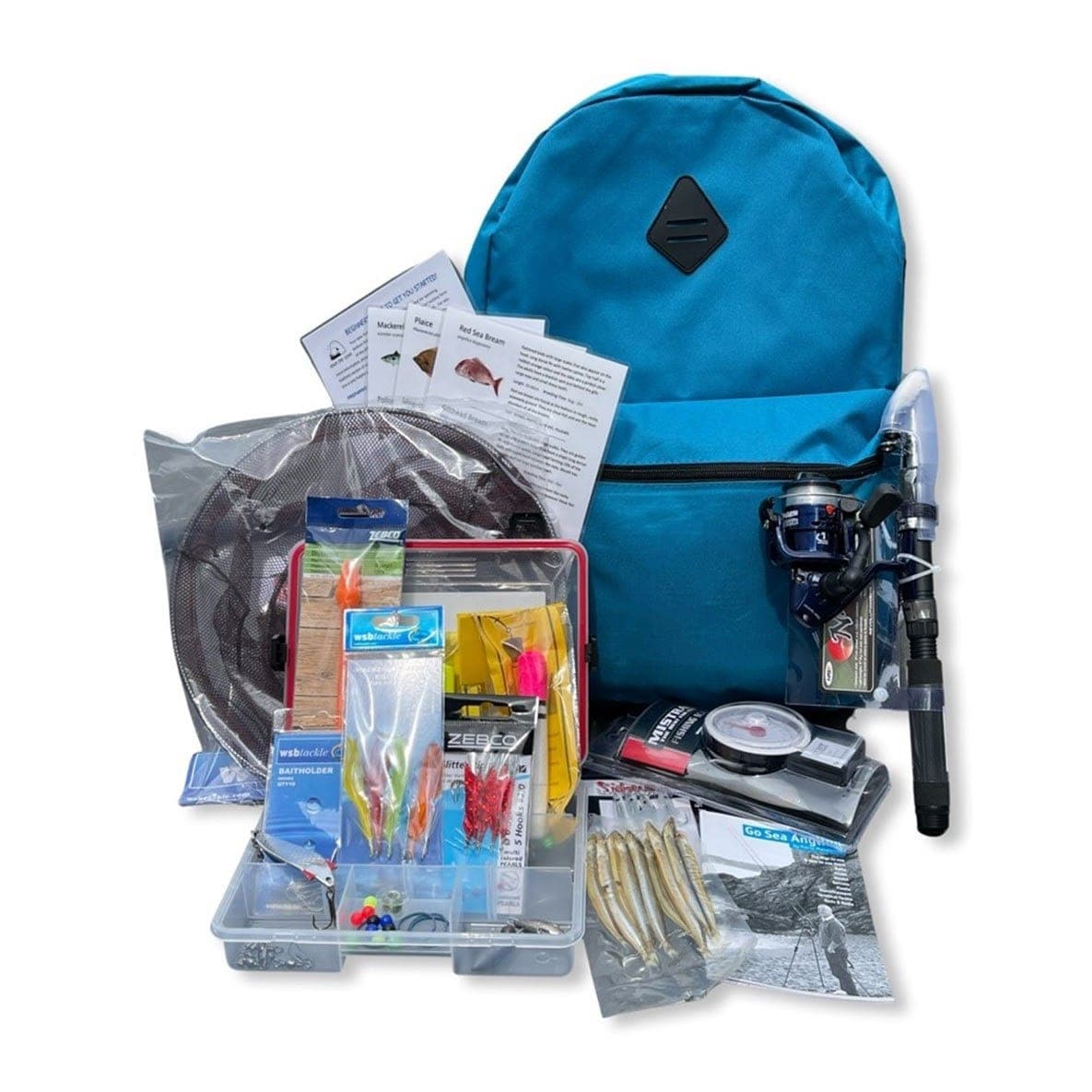
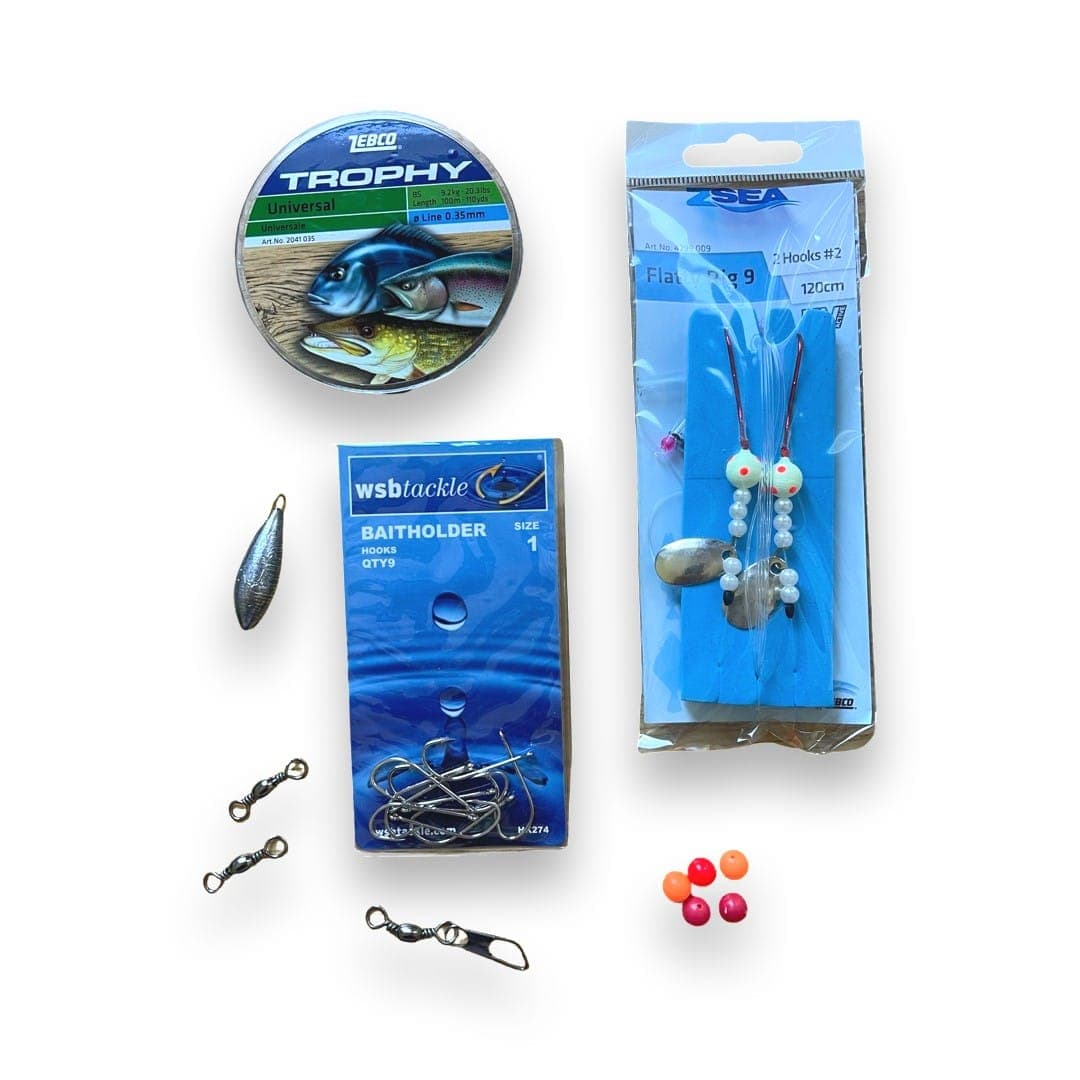
Useful kit connected to this guide, chosen to keep the next step simple.
Full wrasse guide
How to spot it, where it lives, how it is caught and how to cook it — the complete guide, in one easy read.
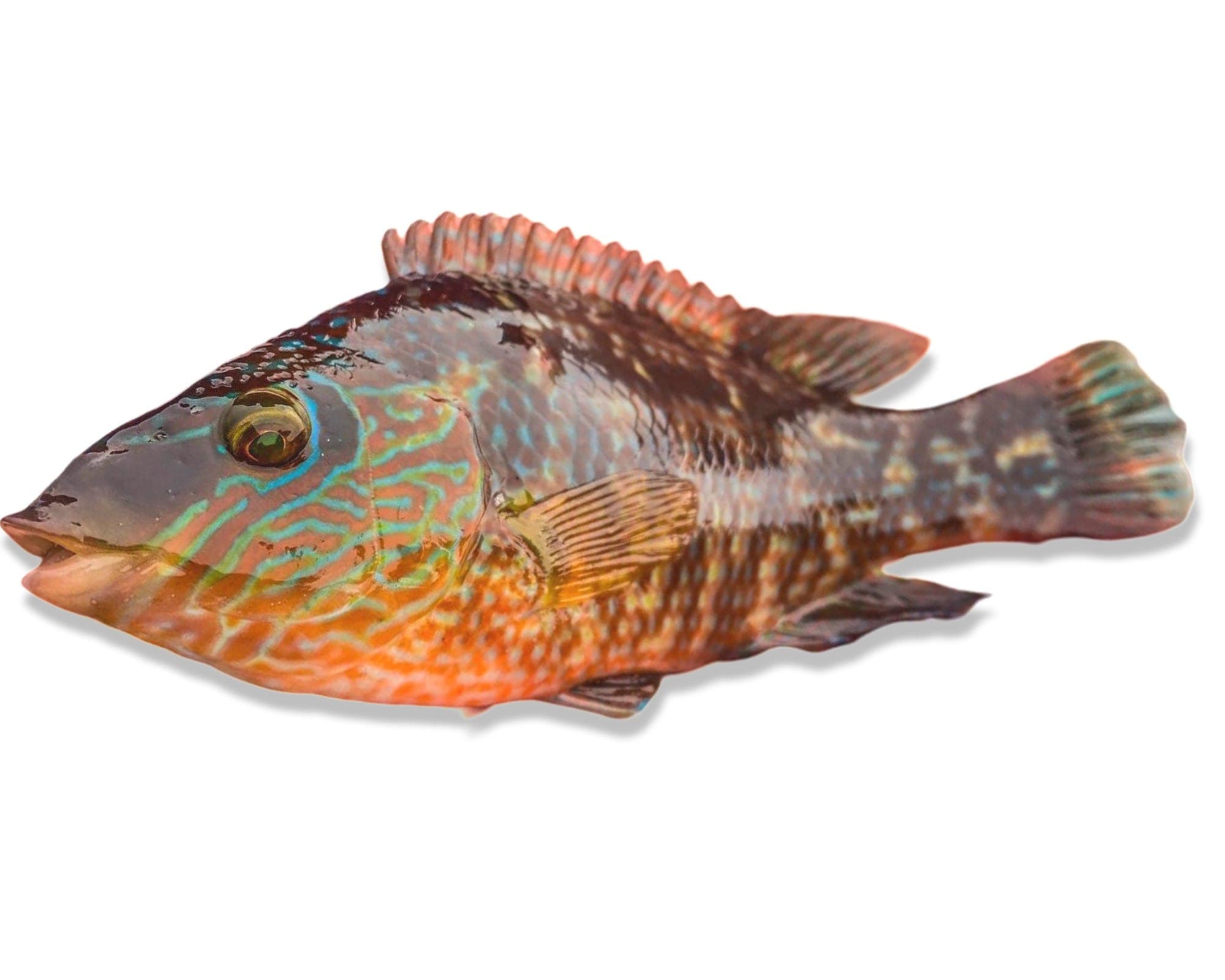
Pound for pound, the ballan wrasse is the bruiser of the Cornish rocks. Stocky, deep-bodied and freckled like no two fish are quite the same, it lives among the kelp and fights like it means it. Hook a good ballan in tight ground and it bolts straight back for cover, and the scrap to turn its head is about as much fun as the rocks allow.
How to spot it
The ballan wrasse is stocky and deep-bodied, built for shouldering through kelp, with a notably large head that tapers to a relatively small mouth set with big, rubbery lips for prising shellfish off the rocks. A long dorsal fin runs almost the length of the back, carried on roughly twenty stiff spines, and the body is clad in large, coarse scales. Colour is the real signature: it shifts through shades of green to reddish brown and is freckled all over with small white spots, so no two fish ever look quite alike. At up to around 60cm, a good one is a genuine handful.
Where it lives
Ballan wrasse are fish of weedy, rocky bottoms, where kelp, gullies and broken ground give them both larder and shelter. You'll find them tucked into ledges, cracks and weed beds, and often right alongside harbour walls and rocks where structure is thick. Around the Cornish coast they turn up at marks such as Boscastle, Tintagel, Porthtowan, Cape Cornwall and Mullion, along with Mevagissey, Charlestown, Mousehole, Newlyn, Kennack Sands and Coverack. They're most active in the shallows from April through August, the prime window to go looking for them.
Related guides and gear
FAQs
Quick fish questions
Short answers for the questions families and coastal readers often ask first.
What is the best bait for wrasse in the UK?
Wrasse will take crab, mackerel, sand eel, mussels, worm or prawns, but hardshell or peeler crab is a particular favourite and hard to beat. It suits their rubbery-lipped, shellfish-prising feeding style perfectly.
How do you catch ballan wrasse from the rocks?
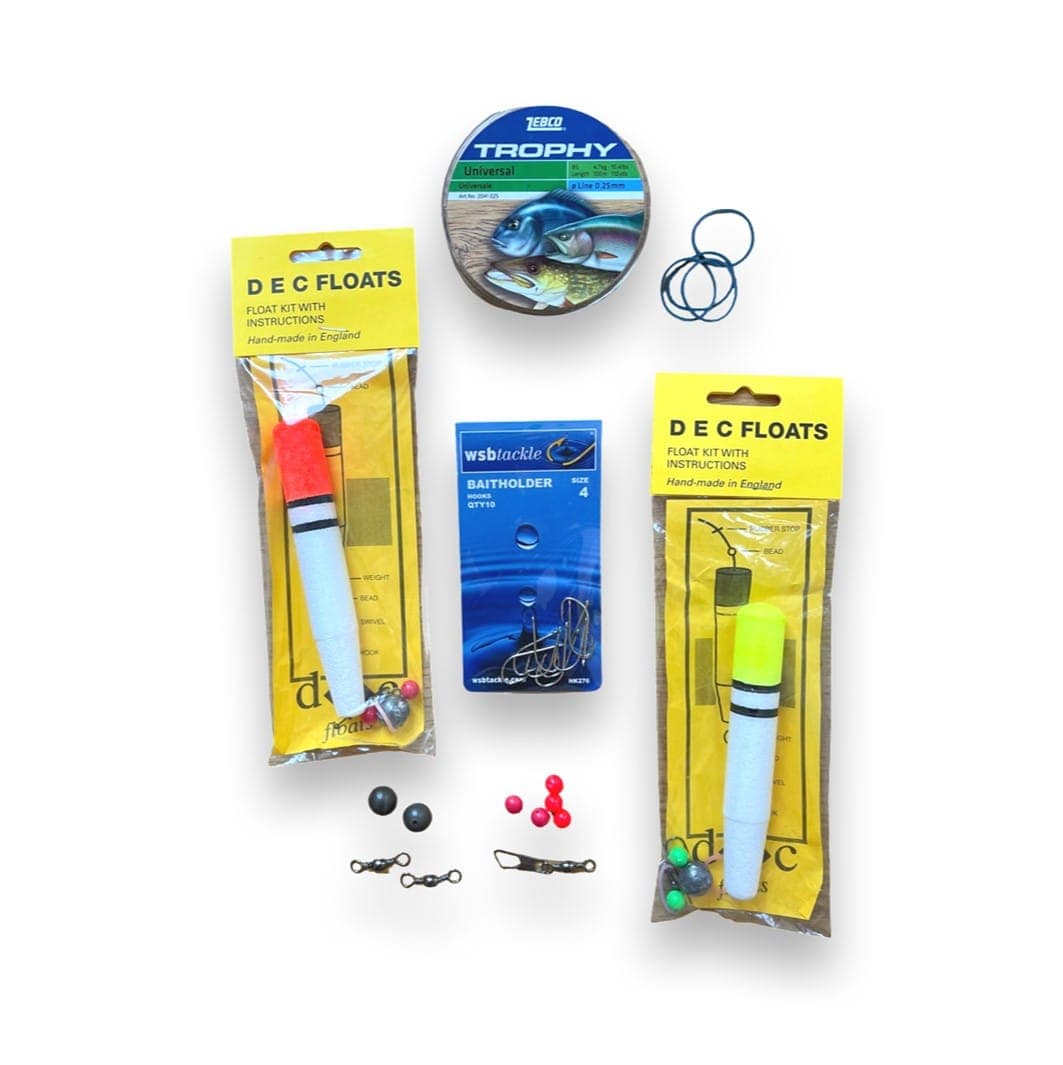
Float fishing is the classic method: suspend your bait at the right depth and drift it along the edge of the weed and rock where wrasse patrol. Fish ledges, cracks and harbour walls where structure is thick, and expect a fish to dive hard for cover.
Where can you find wrasse in Cornwall?
Look to weedy, rocky ground at marks such as Boscastle, Tintagel, Porthtowan, Cape Cornwall and Mullion, plus Mevagissey, Charlestown, Mousehole, Newlyn, Kennack Sands and Coverack. They favour kelp, gullies and harbour walls.