
Useful for your next trip
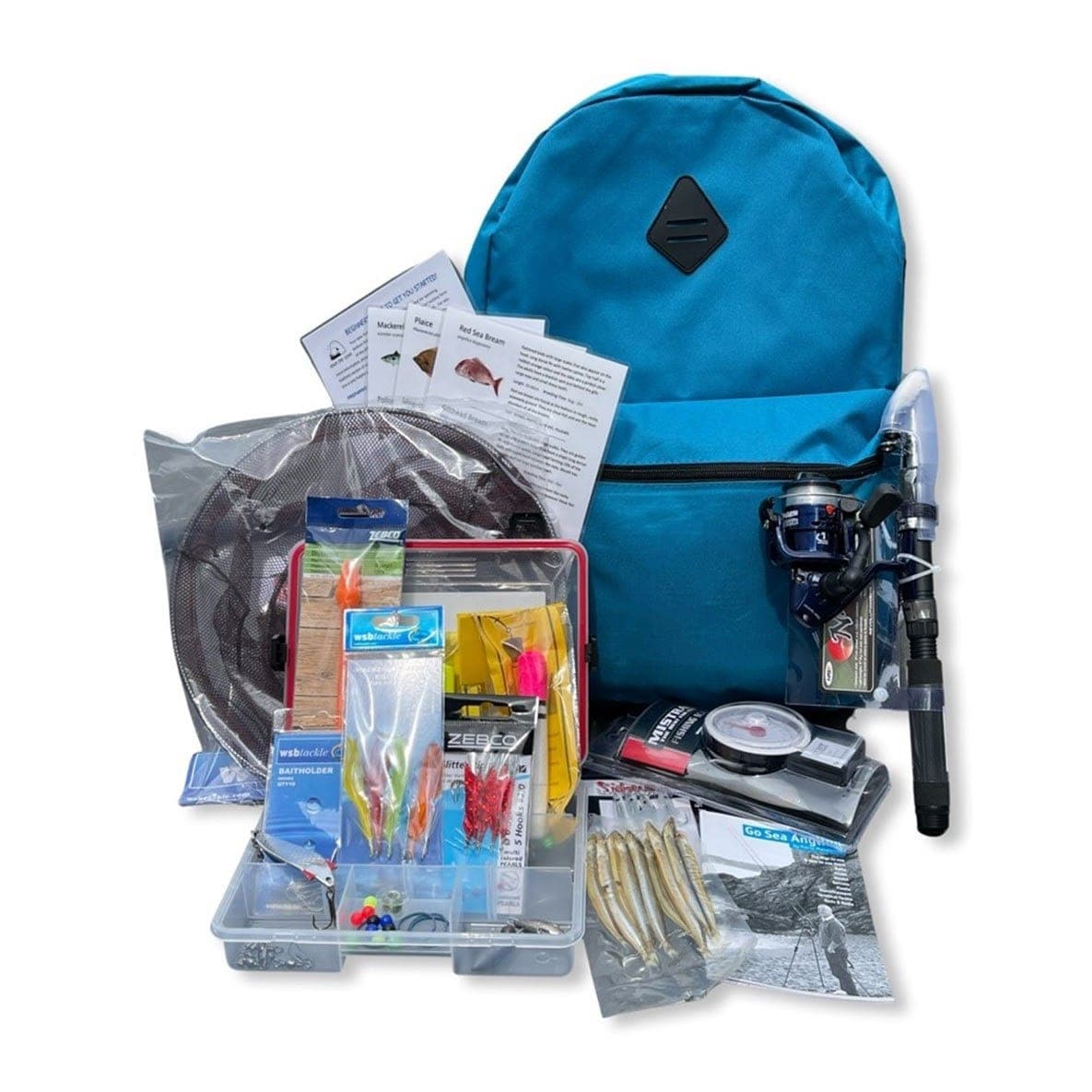
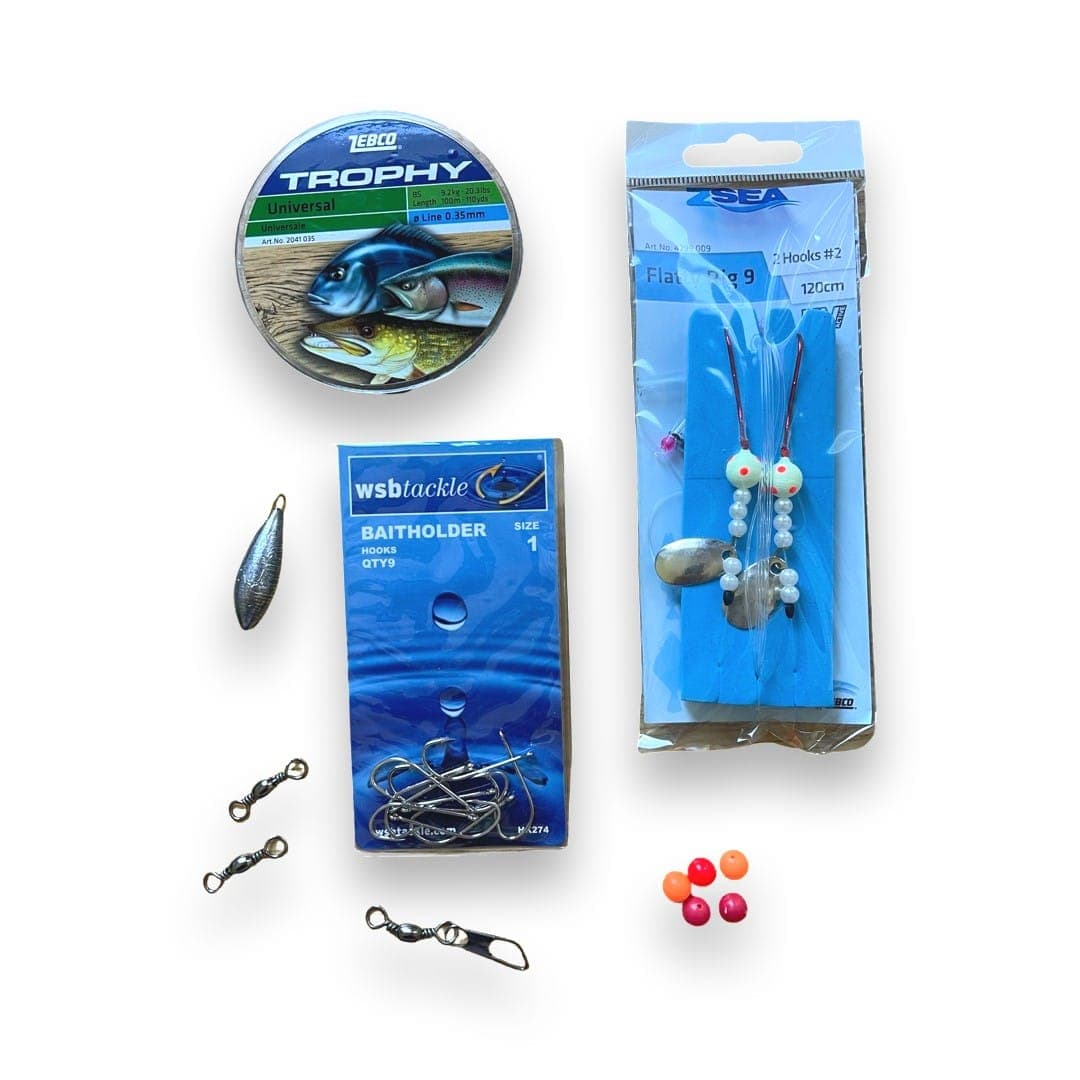
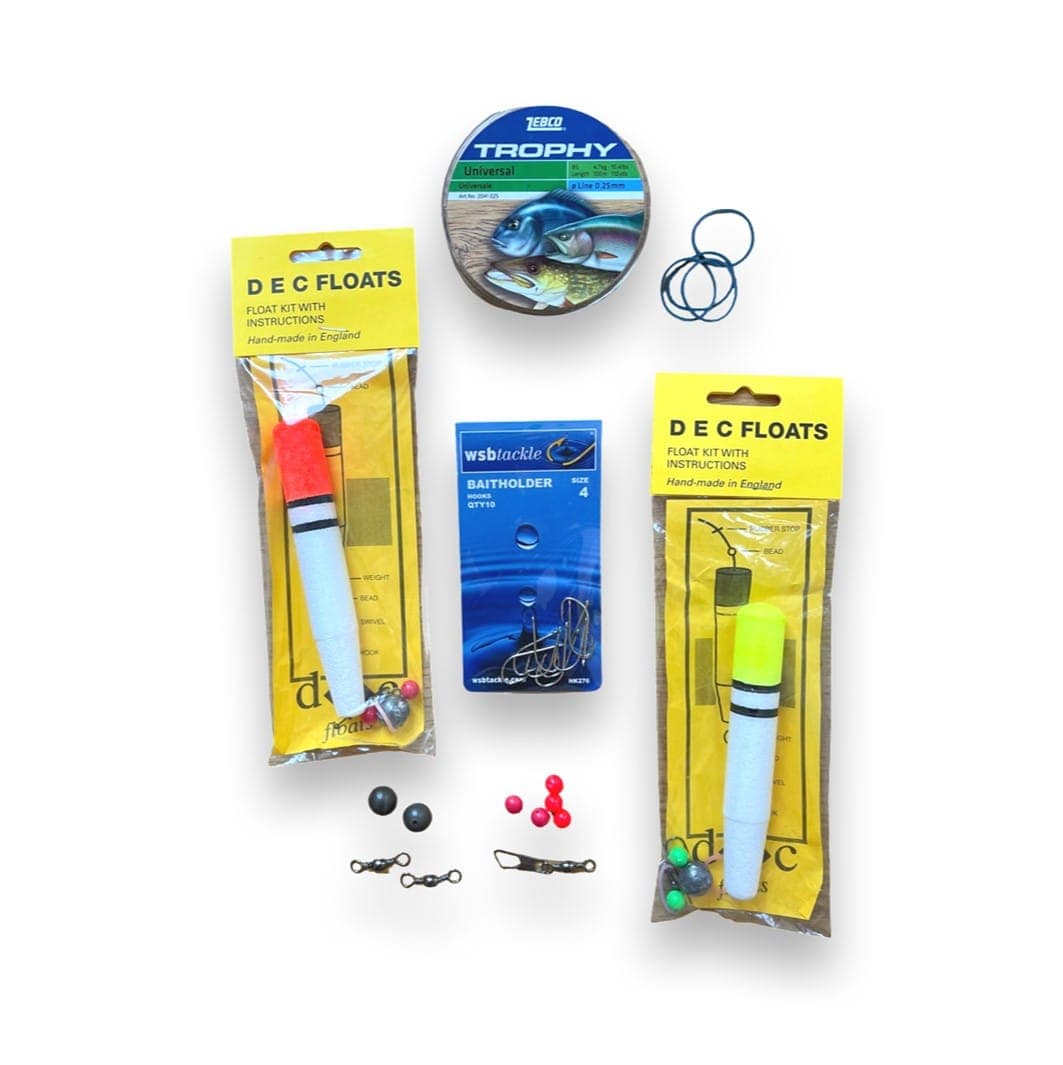
Useful kit connected to this guide, chosen to keep the next step simple.
Full bass guide
How to spot it, where it lives, how it is caught and how to cook it — the complete guide, in one easy read.
Sleek, silver and chased by anglers and cooks alike, sea bass is one of the most rewarding fish around our Cornish coast. It roams from open surf right up into the quiet head of an estuary, and a good one will test your tackle from the first run. It rewards the angler who learns its water, and the cook who keeps things simple.
How to spot it
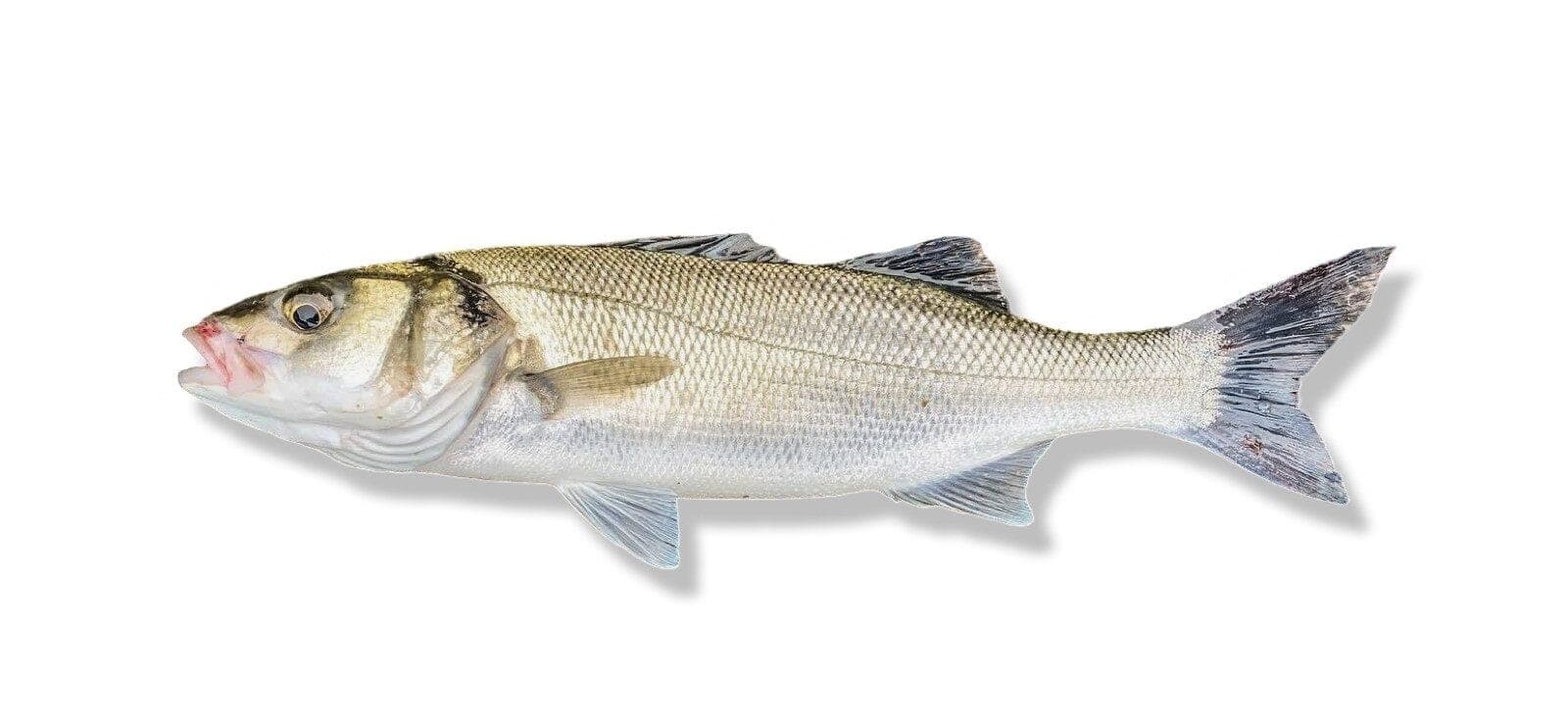
A bass is built like a torpedo: streamlined body, a slightly enlarged head and fairly small eyes. The colour runs from a bluish-grey back through silvery flanks to a white belly, the large scales throwing back a metallic shimmer in the light. Mind the sharp gill covers and the spiny first dorsal fin when you handle one. A really good fish reaches around a metre, and once you've held one of those there's no mistaking the next. Few of our coastal fish carry that same purposeful, silvery look.
Where it lives
Bass turn up right across British and Cornish waters, and they're adaptable with it. You'll find them over rocky and sandy shores, out in the deeper sea, and right up at estuary mouths, following the flooding tide in to feed. That range is half the appeal: a single fish might work the open coast one week and the upper estuary the next. They're a spring-to-autumn fish here, and from late spring onwards is usually when things pick up.
Related guides and gear
FAQs
Quick fish questions
Short answers for the questions families and coastal readers often ask first.
How do I identify a sea bass in the UK?
Look for a streamlined, torpedo-shaped body with a bluish-grey back, silvery flanks and a white belly. Large shimmering scales, a slightly enlarged head, small eyes, sharp gill covers and a spiny first dorsal fin all point to bass.
What is the best bait for bass shore fishing?
Worm, crab and mackerel are hard to beat off the shore. When bass are chasing bait near the surface, lures, jigs and feathers can be every bit as good, so it pays to carry both and switch as the fish dictate.
How do you fillet a sea bass?
Cut down behind the gill to the backbone, then run a sharp, flexible knife along the spine from head to tail in one steady stroke to free the fillet. Turn the fish and repeat. Pin-bone the fillets, and keep the skin on for pan-frying.