Species target guide
Bass Fishing
For shore bass fishing, choose a lure or bait method that suits the location and your tackle. Check current bass rules for the area and date before the trip; an old catch limit or seasonal rule is not reliable planning advice.

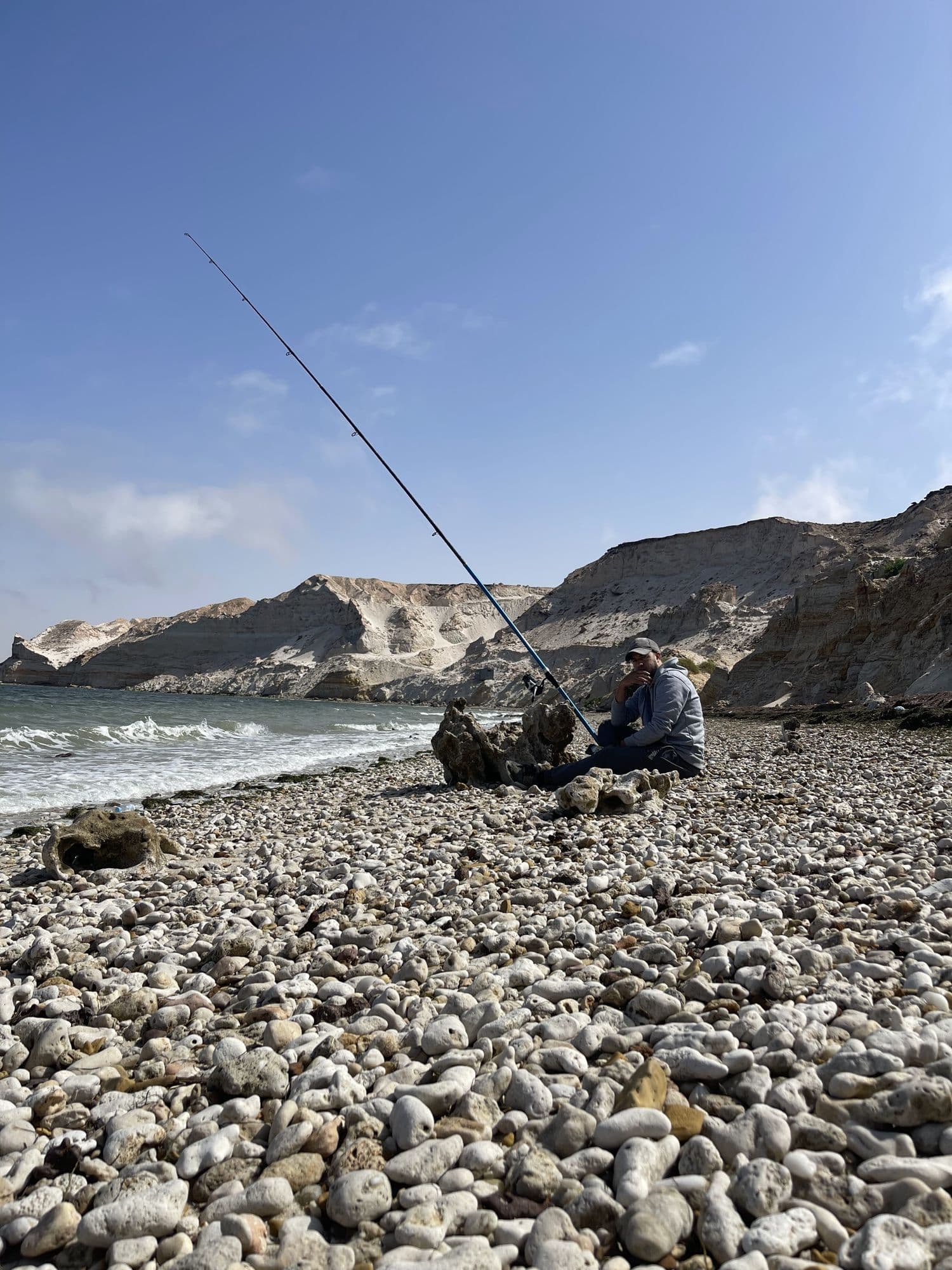
Bass are roving predators that follow food onto surf beaches, around rocks and into estuaries, often feeding close in on a moving tide.
Your first setup
Lure gear for active sessions, or a bass and beach rod with running ledger rigs for bait fishing rougher ground and surf.
- Best for
- Anglers learning to read water and tide for one of the UK's most prized and hard-fighting shore species.
- How it fishes
- Often close in on a flooding tide and around dawn and dusk, especially when surf, a little colour in the water or bait fish bring them within range.
- Bait & rigs
- Peeler crab, ragworm, sandeel and fresh fish baits all take bass, while soft lures, surface plugs and metals tempt them in clear water.
- Safety
- Know the minimum size and current catch limits, handle fish you're returning with wet hands, and put back what you don't need.
- Good to know
- Bass fishing has a quiet magic — the more you learn a mark's tide and structure, the less it feels like luck and the more like skill.
A Cornish bass at first light, taken on a surface lure as the tide floods, is the kind of moment that keeps us coming back.
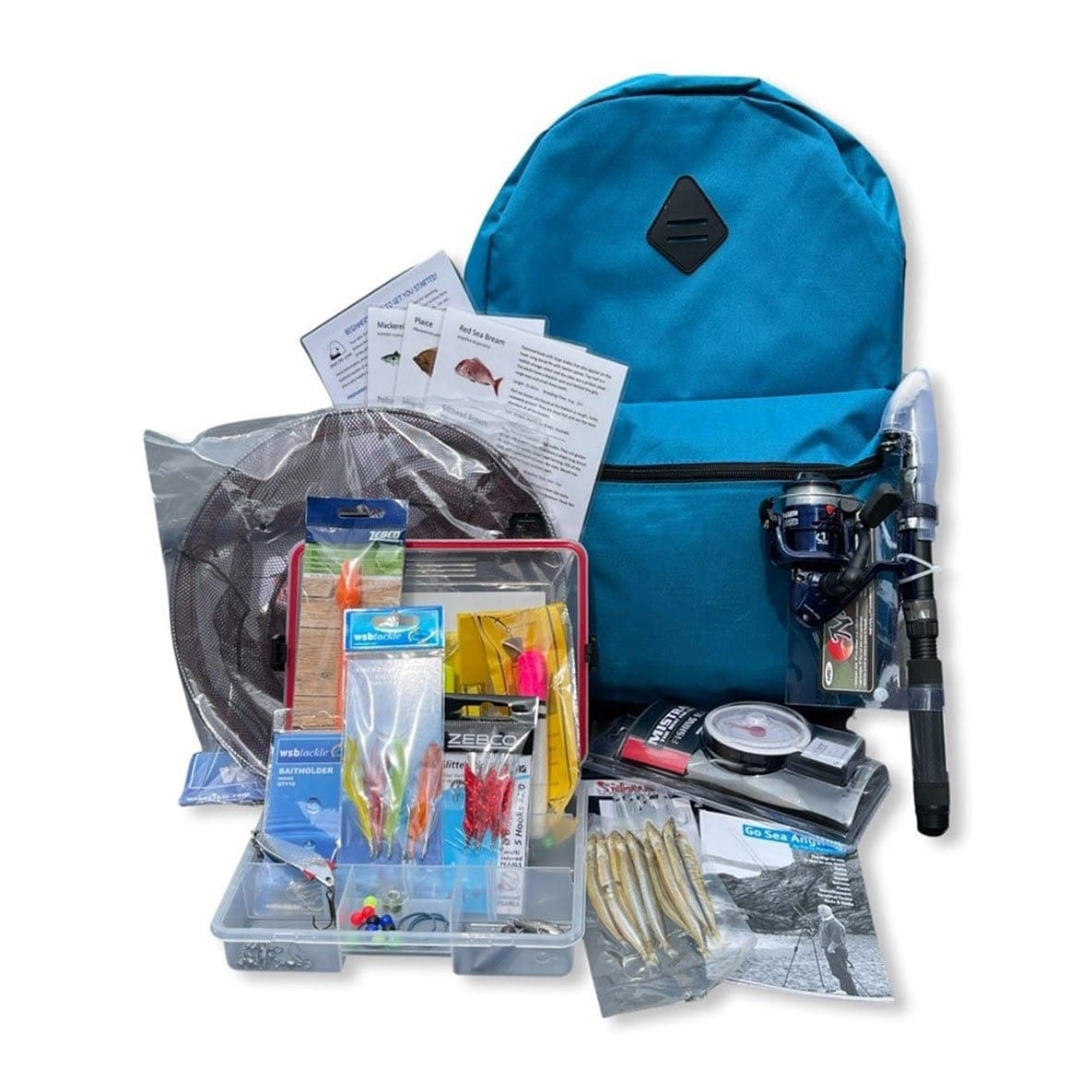
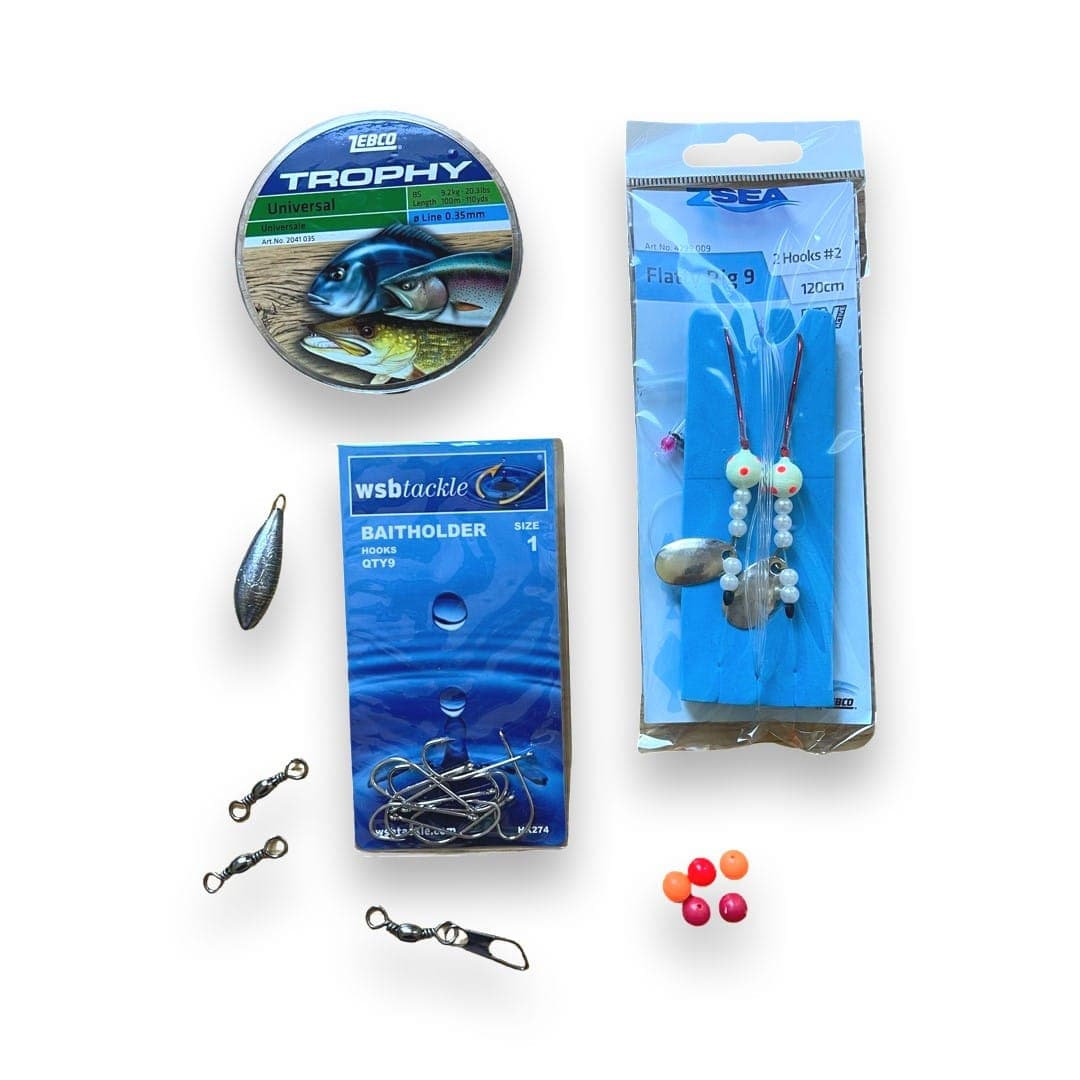
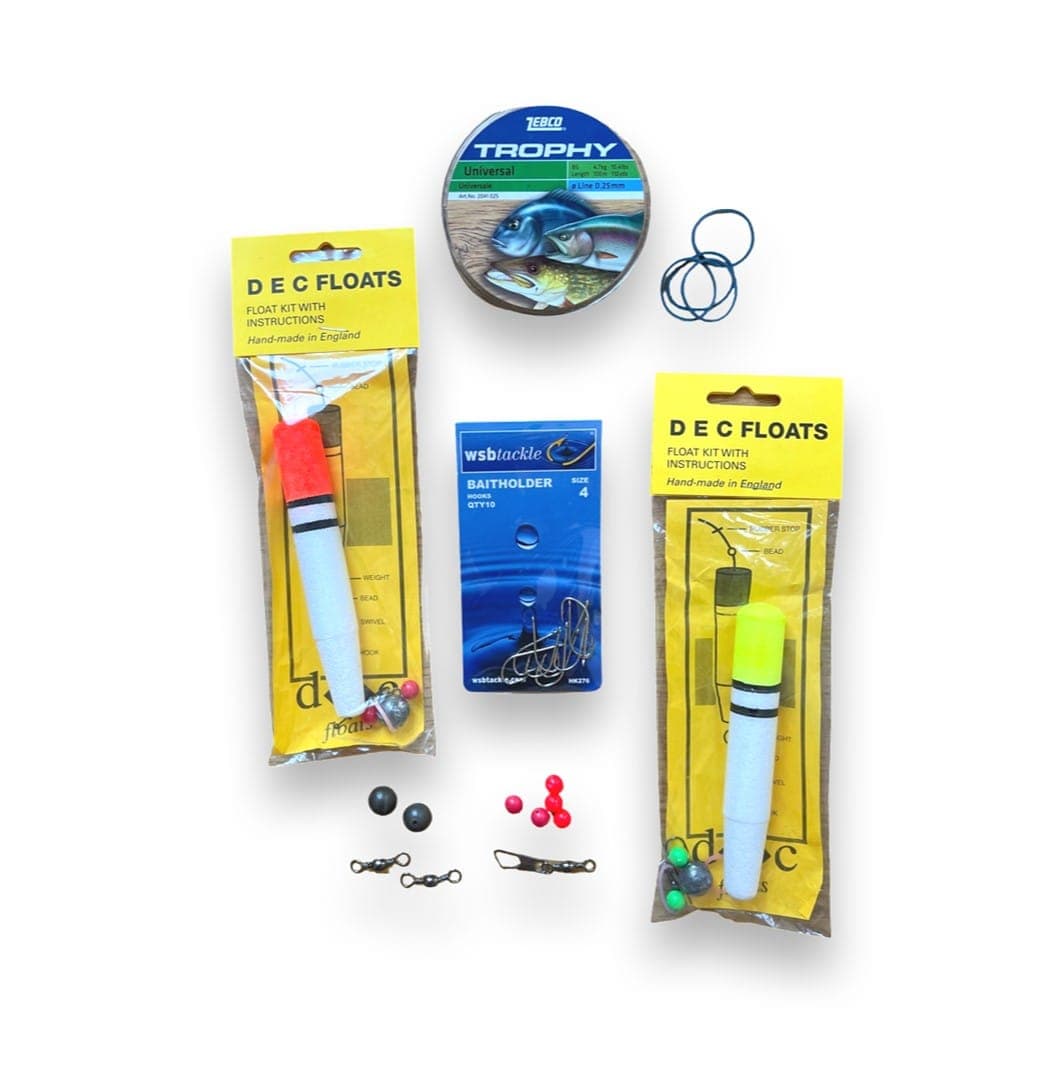
Kit for this
Safety first
Know the minimum size and current catch limits, handle fish you're returning with wet hands, and put back what you don't need.
For shore bass fishing, choose a lure or bait method that suits the location and your tackle. Check current bass rules for the area and date before the trip; an old catch limit or seasonal rule is not reliable planning advice.
Lures or bait?
Lure fishing involves controlled casting and retrieving. Bait fishing uses a rig appropriate to the ground and conditions. Neither is a universal best method. Start with the equipment and skills you can use confidently, then seek local advice about access, ground and permissions rather than relying on a list of famous marks.
Match a lure to the outfit
Compare the lure’s complete assembled weight with the rod’s casting range and check the recommended line and connections. For a soft lure, head, hook and body must be compatible in both range and size. A replacement body pack may need other components; a colour preference does not establish compatibility.
Work a permitted area without taking risks
Watch tide, weather and your route back. Keep a clear casting space and avoid areas where waves or footing make fishing unsafe. Change retrieve or presentation within your equipment’s limits; do not interpret rougher water as an invitation to move closer to an exposed edge.
Check the rules before deciding to keep a bass
Use the Marine Management Organisation’s current bass guidance and the relevant local fisheries authority. Requirements can depend on the area, date and activity, including nursery-area restrictions. This guide does not set a permanent bag limit or promise that retaining a fish is allowed. If the rules remain unclear, get clarification before fishing.
Plan for release before you cast
Have suitable unhooking equipment ready, minimise handling and return unwanted or required-to-be-released fish promptly. Do not delay release to stage a photograph. If you are unfamiliar with handling or unhooking, learn with a competent angler before fishing independently.
Compare the right products
Start with lure specifications and the rod you already own. Use the Fiiish guide for identifying compatible replacement parts, or compare terminal tackle if choosing a bait method. Check live stock and product contents rather than assuming a previously recommended model is still available.
Common questions
Can I keep a bass caught from the shore?
Check the current rules for the exact area and date using official bass guidance and the local fisheries authority. Do not rely on a fixed limit copied from an older guide.
Which lure colour is guaranteed to work?
None. Compatibility, presentation and conditions matter, and a catch is never guaranteed. Choose a suitable assembled lure before experimenting with colour.