The full guide
Read straight through, or use the fishing notes above to keep marks, tides and tackle easier to follow.
Beginners Guide to Sea Fishing Gear...
This is our recommended fishing method for the beginner as all you need is a rod, reel and a lure and you can start to fish!
Sample Species to target using Spinning
Please click on the species for lots more information
WHAT IS SPINNING?
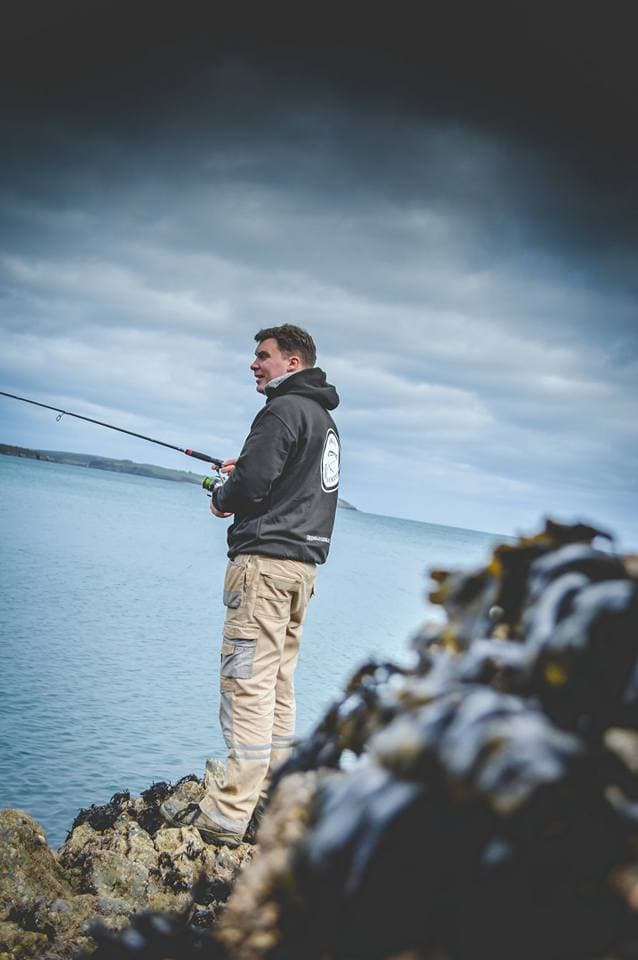
Spinning is a hands on, active fishing method that involves casting and retrieving the line in constant anticipation that you will imminently catch a fish!
A lure, feathers or a spinner is attached to the line which is then cast out and wound back in to make the lure imitate a swimming fish that your target species will hopefully want to eat!
The speed you retrieve the spinner will determine where it travels through the water. The faster you reel the line in, the higher the spinner or lure will be in the water allowing you to target individual species, depending on where they are likely to be found.
Sink and Draw
If using a single lure or spinner, sink and draw is the method to slowly raise and lower the rod while retrieving as this makes the bait fish look like it is dying and therefore an easier target for the predator.
Free Lining
Free Lining is similar to spinning as you cast and retrieve in the same way but instead of using a lure, you simply use a hook and bait it with, for example, sand eel, lugworm, mackerel strip or sprat.
Cast the line out gently and let the line out gradually as the bait sinks. When you think it has hit the bottom wind it in very slowly.
This is not a conventional rig but is very effective, especially in the evenings when the fish move in closer to the shore as large bass will venture in close to shore.
Many mackerel, plaice, bass, trigger fish and large pollack have personally been caught using this method.
TYPES OF LURE
A lure is a man made bait that is designed to resemble a small fish or other marine animal. When lures are pulled through the water they look like a small fish swimming and attract predatory fish like bass, mackerel and pollock. Lures come in different forms....
FEATHERS / RIGS
- Soft to touch with realistic colours and markings. Available in a variety of designs to mimic the type of prey to attract your target fish - for example, sandeel, minnows, small mackerel etc
- Rigs made up of a string of hooks with feathers, real fish skin or other materials in varying colours and designs.
- Can be used for all cast and retrieve spinning methods.
- These are designed to mimic a small shoal of fish to attract the predator that you are hopefully going to catch! - therefore, moving the rod from side to side for example will help create this illusion
- Available in a Variety of Weights and Sizes - no additional weights are required
- An additional weight is needed to take the hooks down through the water
- Most brands supply lures with a detachable head so that the bodies can be replaced. The design of the head will determine how the lure acts in the water
- Rigs are available in a large variety of styles, hook sizes and number of hooks. Some are made with real fish skin to help the illusion that they are real fish and some have glow in the dark capability
Useful fishing kit
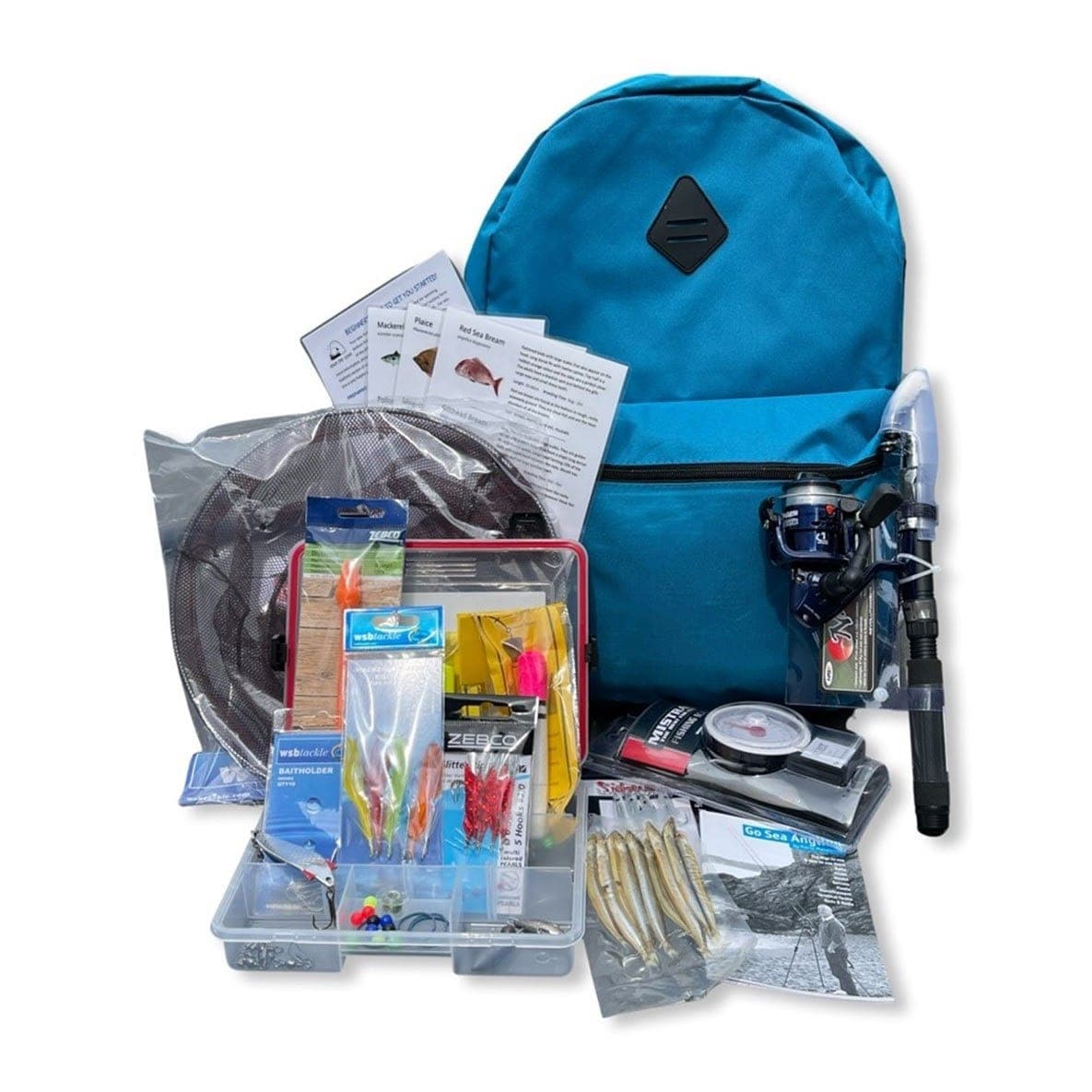
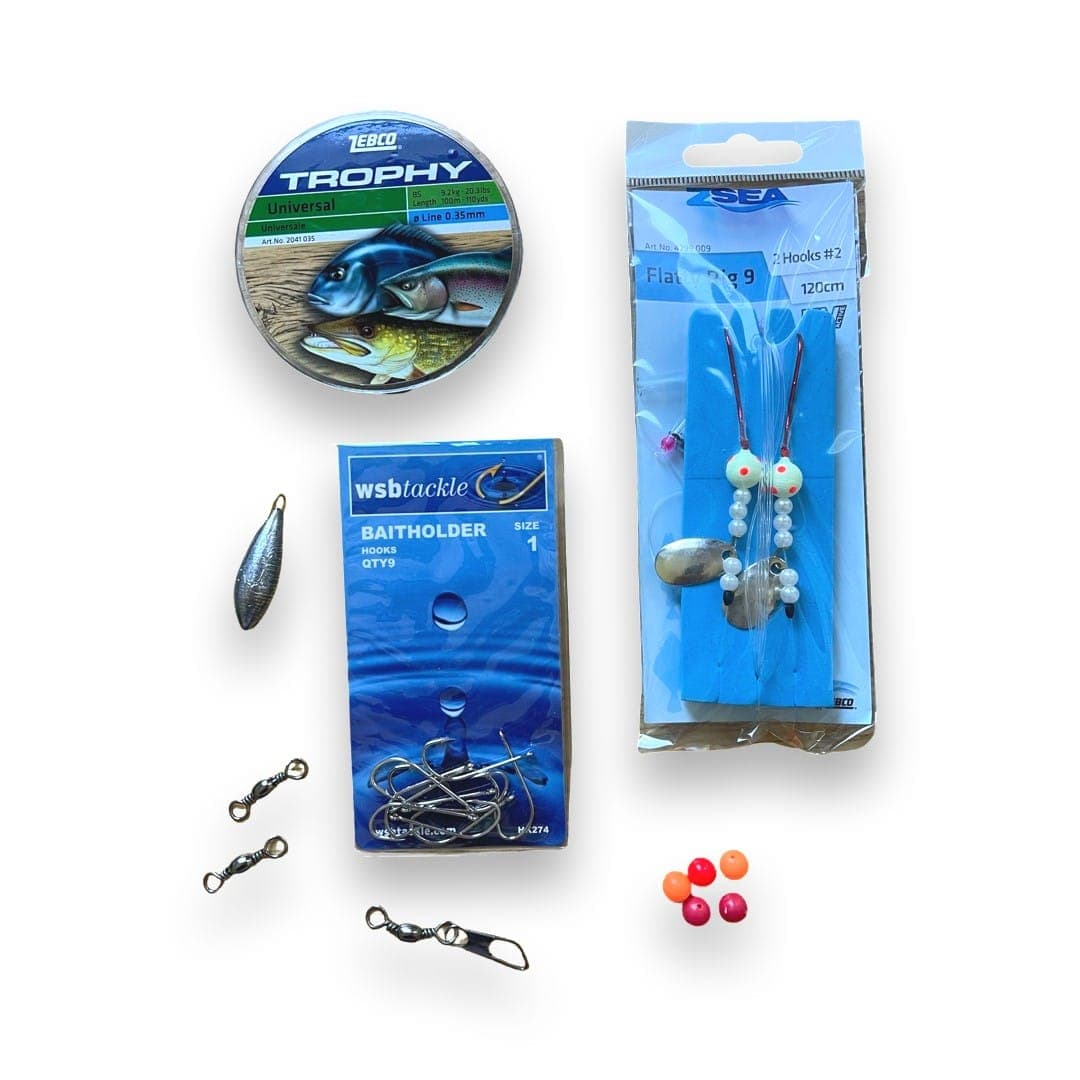
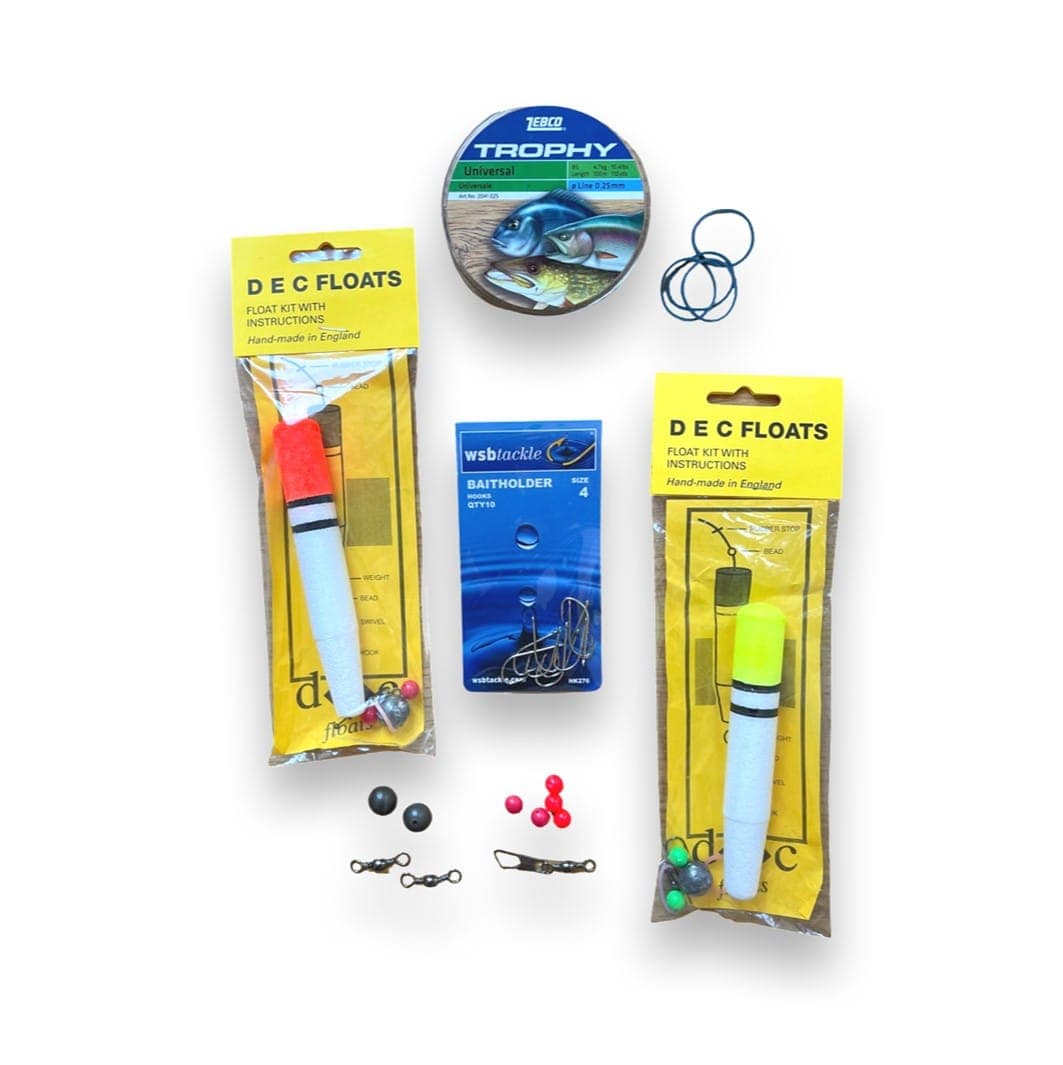
Friendly tackle picks chosen to make the guide easier to put into practice.
Common questions
- What gear do I need to start spinning?
- Wonderfully little. A spinning rod, a matching fixed-spool reel, some braid or mono with a leader, and a small selection of lures is all you need. There's no need for a heavy tackle box, just a few trusted lures in a pouch. Our spinning kits pair a balanced rod and reel so you can be casting on day one.
- What are the best lures for sea spinning?
- Metal spinners and wedges around 1 to 1.5oz are brilliant for mackerel and cast a mile. Soft plastics on a jig head are deadly for bass and pollock, while floating and diving plugs shine in shallower water. Silvery, fish-imitating lures are a great starting point, build your selection as you learn what works on your local marks.
- What is the sink-and-draw technique?
- Sink and draw is a simple but lethal retrieve. You let the lure sink, then lift the rod to draw it up through the water before letting it flutter down again, imitating a wounded baitfish. Varying your retrieve speed and depth like this, rather than winding steadily, often makes all the difference between a blank and a busy session.
- When and where is spinning most effective?
- Spinning works best where you can cast into reasonably deep, clean water, such as off rock marks, piers, jetties and breakwaters. Dawn and dusk are prime times, especially for bass, while mackerel often shoal in through the warmer summer months. Watch for diving birds and surface activity, they're a sure sign fish are feeding.
- What is the most common spinning mistake beginners make?
- Retrieving too fast and at the same speed every cast. This keeps your lure skating across the top, working only a thin slice of water. Slow down, vary your pace, and let the lure explore different depths. Mind your back-cast for people behind you too, and keep your footing on slippery rocks.