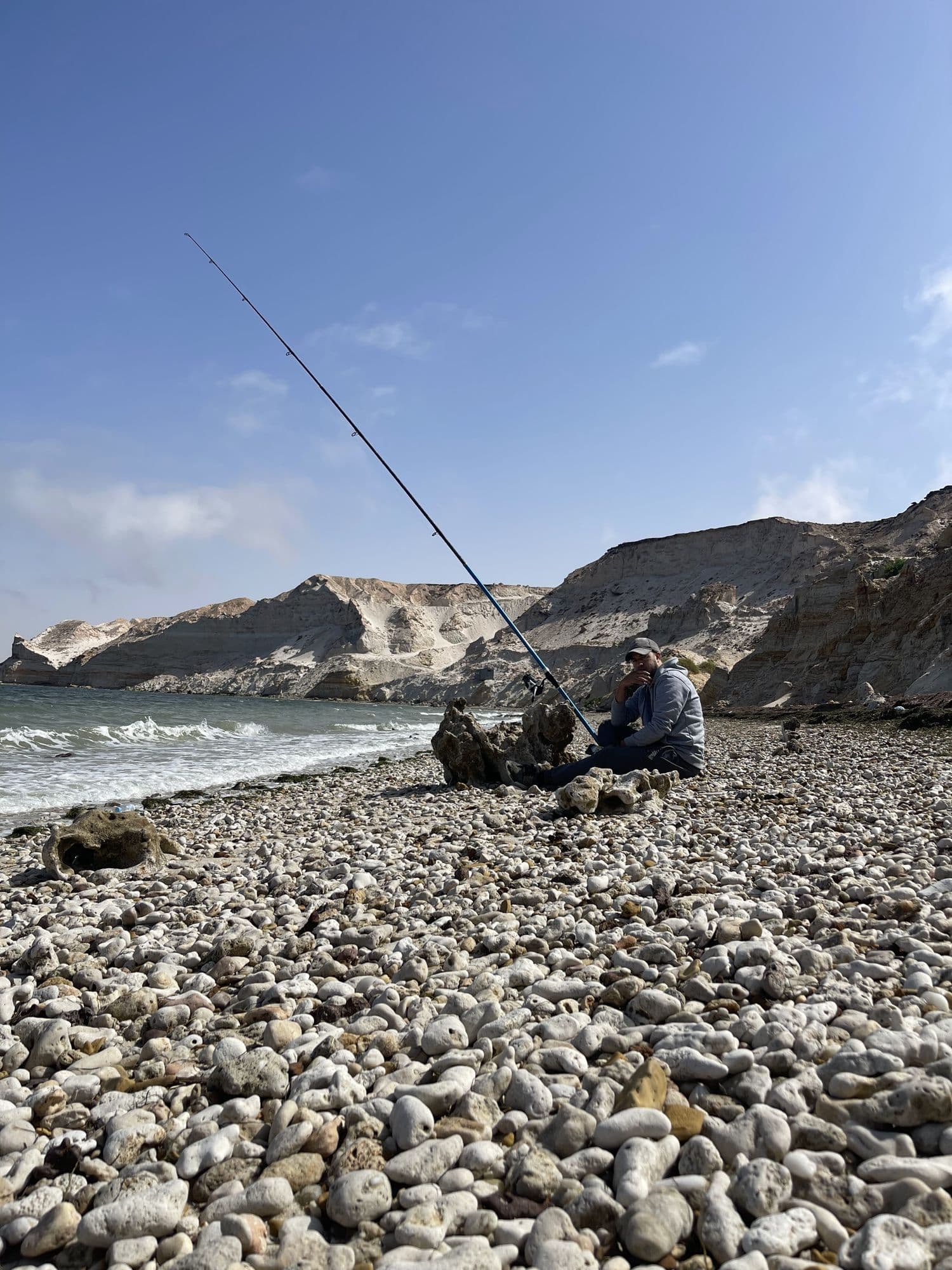
Species target guide
Mackerel Fishing
For a first mackerel-fishing session, compare a single casting lure with a float-and-bait setup. Feather rigs add multiple exposed hooks and extra casting load; they need suitable tackle and confident handling, not just the promise of more fish.

Mackerel are fast, shoaling fish that chase small fry near the surface through the warmer months, frequently coming within easy range of the shore.
Your first setup
A spinning or multi-purpose rod with a string of feathers, a single metal lure or a simple float rig is all you need.
- Best for
- Families and beginners after a fast, fun summer fish that's accessible from piers, rocks, beaches and boats.
- How it fishes
- In summer shoals close to shore, feeding best around dawn, dusk and a moving tide when small fry are pushed up to the surface.
- Bait & rigs
- Mackerel mostly fall to lures — feathers, daylights and small metals — though a strip of mackerel under a float works well too.
- Safety
- Only take what you'll eat, dispatch fish quickly and cleanly, and avoid leaving unused catch — mackerel are best eaten fresh that same day.
- Good to know
- When a shoal is in, the action is non-stop and simple enough for children — it's how a great many of us first caught a fish.
Few things say a Cornish summer like feathering for mackerel off the harbour wall as the sun drops — supper doesn't come fresher.
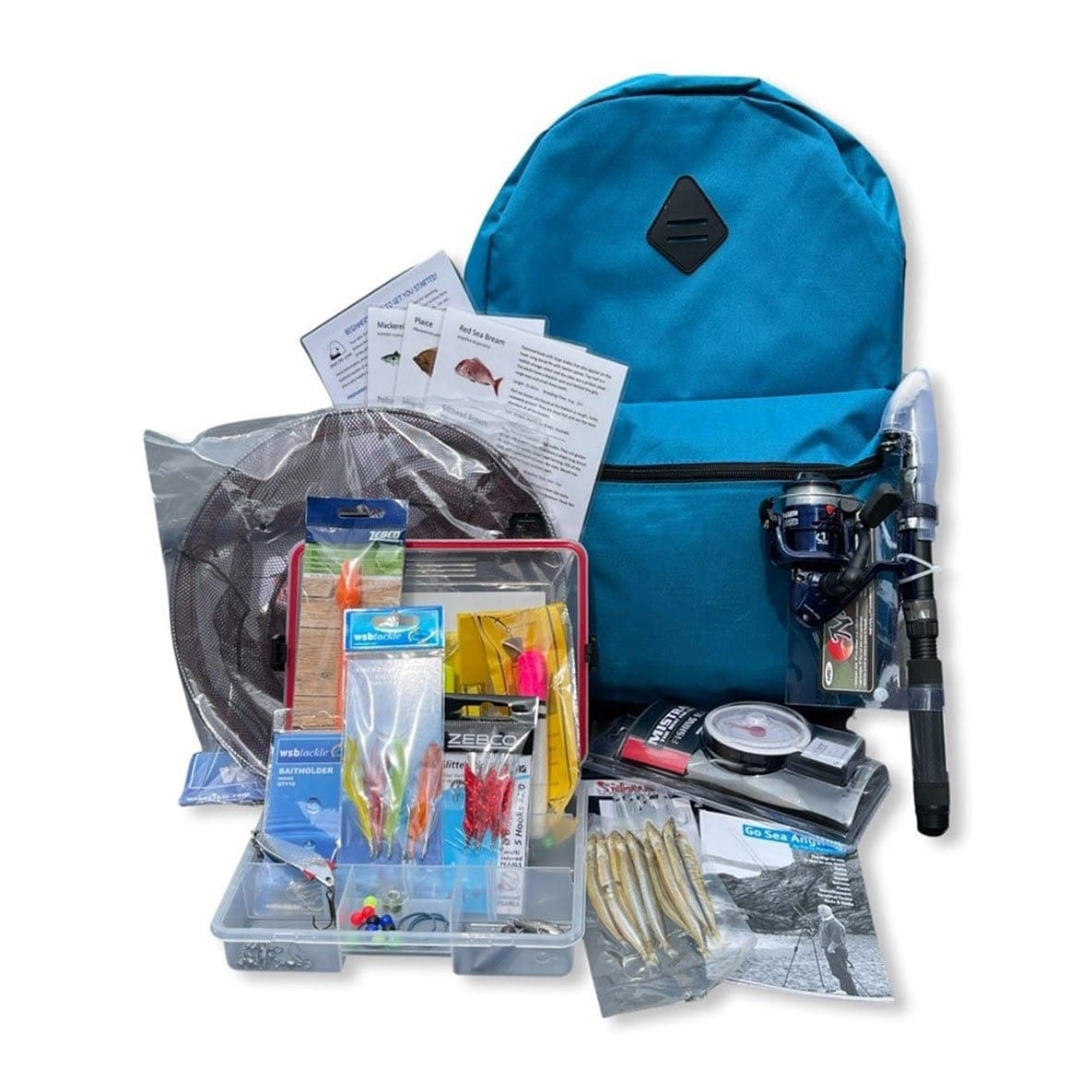
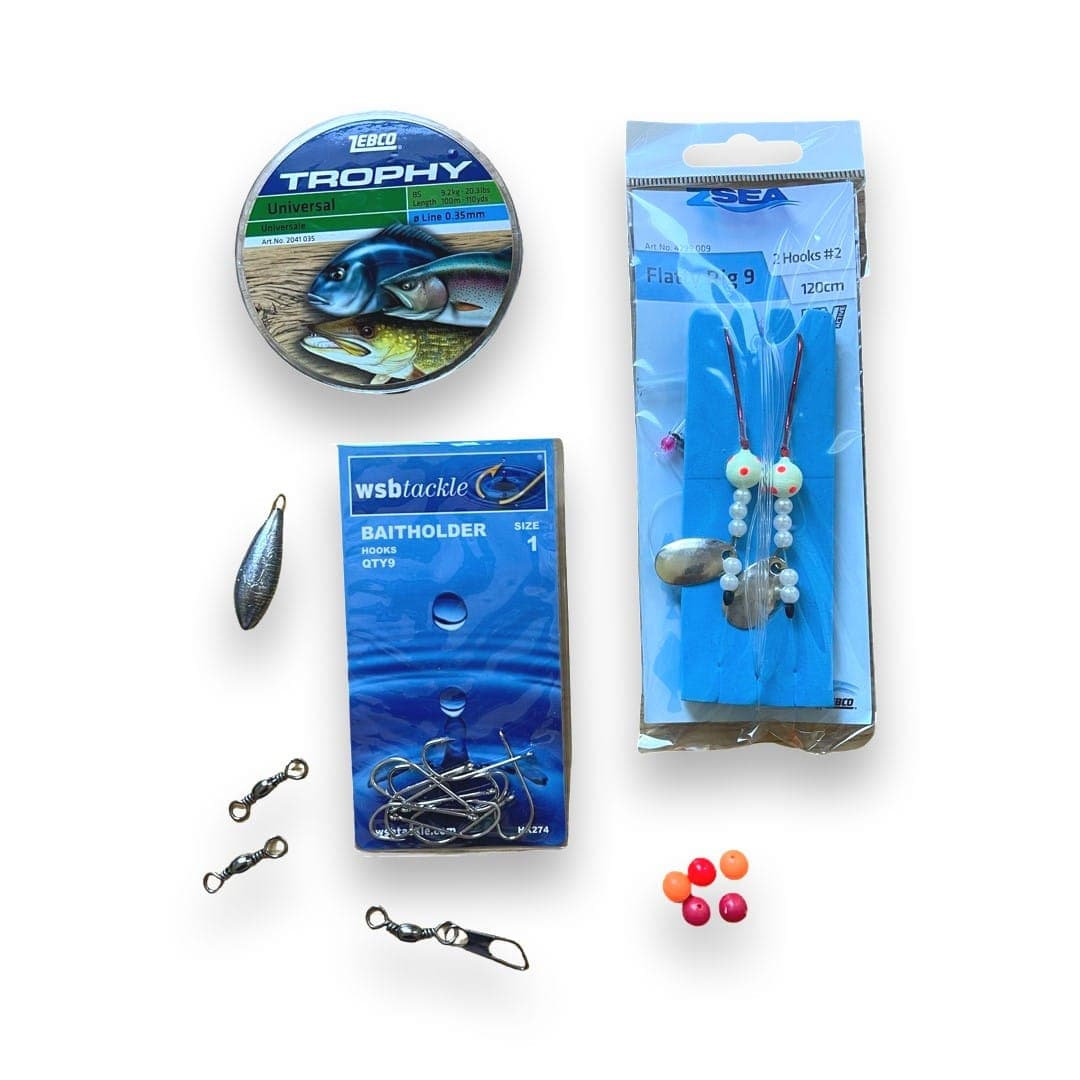
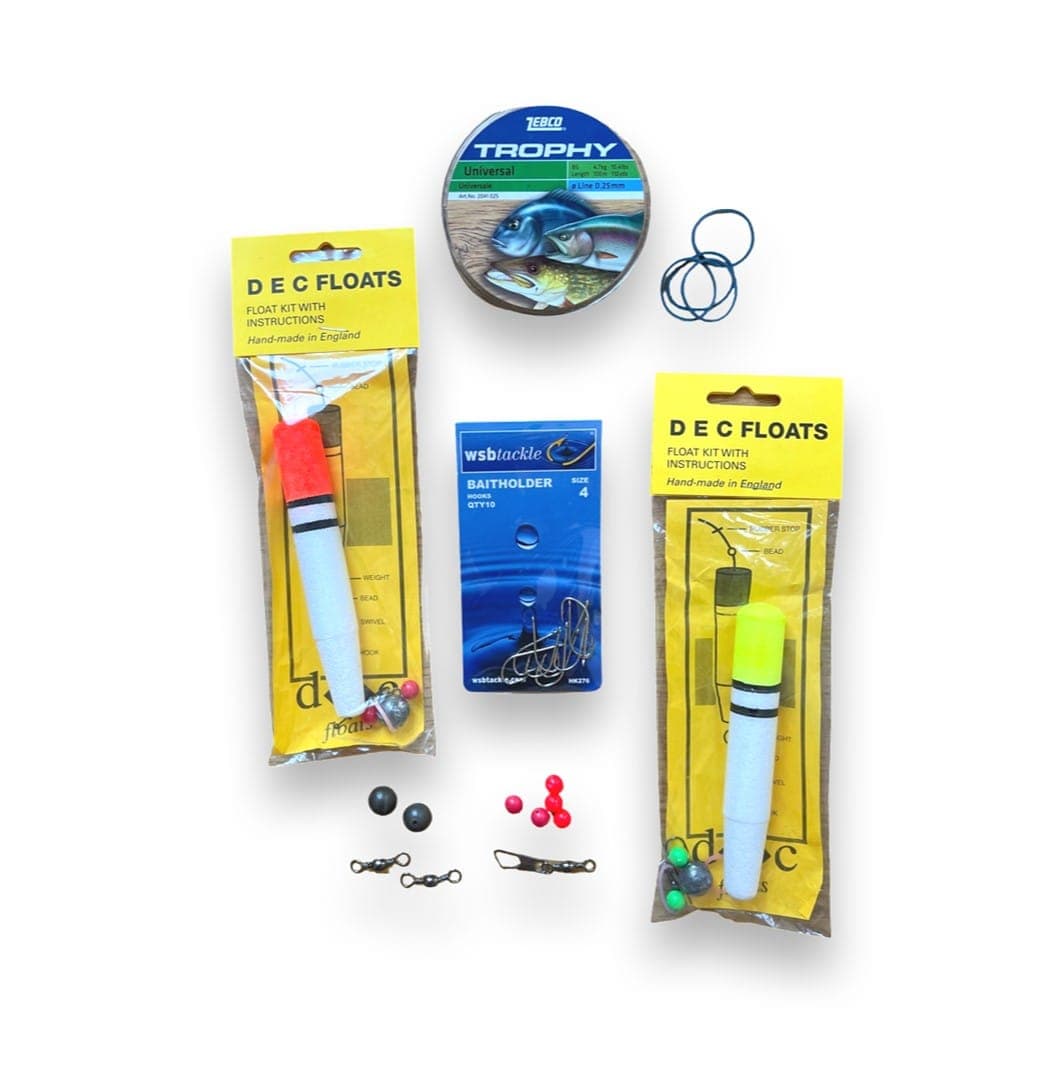
Kit for this
Safety first
Only take what you'll eat, dispatch fish quickly and cleanly, and avoid leaving unused catch — mackerel are best eaten fresh that same day.
For a first mackerel-fishing session, compare a single casting lure with a float-and-bait setup. Feather rigs add multiple exposed hooks and extra casting load; they need suitable tackle and confident handling, not just the promise of more fish.
Choose a method you can control
A single lure lets you practise casting and retrieving without managing a string of hooks. Float fishing presents bait at an adjustable depth. Feathers are a multi-hook rig, usually fished with a separate weight. Match the whole arrangement to the rod, line and conditions, and get practical instruction if you have not used it before.
What tackle should you check?
Read the rod’s casting range and add up the complete load, including the lure or weight, rig and any bait. Inspect line, knots and connections. Bring suitable unhooking tools and covered hook storage. A pack of feathers is terminal tackle, not a complete fishing outfit, and a bigger weight is not an automatic improvement.
When is the best time to try?
There is no single tide or hour that guarantees mackerel from every shore. Their presence changes with location and conditions. Check recent local advice alongside the actual tide, weather and access for your trip. Do not interpret a report of fish at a headland as confirmation that its rocks are safe to fish.
If you are not getting bites
Make one controlled change at a time: retrieve pace, the depth allowed before retrieving, or bait depth on a float setup. Stay within the tackle’s limits and keep an eye on changing access and other people. Repeated snagging is a reason to reconsider the setup or location, not to pull harder or move onto exposed rocks.
Before landing a fish
Plan where and how you will land and unhook it before casting. Keep multi-hook rigs clear of people and secure unused hooks. Check current local retention rules before keeping fish and release unwanted catches promptly with minimal handling.
Choose the next piece of equipment
Use the lure category for a casting-lure comparison, or the float-fishing guide for a bait setup. If you need the whole outfit, start with the beginner-kit comparison rather than adding an unfamiliar rig to whatever rod is available. Read live product specifications and contents before ordering.
Common questions
Do I need feathers to catch mackerel?
No. A single suitable lure or float-presented bait is another approach. Feathers add multiple hooks and require appropriate casting and handling skills.
Is high tide always best for mackerel?
No universal tide suits every fishing mark. Use local advice, weather and access checks; catching fish is never guaranteed.