Method chooser
Which Fishing Method
Wondering which sea fishing method to try first? You're asking exactly the right question. Rather than chasing the flashiest technique, the happiest beginners pick a method that suits their local mark and confidence. This calm Down The Cove guide compares the three great starting points, spinning, bottom fishing and float fishing, so you can choose with confidence and match your tackle once you've decided.
Start from where you can safely fish and what's there — the mark and conditions usually point to the method, not the other way round.
- Best for
- Beginners weighing up float fishing, spinning, bottom fishing and boat fishing for their first proper sessions.
- How it fishes
- A decision guide: match the method to the mark, the tide, the species and the kind of day you want.
- Tackle
- Choose the method first, then buy the rod, reel and rigs to suit it, so you don't end up with kit for a style you may not enjoy.
- Safety
- Let the safest available mark narrow your choice; calm conditions and easy access matter more than ambition while you're learning.
Stay safe
Let the safest available mark narrow your choice; calm conditions and easy access matter more than ambition while you're learning.
Beginners Guide to Buying Fishing Gear ...
TYPES OF FISHING METHODS
To simplify things, we have grouped fishing methods in to the following categories - if you know which method of fishing you are planning to use, please select it.
SPINNING
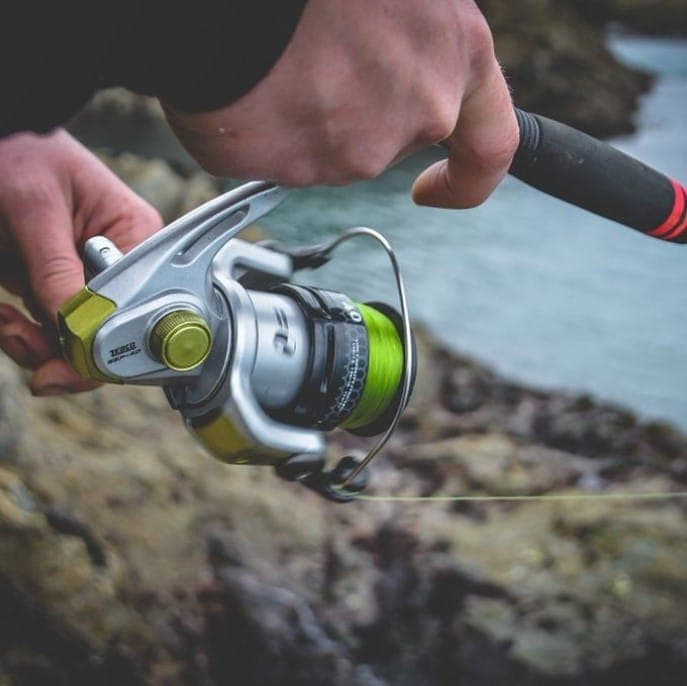
Spinning is a hands on, active fishing method. A lure or spinner is attached to the line which is then cast out and wound back in to make the lure imitate a swimming fish that your target species will hopefully want to eat!
BOTTOM FISHING
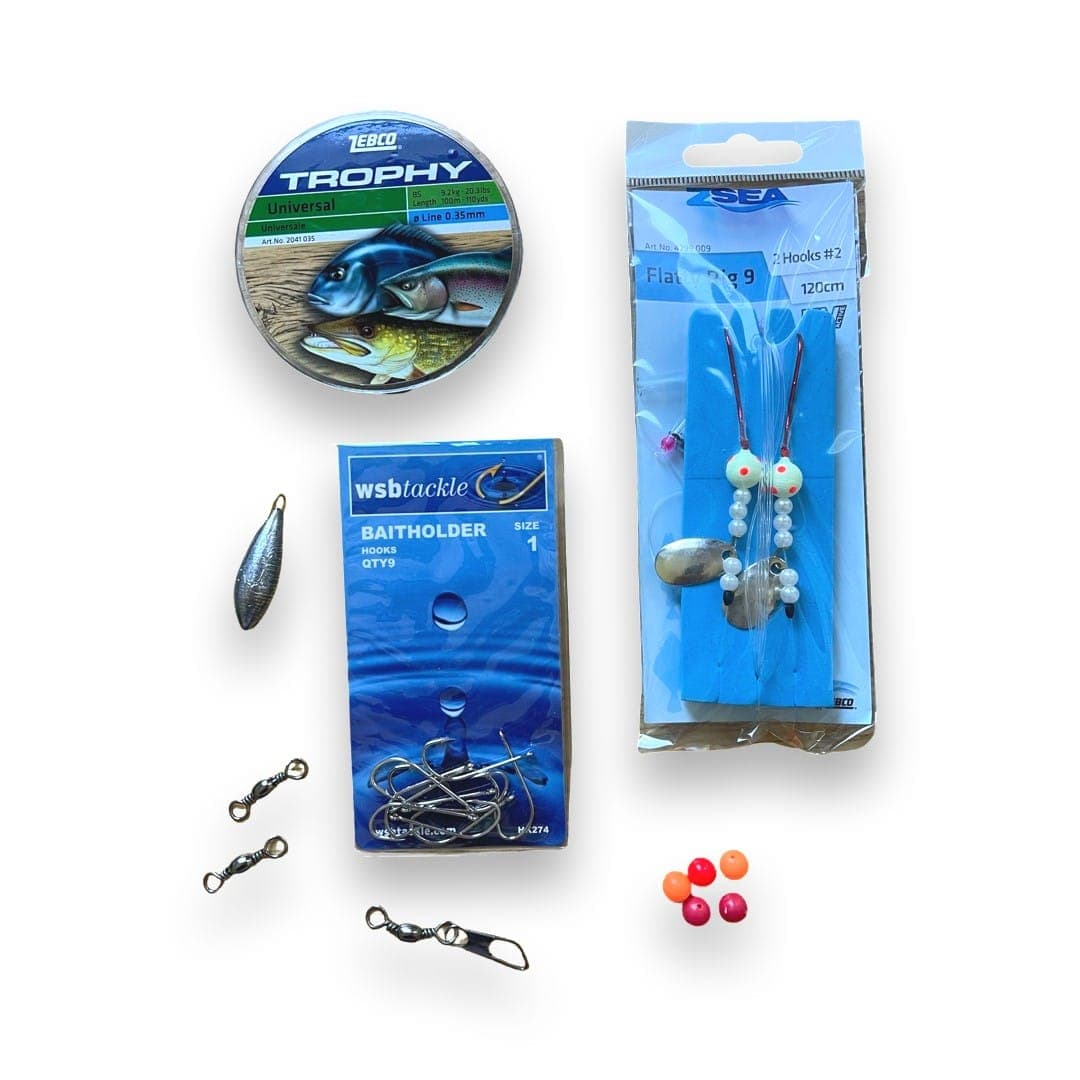
Bottom fishing is where a weight is attached to the line and then bait is put on to the hook. The line is cast out and the hook drops to the bottom. Once you have cast out, it's a waiting game until you see the rod move!
FLOAT FISHING
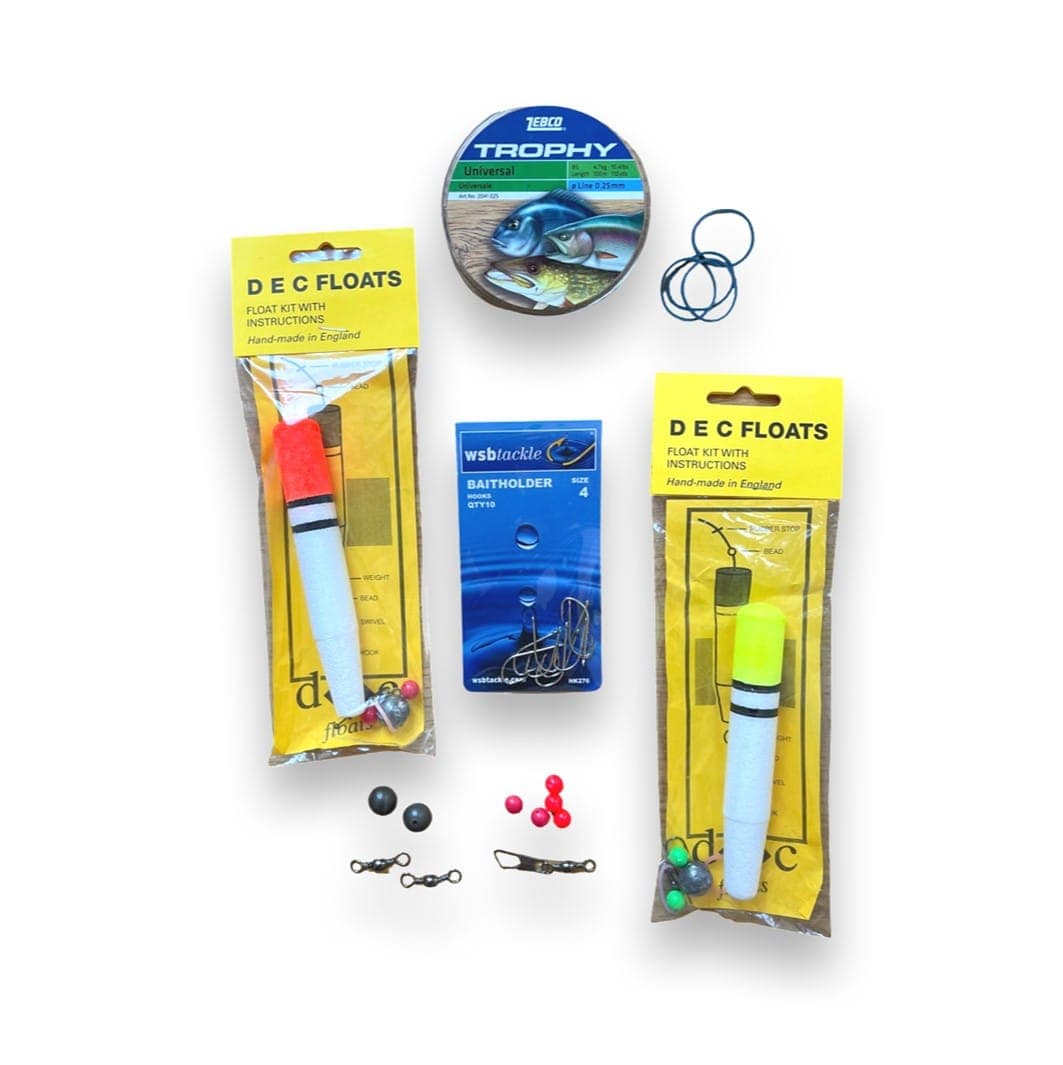
As with bottom fishing, a weight and baited hook are used. The difference is that a float is also positioned along the line so that you can place the hook in mid water rather than letting it go to the bottom enabling you to target different species.