The full guide
Read straight through, or use the fishing notes above to keep marks, tides and tackle easier to follow.
Our Guide to Buying Fishing Gear....
WHERE ARE YOU PLANNING TO FISH?
Please select the location where you are planning to fish.
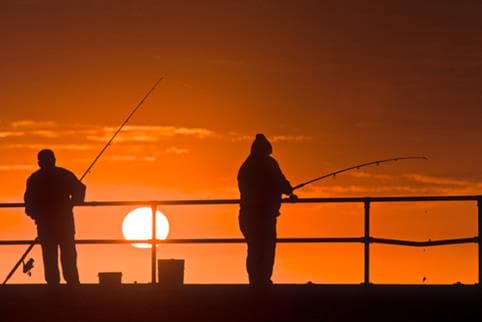
NB Our recommendation for beginners is to stick to harbour walls and beaches as these fishing locations are safer if you are inexperienced.
Safety First! - whatever fishing you are planning to do, make sure you stay safe around the coast. We have some tips to help you on our coastal safety page.
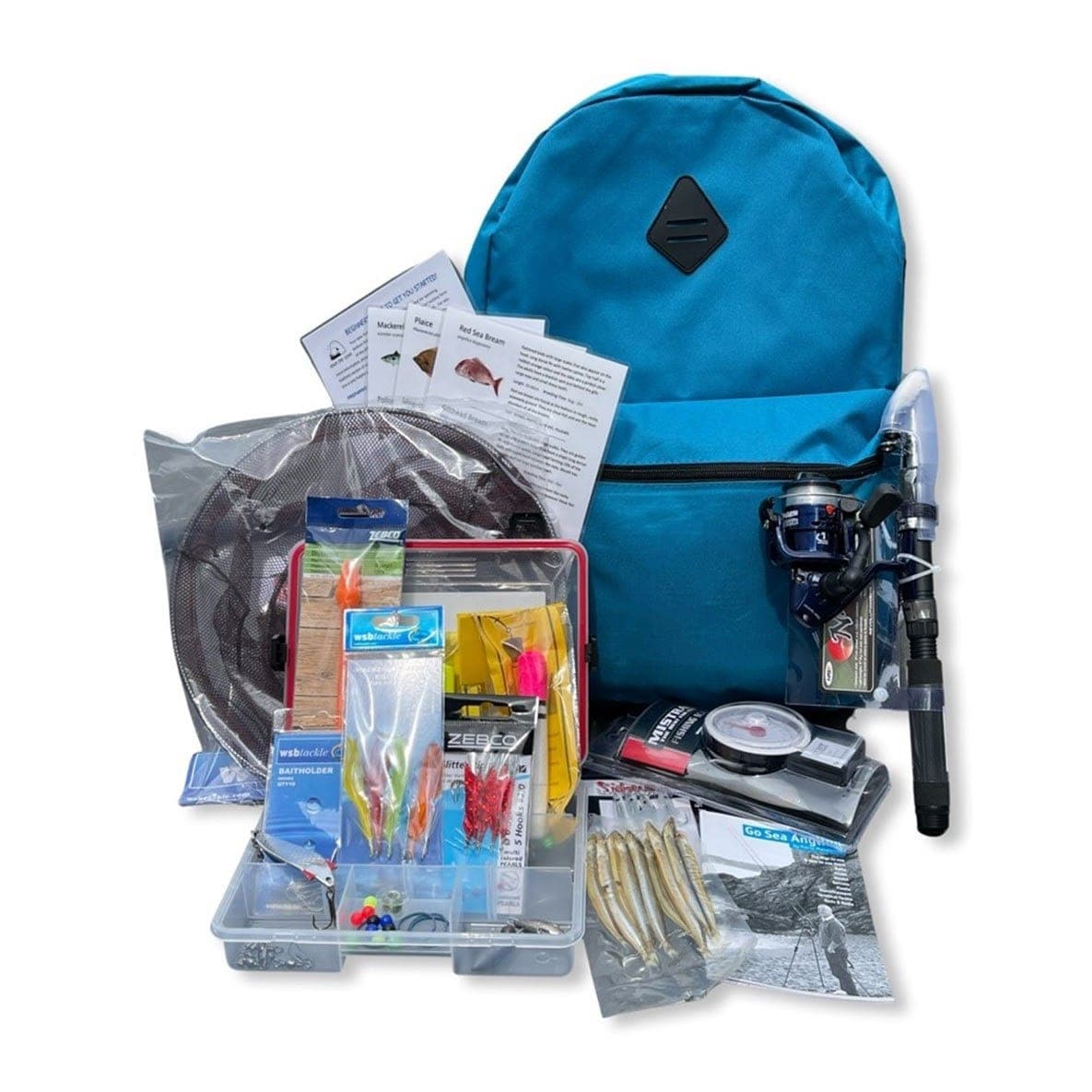
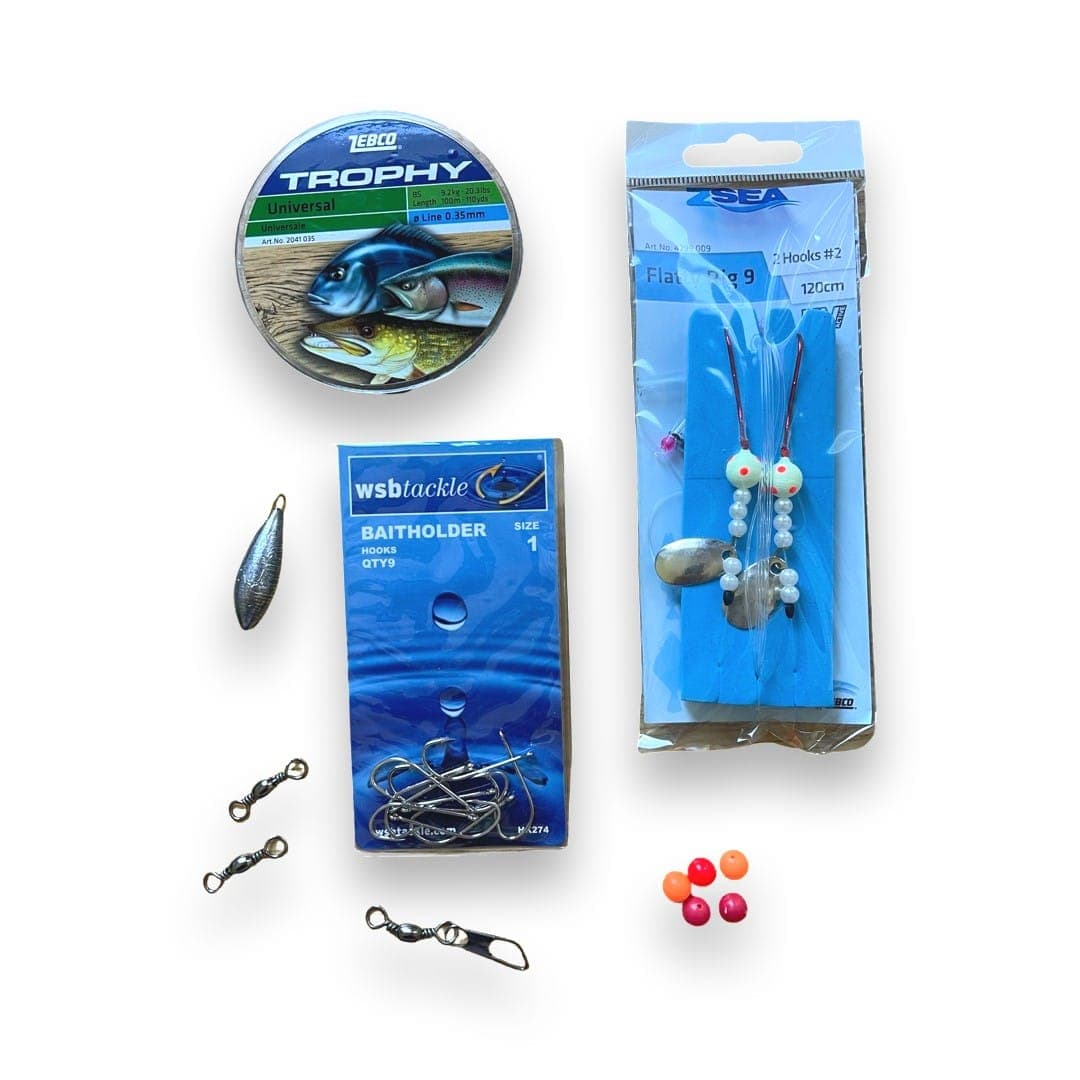
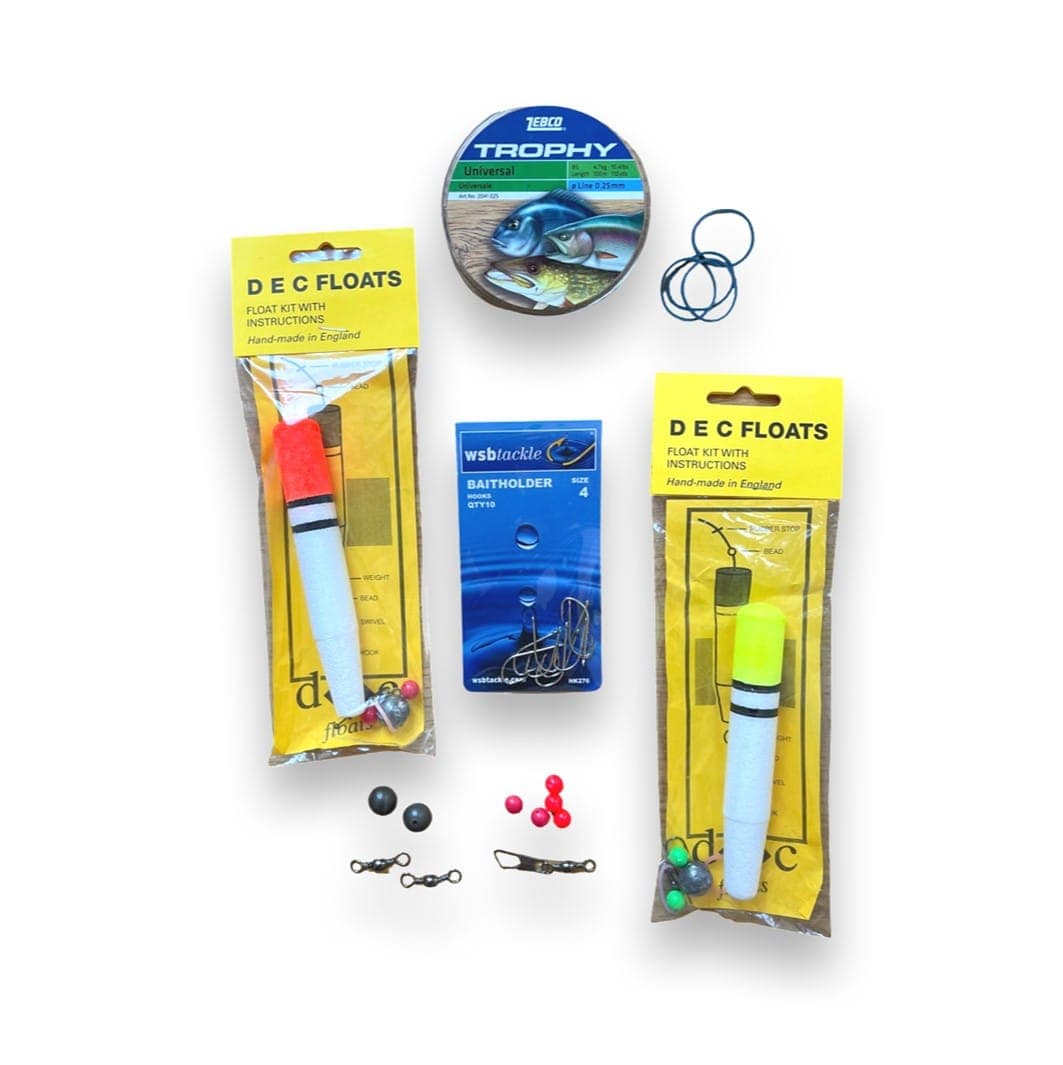
Useful starter kit
Friendly tackle picks chosen to make the guide easier to put into practice.
Common questions
- Where should a beginner start sea fishing?
- Harbour walls and piers are the ideal first choice. They offer deep, sheltered water close in, safe footing, easy access and a great chance of mackerel, garfish and pollock with very simple tackle.
- What is the difference between beach and rock fishing?
- Beach fishing means casting from open sand for species like bass and flatfish, usually needing a longer rod. Rock fishing targets fish over rough ground such as wrasse and pollock, but demands extra care with footing, tides and swell.
- Is it safe to fish from rocks and cliffs?
- It can be, but only once you have experience. Beginners should stick to harbour walls and beaches first. Always check the tide, swell and your footing, wear suitable footwear, never turn your back on the sea, and avoid isolated marks alone.
- Do I need a boat or kayak to catch good fish?
- Not at all. The shore produces excellent fishing year-round, and most beginners catch plenty from harbours and beaches. Boats and kayaks open up more marks later, but they are a step to take once your confidence and skills have grown.
- How do I find a good local fishing mark?
- Ask at local tackle shops, watch where experienced anglers fish safely, and start with well-known, accessible spots. In Cornwall, towns like Newquay, Falmouth, Mevagissey and Padstow all have beginner-friendly marks.