Rock mark guide
Fishing from a Beach Headland
A beach headland is one of the most exciting places to fish because it sits where rock meets sand, two habitats in one spot. That mix of clean ground and rough structure draws in everything from bass and wrasse to pollock and flatfish. Spinning and float fishing are the easiest, most beginner-friendly ways to explore a headland without losing tackle in the rocks. This guide shows you how to read the ground, choose your method and fish a beach headland safely and successfully.

The essentials
Fish the edges where the beach gives way to rock and the water deepens, casting into the current seams where bass and mackerel hunt passing bait.
Best for
Anglers who want to reach deeper, fish-holding water from a rocky headland or point at the end of a familiar beach.
How it fishes
Part beach, part rock: the easy access of the sand with the deeper water and stronger tide of a headland.
Tackle
A multi-purpose or beach rod handles it well, with a simple running ledger for bottom species or a float and spinning setup for fish higher in the water.
Safety
Headlands catch more swell than the open beach, so check your casting platform won't be cut off and keep clear of slippery, weed-covered rock.
Confidence tip · A headland often out-fishes the middle of the beach simply because the deeper water and moving tide bring more fish past your bait.
Stay safe
Headlands catch more swell than the open beach, so check your casting platform won't be cut off and keep clear of slippery, weed-covered rock.
Our Beginners Guide to Buying Fishing Gear....
As with fishing from harbour walls, it is beneficial to know what the bottom is in your chosen fishing area so that you can choose the best fishing method and subsequently the best fishing gear.
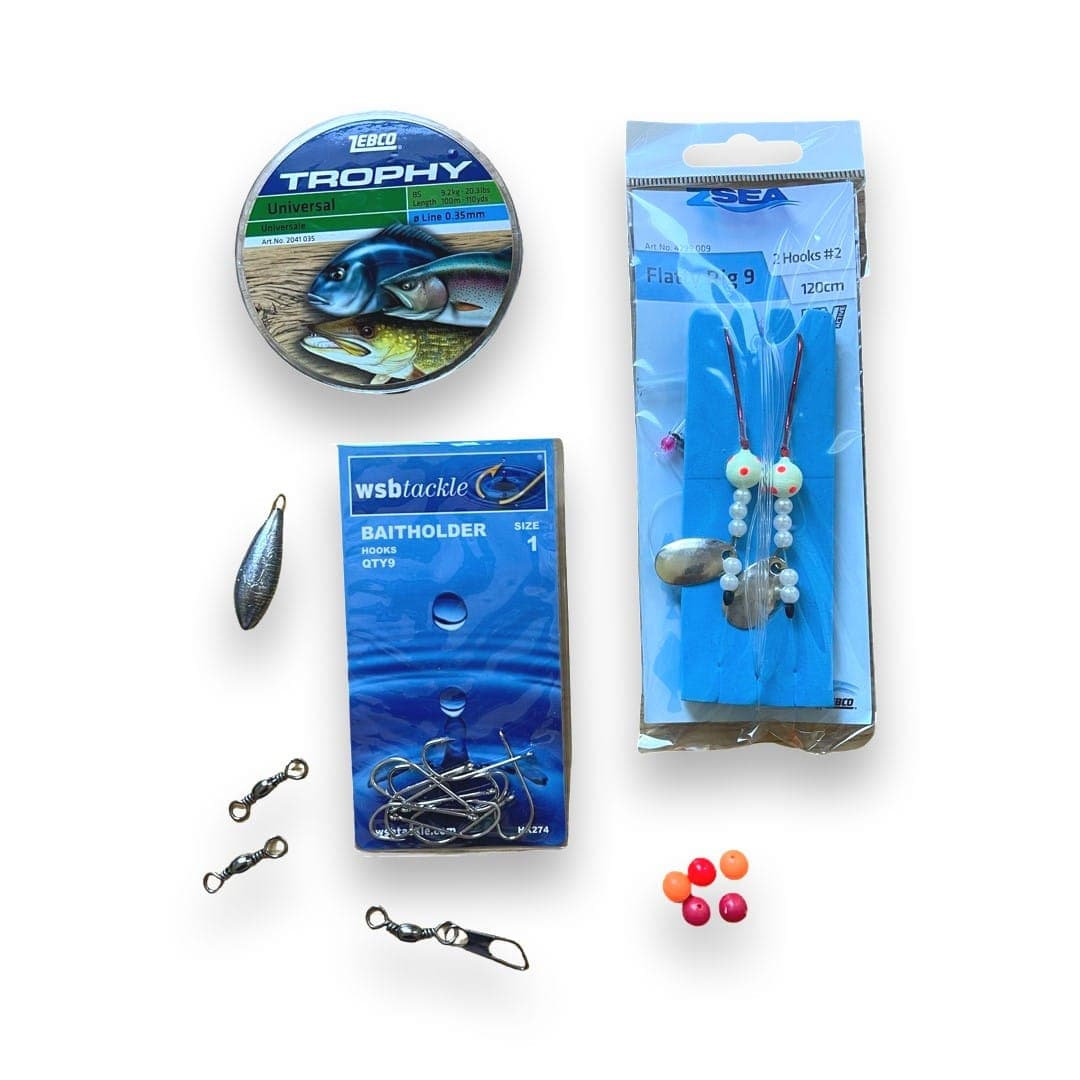
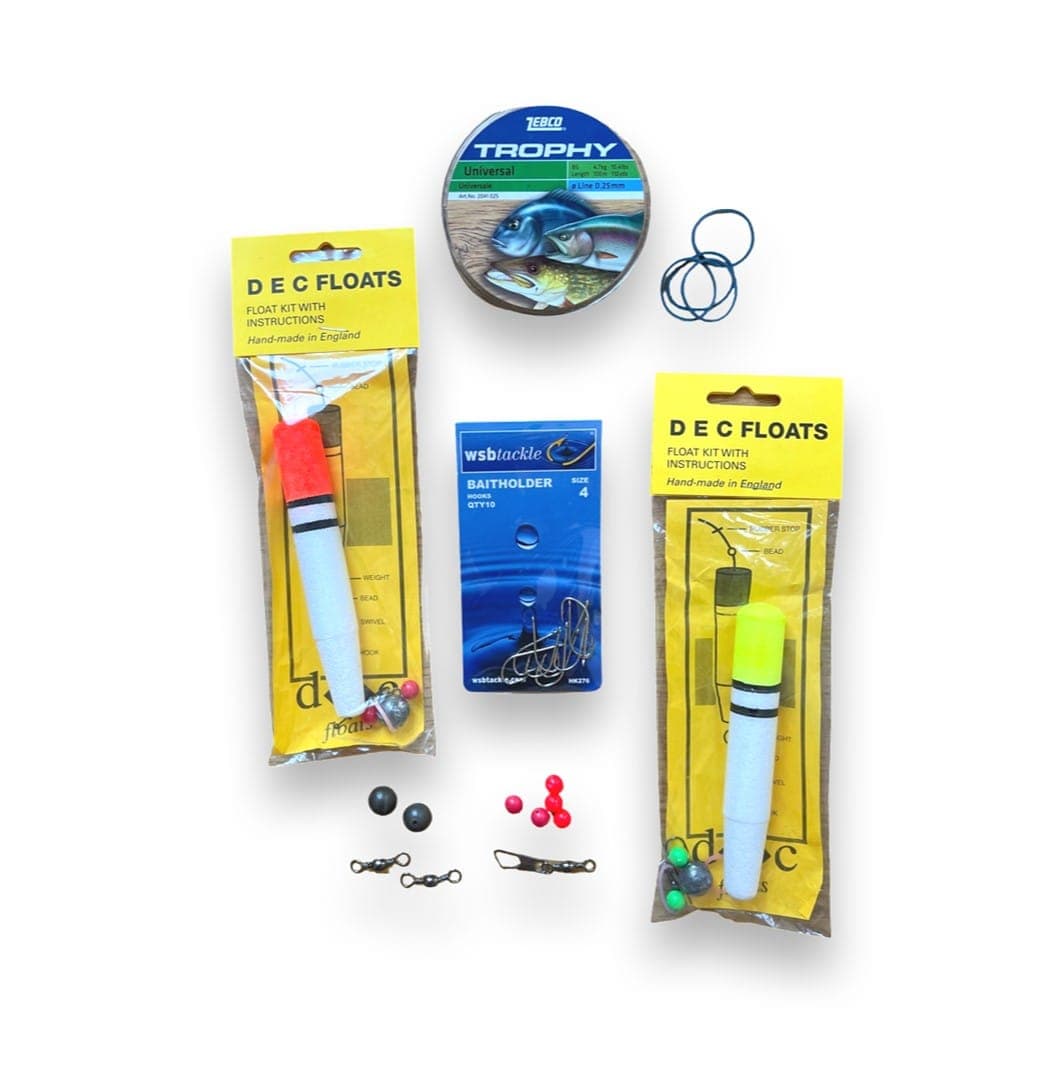
If you are not sure, our recommended fishing methods for beginners fishing from a beach headland are spinning or float fishing, both of these can be enjoyed using a spinning rod and the risk of losing fishing gear is then kept to a minimum.
If you would like to target mackerel or bass please see our specific guides for these species...
FISHING ON SANDY GROUND
If the bottom is sandy or fairly rock free then you will have the option to try all fishing methods. You can enjoy spinning or float fishing and also, in view of the ground, you will also be able to bottom fish to target the species who are found on the bottom such as all the flatfish species.
FISHING ON ROCKY GROUND
When fishing over rocks and weeds you are more likely to catch, for example... wrasse, pollock, bream or conger eel.
The disadvantages of fishing on rough ground are that there is a greater risk of losing your gear such as lures, hooks, weights etc as they get snagged and caught up on the bottom.
Therefore for beginners, bottom fishing is probably only recommended if the ground is sandy.
Our Recommendations
Our recommended fishing methods for beginners fishing from beach headlands are spinning and float fishing. More information can be found on both of these methods by following the links to our guides.
Both spinning and float fishing can be enjoyed using the same fishing rod and reel so please follow our links to browse the options available.