The full story
Read straight through, or use the story notes above to settle into the place, memory and detail.
Stay safe around the Cornish Coast
Cornwall's coastline is stunning and should be enjoyed but please stay safe by being aware of potential dangers such as tides, currents, waves and crumbling cliffs.
Beach Safety
If you are planning to go to a beach for a family day out with children it is always advisable to pick a beach that has lifeguards.
The lifeguards will put up different flags to make sure you are safe. The position of these flags will be determined using the lifeguards knowledge of the beach and the current sea conditions. Please see our explanation of the different coloured flags.
Many of the beaches on the Cornish coastline have lifeguards during the summer months. To see which beaches in Cornwall have lifeguards and the times they are on patrol please follow this link:
What the Flags Mean
| The safest area to swim is between the two red and yellow flags | |
| This means that it is dangerous to go in the sea - never go in the water if you see the red flag flying | |
| Two checkered flags are placed in an area that has been allocated for surfers, kayaks, SUPs etc so do not swim between the checkered flags | |
| The lifeguards will fly the orange windsock if there are strong winds. Do not use inflatables if you see the orange windsock |
RIP CURRENTS / RIP TIDES
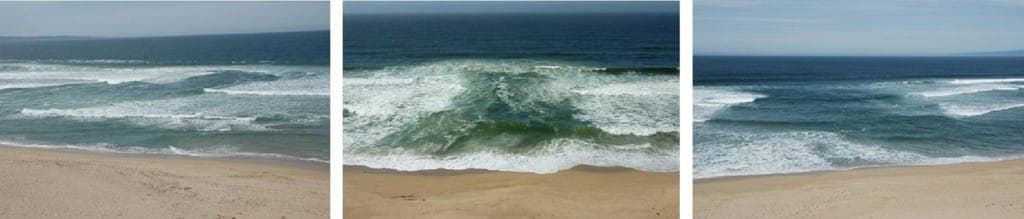
Rip Currents, also known as rip tides are fast moving channels of water travelling away from the shore. They can be dangerous to swimmers so it is important to know how to recognise a rip current and also how to escape one.
How to Spot a Rip Tide
Rip currents can be spotted by looking out for the following:
Fewer waves
Deeper, darker water
Seaweed, foam or debris being carried out to sea
A channel of choppier water
A change in the pattern of the waves rolling into the shore
How to Escape from a Rip Current
If you get caught in a rip current it will carry you out to sea.
NEVER TRY TO SWIM AGAINST A RIP CURRENT
Don’t panic as once you have reached the head of the rip current the flow of water will slow down.
To escape from a rip current you need to swim out of the current by swimming parallel to the shore. Once you are out of the current it will then be easy to get back to the shore.
If you are in any doubt, it is always advisable to swim at a beach with lifeguards.
What causes RIP Currents?
Rip currents will often occur on beaches where there are sandbars or man made or natural structures such as slipways, piers or rock formations. As the waves crash towards the shoreline, they need to travel back out to sea again – this happens naturally as the water recedes. However, if the water builds up due to becoming trapped it will travel along the shoreline instead until it finds a way back out to the ocean therefore causing the rip current.
The illustration on the right shows the water coming into shore and then the water (feeder) travelling along the beach and back out through the narrow gap (Neck) causing the rip current.
If you think somebody is in difficulty please call 999 and ask for the Coastguard
Dogs on Cliff Paths
Always keep your dog on a lead when you are anywhere near the cliffs. This is because dogs will enjoy themselves running about chasing rabbits and seagulls. Unfortunately dogs do not have the same line of vision or the perception that a human has and many fall over the cliffs and sadly rarely survive.
High and Low Tides
Make sure you are aware of the tides. The difference between high tide and low tide can be quite considerable. For example a lovely sandy beach at low tide could be 6 metres underwater 6 hours later at high tide.
Also be aware that lots of rocky places and secluded coves can get cut off when the tide comes in. Many a fisherman has found a lovely rock to fish from only to find out that the water has come in around them and they find themselves cut off. Tide table booklets can be picked up very cheaply at most Cornish shops, pubs, post offices etc
The Sea
Never under estimate the power of the sea. Waves breaking over harbour walls and across promenades look amazing but make sure you watch from a distance. A wave can easily knock over a person resulting in tragedy. The picture below shows a wave breaking over the harbour wall at Mullion Cove.
Life Jackets / Buoyancy Aids
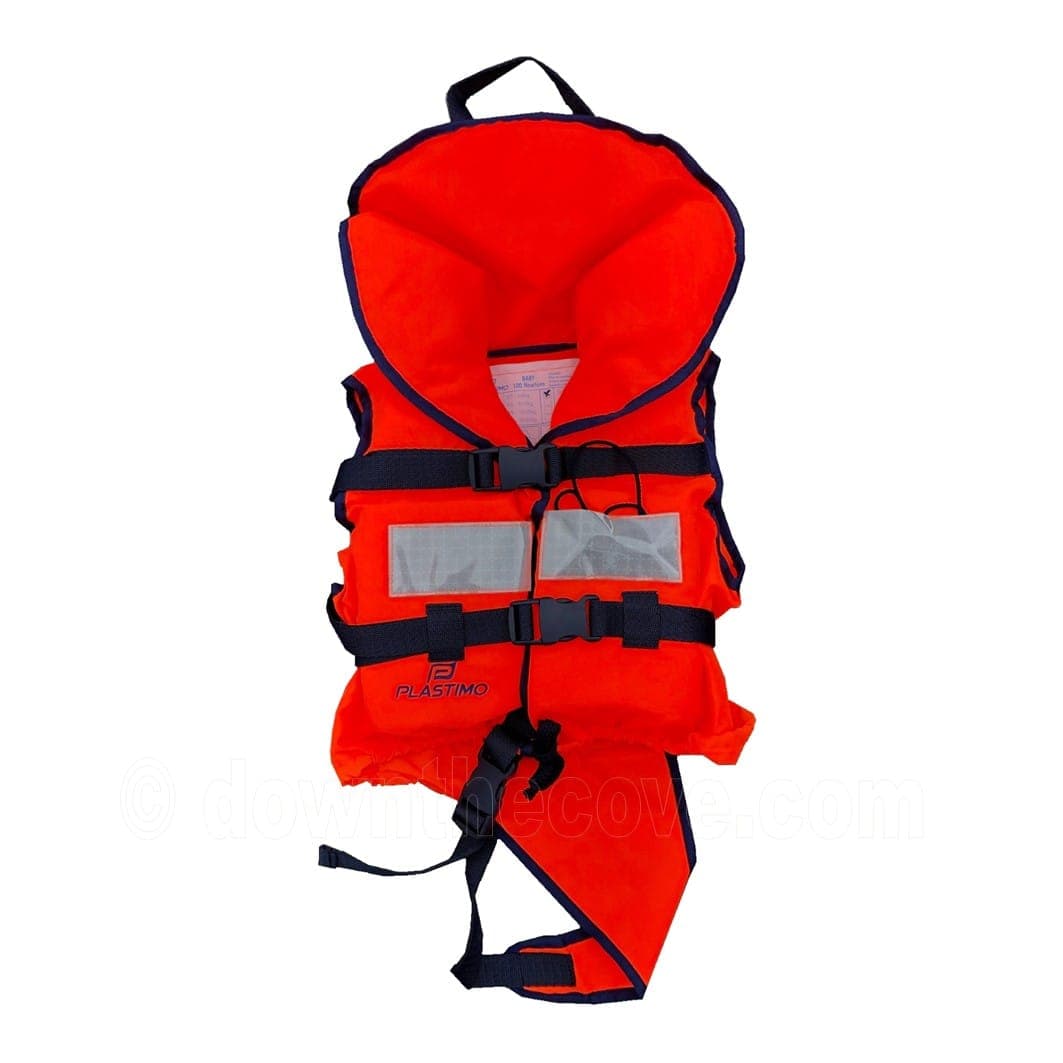
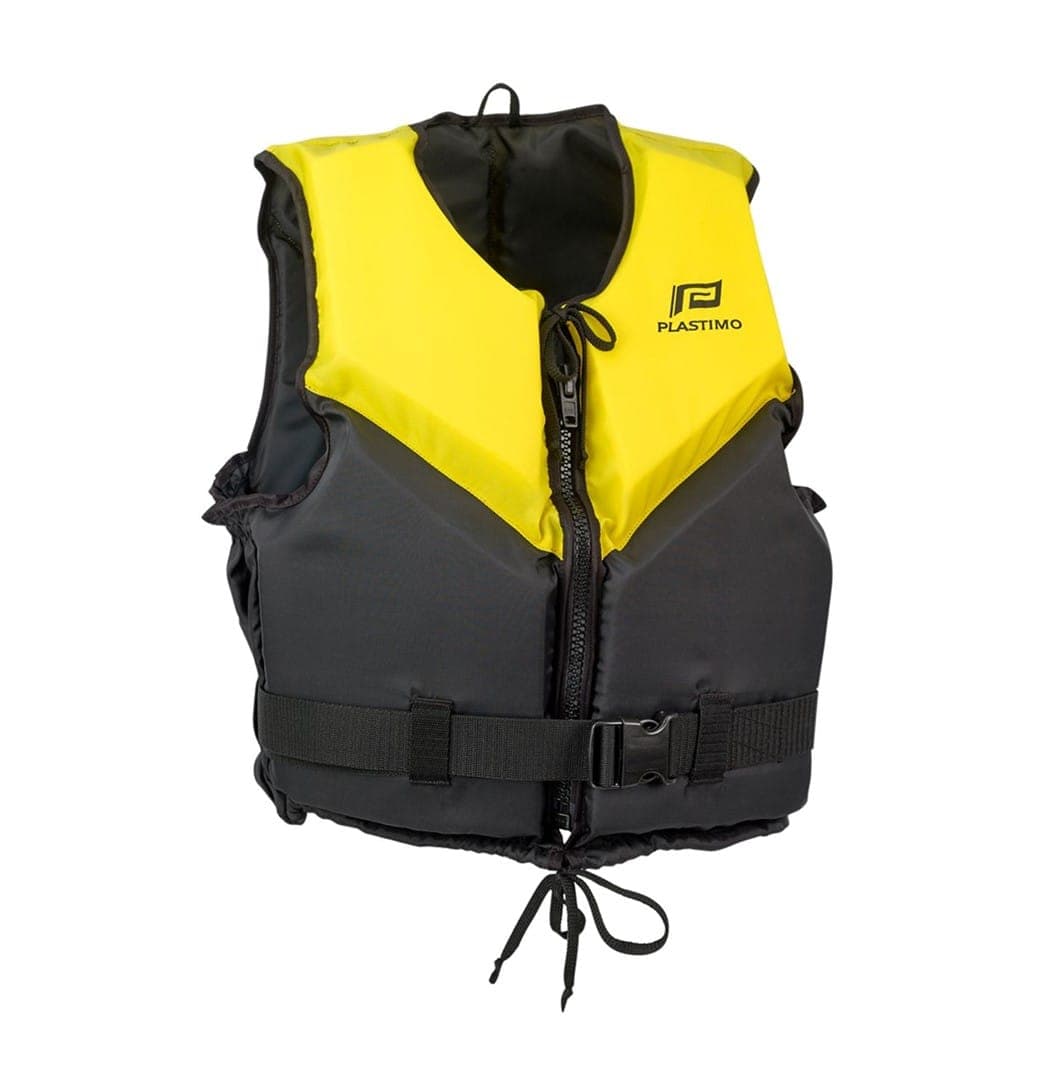
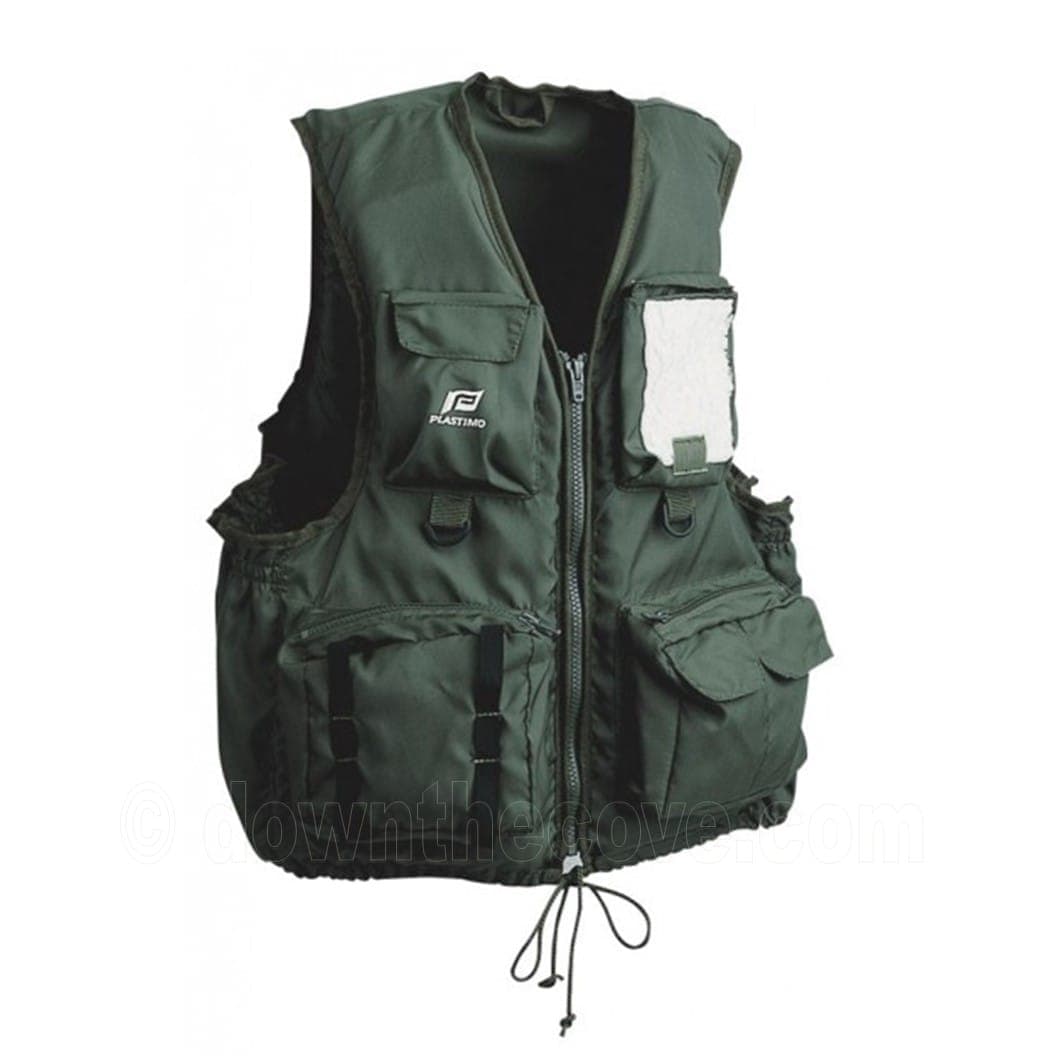
Life jackets are not just for wearing on boats. We also recommend wearing life jackets when participating in other activities around the coastline and cliffs, especially for children - for example when fishing from the rocks. Waves can easily sweep you into the sea and a life jacket could help to save your life.

Common questions
- How do you escape a rip current?
- Do not panic or try to swim against it. If you can stand, wade rather than swim; otherwise float on your back to catch your breath (the RNLI's Float to Live advice), then swim parallel to the shore until you are out of the current before heading in. Raise a hand and call for help if you can.
- What do the beach flags mean?
- Red and yellow flags mark the lifeguarded zone, the safest place to swim. A red flag means danger, so never enter the water. Black-and-white chequered flags mark a watercraft area for surfboards and kayaks, and an orange windsock means offshore wind, so no inflatables.
- How do you spot a rip current?
- Look for a channel of churning, choppier water, a gap with fewer breaking waves, water that looks darker or deeper, or foam, seaweed and debris being carried steadily out to sea.
- Why are the tides dangerous in Cornwall?
- The tidal range is large: a sandy beach at low tide can be metres underwater six hours later, and rocky coves can quietly cut you off as the tide floods. Always check a tide table and know your escape route before you settle in.
- Should you wear a life jacket on the rocks?
- Yes. Life jackets are not just for boats, a wave can sweep you off the rocks in a heartbeat, so we always recommend wearing one for rock fishing and coastal activities, and especially for children.