Tackle guide
Crabbing Kits
Guide3 min readUpdated 10 Sept 2026
Already have a crabbing kit? Learn what each item does, how to prepare a supervised session and how to return crabs carefully. Use the separate buying guide to compare kits for children.
Tackle guide
Already have a crabbing kit? Learn what each item does, how to prepare a supervised session and how to return crabs carefully. Use the separate buying guide to compare kits for children.
Guide, gear and practical advice
Compare kit formats for your family, check the selected line option and product guidance, then learn the practical method before a supervised trip.
By the Down The Cove editorial team in Cornwall
Shop the equipment used
Shop the range
Hand-picked Down The Cove ranges that pair with this read.
Down The Cove Editorial Team
Family-run Cornish retailer of hook-free crabbing and seashore activity equipment.
Reviewed by
Down The Cove Editorial Source Check
Source-linked editorial guidance, not an independently verified expert endorsement or first-hand product test.
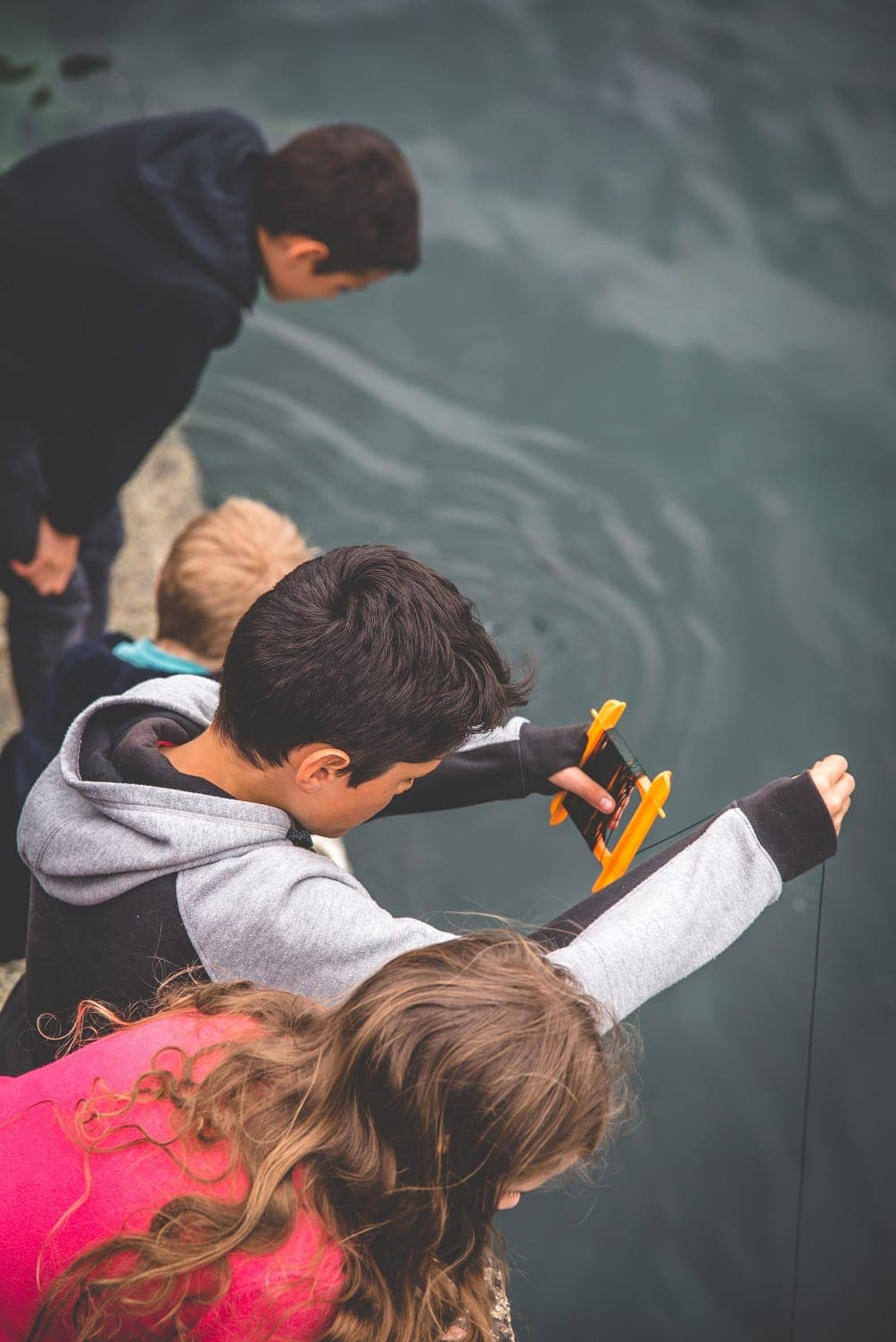
Prepare the kit, lower the line under adult control, observe briefly and return crabs gently.
Your first setup
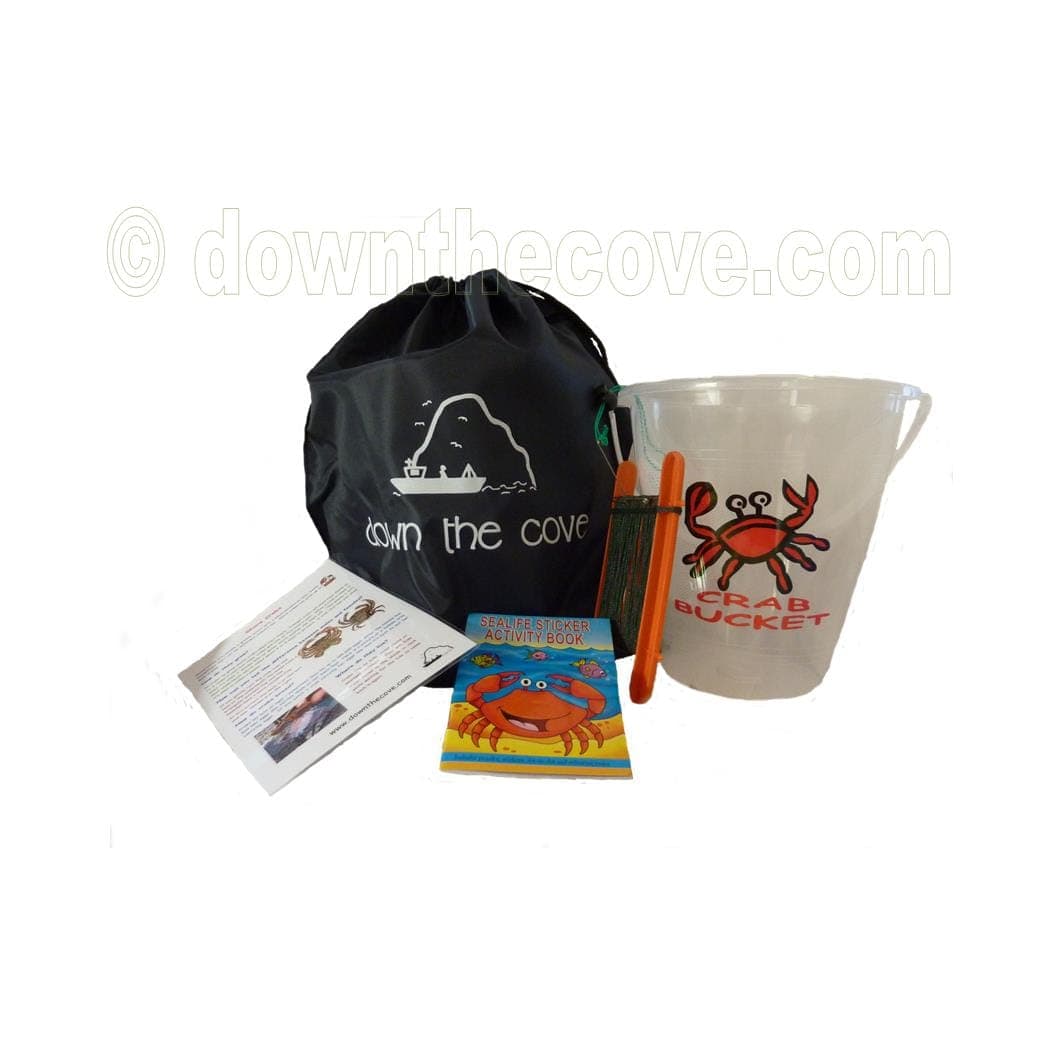
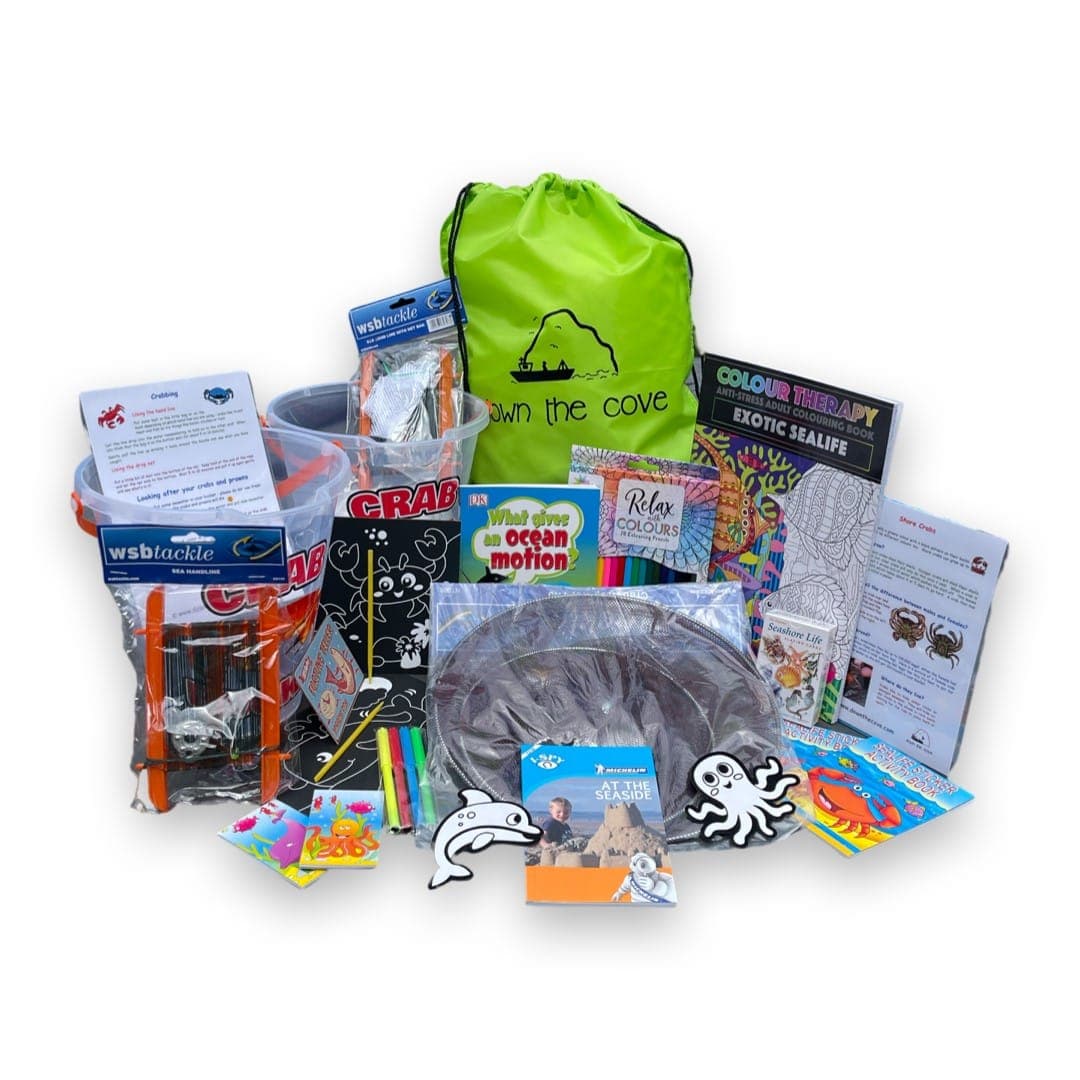
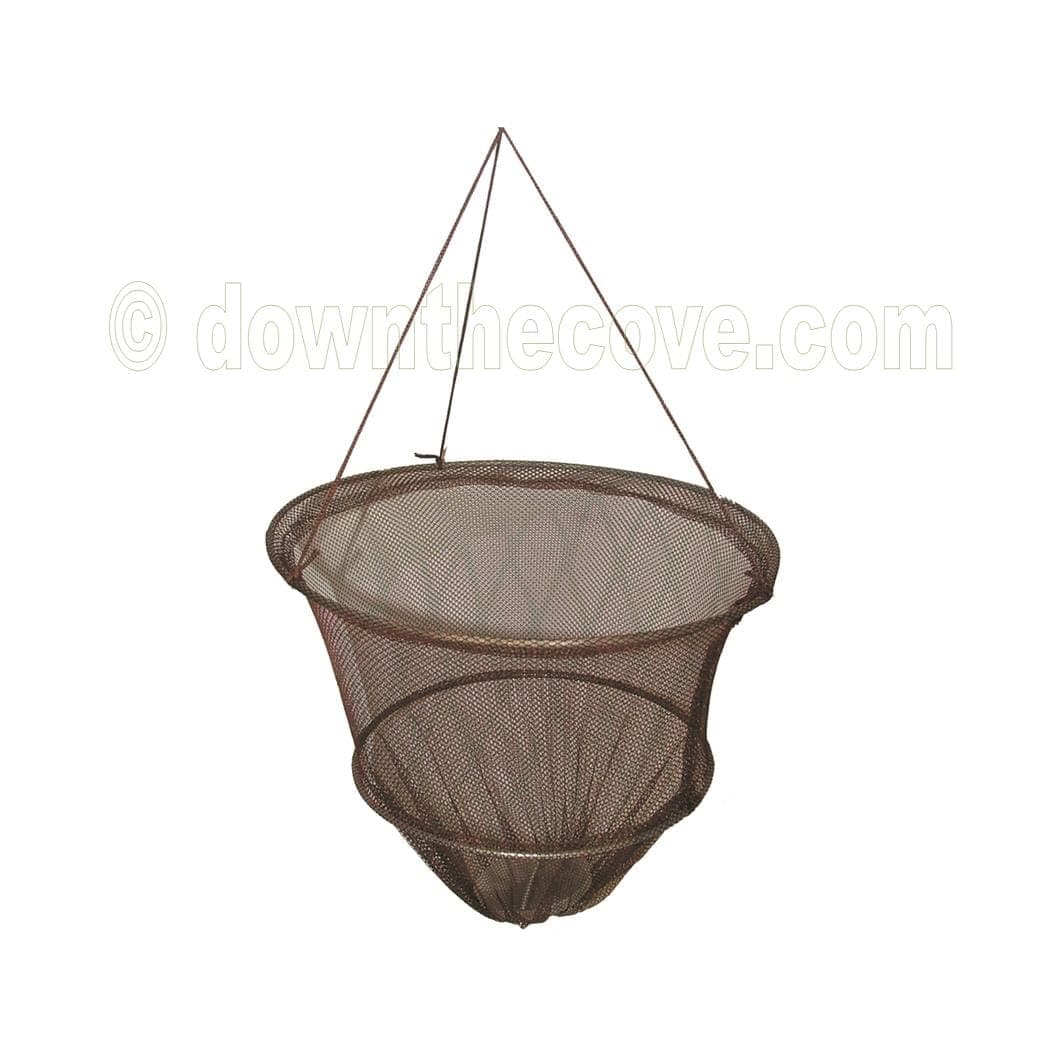
Check a hook-free line, bait bag, bucket and suitable net before approaching the water.
Check the notices and conditions for the place you plan to visit.
Use a permitted, stable location and close adult supervision. Choose hook-free equipment for children.
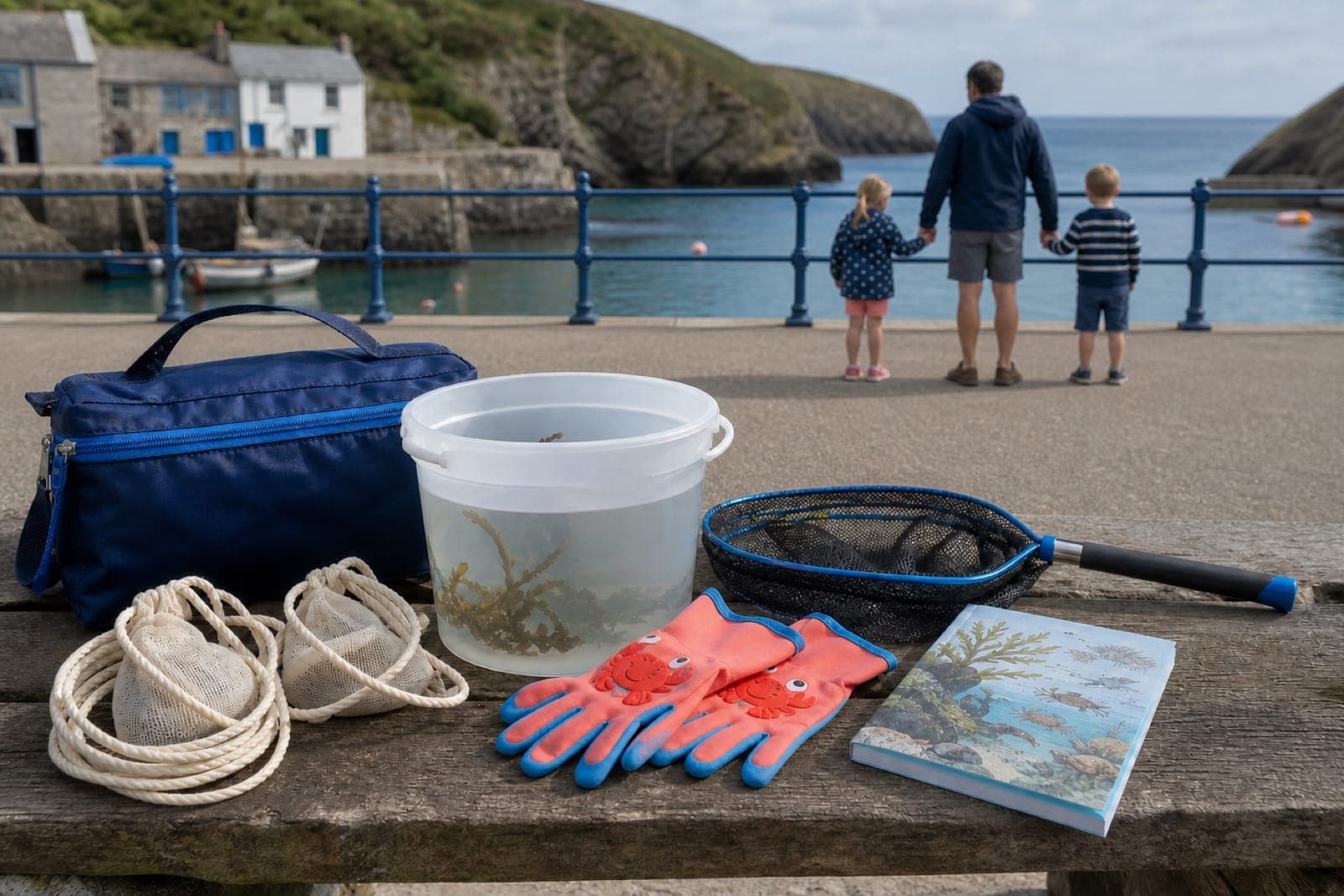
Before a family crabbing session
Start with a stable, permitted location and close adult supervision. Check equipment on land, keep lines tidy, observe catches briefly and return them gently.
Keep the kit tidy and hook-free, with an adult close to every child at the water's edge.
| Stage | Equipment check | Adult responsibility | Stop if |
|---|---|---|---|
| Before starting | Check hook-free line, bucket and net | Read local notices, tide and weather | The edge or route is unsuitable |
| Lowering the line | Secure bait and tidy spare line | Control the line from a stable place | Anyone must lean or climb |
| Observing and returning | Keep bucket shaded and uncrowded | Minimise handling and return gently | Crabs are crowded or distressed |
Tick off the checks as you work through them. This is a personal reminder, not a safety approval.
Already have a crabbing kit? Learn what each item does, how to prepare a supervised session and how to return crabs carefully. Use the separate buying guide to compare kits for children.
Check the line for damage and tangles, the bucket for cracks and the net for trapped line or sharp edges. For children, choose a hook-free bait bag and follow the product age guidance. An adult should manage the equipment and supervise throughout; a kit does not make an exposed harbour edge suitable.
Check tide, weather and harbour notices before starting. Use a stable place where an adult can keep children back from the water. Do not climb barriers or lean out to reach a catch. If the edge, waves or access are unsuitable, choose another activity.
Secure a small amount of bait in the bag before lowering it. Keep spare line tidy on land and lower the bait under control rather than throwing it. Use the separate bait guide for bait choices; do not leave food packaging or loose line on the shore.
Lift slowly and keep the catch close to the water while an adult uses a suitable landing net if needed. Let go of a catch rather than leaning over an edge or climbing down after it. If lifting cannot be done from a secure position, stop.
If using a bucket, put local seawater in it, keep it shaded and uncrowded, and keep observation time short. Handle gently and minimise handling. Watch for pinching claws; hook-free equipment does not remove that risk.
Return each crab gently to the water where it was found without dropping it from a height. Remove remaining bait, check the ground for line and litter, and clean and dry the equipment according to its instructions. Leave the site and wildlife as you found them.
Check the line, bait bag, bucket and net before each trip. Replace damaged parts and sort tangles on land, not while someone is waiting at the water’s edge.
Bring the line back onto clear ground. Check the bag and closure for damage, reduce loose pieces and secure the bait according to the product instructions. Do not add a hook to a child’s hook-free line as a shortcut. If the closure will not hold, replace the bag or line before using it again.
No. This page explains using and caring for the equipment. The children’s kit comparison covers choosing between a bait-bag line, drop net and family pack.
No. An adult must supervise near the water, manage the line and check the location. Hook-free describes the equipment, not a guarantee of safety.
Use the dedicated bait and crabbing-season guides linked below, then check local conditions and notices for the day.
First check that the bait is still secured and the line can be managed safely. A different bait is no guarantee of a catch. Never move closer to an unsafe edge to reach deeper water.
Stop lowering it and let an adult organise the spare line away from feet and the edge. Do not wrap a loaded line around fingers or pull someone towards the water. A snag is not a reason to climb down, lean out or enter the water; stop if it cannot be dealt with from a secure position.
Inspect the bucket handle, line attachment and net before buying a second complete pack. A separate net may fill a gap, but its dimensions and lifting arrangement still need to suit the permitted location. The children’s buying guide compares formats; this page is the preparation and care checklist.