Time the tide, not the clock
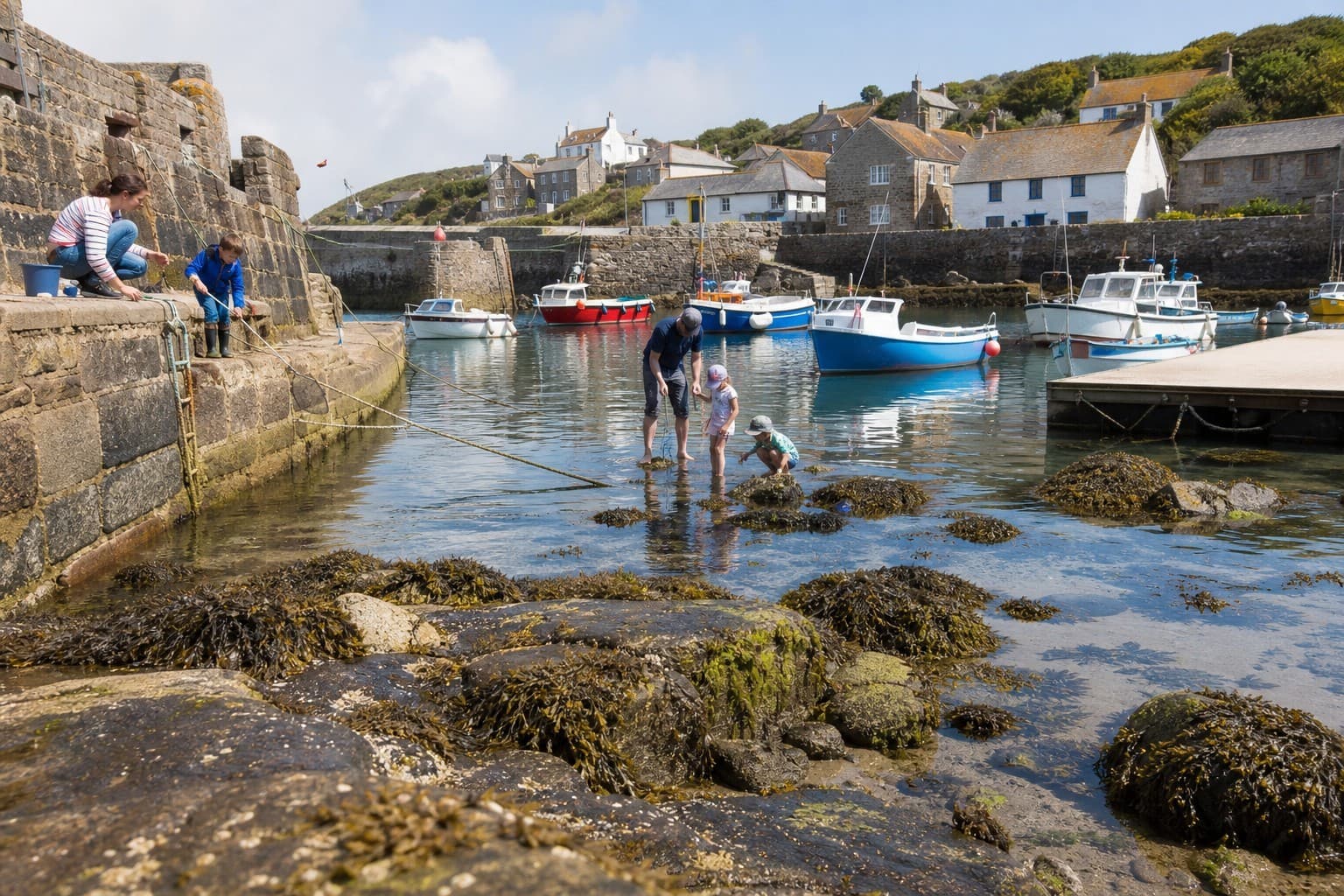
The best window is roughly two hours either side of high water, when crabs forage close to walls and pontoons. A rising tide on a calm day is ideal; a big swell puts crabs off their lunch and little ones too close to the edge. Tide times are free everywhere - check them before you promise anyone crabs.
Famous UK crabbing spots
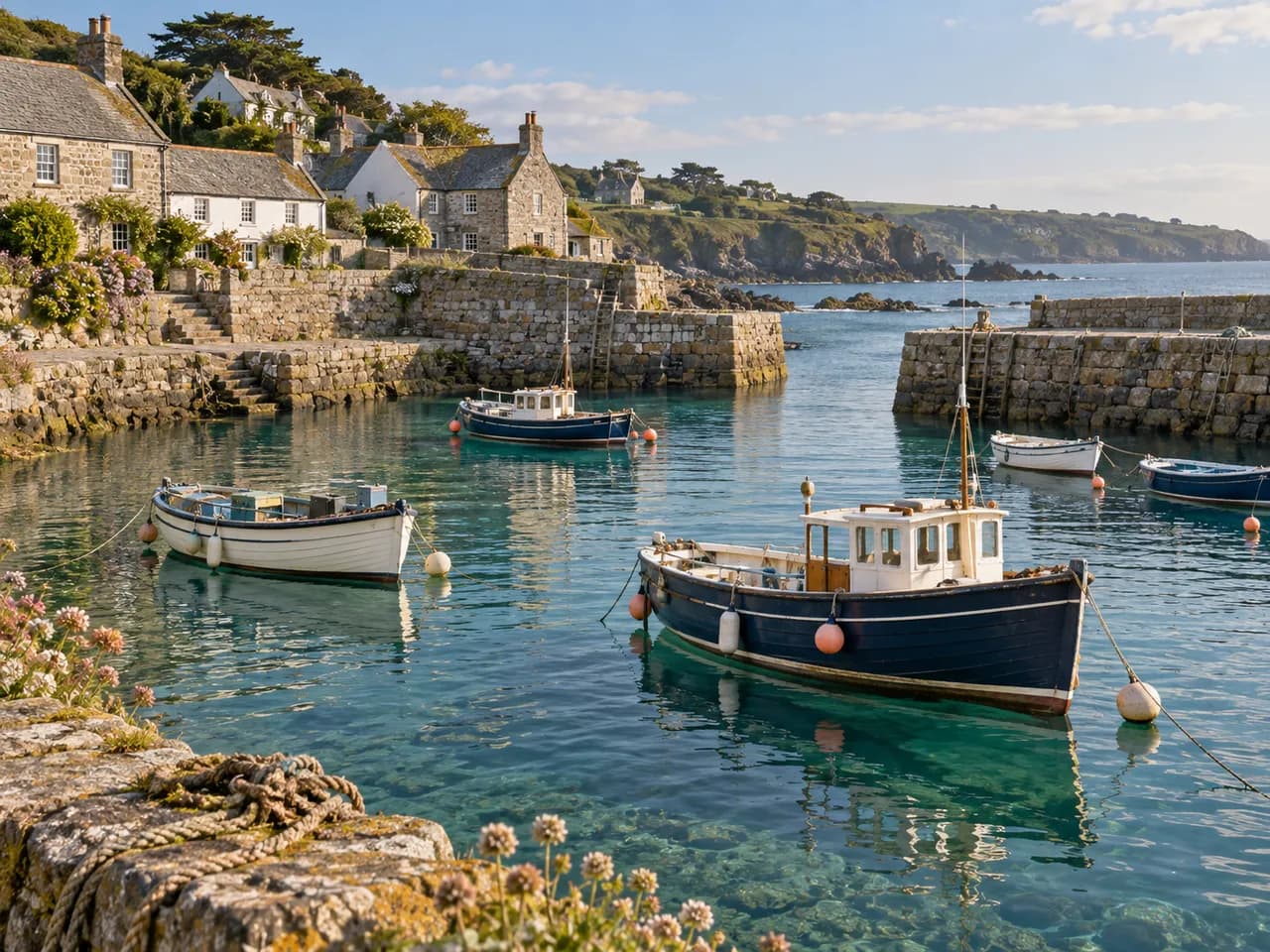
Down our way, Padstow, Looe, Mevagissey, St Ives and the Falmouth quays are the Cornish classics - working harbours with deep, calm water and room for small people to sit safely back from the edge.
- Walberswick, Suffolk - the spiritual home; it hosted the British Open Crabbing Championship for decades.
- Cromer & Wells-next-the-Sea, Norfolk - the county that put crab on the map.
- Salcombe & Dartmouth, Devon - estuary walls made for a dropped line.
- Mudeford Quay, Dorset - a family crabbing institution.
- Tenby, Pembrokeshire - harbour crabbing with a beach for afterwards.
- Whitby, Yorkshire - crab lines and fish and chips, the full ritual.
No famous name nearby? Any harbour, quay or pontoon with safe access and a metre or two of calm water will do. Crabs are not fussy about postcodes.
What to bring
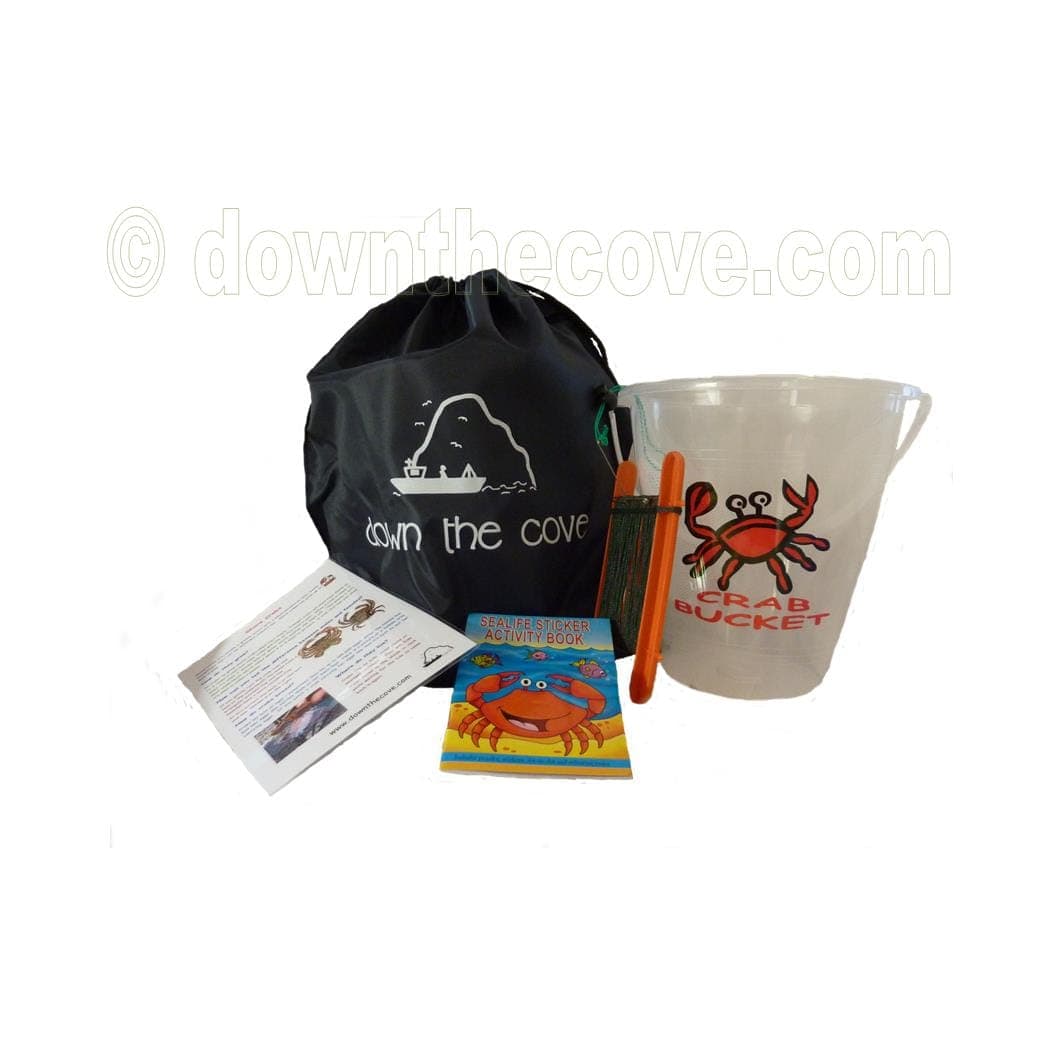
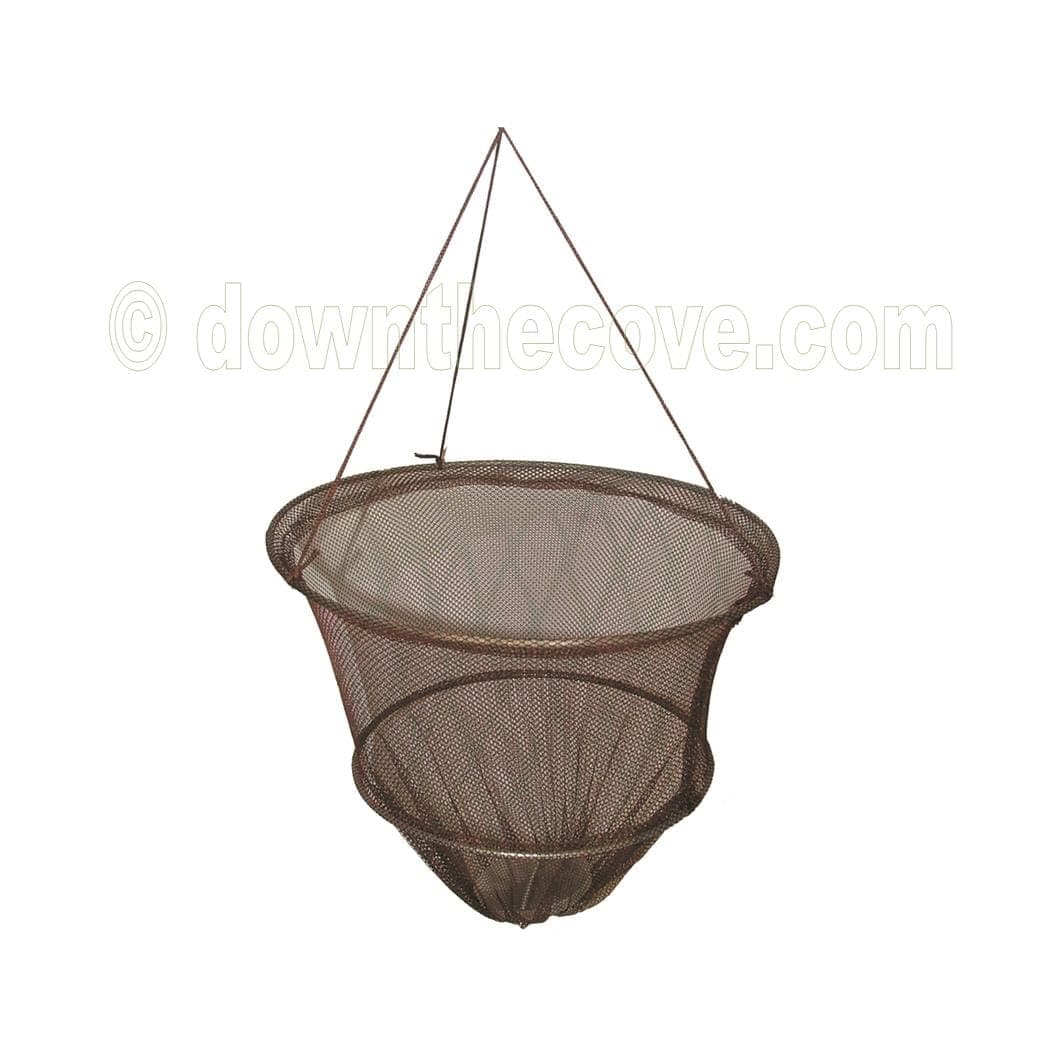
A line or drop net, a bucket, bait and patience. Bacon stays on the line best; a bait bag beats a hook for grip and for small fingers. Our best crabbing kits guide matches kits to ages, the crabbing kits collection has everything packed and ready, and our crabbing how-to covers technique.
Rules and good manners
No licence is needed for hand-line crabbing in the UK - just follow any local harbour signs. Wet your hands before holding a crab, keep bucket time short with fresh seawater, and lower every crab gently back where it came from. The crabs you catch on a line are green shore crabs - they are for catching and releasing, not the pot.
Crabbing questions, answered
What is the best month for crabbing?
July and August are the easiest fishing; September is the insider's pick - warm water, big crabs, empty quaysides.
Is crabbing tide-dependent?
Very. Two hours either side of high water is the golden window; dead low tide at a drying harbour catches you mostly seaweed.
Can you go crabbing in winter?
You can, on mild calm days at deeper walls - but manage expectations and pack a thermos. The crabs know it is winter too.