Practical UK fishing guides covering methods, tackle, locations, rigs and beginner advice from Down The Cove.
Showing
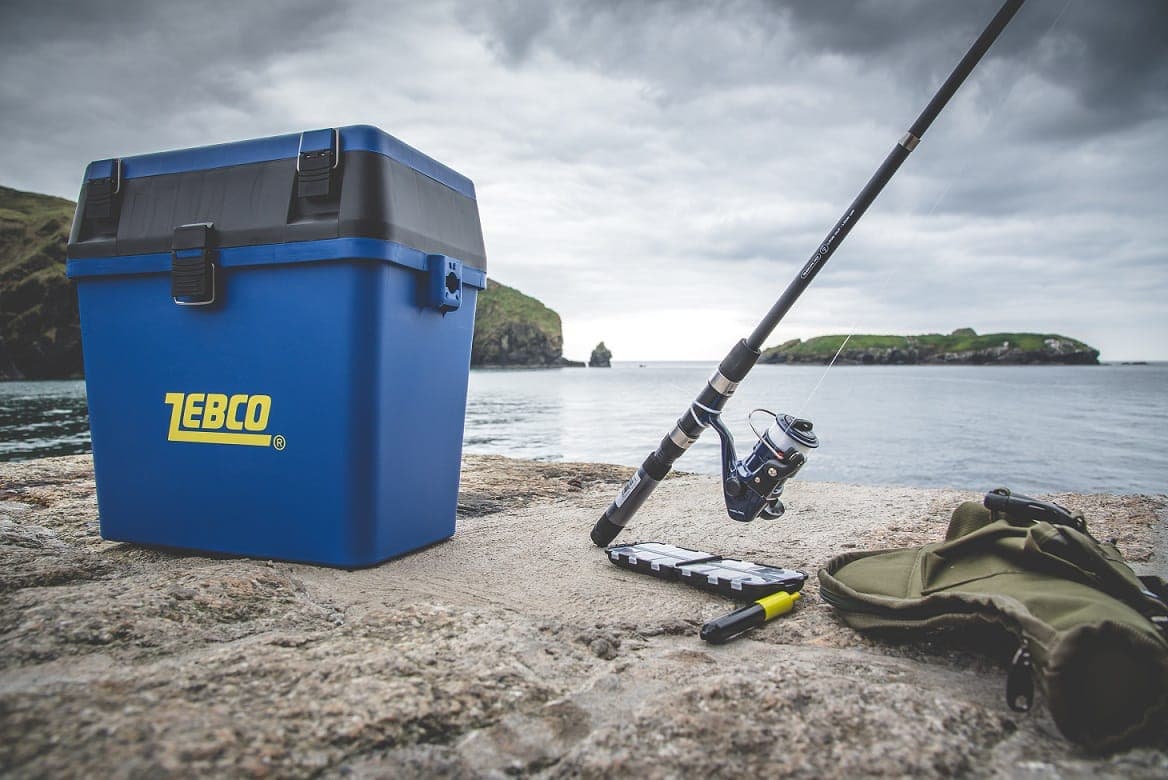
Setting up a sea fishing rod takes five minutes once you have done it a couple of times. This guide takes you through it step by step, from fitting the reel to clipping on a rig, with three simple set-ups for bottom, float and lure fishing.
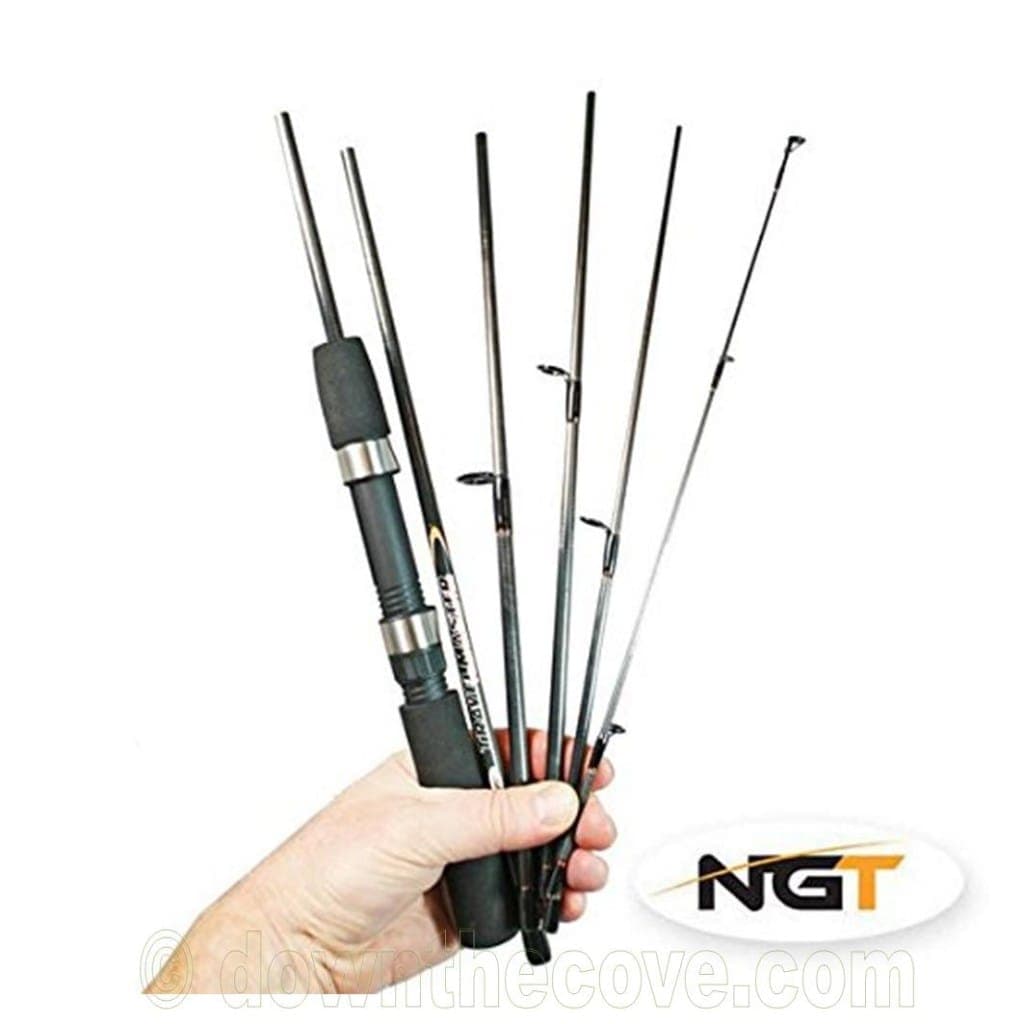
A travel rod lets you fish wherever you end up, as long as you pick the right one. This guide compares telescopic and multi-piece rods, explains packed length and casting weight, and covers reels, what a short rod can catch and flying with your rod.
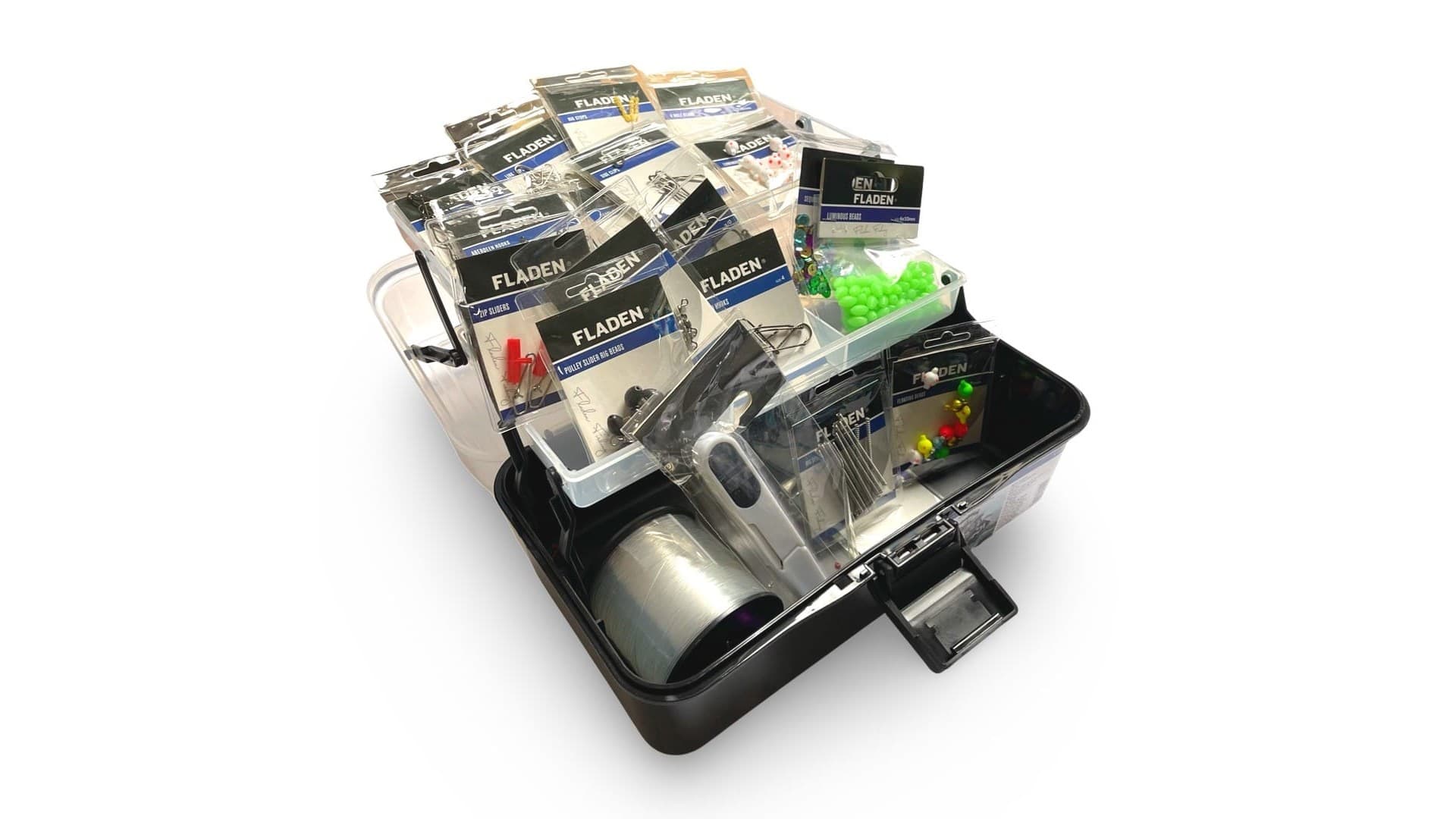
A beginner's tackle box needs less than you might think. This checklist explains which hooks, swivels, leads, rigs, floats and tools to carry for UK sea fishing, the easiest ways to buy them, and what you can leave at home.
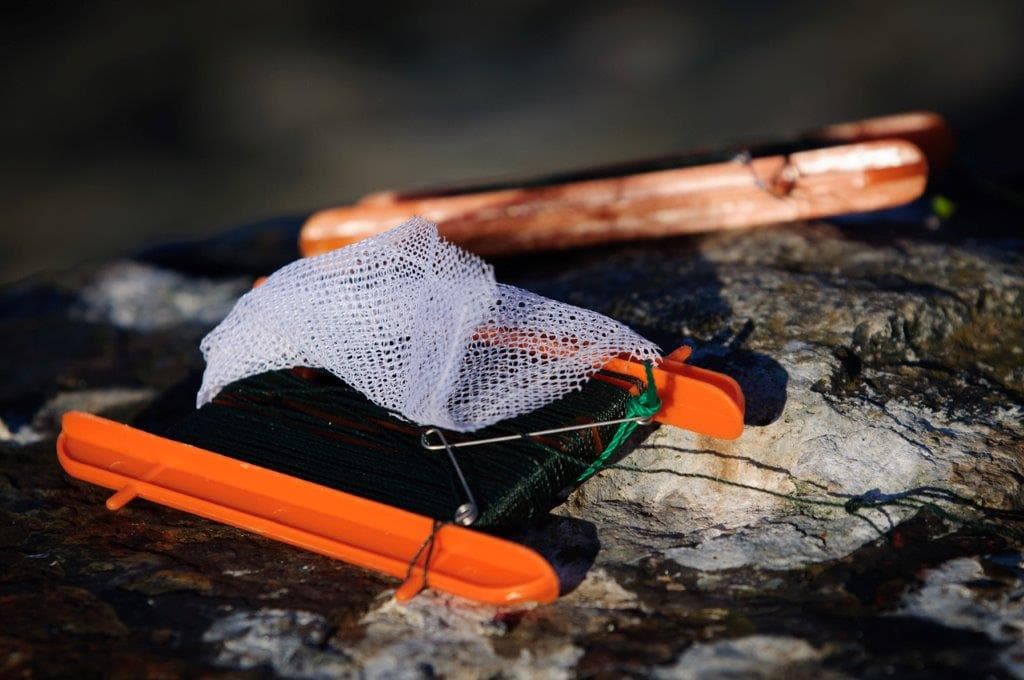
There is no single best sea bait, but a handful of baits catch almost everything around the UK coast. This guide explains which fish each bait catches and when, how to buy, dig or collect it responsibly, and how to store and hook it so it stays on the cast.
You do not need a licence to fish for sea fish with a rod and line anywhere in the UK, but there are still rules you must follow. This guide covers where the rod licence starts, salmon and sea trout, minimum sizes, the 2026 bass rules and what happens if you get it wrong.
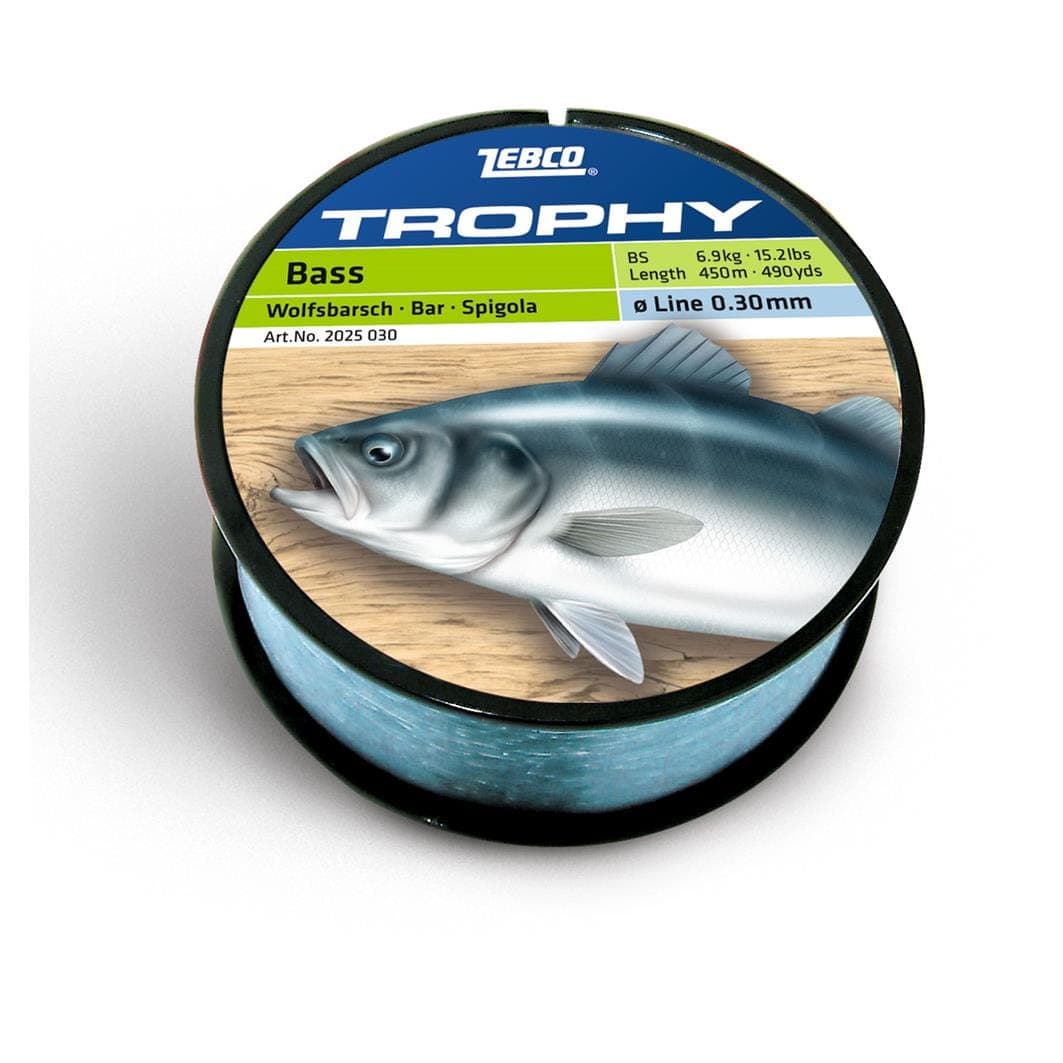
Most sea anglers get by with five or six knots, tied well. This guide explains which knots to use for hooks, swivels, joining lines, shock leaders and rigs, and gives clear step-by-step instructions for each, plus how to seat, test and avoid the usual mistakes.
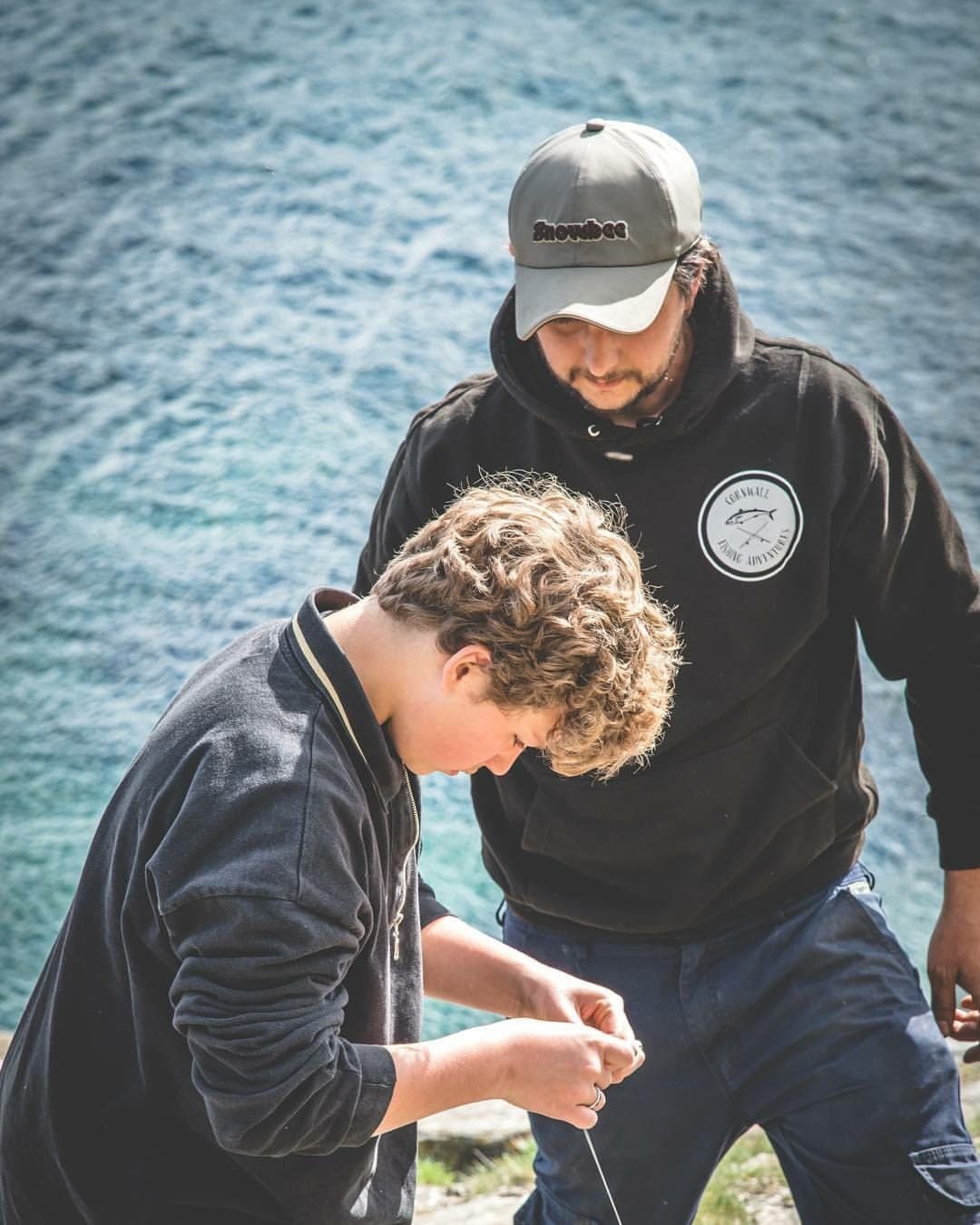
Casting a fixed-spool reel comes down to a few simple habits: the right drop, the line trapped on your finger and a smooth release at the right moment. This guide takes you through the overhead cast step by step, with lighter and heavier set-ups, safety, common faults and how to practise.
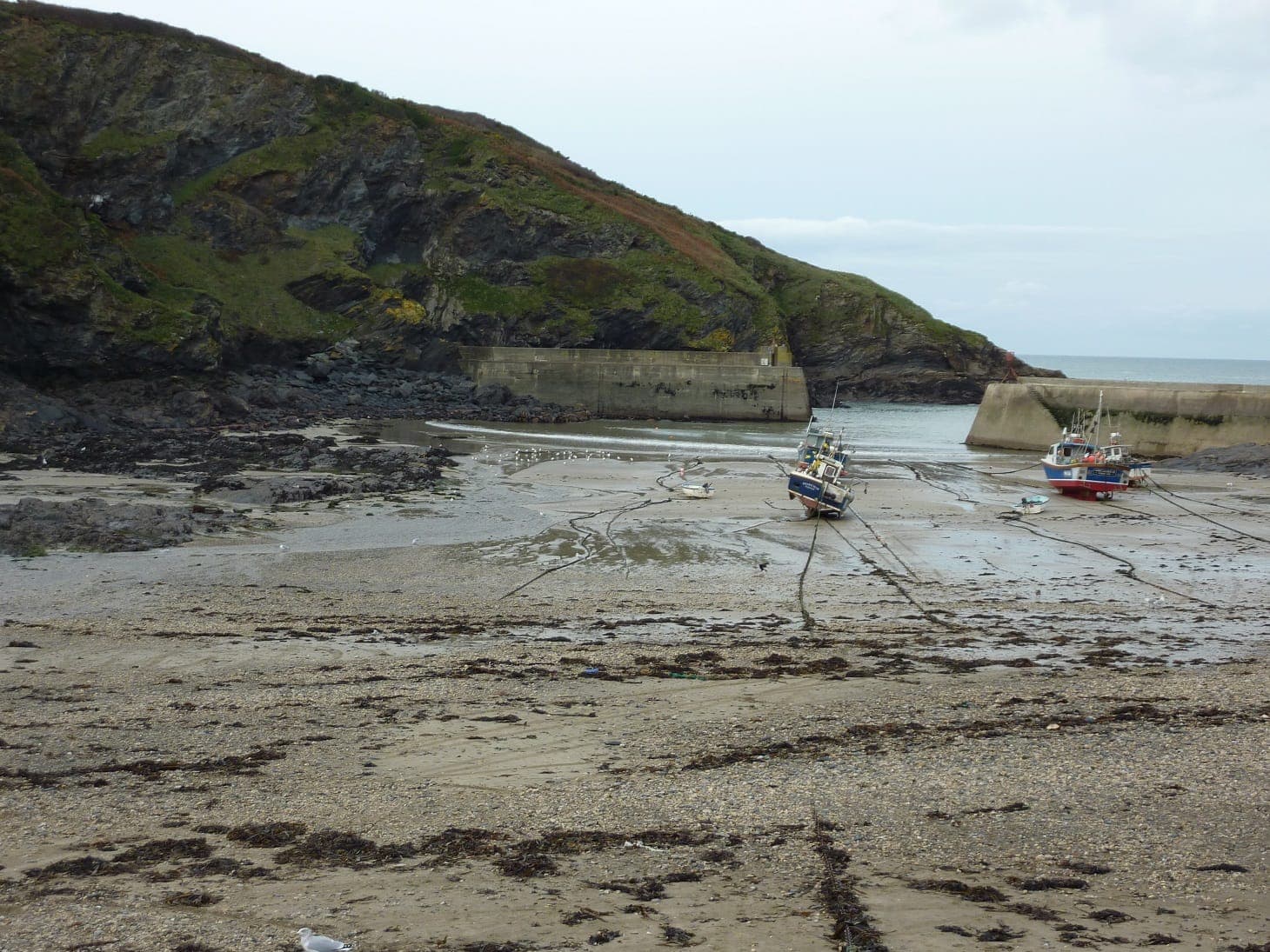
There is no single best tide for every mark, but on most beaches the first few hours of the flood and the top of the tide fish best. This guide explains why, how it changes on rocks, harbours and estuaries, and how to read a tide table so you arrive at the right time and leave safely.
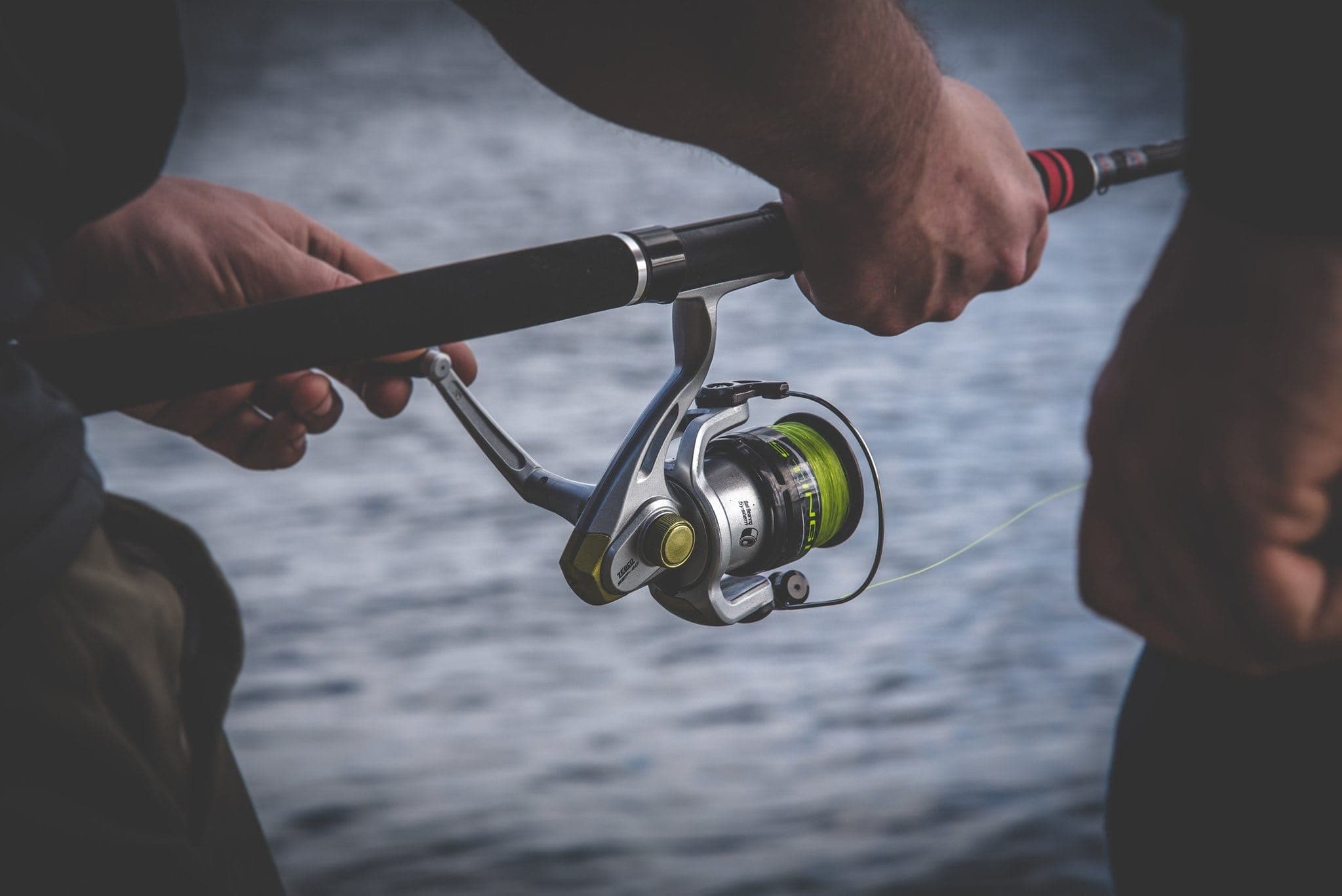
Choosing a first sea fishing rod is easy once you know where you will fish and what weight you will cast. This guide explains beachcasters, bass rods, spinning rods, boat rods and travel rods in plain English, with lengths, casting weights and reel pairings for beginners.
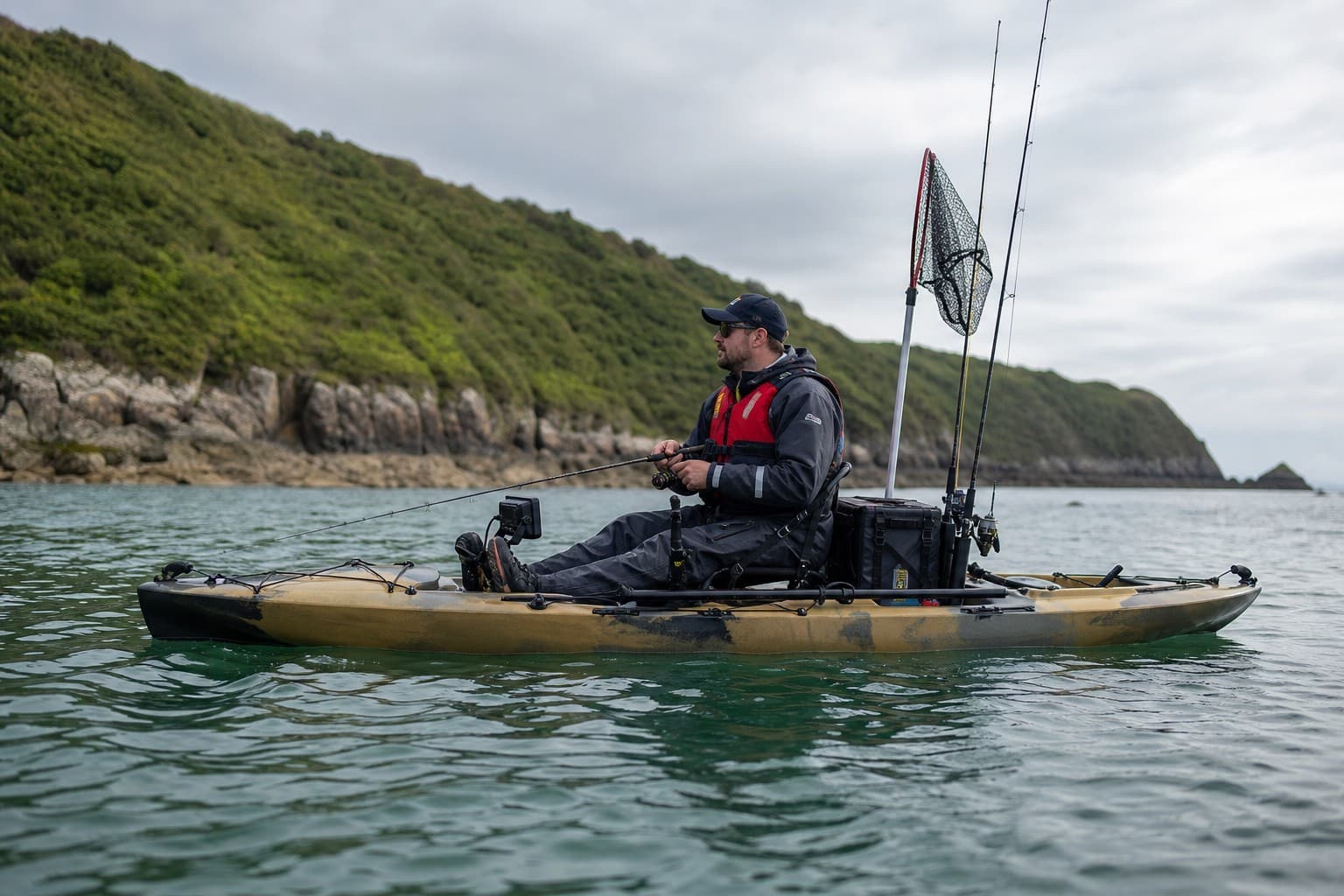
A plain guide to choosing between a 50N buoyancy aid and a 100N or 150N lifejacket for sea fishing, with sizing for children, fit checks and care for inflatables.
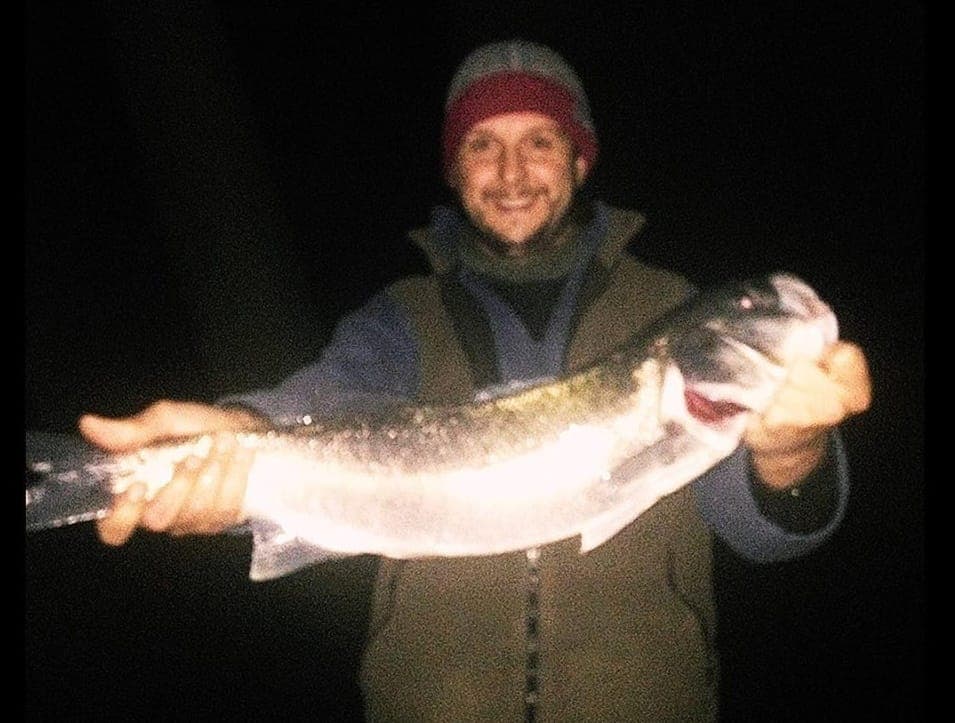
Many UK beaches fish better after dark in autumn and winter. Here is how to pick a safe beach, what to pack, how to set up and bait by headlamp, and how to spot bites.
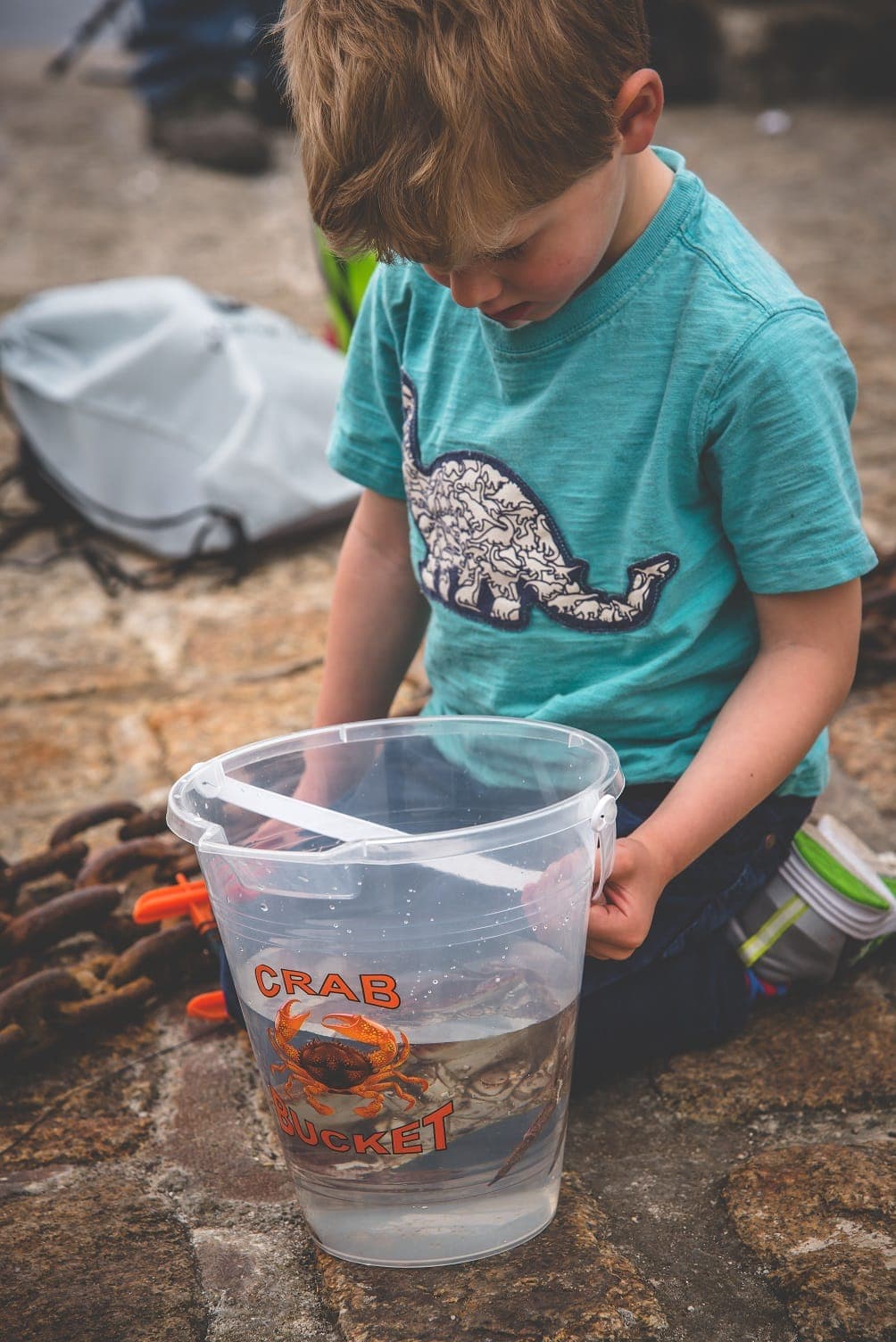
A practical family guide to rock pooling on UK and Cornish shores, from picking the right tide to turning rocks gently, staying safe and ticking off a spotter checklist.
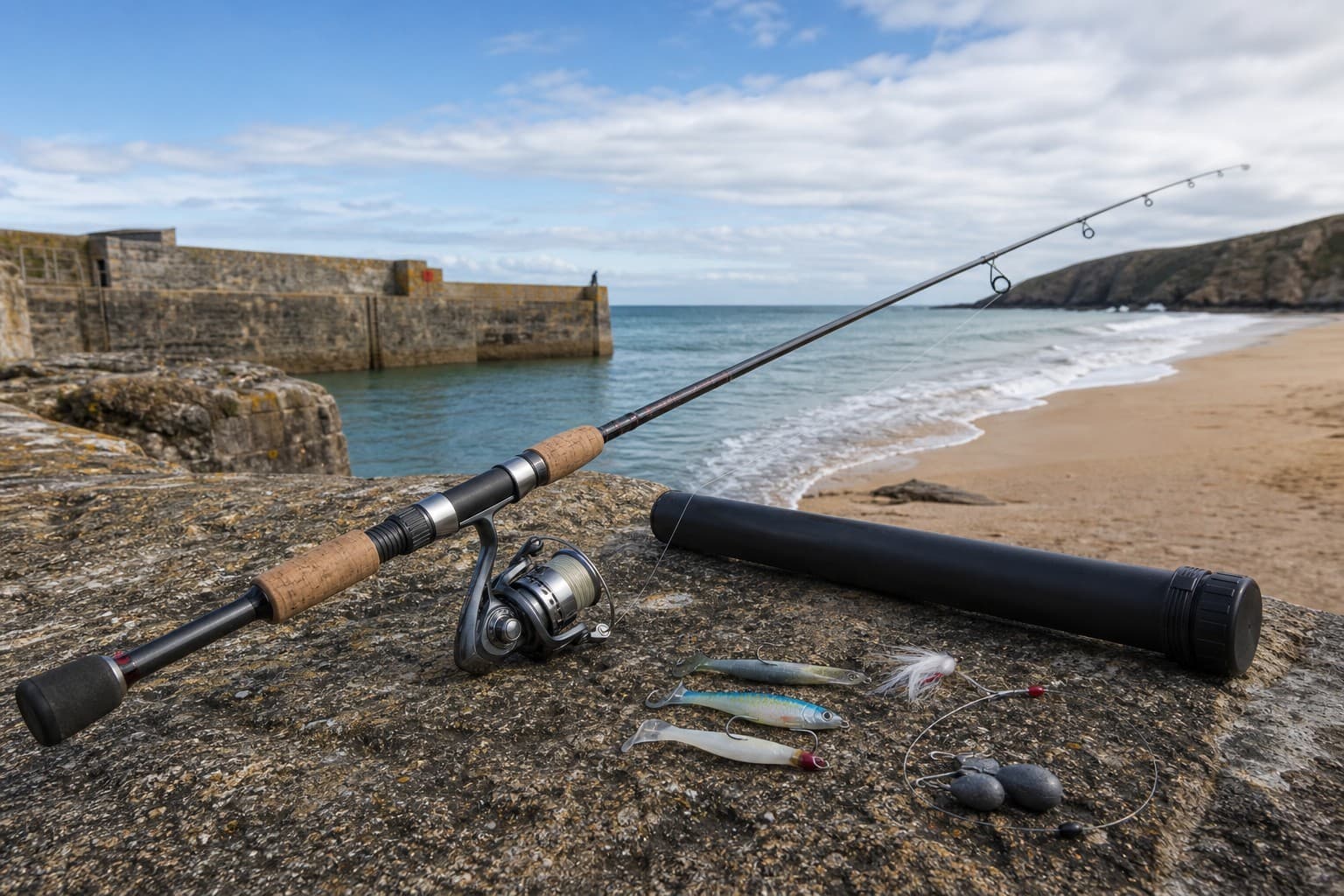
Soft plastics, metals, hard minnows, surface lures and feathers explained in plain terms: what each one catches around the UK coast, when to use it and a simple starter selection.
A practical guide to choosing a children's fishing rod by age, from first crabbing lines to a proper junior combo, with the safety kit that matters most near the water.
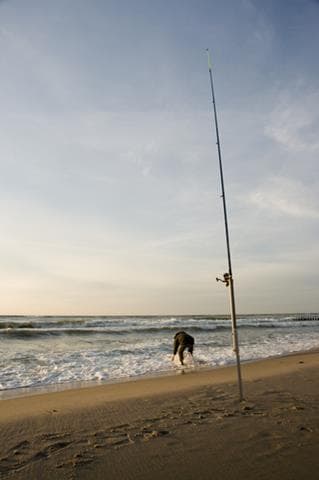
From October to March the beaches belong to whiting, cod, dabs and flounder. Here is what to fish for, when to go, which baits and rigs to use and how to stay safe in the cold and dark.
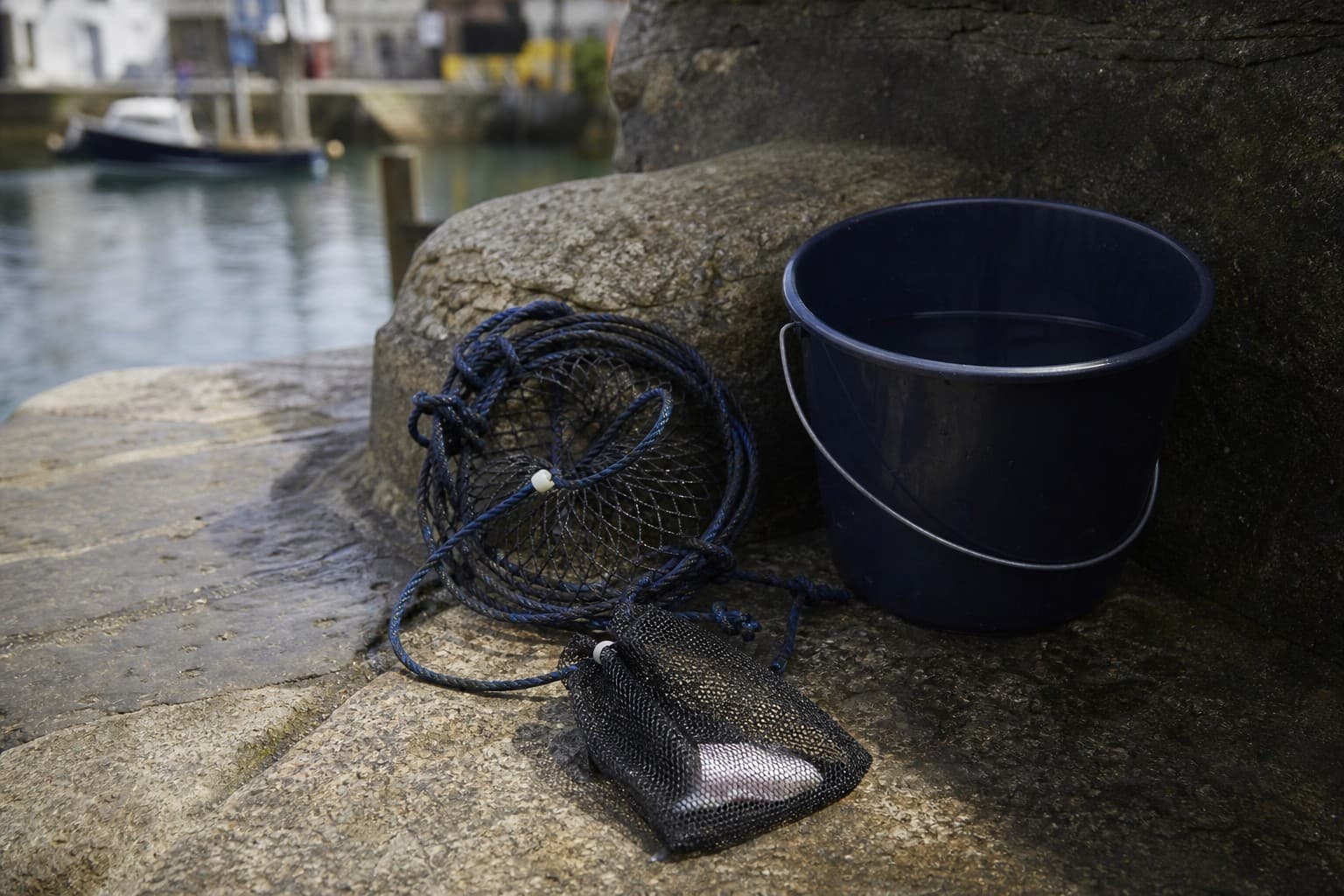
The best crabbing bait, how to keep it in a bait bag and a simple family method that catches shore crabs without hooks or waste.
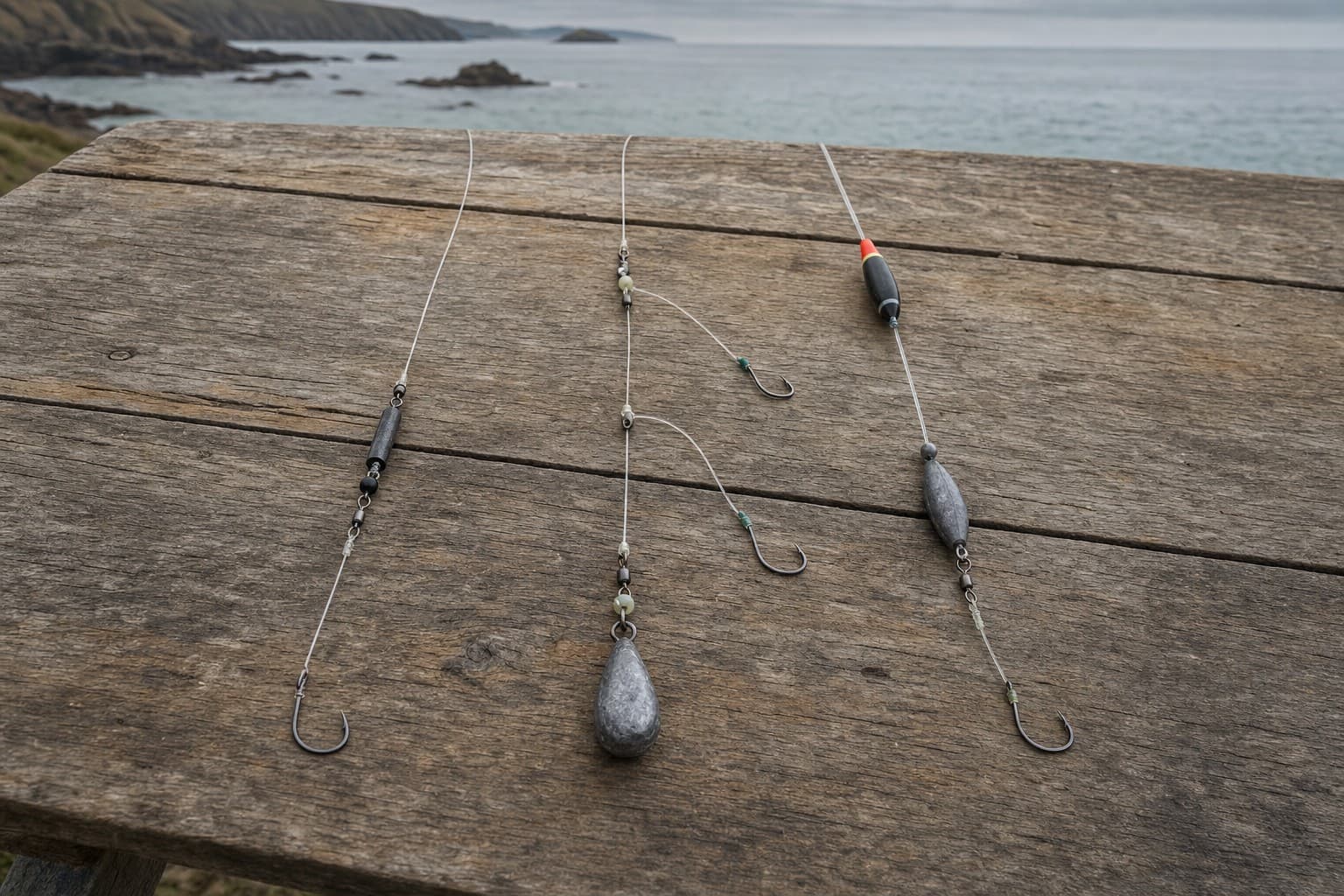
Three simple sea-fishing rigs for shore beginners, what each one catches and how to match hooks, weights and bait to beaches, harbours and rough ground.
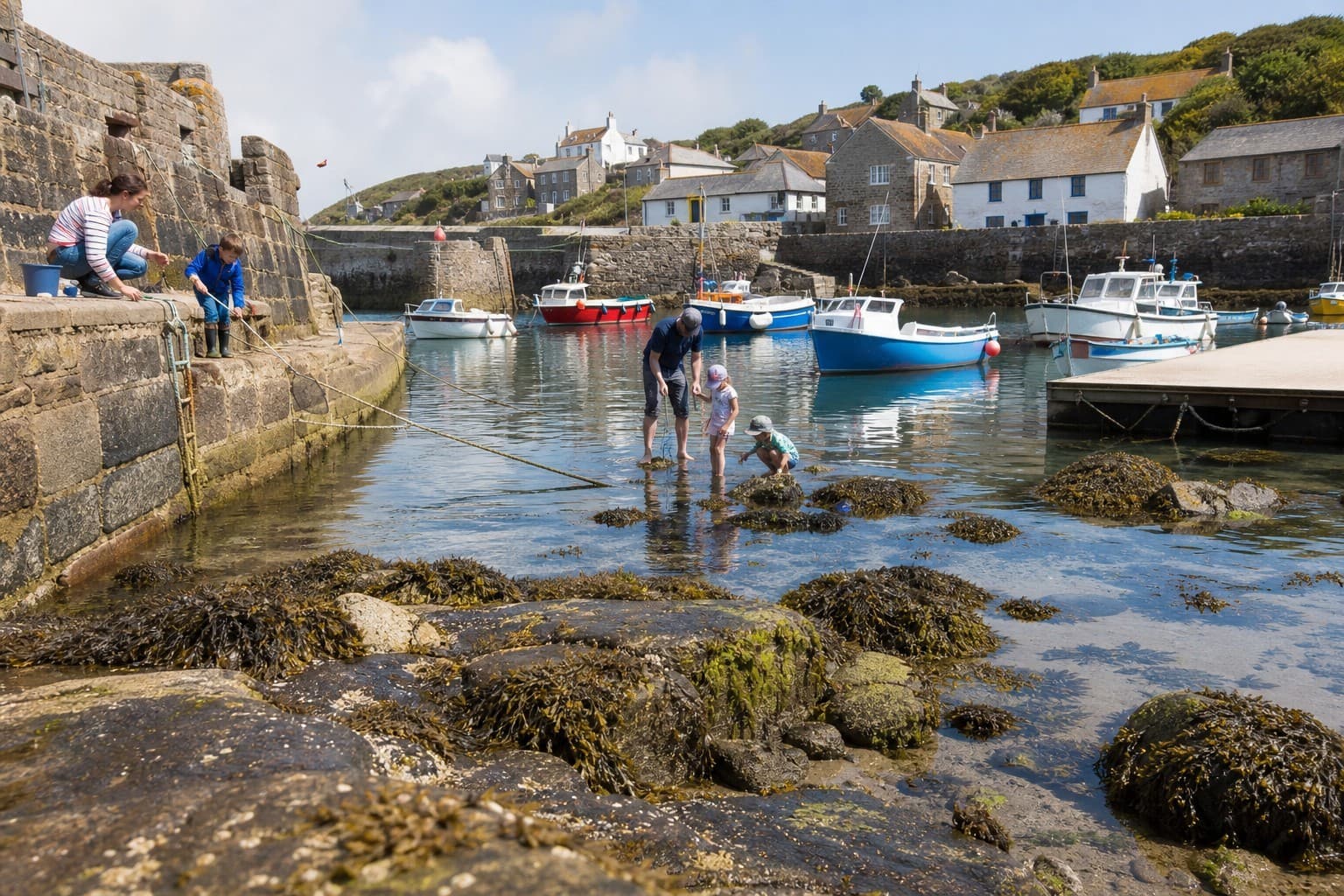
When crabbing season peaks in the UK, how to time the tide, and the famous harbours and quays - from Padstow to Walberswick - where crabbing is at its best.
Showing 1-18 of 44
