The full guide
Read straight through, or use the fishing notes above to keep marks, tides and tackle easier to follow.
The best all-round bait for sea fishing in the UK is fresh lugworm or ragworm, because almost every fish that feeds on the bottom will take a worm, from flatfish and whiting to bass and cod. Fresh mackerel and squid come a close second, catching the bigger predators such as conger, dogfish, rays and bass, and in late spring and summer nothing beats peeler crab for bass, smoothhound and flounder. Below we go through each of the main baits, which fish it catches and when, whether to buy it or collect it yourself (and the rules on doing so), how to keep it fresh, and how to hook it so it survives the cast, finishing with a season-by-season guide for Cornwall and the rest of the UK.
Useful starter kit
Friendly tackle picks chosen to make the guide easier to put into practice.

Which bait catches which fish?
A quick rule: match the bait to what the fish naturally eat where you are fishing. On sandy beaches that means worms, small fish and crabs. On rocks and around harbours it means crabs, prawns and small fish. Fresh bait almost always beats old bait, and a smaller, neat bait often catches more than a big one.
Worms (lugworm and ragworm) catch flatfish such as plaice, dab and flounder, plus whiting, codling, bass, pouting and wrasse. Mackerel and other fish baits catch conger, dogfish, rays, bass, pollock and whiting. Squid catches most of the same fish and stays on the hook far better. Peeler and soft crab catch bass, smoothhound, flounder, cod and wrasse. Sandeel catches bass, rays, turbot and pollock. Prawns catch wrasse, bream and bass, and mussels catch codling, flounder and dabs. Our guide to UK sea fish species has more on each fish.
Lugworm: blow lug and black lug
Lugworm is the classic beach bait. You see its coiled casts on sandy and muddy beaches at low tide. There are two kinds. Blow lug is the smaller, softer worm found higher up the beach, with a messy cast and a small dip, or blow hole, nearby. Black lug is bigger and darker, lives lower down the shore, and leaves a neat, tightly coiled cast. Anglers rate black lug highly for cod in winter, and because it is usually gutted before being sold, it freezes better than blow lug, which turns to mush.
Lugworm is best from autumn to spring, when cod, whiting, codling, dabs and flounder are feeding along the beaches. It is good all year for flatfish. To hook it, thread a size 1 to 2/0 Aberdeen hook in at the head end and carefully slide the worm up the hook and over the eye onto the line. Use one worm for flatfish or two or three on a bigger hook for cod. Lug burst easily, so add a few turns of bait elastic. Blow lug leaks juices, which is part of its appeal: it leaves a scent trail.
Ragworm: king rag and harbour rag
King ragworm is the big one, sometimes 30cm or more long, and lives in muddy gravel and under stones in estuaries and harbours. Mind your fingers: ragworm have a pair of pincer jaws and a big one can give a sharp nip. Harbour rag, sometimes called maddies, are small, thin and red, and live in soft estuary mud.
King rag is tough and stays on the hook well. Bass, pollock, wrasse, pouting, flatfish and even mullet take it, and it can be used whole, in sections or wriggling on a float. Fished whole on a spinning rig, it is a deadly bass bait. Harbour rag is perfect for small fish and light fishing: a bunch of three or four on a size 4 or 6 hook catches mullet, flounder, small wrasse and pouting from harbour walls. Thread ragworm on in the same way as lugworm, leaving the tail free to wriggle.
Mackerel, squid and other fish baits
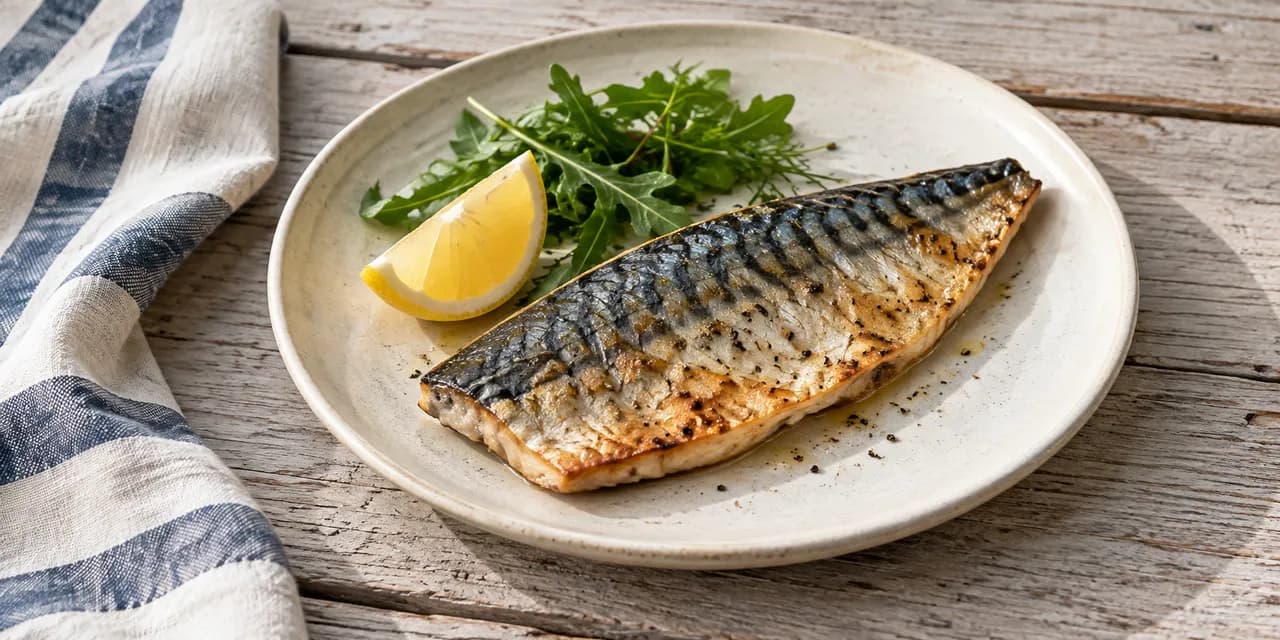
Fresh mackerel is the best fish bait in Britain and, in summer, the cheapest, because you can catch your own. It is oily, so it gives off a strong scent. Cut it into strips about 1 to 2cm wide and 5 to 10cm long for whiting, pouting and dogfish, or use a whole side (a flapper) or a head for conger, rays and big bass. To hook a strip, push the hook through the skin once or twice near one end, so the rest flutters in the tide. Use frozen mackerel when fresh is not available; it is softer, so tie it on with elastic. Our mackerel fishing guide covers catching them.
Squid is the most useful frozen bait you can buy. Most tackle shops sell small whole squid, frozen, in packs. Its rubbery flesh stays on the hook through the hardest cast and through crab attacks, and almost every fish eats it. Use a strip for small fish or a whole small squid for bass, rays, conger and cod. A strip of squid on a worm, a squid and mackerel combination or a squid and lug cocktail are all classics.
Herring, sardines, pilchards and sandeels can be used in the same way. Their oil makes a strong scent trail, which is useful in murky water.
Peeler crab and soft crab
A peeler is a crab, usually a common shore crab, just about to moult, and it is one of the best sea baits there is. Bass, smoothhound, flounder, cod and wrasse all hunt crabs at moulting time, and the scent of a peeler draws them in. A soft crab has just shed its shell and is still soft and watery, which makes it a good but not quite as strong bait.
To tell if a crab is a peeler, twist off the last segment of one leg. If it pulls away to show a soft new leg underneath, it is a peeler. If there is only white muscle, it is a hardback, so put it back where you found it. Peelers start to appear in spring as the sea warms, first in sheltered harbours and estuaries. Shore crabs peel in large numbers in late spring and early summer, earlier in the warmer south west than in the north. There is often a second smaller moult in late summer.
To prepare one, kill the crab quickly, peel off all the shell including the leg shells, and either use it whole or cut it in half for smaller hooks. Push the hook through the body from the leg joints, then bind it on firmly with plenty of bait elastic. A size 1/0 to 3/0 hook suits most crab baits.
Edible and velvet crabs caught on the shore are subject to minimum sizes, which vary by region, so never use an undersized crab for bait.
Sandeel, prawns and mussels
Sandeels are small, silvery fish that live in sand, and they are a natural food for bass, rays, turbot, pollock and mackerel. Live sandeel is a famous boat bait for bass and turbot, but they are hard to keep alive. Frozen sandeels work well for rays and bass from the beach. Hook them through the mouth and out of the gill, or through the eyes, then bind with elastic.
Prawns and shrimps are a top wrasse, bream and bass bait around rocks and harbours. Use them whole, hooked through the tail or the body, on a size 4 to 1 hook, under a float or on a light bottom rig. Shop-bought cooked prawns work too, but fresh live prawns caught in a drop net are better.
Mussels are a good winter bait for codling, flounder and dabs, and they are easy to gather from rocks and piers. Open them with a knife, scoop out the soft meat and bind it to the hook with plenty of elastic, as it is very soft. Several mussels on one hook make a better bait than one. Do not eat mussels you gather yourself unless you are sure the area is safe, and see the rules below.
Should you buy, dig or collect your own bait?
Buying bait is the easiest option, especially for beginners. Most coastal tackle shops sell fresh lugworm and ragworm, often ordered a day or two ahead in winter, plus frozen squid, mackerel, sandeel and crab. Fresh bait is best used within a day or two.
Digging or gathering your own bait is cheaper and often better, but it comes with responsibilities. The rules vary around the coast. In Cornwall, the Inshore Fisheries and Conservation Authority (IFCA) has no byelaws restricting bait digging or gathering, but local harbour byelaws can restrict gathering around moorings, and mussel gathering in much of the Fal is banned without a licence from Cornwall IFCA. Check Cornwall IFCA's recreational fishing page for the details. Elsewhere it can be very different: Southern IFCA, for example, prohibits or restricts bait digging in parts of Poole Harbour to protect seagrass and bird-sensitive areas. Before you dig anywhere new, check the rules with the local IFCA in England, Natural Resources Wales in Wales, the Scottish Government's Marine Directorate in Scotland, or DAERA in Northern Ireland, and look out for signs on the beach.
Wherever you are, follow the bait collectors' codes. The All-Wales code of conduct for bait collection sums up good practice well: take only what you need, fill in every hole and trench you dig, put rocks and boulders back the right way up with the seaweed on top, keep off seagrass and saltmarsh, do not disturb feeding or nesting birds, and never take egg-carrying or undersized crabs. Check the tide before you go out on a beach or mudflat, beware of soft mud, and tell someone where you are going. Our coastal safety guide has more.
How to store sea fishing bait
Keep bait cool, but not frozen. A cool box with ice packs is essential on the beach. At home, a separate bait fridge is ideal. If bait has to go in the kitchen fridge, seal it in a box. Food Standards Agency guidance is that a home fridge should run between 0 and 5°C, with raw fish sealed on the bottom shelf so it cannot drip onto other food, and that range suits bait too. A freezer should be around -18°C (0°F).
Lugworm: wrap it in dry newspaper, laid flat, not crowded, and keep it in the fridge. Check it every day and remove any dead worms, because one dead worm can soon spoil the rest. Use blow lug within a day or two. Black lug, gutted and wrapped in paper, keeps longer, and it freezes well. Ragworm: keep it in a shallow tray with a little clean seawater, or wrapped in newspaper, in the fridge. Freshly dug king rag can last a week or more if you change the water regularly.
Peelers: keep them alive in a bucket or box in the fridge, covered with damp seaweed. Do not keep them in water. Mackerel and squid: freeze them as soon as possible after catching or buying them, in small portions, wrapped tightly in cling film or freezer bags with the air squeezed out, so you only thaw what you need. Mackerel freezes best gutted or cut into fillets. Let bait thaw in a cool box rather than in the sun, and do not refreeze bait that has thawed and gone soft.
Bait elastic and cocktail baits
Bait elastic, sometimes called bait cotton, is fine stretchy thread you wind around the bait and hook to hold it in place. It makes soft baits such as peeler crab, mussel, blow lug and frozen fish survive the cast, and stops crabs stripping them off so quickly. Wrap ten or so turns round the bait and hook, then snap it off. It holds itself, so no knot is needed.
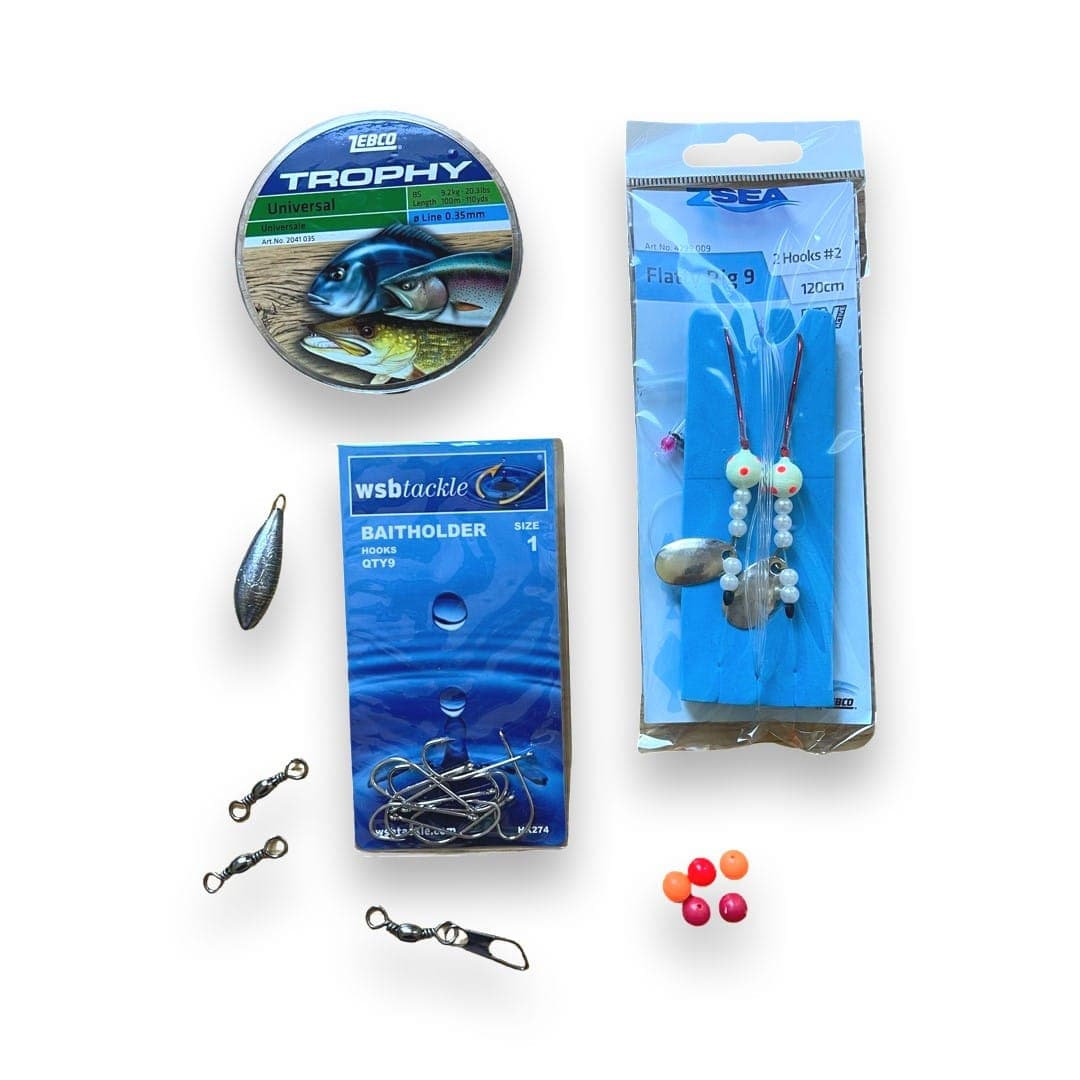
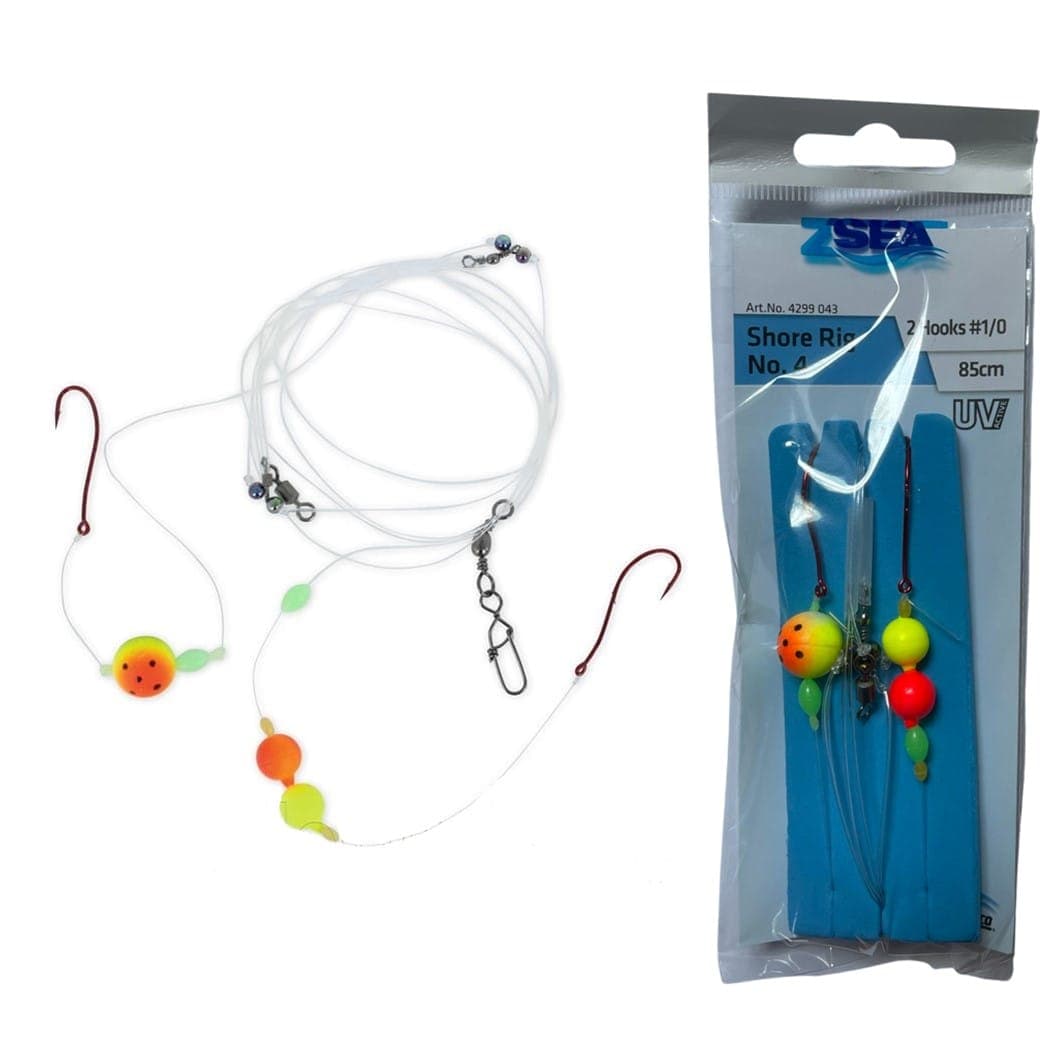
A cocktail is two baits on one hook. It combines the scent of one bait with the toughness or movement of another. Classic cocktails include lugworm and squid for cod, ragworm and mackerel for bass, squid and mackerel for rays and conger, and lugworm and mussel for flatfish and codling. Put the tougher bait on last, at the hook point, so it holds the softer bait on. Our guide to sea fishing rigs and bottom fishing guide show which rig and hook size suit each bait, and a bottom fishing tackle kit gives you the basics in one box.
What about artificial lures instead of bait?
Lures are a good alternative to bait, and in summer they can be better. Mackerel, bass, pollock and garfish all hunt by sight, and a metal spinner, soft plastic sandeel or plug will catch them without any bait at all. Lures are clean, they last, and they let you move along the shore to find the fish. A soft sandeel lure such as the Sidewinder Skerries Sandeel is a good place to start for bass and pollock.
Bait is still better for most bottom-feeding fish, such as flatfish, whiting, cod, rays and dogfish, and for fishing at night or in murky water. Many anglers carry both. Our guide to sea fishing lures for beginners explains which lure to use when.
Best sea fishing bait by season in Cornwall and the UK
Spring (March to May): lugworm and ragworm for flatfish, codling and the first bass. Peelers start to appear in late spring and are the bait to have for bass, smoothhound and flounder. In Cornwall, mackerel start to arrive from late spring.
Summer (June to August): mackerel, caught fresh, for bass, conger, dogfish, rays and pollock. Peeler crab for bass and smoothhound. Ragworm and prawns for wrasse, bream and mullet. Sandeel for bass and rays. Lures for mackerel, bass, pollock and garfish.
Autumn (September to November): mackerel, squid and sandeel for bass and rays, then lugworm and squid as whiting, codling and dogfish move in.
Winter (December to February): lugworm (especially black lug), squid and mussel for cod, whiting, dabs and flounder. Fish baits for dogfish and conger. For Cornish marks month by month, see our Cornwall shore fishing calendar and our guide to winter shore fishing.