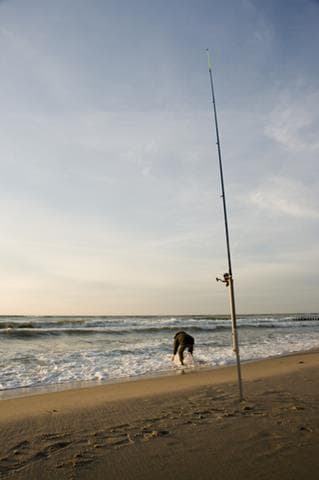
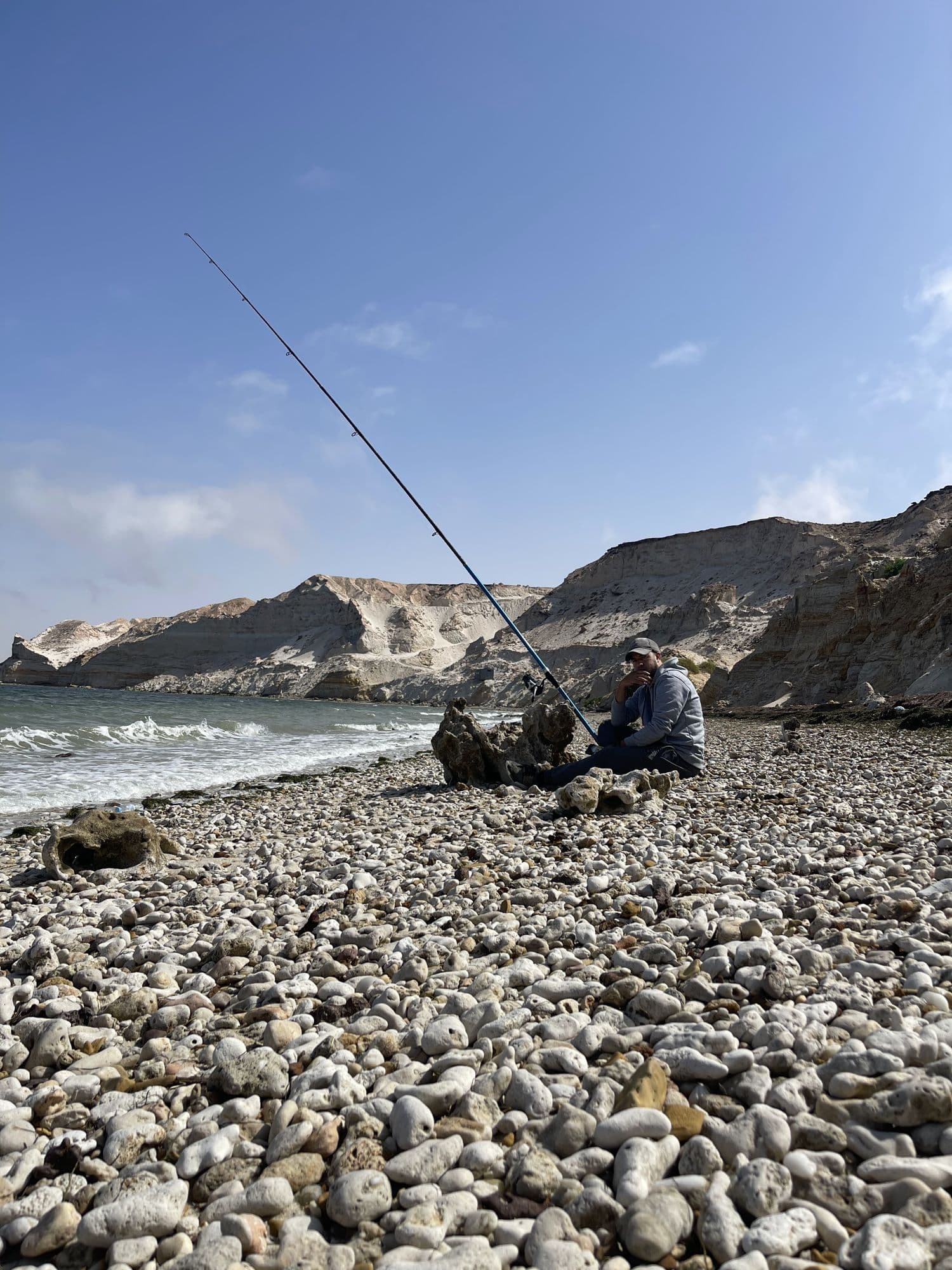
What can you catch from the shore in winter?
As the sea cools through autumn, the summer fish such as mackerel, garfish and wrasse thin out and the bottom feeders take over. Most winter shore fishing in the UK is about these species:
**Whiting** are the bread and butter of a winter beach session, often arriving in shoals after dark. They are small, bite readily and are good to eat. Our whiting guide covers how to recognise them and where they turn up. **Cod** are the fish many anglers hope for, especially along the North East and East Anglian coasts and in the Bristol Channel. They like rough, coloured water and big baits. Read more in our cod guide.
**Dabs** and **flounder** keep winter flatfish anglers busy. Dabs favour clean sandy beaches, while flounder push into estuaries and harbours and will feed in quite cold water. Both take small worm baits fished close to the bottom. **Rockling** and **pouting** are small, plentiful fish around rough ground, harbours and piers, and **conger** can be caught from harbour walls and rocky marks after dark, mainly in late autumn and early winter before the water gets too cold. Conger need strong tackle and careful handling, so build up to them.
In Cornwall, shore cod are less of a staple than on the east coast. Winter catches here are more often whiting, pouting, rockling, dogfish, flatfish and conger, with the odd cod a bonus rather than the main event.
When is the best time to go winter shore fishing?
Conditions matter more than the calendar in winter. The classic time to fish is just after a blow, when an onshore wind has stirred up the seabed, coloured the water and washed out worms, crabs and shellfish. Fish move in close to feed. Fishing during a big storm is a different matter: it is dangerous, your lead will not hold and weed will clog your line. Aim for the day or two after, as the sea settles but still has some colour and a gentle surf.
Night tides are usually more productive than daytime ones from the shore in winter, particularly for whiting and cod, which feed more confidently in low light. Many anglers plan their sessions around a high tide that falls after dark, fishing a couple of hours either side.
Big tides, the springs that follow a new or full moon, move more water and food and often bring fish closer in. They also come further up the beach and run faster, so they need more care, especially on rocks and beaches backed by cliffs. Always look up the tide times for your exact mark before you go.
What is the best bait for winter shore fishing?
Fresh, smelly bait wins in coloured winter water. These are the baits most winter anglers rely on:
**Lugworm** is the number one winter bait for cod, whiting and flatfish. Black lug is tougher and holds on the hook better for distance casting, while blow lug is softer and ideal for whiting and dabs. **Ragworm** is good for flounder, rockling and pouting, especially in estuaries and harbours.
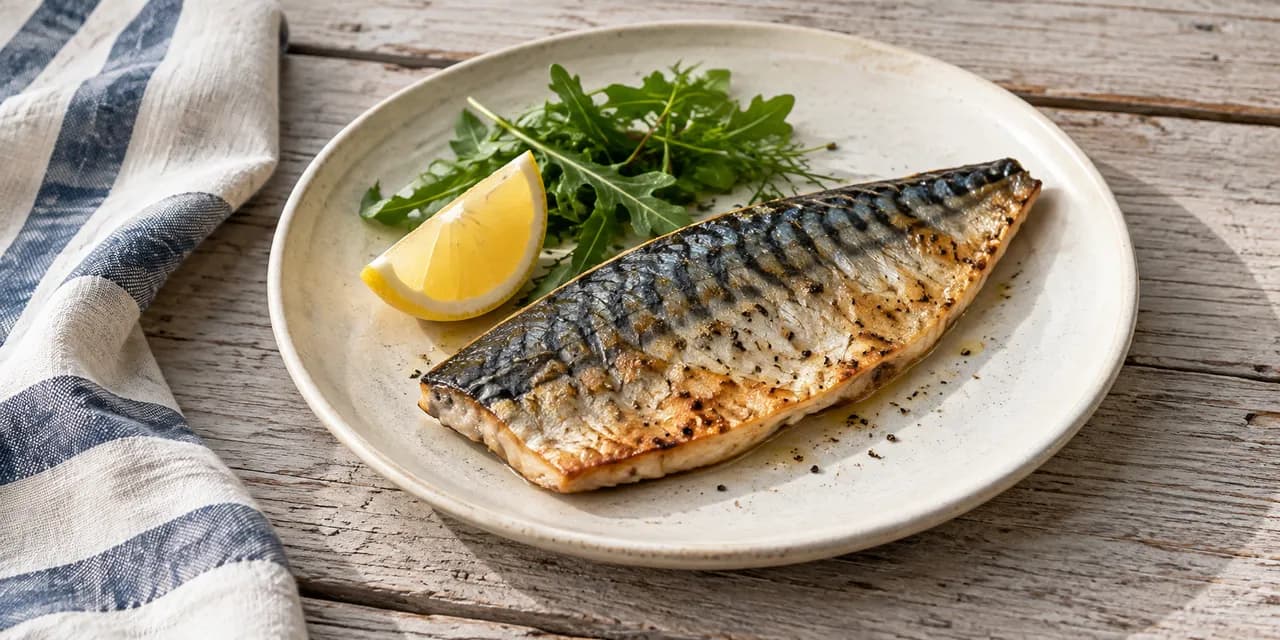
**Squid** is tough, stays on the hook well and is a favourite for whiting, cod, pouting and conger. A worm and squid cocktail, where you thread worm on and tip it with a strip of squid, is a classic cod bait. **Mackerel strip** works for whiting, dogfish and conger and is easy to buy frozen. **Peeler crab** is a top bait for cod and flatfish when crabs are moulting, which mostly happens from spring into summer. In winter you will usually find it frozen rather than fresh.
Keep worms cool but not frozen, wrapped in damp newspaper in a cool box, and use fresh bait every cast or two. Old, washed-out bait catches far fewer fish.
Which rigs should you use for winter beach fishing?
Winter shore rigs are bottom rigs designed to hold a bait on the seabed in moving water. If you are new to them, start with our guide to sea fishing rigs for beginners.
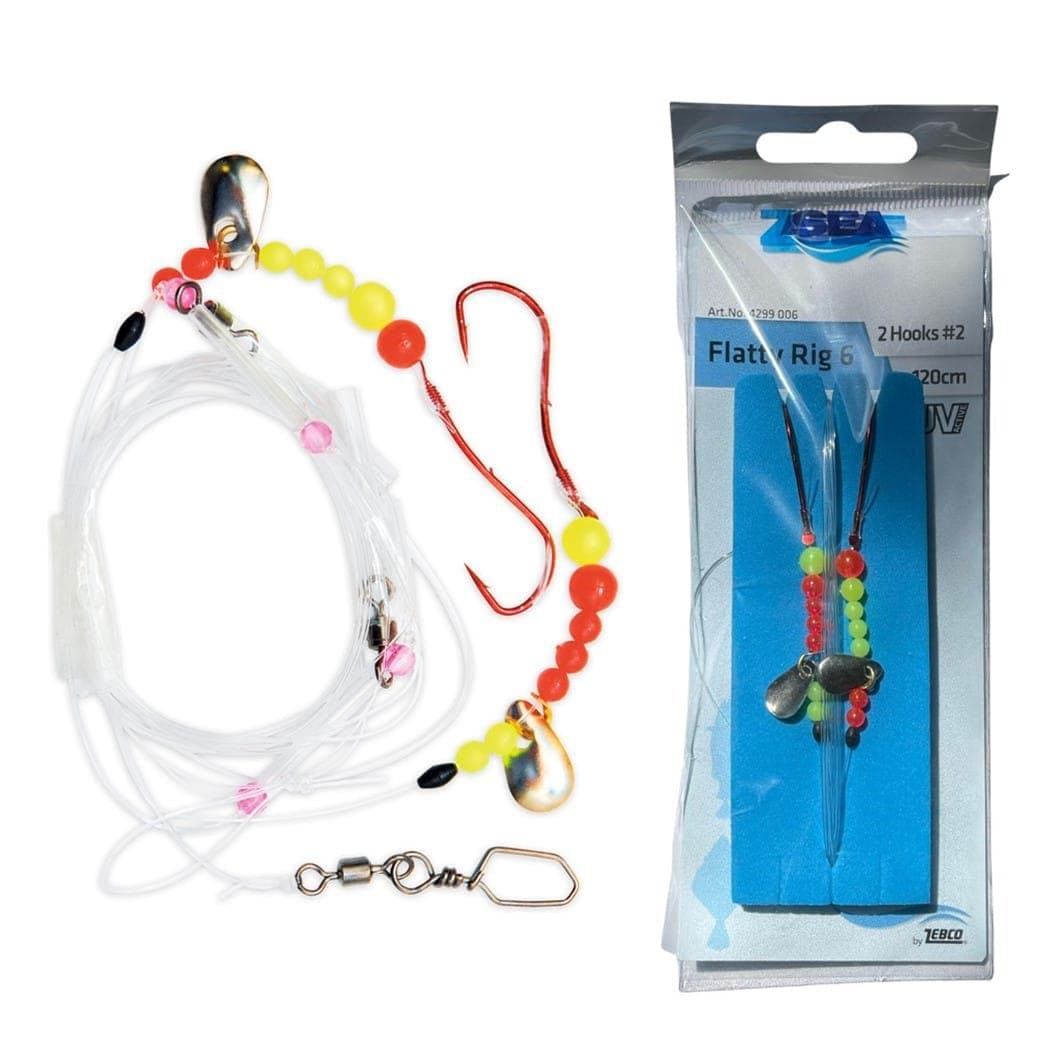
**Two-hook flapper:** the go-to rig for whiting, dabs and other smaller fish at close to medium range. It presents two baits on short snoods above the lead. Ready-tied options such as the Zebco Magic Flatty Rig 6 suit flatfish-style fishing.
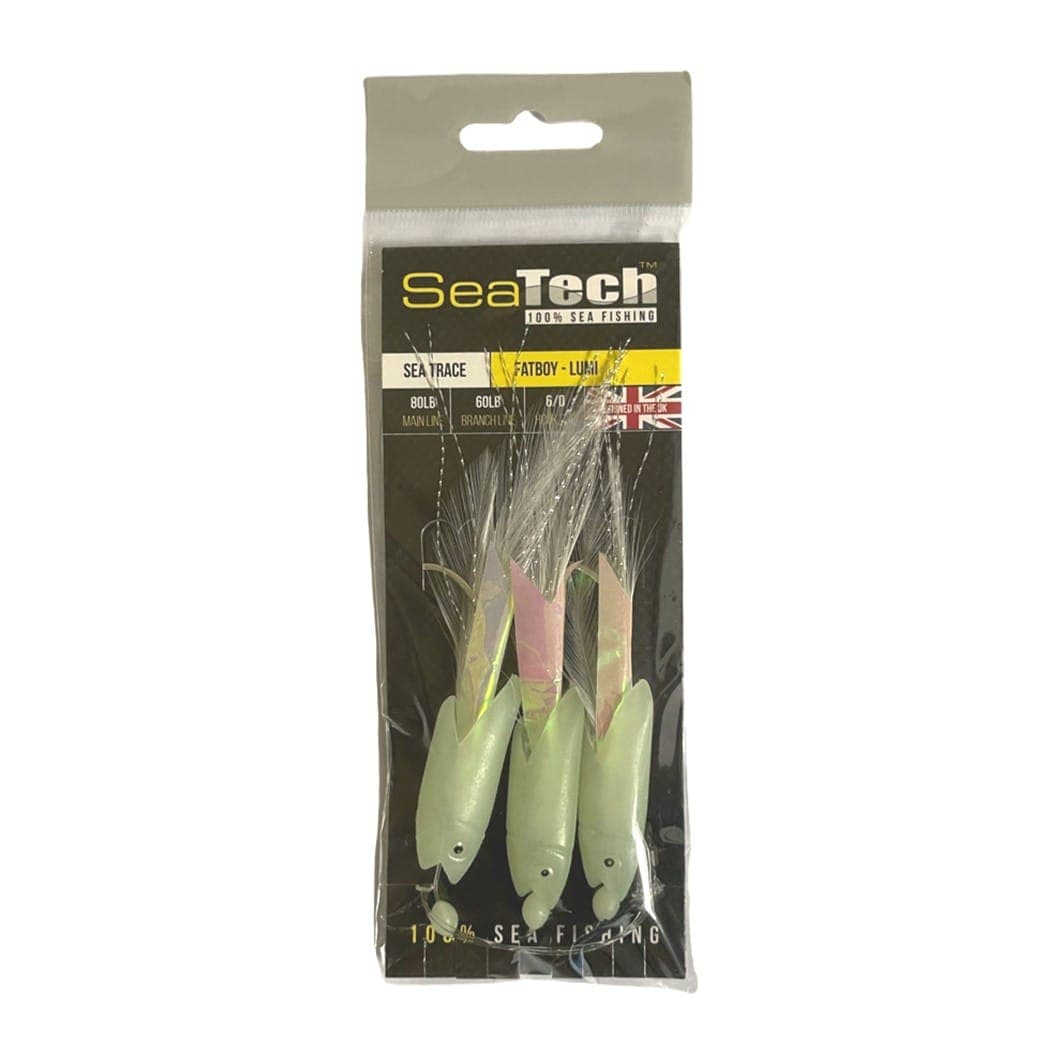
**Pulley and pennell rigs:** a pulley rig lets the lead slide up away from the fish as you wind in, which helps on rough ground, and is usually tied with a pennell (two hooks on one snood) to hold a big worm or squid bait for cod. If you would rather buy ready-made, strong hand-tied traces such as the SeaTech Sea Trace Fatboy Lumi, which has three 6/0 hooks, can carry bigger winter baits.
**Clipped-down rigs:** the hooks are clipped up behind the lead during the cast so the bait stays streamlined and flies further, then release as the rig hits the water. These are useful when fish are feeding beyond the surf line.
If you prefer to tie your own rigs, the Bottom Fishing Tackle Kit is a simple way to stock up on the basics.
What tackle do you need for winter shore fishing?
**Beach rod:** a 12 to 15ft beach rod lets you cast heavy leads and baits past the surf and keeps your line above the breakers. Our guide to beach and surf rods explains lengths and casting weights. The Zebco Saltfisher Surf Rod and Reel Combo is a matched setup for distance casting from the beach.
**Leads:** you will need a range of weights, typically 4 to 6oz on open beaches. Grip leads with wires help hold bottom in tide and swell, while plain leads let a bait roll around on calmer days.
**Rod rest:** a tripod or monopod rest holds the rod tip high above the surf so you can see bites and keep your line out of the weed.
**Light:** a head torch is essential for baiting up, tying knots and walking off the beach safely. Something like the Zebco Waterproof LED Fishing Head Lamp keeps both hands free. Clip a light stick or bite indicator light to the rod tip so you can see bites in the dark without shining your torch out at the water.
**Extras:** a disgorger for unhooking and a priest for quickly dispatching any fish you keep (the Zebco Disgorger Priest combines both), a bait knife, a towel, a cool box for bait and catch, and a flask of something hot. You can browse more in our beach and shore fishing collection.
How do you stay safe fishing in the cold and dark?
Winter fishing is rewarding but the sea is less forgiving at this time of year. Read our coastal safety guide before your first session, and follow these basics:
**Check the tide and the forecast.** Know when high water is, how far the tide comes up your beach and whether you could be cut off. Check the swell forecast, not just the wind, as a big swell can arrive on a calm-looking day.
**Tell someone.** Let someone at home know where you are fishing and when you expect to be back, and carry a charged phone in a waterproof pouch.
**Stay off exposed rocks in a rough sea, and avoid fishing alone.** Waves can sweep people off rocks and harbour walls without warning. In big seas, choose a sheltered beach or stay at home. Wear a lifejacket on rocks, piers and harbour walls.
**Dress in layers.** A thermal base layer, warm mid layers, a windproof and waterproof outer layer, hat, gloves and warm waterproof boots make a big difference. Cold makes people clumsy and slow to make decisions.
**Scout in daylight.** Walk new marks at low tide in daylight so you know the ground, the access paths and the way out before you fish there at night.
If you bring children along, keep them well back from the water's edge, in sight at all times, and in a properly fitted lifejacket near deep water. In an emergency at the coast, call 999 and ask for the Coastguard.
What are the size limits for shore-caught fish?
Many sea fish have a minimum conservation reference size (MCRS), the smallest size you are allowed to keep. For cod the national minimum is 35cm. Other species have their own sizes, and some local Inshore Fisheries and Conservation Authorities (IFCAs) set larger minimum sizes or extra rules for their district. Bass also have their own recreational rules, which have changed several times in recent years.
Rules change, so always check the current Marine Management Organisation (MMO) guidance and your local IFCA byelaws before you keep any fish. Measure from the tip of the snout to the end of the tail, return undersized fish quickly with wet hands, and only take what you will eat.
Winter shore fishing quick checklist
**Before you go:** check tide times, wind and swell; tell someone where you are going; charge your phone and head torch; get fresh bait and keep it cool.
**Tackle:** 12 to 15ft beach rod and reel, a range of leads, flapper and pulley or pennell rigs, rod rest, head torch, rod tip light, disgorger, bait knife and towel.
**Clothing:** thermal layers, waterproof and windproof outer layer, hat, gloves and warm boots. Lifejacket on rocks, piers and harbour walls.
**On the shore:** fish the day after a blow, on a big tide after dark if you can; keep an eye on the incoming tide and your escape route; stay off exposed rocks in rough seas and avoid fishing alone.
**Keeping fish:** cod must be at least 35cm, and other species have their own limits. Check the latest MMO and local IFCA rules before taking anything home.