Useful for your next trip
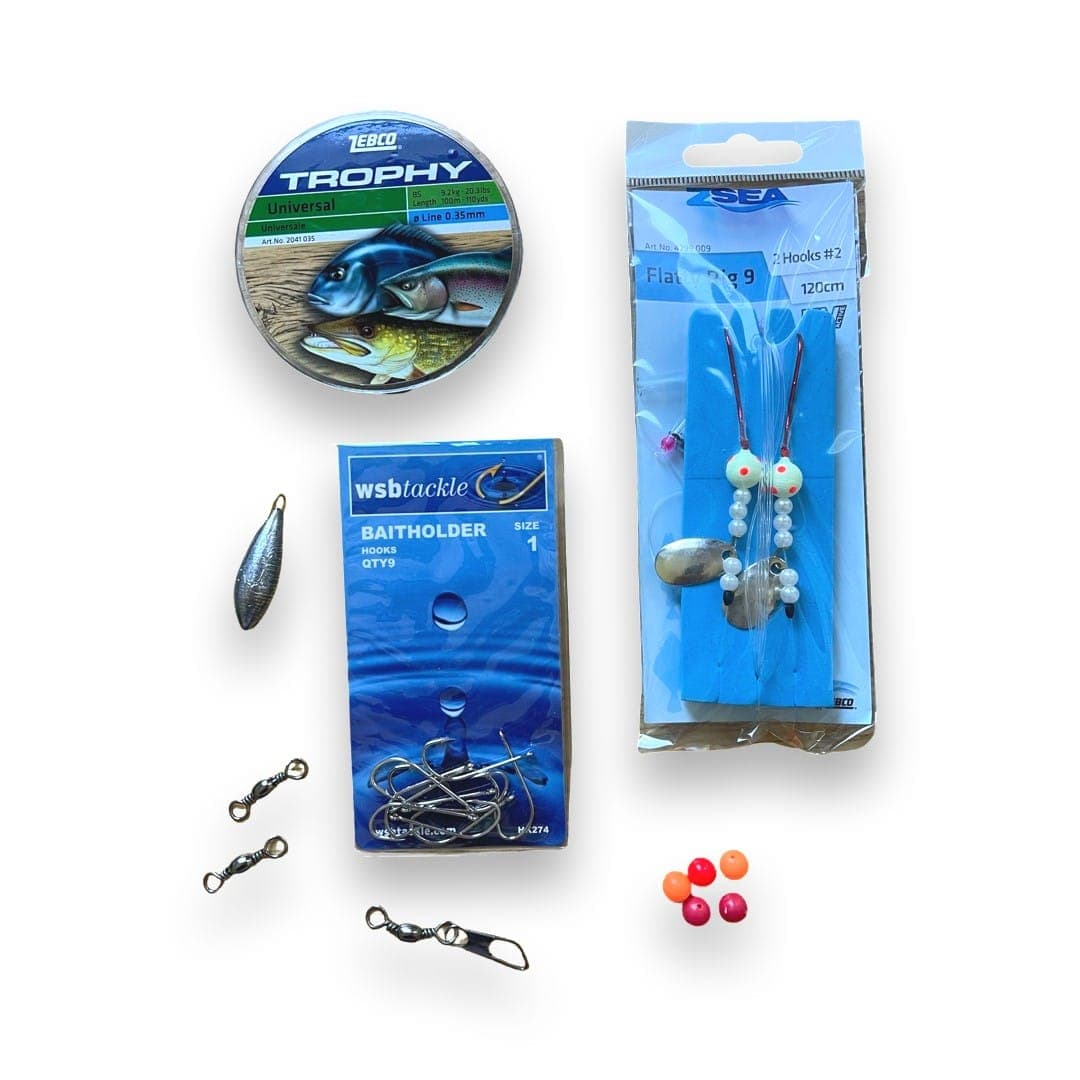
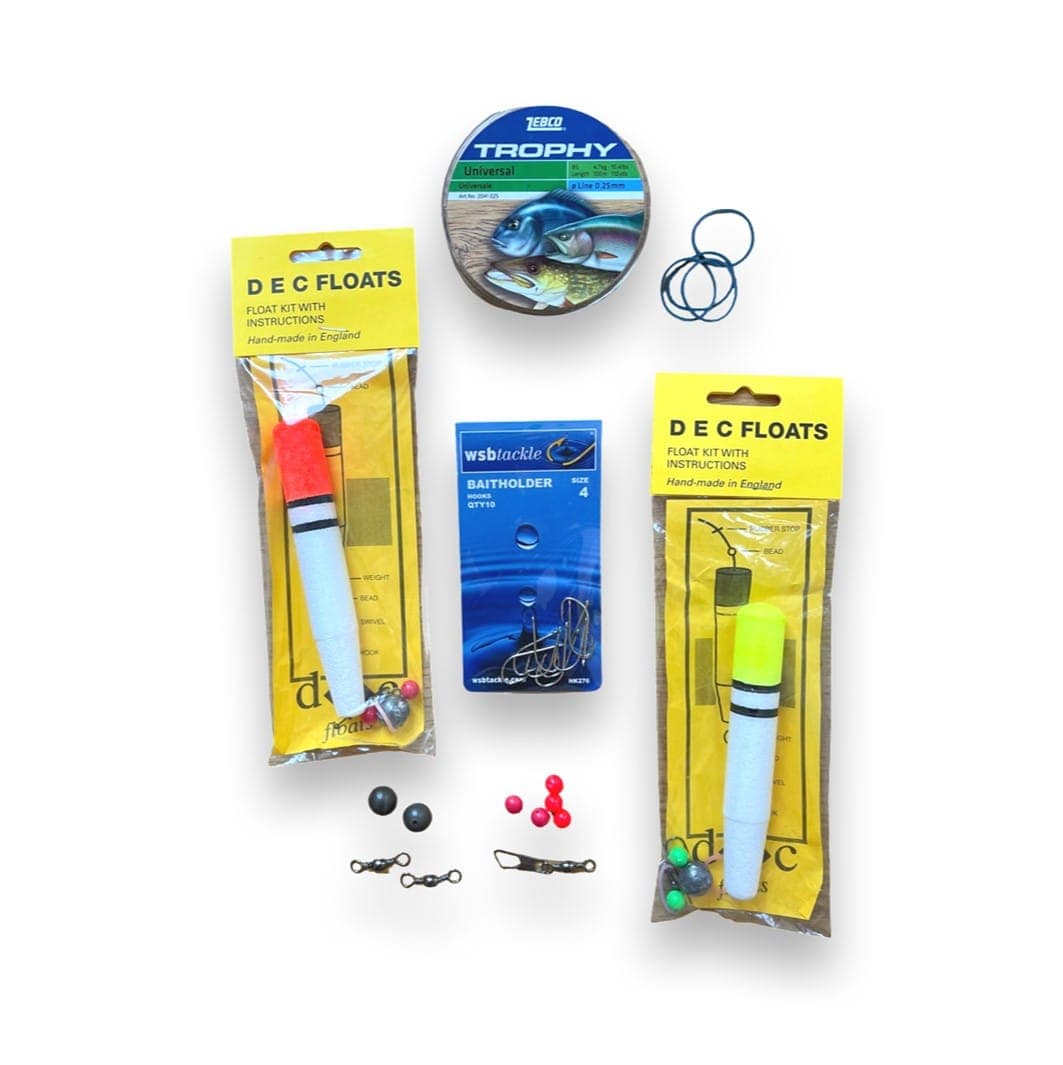
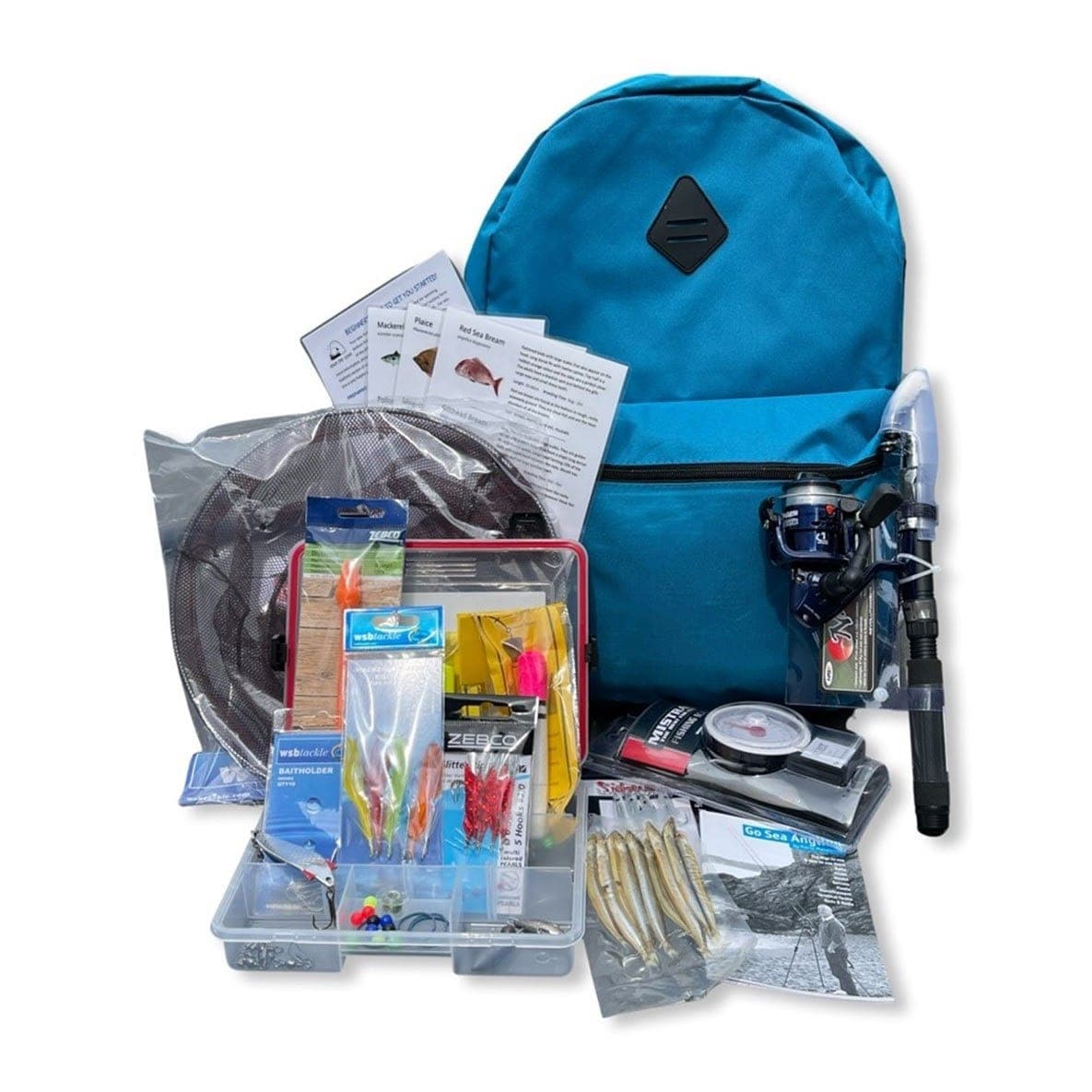
Useful kit connected to this guide, chosen to keep the next step simple.
Full whiting guide
How to spot it, where it lives, how it is caught and how to cook it — the complete guide, in one easy read.
If one fish welcomes you to sea angling, it's the whiting. Slim, golden-backed and gathering in great shoals just off the beach, it's obliging enough for a first cast yet lovely on the plate. Hand a child a rod on a Cornish beach in autumn and the whiting is what usually saves the afternoon, biting freely when nothing else will.
How to spot it
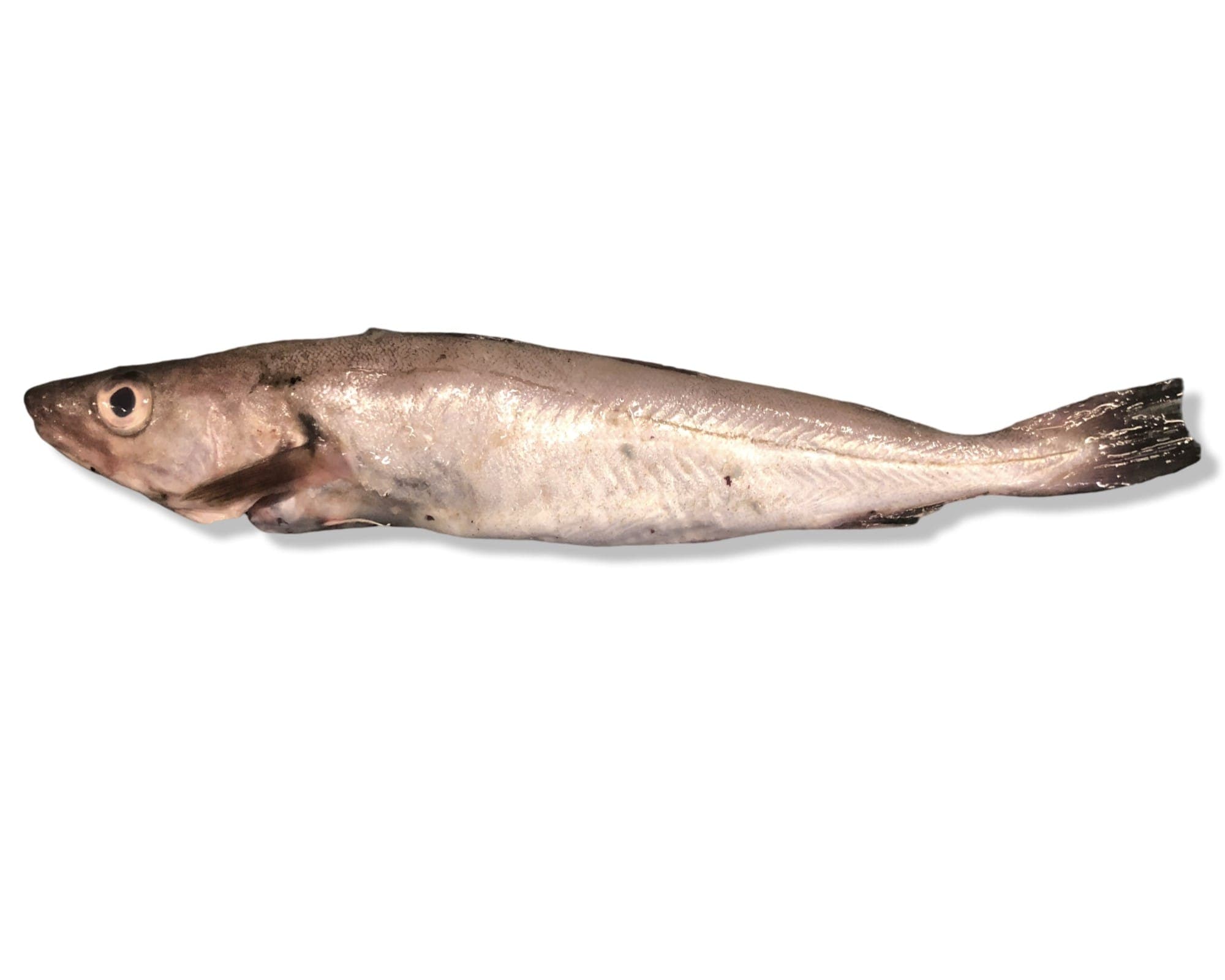
Whiting is a slim, streamlined member of the cod family, and a handsome one in good light. The back is a warm, golden olive-green, fading down the flanks and belly into a silvery, pale bluish white. The body is neat and trim; the mouth is the tell, notably large for the size of the head, which sets it apart from its Gadidae relatives. Most whiting you'll meet run 20-40cm, a tidy, pan-friendly size. Clock that golden-green back and oversized mouth together and a whiting is easy to name.
Where it lives
Whiting travel in large shoals, sweeping through inshore waters as they hunt, and feed mainly in the mid-to-bottom layers, working the water column rather than sitting hard on the seabed. They can be found right off the beaches, often closer in than people expect, which puts them well within range of a beginner's cast. Around Cornwall, reliable marks include Falmouth, the Padstow headlands and Port Isaac, along with Perranporth on the north coast and Penzance and Porthleven to the west. They show best in the cooler months and are particularly active around their spawning period in March and April.
Catching it
Whiting are obliging fish that respond well to a straightforward approach, and happily they're not fussy eaters. Mackerel, squid, crab or prawn all work well as bait. A popular and effective technique is to fish mackerel feathers tipped with a small piece of bait, combining the flash and movement of the feathers with a scent the shoal homes straight in on. Fish inshore off the beaches and headlands, often closer in than you'd think, with the cooler months and the March-to-April spawning period your best bet. Whiting shoal in real numbers, so it's easy to catch more than you need; take a few for the pan and slip the rest back to keep the shoals healthy.
In the kitchen
The thing to respect about whiting is how soft and fine the flesh is, because it cooks in moments and turns to mush if you dither. Get the fillets off cleanly first: lay the fish flat, cut behind the gill, run the knife down the backbone tail-wards, then take the skin off with the blade angled low. Because the flakes are so delicate, give them structure. Dust the fillets in seasoned flour and shallow-fry them crisp, or fold the flesh through a proper fish pie under mash where it stays put. Battered for chips it's a beauty too. Whatever you choose, get it on and off the heat quickly.
Related guides and gear
FAQs
Quick fish questions
Short answers for the questions families and coastal readers often ask first.
What does whiting taste like?
Whiting has a clean, mild flavour with soft, white flakes. It's a thoroughly good eating fish and very versatile, though the flesh is fine and soft, so it's best treated gently and never overcooked.
What is the best bait for whiting in the UK?
Whiting aren't fussy, so mackerel, squid, crab or prawn all work well. A favourite method is mackerel feathers tipped with a small piece of bait, pairing the feathers' flash with a scent the shoal can't resist.
How do you catch whiting from the beach?
Fish inshore off beaches and headlands, often closer in than people expect, as whiting sweep through in shoals feeding in the mid-to-bottom layers. They're obliging fish that respond well to a simple, straightforward approach.
How do you fillet a whiting?
Lay the fish flat and cut down behind the gill to the backbone. Turn the knife and run it along the bones towards the tail to free the fillet, then take off the skin with the blade angled low. The flesh is soft, so use a sharp knife and a light touch.
Is whiting good for you?
Whiting is a lean, low-fat white fish that's high in protein and easy to digest, with B vitamins, iodine and selenium. That gentle, easily digested flesh makes it a sound choice for children and anyone after a light, nourishing meal.
When is whiting in season?
Whiting show best through the cooler months and are particularly active around their spawning period, which falls roughly in March and April. That's when the inshore shoals are at their most reliable.
Is whiting sustainable?
Despite maturing quickly, whiting is under real pressure: the MCS Good Fish Guide currently rates it a fish to avoid, and the Celtic Sea stock is under zero-catch advice. If you keep the odd one you catch, take only a couple; for the table, a better-rated white fish is the responsible pick.
How do you cook whiting at home?
Keep it quick and give the soft flesh some support. Flour and shallow-fry the fillets crisp, fold them through a fish pie, or batter them for chips. The flesh cooks in moments, so use a light hand and lift it off the heat promptly.