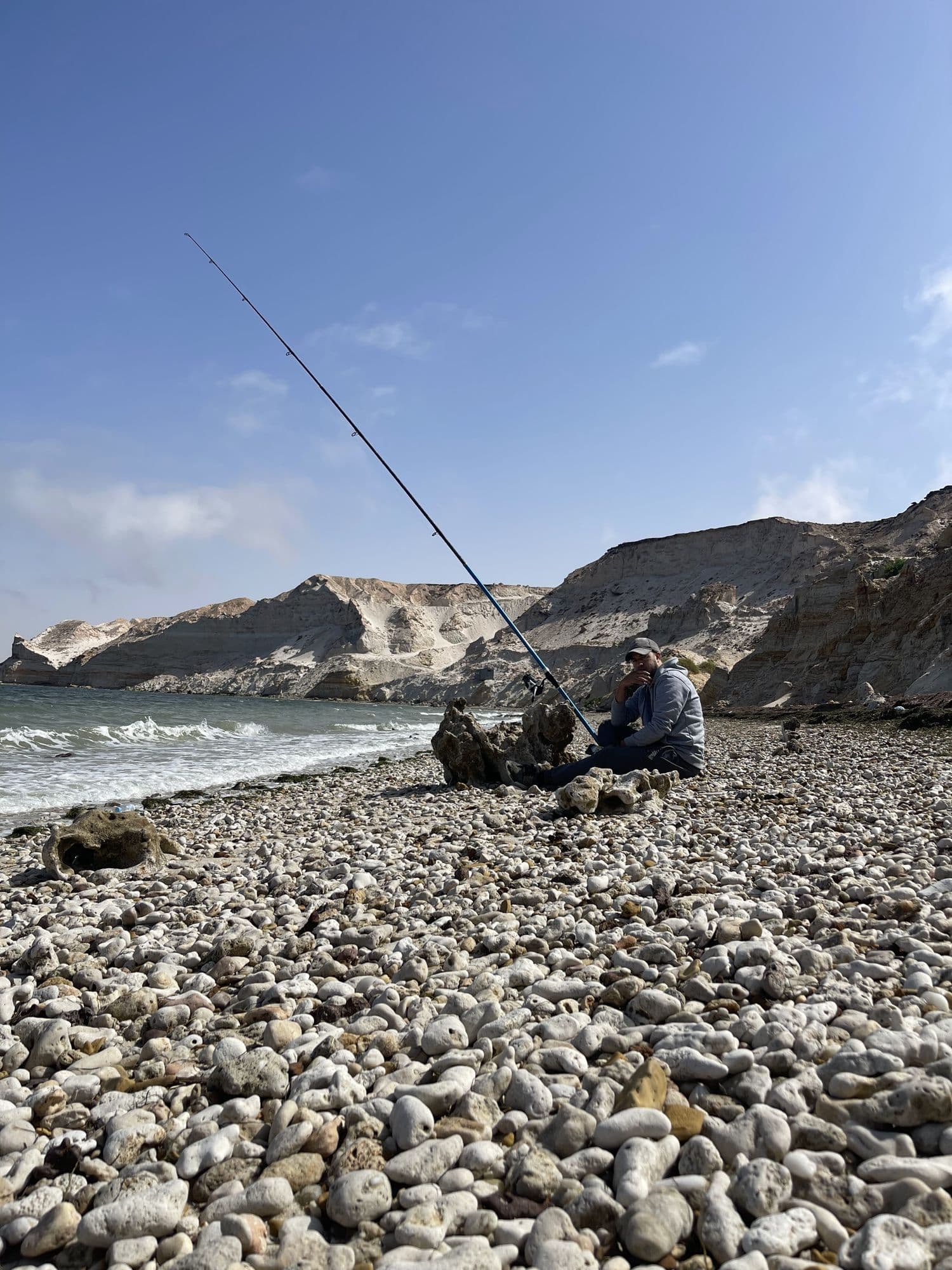
Angler sitting with a sea rod on a pebble beach below pale cliffs

Cornwall · 12 months · 12 species

What can you catch from the Cornish shore this month?

A practical, month-by-month guide to bass, mackerel, pollack, wrasse, rays and more—built for beaches, rocks, harbours and estuaries around Cornwall.

Typical seasonal patterns—not a catch forecastFact-checked 12 September 2026

2026 bass rule: bass are catch-and-release only from 1 February to 31 March. Outside that period, the recreational limit is three retained bass per person per day, minimum 42cm. Check the official guidance before fishing.

GOV.UK guidance

Your Cornish field guide

Pick a month. Meet the fish.

Typical seasonal patterns for Cornwall’s shore—not a catch promise. Start with the month, then narrow the guide to your kind of mark.

Autumn · September

Warm water meets autumn feeding: a standout month.

Bass, mackerel, pollack, wrasse, garfish and rays can all fish well, with flounder and whiting beginning to strengthen later in the month.

A simple plan

Cover a surf beach after a manageable blow or fish a harbour or rock edge at last light in settled conditions.

Read the water

The sea often holds summer warmth after the air cools, so autumn species can overlap with the late summer run.

September species guide

What’s worth looking for

12 species shown · ordered by typical seasonal opportunity

Filter species by shore mark
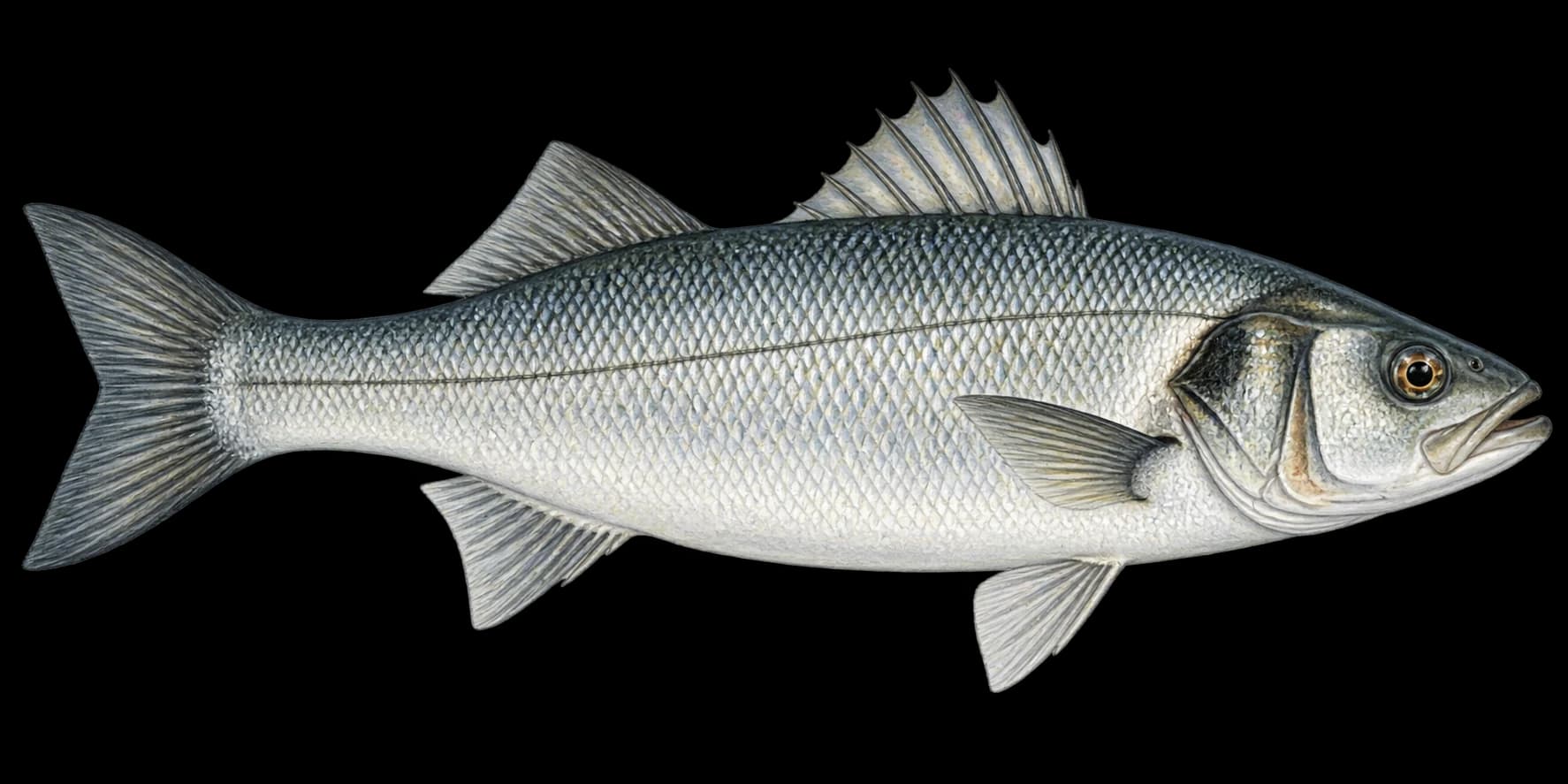
European bass identification illustration
Best bet
Field no. 01

European bass

Dicentrarchus labrax

BeachRocksHarbourEstuary
Best window
First or last light with moving water.
Method
Lures in clear water; worm, crab or fish bait in surf and estuaries.

Field note: In 2026, bass are catch-and-release only from 1 February to 31 March. Outside that period the daily limit is three retained fish, minimum 42cm.

Identify and learn more
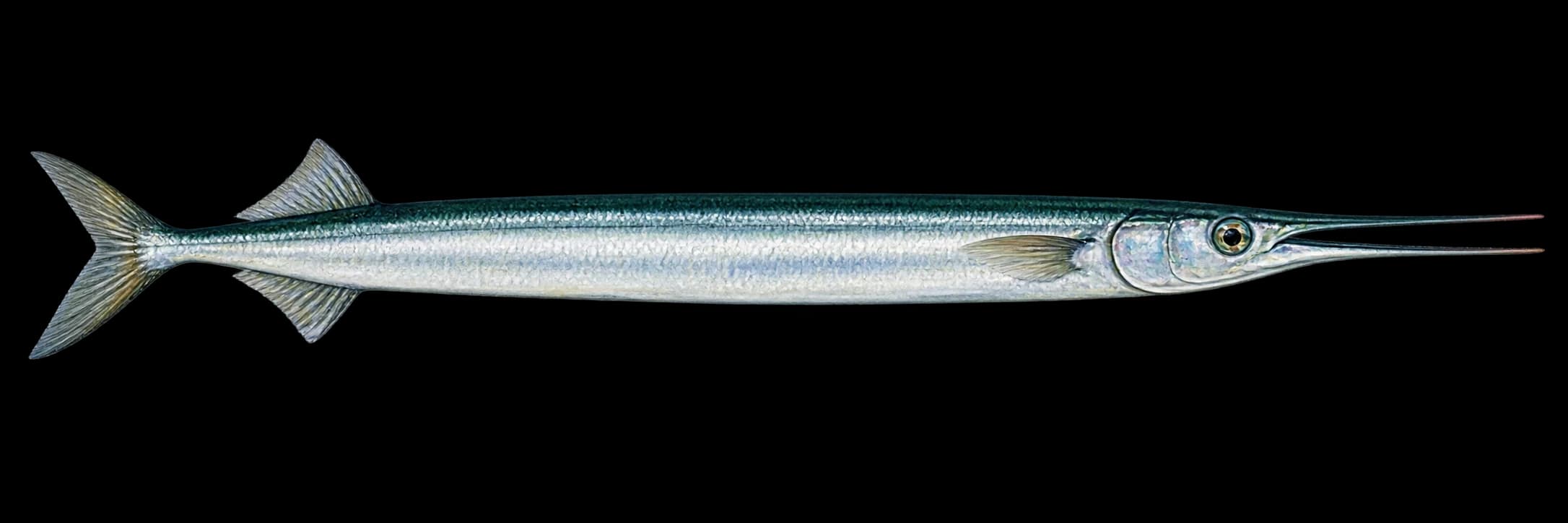
Garfish identification illustration
Best bet
Field no. 02

Garfish

Belone belone

RocksHarbour
Best window
Calm, bright water into evening.
Method
A small fish strip beneath a float, or a slim lure near the surface.

Field note: Often travel with baitfish and mackerel. A light approach is more enjoyable and causes less damage than heavy feather gear.

Identify and learn more
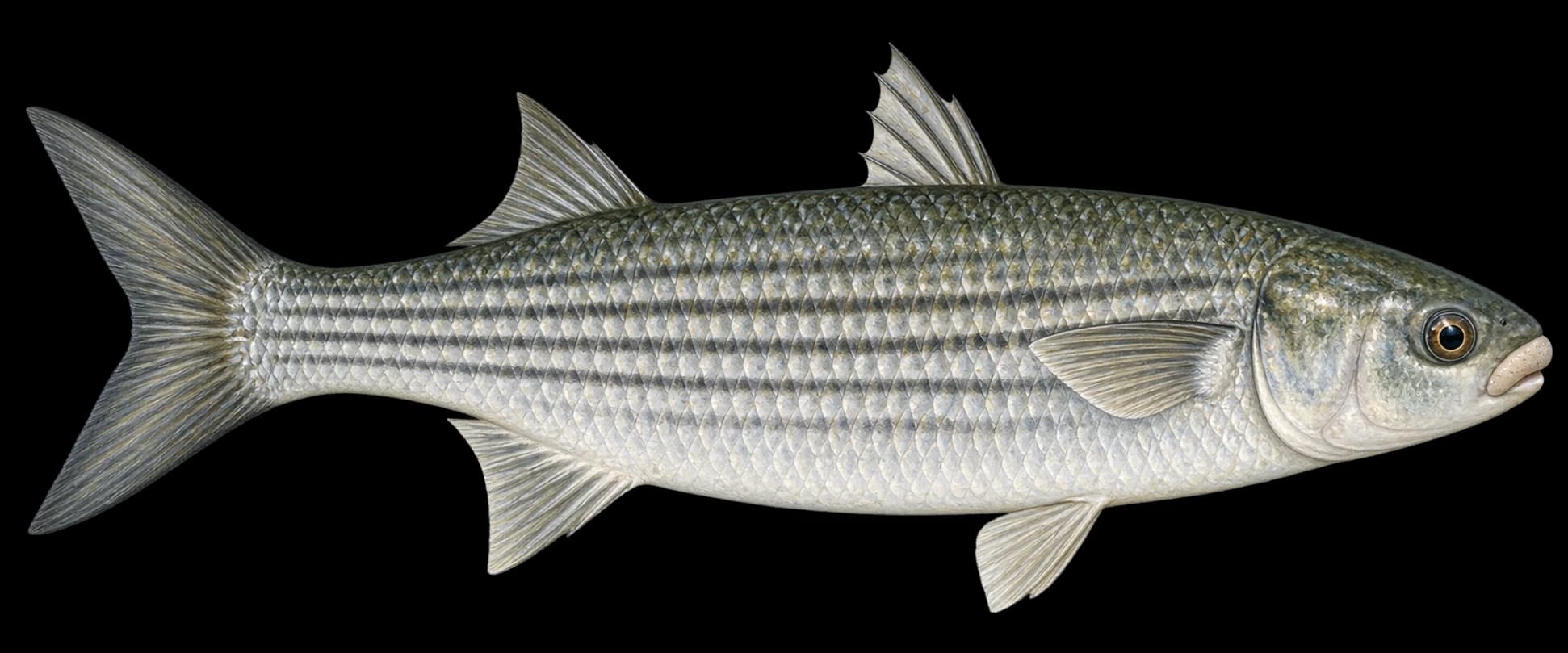
Grey mullet identification illustration
Best bet
Field no. 03

Grey mullet

Mugilidae

HarbourEstuary
Best window
Quiet water and low footfall, often early.
Method
Fine tackle with bread or natural baits, helped by patient loose feeding.

Field note: Mullet can be visible without feeding. Stay discreet, avoid overfeeding and check local harbour rules before setting up.

Identify and learn more
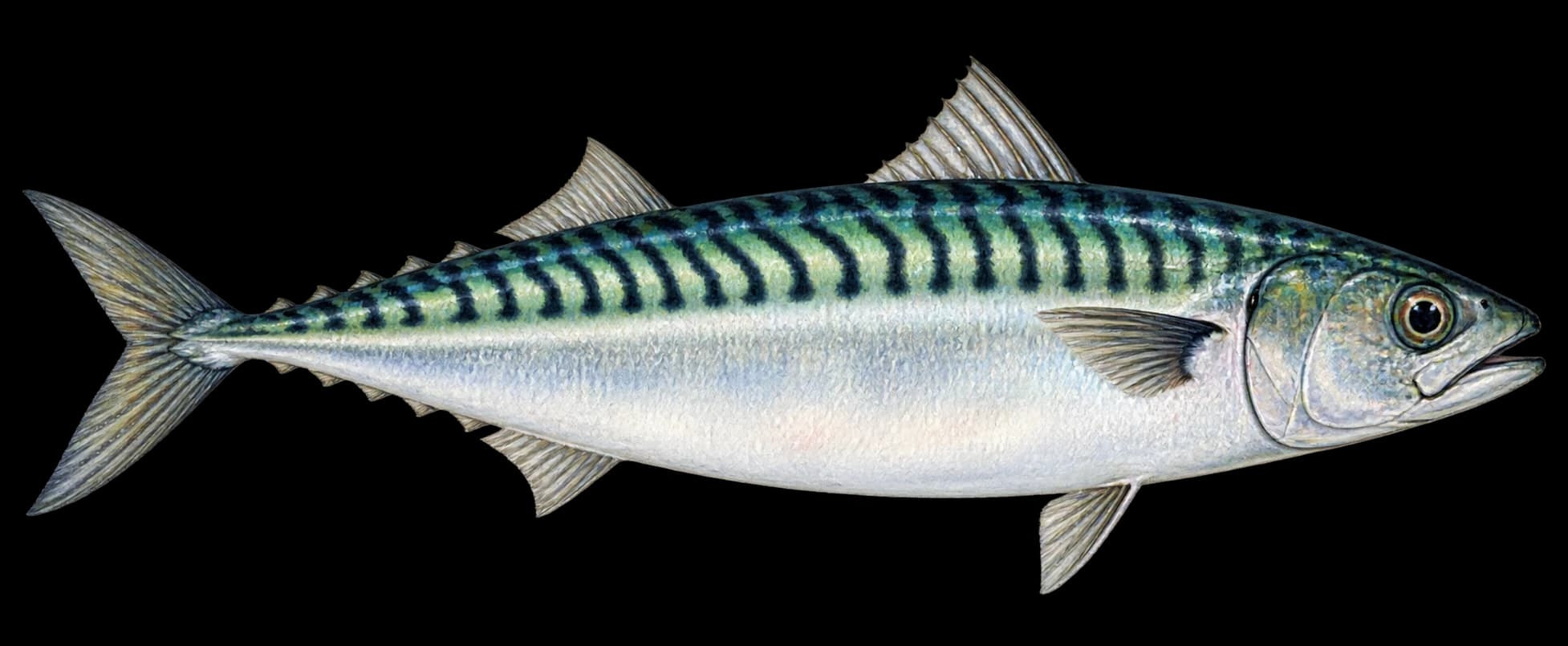
Mackerel identification illustration
Best bet
Field no. 04

Mackerel

Scomber scombrus

BeachRocksHarbour
Best window
Dawn, dusk or whenever baitfish show.
Method
Small metals, feathers or a float only when shoals are in range.

Field note: Arrival varies sharply with water temperature and bait. Avoid repeatedly feathering once you have enough for the table or bait freezer.

Identify and learn more
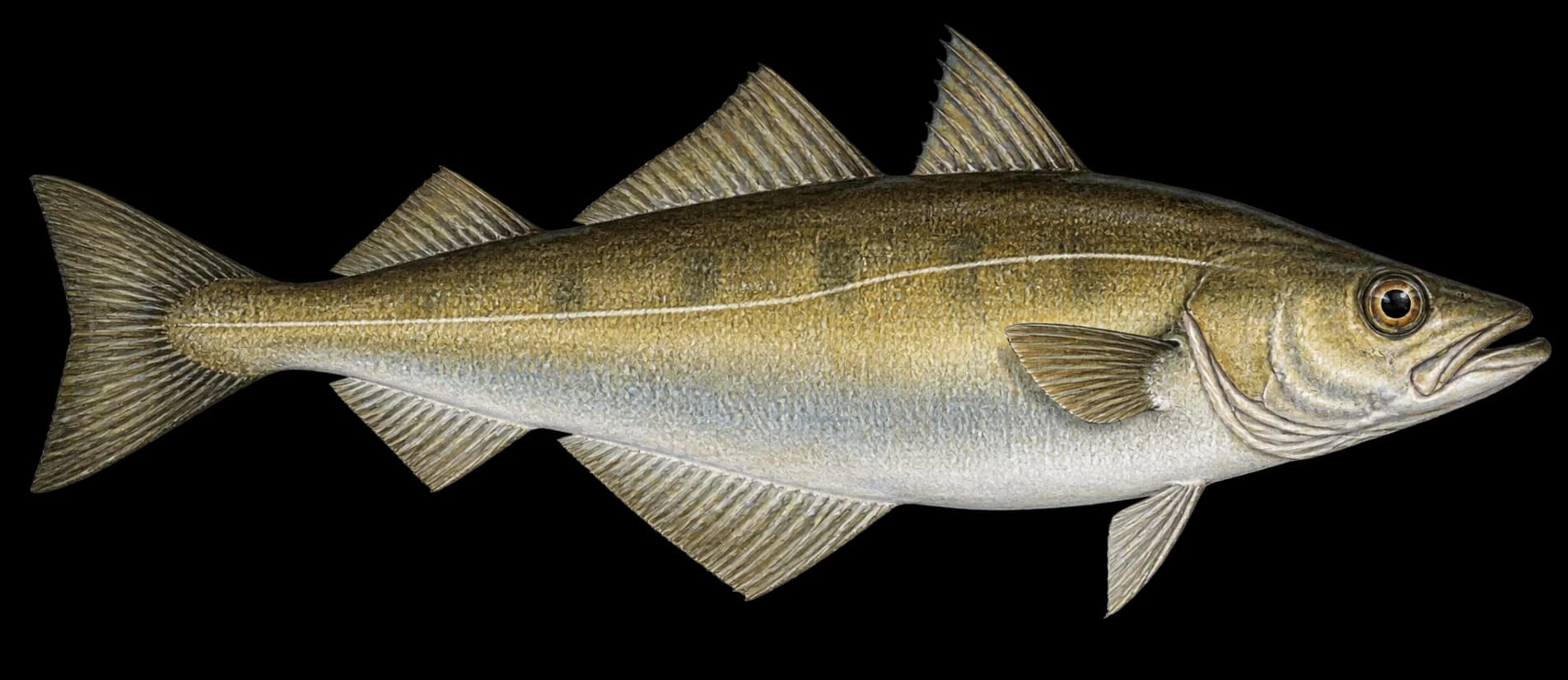
Pollack identification illustration
Best bet
Field no. 05

Pollack

Pollachius pollachius

RocksHarbour
Best window
Dawn and dusk on a flooding tide.
Method
Soft plastics or slim metals worked beside kelp and deeper structure.

Field note: The better shore fishing is usually around deeper rock and reef. Do not trade a seasonal chance for an exposed ledge in unsafe swell.

Identify and learn more
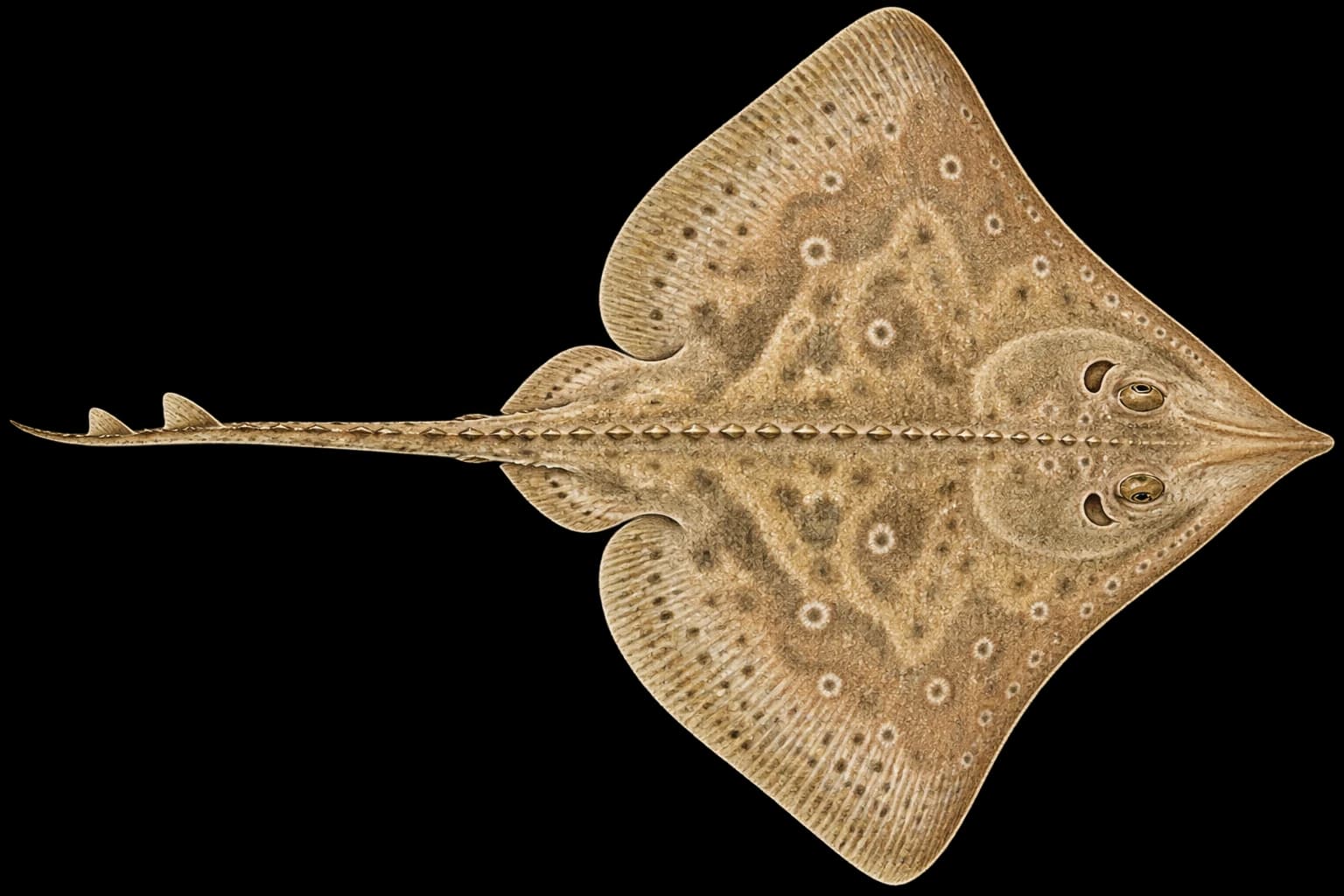
Rays identification illustration
Best bet
Field no. 06

Rays

Batoidea

BeachRocks
Best window
Moving water, often into darkness.
Method
Fish, squid or sandeel baits held over clean or broken ground.

Field note: Species and season depend heavily on the mark. Carry a suitable unhooking tool and learn safe handling before targeting rays.

Identify and learn more
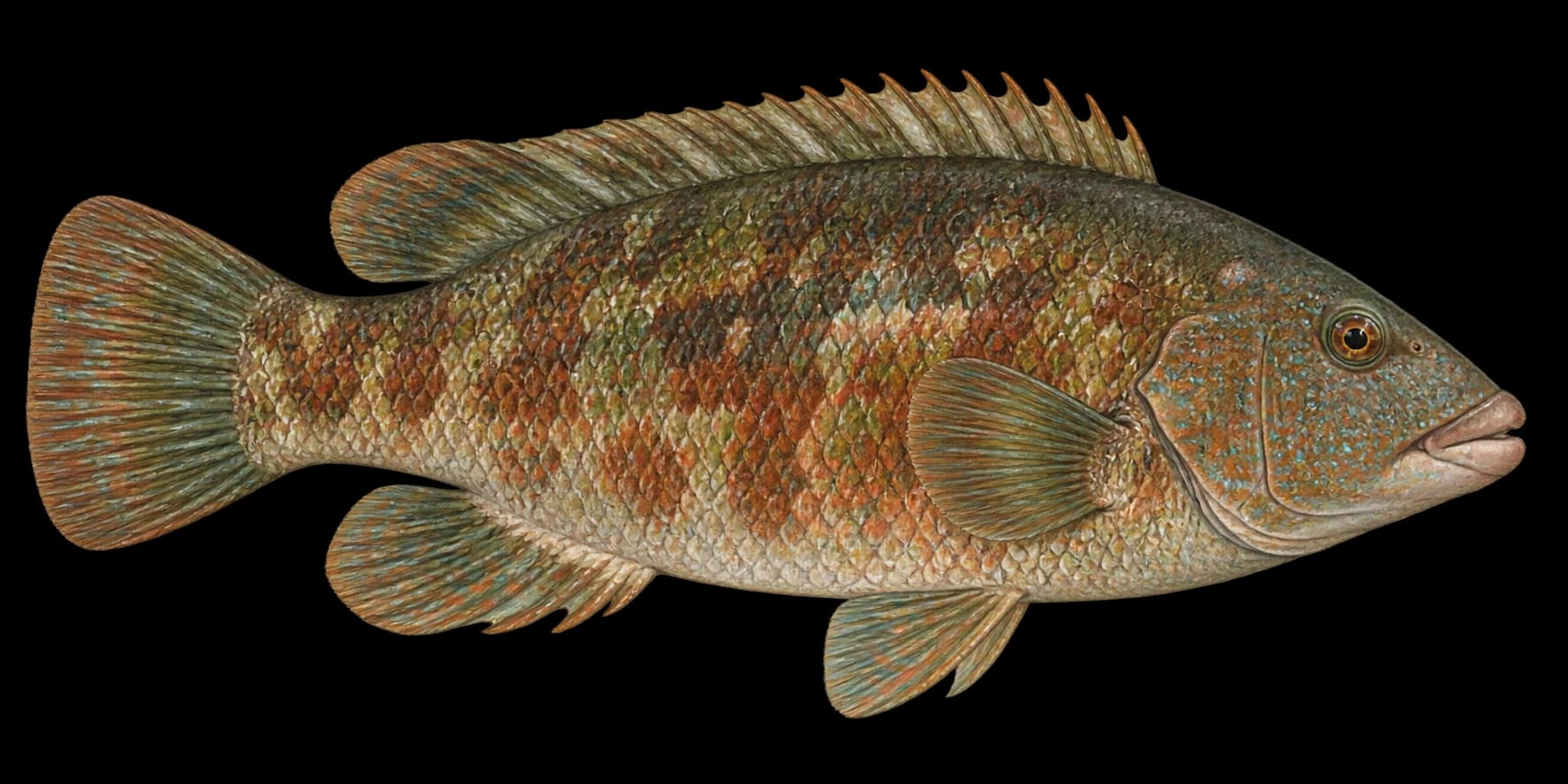
Wrasse identification illustration
Best bet
Field no. 07

Wrasse

Labridae

RocksHarbour
Best window
Daylight with clear, settled water.
Method
Small crab or worm baits close to rocks, or weedless soft plastics.

Field note: Handle carefully and return promptly unless keeping a legal fish for a clear purpose. Strong tackle reduces break-offs in rough ground.

Identify and learn more
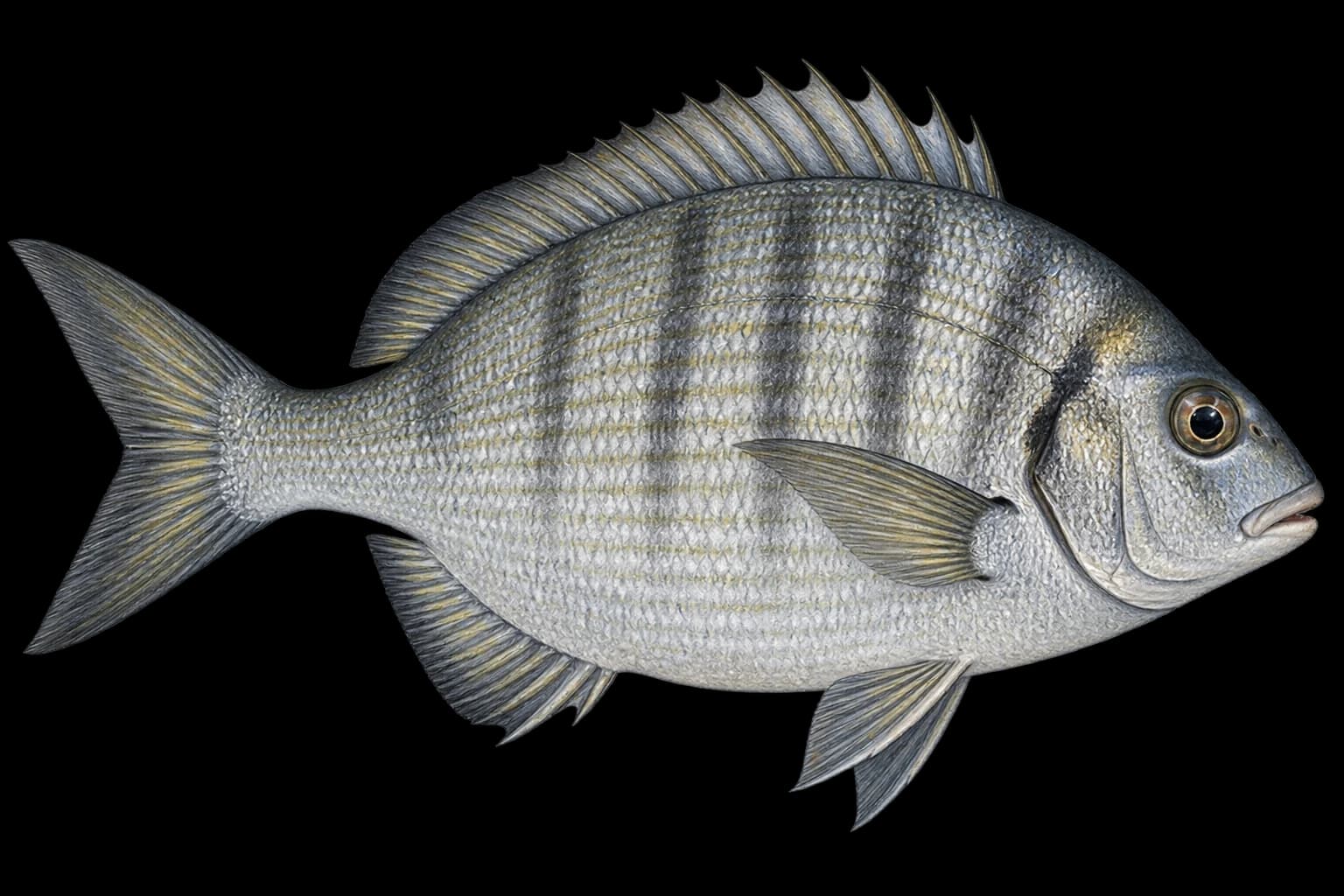
Black bream identification illustration
Worth a try
Field no. 08

Black bream

Spondyliosoma cantharus

BeachRocks
Best window
A steady tide in settled weather.
Method
Small hooks with worm, squid or shellfish over mixed or reef ground.

Field note: A south-coast and mixed-ground summer target. Use modest hooks and baits rather than oversized rigs.

Identify and learn more
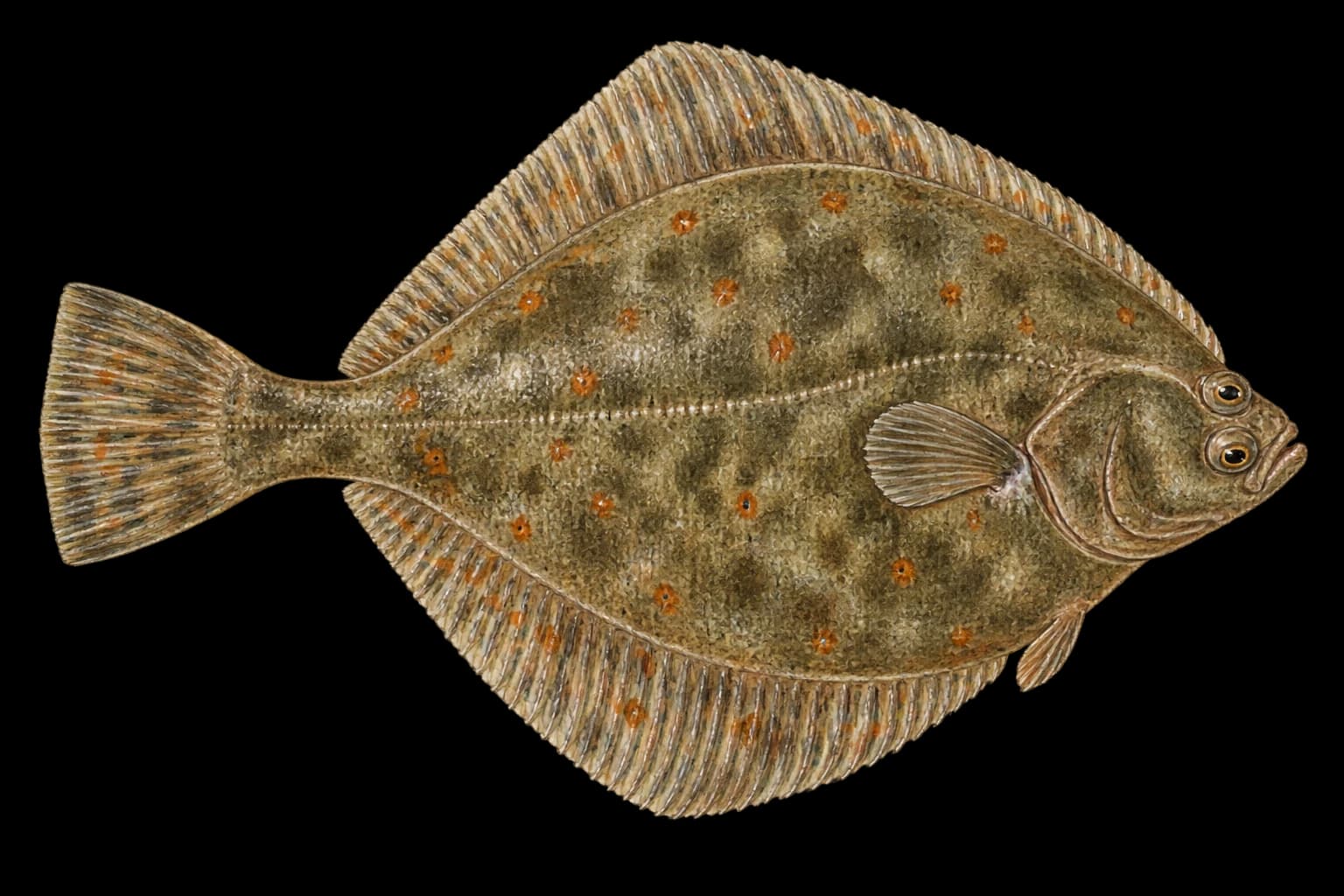
Flounder identification illustration
Worth a try
Field no. 09

Flounder

Platichthys flesus

BeachHarbourEstuary
Best window
A flooding tide across sand, mud or an estuary channel.
Method
Worm or small fish baits close in on a simple running or flapper rig.

Field note: A useful cold-season target that may be much closer than expected. Cornwall IFCA lists a 25cm minimum in the areas where its inherited byelaw applies.

Identify and learn more
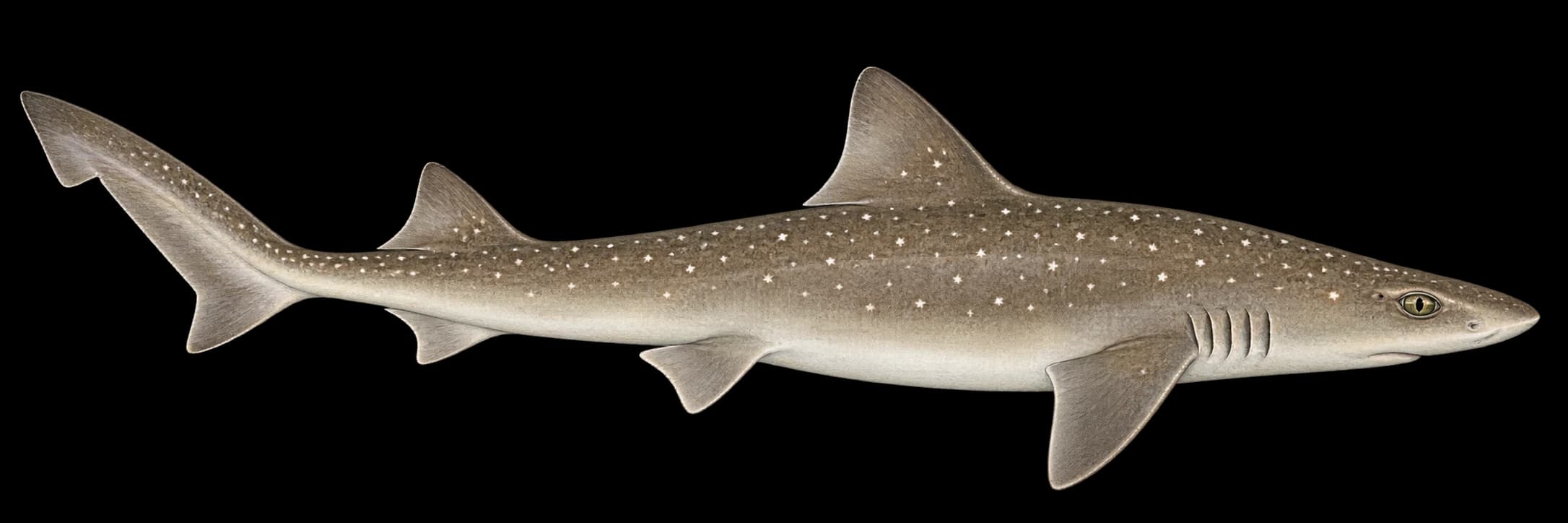
Smoothhound identification illustration
Worth a try
Field no. 10

Smoothhound

Mustelus spp.

Beach
Best window
A flooding tide in warm, settled conditions.
Method
Crab bait on a running or pulley rig over clean ground.

Field note: A powerful warm-water visitor that varies by coast and ground. Use an appropriate landing plan before fishing alone.

Cornwall seasonal visitor
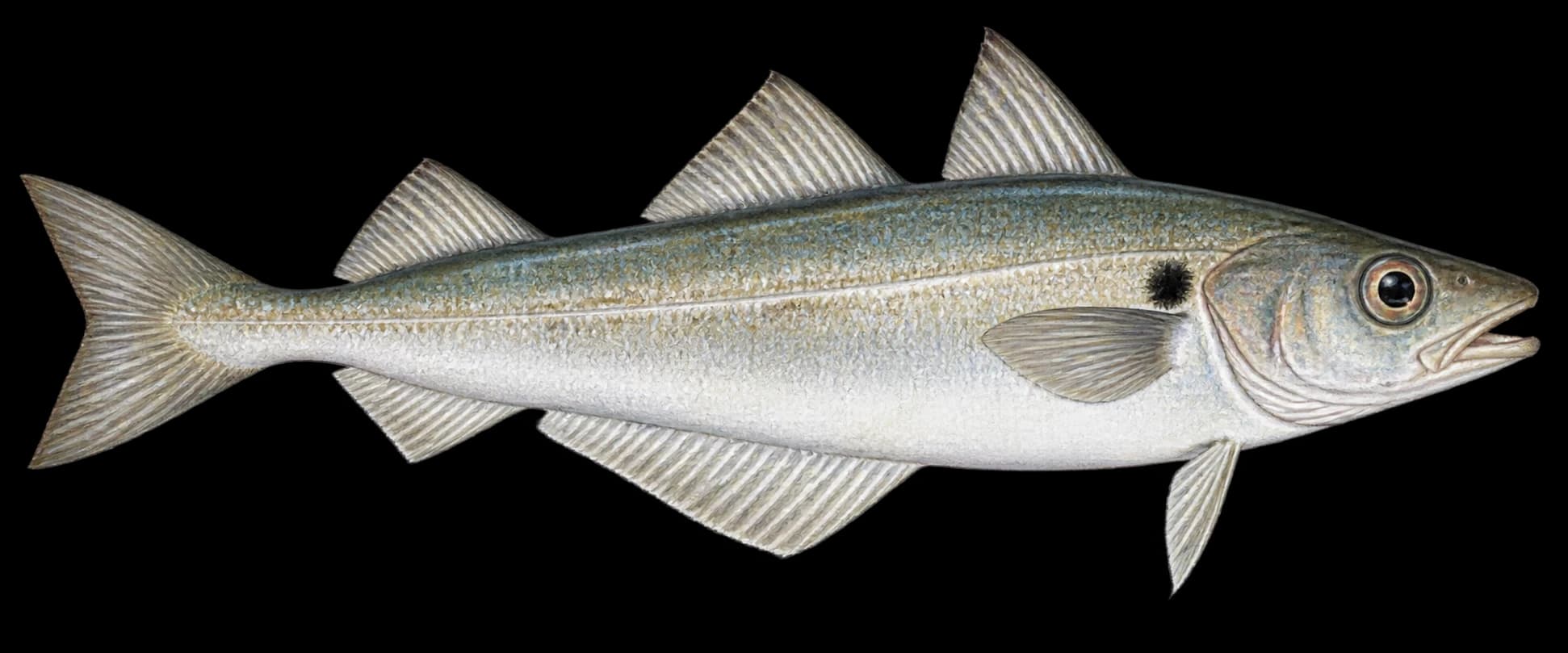
Whiting identification illustration
Possible
Field no. 11

Whiting

Merlangius merlangus

BeachHarbour
Best window
Dusk and darkness, especially with a little colour.
Method
Worm, fish or squid strips on a two-hook rig over clean ground.

Field note: A dependable winter shore species. Small hooks and tidy baits usually outfish unnecessarily heavy tackle.

Identify and learn more
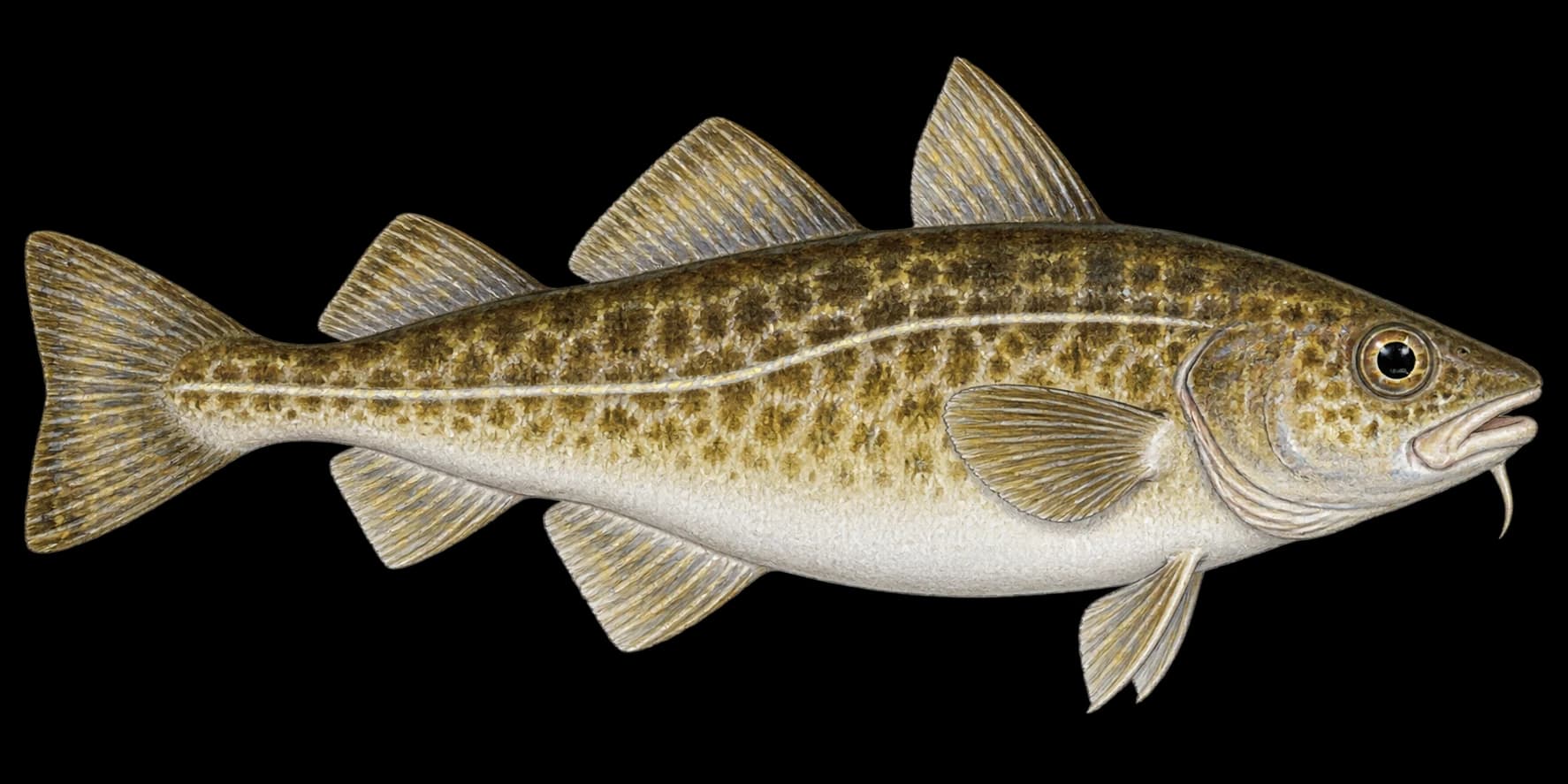
Codling identification illustration
Usually quieter
Field no. 12

Codling

Gadus morhua

BeachRocksHarbour
Best window
After dark in a cold, coloured sea.
Method
Fresh worm or fish baits fished close to the bottom.

Field note: Treat codling as a winter bonus in Cornwall rather than a dependable target; catches vary sharply between coasts, marks and cold spells.

Identify and learn more

Conditions always beat the calendar.

Best betWorth a tryPossibleUsually quieter

Pin it to the tackle cupboard

The whole year at a glance

A quick planning view. Scroll sideways on mobile or use Print to save a clean copy.

Typical month-by-month shore fishing prospects for twelve species in Cornwall
SpeciesJanFebMarAprMayJunJulAugSepOctNovDec
European bassEuropean bass
MackerelMackerel
PollackPollack
WrasseWrasse
GarfishGarfish
Black breamBlack bream
Grey mulletGrey mullet
SmoothhoundSmoothhound
RaysRays
FlounderFlounder
WhitingWhiting
CodlingCodling
Best betWorth a tryPossibleUsually quieter

Match the ground

Choose the right kind of shore mark.

Cornwall has two very different coasts and hundreds of individual marks. The ground beneath you usually narrows the useful species and methods faster than the county-wide calendar does.

Surf and open beaches

Bass, rays, smoothhound, flounder, whiting and codling

Look for gullies, banks and water with a little colour. Fish can be surprisingly close, so avoid casting beyond them by default.

Rock and reef marks

Pollack, wrasse, bass, mackerel, garfish and rays

Structure creates variety but also risk. Choose easy ground with a safe retreat, and leave exposed ledges alone when swell is present.

Harbours and piers

Mackerel, garfish, mullet, pollack, flounder and whiting

Often accessible and good for learning, but permission and local restrictions vary. Keep walkways clear and never cast near boats or other people.

Estuaries and creeks

Bass, flounder and grey mullet

Mobile fish follow channels and flooding water. Soft mud, fast tides and protected nursery areas mean access and local rules need checking first.

Before every session

Rules and safety in 60 seconds.

The calendar helps choose a target. It does not replace a mark-specific forecast, local permission or the rules in force on the day.

Check the law

Size limits, closed periods, protected species and local byelaws can change. Cornwall IFCA is the first stop for local recreational fishing rules.

Cornwall IFCA rules

Plan to come home

Check weather and tide, tell someone your plan, carry a charged phone, wear a lifejacket where appropriate and never turn your back on the sea.

RNLI angling safety

Straight answers

Cornwall fishing calendar FAQs

What is the best month for shore fishing in Cornwall?+

June to September usually offers the broadest mix of shore species, with September a particularly useful crossover month. The best day still depends on wind, swell, tide, water clarity and baitfish.

Can you shore fish in Cornwall in winter?+

Yes. Whiting and flounder are dependable winter targets, with dogfish and occasional codling on suitable marks. Choose sheltered, familiar ground and shorter sessions when weather and daylight narrow the safe window.

When is mackerel season in Cornwall?+

Mackerel are most often targeted from late spring into autumn, with June to September the strongest broad window. Their arrival follows warm water and baitfish rather than a fixed date, so no month guarantees a catch.

What are the 2026 recreational bass rules?+

For recreational rod-and-line fishing, bass caught from 1 February to 31 March 2026 must be released. Outside that period, the maximum is three retained bass per person per day and the minimum conservation reference size is 42cm. Always check current official guidance before fishing.

Where should a beginner shore fish in Cornwall?+

Start with a safe, accessible beach, harbour or pier where fishing is permitted and local conditions are easy to read. Avoid isolated or exposed rock marks until you have the experience, equipment and local knowledge to assess them safely.

How this calendar was built

Seasonal patterns, checked against current authorities.

Down The Cove combined established UK shore-fishing seasonality with Cornwall-specific mark patterns, then checked the rules and safety claims against Cornwall IFCA, the Marine Management Organisation and RNLI. Ratings describe relative opportunity, not abundance or a guaranteed catch. Last fact-checked 12 September 2026.

Our editorial policy

Ready for the shore?

Build a simple kit for the fishing you actually do.

Or browse our sea fishing tackle, sea fishing starter kits and kids' fishing rods.

Find your fishing kit