Useful for your next trip
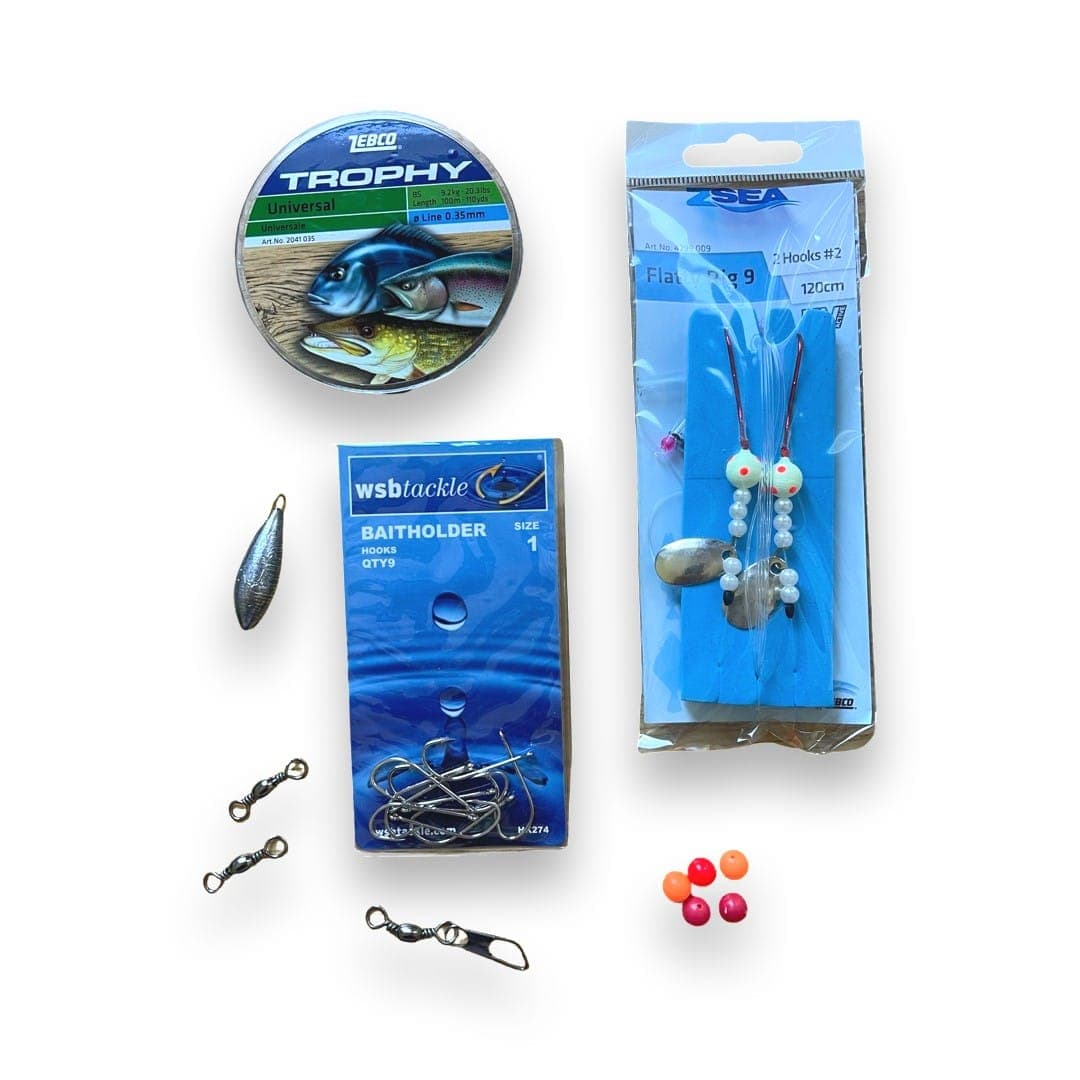
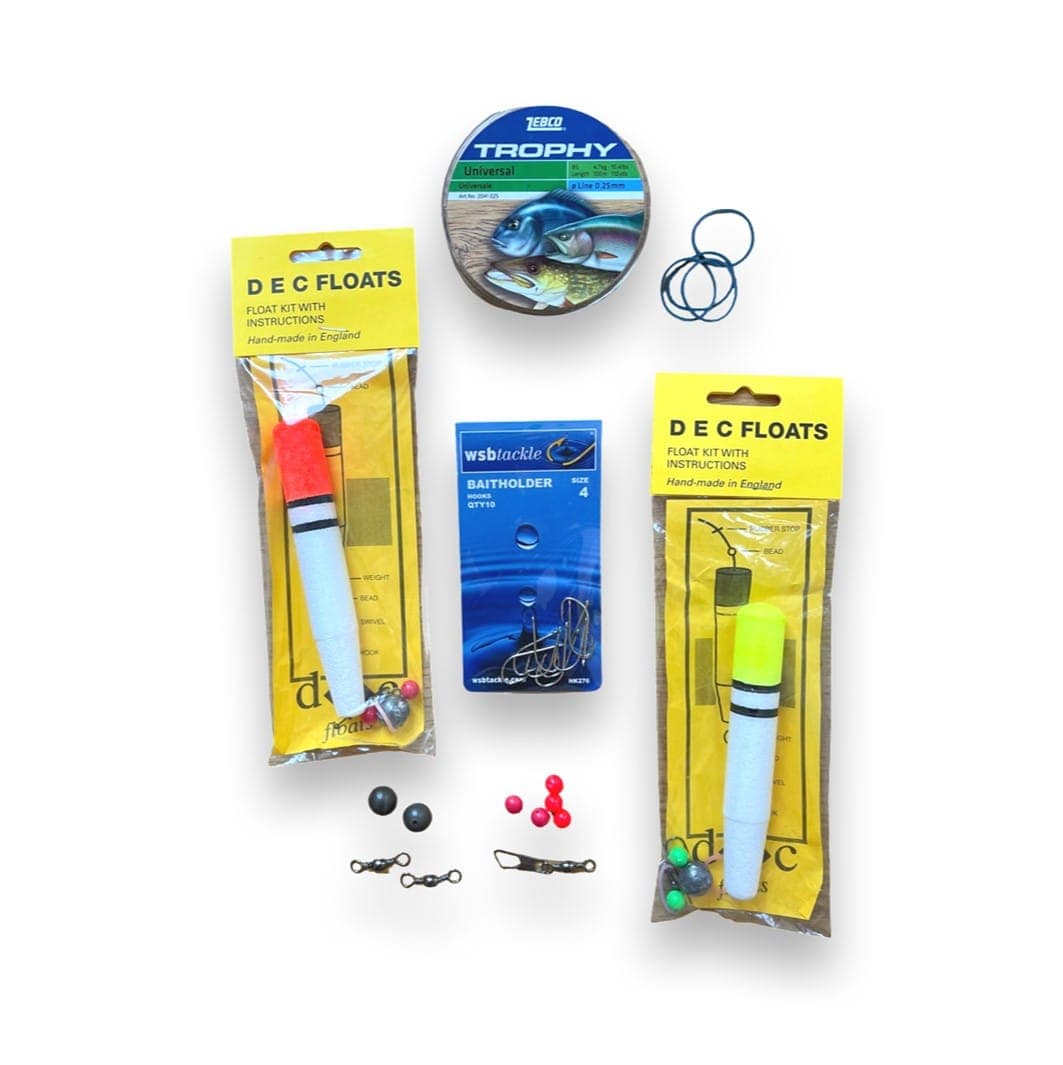
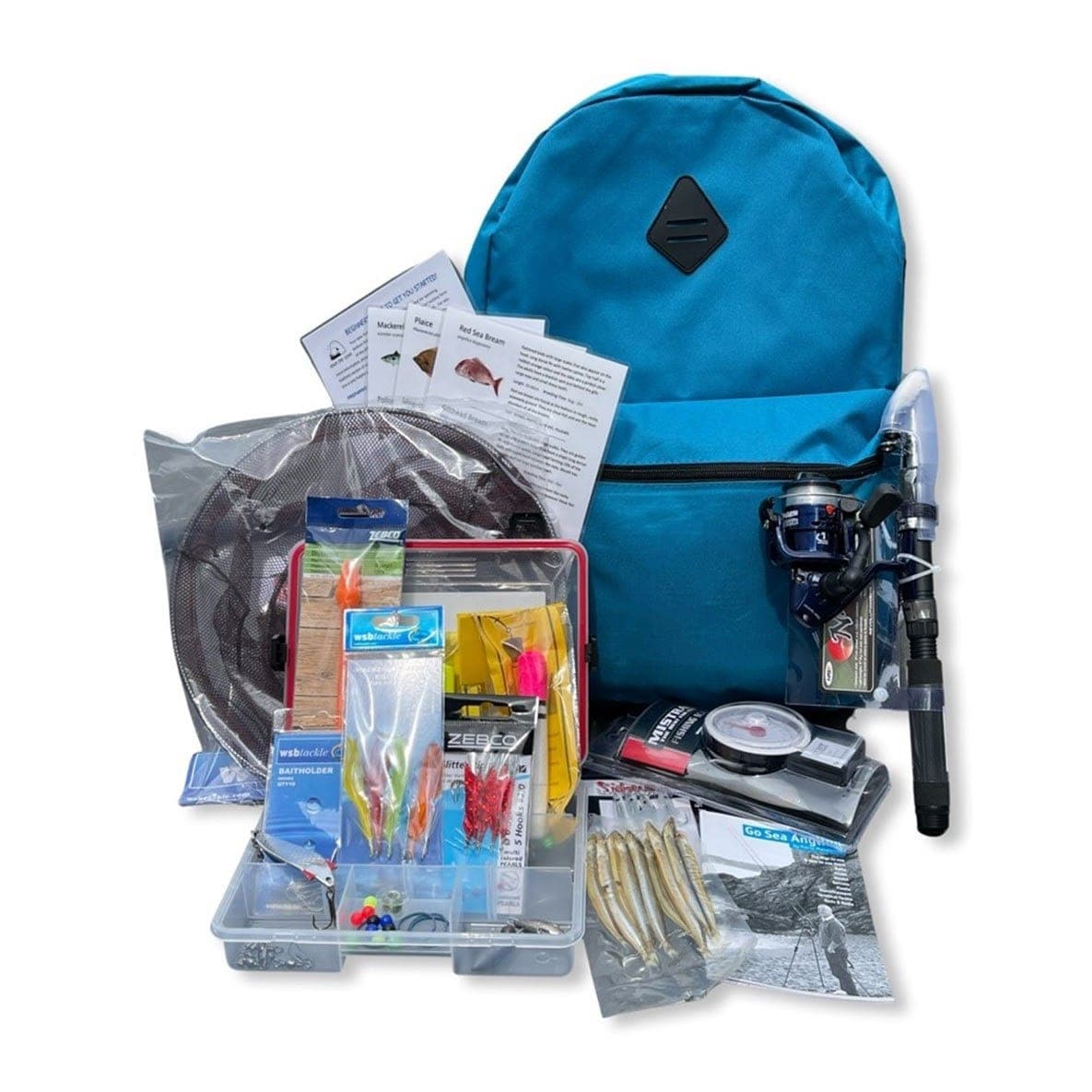
Useful kit connected to this guide, chosen to keep the next step simple.
Full flounder guide
How to spot it, where it lives, how it is caught and how to cook it — the complete guide, in one easy read.
The flounder is the flatfish with grit, equally at home in salt and in the half-fresh water of an estuary. It pushes far up into the brackish reaches, thriving in the harbours and river bends close to the bank where the open-sea flatfish never venture. Learn to tell it from a plaice and you have a willing, close-to-home fish for much of the year.
How to spot it
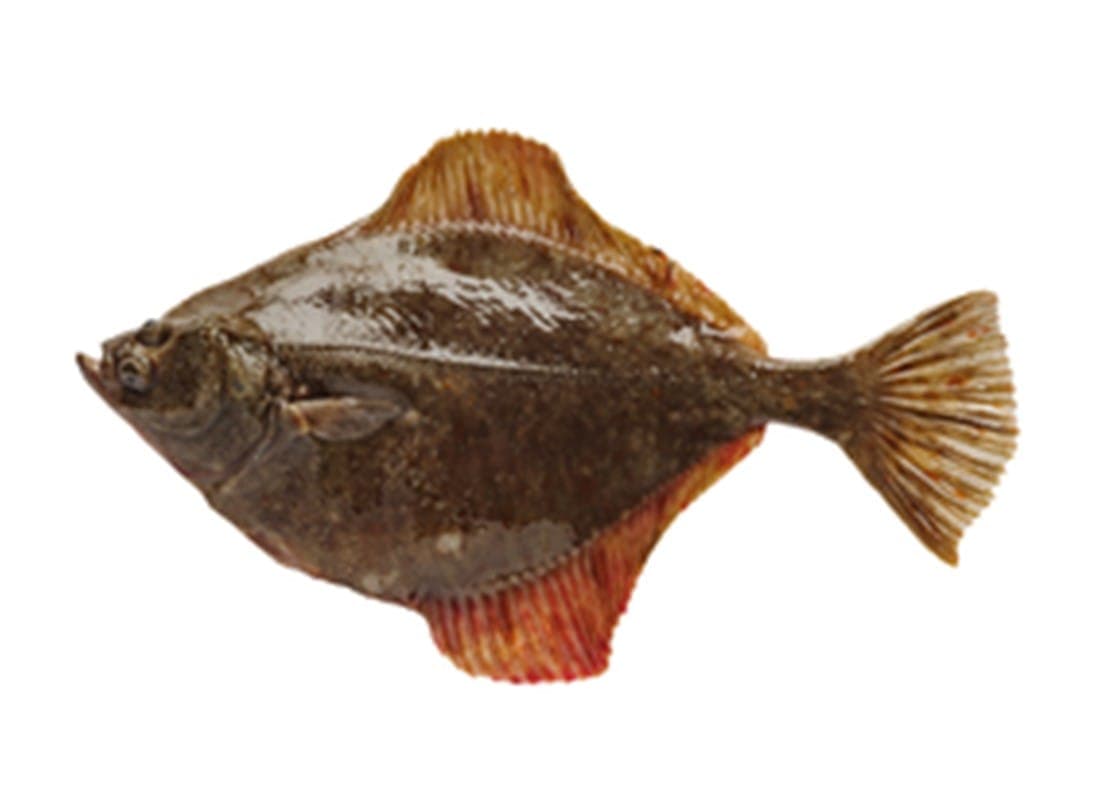
A flounder is a true flatfish, one eye having crept across the head, with a broad, stocky build roughly half as wide as it is long. The top is a greenish-brown scattered with faint reddish flecks, the belly clean white. To split it from a plaice, use the touch test: drag a finger along the lateral line and over the bases of the fins and you will feel rough, prickly tubercles, where a plaice stays smooth. The greenish cast gives it away too, against a plaice's warmer brown and bold orange spots. Most run to around 30cm. That stocky frame and the prickly line are your two surest signs.
Where it lives
Few flatfish are as adaptable as the flounder. It is a bottom fish that likes sand and mud, showing up on sandy beaches, in inshore shallows, in harbours and right through the brackish reaches of estuaries, and it is widespread around the Cornish coast. What sets it apart is its tolerance of low-salinity water: it will run well upriver, far past the point where most sea fish would turn back. For shore anglers, February through to May is the window to aim for, when flounder gather in the estuaries and harbours within easy reach of the bank.
Catching it
The flounder is about the most accessible flatfish there is for the shore and estuary angler. Ledger the bait hard on the bottom with a simple running rig, baited with sand eel, prawn or worm, all of which it takes happily. For more involvement, try the old plaice spoon trick, worked slowly along the seabed so the flash and clatter pull inquisitive fish over. Concentrate on sand and mud in estuaries, harbours and the brackish upper reaches from February to May. Give a bite time to develop before striking, as a flounder can mouth the bait first. Minimum landing sizes are set locally by your IFCA, so check them before keeping any and slip undersized fish back carefully.
In the kitchen
A flounder will not unseat a sole, but a fresh one is a fine plate in its own right, worth far more than the humble estuary fish folk take it for. The flesh is soft and mild, so it wants gentle handling and quick cooking. The classic way is grilled whole on the bone with butter, lemon and seasoning, the bone keeping that soft flesh from drying. For fillets, lay it dark-side up, cut round the head and down the spine, and slide a flexible knife over the bones from the centre outwards for two fillets a side; then dust them in seasoned flour and pan-fry in foaming butter, a couple of minutes a side, with capers and a squeeze of lemon thrown in at the end. Like its flatfish cousins it is lean and high in protein with very little fat.
Related guides and gear
FAQs
Quick fish questions
Short answers for the questions families and coastal readers often ask first.
How do you tell a flounder from a plaice?
Feel the lateral line and the base of the fins. A flounder has rough, prickly tubercles there, where a plaice stays smooth. The flounder is also a stockier, greenish-brown fish with faint reddish flecks, rather than the plaice's warmer brown body and bold orange spots.
Is flounder sustainable?
Flounder is a widespread, fast-growing estuary fish that is only lightly fished, so it is a reasonable choice - though the stock is data-poor and largely unmanaged rather than confirmed healthy. Take local inshore fish, stick to local minimum sizes, and go easy through the February-to-May spawning window.
Can you eat flounder?
Yes. Flounder has soft, mild white flesh and makes good eating, even if it sits a notch below sole. Grilled whole on the bone with butter and lemon, or filleted and pan-fried in foaming butter with a few capers, a fresh flounder is a fine supper.
How do you fillet a flounder?
Lay it dark-side up, cut around the head and straight down the backbone, then slide a thin, flexible knife over the rib bones from the spine outwards to release each fillet, two a side. The flesh is soft, so a sharp knife and a light touch matter. Pan-frying the fillets in butter suits them well.
Where can you catch flounder?
Flounder thrive over sand and mud in estuaries, harbours and inshore shallows. Unusually, they tolerate low-salinity water and push well upriver, so the brackish reaches of an estuary are among the very best places to target them from the bank.
When is the best time to fish for flounder?
For shore and estuary anglers, February through to May is the window to aim for, when flounder move into the harbours and estuaries within easy reach of the bank. Fish a simple running ledger over soft, sandy or muddy ground.
What is the best bait for flounder?
Sand eel, prawn or worm fished on a simple running ledger all take flounder happily. The old plaice-spoon trick works too, dragged slowly along the bottom so the flash and clatter draw inquisitive fish over the bait.