
Useful for your next trip
Useful kit connected to this guide, chosen to keep the next step simple.
Full dab guide
How to spot it, where it lives, how it is caught and how to cook it — the complete guide, in one easy read.
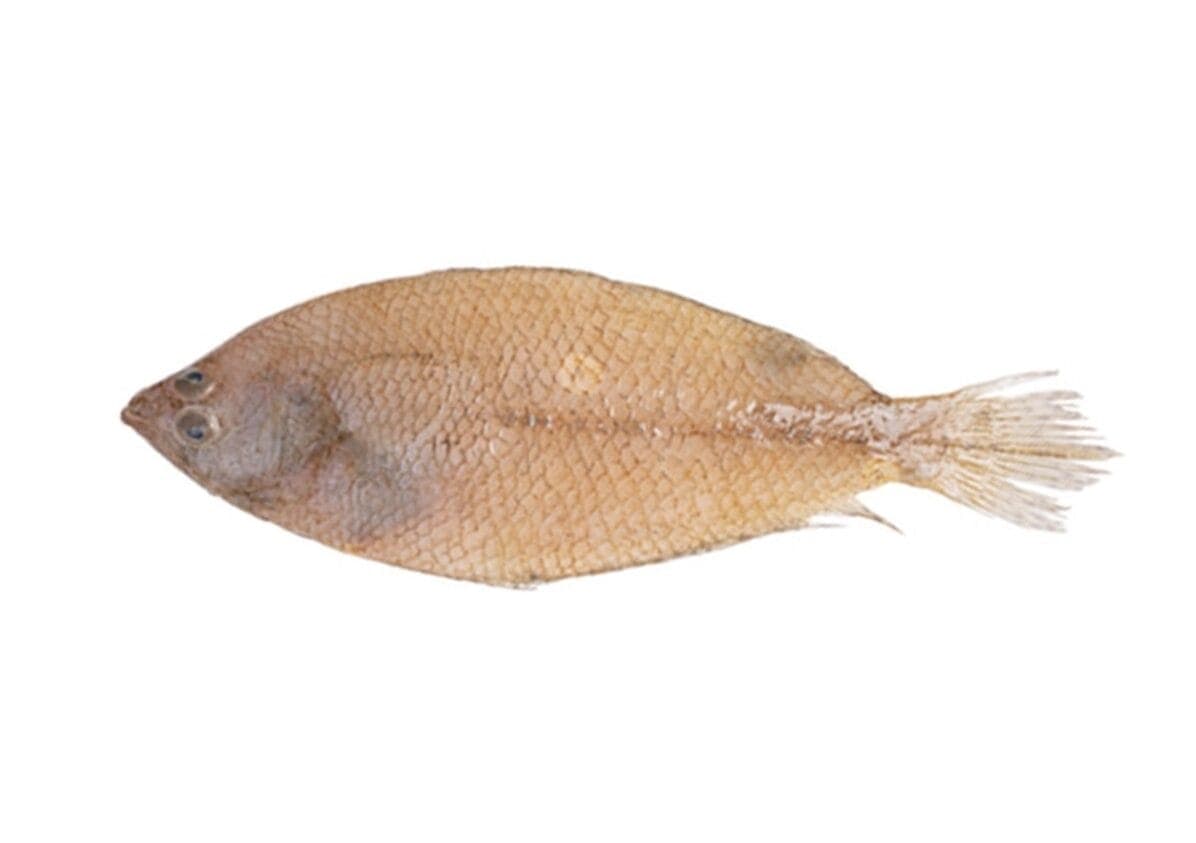
The dab is the flatfish nobody photographs. It lies camouflaged on clean Cornish sand, plainer than a plaice and overlooked because of it, and a fresh one off the grill changes minds quickly. Give one a fair hearing and it quietly wins you over.
How to spot it
A dab is a right-eyed flatfish, both eyes on the upper side, dressed in a soft pale brown with none of the orange spots that mark out a plaice. Run a finger down the flank and you will feel the skin is rough one way, like a cat's tongue. The surest tell, though, is the lateral line: on a dab it loops up in a clear semicircle over the pectoral fin, where a plaice runs almost straight. Lay the two side by side and the dab is the paler, plainer one. Most run a tidy 20-25cm, a hand-span of fish that is easy to underrate until you have eaten one.
Where it lives
Dab are bottom-dwellers that want clean, open ground: fine sand and small pebble out beyond the breakers, never rough rock or thick weed. You will find them along sandy beaches and around the mouths of rivers and estuaries off Cornwall, and they think nothing of pushing up into brackish, half-fresh water well inside a river system. From early spring they shift inshore in numbers, and that is when a shore angler standing on a quiet sandy mark has the best of them.
Related guides and gear
FAQs
Quick fish questions
Short answers for the questions families and coastal readers often ask first.
Can you eat dab fish?
Yes, and you should. Dab gives flaky, mild white flesh that makes good eating cooked fresh. It is lighter than plaice and not at all strong, so it suits anyone who likes their flatfish understated. Just cook it the day you get it, because dab does not keep well.
What does dab fish taste like?
Dab has a mild, clean flavour and a soft, flaky texture, gentler than plaice or sole. There is nothing strong or 'fishy' about it, which is exactly why it suits plain cooking: grilled whole with butter and lemon, or filleted and fried in breadcrumbs.
How do you tell a dab from a plaice?
Look at the colour and the lateral line. A dab is a soft, even brown with no orange spots, and its lateral line loops up in a clear semicircle over the pectoral fin. A plaice has bold orange spots and a far straighter line. A dab's skin also feels rough, like fine sandpaper.