
Useful for your next trip
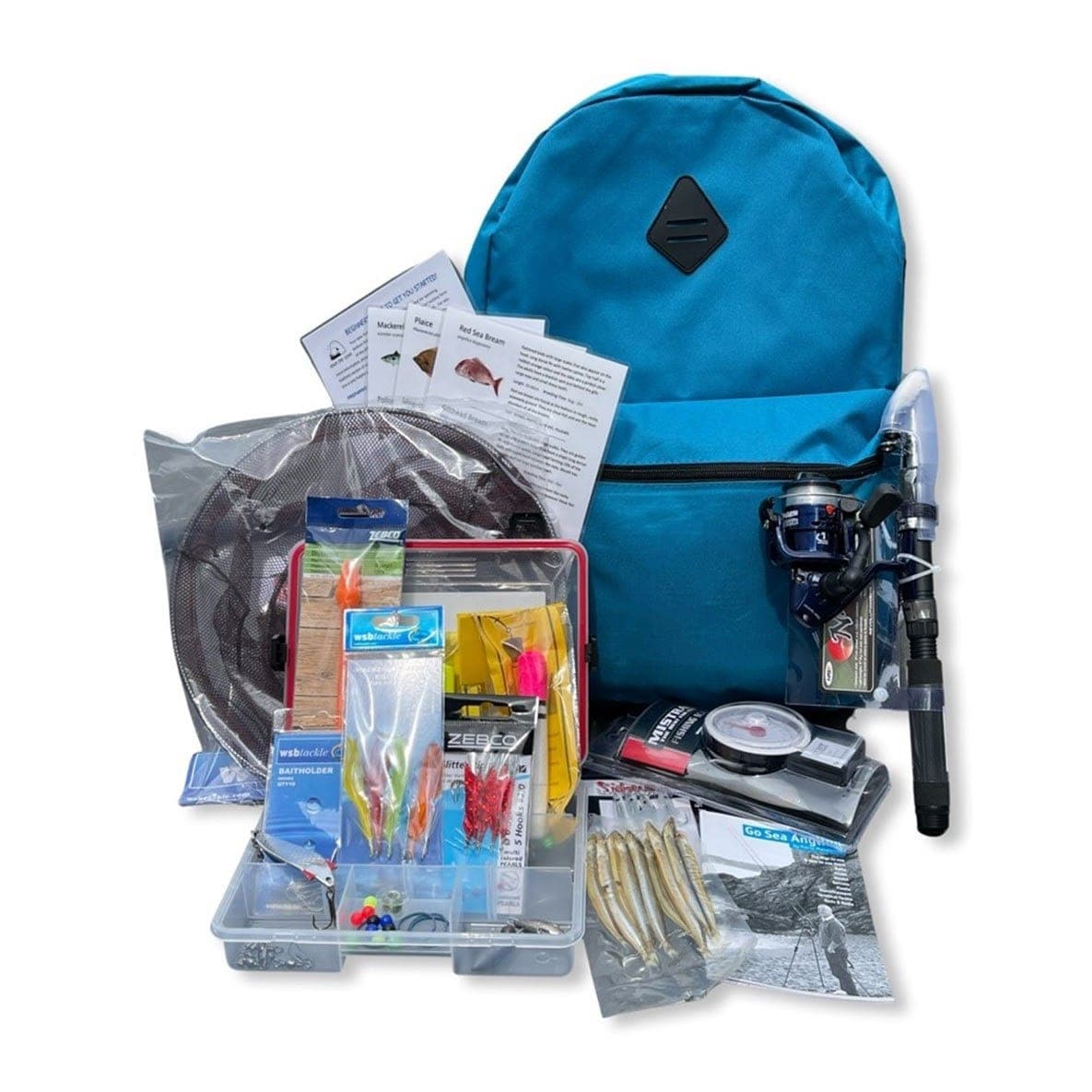
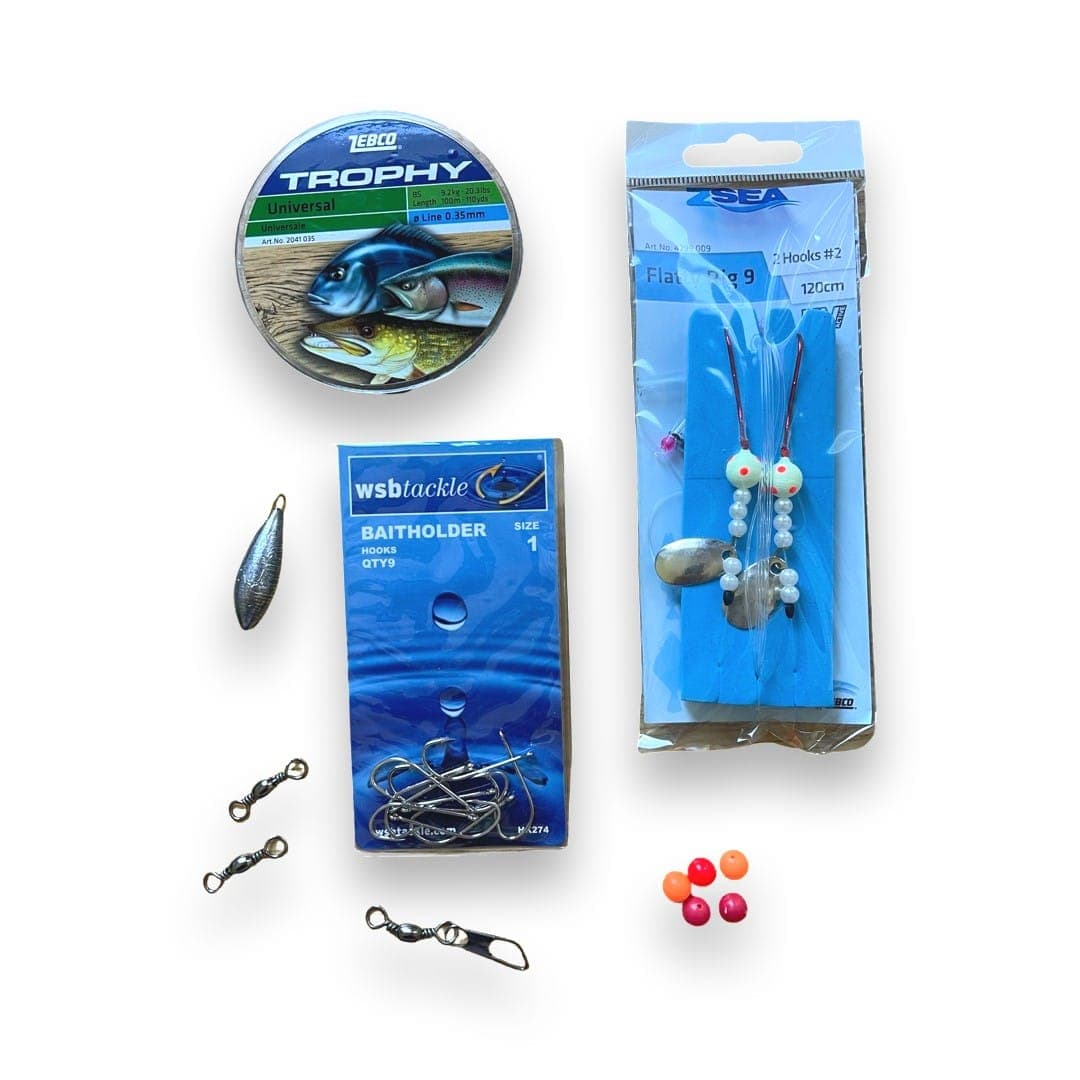
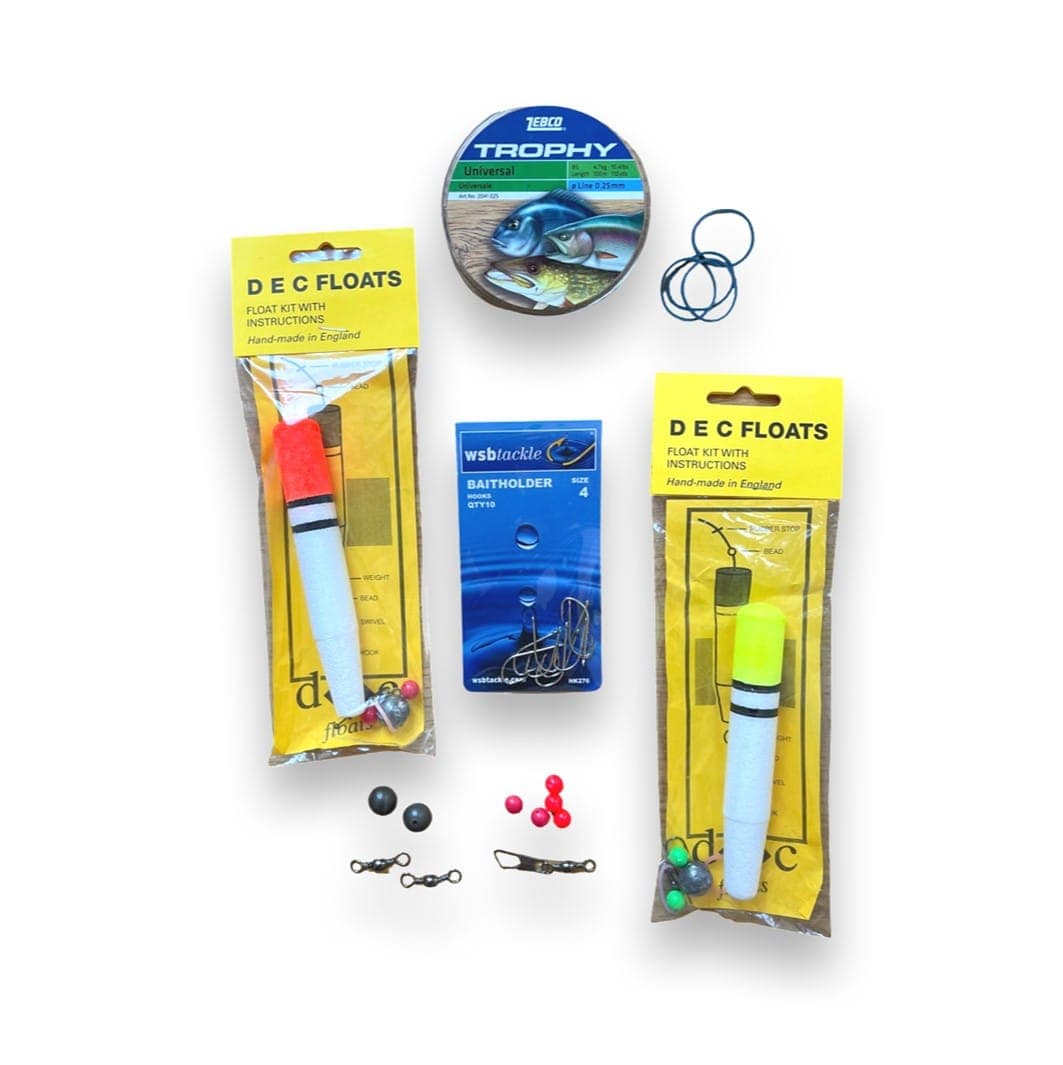
Useful kit connected to this guide, chosen to keep the next step simple.
Full ray guide
How to spot it, where it lives, how it is caught and how to cook it — the complete guide, in one easy read.
The thornback ray earns its keep slowly. It glides flat over clean sand, takes its time finding your bait, and then turns out to be one of the better things you can pull off this coast. The wings are the reason people come back to it, and a little brown butter does the rest.
What is a thornback ray?
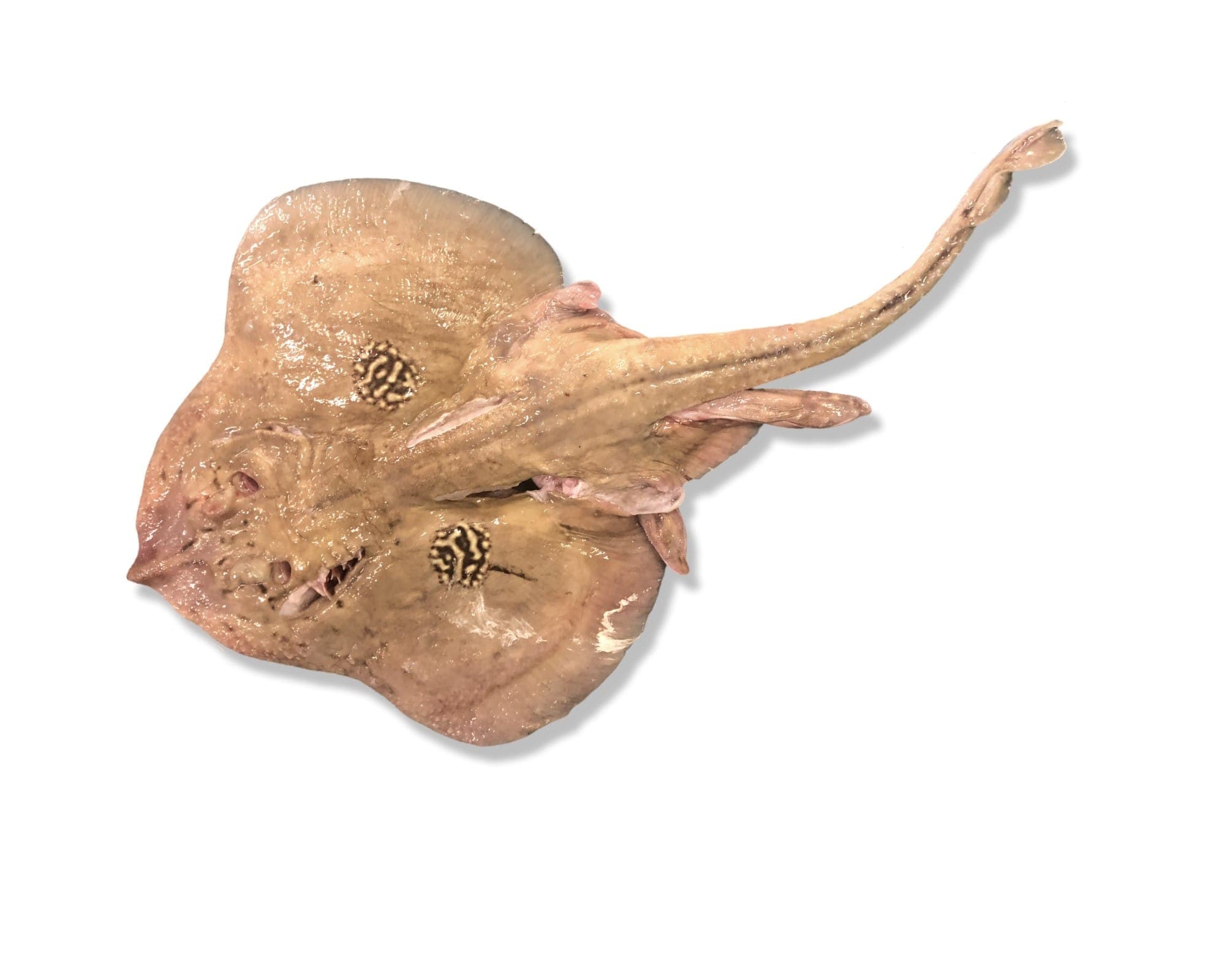
The thornback ray, Raja clavata, is the most common ray around the UK coast and the one shore anglers catch most often. It is a flat, diamond-shaped fish with a brown back covered in light and dark spots, and rows of sharp thorns along its back and tail, which give it its name. It feeds on the seabed on crabs, shrimps and small fish. It is good to eat: the wings are the part people cook, and fishmongers sell them as ray or skate wings.
How to spot it
You won't mistake a thornback for much else. The body is a flat diamond that tapers into a long, thin tail, the back a warm brown freckled with white, black and pale dots over clean white underneath. The tell is the tail: a run of small, hooked spines down its length, paired with a barred pattern along the same stretch. That's where the name comes from. At 30-40cm across it sits comfortably across two hands, and the thorny back is what separates it from the smoother rays that share the same ground.
Related guides and gear
FAQs
Quick fish questions
Short answers for the questions families and coastal readers often ask first.
Are thornback rays good to eat?
Very. The wings are the prize: meaty white flesh with a faint shellfish note that lifts off the cartilage in clean strands. Skinned, pan-fried and finished with brown butter, capers, lemon and parsley, it's a plate that converts people who think they don't like ray.
How do you skin ray wings?
Lay the wing flat and slide a sharp filleting knife in at the thick edge. Run it along just above the cartilage, keeping the blade angled down, to peel away the skin and the thin membrane beneath in a single sheet. Turn the wing and repeat on the other side. The flesh then strips off the cartilage easily once cooked.
What is the best bait for thornback ray?
Fresh, oily baits win. Prawn, squid, sandeel, mackerel and crab all work, but freshness is the real difference-maker. A thornback follows scent on the tide, so the fresher and oilier the bait sitting on the bottom, the better your odds of a take.