
Useful for your next trip
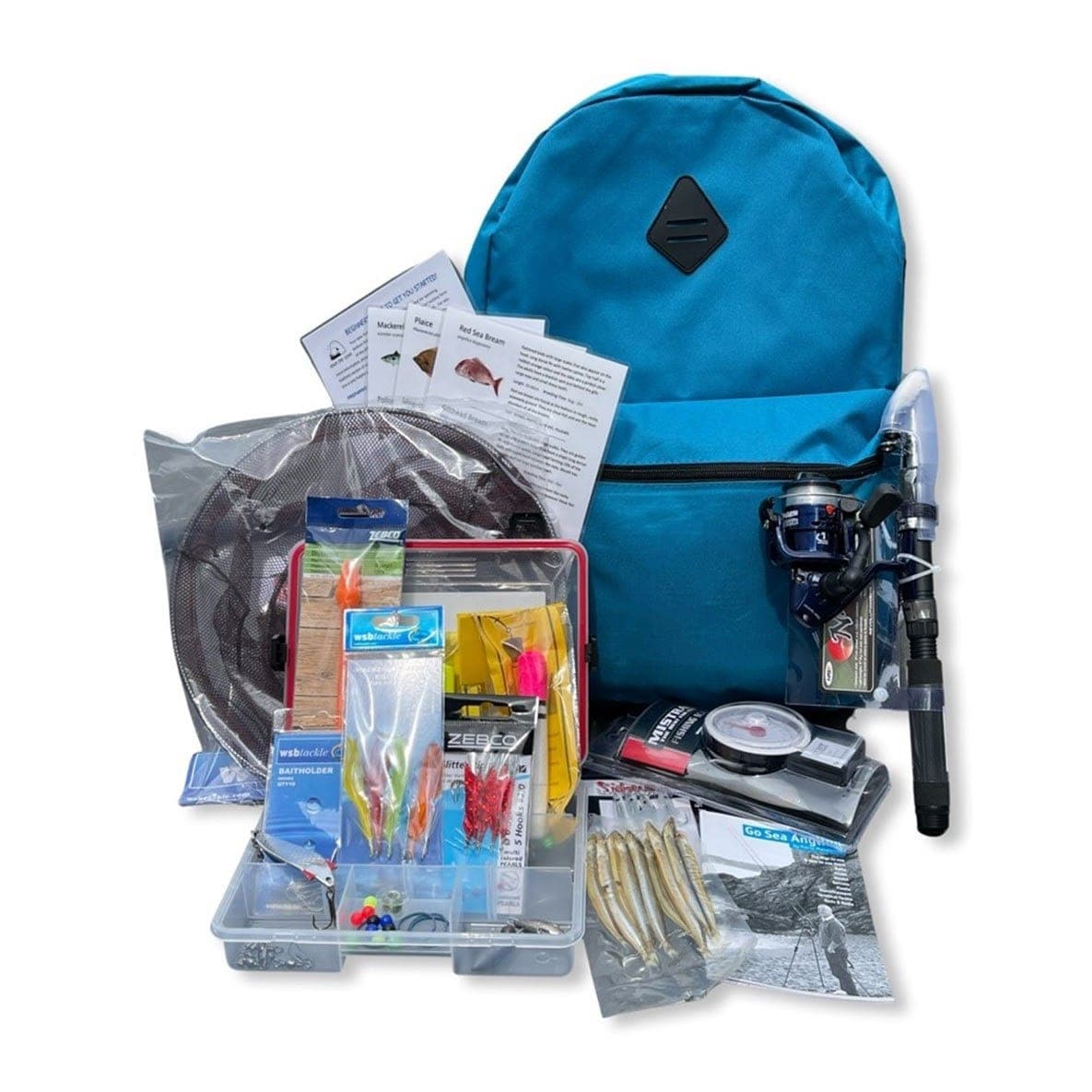
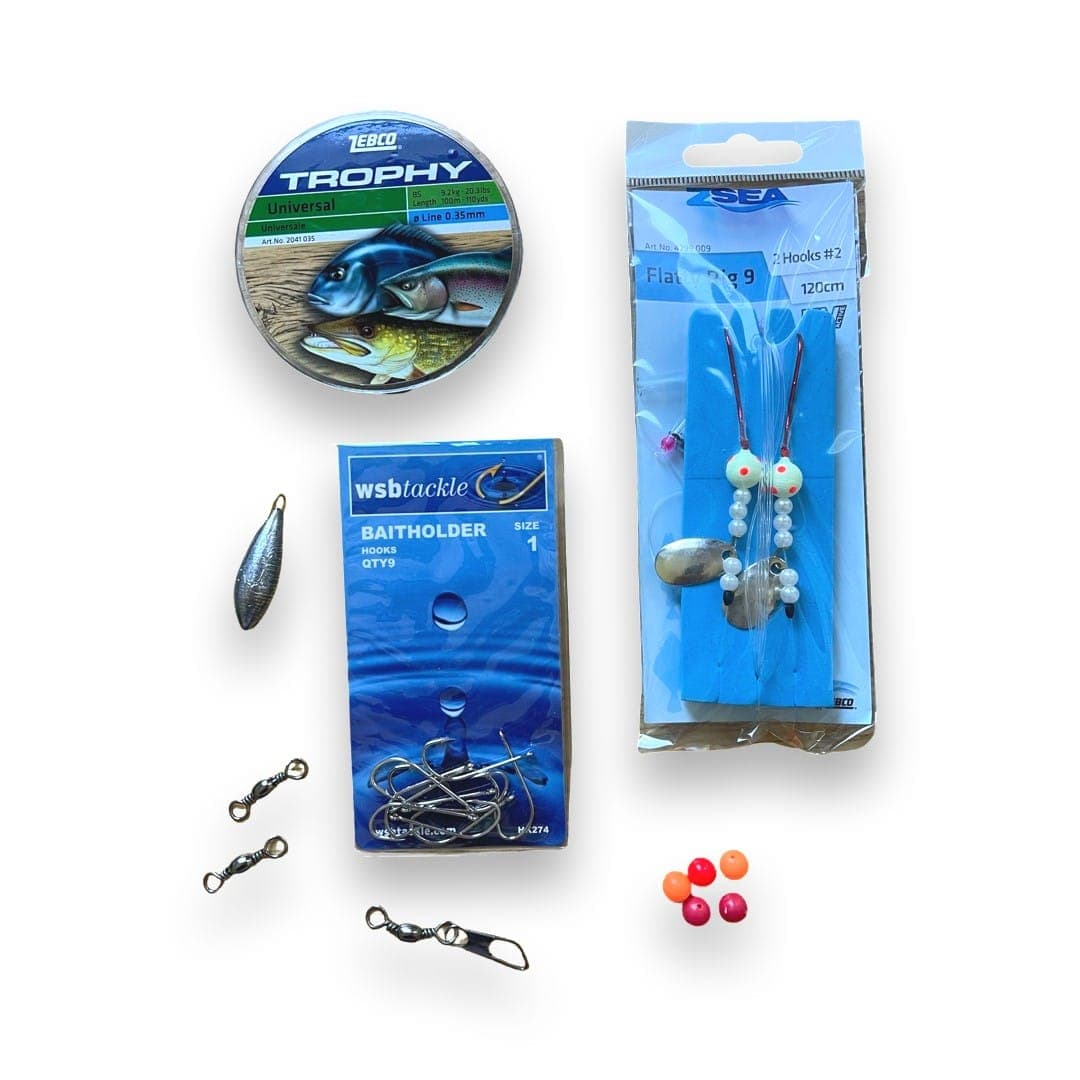
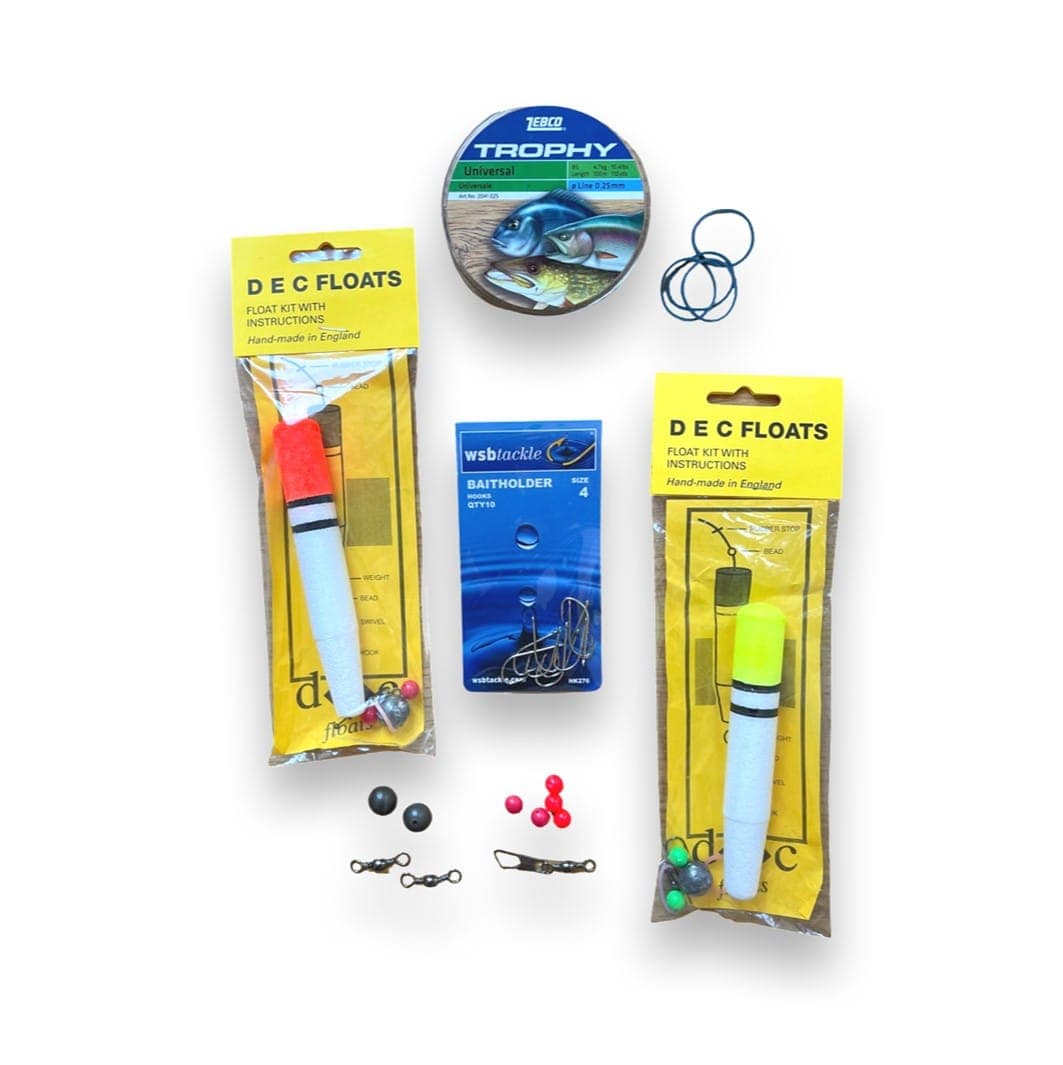
Useful kit connected to this guide, chosen to keep the next step simple.
Full garfish guide
How to spot it, where it lives, how it is caught and how to cook it — the complete guide, in one easy read.
Few fish look like the garfish. Slim as a ribbon and tipped with a needle-sharp beak, it skims the warm Cornish surface through high summer, often shadowing the mackerel shoals. Anglers overlook it, which is their loss: it fights above its weight on light float gear and makes surprisingly fine eating.
How to spot it
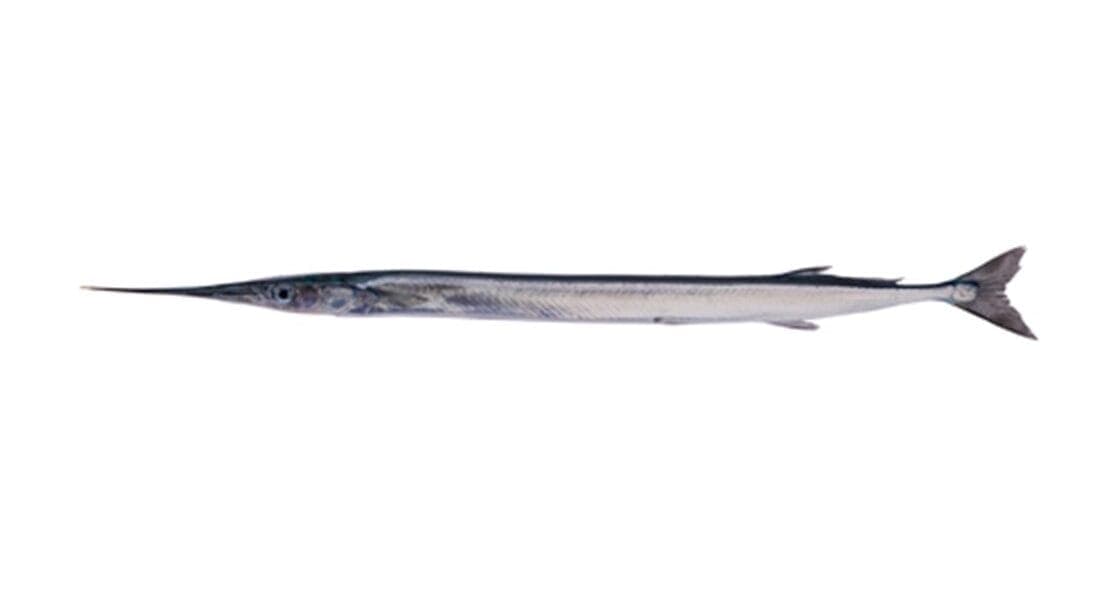
You won't mistake a garfish for anything else. Long, ribbon-thin and tipped with a slender pointed beak, it looks like a scaled-down swordfish gliding just under the surface. The back carries a deep greeny-blue sheen that fades into a bright silver belly, ideal camouflage against surface glare. It reaches around 80cm yet stays so narrow it always feels lighter than its length suggests. That eel-like body and miniature sword of a beak set it apart from anything else off the Cornish coast.
Where it lives
Garfish hold in the upper water, rarely dropping below the top twenty metres. They cruise near harbour walls, around rocks and moored boats, and very often track the summer mackerel shoals as they sweep through. In Cornwall they are a strong summer visitor, showing best through May and June as the seas warm. Marks around Mullion, St Keverne, Coverack and Mevagissey all see them once the water temperature climbs. Patrolling so close to the top, they are reachable straight off the shore, with no boat or long casting needed.
Related guides and gear
FAQs
Quick fish questions
Short answers for the questions families and coastal readers often ask first.
How do you identify a garfish in the UK?
Look for a long, ribbon-thin body and a slender pointed beak like a miniature swordfish. The back has a greeny-blue sheen fading to a bright silver belly. At around 80cm but very slim, it is almost impossible to confuse with anything else.
Why do garfish bones turn green when cooked?
It comes down to a natural pigment in the skeleton called biliverdin. The vivid green is completely harmless and has no effect on the taste, so there is nothing to worry about. It is a quirk of the fish, not a sign of anything being wrong.
How do you fillet a garfish?
Run a sharp knife down each side of the long central backbone and the two slim fillets lift away cleanly. The frame is straightforward to remove, leaving almost no small bones, so it is an easier fish to prepare than its shape suggests.