
Useful for your next trip
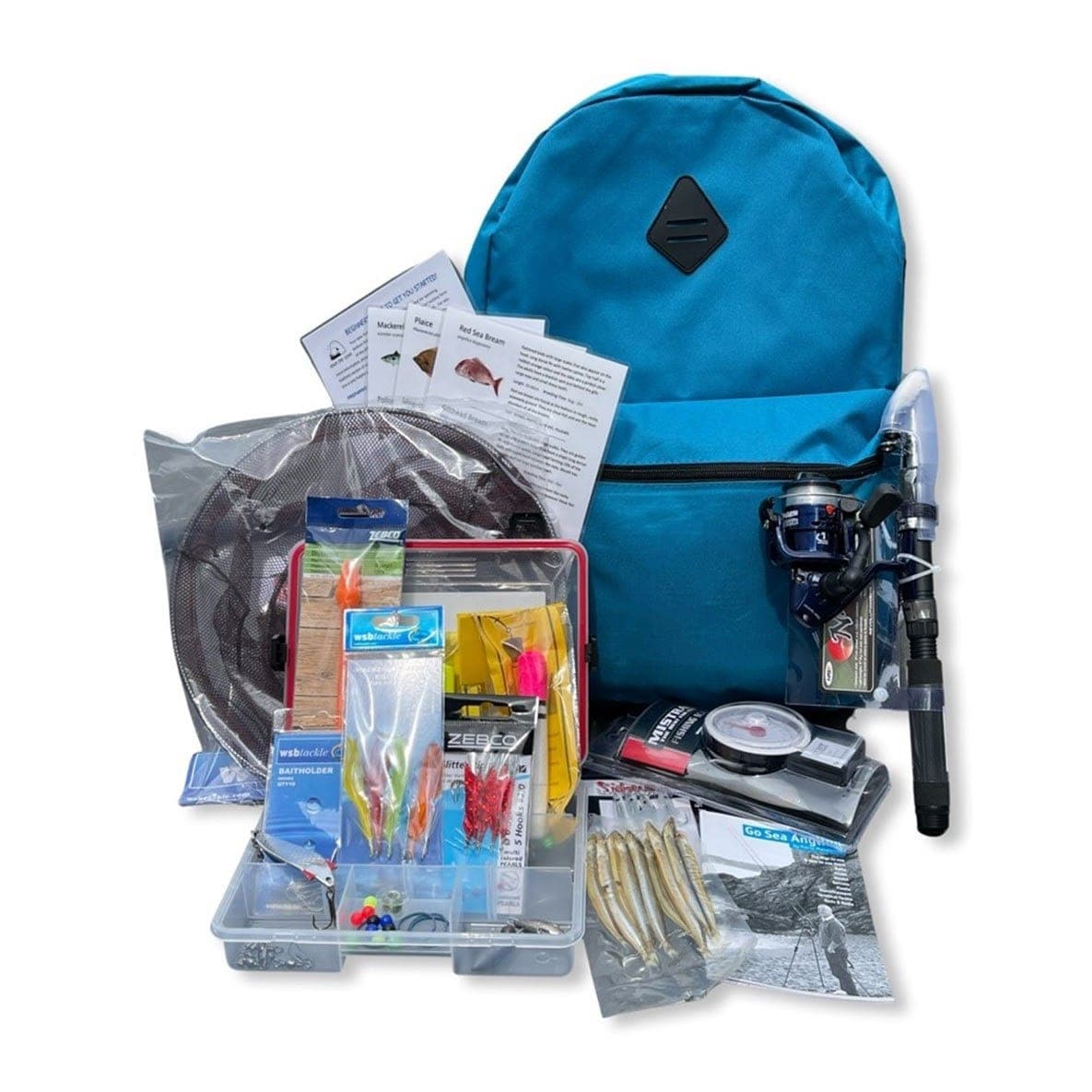
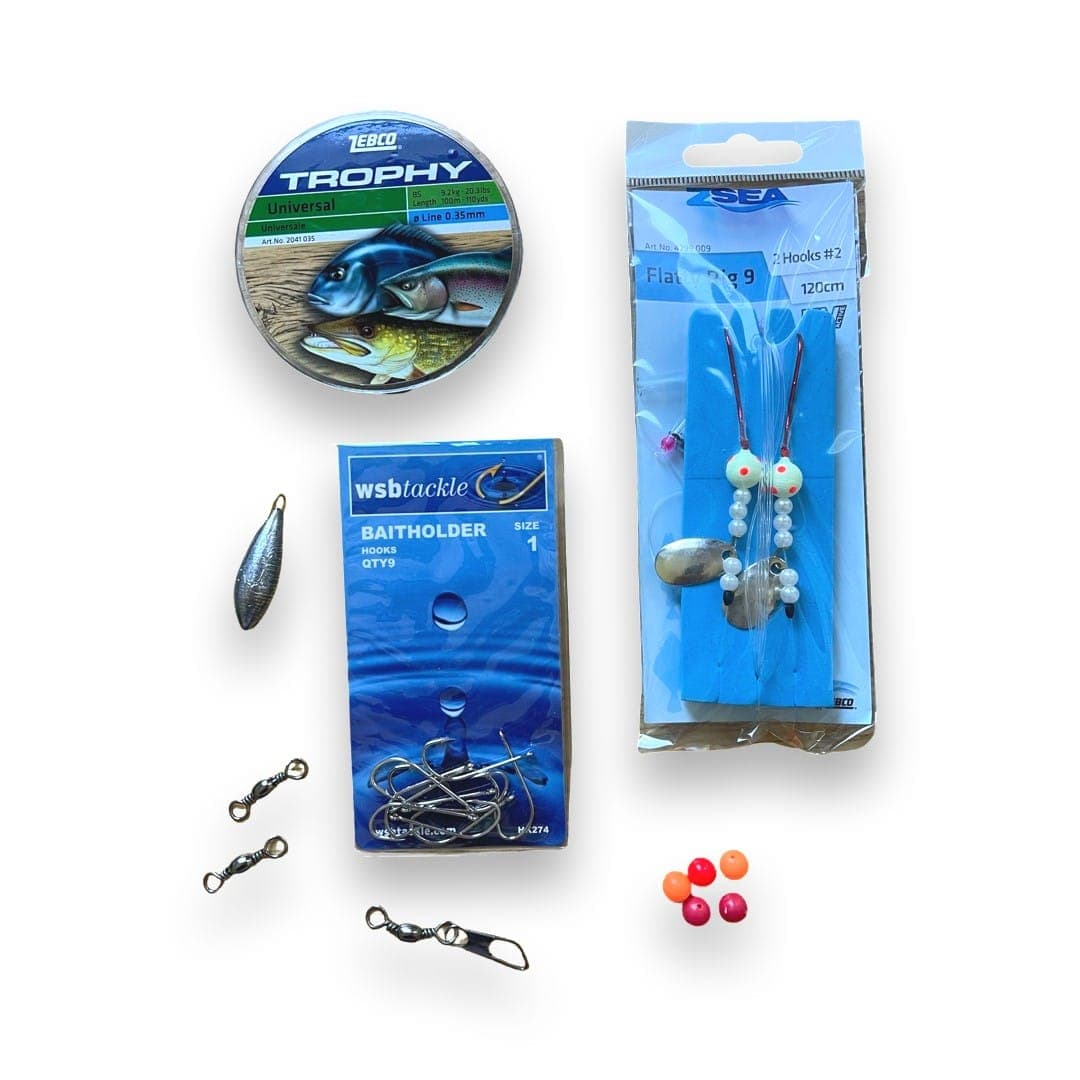
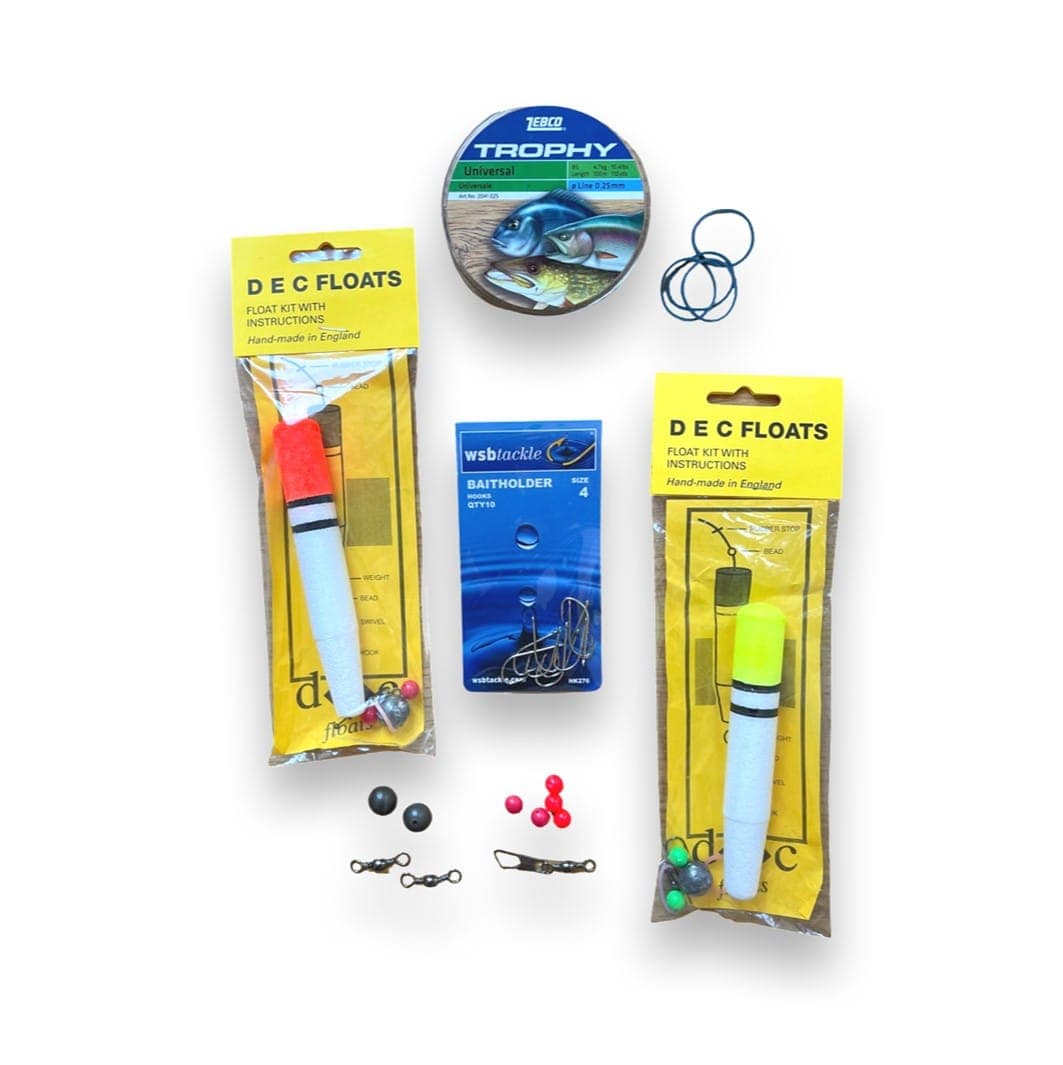
Useful kit connected to this guide, chosen to keep the next step simple.
Full thick lipped grey mullet guide
How to spot it, where it lives, how it is caught and how to cook it — the complete guide, in one easy read.
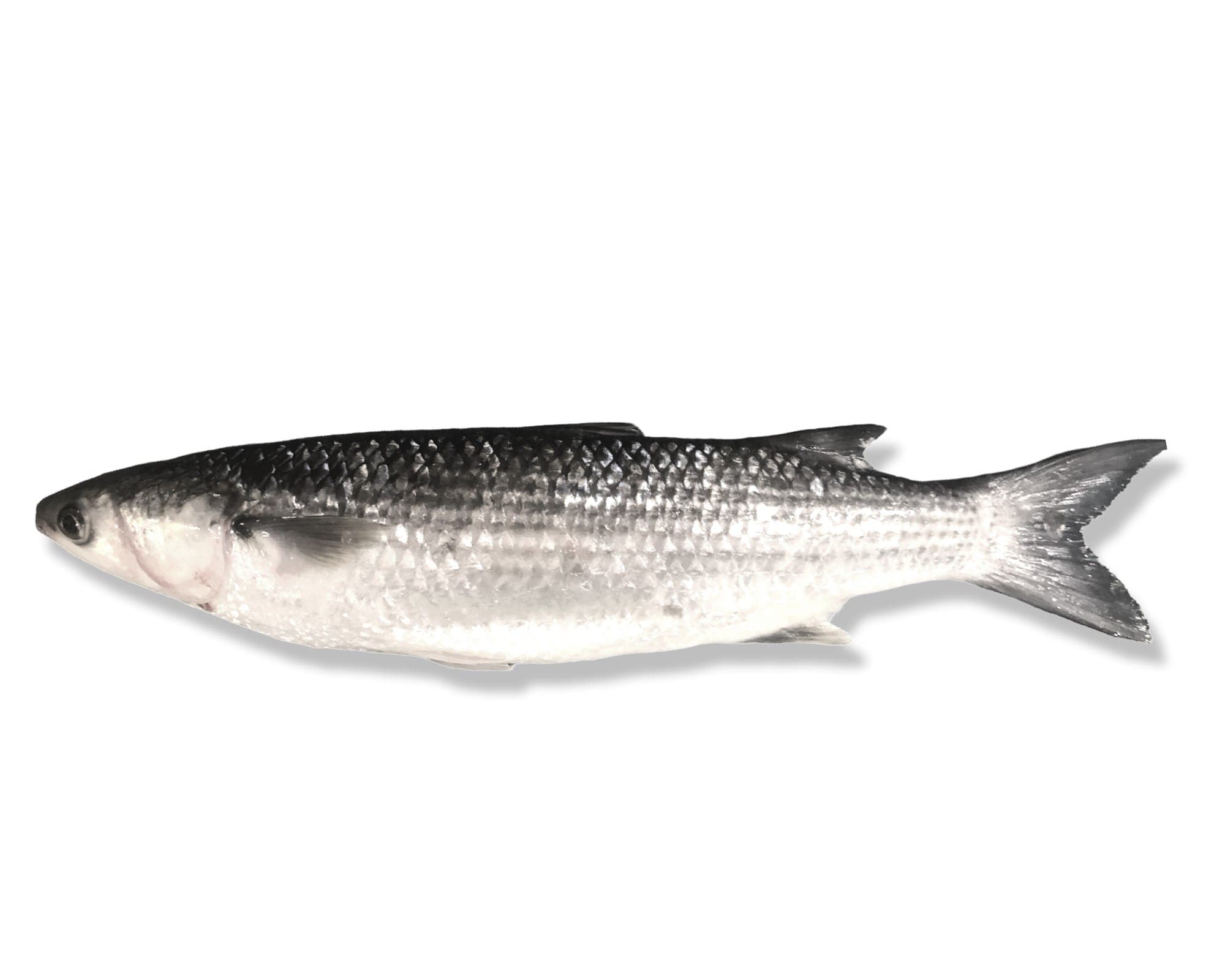
The thick-lipped grey mullet is the puzzle the estuary angler keeps coming back to lose. It cruises clear tidal water in plain sight, sips a crust of bread off the surface, and ignores anything that smells of effort. Tempt one in clear, shallow water and it gives a firm, clean plate of white flesh. Beat one in clear, shallow water and you have earned both the fish and the morning.
How to spot it
The thick-lipped grey mullet is understated until you know the markers. The head is small and slightly flattened, with little eyes and a small mouth, and the giveaway is right on the front of it: thick, rubbery upper lips. The back runs greenish, fading to a silver-grey along the flanks over a clean white belly, often with faint darker lines tracing the scale rows. Two separate dorsal fins sit along the back, the first on short spines. The surest way to part it from the thin-lipped mullet is those notably thicker upper lips, which give the fish its name and, frankly, its whole character.
Related guides and gear
FAQs
Quick fish questions
Short answers for the questions families and coastal readers often ask first.
Are grey mullet good to eat?
They can be very good, but it depends entirely on the water. A grey mullet from clean, well-flushed tidal water has firm, savoury white flesh worth the effort, while one from a muddy river reach can taste earthy and off. Choose your mark as carefully as your fish and you'll eat well.
How do you fillet a grey mullet?
Scale the fish thoroughly first, as mullet scales are large. Cut down behind the pectoral fin to the backbone, then lay a sharp knife flat against the spine and run it from head to tail, lifting the fillet clear. Turn the fish and repeat, then feel along each fillet for pin-bones and pull them before cooking.
Is grey mullet sustainable?
Grey mullet is generally regarded as a reasonable choice, as it isn't a heavily targeted commercial species in UK waters, but it's slow-growing and gathers in vulnerable estuary shoals. Take only what you'll eat, respect the local minimum landing size, and the species stands up well to light angling pressure.