The full guide
Read straight through, or use the planning notes above to shape an easier coastal day.
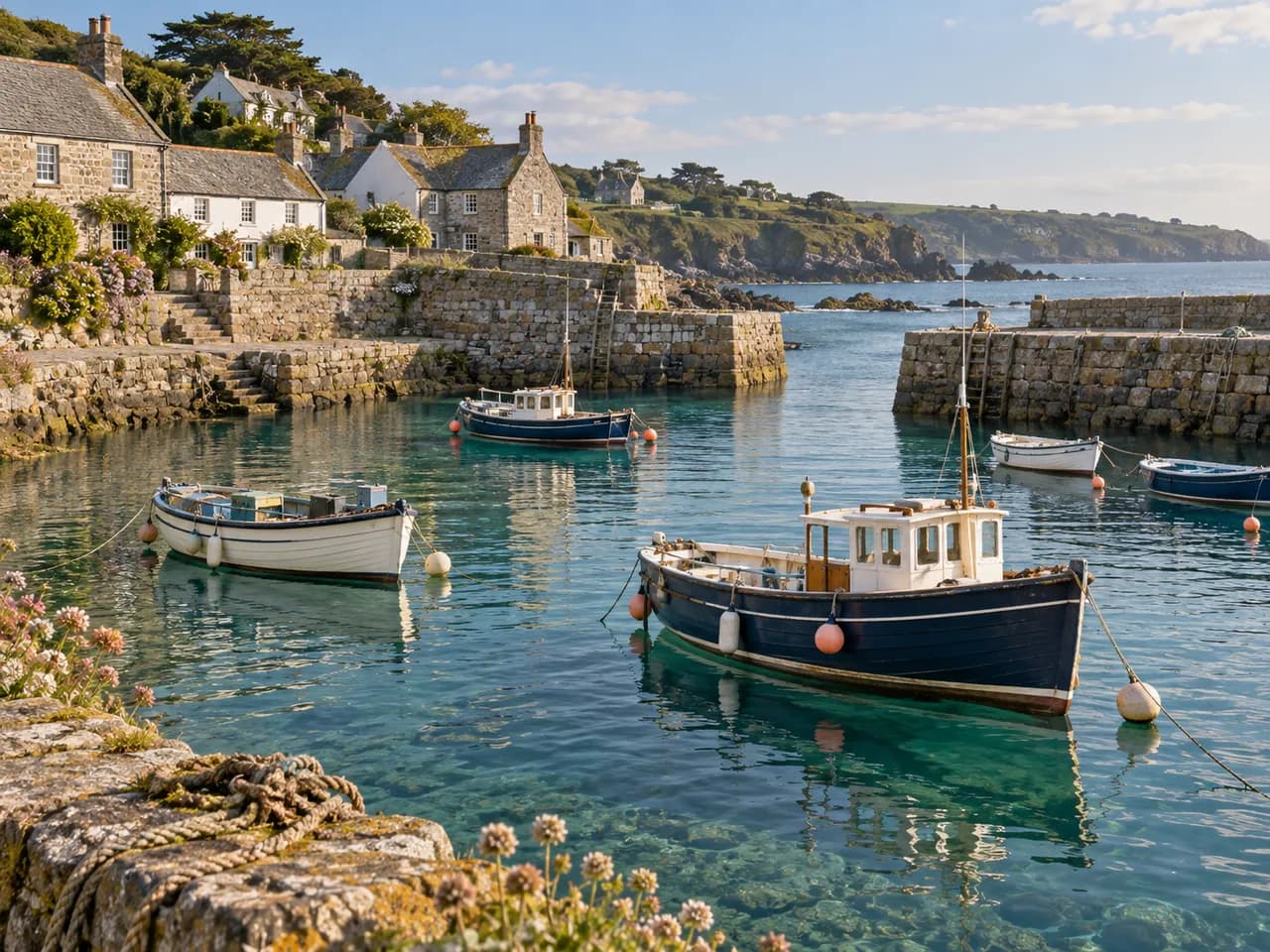
Hayle was a very busy cargo port in the days of copper and tin mining and is situated in the mouth of the Hayle River. The estuary with its muddy tidal flats is a popular destination for bird watchers.
The Towans
Hayle has a huge sandy beach known as the Towans - meaning sand dunes. The dunes back onto the beach which is a three mile stretch of sand that reaches from Hayle to Godrevy lighthouse. The lighthouse is situated at the east end of the Towans on an island just off the mainland.
The beach is popular for families and also for surfers and kite surfers.
Sea Fishing in Hayle
Hayle estuary is very good for big bass, large mullet, flatfish and even the odd sea trout (which must be released as you are not allowed to land these)
Useful for your next visit
A few useful Down The Cove picks connected to this read.

Common questions
- Where is Hayle?
- Hayle is on the coast of West Cornwall, set at the mouth of the Hayle River on the edge of St Ives Bay, a short distance from St Ives itself.
- What is Hayle known for?
- Hayle is known for its huge sandy beach, the Towans, which runs for around three miles towards Godrevy lighthouse, and for its tidal estuary that is a popular spot for birdwatching.
- What does 'the Towans' mean?
- 'Towans' is the Cornish word for sand dunes. At Hayle the dunes back a three-mile stretch of beach reaching all the way from the town to Godrevy lighthouse.
- What is there to do in Hayle?
- You can enjoy miles of sandy beach, surf and kitesurf, watch wading birds on the estuary and walk towards Godrevy. The estuary is also good for bass, mullet and flatfish fishing.
- Is Hayle worth visiting?
- Yes. With three miles of dune-backed sand, a wildlife-rich estuary and views across St Ives Bay to Godrevy lighthouse, Hayle is a fine base for a West Cornwall beach holiday.