
Useful for your next trip
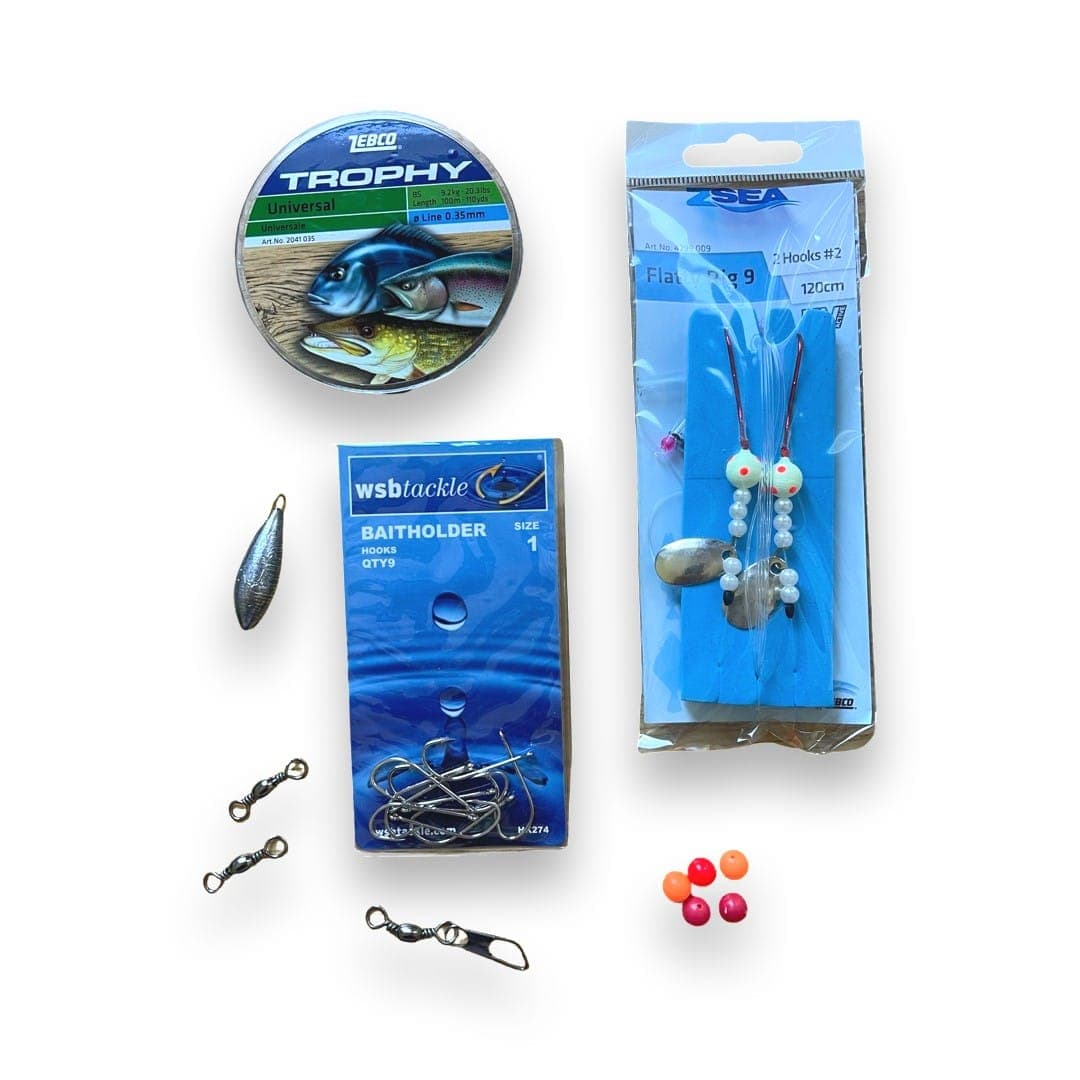
Useful kit connected to this guide, chosen to keep the next step simple.


Full golden grey mullet guide
How to spot it, where it lives, how it is caught and how to cook it — the complete guide, in one easy read.
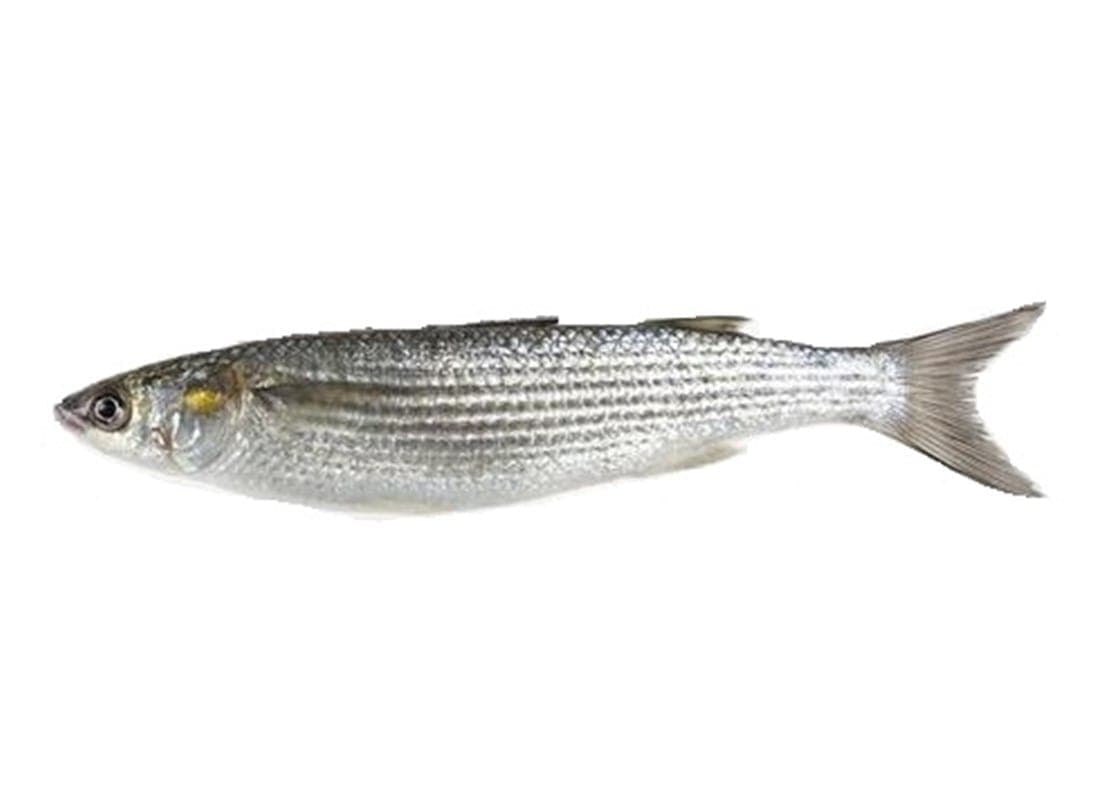
The golden grey mullet will test your patience like nothing else in the harbour. You spot a shoal grazing along a sunlit wall, gold patches glinting on their cheeks, and watch them snub everything you put in front of them. Fish light, keep quiet and tempt one, though, and you have a clean, mild fish that few anglers ever bother to target.
How to spot it
Two mullet swim Cornish harbours, and one marking tells them apart: soft gold patches on the cheeks and gill covers, which the thick-lipped grey mullet lacks entirely. The back is greenish, fading through silvery-grey flanks to a clean white belly. It is a streamlined fish with a small, rather flattened head, small eyes, a small mouth and the thick lips of the mullet family. Two separate dorsal fins finish the picture, the front one stiffened with fine spines. At a typical 40 to 50cm, those gold cheek patches are the surest tell on the bank.
Where it lives
Golden grey mullet love estuaries and harbours, drifting in shallow water often just a foot or two over mud and sand. Around Cornwall they turn up in the Hayle estuary, the Helford river and around Falmouth, Flushing and Charlestown, where shoals graze quietly along a harbour wall on a rising tide. They show through the warmer half of the year, broadly July to November, and feed hardest on a still, sunny day as the tide pushes in. They need clean, well-flushed water to be at their best, both for the fishing and for the table.
Related guides and gear
FAQs
Quick fish questions
Short answers for the questions families and coastal readers often ask first.
How do you identify a golden grey mullet?
Look for the soft gold patches on the cheeks and gill covers, the key feature the thick-lipped grey mullet lacks. The back is greenish, fading to silvery-grey flanks and a white belly, with a small head, thick lips and two separate dorsal fins.
What is the difference between golden grey, thick-lipped and thin-lipped mullet?
The golden grey mullet has gold patches on its cheeks and gill covers; the thick-lipped and thin-lipped greys do not. Thin-lipped mullet have noticeably narrower upper lips, while the gold cheek mark is the surest way to pick out a golden grey on the bank.
What is the best bait for golden grey mullet?
Sweetcorn, small pieces of prawn and bread are the baits to trust, fished on a small hook beneath a float. Scattering a little loose feed to draw a shoal into your swim makes a real difference with these shy fish.