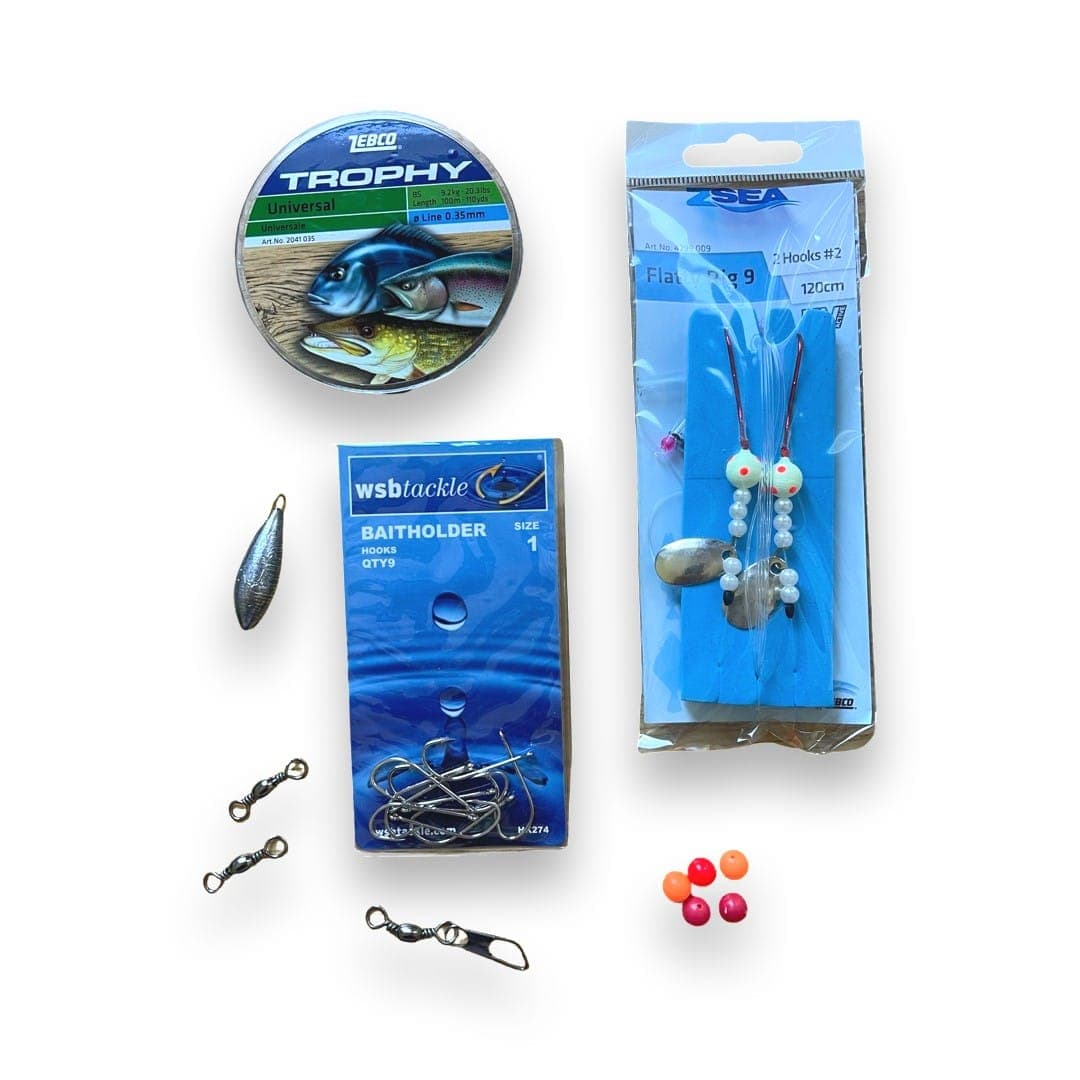
Rig one: the running ledger
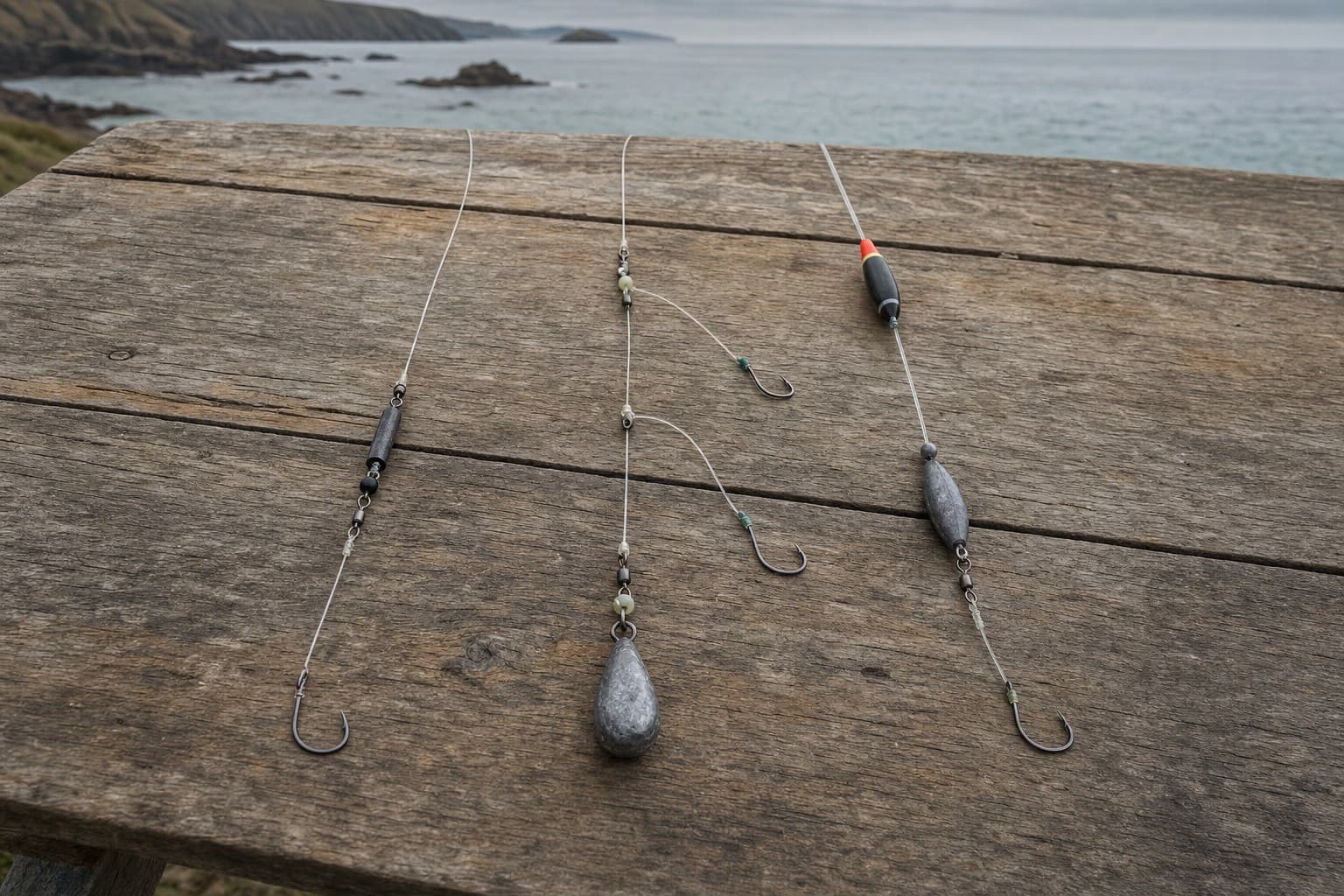
A running ledger lets the line move through a weight or boom so a fish can take the bait without immediately feeling the full lead. It is simple, sensitive and ideal for sheltered beaches, estuaries and harbour bottoms. Use one hook, a short trace and a lead heavy enough to hold the bottom without overpowering the rod.
Rig two: the two-hook flapper
The two-hook flapper is the dependable beach rig. Two short hook snoods sit off a main trace, letting you present two baits at slightly different heights. It suits moderate casts for flatfish, whiting, pouting and school bass. Because the hooks are not clipped tight for a power cast, it is easy to bait and inspect—exactly what a beginner needs.
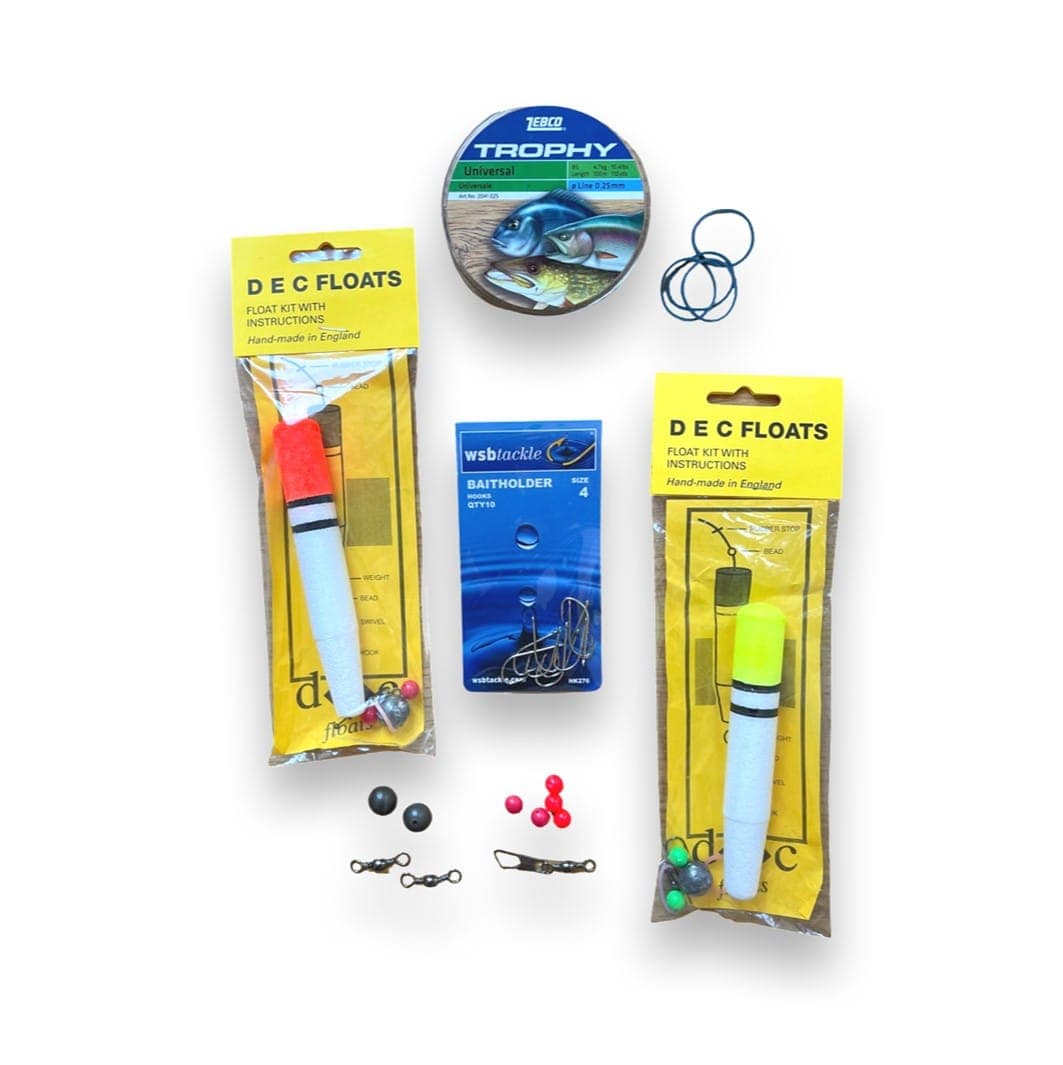
Rig three: a simple float setup
A sliding float, stop knot, bead, weight and hook let you choose the depth of the bait beside a harbour wall or over rocky ground. Set the bait above snags and adjust until it travels naturally with the tide. Float fishing is visual and active, which makes it a brilliant method for mackerel, pollack and wrasse. Our float-fishing guide explains the depth and presentation step by step.
Match the rig to the ground
Clean sand gives you freedom: ledger or flapper rigs can rest on the seabed without catching constantly. Mixed or rocky ground calls for fewer hooks, shorter traces and weights designed to release or lift clear. Around harbour walls, a float keeps the hook above the worst snags. If you do not know the mark, look at it at low water before fishing the flood.
Choose a sensible hook size
Hook size should follow bait and target species, not the size of the sea. Small to medium hooks present worm, prawn and strips neatly for mixed fishing; larger hooks suit big baits for larger bass or cod. A hook that is almost hidden by bait is often too small, while a huge bare gape can make a modest bait look unnatural.
Use enough lead, not the most lead
The weight must hold the rig where you intend to fish and stay within the rod's casting rating. Plain leads work in calm water; grip leads hold in surf and tide. If the rig rolls, step up gradually. Never exceed the casting weight printed on the rod, and check knots and clips before every cast.
Buy ready-tied first
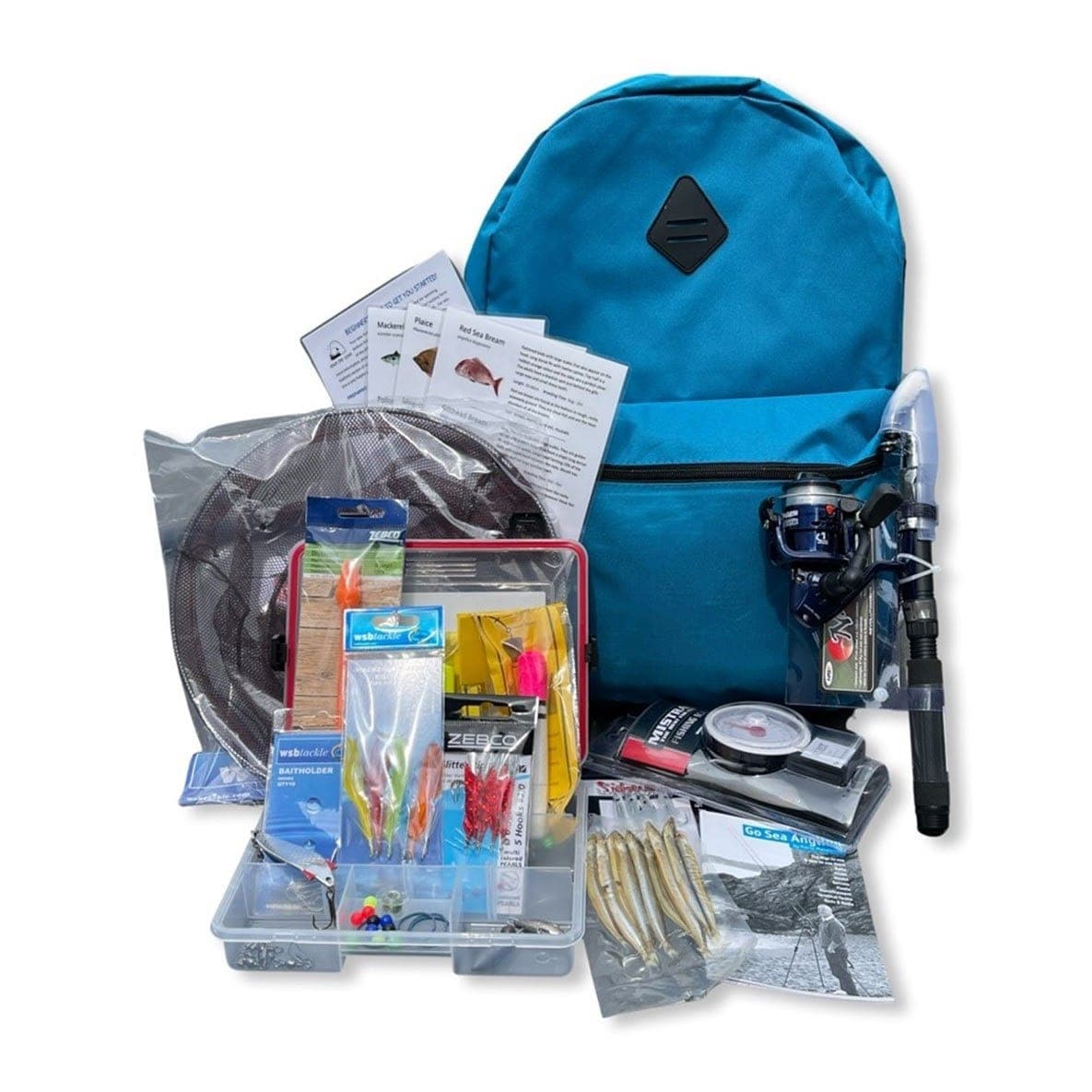
Ready-made rigs remove one variable while you learn casting, tides and bite detection. Carry two or three of the same pattern because losses happen. Once you understand why a rig works, copying it at home becomes much easier. Browse sea-fishing rigs and terminal tackle or start with a matched beginner sea-fishing kit.
A simple first-session plan
Choose a sheltered harbour or clean beach, check the tide and local signs, and take one method rather than five. Fish a one-hook ledger with worm or mackerel strip for an hour, then change only one thing at a time—distance, bait or weight. The notes you make after that session will teach you more than a tackle box full of rigs.
Common questions
What is the easiest sea-fishing rig?
A one-hook running ledger is the simplest bottom rig. It is easy to bait, easy to untangle and works from beaches, estuaries and many harbour marks.
Which rig should I use from a beach?
Start with a two-hook flapper for moderate casting on clean ground. If the tide is strong, use a grip lead; if the ground is rough, simplify to one hook and a more snag-resistant setup.
Do ready-made rigs work?
Yes. They are a sensible way to begin. Check every knot and clip before casting, rinse them after salt water and replace any trace that is nicked, rusty or badly kinked.
Still choosing the rest of the setup? Read which fishing rod to buy and our beginner sea-fishing kit guide.