What are the main types of sea fishing lure?
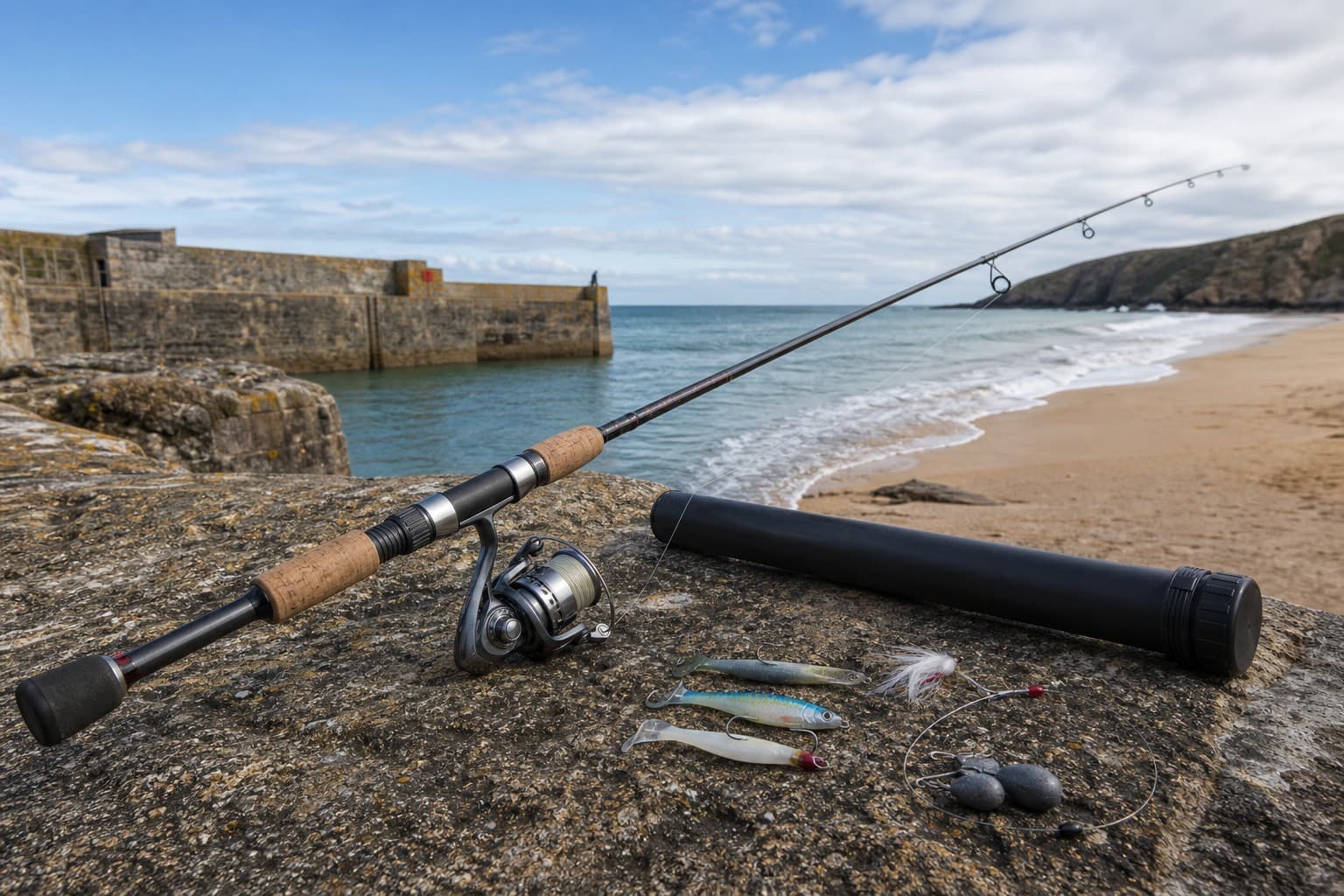
Most UK sea lures fall into five families. Soft plastic lures are rubbery bodies, usually shaped like a sandeel or small fish, that are either fished on a separate jig head or sold pre-rigged. Paddle-tails have a flat tail that kicks as you wind, which makes them very forgiving for beginners because they work at a slow, steady retrieve.
Metal lures and spinners are dense and compact. Casting metals cut through the wind and sink quickly, while spinners have a blade that flashes and vibrates. Hard plastic minnows, sometimes called plugs, are rigid fish-shaped lures with a lip or shaped body that makes them wobble and dive to a set depth. Surface lures are plugs designed to stay on top, skating or popping across the water. Feathers are strings of three to six small hooks dressed with feather, tinsel or flash, used mainly for mackerel.
This guide is about choosing lures; for casting technique and tackle set-up, see our separate guide to spinning.
Which lures catch bass, pollock, mackerel, garfish and wrasse?
Bass are the fish most UK lure anglers are after. They hunt sandeels, small fish and crabs around rocks, beaches and estuaries, and they take soft plastics, hard minnows and surface lures readily. A slim sandeel shape in natural colours is a sound first choice.
Pollock live around rocks, reefs and kelp, often close to the bottom. Soft plastic sandeels and paddle-tails fished slowly near the weed are the classic approach, and slightly heavier lures help you get down to them from deeper rock marks.
Mackerel will hit almost anything small and shiny moving at a decent pace: feathers, small metals and spinners all work. Garfish often follow mackerel shoals in summer and take small spinners and slim metals near the surface, though their bony beaks mean many bites don't hook up. Wrasse are mostly caught on bait, but small soft plastics bounced through the weed close to rocks will catch them.
Which lure suits which conditions?
Water clarity matters more than most beginners expect. In clear, calm water, natural colours such as sandeel, silver, pearl and pale green tend to look most convincing, and a slimmer, quieter lure is less likely to spook fish. In coloured water after a blow, or in poor light at dawn and dusk, stronger contrast helps fish find the lure: darker backs, white, pearl or a bit more vibration from a paddle-tail.
Sea state makes a difference too. In calm conditions you can fish light, shallow lures and surface lures. When there is more swell and wind, a heavier lure is easier to control and cast, and a lure that holds its depth stays in the water rather than skipping along the top. Don't fish rock marks in big seas: no fish is worth it.
Depth is the third question. Over shallow reefs and weed, use something light or shallow-running so you don't snag on every cast. From a deep rock ledge, harbour wall or boat, you need weight to reach fish feeding lower down. A useful habit is to count the lure down after it lands and note how long it takes to touch bottom, then wind in a count or two earlier next time.
What lure weight should a beginner use?
Start by checking the casting weight printed on your rod, for example 10 to 40g, and stay inside that range. A lure that is too heavy risks damaging the rod; one that is too light won't load it and won't go far.
As a rough guide, lures of about 5 to 15g are for calm, shallow water and short to medium range. Around 15 to 30g is the general shore range, giving good distance and control on most rock marks, beaches and piers. Heavier lures are useful for deep water, strong tide, wind and boat fishing.
Two tips help with casting. Leave a short drop of line, about 30 to 50cm, between the rod tip and the lure, and make a smooth, unhurried cast rather than a hard snap. Then close the bail by hand and take up any slack before you start winding, which also cuts down tangles with braid.
A simple starter selection of five or six lures
You don't need a huge box. A handful of lures that cover different depths, weights and situations will teach you far more than a drawer full of colours. Here's a sensible starter set from what we have in stock.
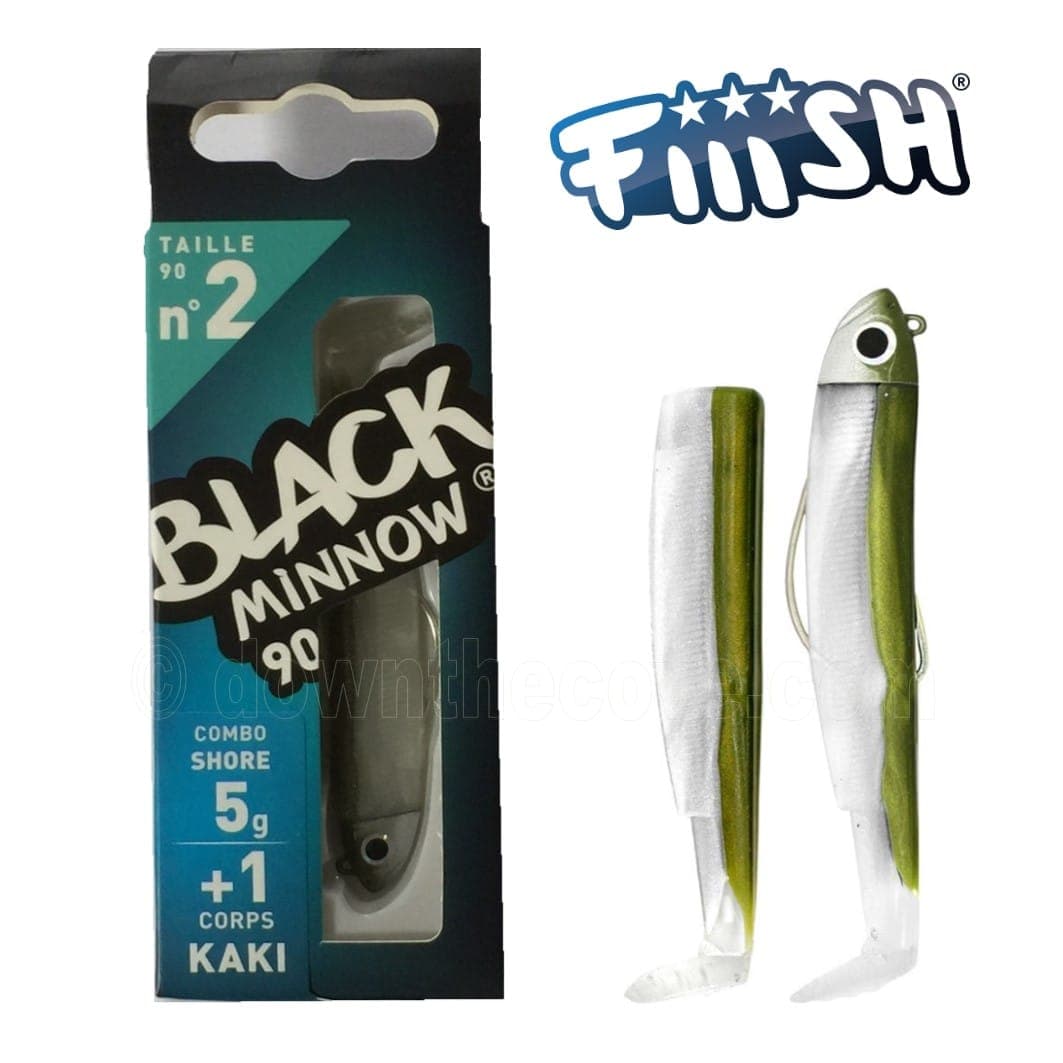
For shallow water and calm evenings, the Fiiish Black Minnow 90 Shore 5g combo is a pre-rigged soft paddle-tail that comes ready to fish. For deeper water or more tide, the Black Minnow 120 Off Shore 25g uses the same idea with a heavier head. Our Fiiish lures guide explains the different head weights and how to change bodies, so we won't repeat it here.
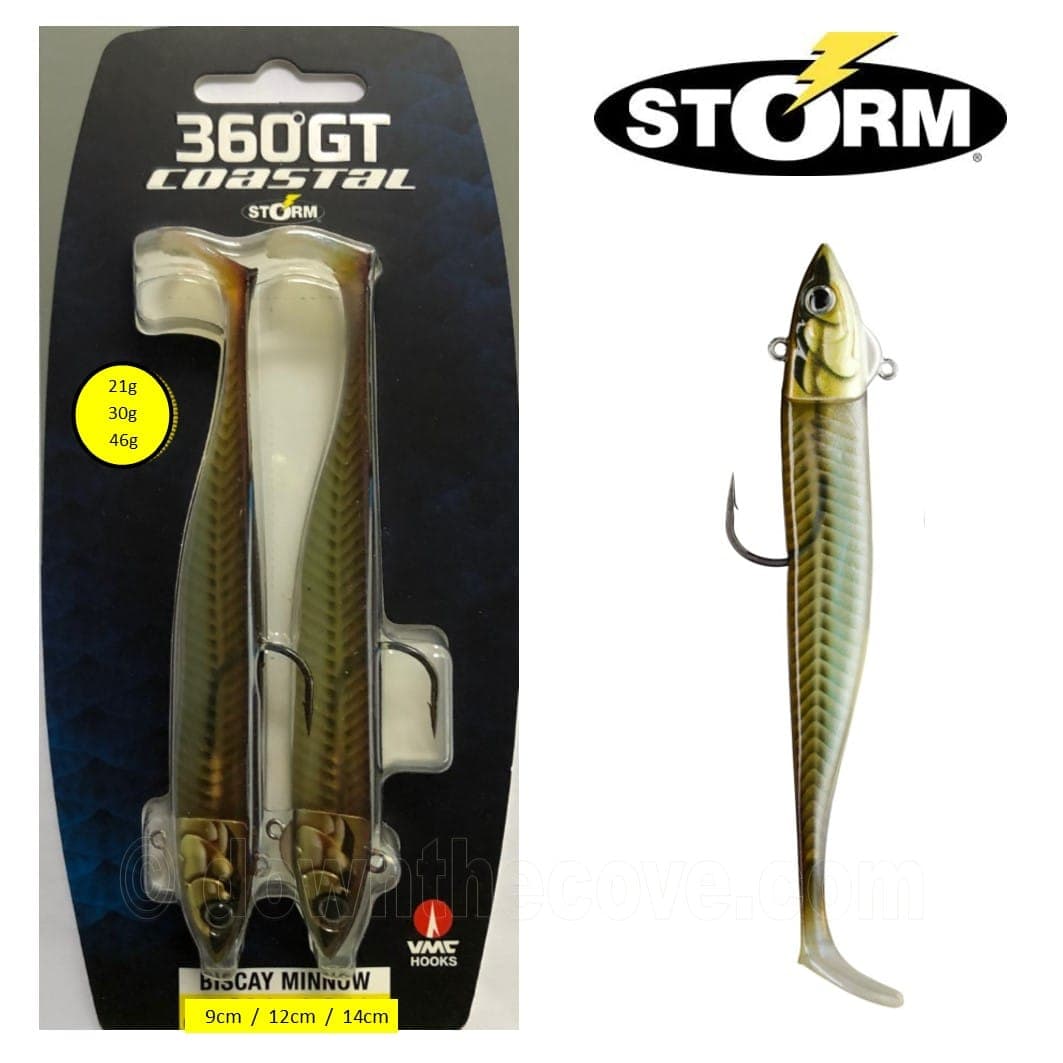
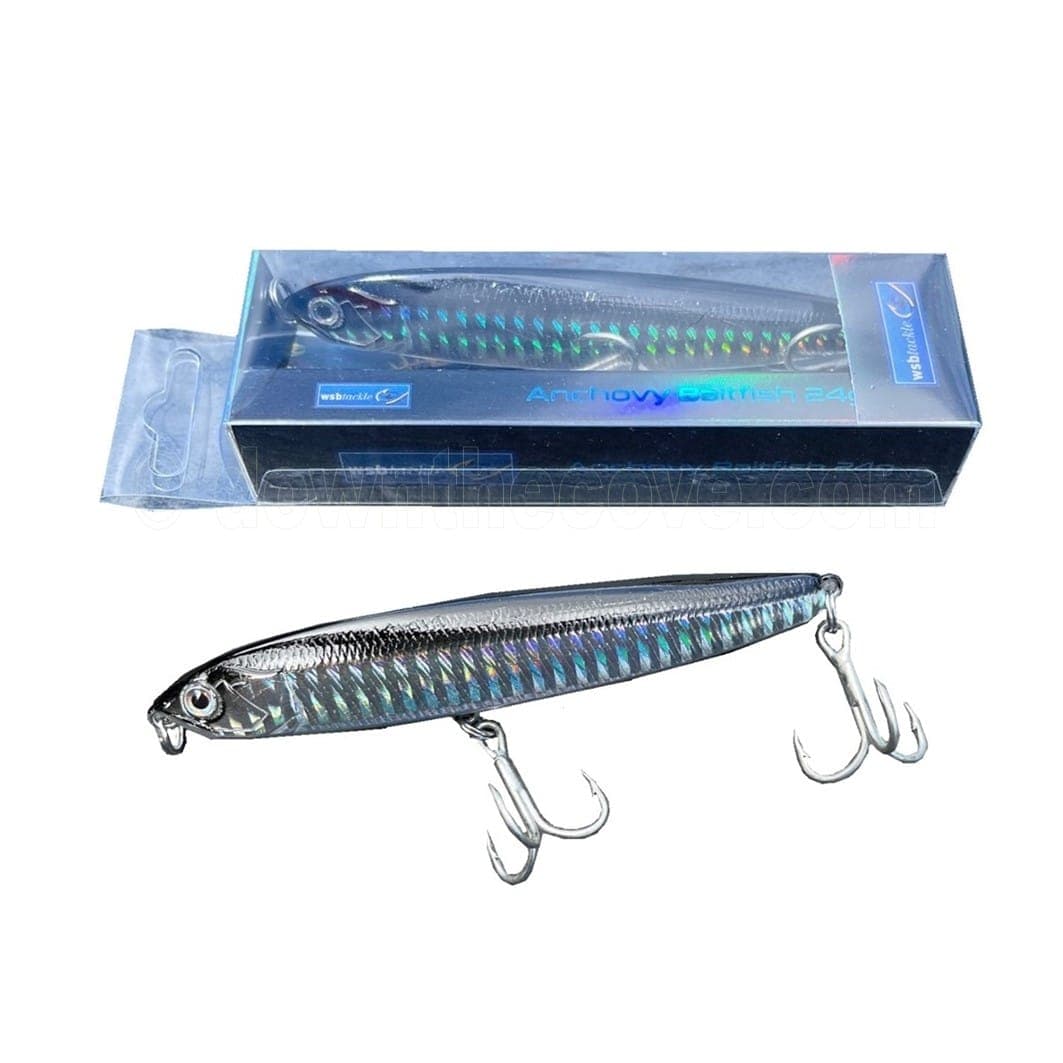
For a mounted sandeel that is easy to use, the Storm 360GT Coastal Biscay Minnow in Sandeel comes as a pack of two complete lures. Add a hard minnow plug such as the Lineaeffe Crystal Minnow 11cm 13g as a hard-bait alternative to soft lures, and a heavier baitfish lure such as the WSB Anchovy 24g for reaching out when you need distance.
If you'd like to rig your own soft lures, Eddystone Delta Eels are a pack of two slim sandeel-style soft bodies. They aren't pre-rigged, so you'll need suitable hooks or jig heads to fish them. Finally, add a string of mackerel feathers for summer. You'll find these and more in our lures and bait collection.
How do you retrieve a lure?
The simplest retrieve is the best place to start: cast, let the lure sink to the depth you want, then wind back steadily at a speed where you can feel it working. Paddle-tails and most hard minnows are designed to fish well like this, so you don't need to add much.
Once you're comfortable, try varying it. Speed up and slow down, pause for a second or two so the lure flutters, or give the rod tip a few gentle twitches to make a minnow dart like an injured fish. With soft plastics near the bottom, a slow lift-and-drop lets the lure rise and fall over rocks and weed where pollock and wrasse wait. For feathers, cast out, let them sink, then lift the rod slowly and lower it as you wind in the slack.
Keep the rod tip fairly low and pointing at the lure so you feel bites. If you snag, don't heave on it; walk to a different angle or let the line go slack for a moment, which often frees it.
How to fish feathers safely for mackerel
Feathers are many beginners' first sea fishing success, especially from piers, harbours and boats in summer. Use a lead weight on the end heavy enough to cast and sink the string, but within your rod's rating, and check that no one is behind you before you cast: a string of bare hooks swinging around is a genuine hazard.
Only keep the mackerel you will eat, and stop once you have enough rather than filling a bucket. Take care unhooking fish from a multi-hook string, and keep the spare hooks in a rig wallet rather than loose in a bag. Our mackerel fishing guide goes into timing and tactics.
Bass rules and looking after the fish you release
Sea bass are protected by a minimum size and by recreational catch rules that can change from year to year, including periods when only catch and release is allowed. Before every season, check the current rules from the Marine Management Organisation (MMO) and your local Inshore Fisheries and Conservation Authority (IFCA), as some areas have extra byelaws. Other species have minimum sizes too.
For fish you're returning, handle them as little as possible and with wet hands. Support the body rather than holding it up by the jaw, keep its time out of the water short, and use pliers or a disgorger to remove hooks. Many lure anglers swap trebles for single hooks or flatten barbs to make unhooking quicker and kinder. Hold the fish upright in the water until it swims off strongly on its own.
Staying safe while lure fishing
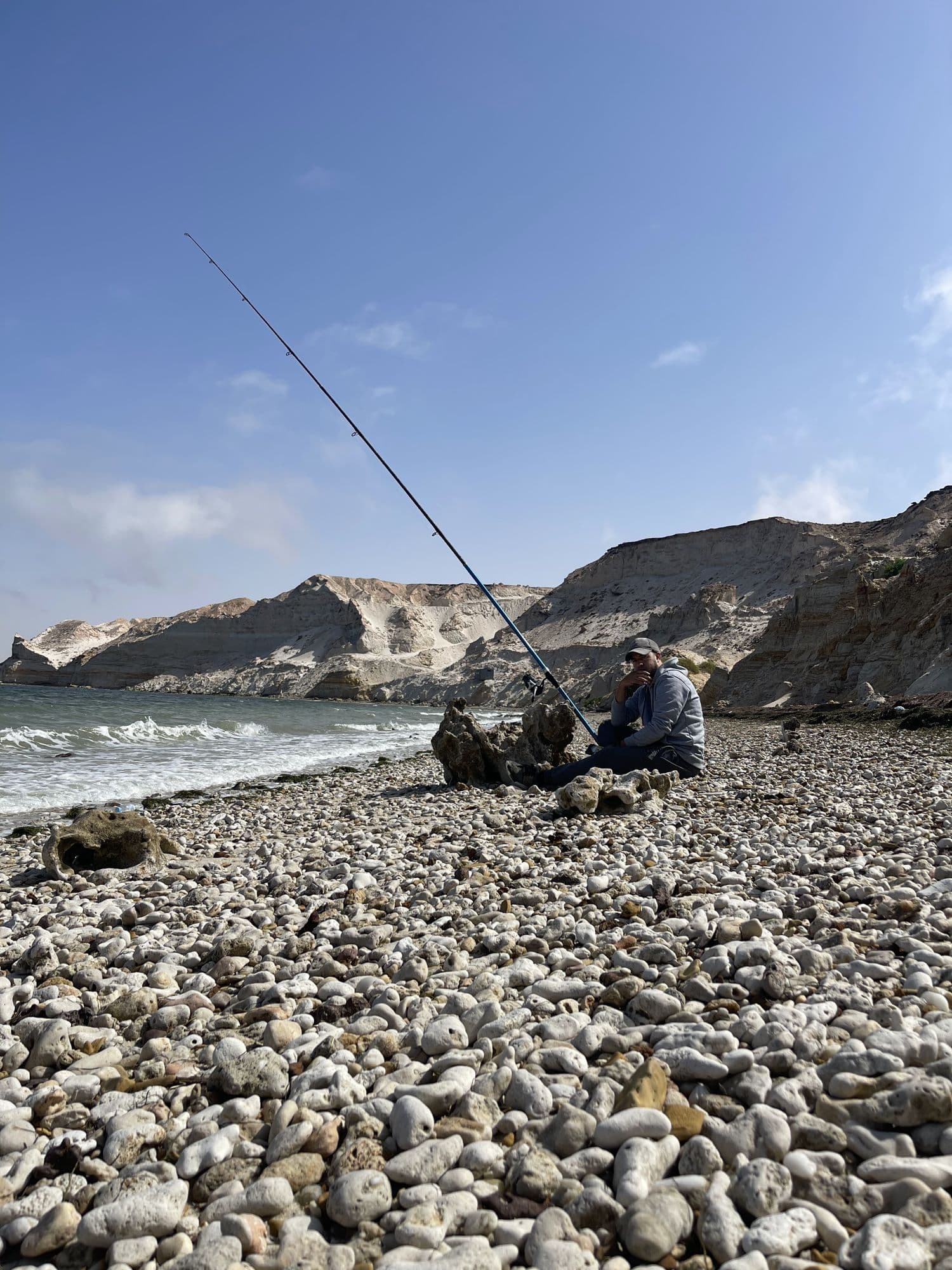
Lure fishing often takes you onto rocks and headlands, so plan around the tide and the weather. Check tide times before you go, don't let the tide cut you off, wear grippy footwear and stay well back from the edge in a swell. Tell someone where you're going, and consider a lifejacket on rock marks. Our coastal safety guide and the RNLI's advice are worth reading before your first trip. In an emergency at the coast, call 999 and ask for the Coastguard.
Lures have exposed hooks, so carry a pair of pliers, wear glasses or sunglasses to protect your eyes when casting, and keep lures out of reach of children and dogs. If you're heading out in the colder months, our guide to winter shore fishing covers what changes.
Quick checklist
Check your rod's casting weight and choose lures inside it. Carry a few weights and depths: a light shallow lure, a mid-weight soft plastic, a heavier casting lure and feathers. Use natural colours in clear water and stronger contrast in coloured water or poor light. Start with a steady retrieve, then experiment with pauses and twitches. Check current MMO and IFCA rules for bass and other species before you keep anything, and handle released fish gently. Above all, watch the tide and the sea state, and keep your feet safe.