The full guide
Read straight through, or use the fishing notes above to keep marks, tides and tackle easier to follow.
To set up a sea fishing rod, push the rod sections together with the rings lined up, clamp the reel into the reel seat, open the bail arm and thread the line through every ring, tie a swivel to the end of the line, then clip on a rig and a lead. Set the drag so a firm pull takes line, bait up and check behind you before casting. It takes about five minutes. Here is each step in detail, with three simple set-ups for bottom, float and lure fishing.
Useful tackle picks
Friendly tackle picks chosen to make the guide easier to put into practice.
What you need
A rod, a fixed-spool reel loaded with line, and some basic tackle. If you have the rod and reel, a Bottom Fishing Tackle Kit gives you line, hooks, swivels, a weight, beads and a ready-assembled rig in one go, and an extra Zebco Arm Rig 2 gives you a spare. You also need something to cut line and a disgorger to remove hooks.
If you do not have a rod yet, read sea fishing rods for beginners first. Our Telescopic Plus Travel Sea Fishing Kit puts a rod, reel and tackle together in a backpack, and our guide to beginner sea fishing kits compares the alternatives.
Tackle for your first set-up
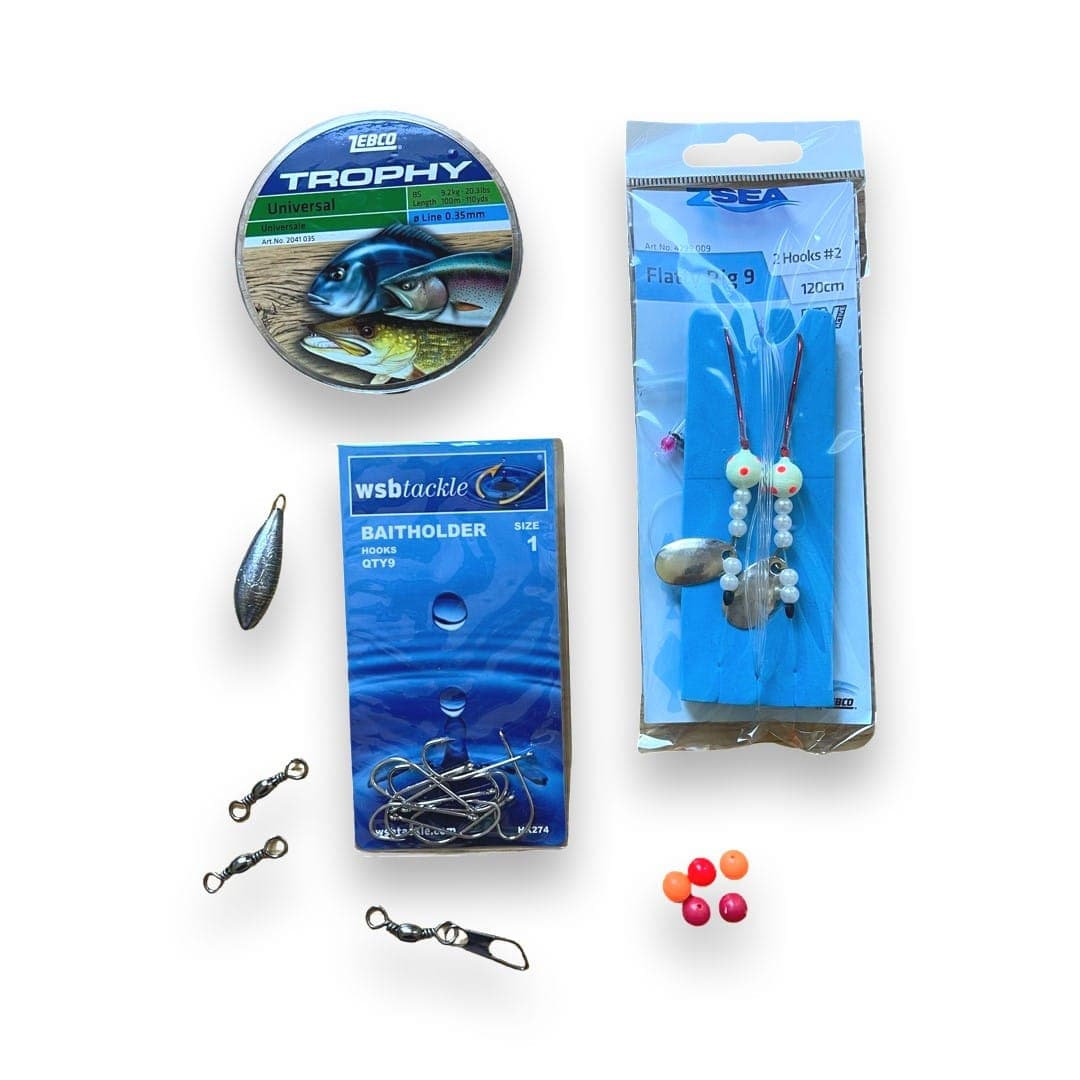
Bottom Fishing Tackle Kit
£7.95
View product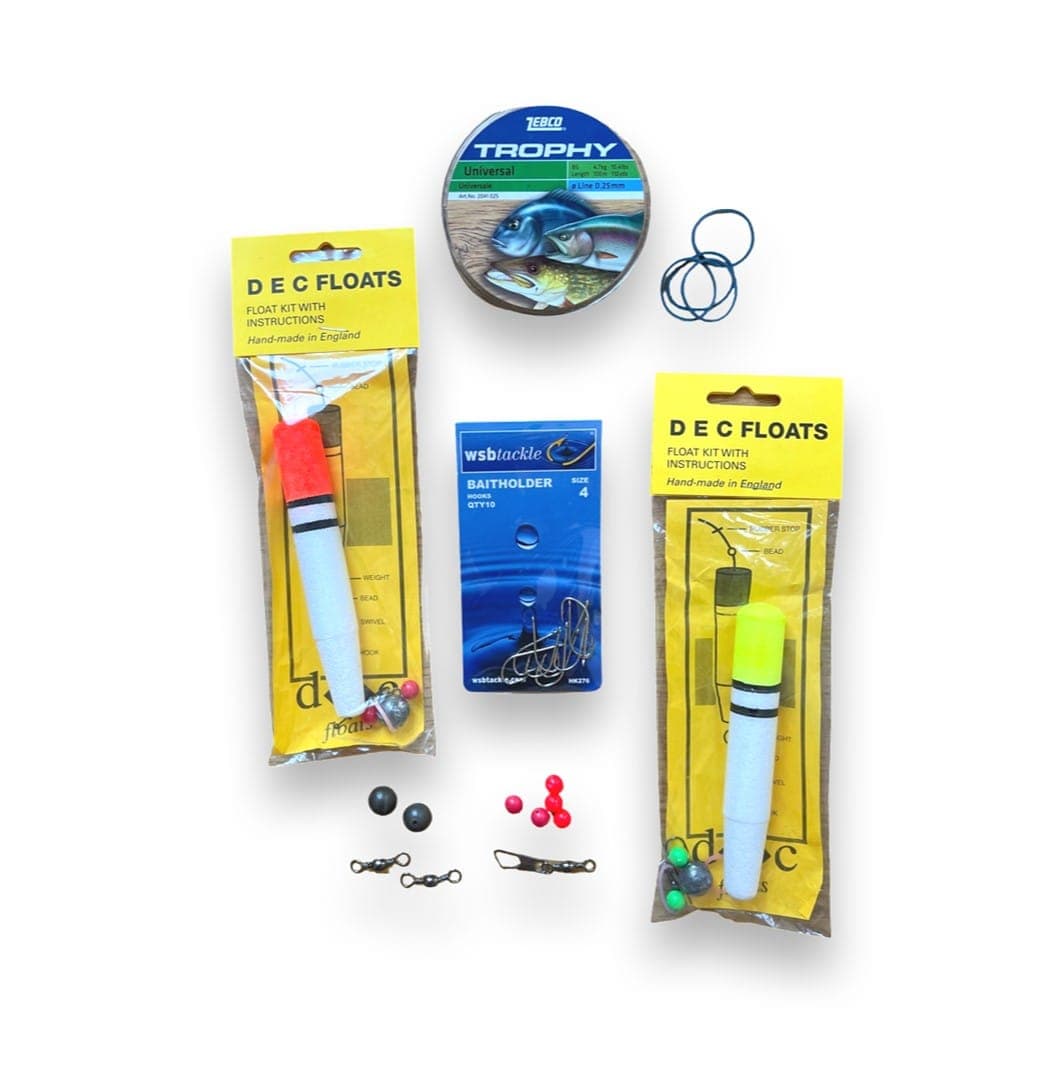
Float Fishing Tackle Kit
£8.95
View product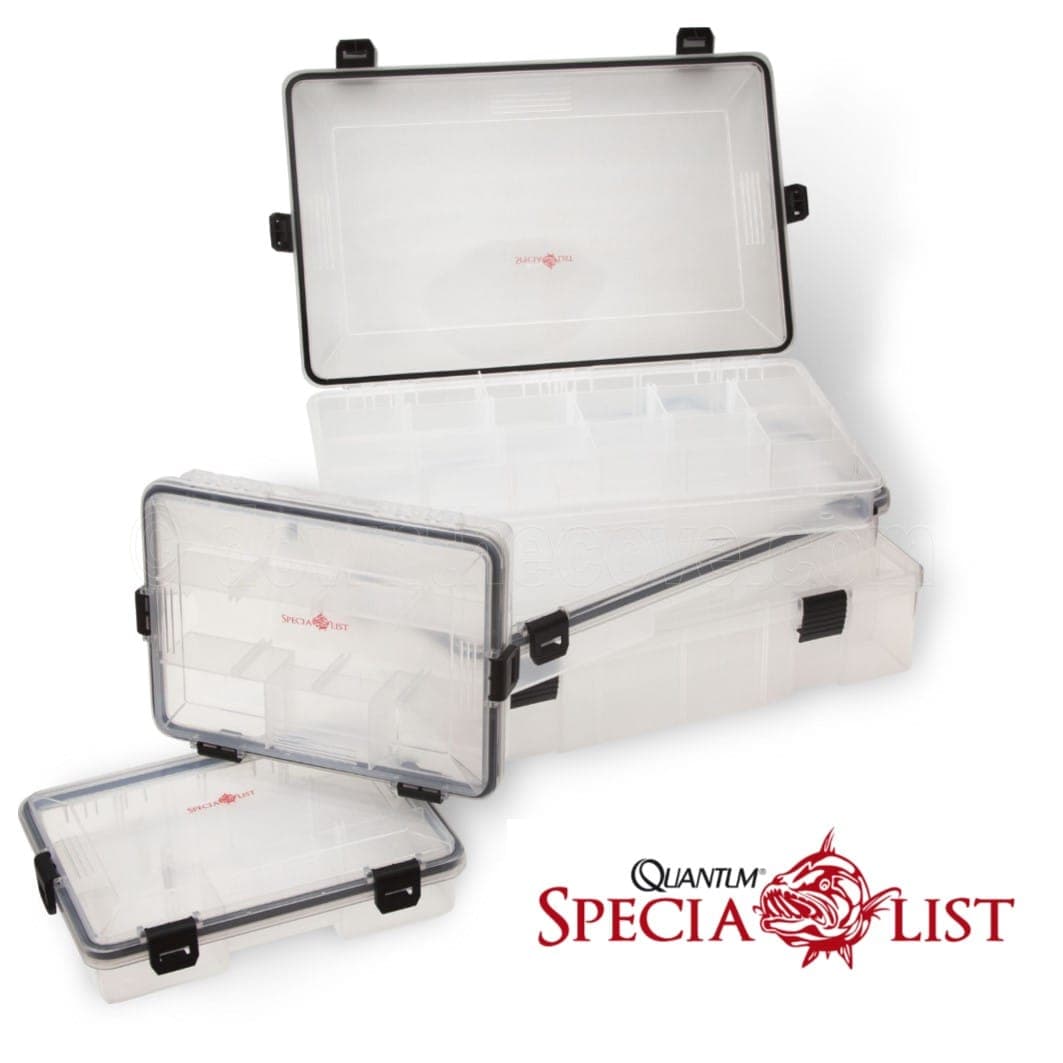
Quantum Specialist Waterproof Tackle Box
From £8.95
View product
Zebco Disgorger Priest 20cm Fishing Tool
£3.95
View product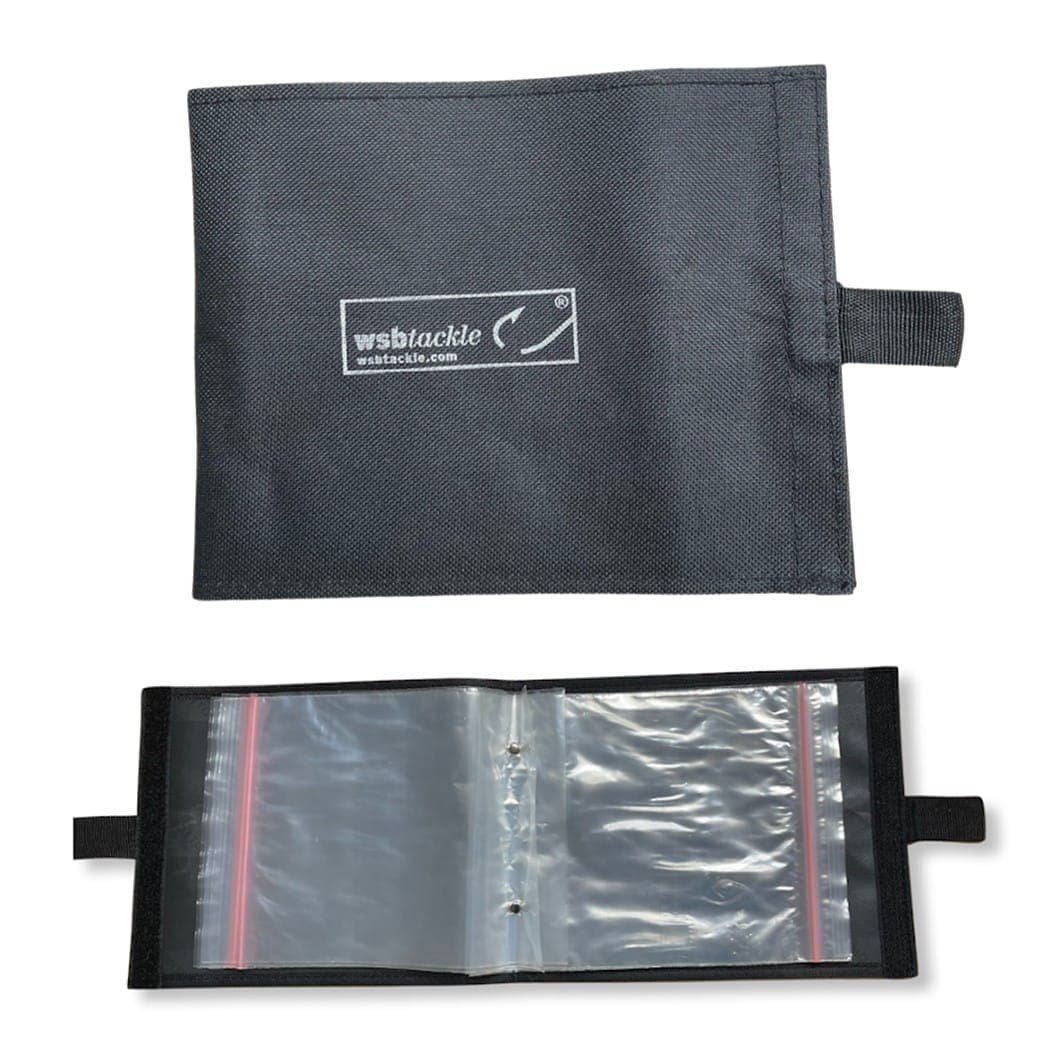
WSB Tackle Rig Wallet
£3.95
View product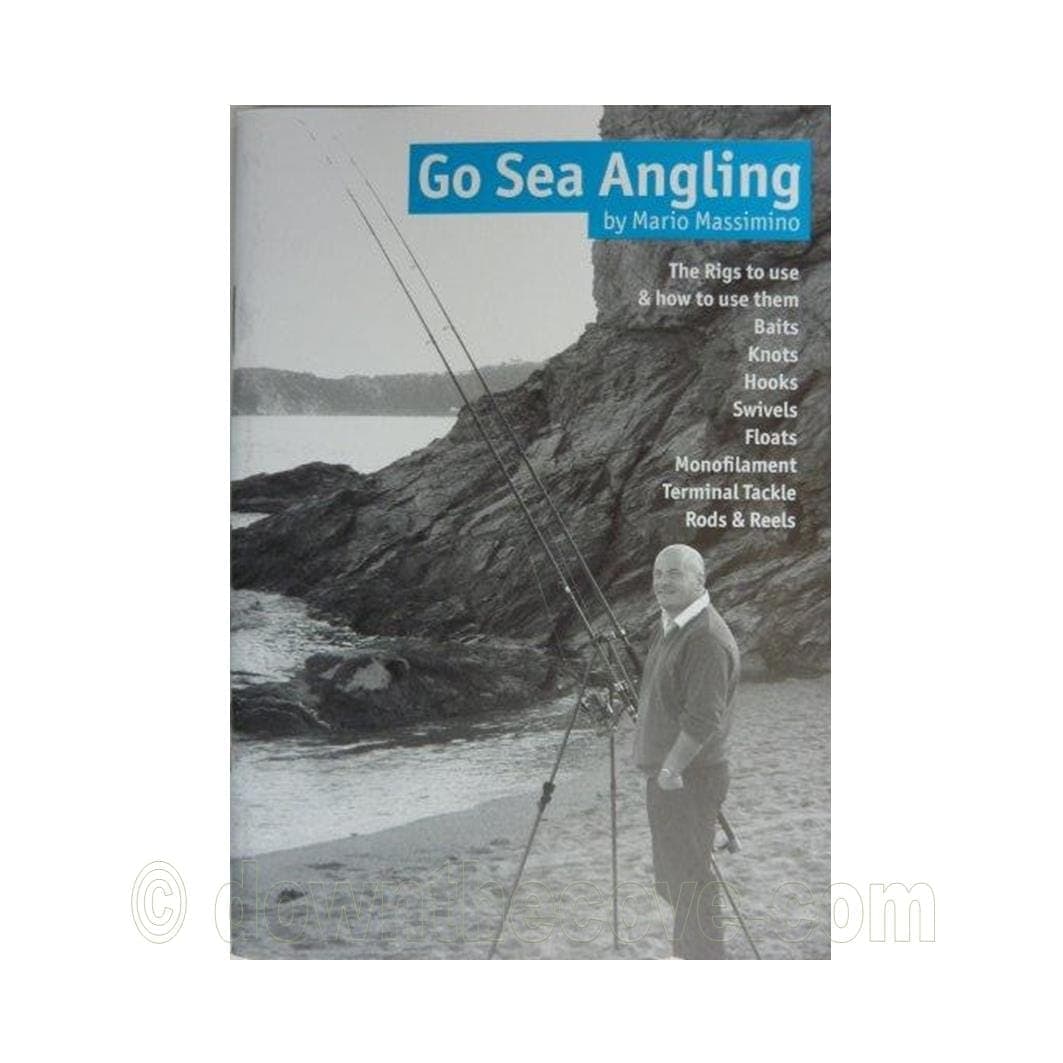
Go Sea Angling Pocket Guide By Mario Massimino
£1.95
View productHow to set up your rod, step by step
Do this on clear, dry ground, away from the water's edge and from other people, with any hooks covered until the last moment.
Step 1: put the rod together. Push the sections firmly together, starting from the thin tip end, and line up all the rings as you go. On a telescopic rod, pull each section out gently from the tip and give it a slight twist so it holds, with the rings in a line.
Step 2: fit the reel. Slide the reel's foot into the reel seat on the handle and tighten the collar or clips until it does not move at all. A fixed-spool reel hangs underneath the rod, with the handle usually on the opposite side to your stronger hand, so you cast with one hand and wind with the other. Most handles unscrew and swap sides.
Step 3: open the bail arm. This is the wire arm on the front of the reel. Flip it over, and the line will come off freely. If you forget, the line will not come off and you cannot thread the rod.
Step 4: thread the line. Pull off a couple of metres of line and pass it through every ring, starting from the one nearest the reel and working up to the tip. Fold the end of the line into a small loop to push through, because a loop is easier to hold and will not slide back down. Check you have not missed a ring and that the line has not wrapped around the rod.
Step 5: close the bail arm by hand. This locks the line. Pull out enough to work with, then tie the end of the line to a swivel or a snap swivel. An improved clinch knot or a uni knot is ideal, as our guide to fishing knots shows. Wet the knot before pulling it tight and give it a firm tug to test it.
Step 6: add your rig and lead. Clip the loop at the top of your rig to the swivel, then clip your lead to the bottom of the rig. Keep the weight within the casting weight printed on the rod, counting the rig and bait as well as the lead.
Step 7: set the drag. The drag is the dial on the front of most fixed-spool reels, and it lets line slip so that a big fish does not snap it. With the bail arm closed, pull the line by hand. It should come off with a firm pull, well before you think the line might break. Tighten or loosen the dial until it does.
Step 8: bait up and check. Bait your hooks last, wind in until the lead hangs a short way below the rod tip, and look behind you. Our guide to how to cast a sea fishing rod takes it from there.
Three simple set-ups
Bottom fishing. This is the best place to start and catches the widest range of fish. A ready-tied rig such as the Arm Rig 2 or the Magic Flatty Rig 6 clips on to your swivel, with a lead on the bottom, and the bait sits on or near the seabed. Cast out, tighten up the line and watch the rod tip for bites. Use a plain lead in calm water and a grip lead in surf or tide. Our bottom fishing guide has more.
Float fishing. Good for harbour walls and rocky marks, as it keeps the bait above snags and lets you see the bite. A float, a stop knot, a bead, a small weight and a single hook are all you need, and the Float Fishing Tackle Kit has two complete float kits with instructions. Set the depth so the bait hangs above the weed, and adjust until you find fish. Our float fishing guide explains it step by step.
Lure fishing. The simplest set-up of all: a lure on a clip at the end of the line. Cast out, let it sink a little and wind back in, changing speed until something happens. It suits bass, pollock and mackerel, and is ideal for lighter rods and for keeping on the move. Lures such as the Storm Biscay Minnow come ready mounted, so you only need to clip them on. Our guide to sea fishing lures for beginners explains which to choose.
Rigs and lures to clip on

Zebco Arm Rig 2, Side-Arm Sea Rig
£2.95
View product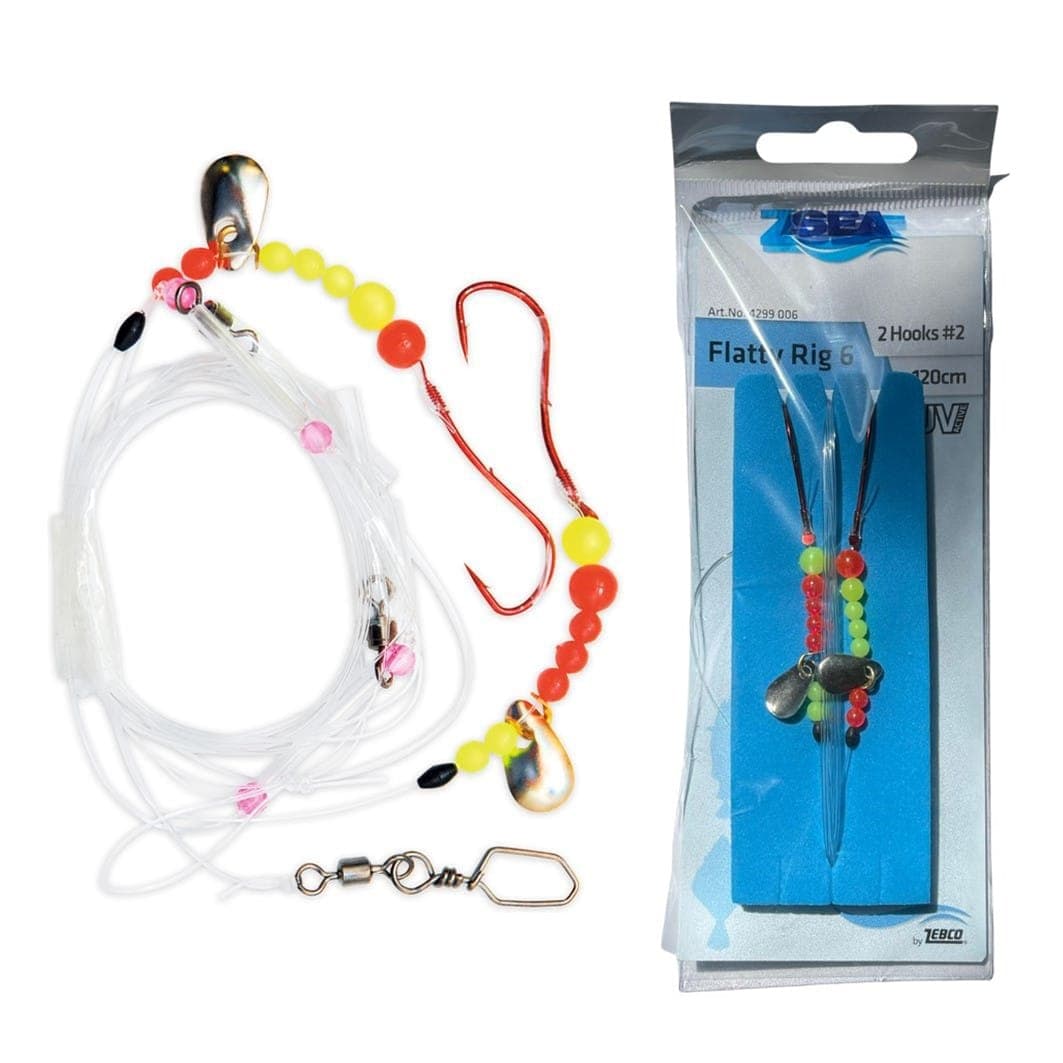
Zebco Magic Flatty Rig 6 UV, Boat or Surf Rig
£2.95
View product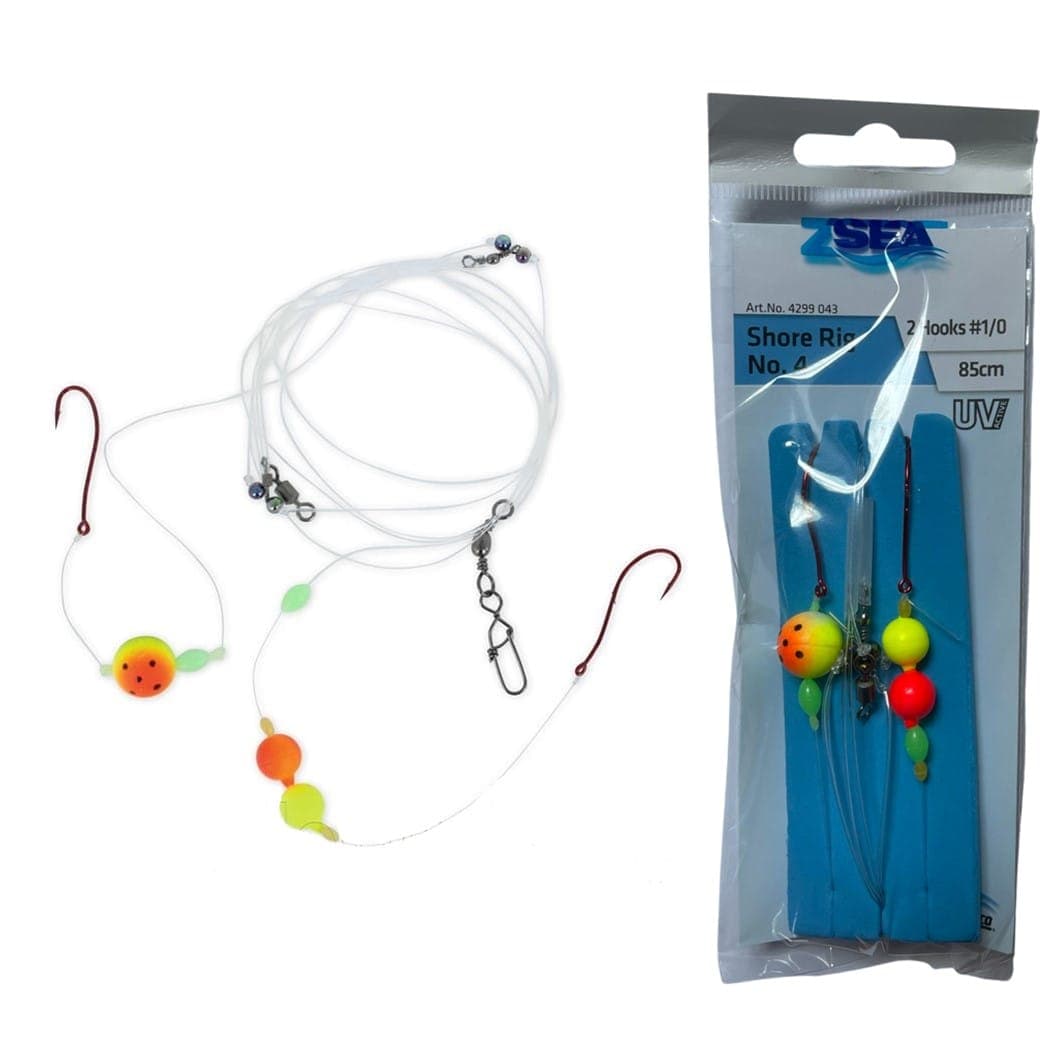
Zebco Magic Shore Rig 4, Boat or Surf Rig
£1.95
View product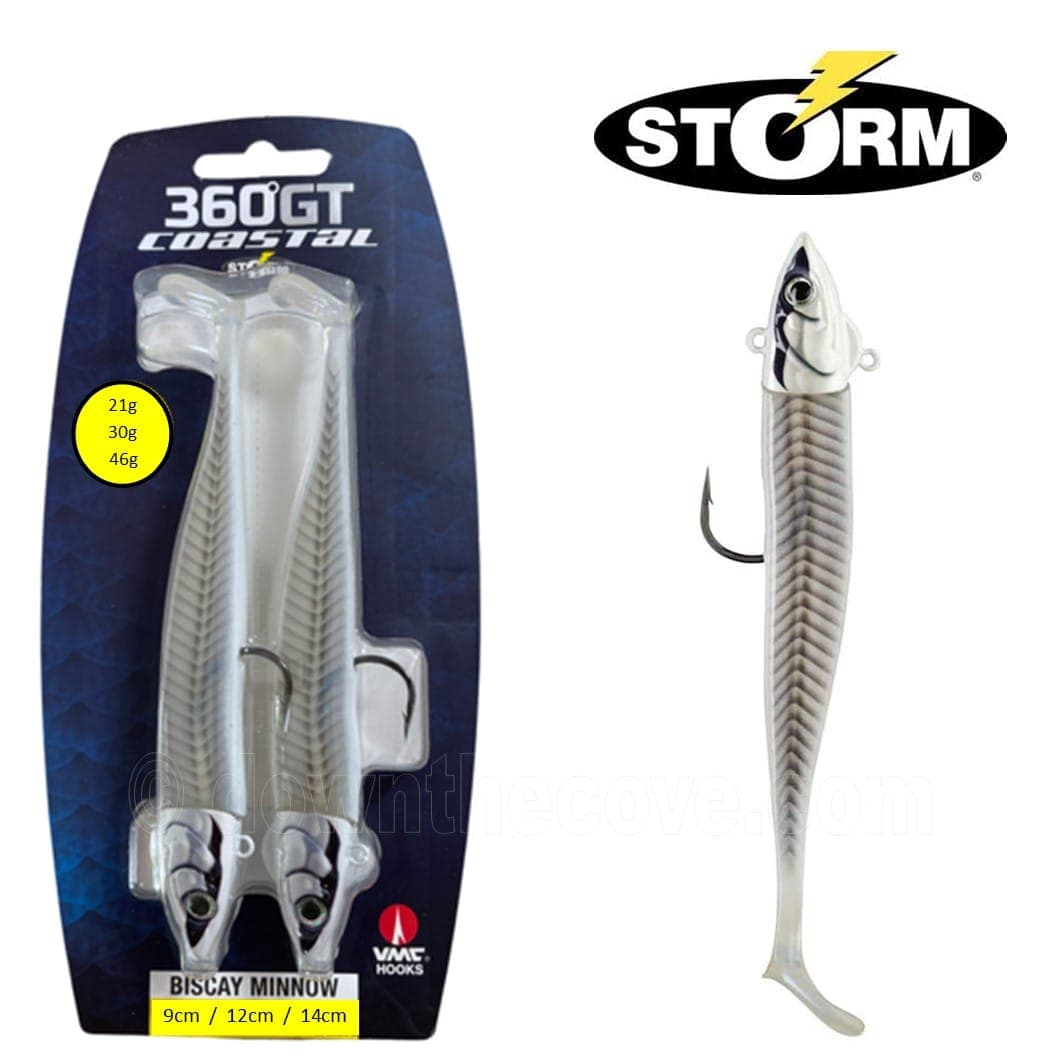
Storm 360GT Coastal Biscay Minnow, White Pearl Sandeel
From £9.95
View product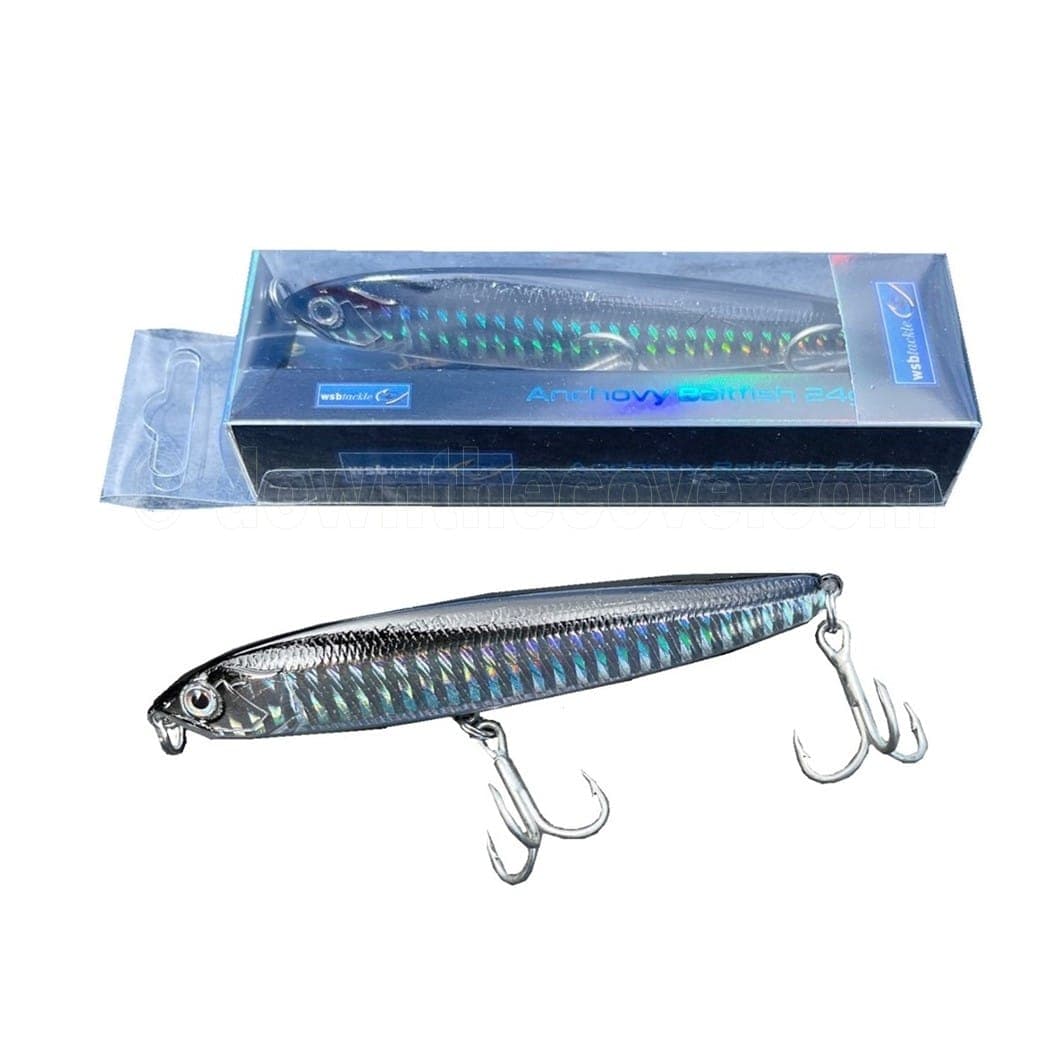
WSB Anchovy Baitfish Lure, 24g
£5.95
View product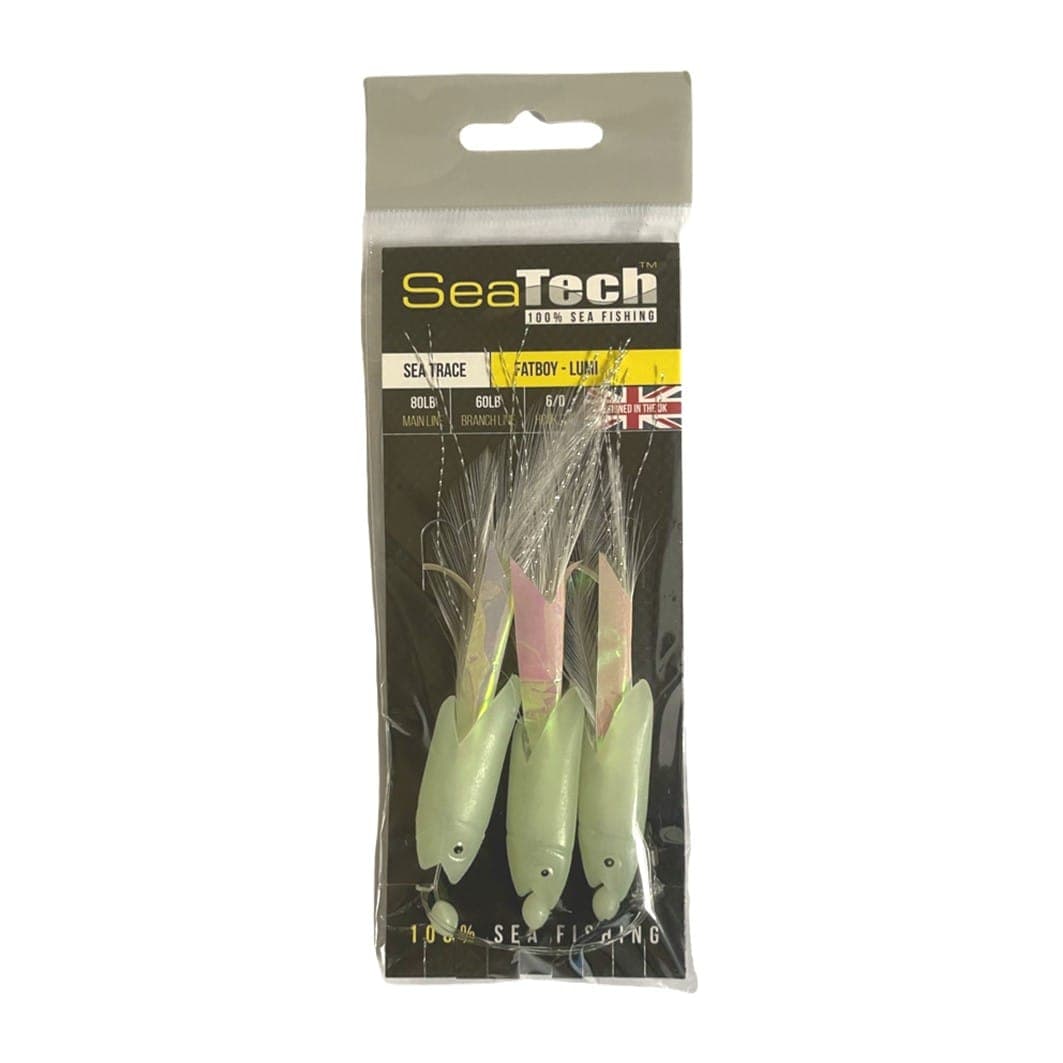
SeaTech Fatboy Lumi, 3-Hook Sea Trace
£2.95
View productHow to set up for beach fishing
A beach set-up is the same with a few additions. Beach rods are long and heavy, so use a rod rest or tripod rather than holding the rod all session. Use a grip lead to hold in the tide. If you are casting 3oz or more with any force, add a shock leader, which is a length of stronger line that takes the strain of the cast. The usual rule of thumb is 10lb of breaking strain for every 1oz of lead. Our guides to fishing from a beach and winter shore fishing cover the details, and a head lamp makes tying up after dark far easier.
How much line should be on the reel?
Fill the spool to about 2 or 3mm below the lip. Too little and the line drags on the lip and shortens your cast. Too much and loops spring off in a tangle. For general sea fishing, 12 to 15lb monofilament is a good choice, and 15 to 20lb suits a beach rod. When you load a reel, keep some tension on the line by running it through a damp cloth so it goes on tightly. Our guide to choosing a sea fishing reel has more detail.
Common beginner mistakes
Missing a ring, or letting the line wrap around the rod. Check by looking along the rod before you tie anything on.
Setting the drag too tight. If a big fish pulls hard, something has to give, and it is better if that is the drag rather than your line or rod. Loosen it until a firm pull takes line.
Using too much lead, or too many hooks. A heavy lead can overload a light rod, and a long string of hooks tangles easily. Keep things simple while you are learning. It also pays to check your knots each time you re-rig, and to retie anything that looks frayed.
Leaving the bail arm closed when you cast, which can snap the line and send the lead flying. Open it, trap the line on your finger, and check behind you every time.
Before your first cast, and after your last
Check the tide and the weather, and read our guide to the best tide for sea fishing. Check your footing, stay away from the edge in rough weather, and read our coastal safety guide. You do not normally need a licence for sea fishing, but there are rules on what you can keep, as our fishing licence guide explains. Our tackle box checklist covers what to bring.
When you have finished, take your rig off, rinse the rod and reel in fresh water and let them dry before you put them away, and take all your line and bait home with you. Lost line is a serious hazard to birds and other wildlife. You can browse all our sea fishing tackle and gear when you need to top up.