The full guide
Read straight through, or use the fishing notes above to keep marks, tides and tackle easier to follow.
A beginner's sea fishing tackle box needs less than you might think: a few ready-tied rigs, hooks in three or four sizes, swivels and clips, beads, a selection of leads, a float kit, a disgorger and something to cut line with. The simplest way to start is with a ready-made kit such as our Bottom Fishing Tackle Kit, then top up with what you use most. Here is the full checklist, what each item does and what you can safely leave at home.
Useful starter kit
Friendly tackle picks chosen to make the guide easier to put into practice.
The easy way: start with a kit
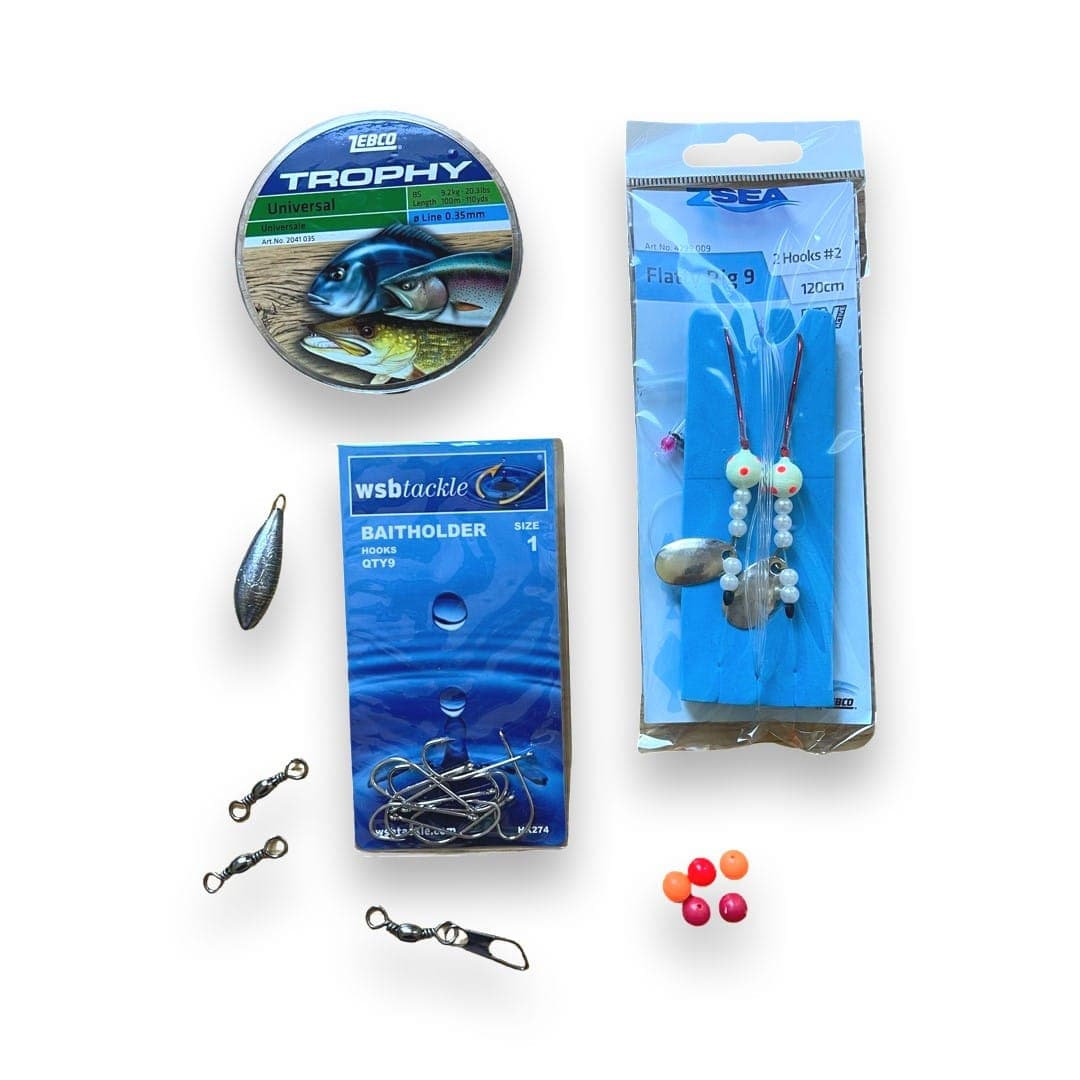
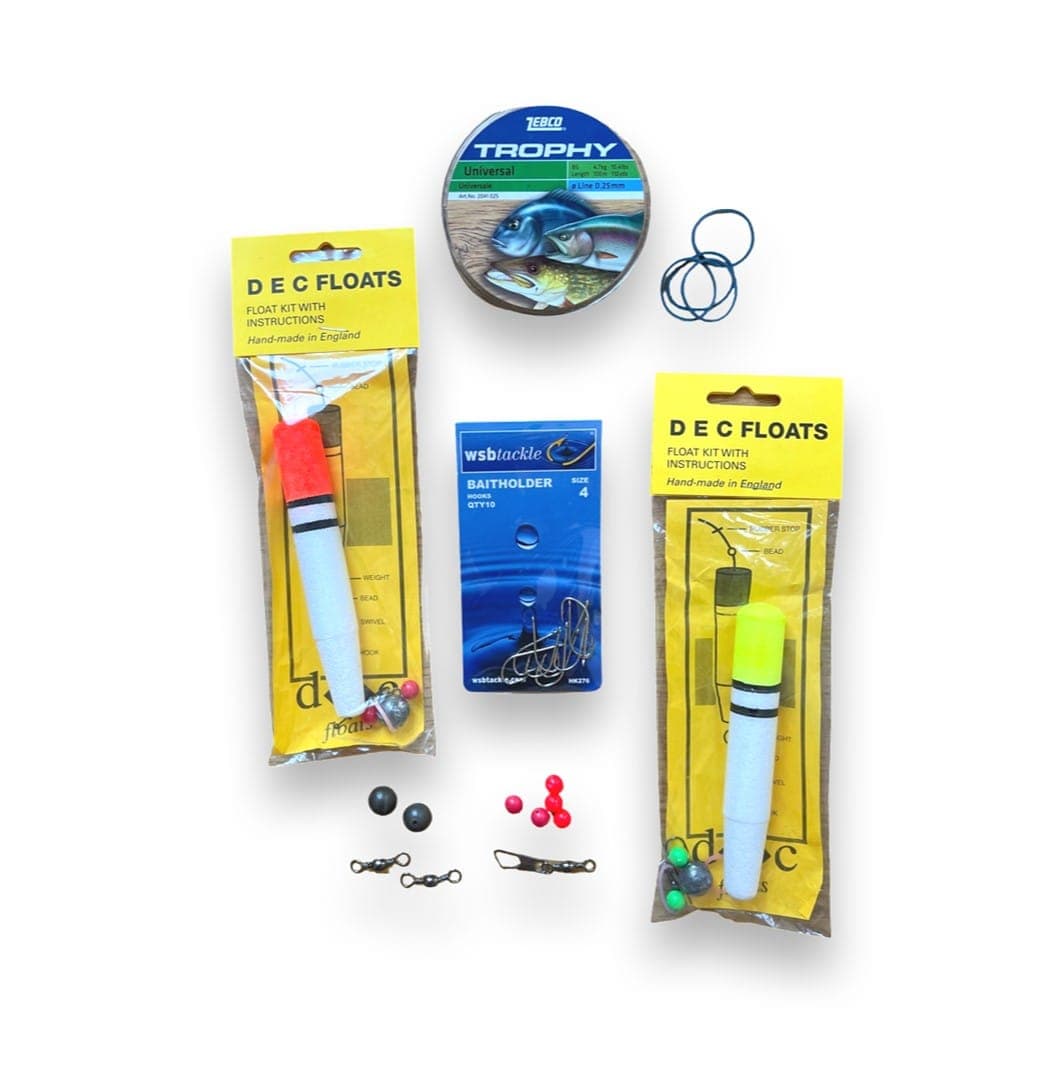
If you are starting from nothing, do not buy items one by one. The Bottom Fishing Tackle Kit has 100m of line, ten baitholder hooks, swivels, a 2oz weight, beads and a ready-assembled rig. The Float Fishing Tackle Kit does the same for float fishing, with two complete float kits. They are a very cheap way to find out which method you enjoy.
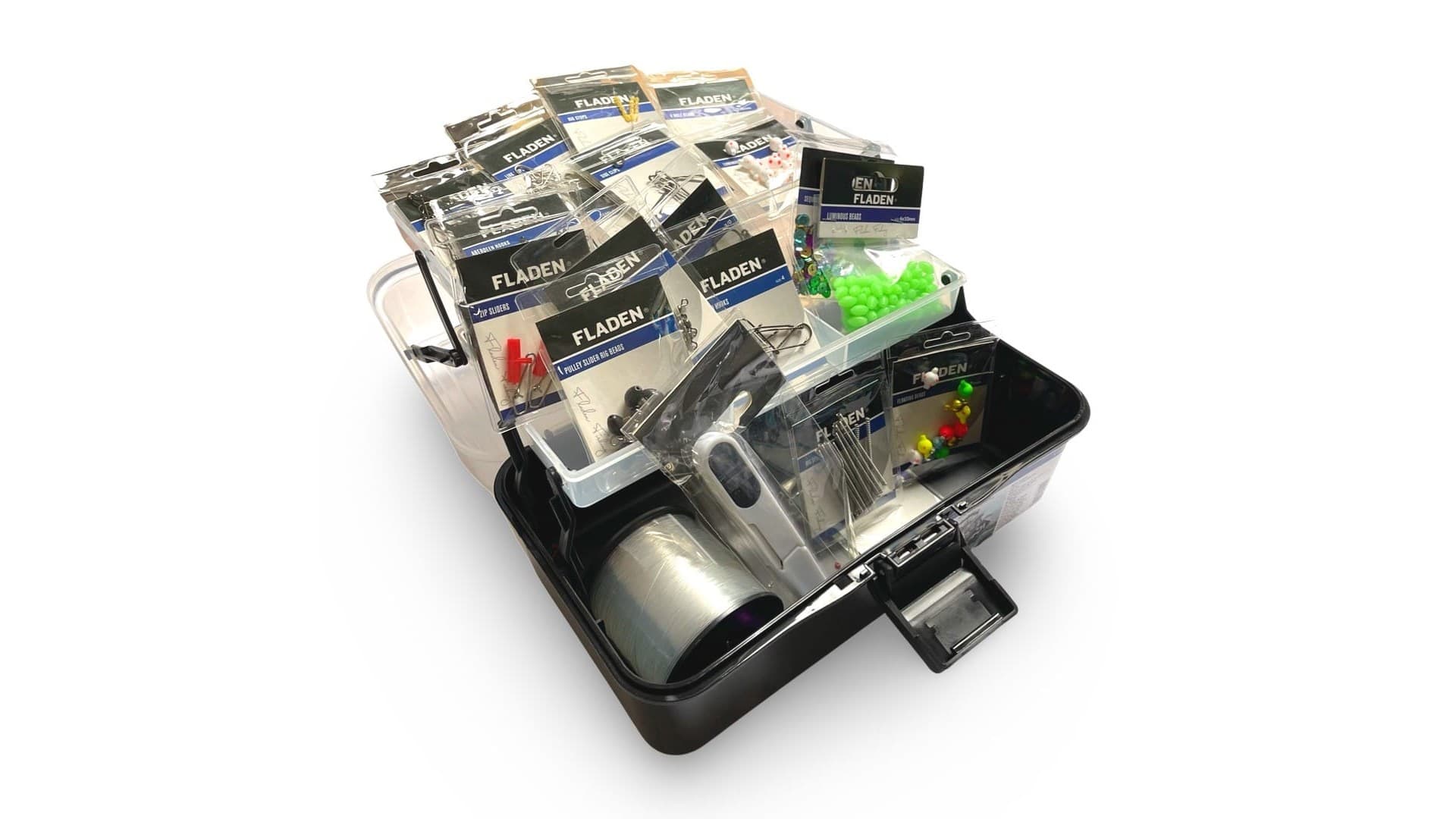
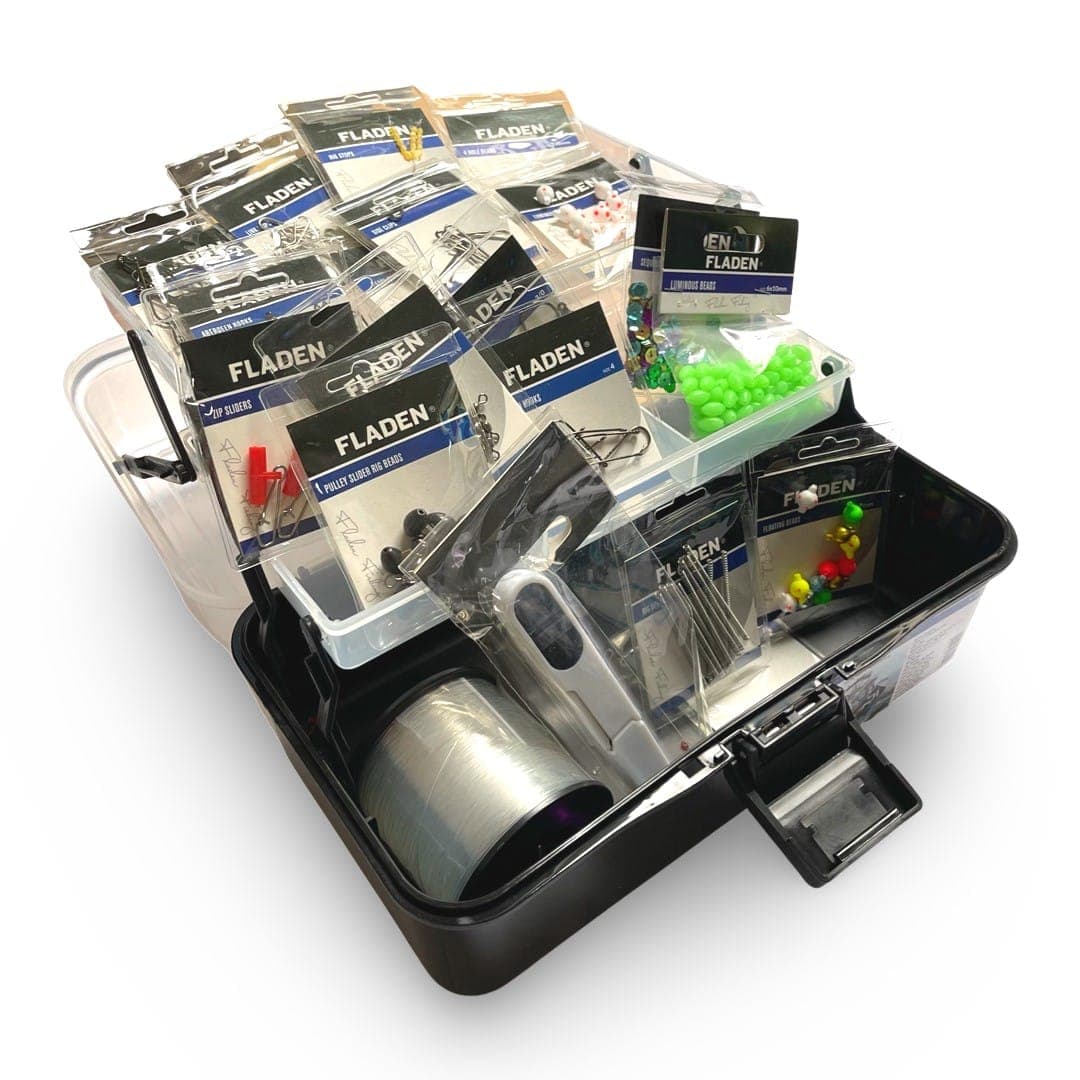
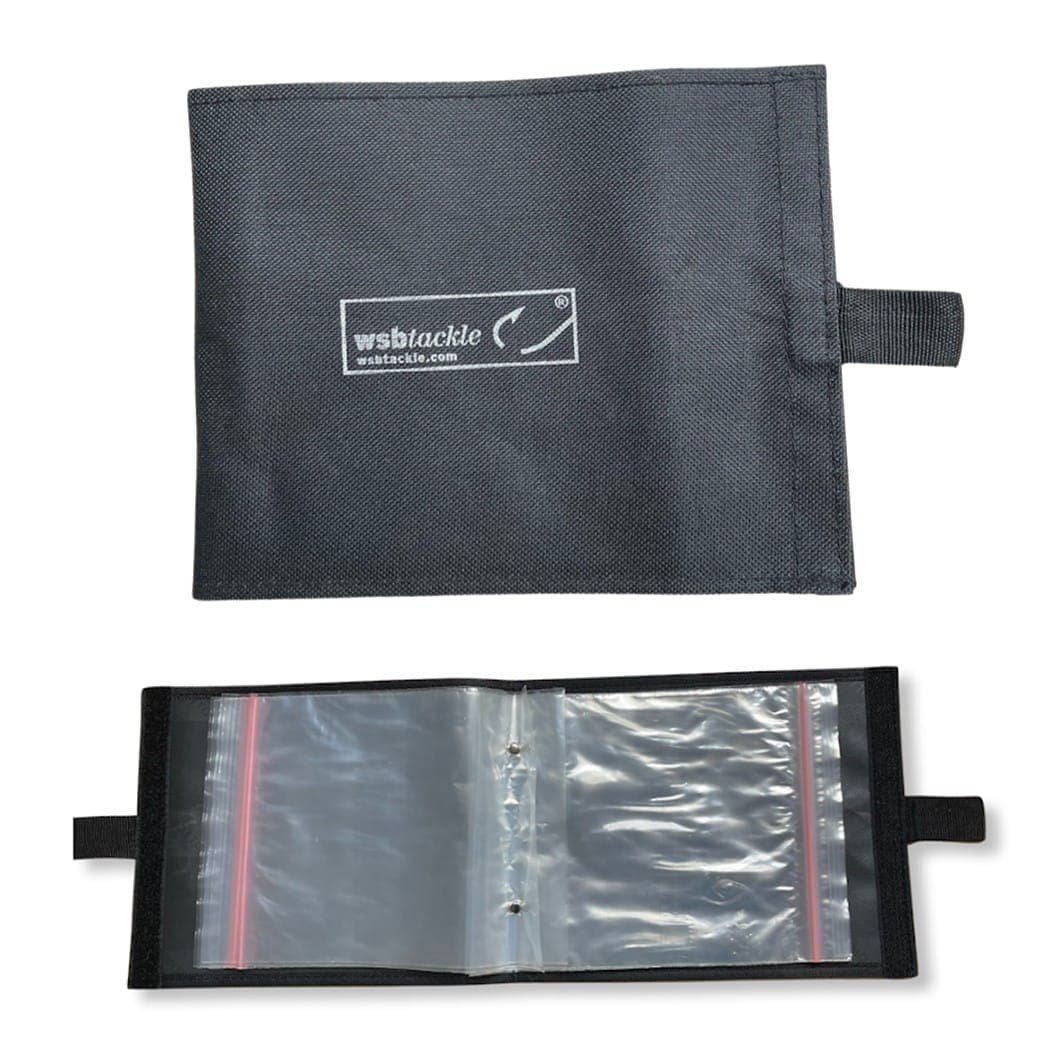
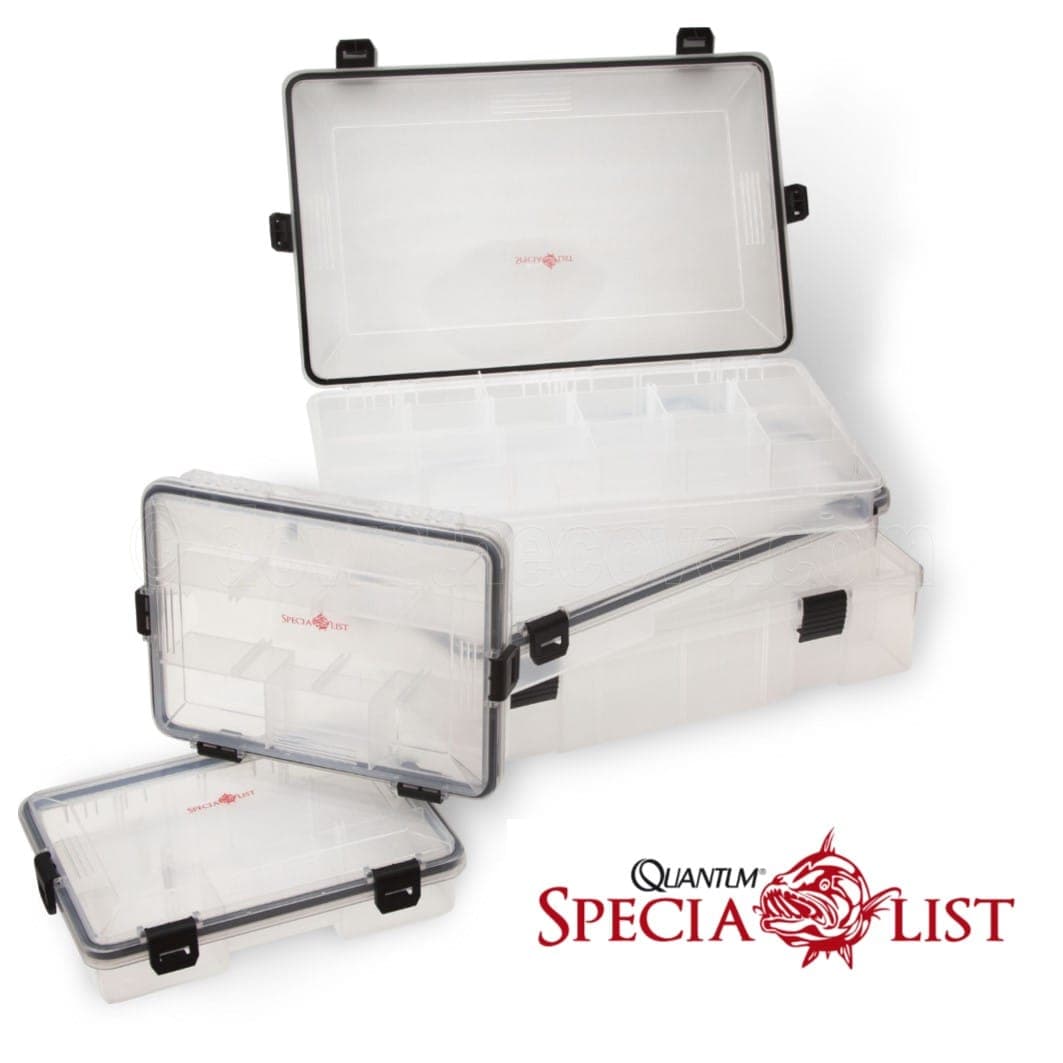
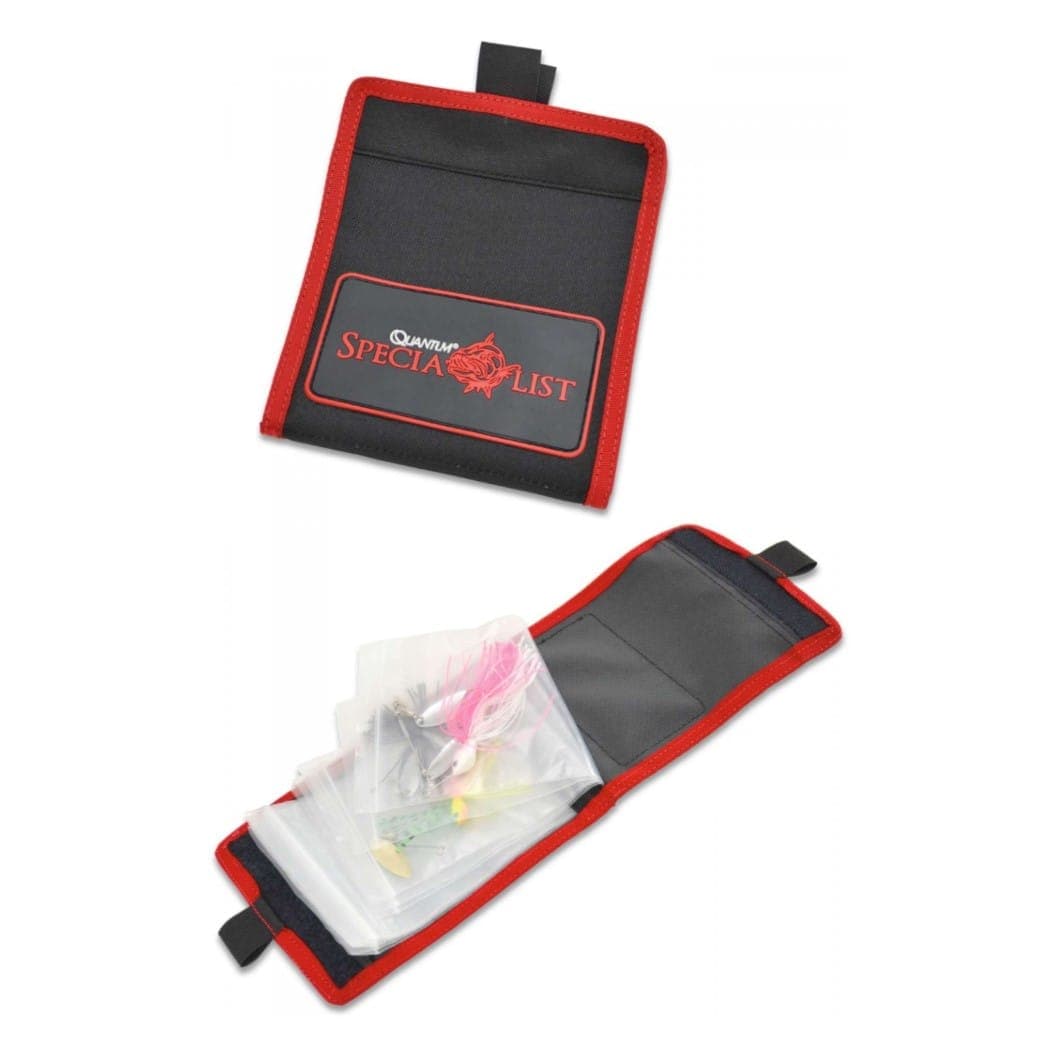
When you are ready to make and mend your own rigs, the Fladen Terminal Tackle Set is a tackle box loaded with over 500 items, including hooks, swivels, clips, beads, sliders and line, plus spring scissors. Keep small items in a waterproof tackle box with a sealed lid, and your ready-tied rigs in a rig wallet so they do not tangle.
Ready-made tackle and somewhere to keep it
Hooks
Hook sizes run backwards at first: a size 4 is smaller than a size 2, then a size 1 leads on to 1/0, 2/0, 3/0 and so on, getting bigger as the number rises. As a starting point, carry sizes 4 and 2 for smaller mouths such as dabs, flounder and whiting, 1/0 and 2/0 for general fishing and smaller bass, and 3/0 or bigger for large baits and cod.
Baitholder hooks have small barbs on the shank to keep soft bait in place, and long, fine Aberdeen hooks are easy to thread worms on to and easy to remove. Hook size should follow the bait and the fish rather than the size of the sea. Throw away anything rusty, because a hook that has been in a damp box for a year is not one to trust.
Swivels, clips and beads
A swivel joins your main line to your rig and stops the line from twisting. A snap swivel or link clip has a little catch, so you can change a rig or lead in seconds without tying a new knot. Beads protect knots from sliding parts and from the lead, and bright or luminous ones may add a little extra attraction. You need a small pack of each, in a couple of sizes. Our guide to fishing knots shows how to tie them on.
Leads
A lead takes your bait out and holds it where you want it. Plain leads, such as bomb weights, roll a little with the tide and are fine in calm water, harbours and piers. Grip leads have wires that dig into the seabed to hold position in surf and tide. Carry a few sizes: around 1 to 2oz for harbours and piers, and 3 to 5oz for open beaches.
Use enough lead to hold bottom, not the most you can throw. Never go above the casting weight printed on your rod, and if you are casting 3oz or more with any force, use a shock leader. Our guide to sea fishing rods for beginners explains how that works.
Ready-tied rigs
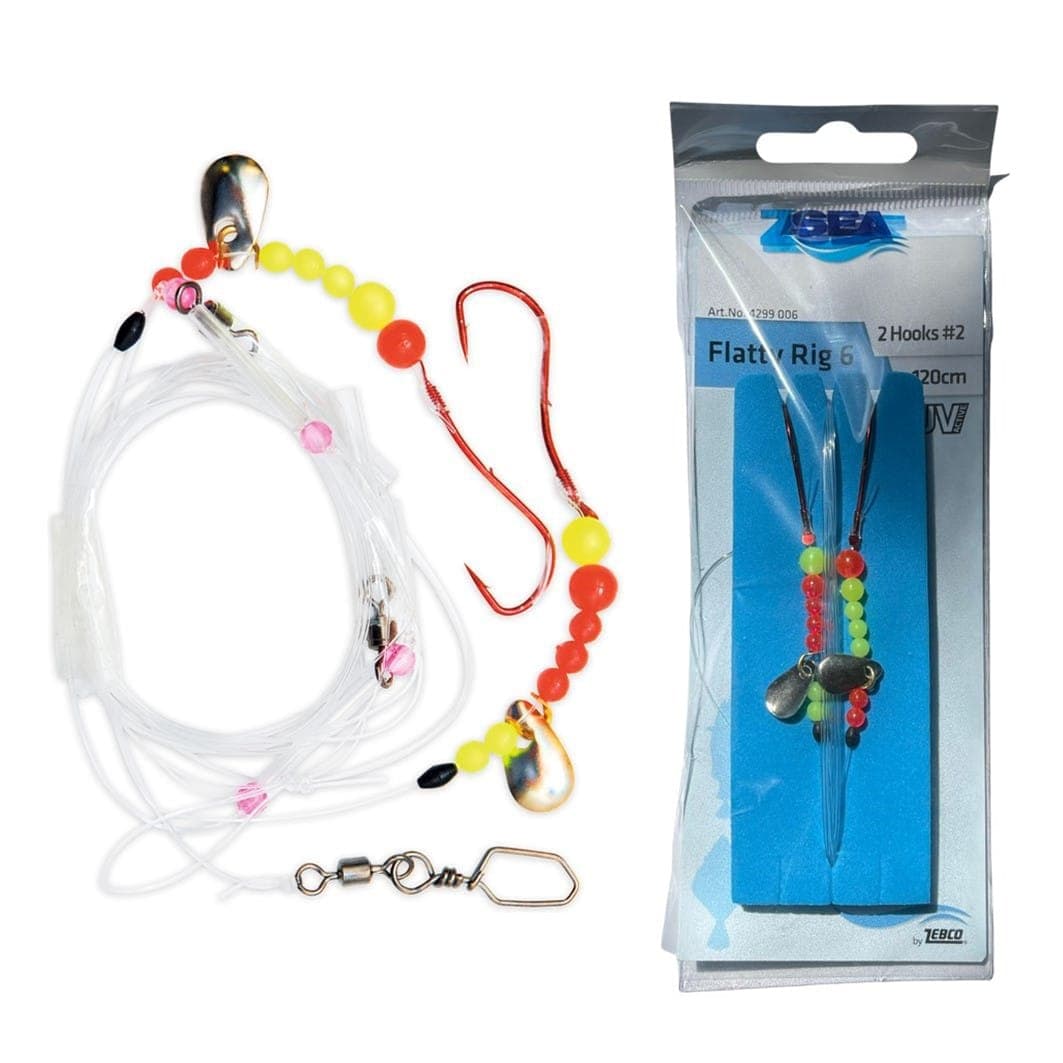
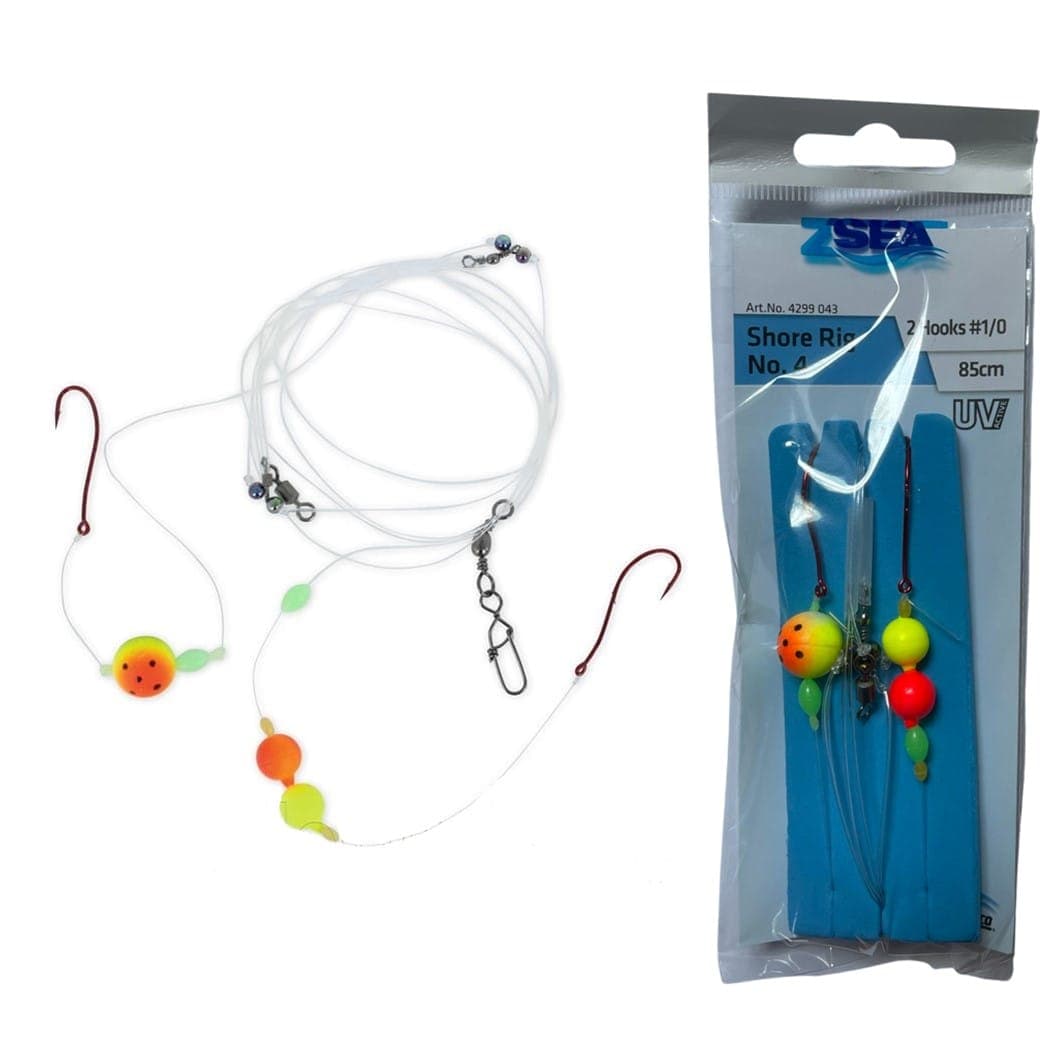
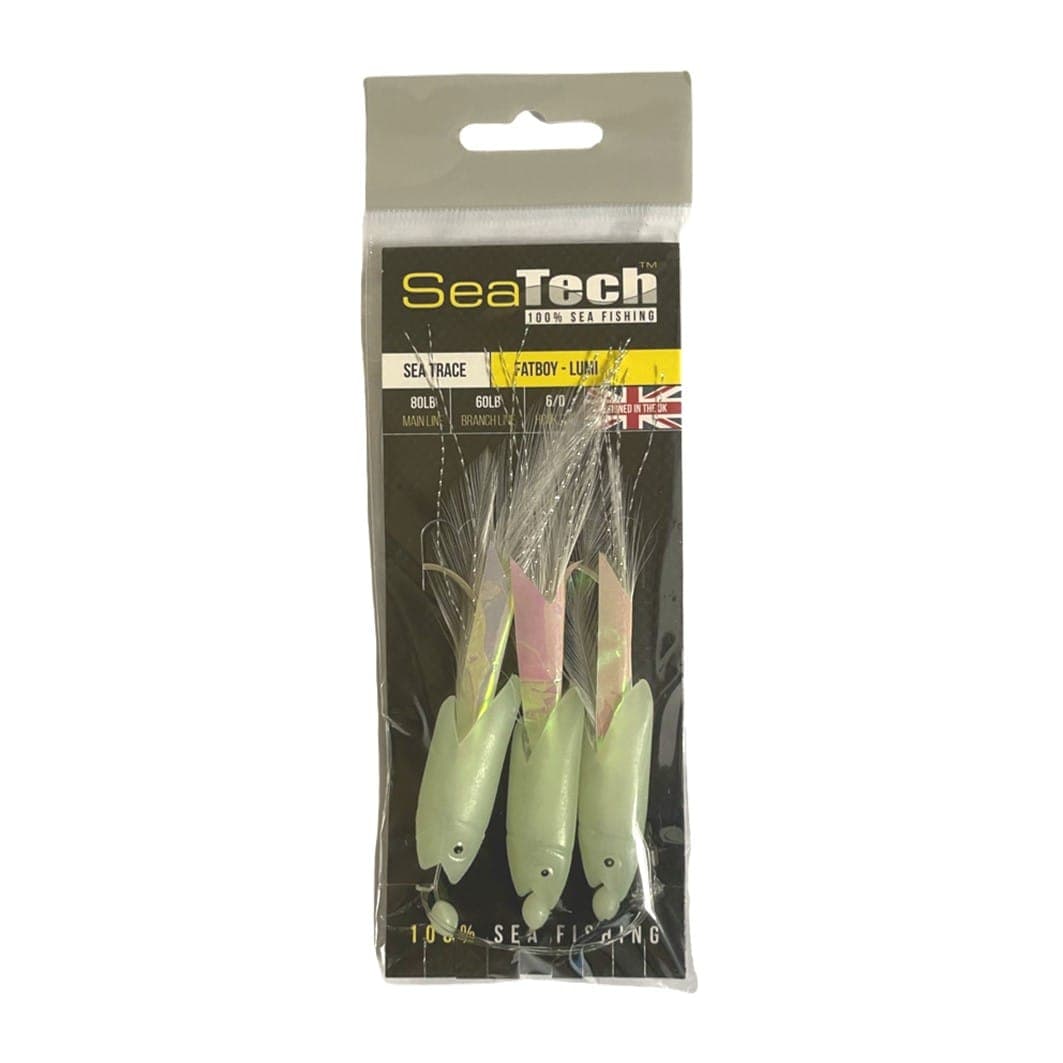
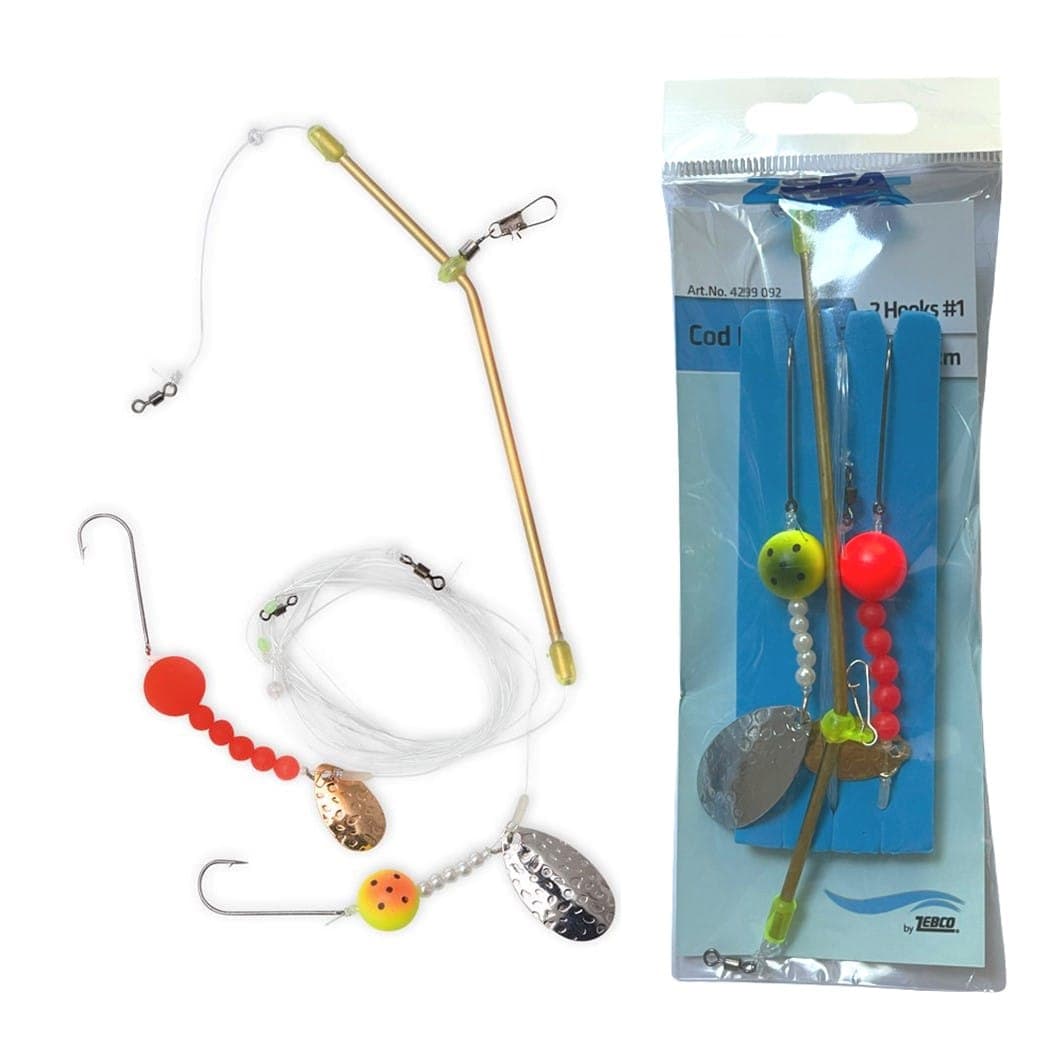
A rig is the short length of line that holds your hooks and lead. Buying them ready-tied is sensible when you are starting, and they are cheap enough to replace when you lose one on a snag. The Zebco Arm Rig 2 is a good general choice, with three hooks on side arms that help reduce tangles. The Magic Flatty Rig 6 adds beads and blades for flatfish, the Magic Shore Rig 4 comes on a winder for shore fishing, and the SeaTech Fatboy Lumi has big 6/0 hooks for large baits. Going out on a boat? The Cod Boat Rig 2 is made for that. Carry three or four and you will be well covered. Our sea fishing rigs for beginners guide explains which to use where.
Ready-tied rigs

Floats and lures
A float kit lets you fish above snags from harbour walls and rocks, and it is great fun for mackerel, garfish and wrasse. Our float fishing guide explains how to set one up.
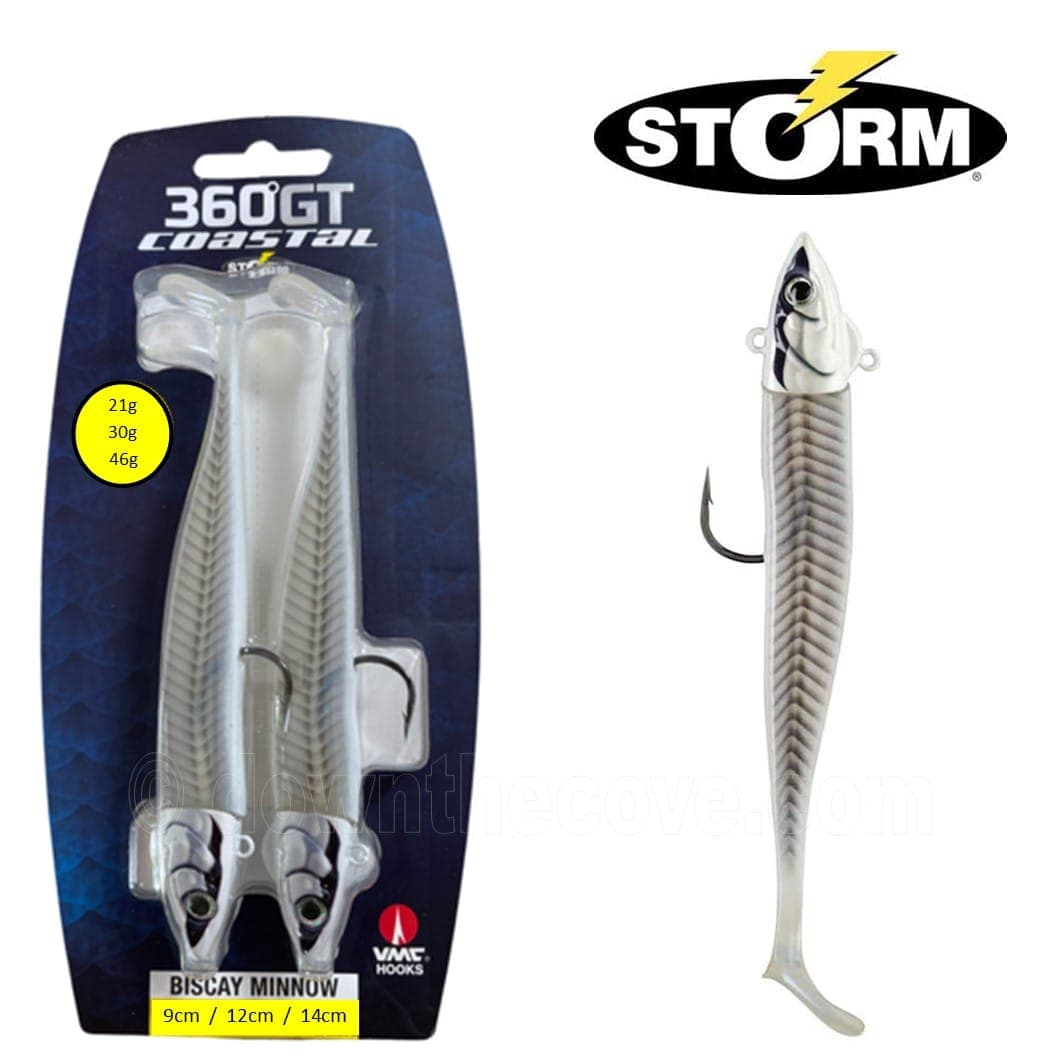
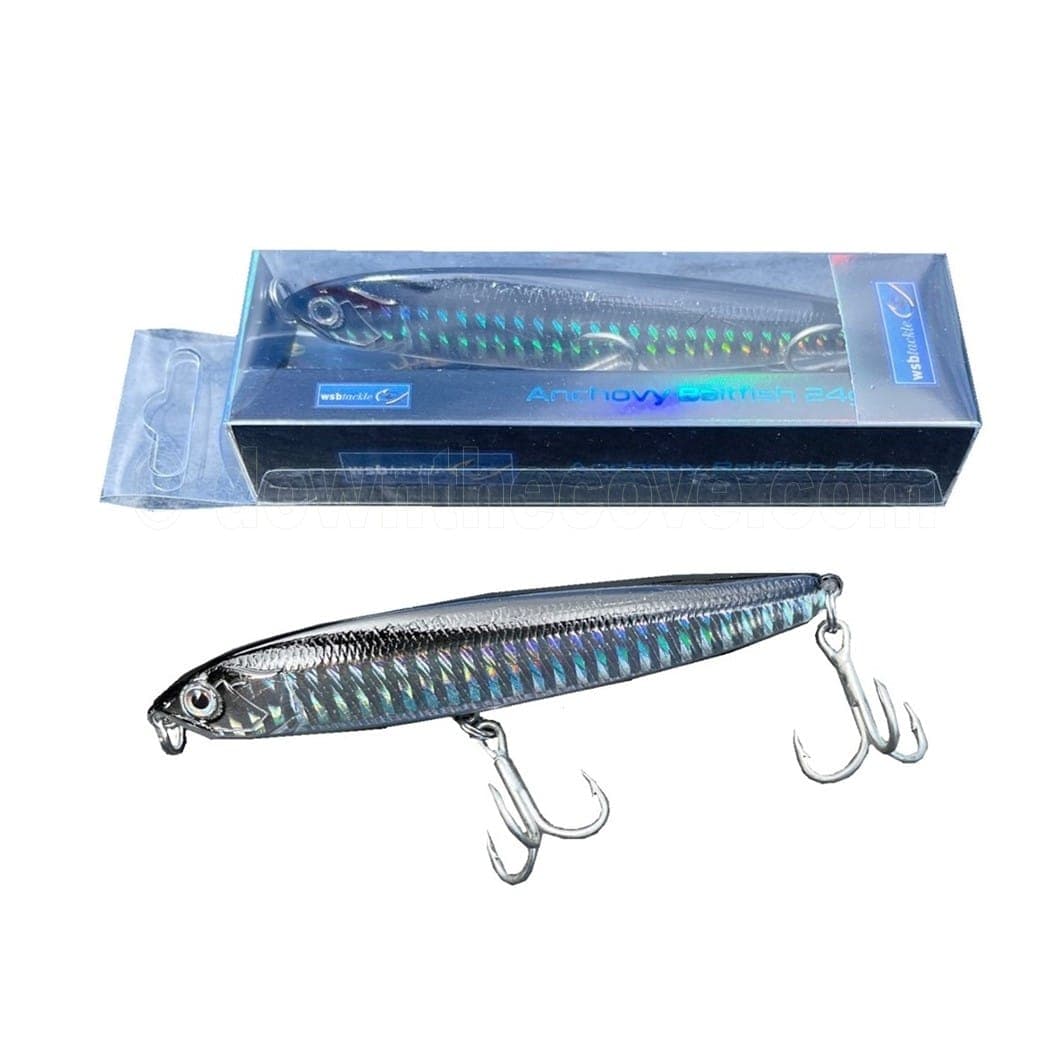
A few lures are worth carrying as well, because they let you try for fish when you have run out of bait. One soft lure such as the Storm Biscay Minnow, one hard lure such as the WSB Anchovy, and a pack of Eddystone Delta Eels is plenty for a first trip. Our guide to sea fishing lures explains what each type is for, and our bait guide covers the rest.
A few lures


Tools and safety kit
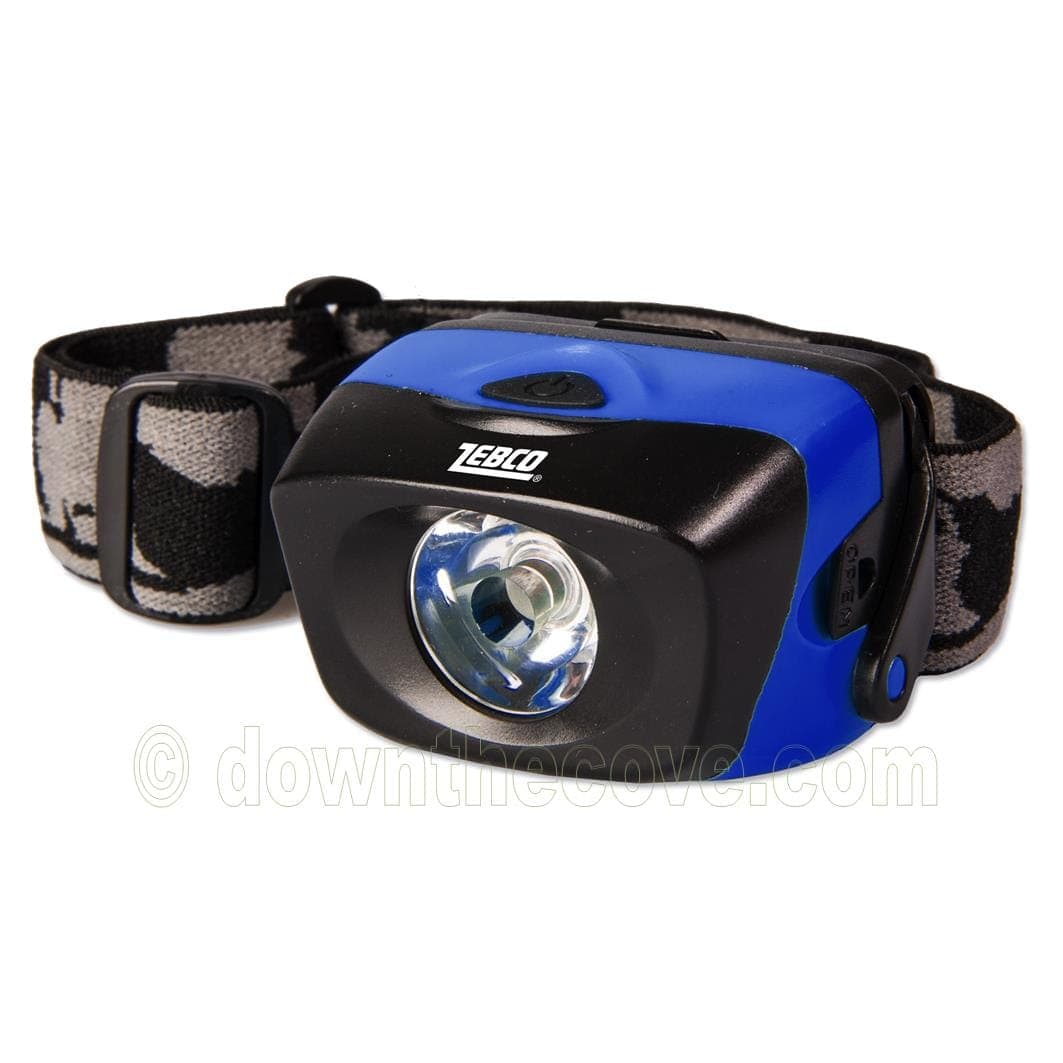
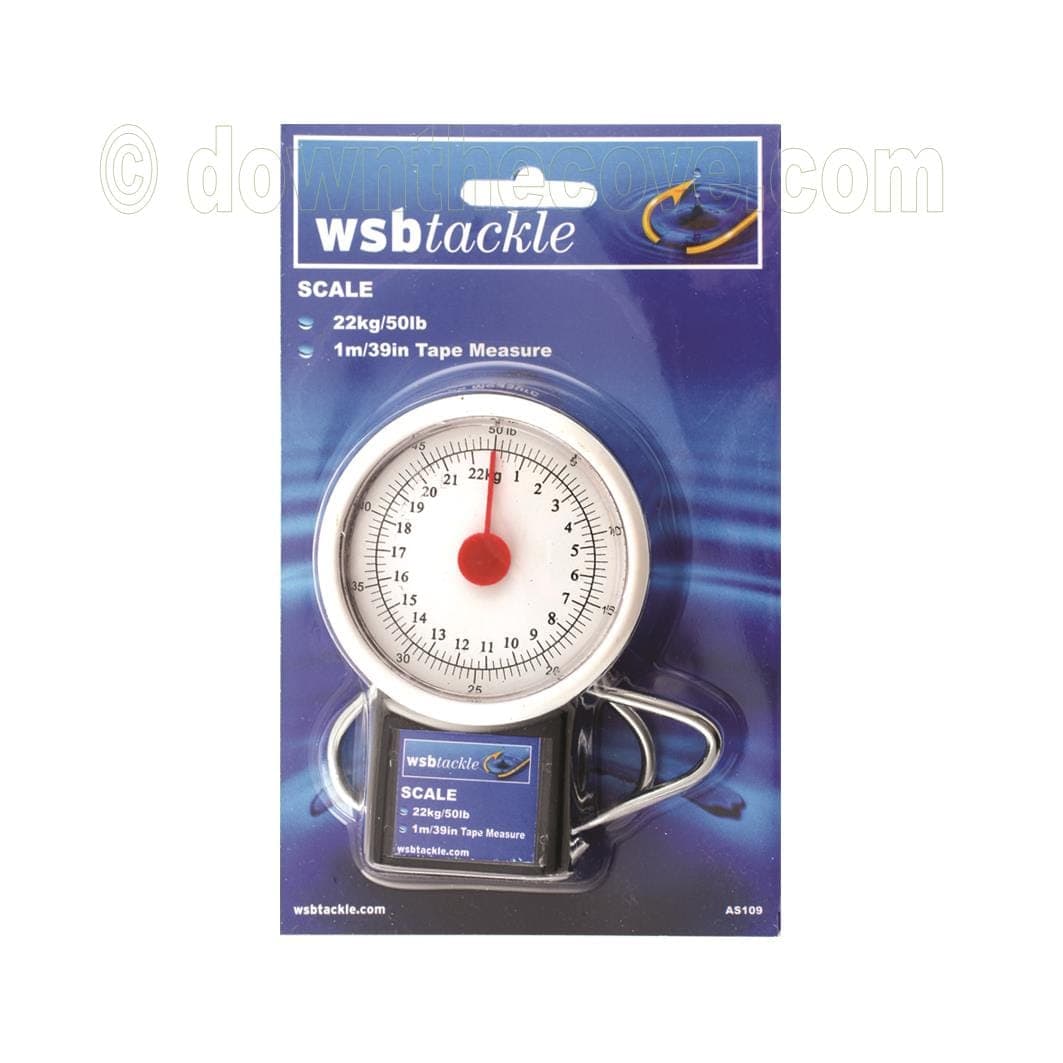
Every tackle box needs a disgorger and priest for removing hooks and dealing with any fish you keep quickly, and small scissors or line snips. A head lamp is essential if you fish into the evening, and a fishing scale with a tape measure helps you check your catch against local size limits.
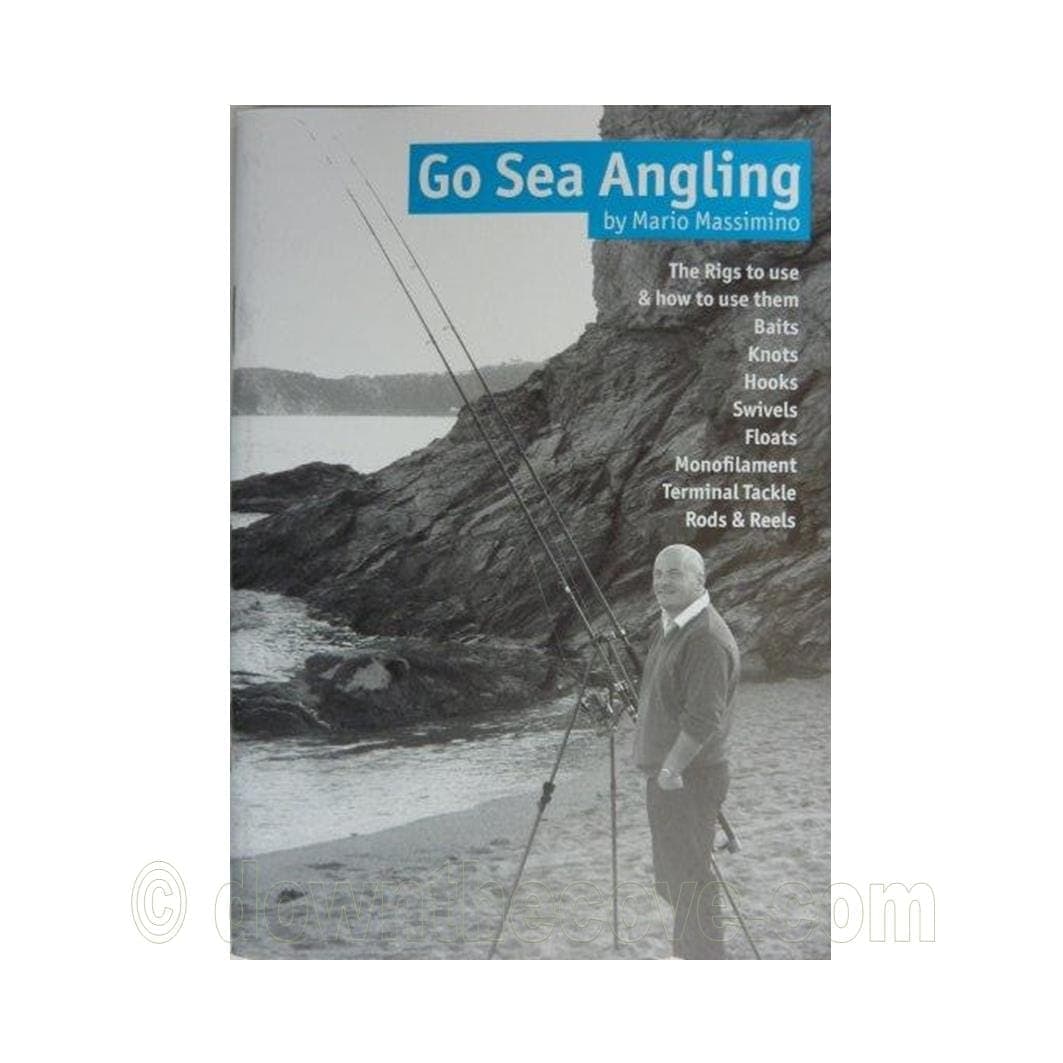
Add a small first-aid kit with plasters and something to clean a cut, an old towel for your hands, and a charged phone in a waterproof pouch. Our coastal safety guide and lifejacket or buoyancy aid guide cover staying safe on rocks and harbour walls. The Go Sea Angling pocket guide is also worth having in the box for reminders on rigs and knots.
Tools for the box

What to leave at home
New anglers tend to carry far too much. You do not need 30 lures, ten kinds of rig or every size of lead when you are walking down a cliff path. Before a trip, decide on one or two methods and pack for those. If something has not come out of the box in three trips, take it out.
After each trip, rinse anything that has been in salt water, let it dry with the lid open and throw out rusty hooks and frayed rigs. Salt ruins tackle far faster than fishing does.
Before you go
Check the tide before you leave, using our guide to the best tide for sea fishing, and read our guide to fishing licences and sea fishing rules. Still need a rod? See sea fishing rods for beginners, and if you want everything in one go, our best beginner sea fishing kits guide compares complete set-ups. You can browse all our sea fishing tackle and gear or go straight to tackle and terminal.