What do the newton ratings mean?
Buoyancy aids and lifejackets are rated in newtons (N), a measure of the upward force they give you in the water. The higher the number, the more support, and the more likely the jacket is to turn you face-up. The ratings you will see most often on fishing kit are 50N, 100N and 150N, with 275N jackets made for offshore work in heavy clothing.
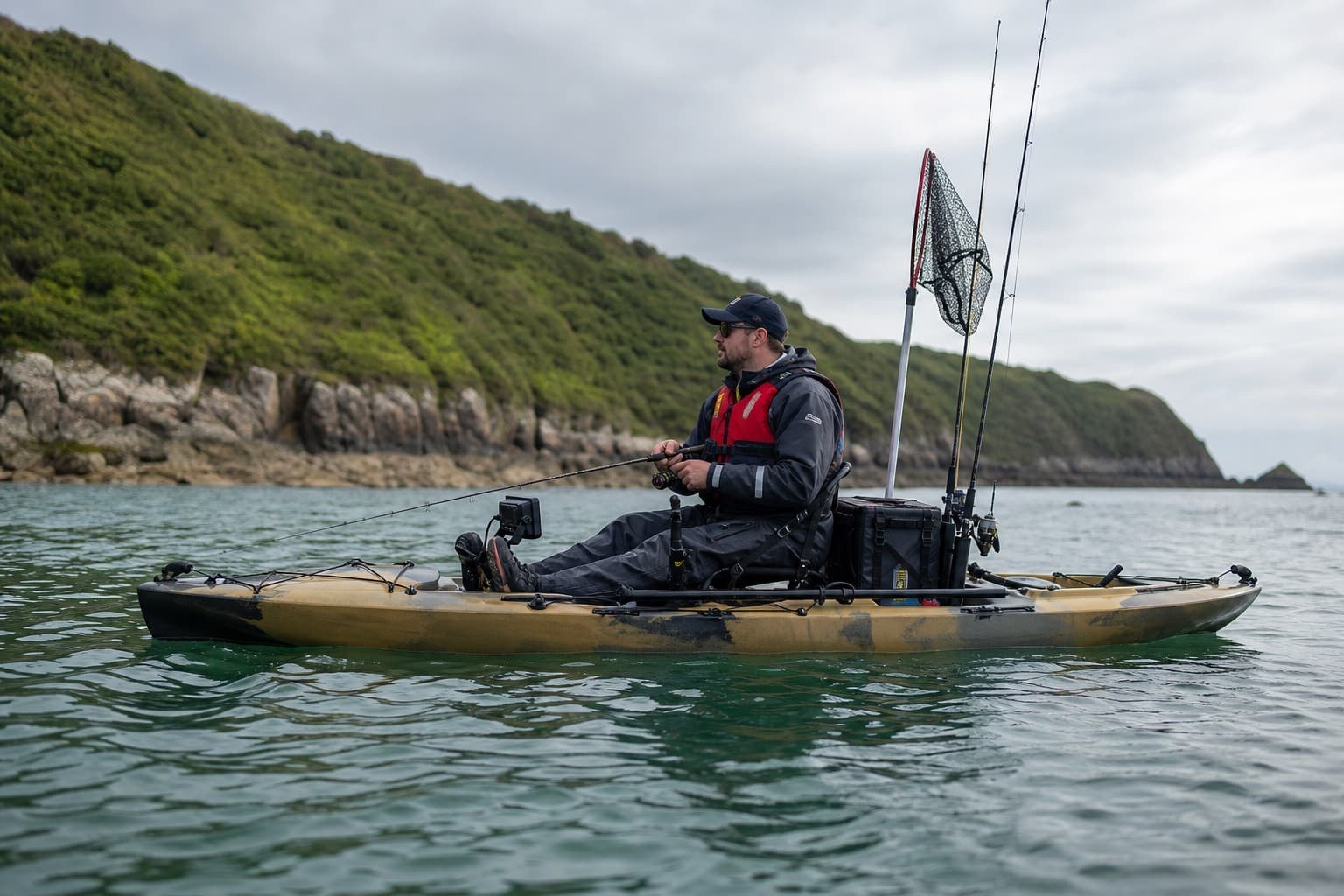
**50N buoyancy aids** are for competent swimmers who are close to the bank, shore or other help. They keep you afloat while you swim, but they are not designed to turn you on to your back, so they will not help if you are knocked unconscious or exhausted. They suit active fishing such as kayaking and paddling, where a bulky lifejacket gets in the way.
**100N lifejackets** are designed to help turn the wearer on to their back and hold their head clear of the water. They are a common choice for children and for sheltered or inshore water where rescue is not far away.
**150N lifejackets** give more support and a stronger turning action, which matters when you are wearing waterproofs, boots and layers that trap air or drag you down. Most auto-inflating jackets worn by boat and rock anglers sit at 150N or above.
Always read the label: it should state the buoyancy rating, the standard it meets and the wearer weight or chest size it is made for.
Foam, automatic or manual inflation: which is best?
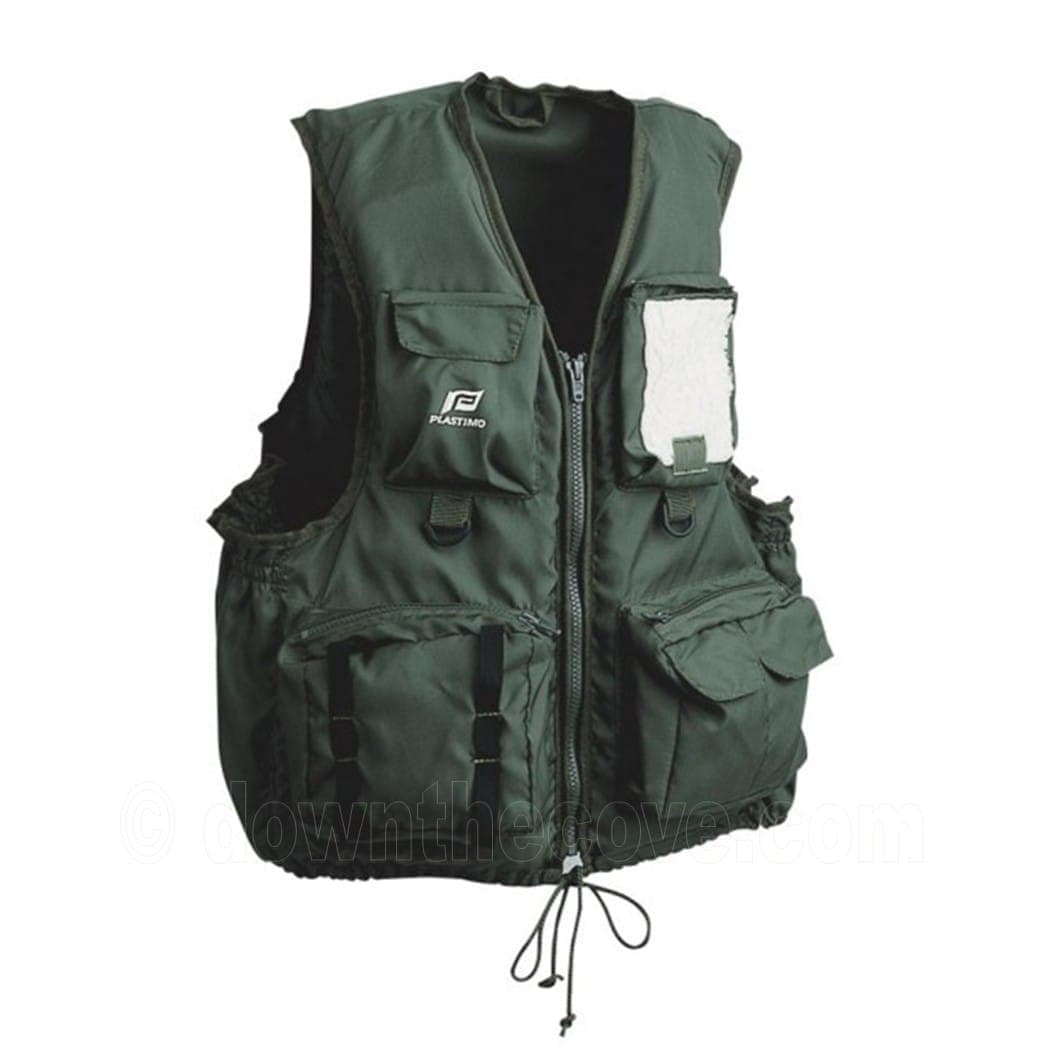
**Foam** jackets and buoyancy aids work the moment you hit the water, need no servicing beyond a visual check, and cannot fail to inflate. The trade-off is bulk. Foam buoyancy aids are the norm for kayak angling, and the Plastimo Fishing Buoyancy Aid / Waistcoat - 50N uses one-piece foam and doubles as a tackle waistcoat, so it earns its place on the water rather than being left in the car.
**Automatic inflatable** lifejackets are slim when packed and fire a gas cylinder when they get wet, either through a water-sensitive capsule or a pressure-triggered mechanism that activates once submerged. They are popular with boat and rock anglers because you can cast all day in one and barely notice it. The catch is that they need regular checks and servicing, and a soaking from spray or heavy rain can set some types off.
**Manual inflatable** lifejackets only inflate when you pull the toggle. That avoids accidental firing, but it relies on you being conscious and able to reach the toggle after a fall, which is a real risk if you hit rocks or go in from height. For most anglers on rocks and walls, an automatic jacket is the safer choice. All inflatables also have an oral inflation tube to top them up by mouth.
Inflatable lifejackets are generally not recommended for young children. Foam jackets are simpler, always ready, and do not depend on a mechanism a child cannot check.
When should anglers wear one?
The honest answer is any time you are fishing where you could end up in the water unexpectedly. That covers more marks than people think.
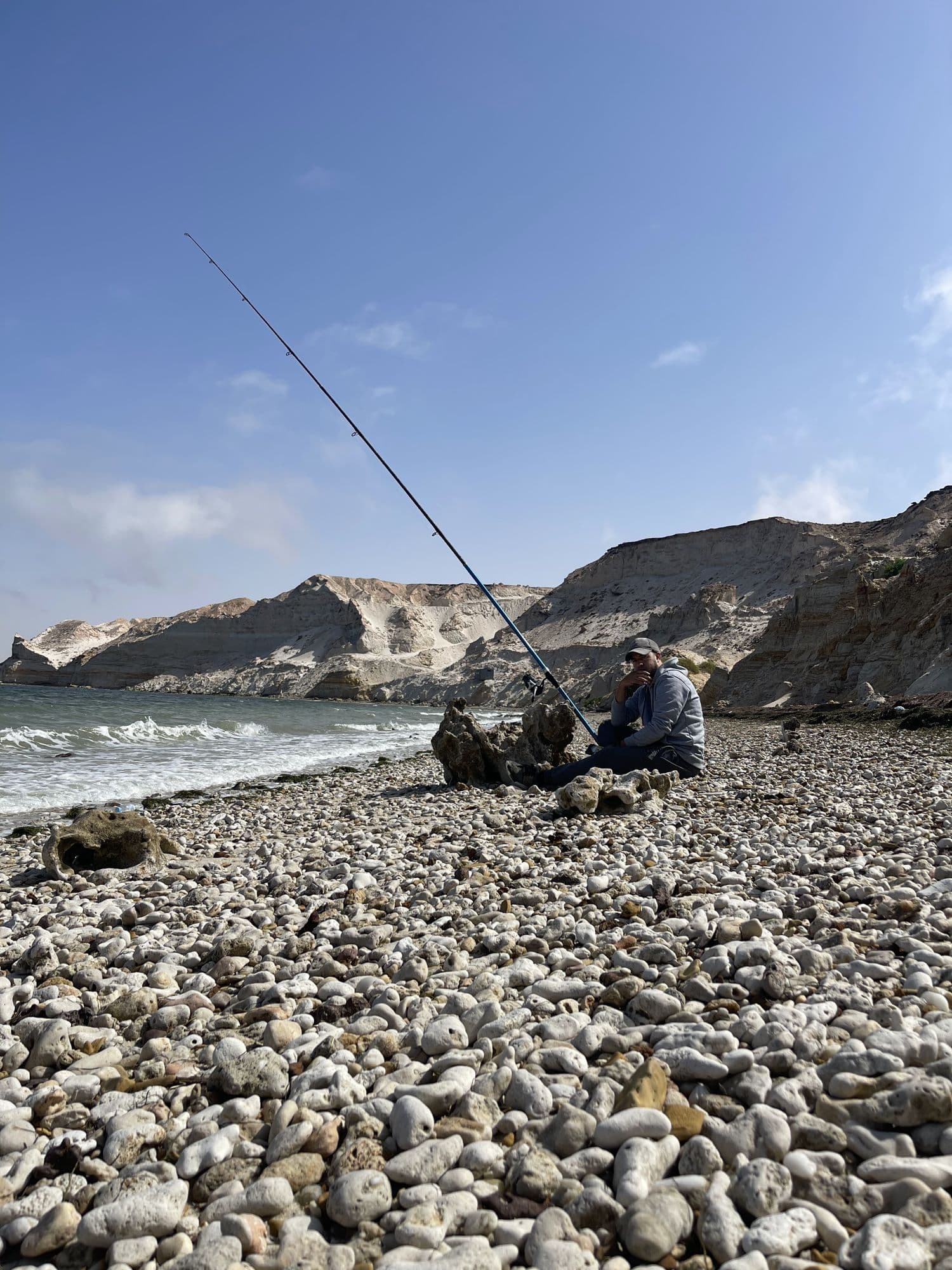
**Rocks and ledges.** Rock fishing is one of the riskiest forms of angling because of swell, surges and slippery weed, and getting out of the water on to steep rock is hard. Wear a lifejacket rather than a buoyancy aid here. Our rock and cliff fishing guide covers choosing marks and watching the tide.
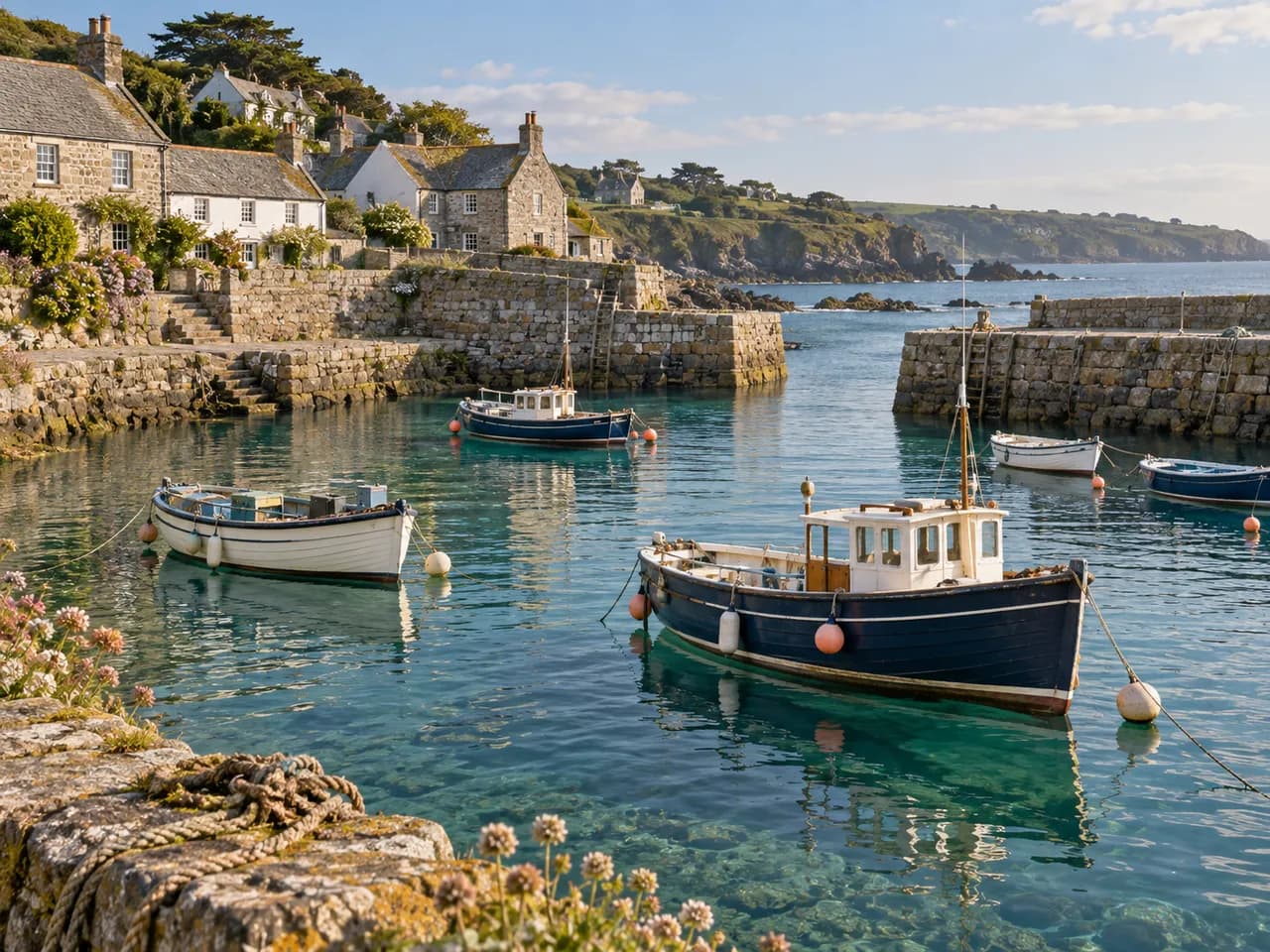
**Piers and harbour walls.** A fall from a wall can mean deep water, a long way down and no easy way out. A lifejacket buys you time to reach steps, a ladder or a lifebuoy. See our harbour wall fishing guide for more on fishing these spots.
**Boats.** Wear one at all times on deck, not just in rough weather, as falls can easily happen getting on and off, or when someone leans over to land a fish. Our boat fishing guide has more on fishing afloat.
**Kayaks.** A buoyancy aid is the usual choice because it leaves your arms and shoulders free to paddle and climb back aboard. Read our kayak fishing guide before heading out.
Winter and night sessions raise the stakes further, with colder water, bigger swells and fewer people about. If you are heading out in the colder months, our winter shore fishing guide is worth a read alongside this one.
What does the RNLI advise anglers?
The RNLI's safety messages for anglers are practical and worth building into every trip. In short: wear a lifejacket, check the weather and tide times before you go, tell someone where you are going and when you will be back, and carry a means of calling for help, such as a charged phone in a waterproof pouch. In an emergency at the coast, dial 999 or 112 and ask for the Coastguard.
If you do fall in, the RNLI's Float to Live advice is to fight your instinct to thrash about. Lean back, spread your arms and legs, and float until the effects of cold water shock pass and you can catch your breath, then call for help or swim to safety. A lifejacket makes that far easier.
Safety advice is updated from time to time, so check the RNLI's current guidance for anglers before you go. Our coastal safety guide covers rip currents, tides and conditions.
How do you choose a lifejacket for a child?
Children's lifejackets are sized by weight, not age, so weigh your child before you buy and match them to the weight range printed on the label. A jacket that is too big will ride up over the face in the water; one that is too small will not give enough support. Children grow quickly, so recheck the fit at the start of each season rather than buying a size up to grow into.
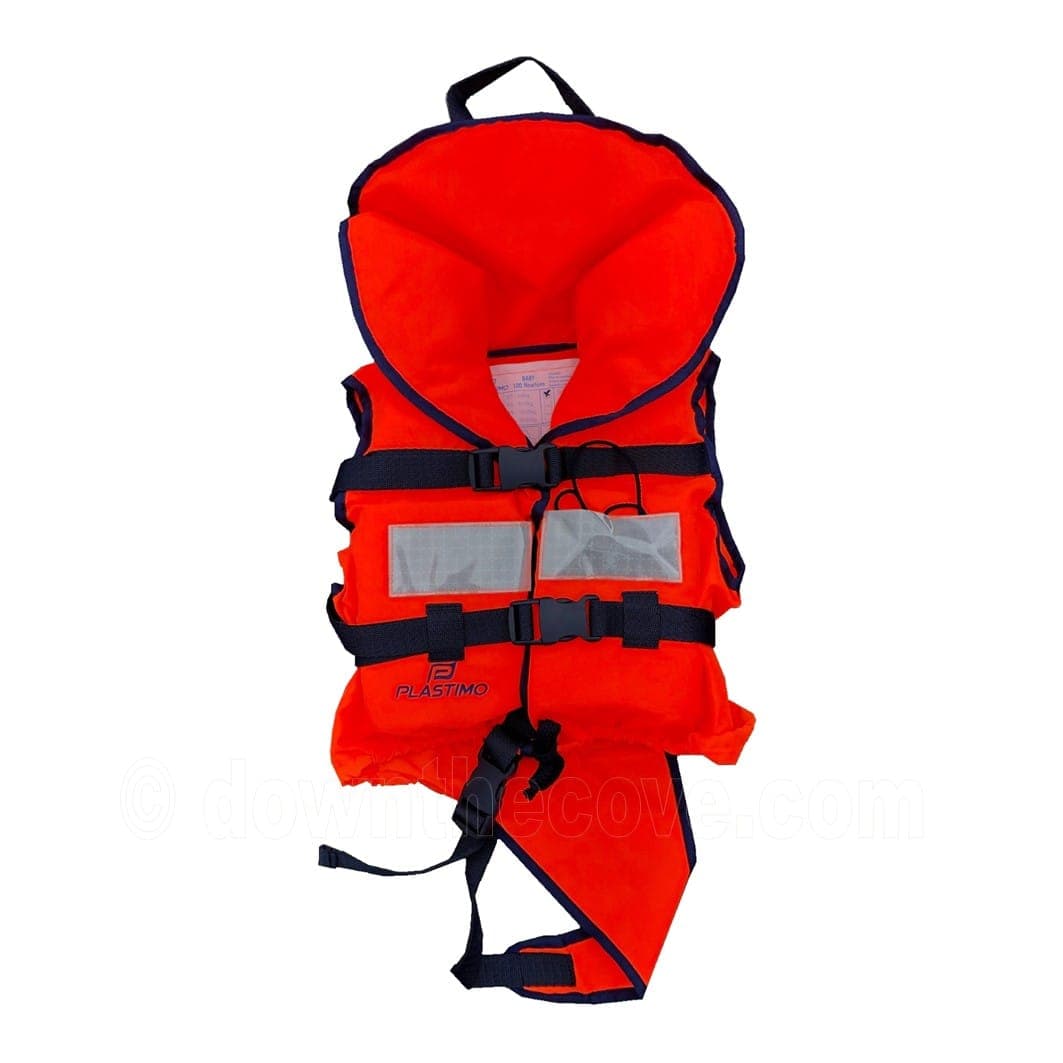
A 100N foam lifejacket is the usual choice for children on boats, harbours and piers. The Plastimo Childs Lifejacket - 100N is a 100N lifejacket designed for children and babies, with self-righting capacity to help keep a child's head well clear of the water. Check the product page for the weight ranges available.
**Crotch straps** (sometimes called leg or thigh straps) pass between the legs and stop the jacket being pushed up over the child's head when they hit the water. Always fasten them if the jacket has them. For babies and toddlers, look for a jacket with a crotch strap, a head support collar and a grab handle so an adult can lift the child out.
Even with a well-fitted lifejacket, nothing replaces close adult supervision near water. Keep younger children within arm's reach on walls, quays and pontoons, especially when crabbing or fishing over the edge.
How should a lifejacket fit?
A lifejacket that does not fit properly may not work when you need it. Do these checks every time you put one on, for adults and children alike:
Fasten every buckle and zip, then tighten the waist strap so it is snug over your clothes but you can still breathe comfortably. Ask someone to lift the jacket by the shoulders. If it rises up past the chin or ears, it is too loose or too big, and it will do the same in the water. Fasten crotch straps where fitted, and adjust them so they are firm without digging in.
Try it on over the clothes you actually fish in. A jacket that fits over a T-shirt may not close over a winter jacket and bib-and-brace, and one sized for winter layers may be loose in summer. For inflatables, check that the inflated bladder will sit freely and that nothing, such as a rucksack strap or tackle bag, will trap it.
How do you care for and service an inflatable lifejacket?
Inflatables need more looking after than foam, and a jacket that has not been checked may not inflate. Before each trip, check that the gas cylinder is screwed in hand tight, is not corroded and has not been fired. Look at the firing mechanism's indicators: most show green when armed and red or missing when they need attention. Make sure the manual toggle is reachable and not tucked away.
Every few months, or as the maker suggests, open the cover and inflate the bladder orally. Leave it overnight. If it has gone soft by the morning, it may have a leak and should not be used until it has been checked. Deflate it fully before repacking.
Have inflatables serviced at the interval the manufacturer gives, often yearly, by the maker or an approved service agent. Replace the cylinder and firing capsule after any firing, and replace capsules by their expiry date. Rinse jackets in fresh water after use, dry them away from direct heat and store them somewhere cool and dry.
Foam jackets and buoyancy aids are simpler: rinse, dry and check for tears, crushed foam, faded fabric and worn straps or buckles. Retire any that are damaged.
What else should you carry?
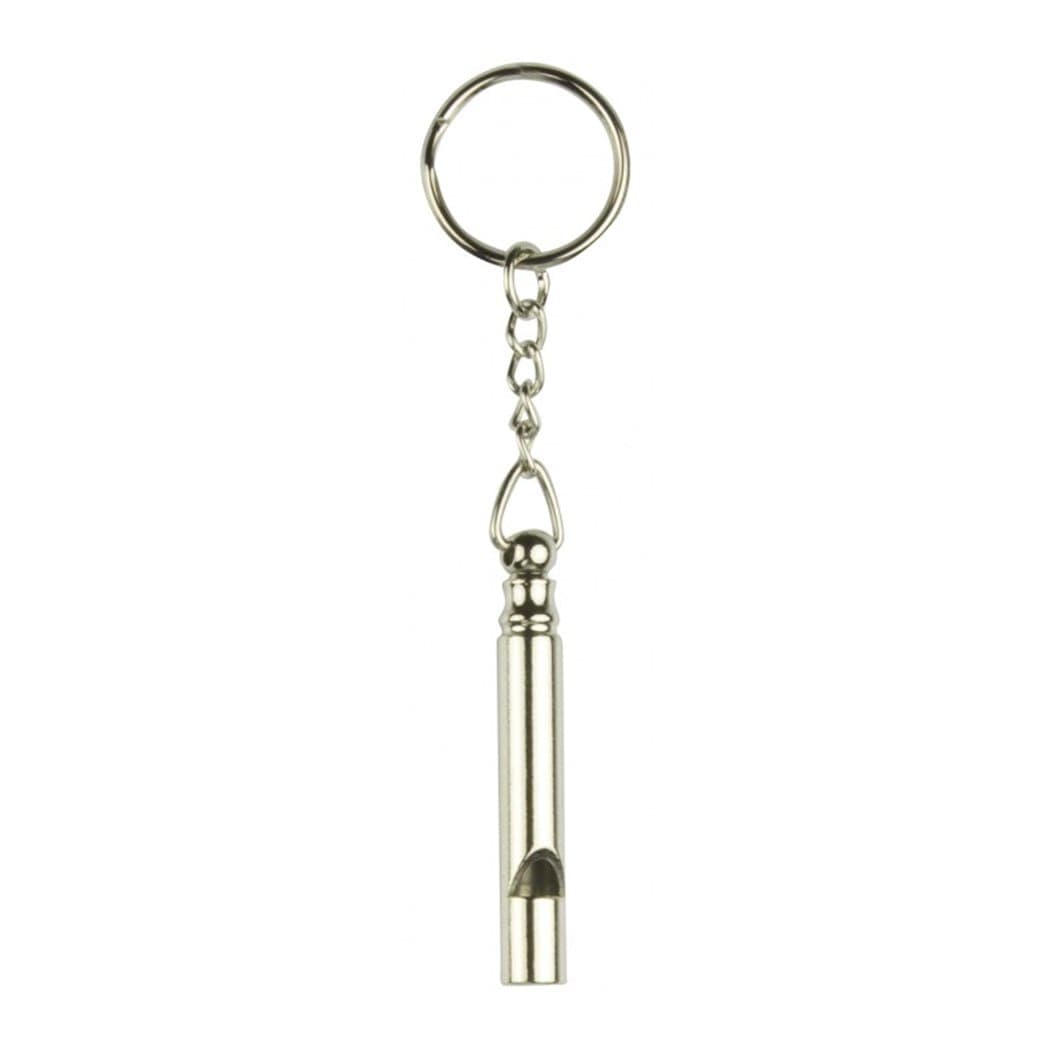
A lifejacket is the starting point, not the whole kit. A whistle is small, cheap and can be heard further than a shout; the Chrome Whistle Keyring clips to a bag or keys so it is always with you. Some anglers also fish with their dogs on the rocks, and a Plastimo Dog / Pet Flotation Vest is worth thinking about there.
You can browse our full range of lifejackets and buoyancy aids and other coastal safety equipment before your next trip.
Quick checklist
**Kayak, competent swimmer, help close by:** a 50N buoyancy aid can be enough. **Rocks, piers, harbour walls and boats:** wear a lifejacket, ideally 150N for adults in fishing clothes. **Children:** a 100N foam lifejacket sized by weight, with crotch straps fastened.
Before each trip: do the shoulder lift test, fasten every strap, check cylinder and indicators on inflatables, check the weather and tide, tell someone your plans and carry a charged phone. In an emergency, dial 999 or 112 and ask for the Coastguard. Check current RNLI guidance for the latest advice.