The full guide
Read straight through, or use the fishing notes above to keep marks, tides and tackle easier to follow.
No. You do not need a licence to fish for sea fish with a rod and line from the shore or a boat anywhere in the UK, whether that is mackerel off a harbour wall in Cornwall or cod from a Yorkshire beach. The exceptions are salmon and sea trout, and anything you fish for in freshwater, which need a rod licence in England, Wales and Northern Ireland. No licence does not mean no rules, though. Below we cover each of the four nations, where the rod licence boundary falls in estuaries and tidal rivers, minimum sizes, the current sea bass rules for 2026, selling your catch, charter boats, children, and what happens if you break the rules.
Useful starter kit
Friendly tackle picks chosen to make the guide easier to put into practice.

Do you need a fishing licence for sea fishing in England and Wales?
Not for sea fish. The rod fishing licence sold by the Environment Agency is for freshwater fishing with a rod and line in England and Wales. GOV.UK says you need one to fish for salmon, trout, freshwater fish, smelt or eel, and the same licence covers both countries, plus the Border Esk region that crosses into Scotland. Sea species such as bass, mackerel, pollack, wrasse, mullet, flatfish, cod and whiting are not on that list.
So if you are spinning for bass off a Cornish beach, feathering for mackerel from a pier or bottom fishing for rays from a boat, you need no licence at all. You do still need to follow the national sea fishing rules and the byelaws of your local Inshore Fisheries and Conservation Authority (IFCA), which we come to below.
Wales follows the same rod licence rules as England, but its salmon and sea trout byelaws are stricter and are set by Natural Resources Wales.
What about Scotland and Northern Ireland?
Scotland has no fishing licences for recreational fishing at all, sea or fresh water, apart from the Border Esk region, which is covered by the England and Wales rod licence. What you do need in Scotland is permission. Salmon and sea trout fishing rights are owned, often separately from the land, so you need a permit or written permission from whoever holds the rights. Rod fishing for salmon is banned on Sundays. Sea angling for sea fish needs no permit, but species rules still apply, including the bass rules.
Northern Ireland is different again. The nidirect government site says there is no need for a rod licence for sea angling, except when fishing for salmon or sea trout. Freshwater fishing needs a rod licence and an angling permit. DAERA and the Loughs Agency each sell licences for their own areas. In the DAERA area a licence is needed for each rod used by anyone over 12, while in the Loughs Agency area licences apply to all ages.
Do you need a rod licence to fish in an estuary or tidal river?
This is where most people get caught out. The licence follows the fish you are fishing for, not just the place. In England and Wales, if you are fishing an estuary with sea tackle for sea fish such as bass, mullet or flounder, you do not need a rod licence. If you fish the same estuary for sea trout or salmon, you do, and it has to be the salmon and sea trout licence, not the cheaper trout and coarse one.
Move upstream past the tidal limit and you are freshwater fishing, so a rod licence is needed whatever you are after, along with permission from whoever owns the fishing. Many tidal stretches are owned too. In Dorset, for example, the Environment Agency owns the fishing rights in the tidal waters of the Frome and Piddle above Poole Harbour.
Eel and smelt are the grey area. Both are on the rod licence list and both turn up in estuaries. The national rod fishing byelaws for England say any eel you catch must be returned to the water. If you regularly fish brackish water where sea trout, eels or freshwater fish are likely, buying a rod licence removes all doubt. If you are unsure where a river stops counting as sea, ask the Environment Agency or Natural Resources Wales for that river.
What are the rules for salmon and sea trout?
Salmon and sea trout spend much of their lives at sea, but they are treated as freshwater fish for licensing. In England and Wales you need the salmon and sea trout rod licence to fish for them, even in tidal water, and anyone holding that licence must send in a catch return each year, even if they did not fish.
In England, any salmon caught before 16 June must be released with the least possible injury, and some local byelaws set a later date. In Wales the rules are tighter: on all rivers every salmon must be returned, and every sea trout over 60cm must be released. Any salmon, sea trout or trout that is foul hooked, meaning hooked anywhere other than the mouth or throat, must be released.
If a sea trout or salmon takes your lure or bait while you are fishing for bass, unhook it quickly in the water and let it go. Without the right licence you should not have been fishing for it, and keeping it would be an offence.
Are there minimum sizes for sea fish?
Yes, and they apply to anglers as well as commercial boats. Minimum sizes are set nationally for some species and by local IFCA byelaws for others, and they differ from district to district. Any fish below the minimum size must be returned to the sea straight away. In England, check the IFCA for the stretch of coast you are fishing.
In Cornwall, the Cornwall IFCA recreational fishing page lists the sizes that apply to anglers. Examples include bass 42cm, black bream 23cm, red bream 25cm, grey mullet 20cm, red mullet 15cm, flounder 25cm, lemon sole 25cm, dab 15cm, turbot and brill 30cm, and conger 58cm. Fish are measured from the tip of the snout to the end of the tail fin. Apart from bass, these sizes come from older byelaws that do not cover every river and estuary in the district, which is another reason to check.
For shellfish in Cornwall the minimum carapace sizes include lobster 90mm, spider crab 130mm and edible crab 150mm for females and 160mm for males. Anglers on a boat may take no more than five lobster, crawfish, edible crab or spider crab a day, with no more than two of those being lobster and crawfish combined.
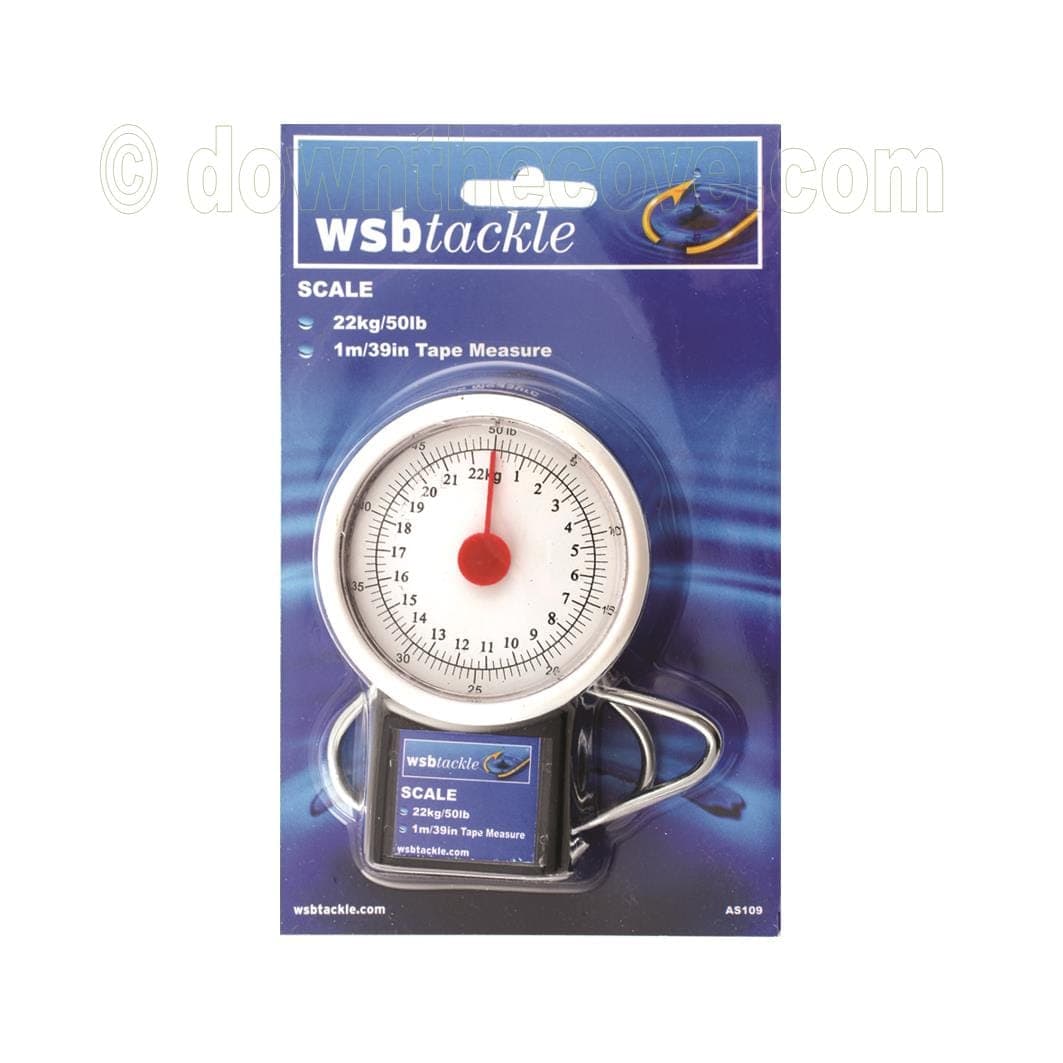
Where no local size exists for a species, a good habit is to use the national minimum conservation reference sizes as your guide, for example pollack 30cm, cod 35cm, plaice 27cm and mackerel 20cm in south-west waters. A measure on your tackle box or a fishing scale with a tape measure settles any argument on the spot.
What are the sea bass rules for 2026?
Bass have their own rules, set by the UK each year after talks with the EU. For 2026, the Marine Management Organisation's Bass Fishing Guidance says recreational anglers may keep up to three bass per person per day outside the catch-and-release period. From 1 February to 31 March 2026 it is catch and release only, with rod and line. The minimum size is 42cm, and every bass under that must go back. The rules apply whether you fish from the shore or a boat.
The three-fish limit is new for 2026. For several years before that it was two a day, so you will still see two quoted in older articles and on some IFCA pages. The limits are reviewed every year, so check GOV.UK before the season starts in 2027.
There are also bass nursery areas, mostly estuaries, where young bass get extra protection. Cornwall has six. In these areas fishing from a boat, or using sand eel as bait from a boat, is banned at certain times of year. If you fish the Fal, Helford, Fowey or Camel from a boat, check Cornwall IFCA's bass leaflet for the exact dates. Our bass fishing guide covers how to catch them, and our page on bass covers the fish itself.
Can you sell fish you catch while sea angling?
Not if you want to stay a recreational angler. GOV.UK defines recreational fishing as fishing for pleasure, tourism or sport where the catch is not marketed or sold. Selling any of it turns the trip into a commercial one, and commercial fishing rules then apply.
In practice that means it is an offence to sell fish caught from a motor-powered boat unless the boat holds a proper fishing vessel licence, and bass caught from the shore cannot be sold at all. Swapping your catch for cash with a pub, a restaurant or a neighbour counts as selling. Take what you will eat, share it with friends and family for free, and let the rest go.
Do the rules change on a charter boat or your own boat?
You still do not need a licence to fish from a boat, but every rule above still applies to you, and the skipper or boat owner can be held responsible too. The bass bag limit is per person, so four anglers on a charter can keep three each, twelve between them, and the skipper cannot keep extra on top of their own three. In 2023 a boat owner in Cornwall was prosecuted for keeping more bass than the recreational limit allowed and ended up paying a £120 fine, £2,000 in costs and a surcharge.
A charter trip is recreational as long as none of the catch is intended for sale. Good charter skippers know the local rules and will tell you on the day. If you are taking your own boat out, read our guides to fishing from a boat and boat trips, and wear a lifejacket.
Do children need a fishing licence?
Not for sea fishing, at any age. For freshwater, salmon and sea trout in England and Wales, children under 13 do not need a rod licence, and 13 to 16 year olds need a junior licence, which is free. In Northern Ireland the age limits are different, as described above.
Children do have to follow the same size limits and bag limits as adults. The bass limit is per person, so a child who catches a 45cm bass in June can keep it, but one at 40cm goes back. It is a good lesson in why the rules exist. A disgorger helps get hooks out quickly so small fish go back in good shape. For choosing a first rod see our guide to kids fishing rods.
What happens if you break the rules?
Fishing for salmon, trout, freshwater fish, smelt or eel in England and Wales without a valid rod licence can lead to a fine of up to £2,500.
At sea, IFCA and Marine Management Organisation officers patrol beaches, harbours and boats and can inspect your catch. Cornwall IFCA's published enforcement record shows that a minor first offence can end in a written warning, but undersized fish or too many bass can lead to prosecution, a fine and court costs, as the Cornwall case above shows. Undersized bass found stored, transported or offered for sale can be seized.
Quick checklist before you go: you need no licence for sea fish; you need a rod licence for salmon, sea trout, freshwater fish, smelt or eel; check your local IFCA minimum sizes; for bass in 2026 it is three per person per day and 42cm minimum, catch and release only in February and March; never sell your catch. For more on where to fish locally, see our guide to sea fishing in Cornwall and the Cornwall shore fishing calendar.