The full guide
Read straight through, or use the fishing notes above to keep marks, tides and tackle easier to follow.
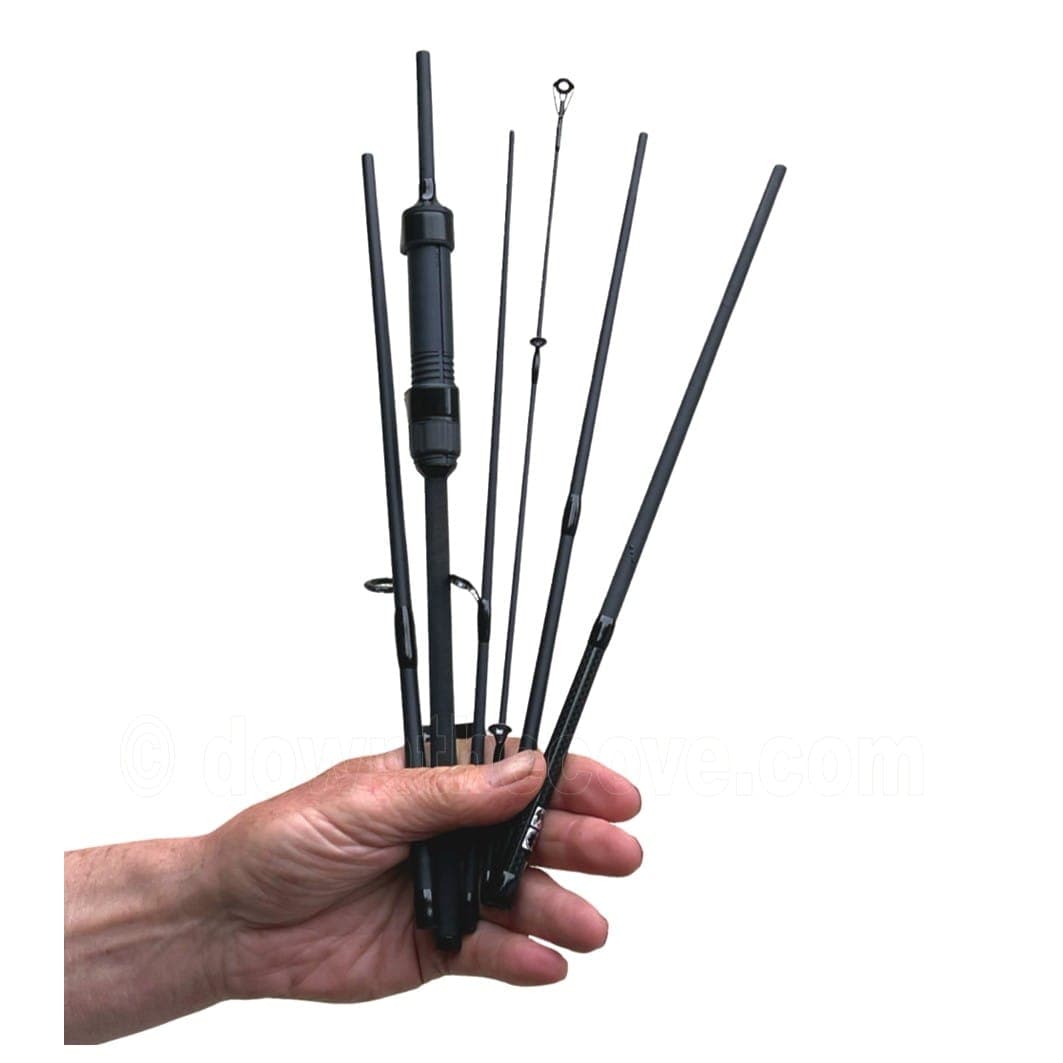
A travel fishing rod breaks down small enough for a suitcase, rucksack or car boot. Multi-piece rods, in four to six sections, feel and cast most like a normal rod. Telescopic rods slide into themselves, so they are the quickest to put up and usually the cheapest. For holiday sea fishing, choose by the weight you want to cast rather than by the length: a rod rated to about 30g, such as the NGT Travelmaster, suits light lures, while one rated up to 120g can also handle leads and mixed sea fishing. Here is how to choose.
Useful tackle picks
Friendly tackle picks chosen to make the guide easier to put into practice.

Rods that pack down small
Telescopic or multi-piece?
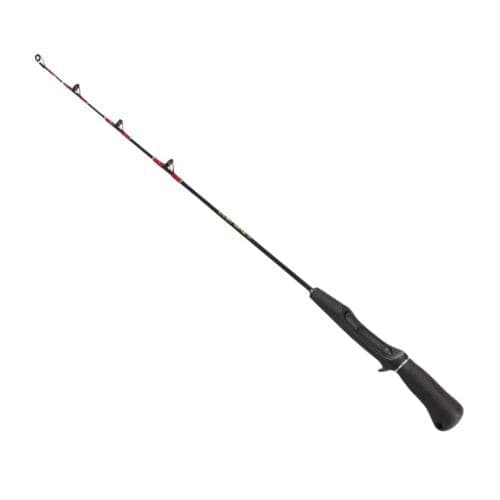
Telescopic rods slide out like an old radio aerial. They are very quick to put up, there are no separate sections to lose, and they usually cost less. The downsides are that sand and grit can get into the sections and that they often feel softer and heavier than a jointed rod of the same length.
Multi-piece rods push together in sections, like a normal rod with more joints. They bend more evenly and usually cast better and feel crisper. The downsides are that they take a minute longer to put together and you have to keep all the sections together, so a tube or bag is a good idea. If casting and feel matter to you, go multi-piece. If you want something to keep in the car or give to a beginner, a telescopic rod is hard to beat.
What the numbers mean on a travel rod
Packed length is the first number to check, because it decides whether the rod fits your luggage. A 9ft rod in four pieces packs down to about 76cm. The Fladen Trigger is just 75cm in one piece and suits backpackers, kayakers and holiday anglers. The NGT Travelmaster is 6ft long when assembled and comes in six carbon sections.
Casting weight is the second number. It tells you what the rod can safely throw, including the lure or lead, the rig and any bait. As a guide, 30g is about 1oz, which is fine for light lures and small floats but too light for beach leads. A range of 40 to 120g, or about 1.5 to 4oz, covers heavier lures and general sea fishing. Stay within the figure on the rod, because going over it can break it.
Assembled length comes third. A longer rod casts further and helps you keep the line clear of rocks and waves, while a short rod is easier to manage on a kayak or a crowded pier.
What can you catch with a travel rod?
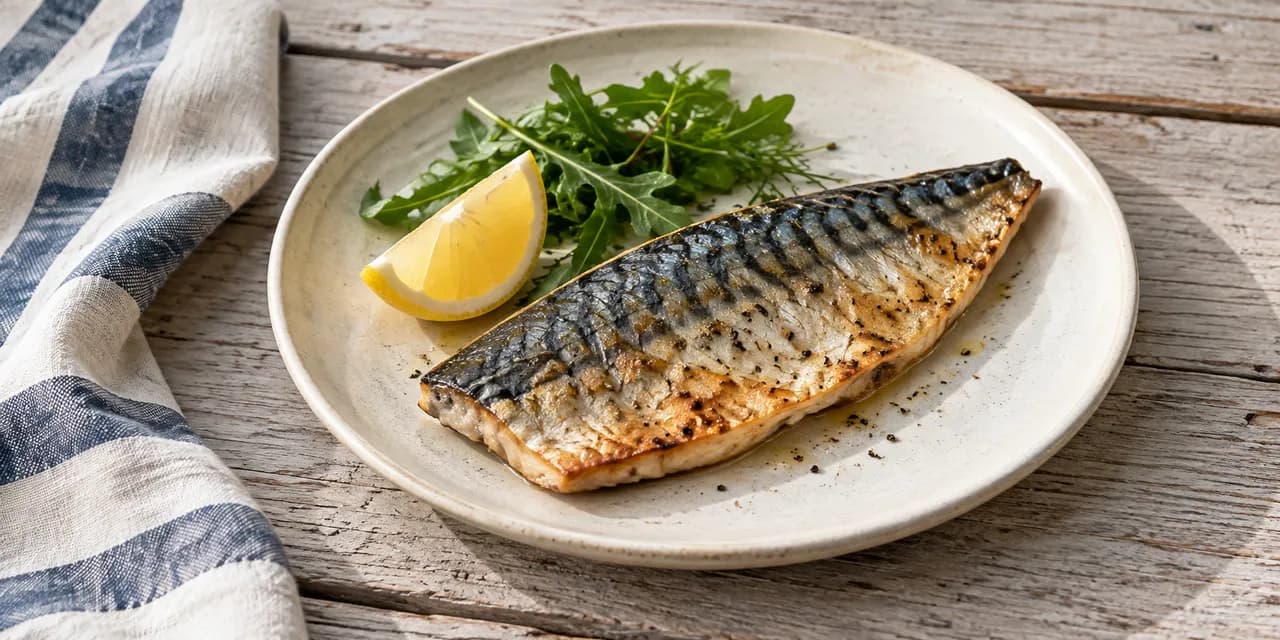
More than you might expect, if you choose where you fish. From harbour walls, piers and rocks with deep water close in, a light travel rod with small lures or a float can catch mackerel, garfish, pollock, wrasse and small bass, and light tackle makes them great fun. Our guides to fishing from a harbour wall and sea fishing lures for beginners are a good place to start.
A travel rod is not a beachcaster, though. If you need long casts into surf, or heavy grip leads to hold in a strong tide, you need a longer, stiffer rod, as we explain in sea fishing rods for beginners. A short rod also makes it harder to use a long string of mackerel feathers, so try a single lure or just a few hooks.
Want the whole kit? Two ready-made travel sets
If you do not own a reel or any tackle, a complete kit saves working it all out. The Telescopic Plus Travel Sea Fishing Kit has a 5ft telescopic rod and reel, a waterproof tackle box, lures, a ready-made rig, floats, weights, a priest and disgorger, scales and guides, all in a backpack. The 6 Piece Carbon Plus Kit is built around the Travelmaster carbon rod with a Dinomax 130 reel already loaded with line, plus a similar set of tackle. Our best beginner sea fishing kits guide compares the options.
Choosing a reel and packing a small kit
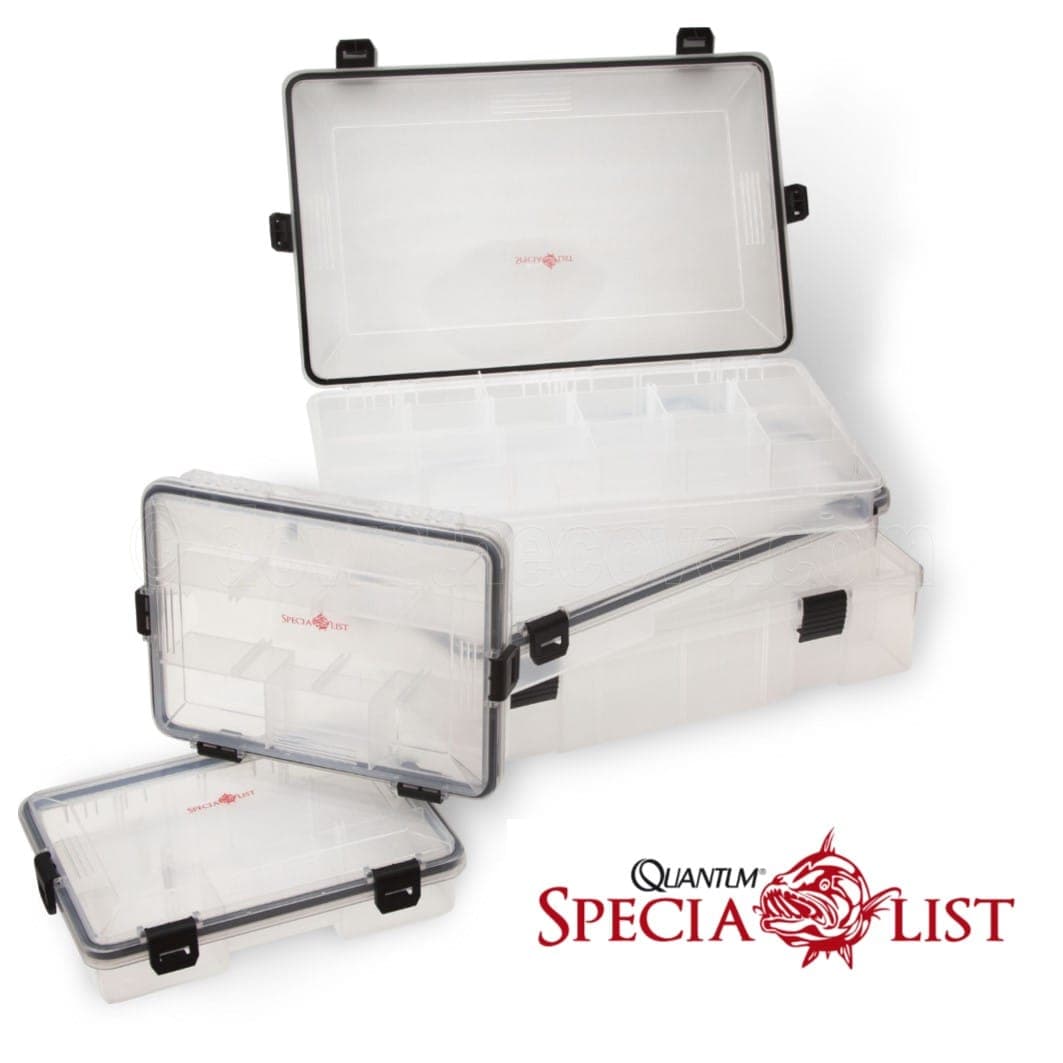
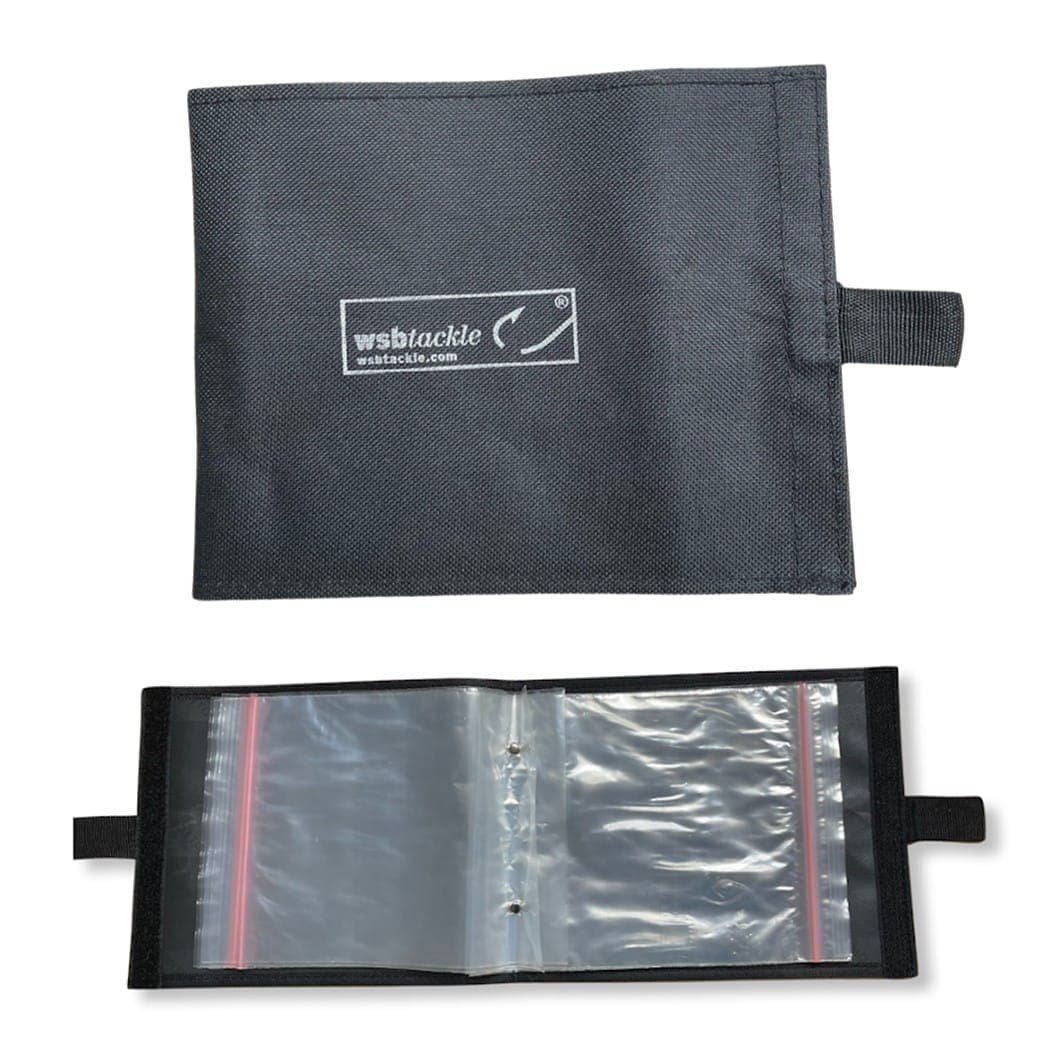
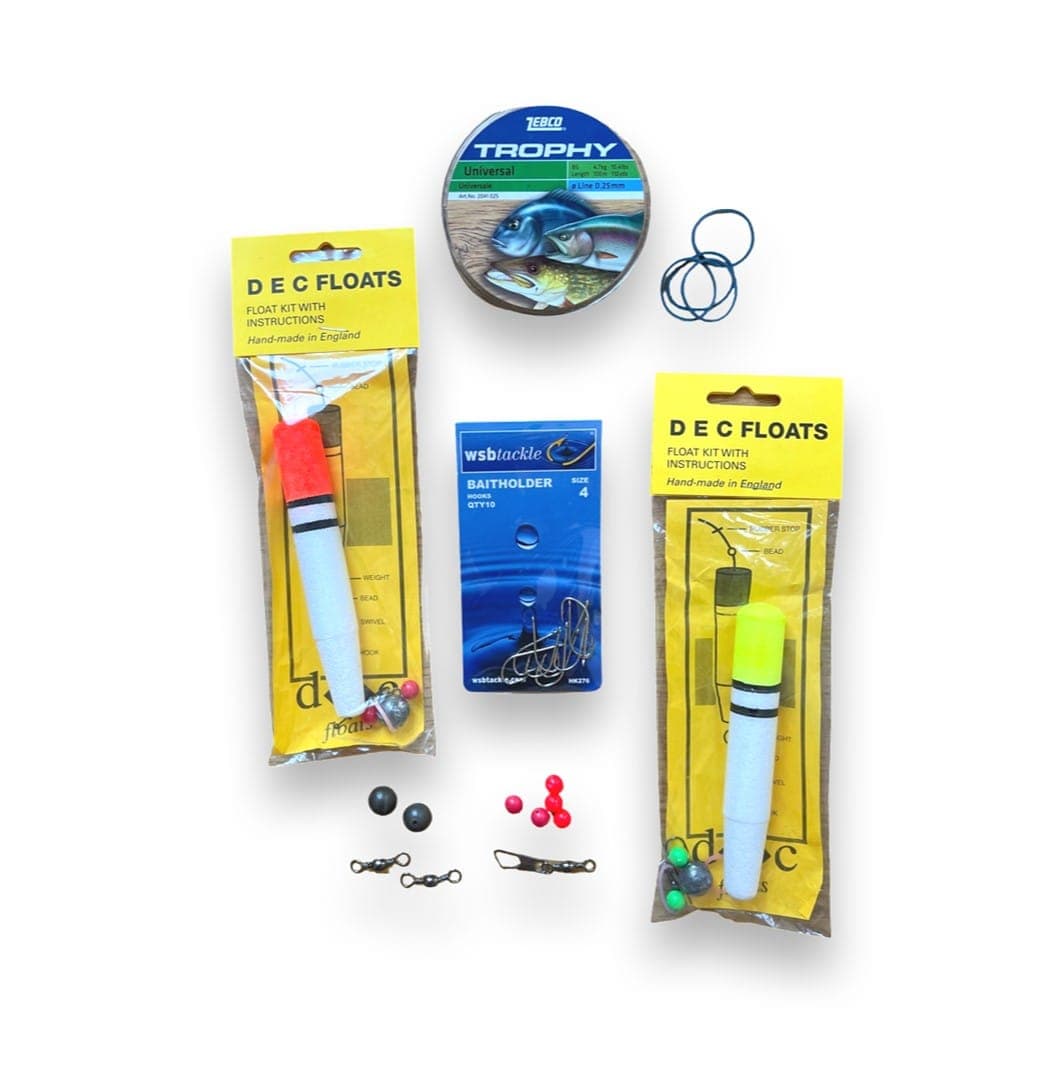
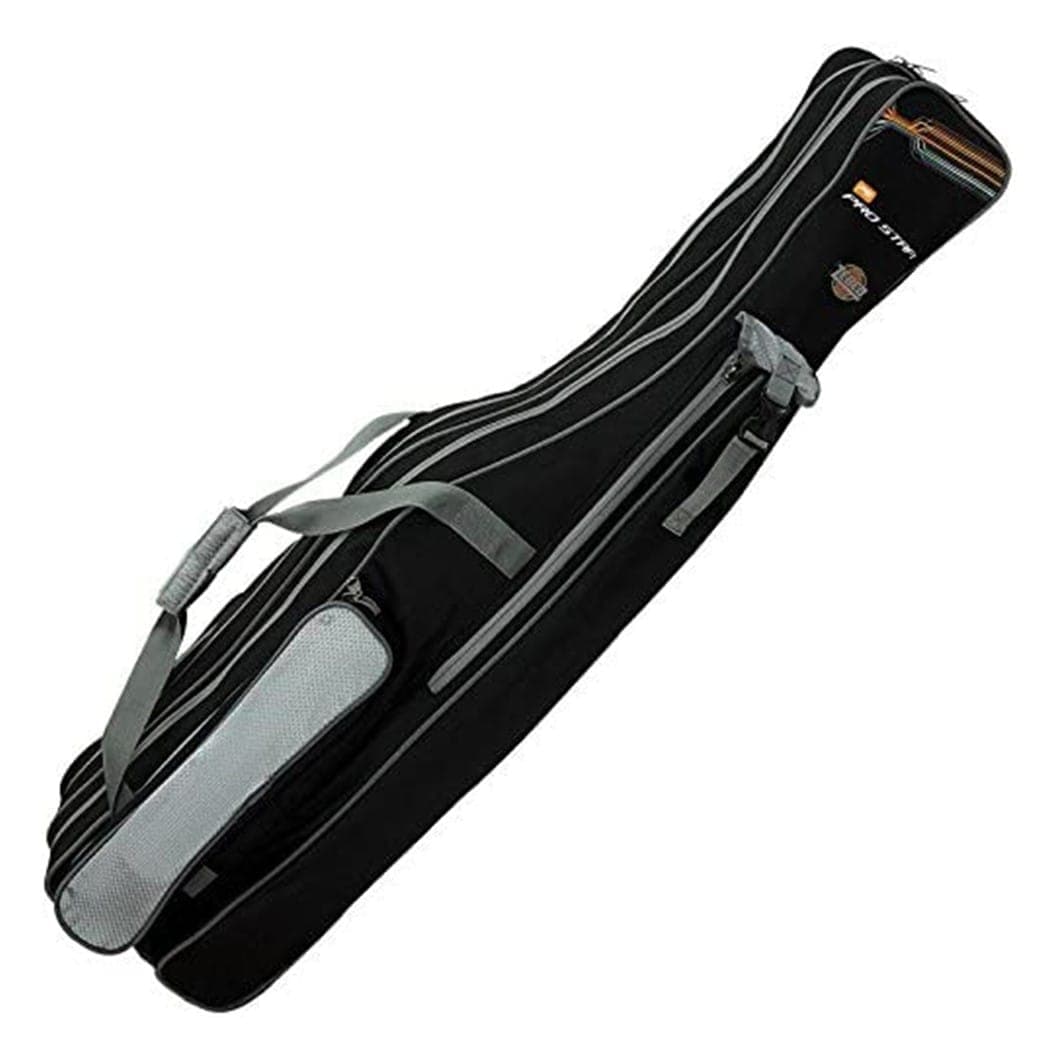
A travel rod needs a reel in proportion. The Dinomax 130 comes loaded with 100 yards of 12lb line and is a good match for light rods, and a larger reel such as the Quantum Torrent FD 360 suits a longer rod. Protect your reel in a Padded Reel Case, and keep your tackle to what fits in one small waterproof box and a rig wallet. A Float Fishing Tackle Kit takes up almost no room and works almost anywhere. If you are taking more than one rod, the Zebco Pro Staff Tele Rod Bag has two main compartments.
A small travelling kit

Can you take a fishing rod on a plane?
From UK airports, yes. The government's list of sports equipment on flights shows fishing rods as allowed in both hand and hold luggage. However, security staff have the final say on what goes through, and airlines set their own limits on the size of hand luggage, so check with your airline before you fly and check the rules at the other end for your return journey.
A rod that packs down to under a metre is much easier to deal with, and a hard tube will protect it in the hold. Pack hooks, lures, knives and scissors in your hold luggage. If you are fishing abroad, check the local rules too, as some countries need a permit even for sea fishing. In the UK, you do not usually need a licence for sea fishing, as our guide to fishing licences explains.
Looking after a travel rod
More joints mean more places for sand and salt to get in. After fishing, rinse the rod gently in fresh water and wipe it down, and let it dry before you pack it away. Keep the sections of a multi-piece rod free of grit, and never force a stuck joint. Open a telescopic rod fully to dry, and pull each section out gently, starting from the tip end, rather than flicking it open. Check the rings for cracks, which can cut your line.
More options
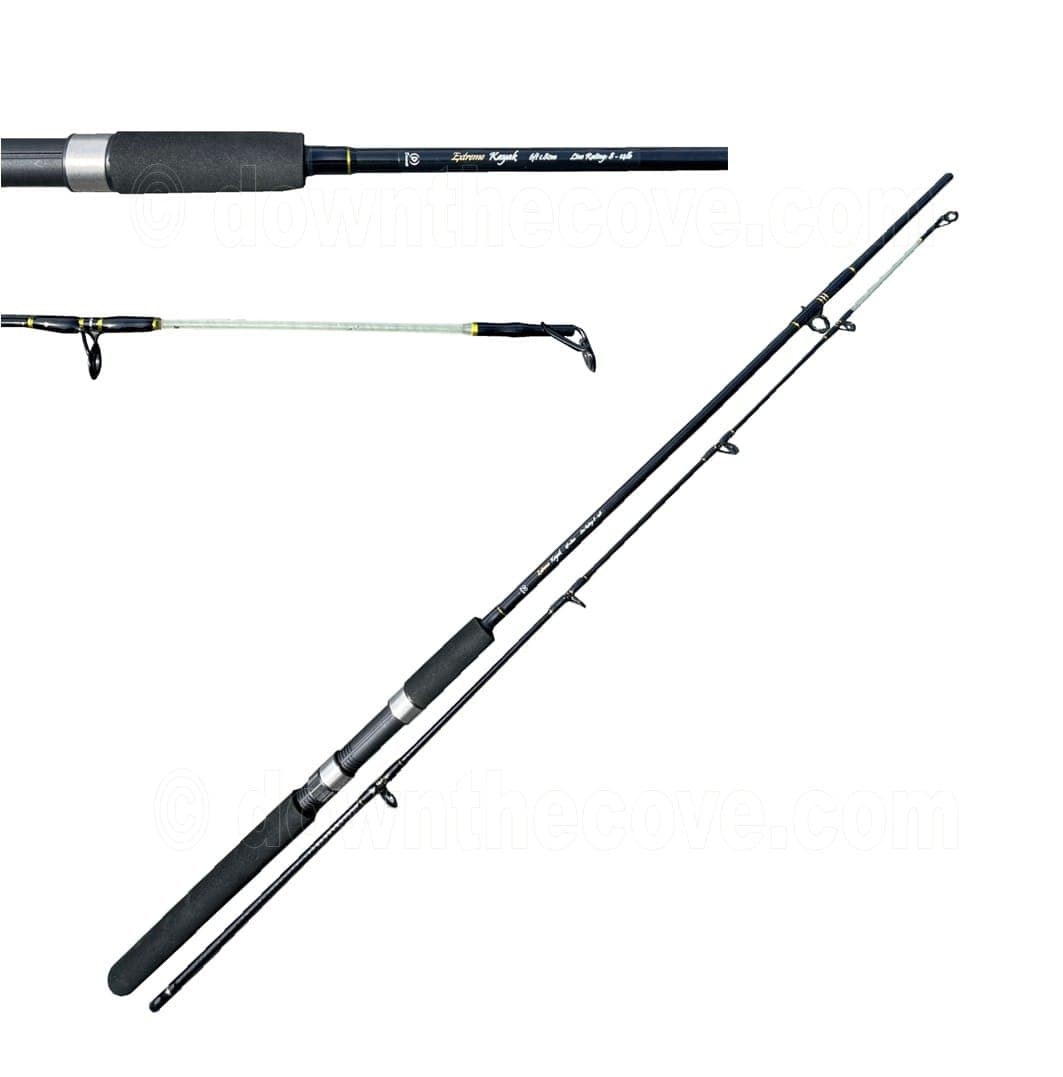
For kayak fishing, a short rod such as the Dennett Extreme is easier to handle, and our kayak fishing guide has more on fishing that way. For children, see our guide to kids' fishing rods. You can see our full range in rods and combos and beginner kits, and if you are new to all this, our guide to how to set up a sea fishing rod will get you started.