Why do fish come closer to the beach at night?
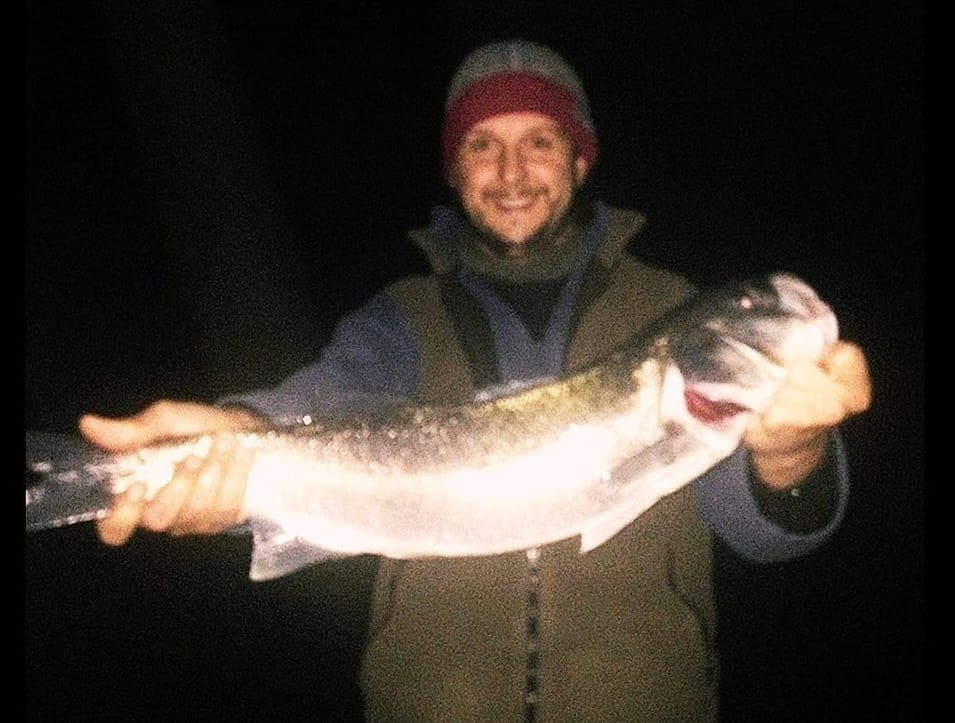
In daylight, a shallow, clear beach can feel exposed to fish. Once it gets dark, many species become more confident and move into shallower water to feed on worms, crabs, sandeels and small fish disturbed by the waves. A rough sea that has churned up the bottom, followed by a calmer night, is a classic time for this.
What you might catch depends on where you are and the time of year. On many UK beaches, autumn and winter nights can bring whiting, dogfish, flatfish such as dabs and flounder, rays on some sandy marks, bass into early winter in the south and west, and cod in colder months, more so further north and east. Conger are more a feature of rough ground, harbours and rocky edges than clean sand. For a fuller run-down of winter species and the baits that suit them, see our winter shore fishing guide.
Darkness is not magic, though. A flat calm, gin-clear night on a beach that holds few fish will still be quiet. Local knowledge from other anglers and your nearest tackle shop is worth more than any rule of thumb.
How do you choose a safe beach for night fishing?
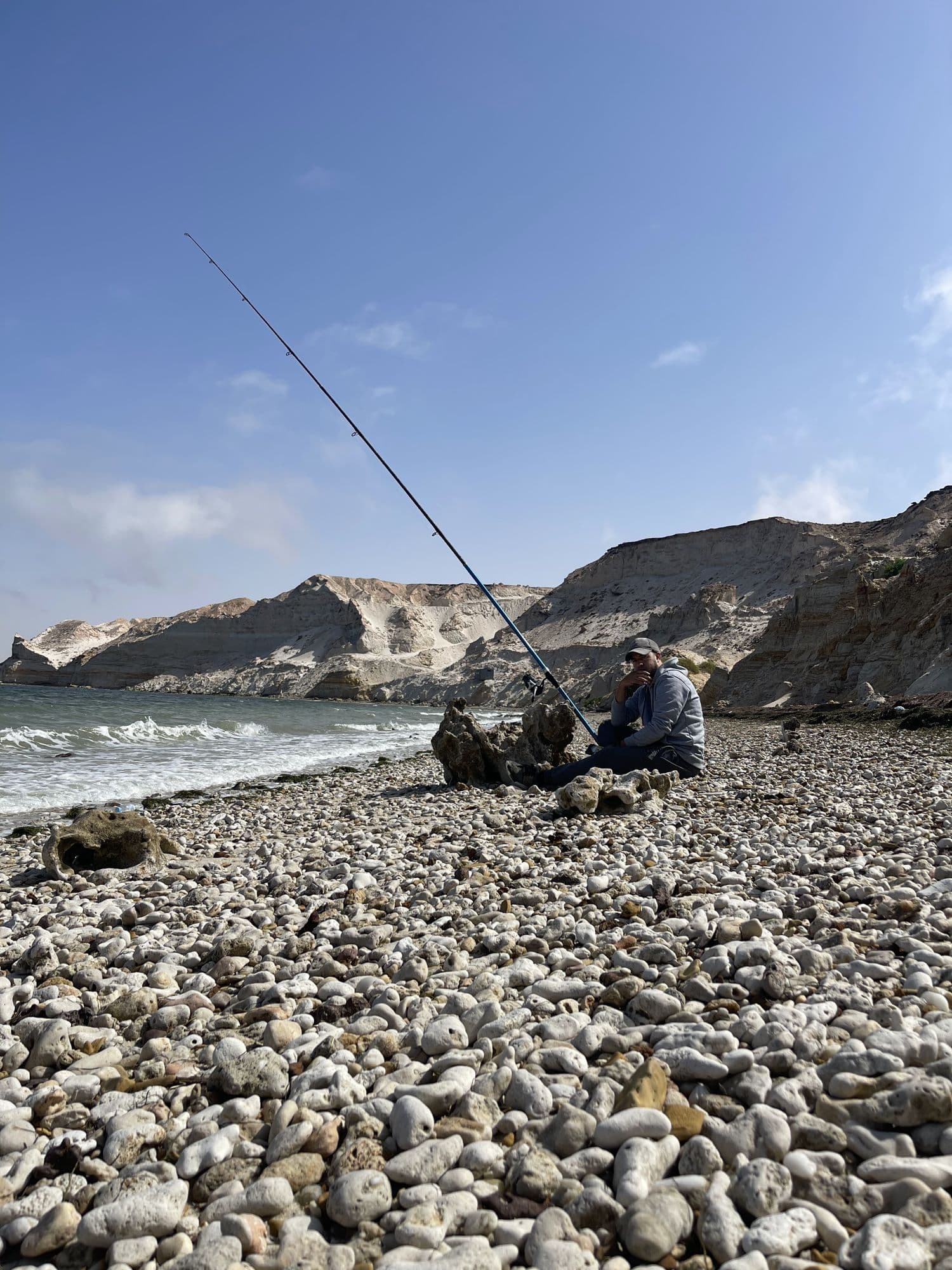
For your first few night sessions, pick a beach you have already fished or at least walked in daylight. Visit it at low tide if you can, so you can see where the gullies, rocks, soft sand and any snags are. Note where the high-water mark reaches, because the sea will come much further up some beaches than you expect.
Check the tide times before you go and plan your session around them. Know exactly how you will get off the beach, and make sure that route cannot be cut off by the rising tide. Avoid beaches backed by cliffs with only one way out, and avoid wading out onto sandbars or rocks in the dark.
A gently shelving, open sandy beach with easy parking and a clear path is a sensible start. Busier, well-known night marks also have the advantage that other anglers are around. Our guides to fishing from a beach and choosing a fishing location cover how to read a beach in more detail.
What do you need to take night fishing?
The basic tackle is the same as for daytime beach fishing: a beach rod, a reel loaded with suitable line, leads, rigs and bait. A matched outfit such as the Zebco Saltfisher surf rod and reel combo is a straightforward option, and you can browse more beach and shore fishing gear if you are building a setup piece by piece.
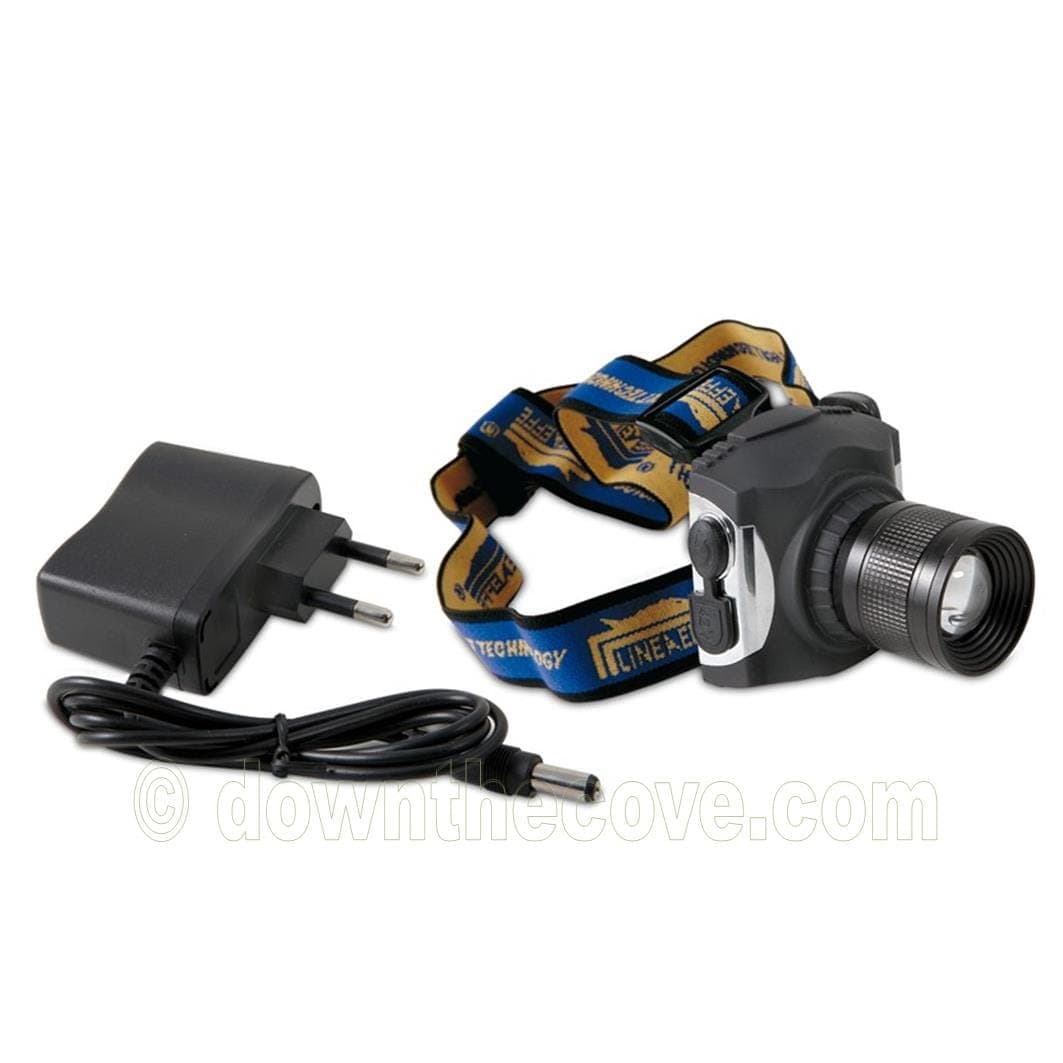
A headlamp is the single most important extra. It keeps both hands free for baiting, tying knots and unhooking, and it lights your path off the beach. The Lineaeffe 3 Watt LED rechargeable headlamp has an adjustable focus beam, which is handy for switching between close work and looking along the beach. If your headlamp has a red light mode, use it for close-up jobs, because it is gentler on your night vision and on the eyes of anglers next to you. If it does not, angle the beam down and turn your head away from other people and from the water when you can. Always charge it before you go, or carry spare batteries or a power bank.
Beyond that, it is worth packing:
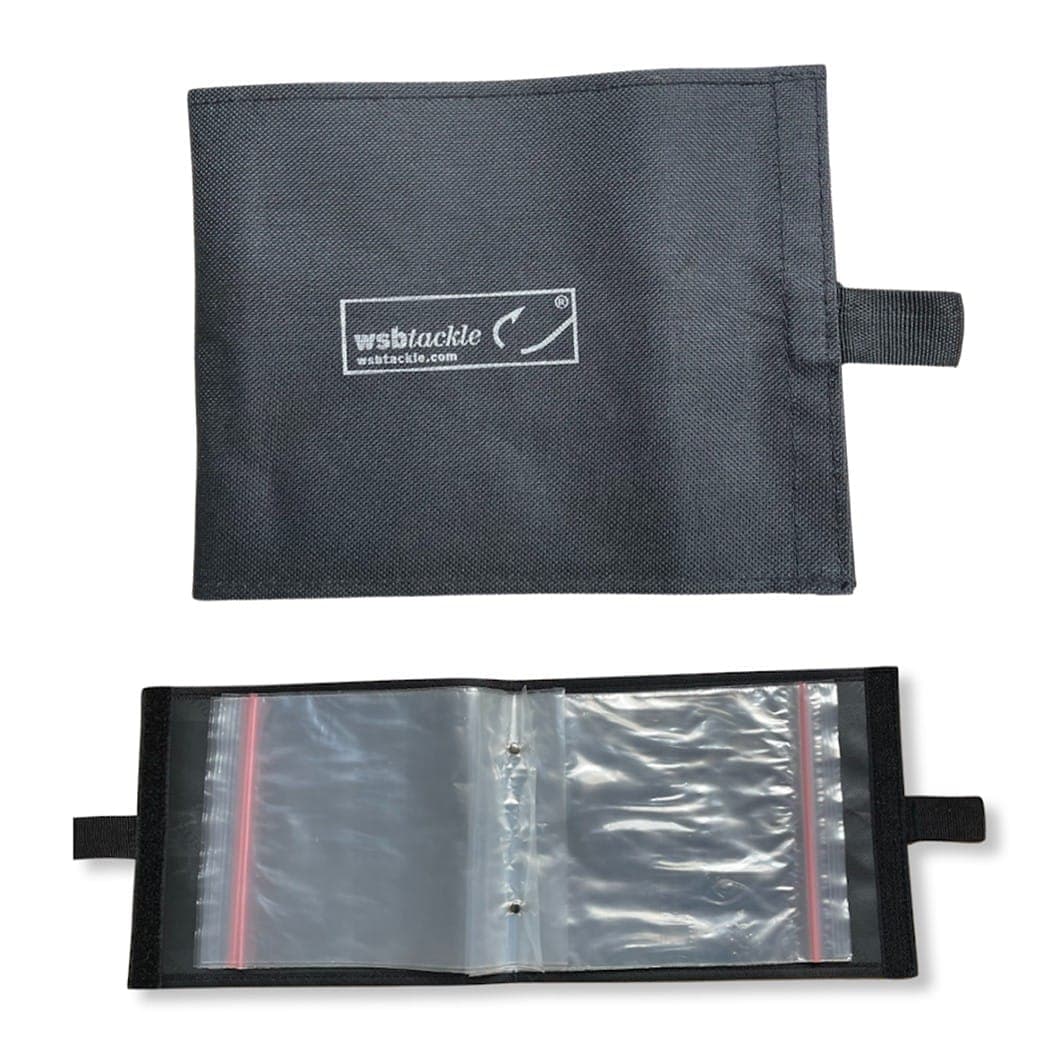
A rod rest or tripod, so your rod stands upright with the tip silhouetted against the sky. A rod tip light, isotope or clip-on light stick, so you can see the tip move in the dark. A few spare light sticks. A rig wallet holding rigs you have tied or bought in advance. Warm, waterproof layers, a hat and gloves, plus a flask of something hot and some food. A bait knife, an unhooking tool or pliers, a cloth or towel, and a bin bag for rubbish and line.
How do you set up and bait in the dark?
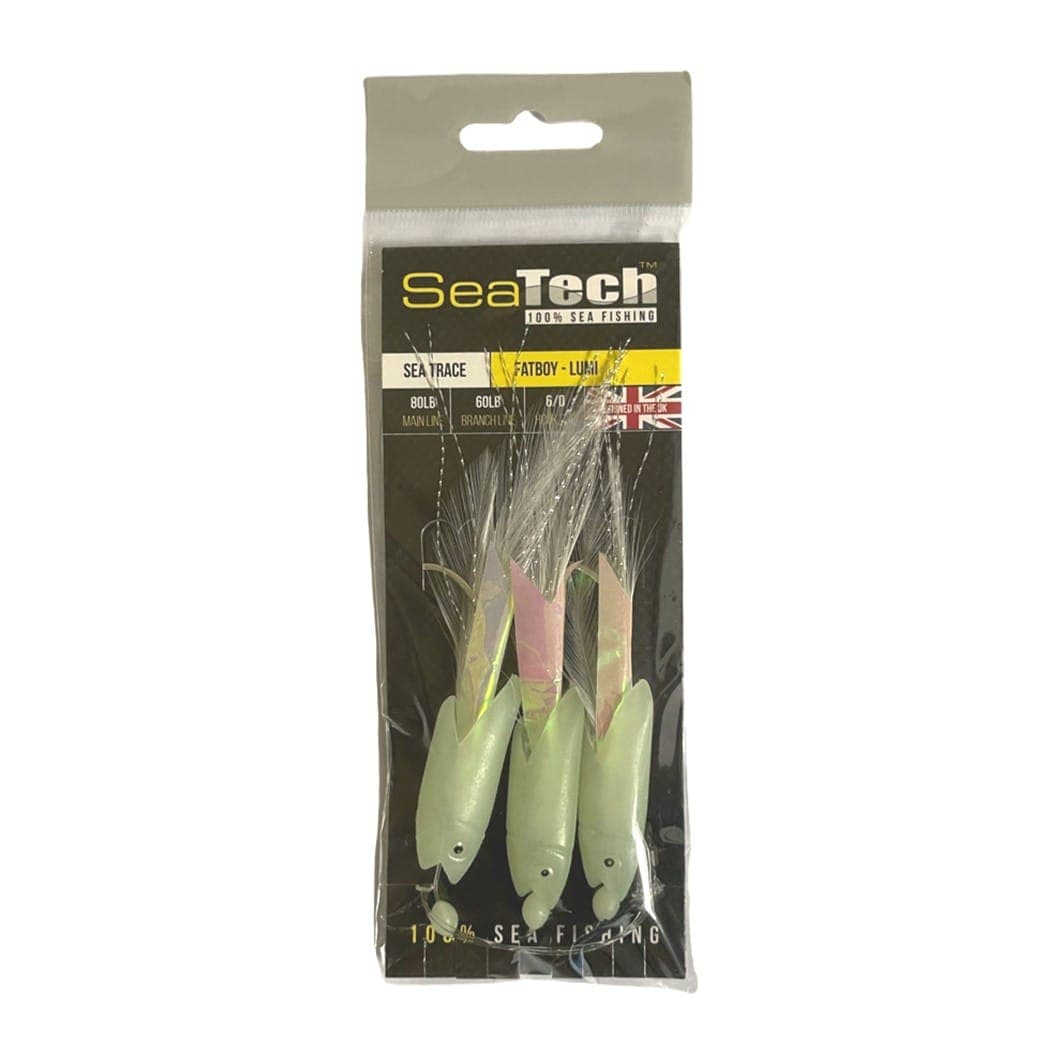
Most of the work should be done at home. Tie or sort your rigs in good light and store each one in its own pouch so they do not tangle. Ready-tied options such as the Zebco Magic Shore Rig 4 or the SeaTech Fatboy Lumi trace, which has three 6/0 hooks on luminous components for bigger fish, save fiddly knot tying on a cold beach. If you are not sure which rig suits which fish, start with our beginner's guide to sea fishing rigs.
Arrive before dark if you can. Setting up the tripod, threading the rod and laying out your bait and tools while you can still see is far easier than doing it by headlamp. It also gives you one last look at the beach, the state of the sea and where the tide is.
Keep everything in the same place every time: bait on one side, rigs and tools on the other, and your bag zipped when you are not using it. Small items vanish quickly on dark sand. Prepare a fresh bait while the other rod is fishing, then when you reel in you can clip on the next one straight away.
Before each cast, check behind you with your light for people, dogs and kit, and check your shock leader and knots. Cast where you know the ground is clean, and keep casts sensible. At night, fish are often closer than you think, so there is no need to put everything into a long cast.
How do you spot a bite at night?
With the rod upright in the tripod, gently tighten the line until the tip is slightly bent. Then watch the tip light or isotope against the dark. Small, sharp rattles or taps often mean whiting, small fish or crabs. A firmer pull round, or a series of solid knocks, is worth picking up the rod for.
A slack-line bite is common on the beach, particularly from cod, flatfish and rays. The tip suddenly springs back straight and the line falls slack, because a fish has picked up the bait and moved the lead towards you. If that happens, pick up the rod and wind quickly until you feel weight, then lift into the fish.
Do not keep shining your headlamp at the rod tip or the water. Turn it off, let your eyes adjust, and watch the light on the tip instead. You will see more, and so will the people fishing next to you.
How do you stay safe night fishing?
Tell someone where you are going, which beach and which part of it, and what time you expect to be home. Keep a charged phone in a waterproof pocket or pouch.
Check the weather forecast, wind direction and swell before you set off, and be ready to call it off. A sea that looks fine at dusk can build quickly, and waves are much harder to judge in the dark. Never turn your back on the sea for long, and step well back from the waterline if larger sets start coming in.
Do not fish alone at remote or rocky marks. If you fish from piers, rocks or harbour walls, wear a lifejacket, and make sure it is in good order and fitted properly. Browse our lifejackets and buoyancy aids range. If you see someone in difficulty in the water, call 999 and ask for the Coastguard rather than going in after them. Our coastal safety guide has more on this, and it is worth checking current RNLI advice before you head out.
Rules on minimum sizes and catch limits vary by species and area and can change, so check current MMO and local IFCA guidance before you keep anything. When you leave, take everything home with you, including old line, hooks, bait packets and light sticks, which are a hazard to wildlife if left behind.
Night beach fishing quick checklist
Before you go: you have walked the beach in daylight, checked tide times, the forecast and the swell, planned your exit route, and told someone where you will be and when you will be back.
In the bag: rod, reel and leads; rigs in a rig wallet; bait; headlamp charged, plus spare batteries or a power bank; tripod or rod rest; tip lights or isotopes and spare light sticks; knife, pliers and towel; warm layers, flask and food; a bin bag; and a lifejacket if you will be on a pier, rocks or a harbour wall.
On the beach: set up before dark if you can, keep kit in the same place, check behind you before casting, watch the tip rather than shining a light on it, keep an eye on the sea, and take everything home.
Night fishing FAQs
Is night fishing better than day fishing from the beach? Often, in autumn and winter, but not always. Many species feed closer in after dark, especially on clear, shallow beaches. A coloured sea after a blow can fish well in daylight too.
Do I need a special rod for night fishing? No. A standard beach rod and reel are fine. What matters most at night is a reliable headlamp, a way to see the rod tip, and well-organised rigs.
Can beginners go night fishing on their own? It is better to go with someone else for your first trips, and you should never fish alone at remote or rocky marks. If you do go alone on a busy, familiar beach, make sure someone knows exactly where you are and when to expect you back.
When is the best time to fish at night? Many anglers like the hours either side of high water and the first few hours of darkness, but this varies a lot between beaches. Ask locally and keep notes of what works on your own marks.