
Choose smoking wood, compare hot and cold smoking equipment, and learn practical techniques for fish, meat and cheese.
Showing
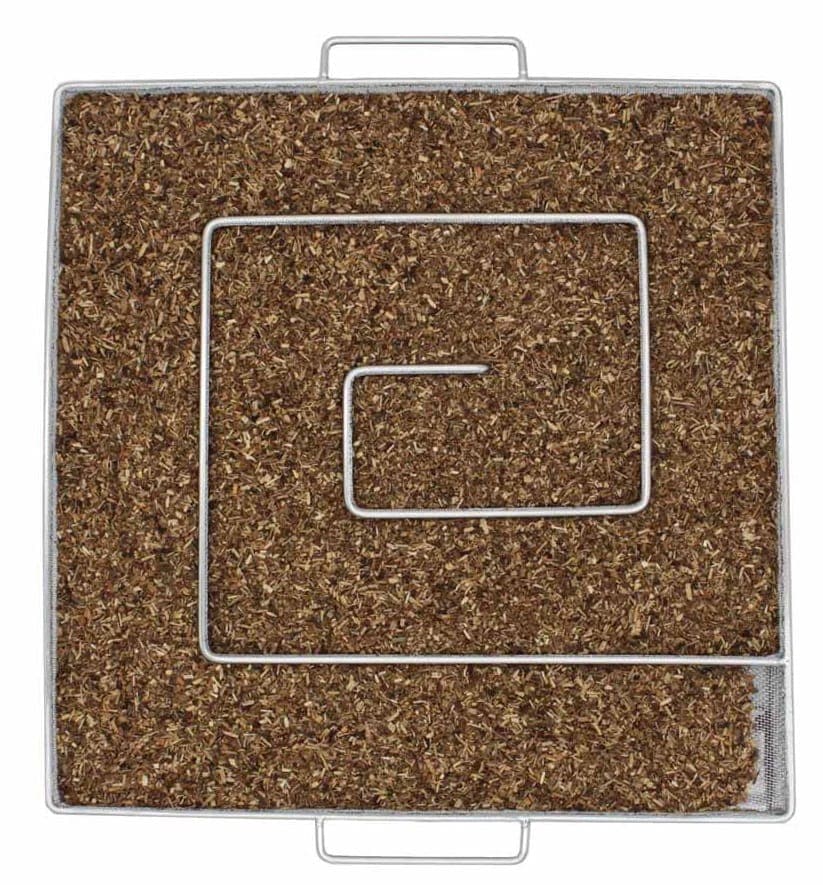
You need less than you might think to smoke food at home. This guide compares the three routes in, from a simple barbecue smoker box to a hot smoker and a cold smoke generator, with which wood to buy for each and the extras worth having.
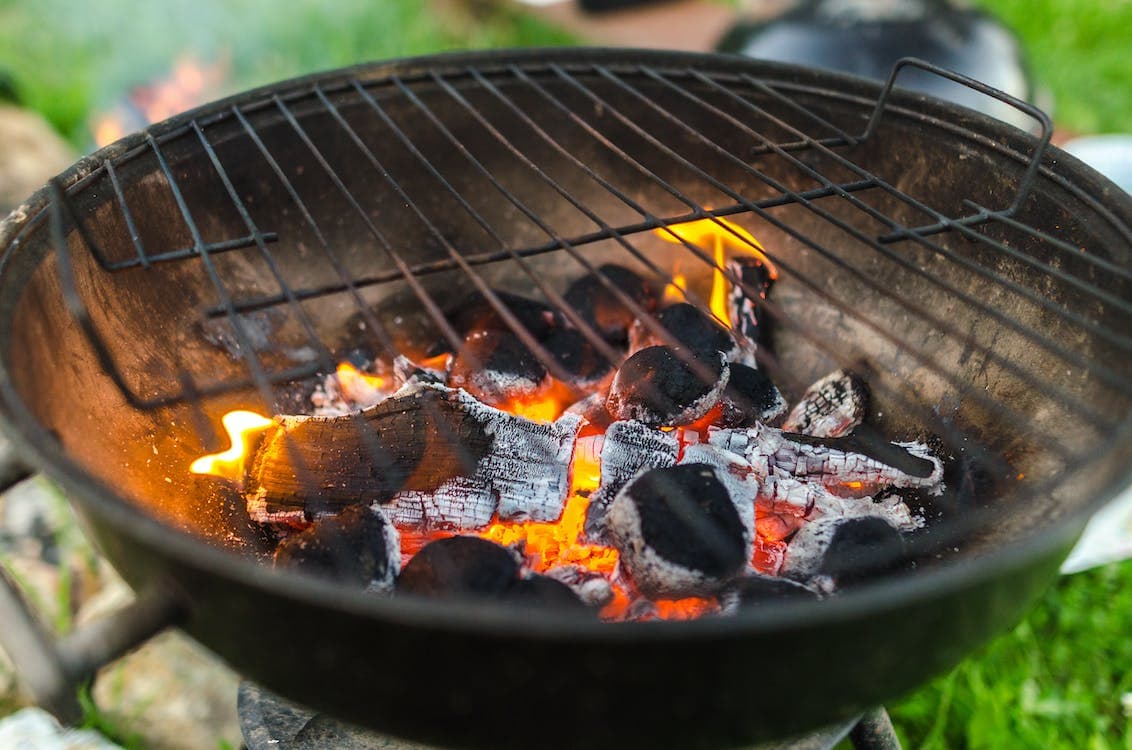
You do not need a dedicated smoker to get real wood smoke on your food. A barbecue with a lid will do it, gas or charcoal. Here is how, what to smoke first, and why we would not improvise in a home oven or wok.
Smoked salt, nuts, chilli powder and sugar make brilliant homemade Christmas gifts because they keep for weeks or months in a jar. Here is how to make eight smoked gifts, which wood to use, how long each keeps, and how to package and label them safely.
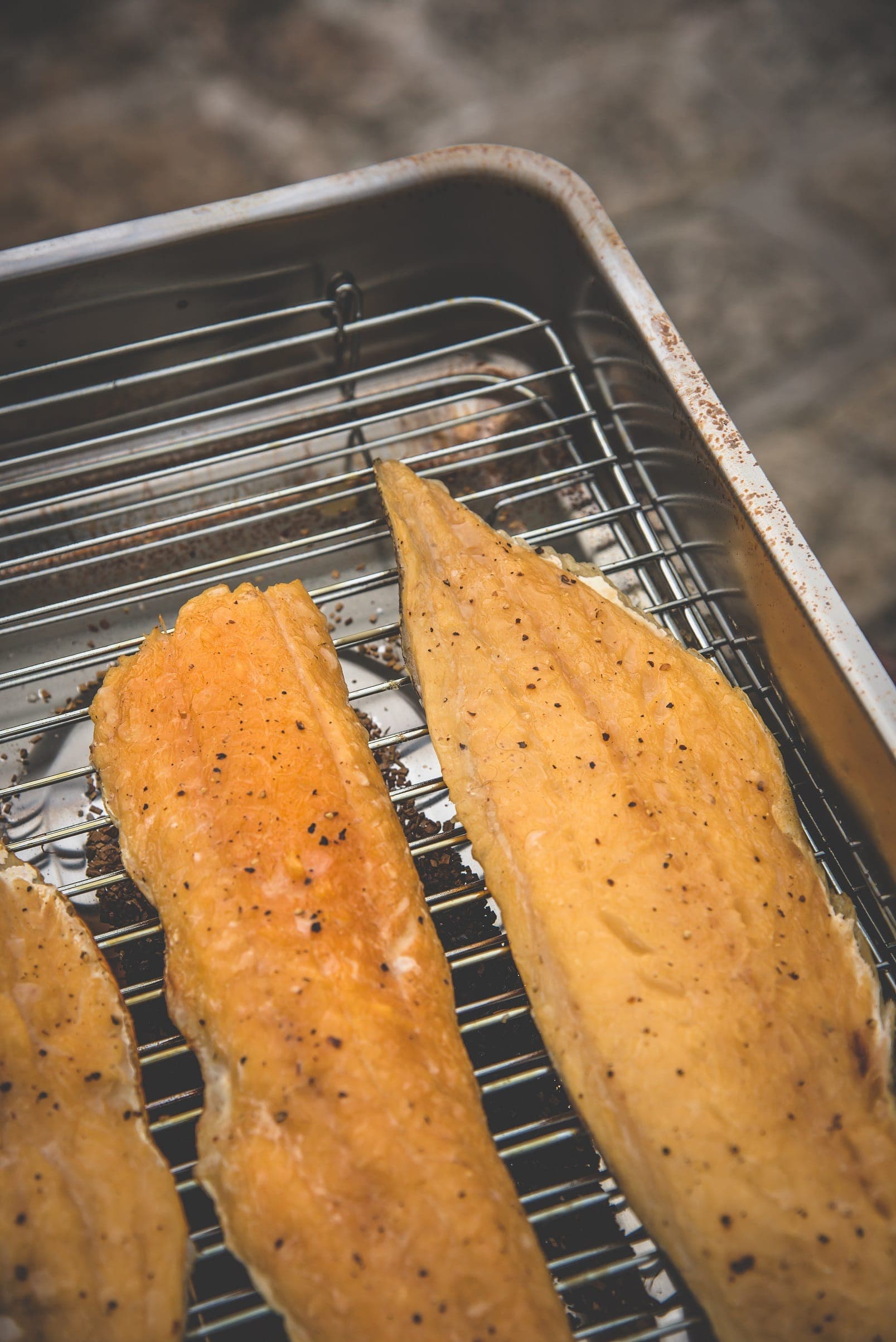
Shop-bought smoked fish keeps until its use-by date, while home-smoked fish should be eaten within a couple of days or frozen. Here is how to store, freeze and thaw it safely, and who should take extra care with cold-smoked fish.
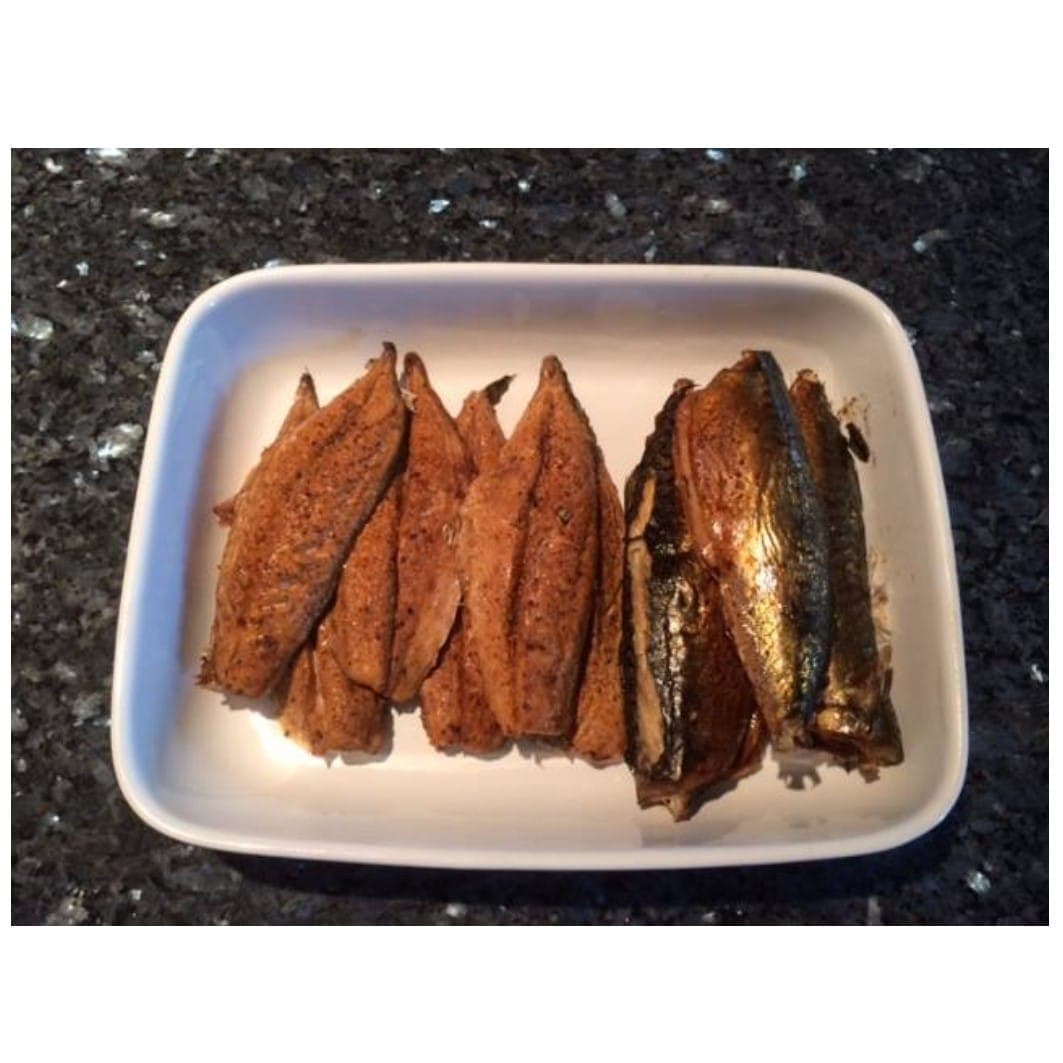
Hot-smoked mackerel is already cooked, good value and full of flavour, so it makes quick work of suppers, lunches and Christmas starters. Here are seven easy ways to use it, from pâté to kedgeree, plus how long it keeps and how to smoke your own.
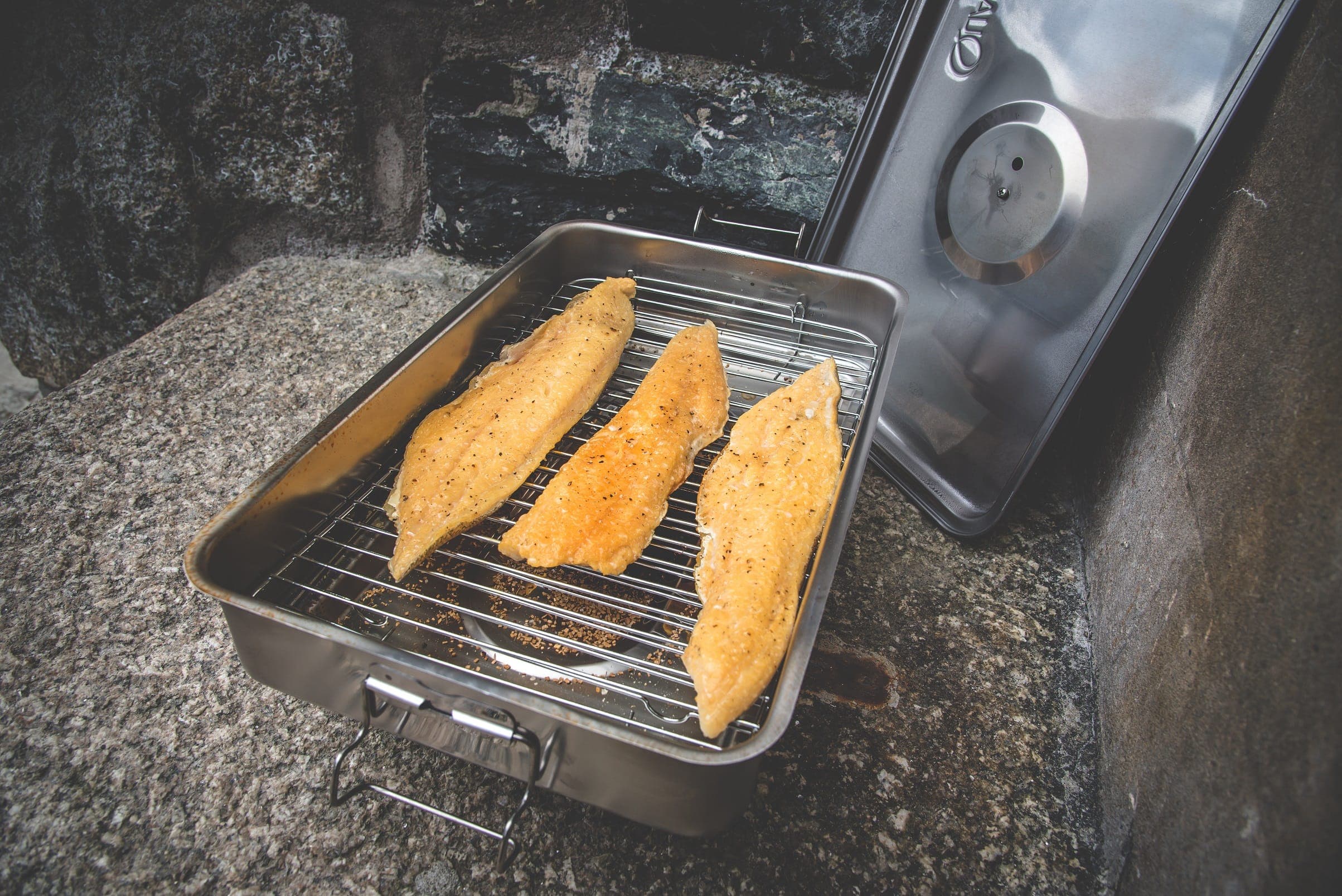
Bright yellow smoked haddock has been dyed: the natural colour of smoked haddock is pale cream to light gold. Here is why it is dyed, how to tell dyed and undyed apart, whether it matters in the kitchen, and how to smoke your own undyed haddock at home.
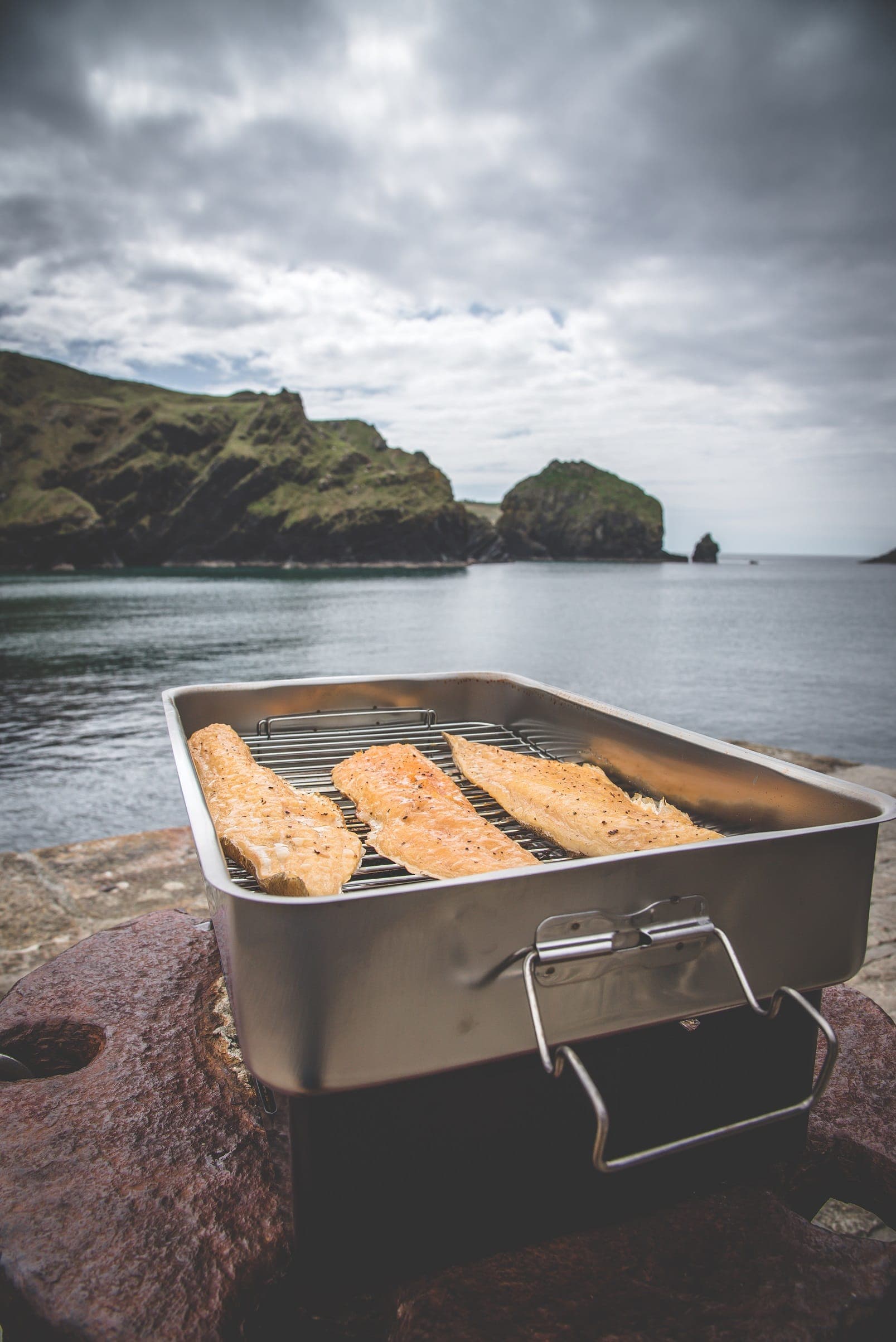
Far more than fish and bacon. Here is a beginner's list of foods to smoke at home, grouped by type, with whether to hot or cold smoke each one, which woods suit it and how tricky it is.
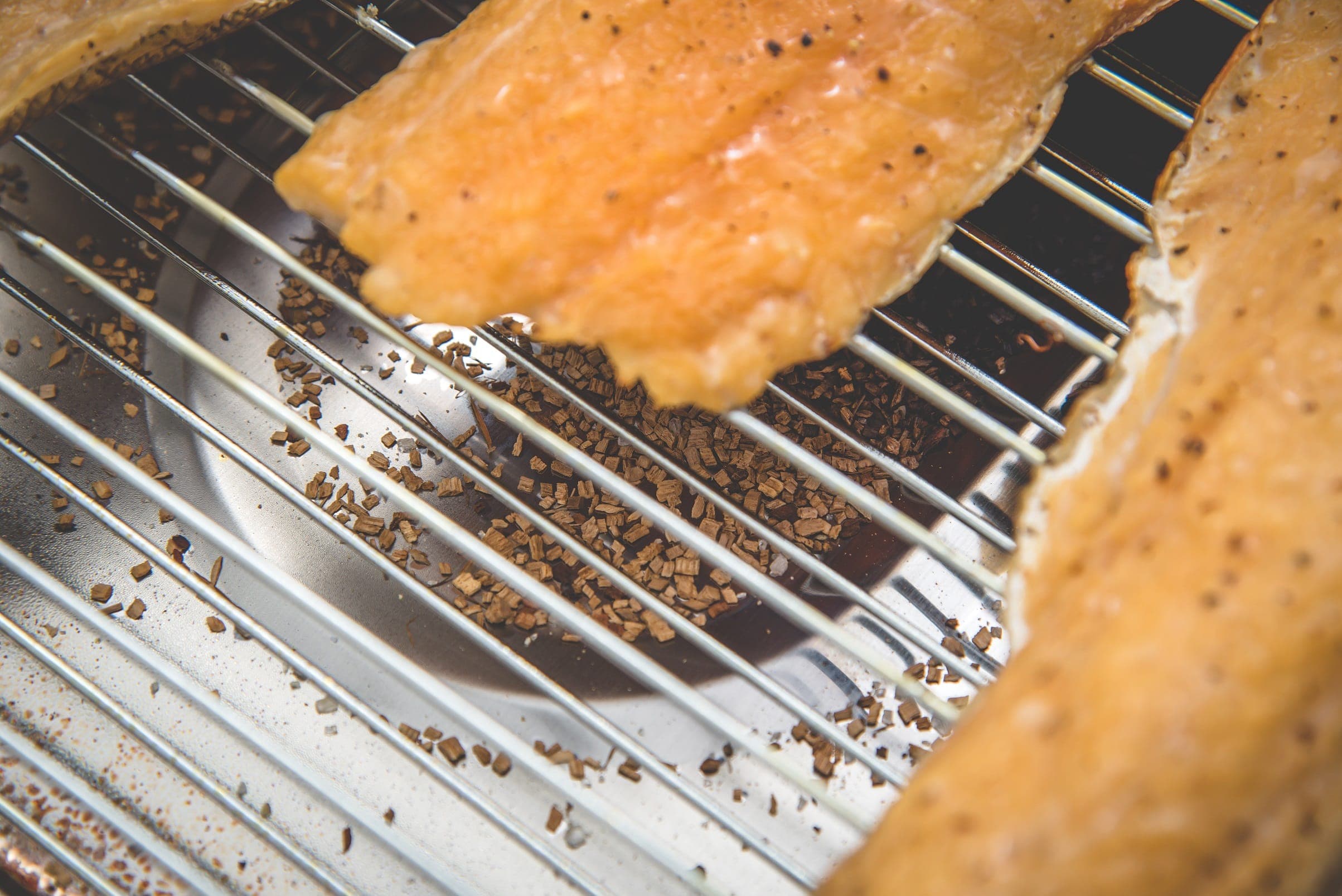
Bitter, ashy smoked food usually comes from heavy, dirty smoke. This troubleshooting guide covers the common home smoking problems, from generators going out to sweating cheese, with clear fixes for each.
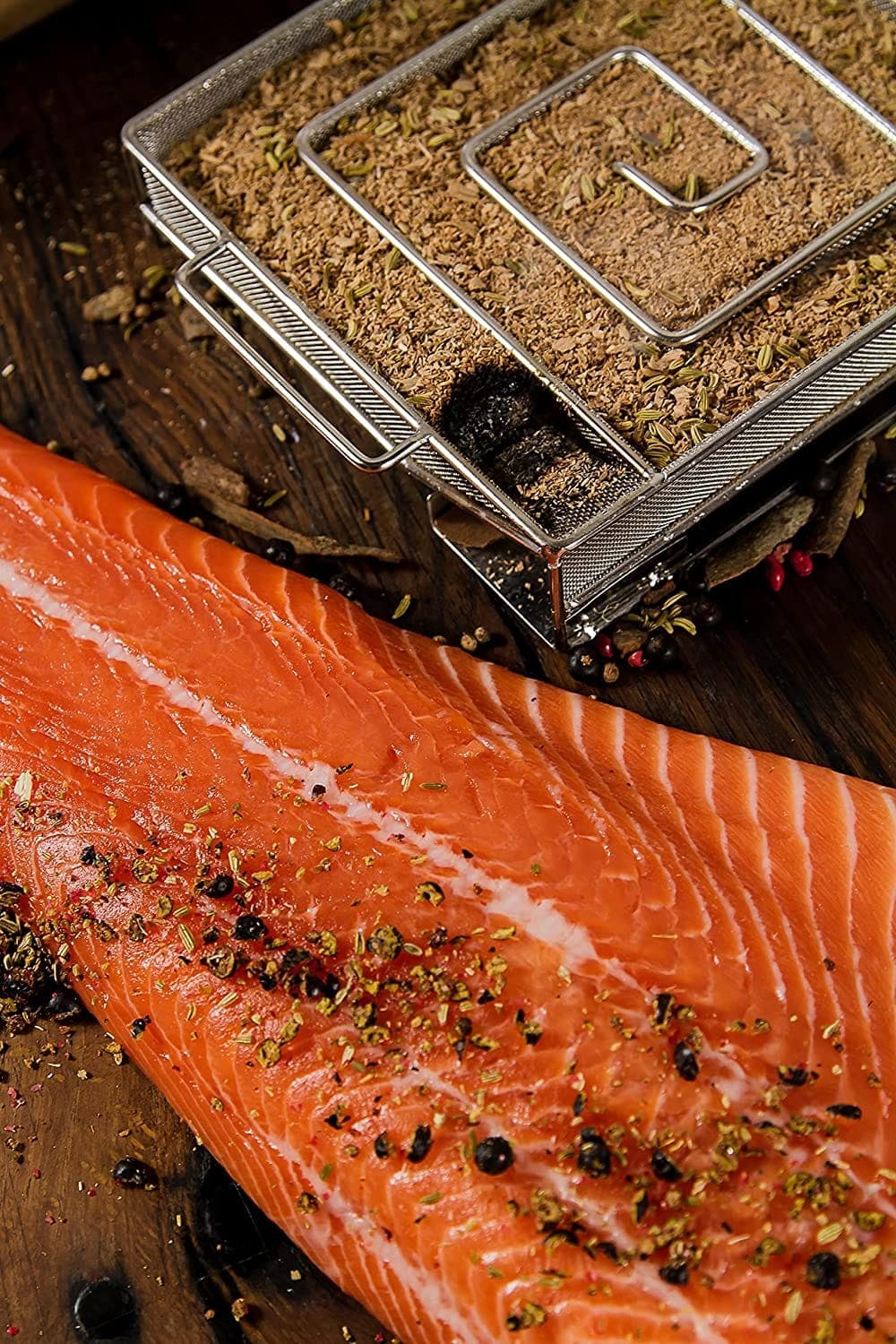
Salt is what turns a fillet into smoked fish. Here is how to brine or dry cure mackerel, trout and salmon, how long to leave them, and how to dry them properly before they meet the smoke.
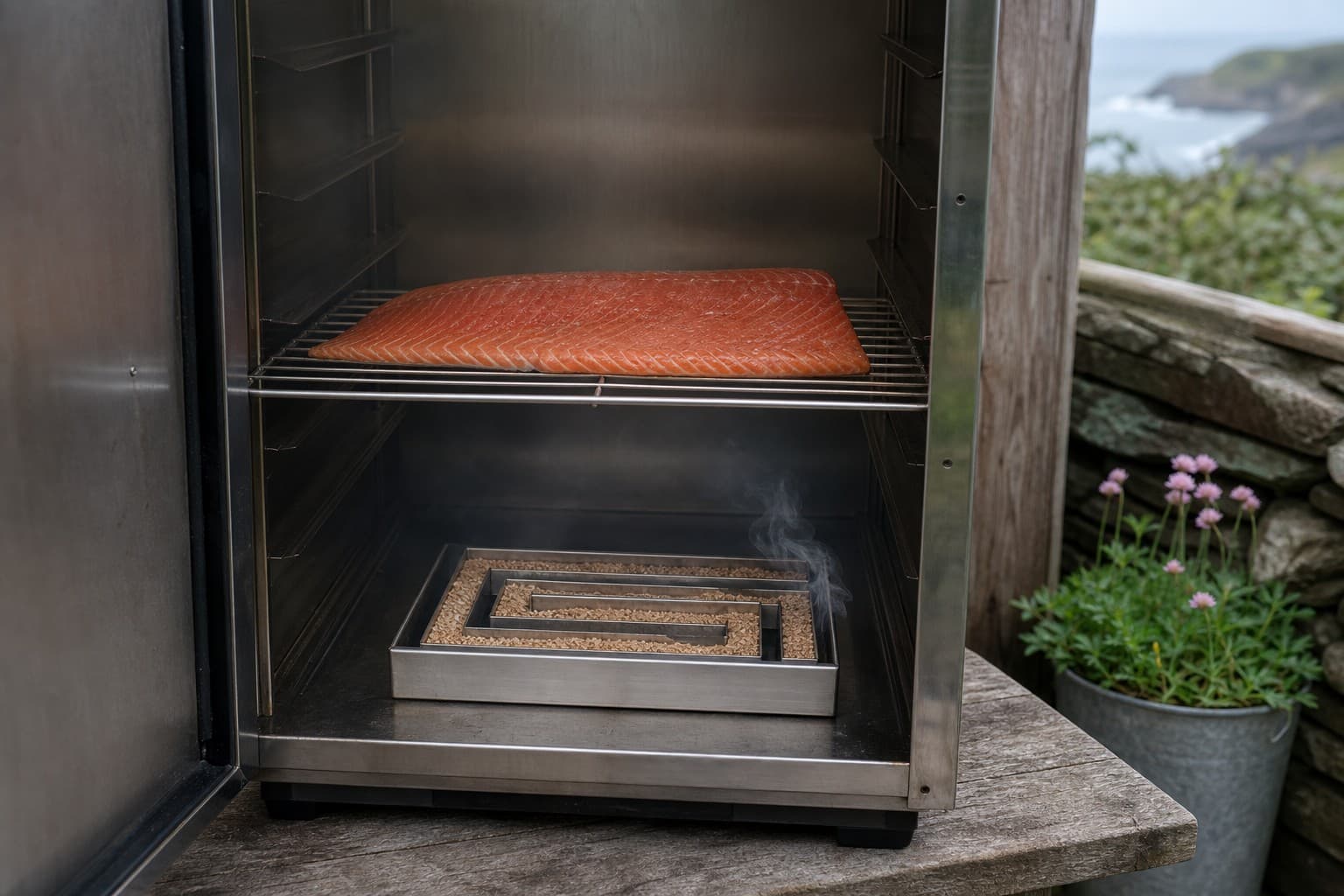
A week-by-week plan for home smoking at Christmas, from smoked salt gifts in late November to hot-smoked mackerel for pâté on the 23rd, with the food-safety basics that matter.
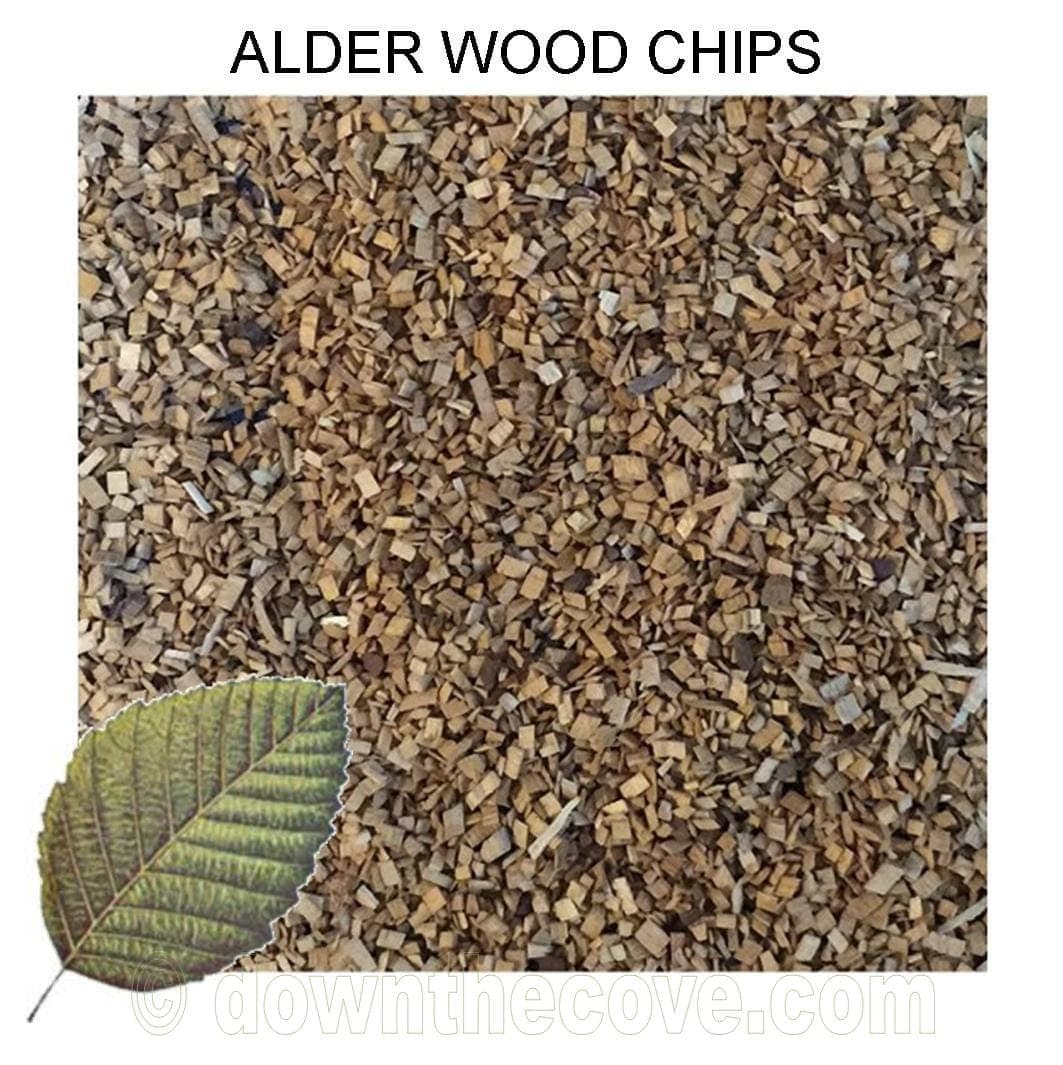
Alder gives a very light, delicate, slightly sweet smoke and is the traditional wood for salmon on North America's Pacific coast. What it suits and which grade to buy.
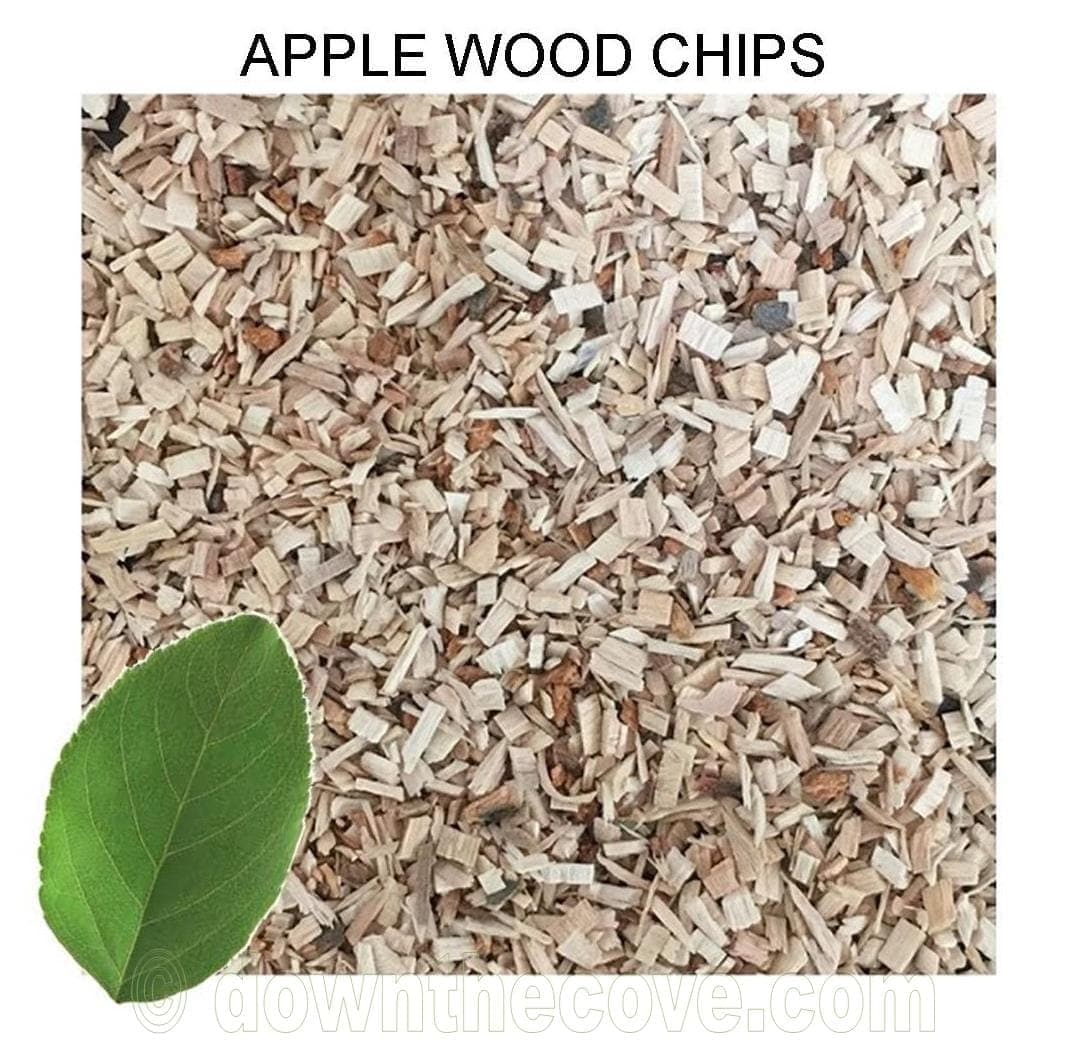
Apple wood gives a mild, sweet, fruity smoke that suits fish, chicken, pork and cheese. Which grade to use and how it compares with cherry and hickory.
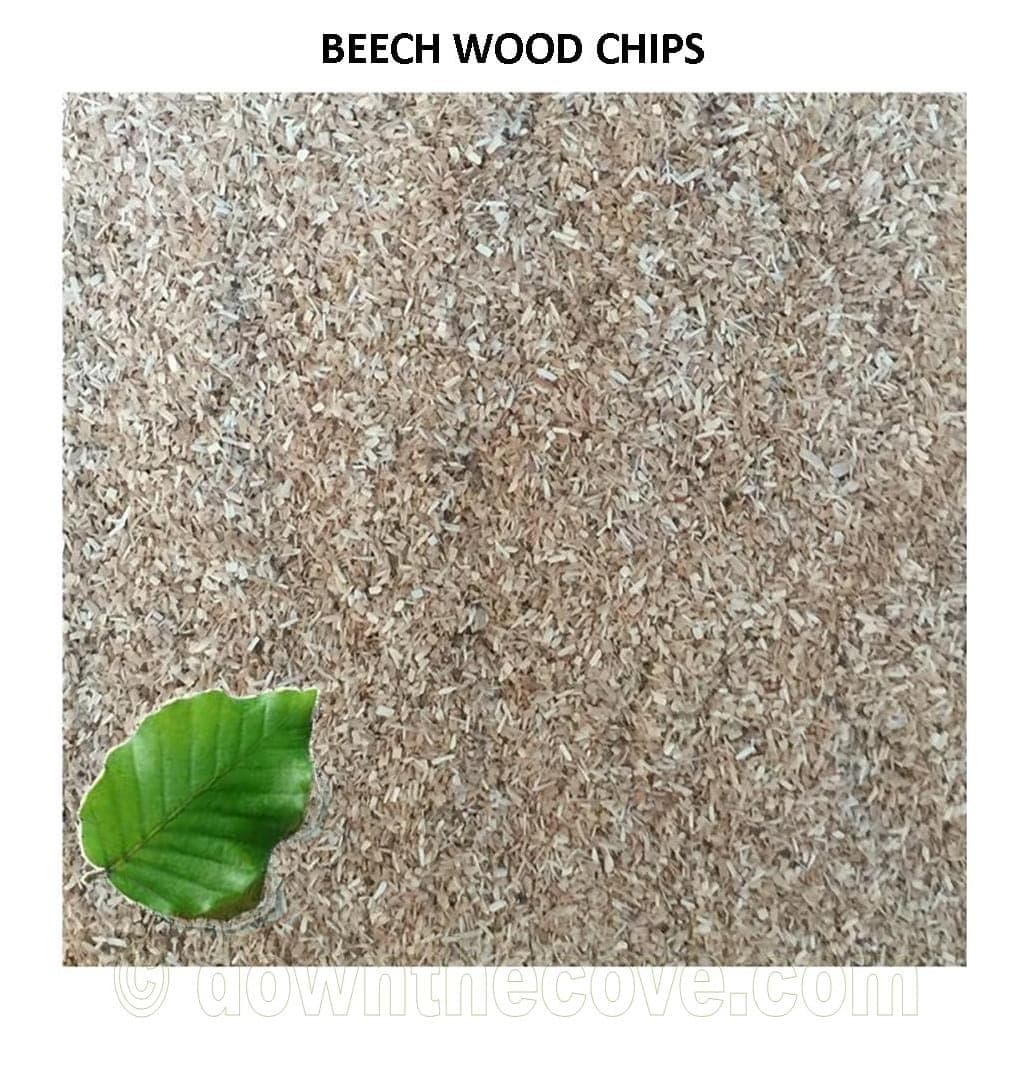
Beech gives a mild, clean, slightly nutty smoke, long used in European smokehouses for fish, ham and sausages. What it suits and which grade to buy.
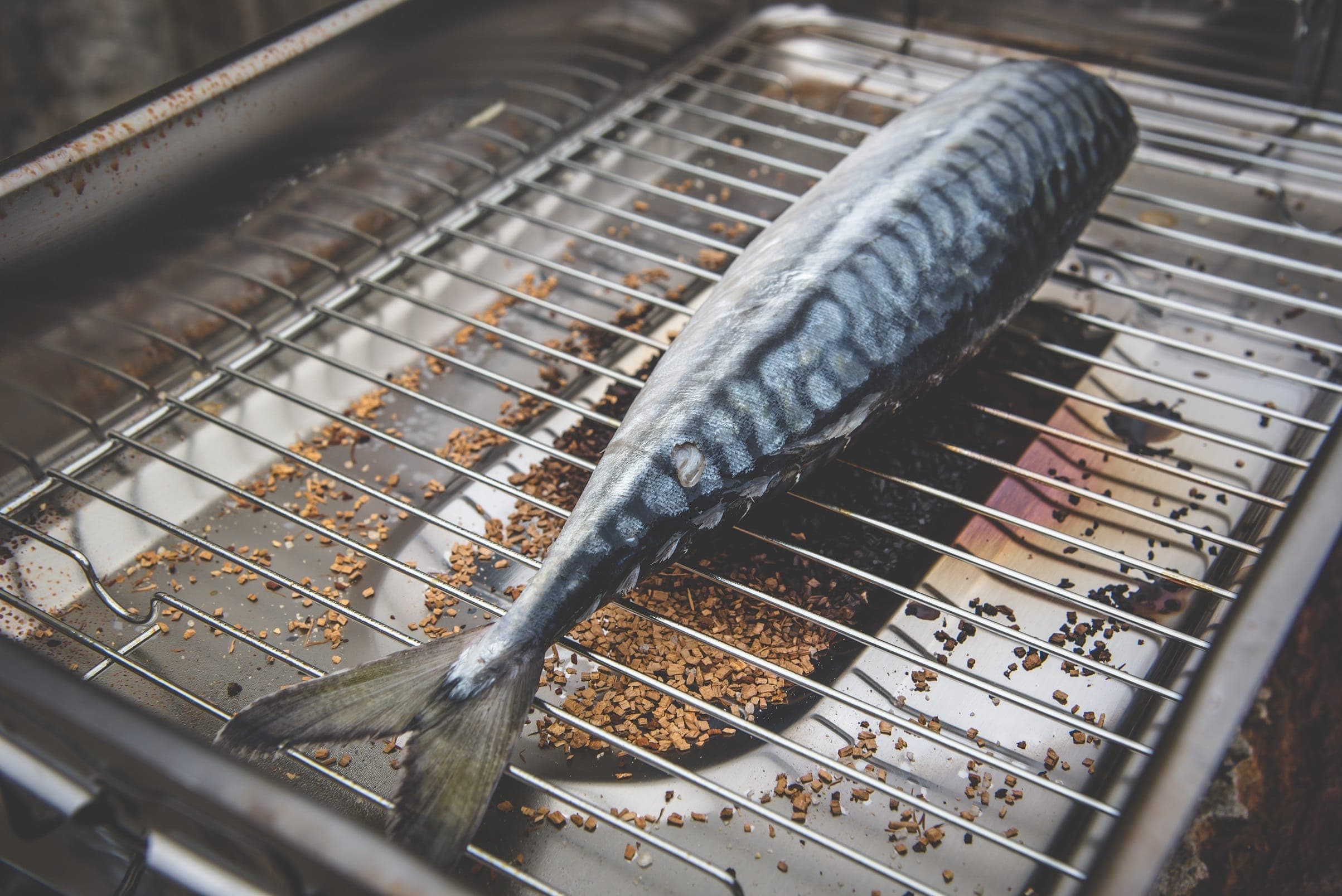
Which smoking wood suits which fish: oak for mackerel and kippers, alder, apple or beech for salmon and trout, and the strong woods to keep away from delicate fillets.
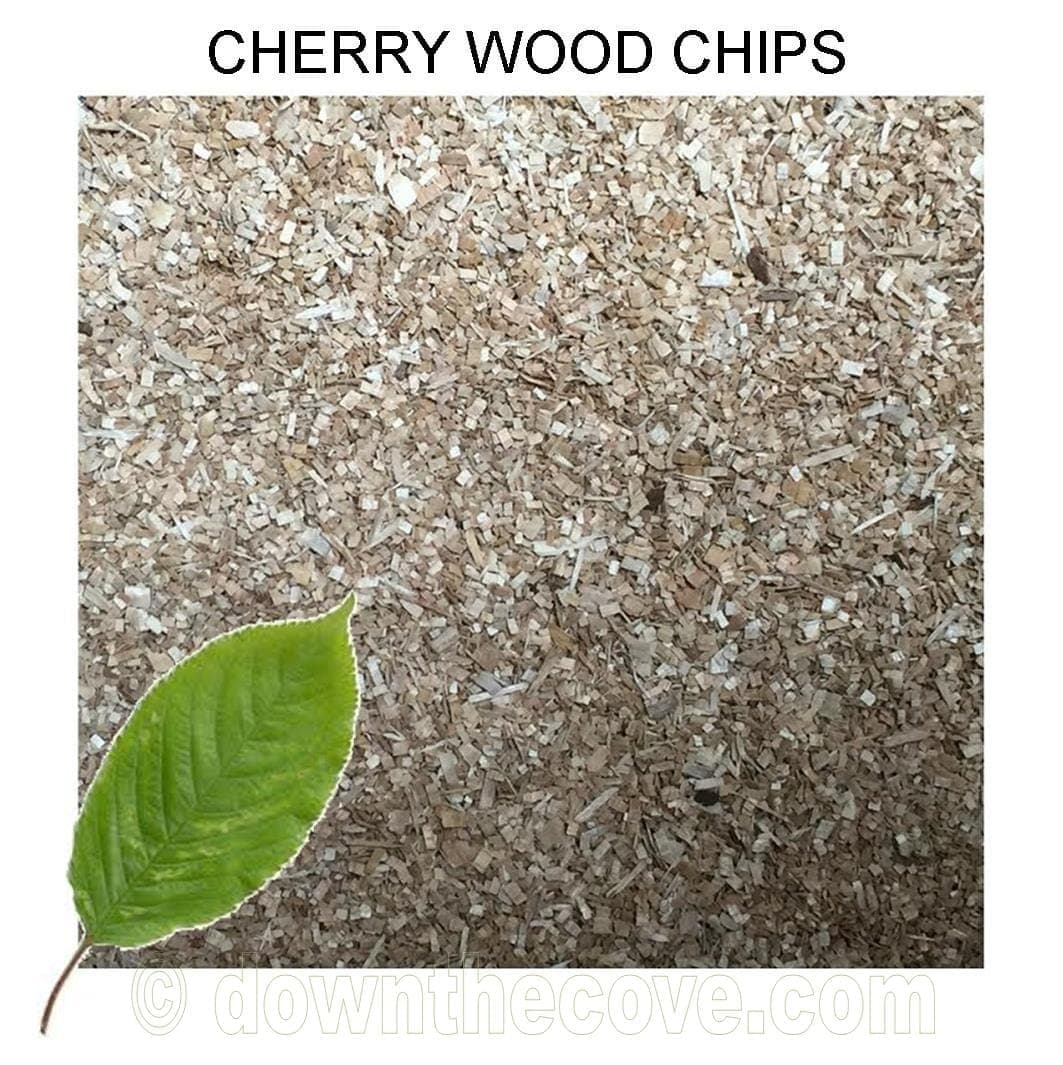
Cherry gives a mild, slightly sweet, fruity smoke and a rich reddish colour. What it suits, which grade to buy and how it compares with apple.
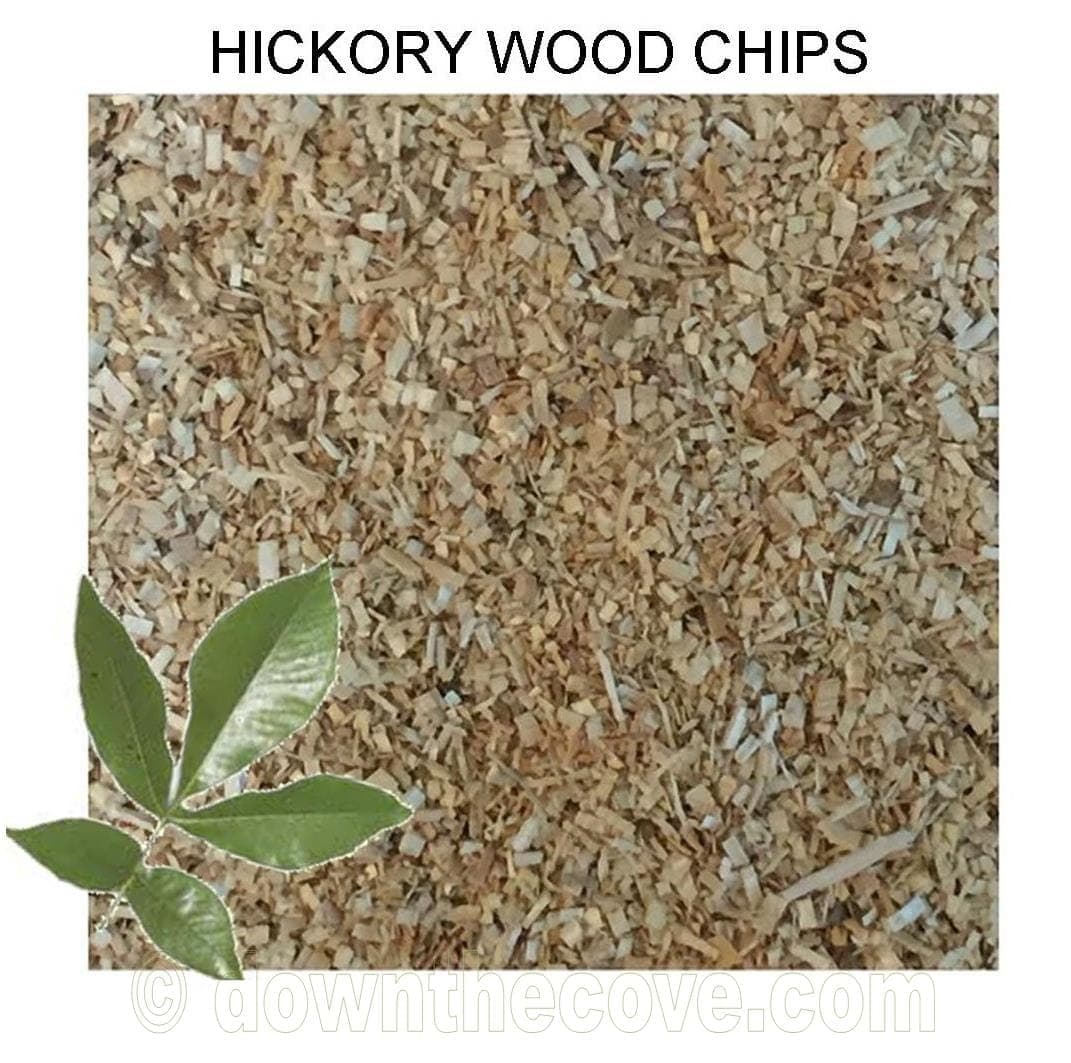
Hickory gives a strong, savoury, bacon-like smoke that suits pork, ribs, beef and sausages. How much to use, when to blend it and why it can overpower fish.
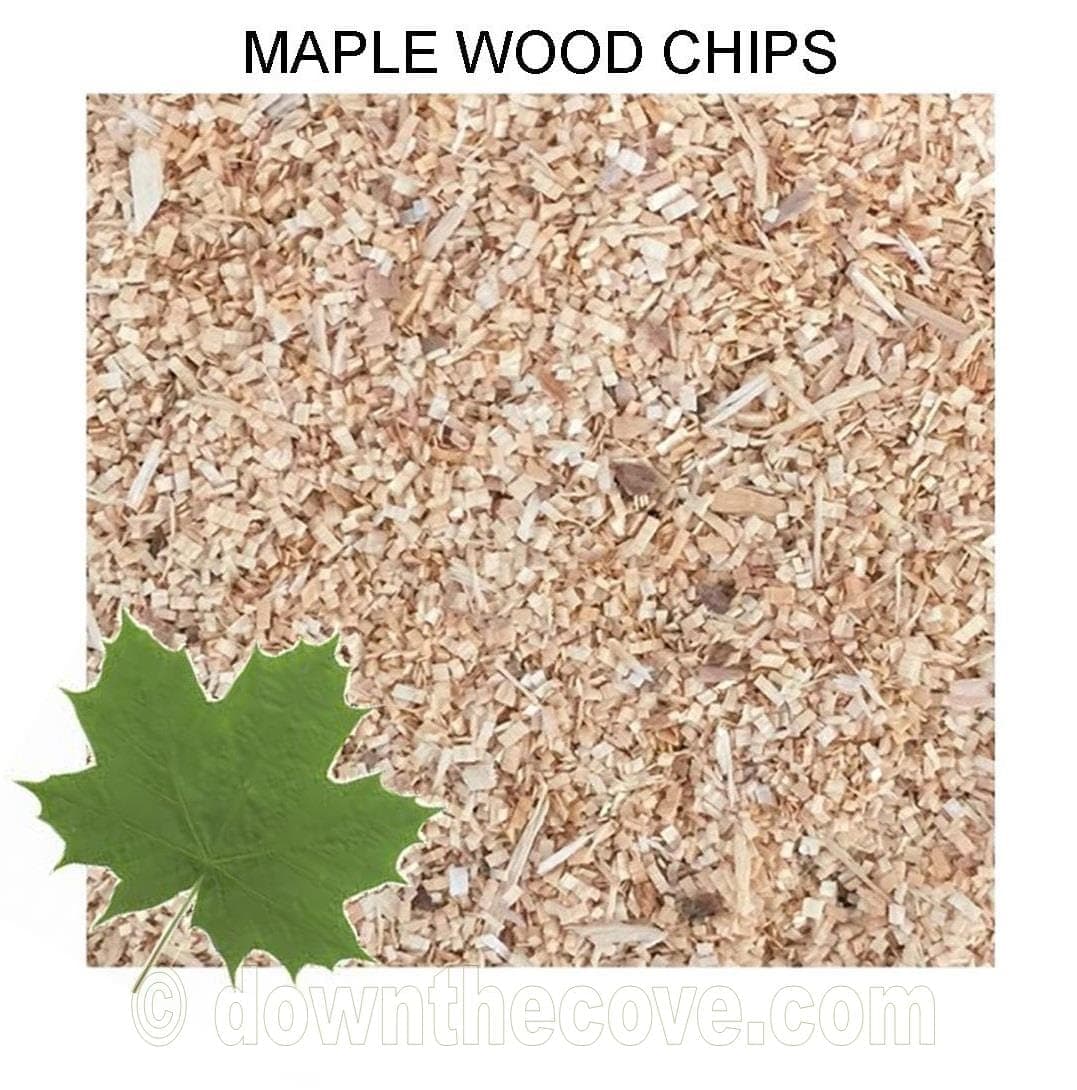
Maple gives a mild, subtly sweet smoke that suits poultry, pork, cheese and vegetables. Which grade to buy and how it compares with apple.
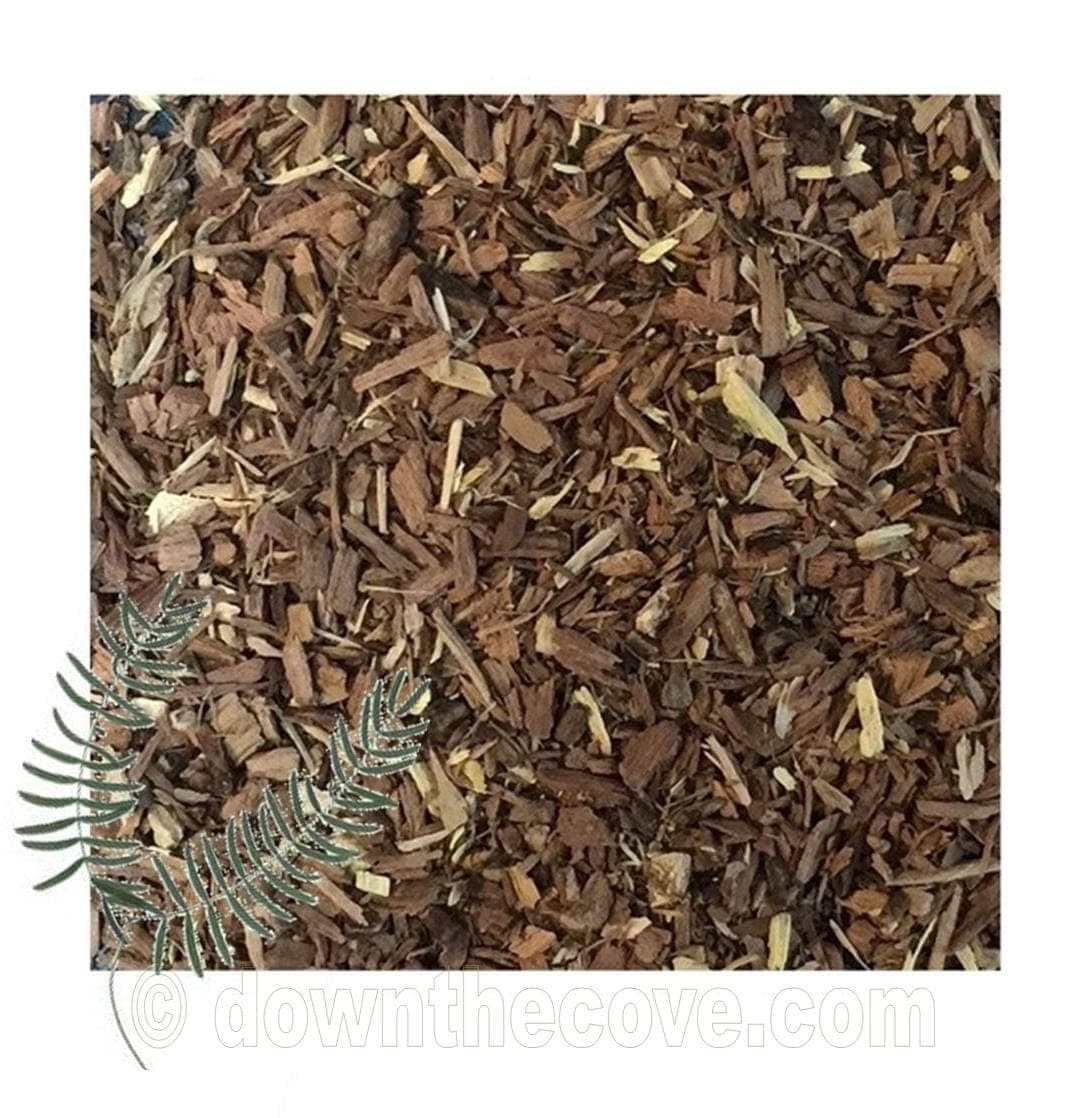
Mesquite gives the strongest, earthiest smoke of the common woods and is a Texan barbecue classic for beef. How much to use and what to avoid.
Showing 1-18 of 35
