Why does my smoked food taste bitter, acrid or ashy?
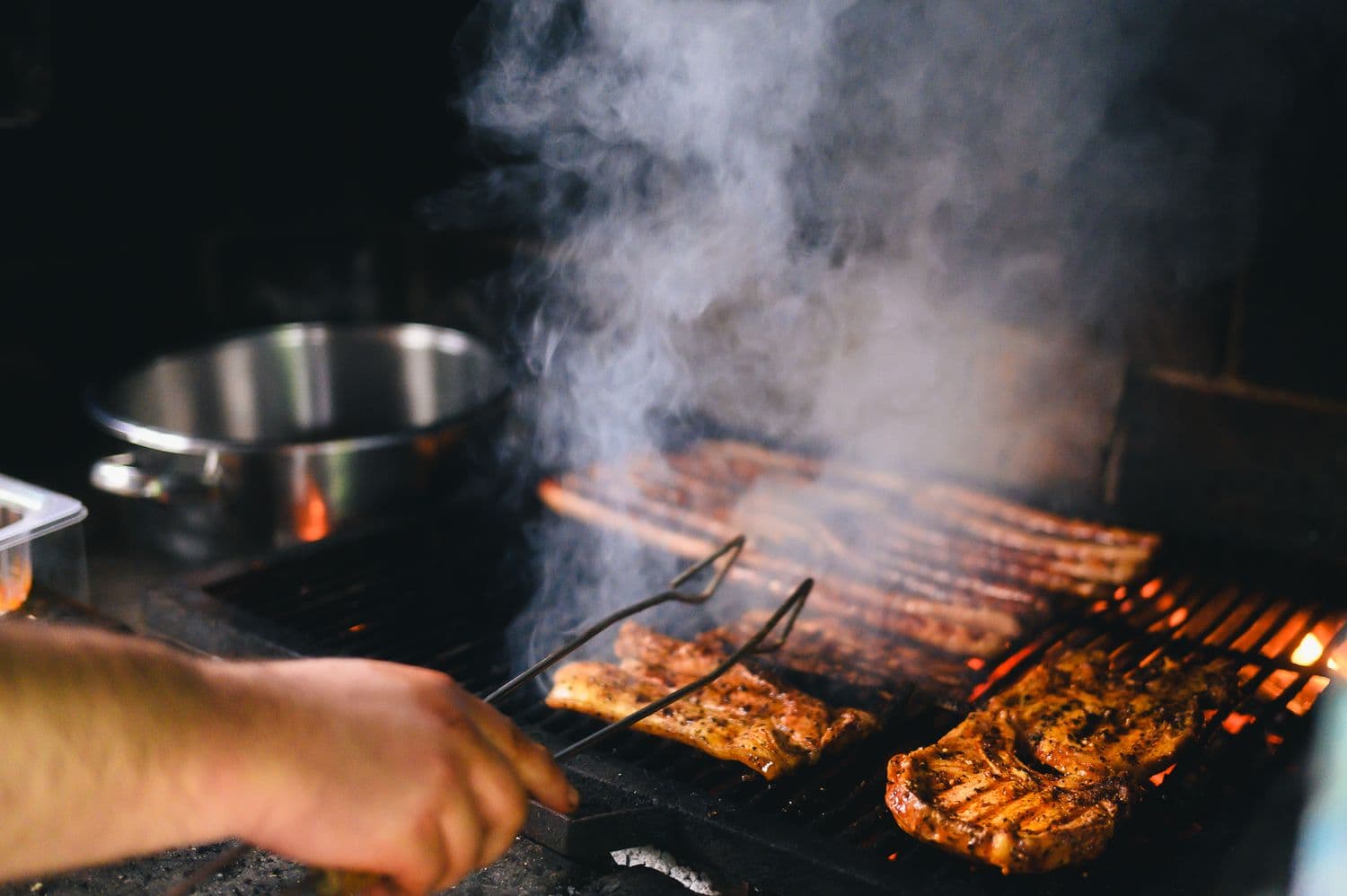
It nearly always comes down to the quality of the smoke rather than the food. Good smoke is thin and wispy, often described as pale blue or almost invisible. Thick, billowing white or grey smoke comes from wood that is smouldering badly, and it carries more of the sooty, bitter compounds that coat food and make it taste like an ashtray.
The usual causes are: too much wood at once, so it smothers itself and smoulders rather than burning cleanly; a closed box or kettle with the vents shut, so stale smoke sits around the food instead of flowing past it; wood that is damp, mouldy or from resinous softwoods such as pine, which give harsh, tarry smoke; and putting wet food straight into the smoke, which makes the smoke stick unevenly in a dark, bitter film.
To fix it, use less wood and add more later if you need it, open the vents so air can move through, and only use proper food smoking wood kept dry. Stick to hardwoods and fruitwoods; our guide to which wood chips you need explains which grade and flavour suits which kit. Finally, let fish and meat form a pellicle before smoking: pat it dry and leave it uncovered in the fridge or a cool, airy spot until the surface feels tacky rather than wet. On a cool, airy day this usually takes an hour or two; in the fridge it can take longer.
Why is there not enough smoke flavour?
If food tastes only faintly smoky, common causes are simply too little wood, food that was still wet when it went in (wet surfaces do not take smoke evenly), or a session that was too short for the size of what you were smoking.
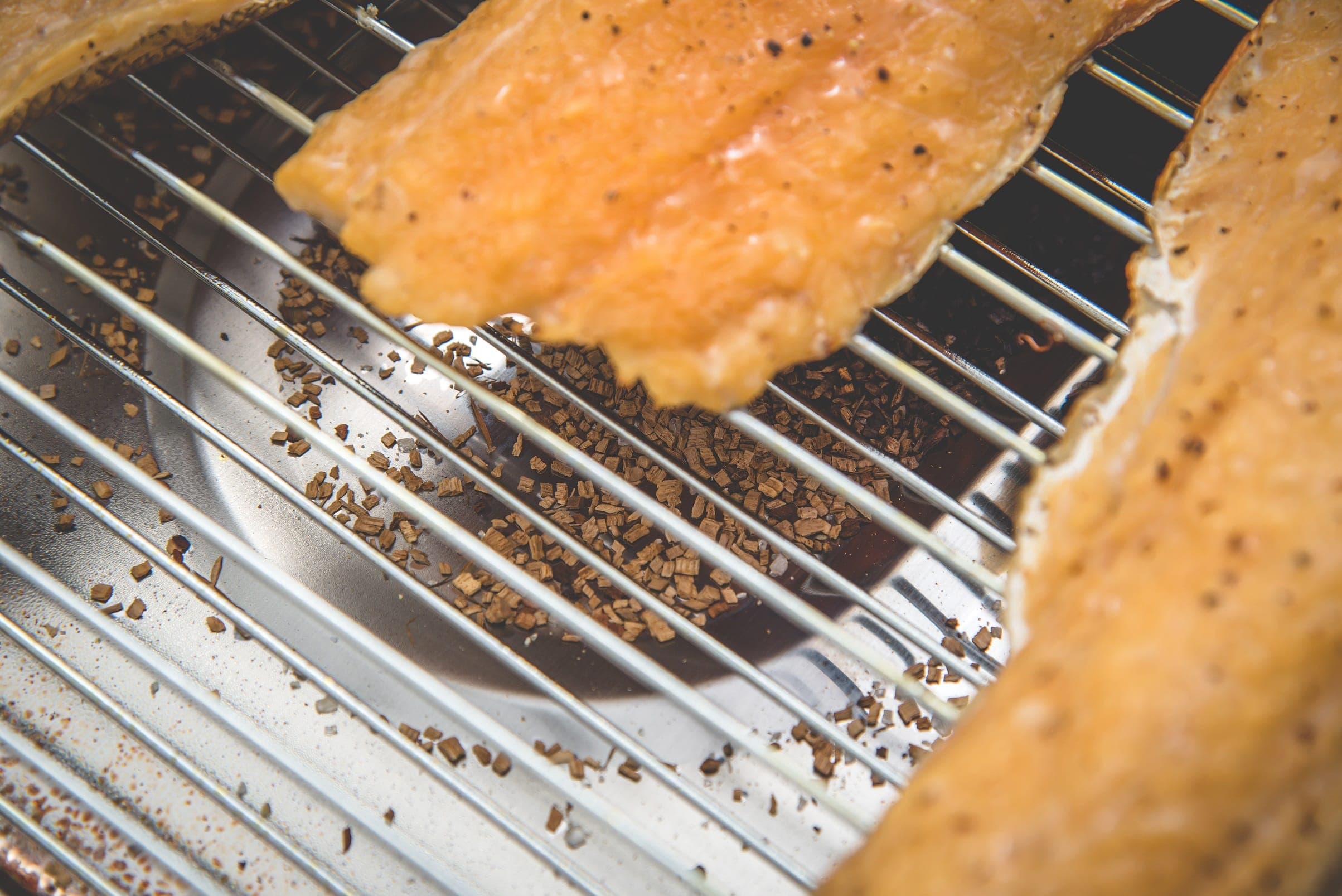
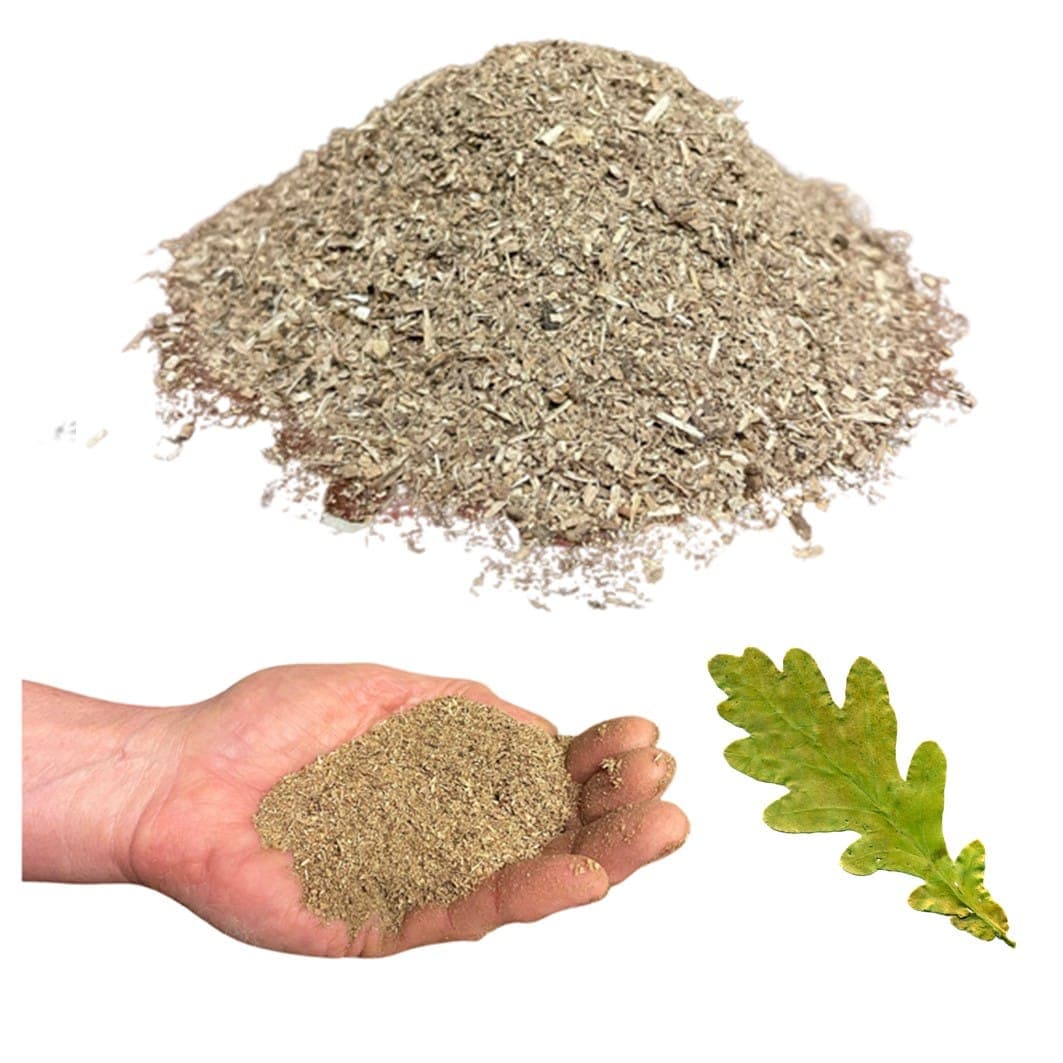
Using the wrong grade for your equipment is another big one. Coarse chips suit a barbecue smoker box sitting on hot coals; fine chips suit stovetop smokers and smoking ovens; fine dust is what a cold smoke generator needs. Coarse chips in a stovetop smoker may barely char, and dust on hot coals can flare up and burn away in minutes. Our dust vs chips guide sets out which goes where.
Finally, check for leaks. If smoke is pouring out around a badly fitting lid or a gap in a cabinet door, it is not spending time around the food. A smoker should let smoke flow through steadily, not escape the moment it is made. If you use a smoker box on a barbecue, the smoker box guide explains where to place it and how to keep the lid closed without starving the fire.
Why does my cold smoke generator keep going out?
Maze-style generators such as the ProQ smoulder fine wood dust slowly along a track. When they go out part-way, it is usually one of five things.
Damp dust is the first suspect. Dust picks up moisture from the air, especially in a garden shed or a coastal kitchen, and damp dust will not keep a smoulder going. Store it sealed and dry. Packing is the second: dust needs to be level with the top of the maze and gently pressed, not rammed solid (no air gets in) or left loose and fluffy (the burn can jump or die out).
Draught matters too. A strong breeze blowing straight across the generator can fan it into burning too fast, while a sealed space with no airflow starves it. Leave a small vent or gap open so smoke can leave and air can come in. Lighting technique is the last common cause: the tea light should sit under the starting end of the maze long enough for that section to properly catch and glow, usually several minutes, before you remove it. If you take it away the moment you see the first wisp, it often fizzles out. Our cold smoke generator guide walks through filling and lighting step by step, and fresh wood dust in a sealed bag makes the whole job far more reliable.
Why does my food dry out or turn rubbery?
Dry, tough or rubbery results almost always mean hot smoking that ran too hot, too long, or both. Fish goes from moist to dry quickly once cooked through, so leaving it in for extra smoke flavour usually backfires.
Smoke at a steady, moderate heat, keep an eye on thinner pieces, and take the food out as soon as it is cooked rather than at a fixed time on the clock. Our fish smoking times and temperatures guide gives sensible starting points by fish and thickness. Skipping the brine is the other common cause: a short brine or dry cure seasons the flesh and helps it hold on to moisture, so unbrined fish often comes out drier and blander.
Why does my fish fall apart in the smoker?
Flaky fish breaks up because it is delicate, and smoking makes it more so as it cooks. The usual culprits are fillets that are too thin, skin removed before smoking, no brine or a very short one, and too much handling.
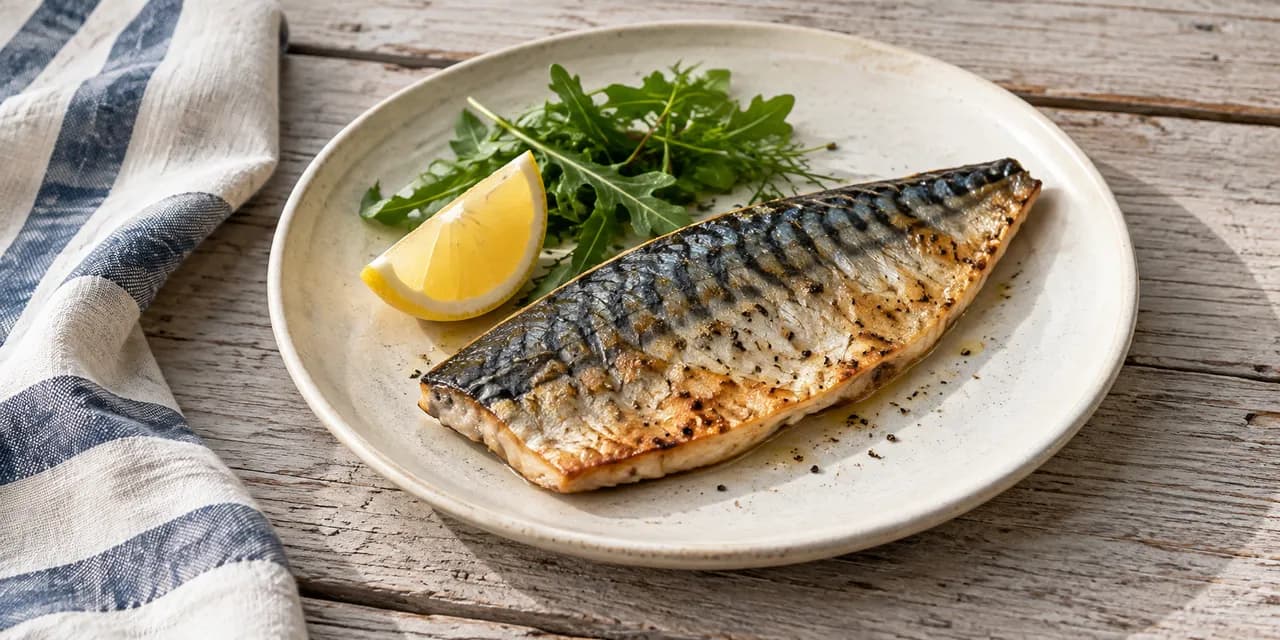
Smoke fillets skin-on and lay them skin side down; the skin acts as a natural tray. Oil the rack lightly so nothing sticks, and avoid turning the fish at all. A proper brine firms the flesh slightly, which helps a lot. Whole small fish such as mackerel hold together better than thin fillets. Lift the whole rack out rather than individual fillets. Our hot smoking fish guide covers the basics.
Why is my cheese melting or sweating when I cold smoke it?
Cold smoking relies on the food staying cool. Even a small heat source inside a closed barbecue on a warm day can warm it enough for cheese to soften, sweat oil or slump.
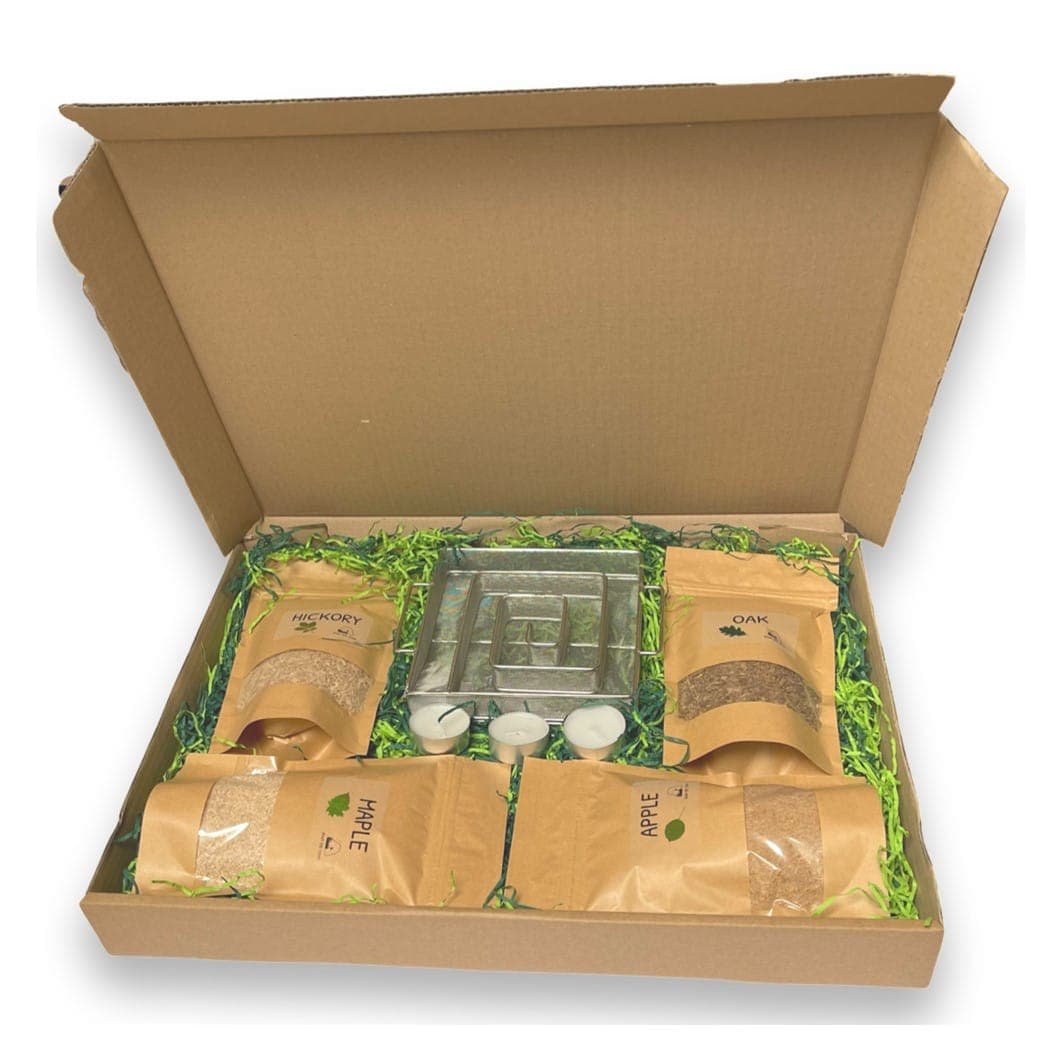
Cold smoking generally means keeping the air inside the smoker below about 25°C, and cheese is happier cooler still. Choose a cool day; many people smoke cheese in autumn and winter for exactly this reason. Put the cheese as far from the generator as you can, and if the air inside is still warming up, place a tray of ice between the generator and the rack or alongside the cheese. Take the cheese out of the fridge only shortly before smoking, and keep sessions short at first: you can always smoke it again, but you cannot take smoke away. Harder cheeses are more forgiving than soft ones. Our cheese smoking guide covers timing, wrapping and resting, and the Cold Smoking Starter Kit pairs a ProQ generator with four flavours of dust for this kind of job.
What causes uneven colour or dark, sticky residue?
Patchy colour usually means uneven smoke contact: pieces touching each other, food crowded on one side of the rack, or some pieces still wet while others had dried. Space food out so smoke can reach every surface, and dry everything to the same tacky finish before you start.
Dark, sticky, bitter deposits on food or on the inside of the smoker are creosote and tar from heavy, dirty smoke, often combined with condensation dripping back down. Dirty racks and old drip trays add to it, and fat dripping onto hot wood creates acrid smoke that settles straight back on the food. Clean the racks between sessions, use a drip tray under fatty food so fat does not hit the wood, and run cleaner, thinner smoke with more airflow. If black liquid starts dripping from the lid, the smoke is too heavy or too wet: clean up and start again with less wood and more airflow.
Why is my smoked fish too salty?
Too much salt comes from the brine or cure, not from the smoke. Common causes are a brine that was too strong, fish left in too long for its thickness, thin fillets brined for the same time as thick ones, or not rinsing after a dry cure.
Brine by thickness, not by habit: thin fillets need much less time than thick sides. Rinse the fish after brining and pat it dry, and if you are unsure, cut a small piece off a test fillet and fry it to check seasoning before you smoke the rest. If a batch has come out too salty, it is best used flaked into dishes with potato, rice, pasta or eggs, where the saltiness is spread out. Keep notes on strength and time for each batch so you can adjust the next one.
Why does the smoke flavour taste too strong straight away?
Freshly smoked food, especially cold-smoked food, often tastes harsh and overpowering when it first comes out. That sharp edge tends to mellow as the smoke settles into the food, so resting is part of the process rather than an optional extra.
Cheese is the best example: it is commonly recommended to wrap smoked cheese and keep it in the fridge for at least a few days, and often a week or two, before eating, by which time the flavour is usually rounder and more even. Cold-smoked salmon is also usually rested in the fridge before slicing; our cold smoked salmon guide explains how. If food still tastes harsh after resting, go back to the bitter-taste section above and look at your wood, airflow and smoking time.
When should I worry about food safety?
Smoke adds flavour, but it does not make food safe on its own. Hot-smoked food is cooked, so it must reach a safe temperature all the way through. A probe thermometer in the thickest part is the reliable way to check; colour and smoke are not. Food Standards Agency guidance is that the centre should reach 70°C and stay there for two minutes, or an equivalent such as 75°C for 30 seconds; check current FSA advice for the food you are smoking.
Cold-smoked fish and meat are not cooked. They rely on fresh ingredients, a proper cure, cool temperatures and good hygiene, and they must stay chilled before, during and after smoking as far as possible. NHS advice is that people who are pregnant should only eat cold-smoked or cured fish if it has been cooked thoroughly; anyone who is pregnant, elderly or has a weakened immune system should check current NHS guidance first.
Throw food away if it smells sour or off, feels slimy, has been left out of the fridge for long periods, or you are simply not sure how it has been stored. Keep smoked food covered in the fridge, label it with the date, and treat home-smoked and home-cured fish as short-life food: eat it within a few days or freeze it, and follow current FSA guidance. If in doubt, throw it out.
Quick diagnosis: if this, then try that
If the food tastes bitter or ashy, then use less wood, open the vents and make sure the food surface is dry before smoking.
If the smoke is thick and white, then the wood is smouldering badly or is damp; reduce the amount, improve airflow and use fresh, dry wood.
If there is hardly any smoke flavour, then add a little more wood, smoke for longer, check the lid seal and check you are using the right grade for your kit.
If the cold smoke generator goes out, then use fresh, dry dust, pack it level and gently pressed, shelter it from strong draughts and let the tea light do its job for longer.
If fish is dry or rubbery, then lower the heat, take it out as soon as it is cooked and brine it first next time.
If fish falls apart, then smoke it skin-on, oil the rack, brine it and lift the whole rack rather than individual pieces.
If cheese sweats or melts, then smoke on a cooler day, add an ice tray and shorten the session.
If there is black sticky residue, then clean the racks, catch the fat in a drip tray and cut down on heavy smoke.
If the fish is too salty, then shorten the brine for thinner pieces and rinse well before drying.
If the smoke flavour is harsh, then wrap the food and rest it in the fridge before judging it.
How should I look after my smoking equipment?
Clean racks and drip trays after every session while the residue is still soft. Warm soapy water and a non-scratch scourer shift most of it; a soak helps with baked-on fat. Empty the ash and spent dust from generators and smoker boxes once they are completely cold, and brush the maze out so the next fill burns evenly. Light brown staining is normal; flaking black deposits or sticky tar should be scrubbed off.
Store chips and dust somewhere dry and sealed, away from steam and damp outbuildings. Damp wood causes many of the problems above. Reseal bags after use or decant into an airtight tub, and buy amounts you will use in a reasonable time. If wood shows any mould, throw it away. Fresh fine wood chips, coarse chips and dust are all in our wood chips collection.
Quick checklist before your next smoke
Is the wood dry, food-grade and the right grade for your kit? Is the food brined, rinsed and dried to a tacky pellicle? Are the racks and drip tray clean? Are the vents open enough for smoke to flow past the food? For cold smoking, is the day cool enough, and do you have ice ready if not? For hot smoking, do you have a probe thermometer to check the centre?
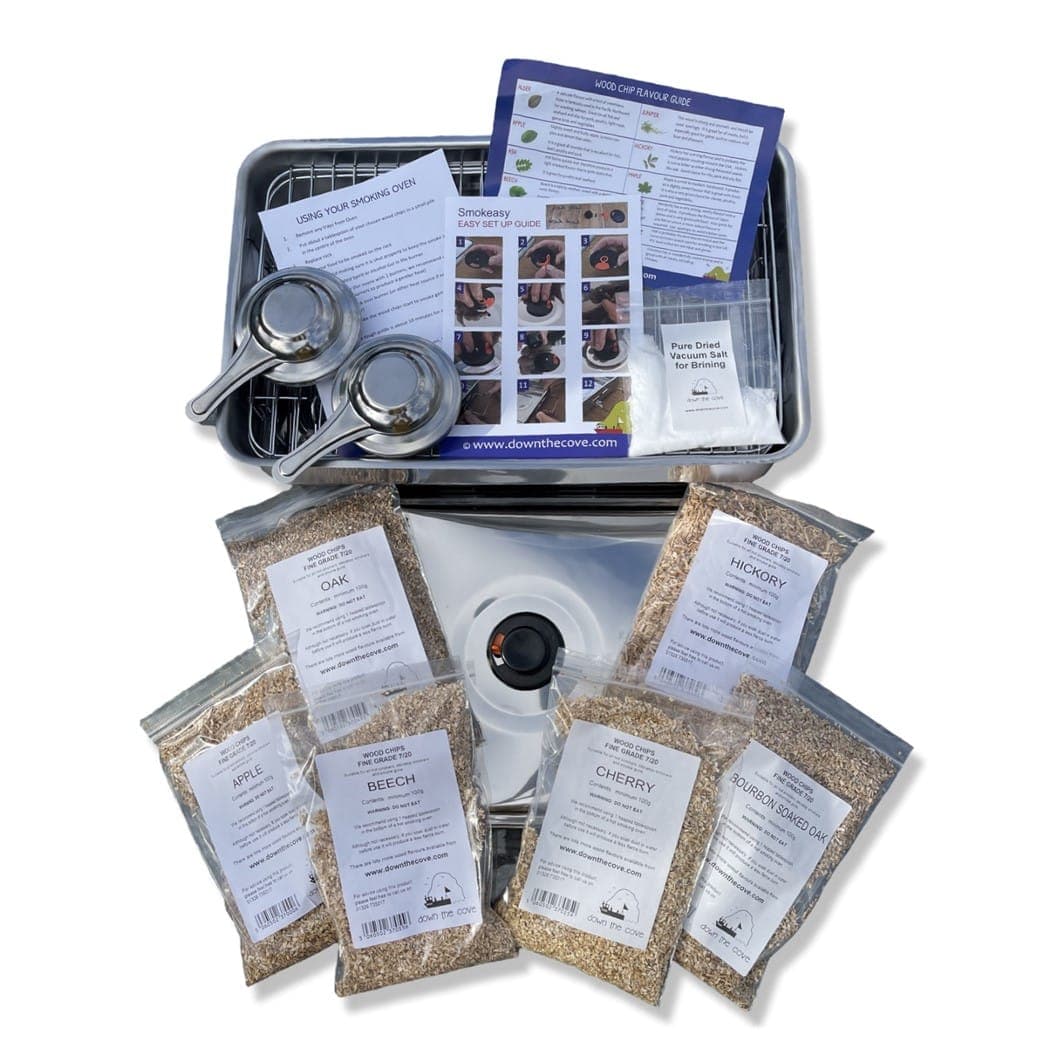
Start with a small amount of wood and a modest time, taste, and adjust next time. If you are still deciding what to try, our guide to what you can smoke at home is a good place to start, and the Complete Hot Smoking Kit pairs a large stainless steel portable smoker with six 100g bags of wood chips for fish, seafood and meat.