The quick method
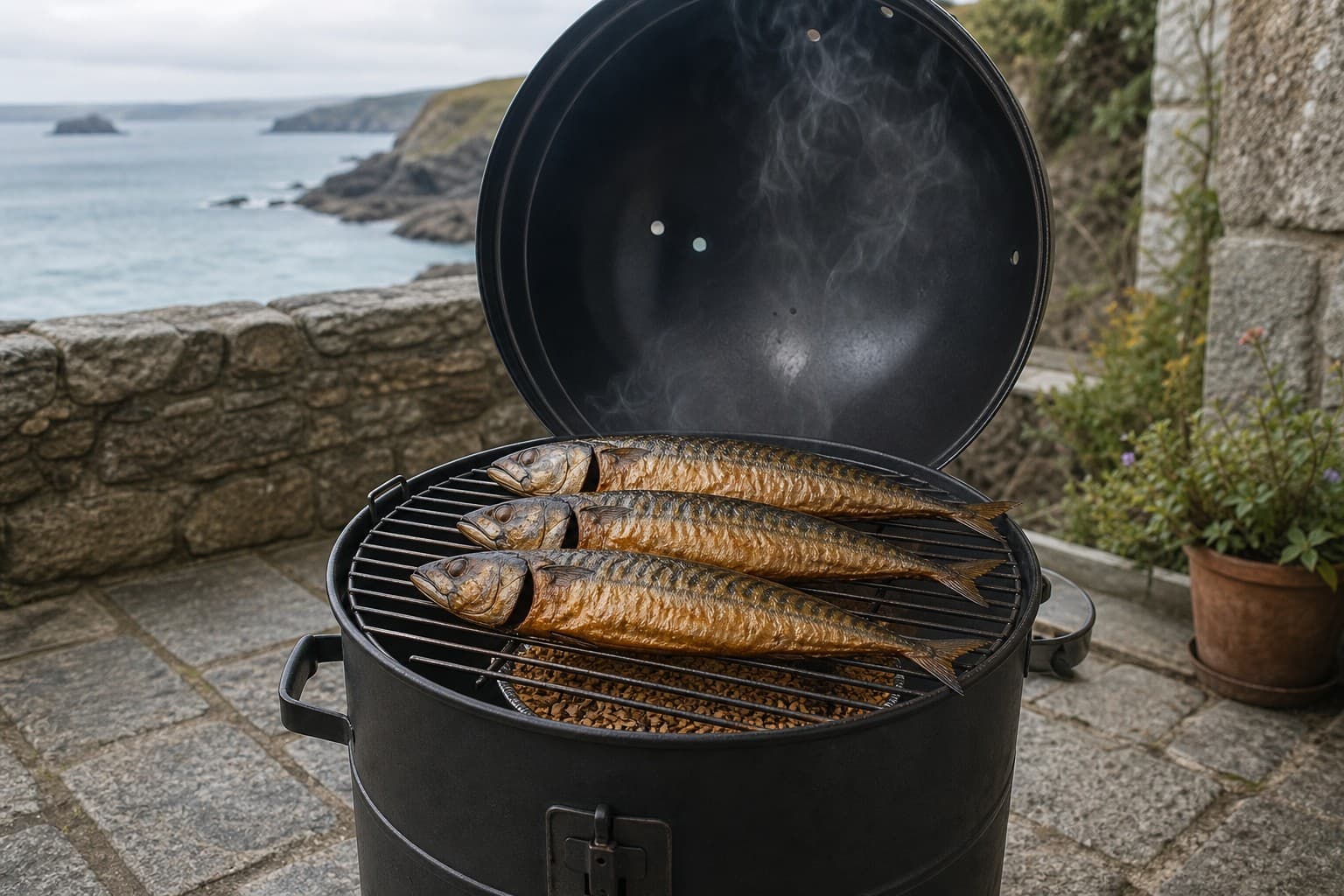
Pat the fish dry, season or brine it, then let the surface dry until slightly tacky. Put a small spoonful of fine chips in the smoker, fit the tray and rack, add the fish and close the lid. Apply heat until a clean stream of smoke appears, lower the heat and cook until the thickest part reaches 70°C for 2 minutes and flakes cleanly.
Choose fish that carries smoke well
Mackerel is the ideal first fish: affordable, naturally oily and quick to cook. Salmon and trout give a softer, richer result. Firm white fish can be lovely but dries sooner, so use a gentle wood and watch the probe closely. Start with evenly sized fillets so everything finishes together.
Salt or brine before smoking
A short brine seasons the fish throughout and helps it stay moist. Follow a tested recipe, then rinse if directed and pat the fish completely dry. For a very quick mackerel smoke, a light surface salting can be enough. The important step is drying afterwards: smoke adheres more evenly to a tacky pellicle than a wet fillet.
Use fine chips and start small
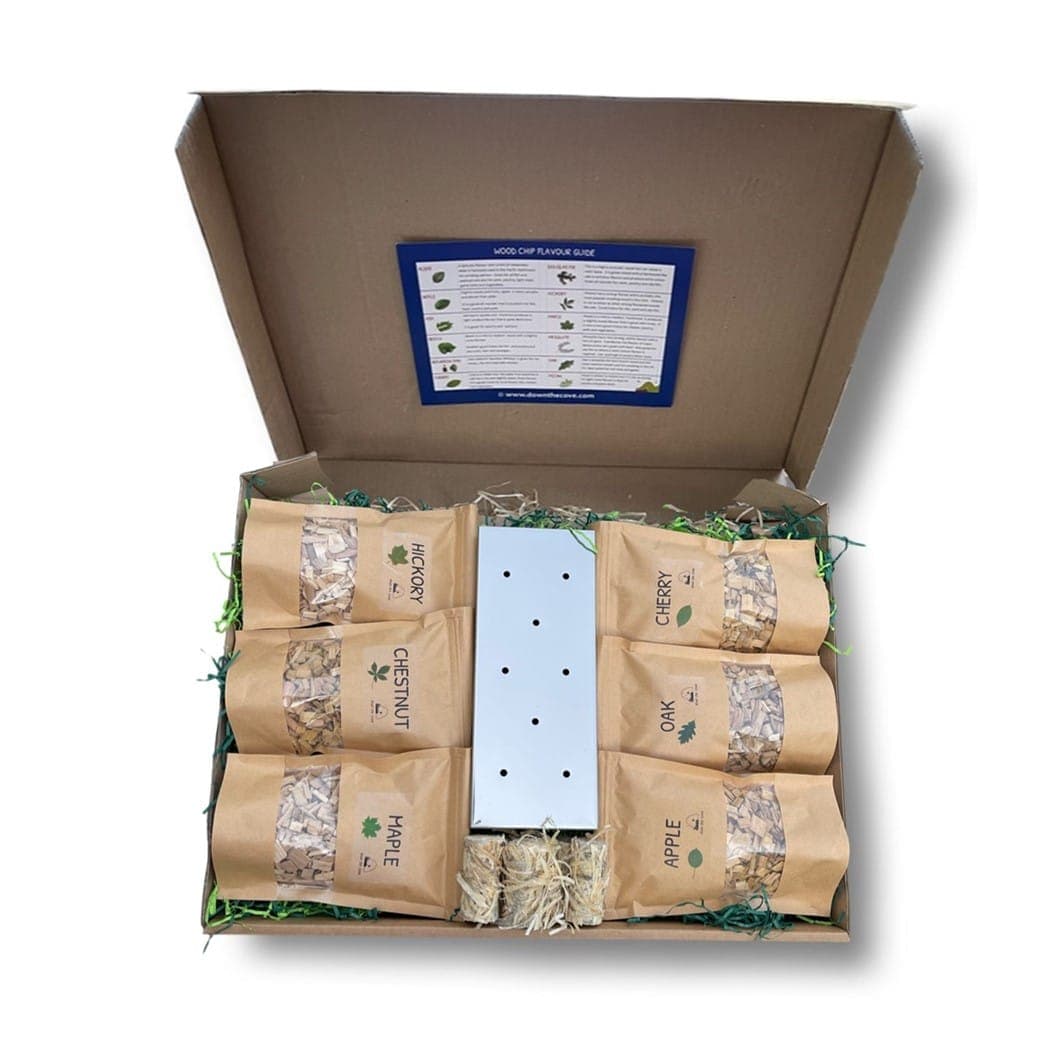
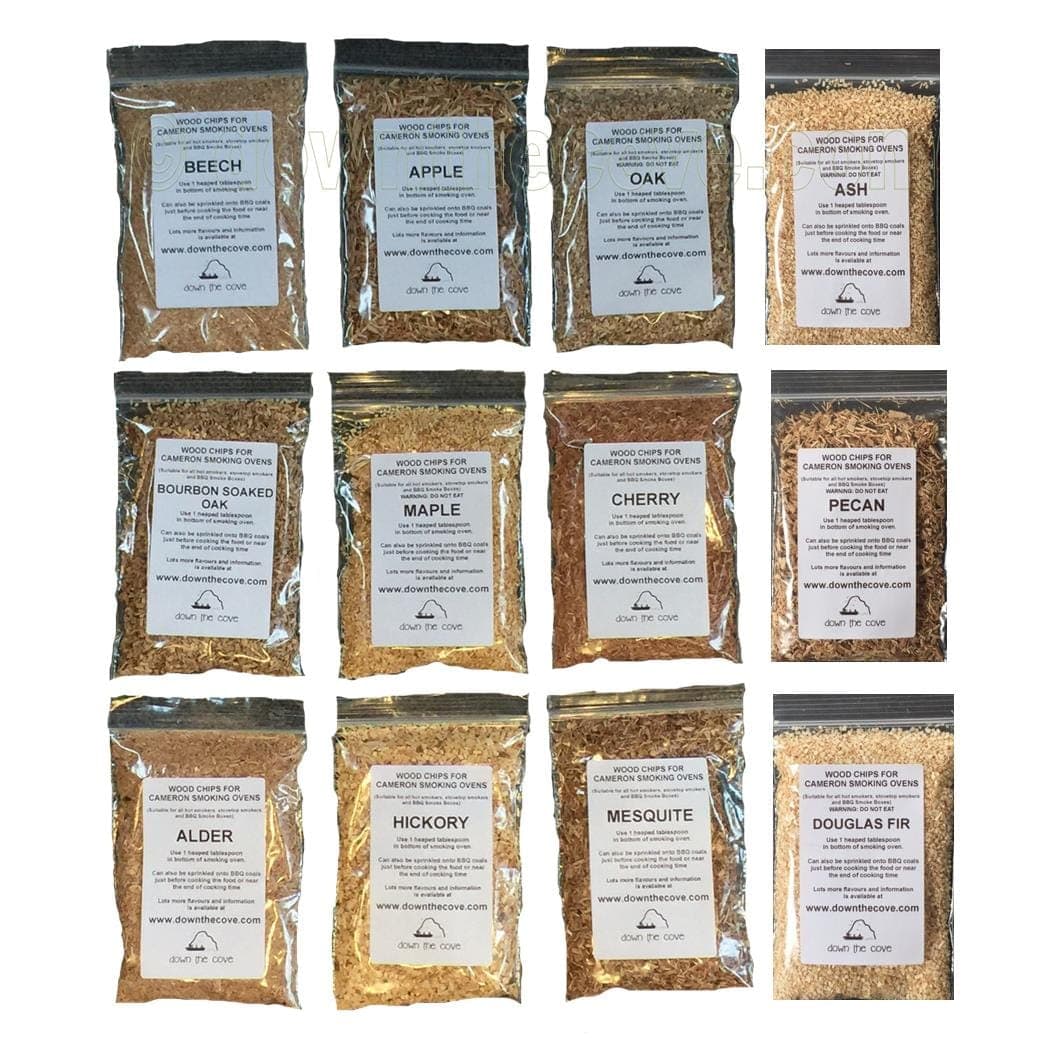
A stovetop or compact hot smoker needs fine chips because they catch quickly at moderate heat. One heaped tablespoon is often enough for a batch. Alder, apple and beech are mild with fish; oak is fuller, and hickory should be used sparingly. Read our wood flavour guide before mixing woods.
Stovetop smoker setup
Spread the chips in the base as the smoker instructions show, then add the drip tray and rack. Keep fish above the drips rather than sitting in them. Close the lid firmly, start over medium heat and turn the extractor on or open a window. Once smoke appears, reduce the heat enough to maintain it without scorching the chips.
Hot smoking on a barbecue
Set up two heat zones. Put the smoker box or wrapped chips over the lit side and the fish over the unlit side, then close the lid. This gives the wood enough heat to smoulder while the fish cooks indirectly. Our BBQ smoker-box guide covers placement and airflow in more detail.
Use a probe, not the clock
Thickness, starting temperature and the smoker all change the timing. Thin mackerel fillets may be ready in around ten minutes, while a thick salmon portion takes longer. Check the thickest part and aim for a core temperature of 70°C for 2 minutes. The flesh should be opaque and flake, but still look moist rather than chalky.
Rest and serve
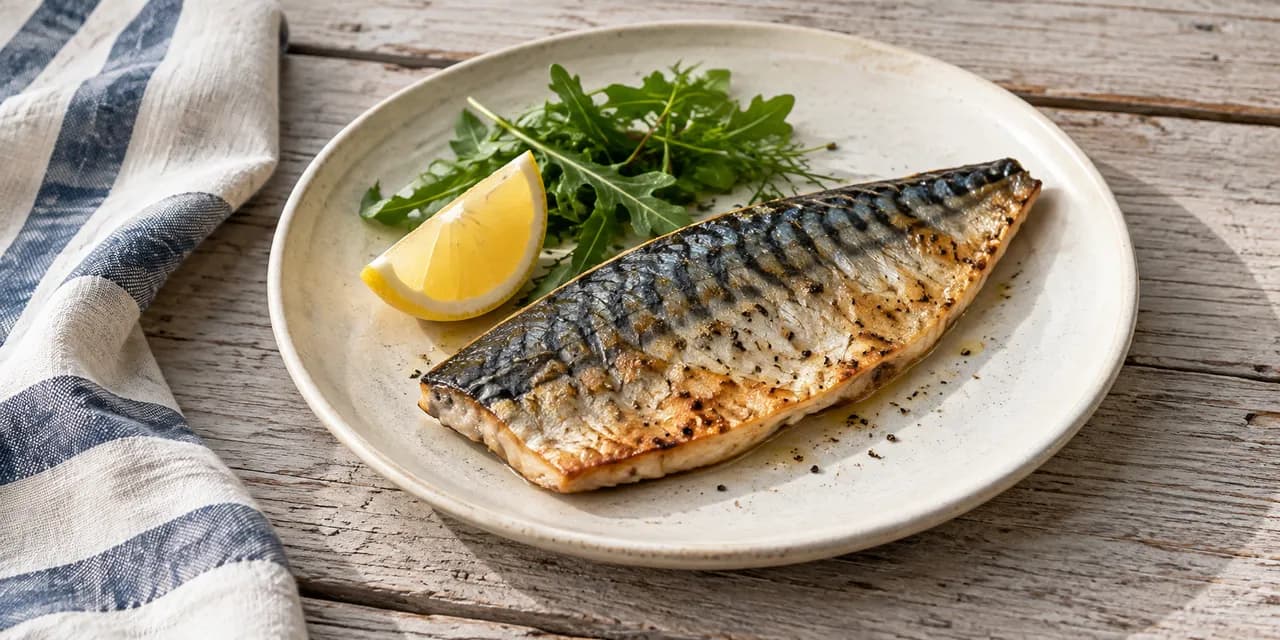
Let hot-smoked fish rest for a few minutes so the juices settle. Serve mackerel with lemon and bread, flake salmon through warm potatoes or chill the cooked fish promptly for salads the next day. Treat it like any other cooked fish: refrigerate promptly and use it while fresh.
Common questions
What temperature should hot-smoked fish reach?
Check the thickest part with a clean probe and cook to 70°C for 2 minutes. A probe is more reliable than a fixed time because fillet thickness varies so much.
Do I soak chips for a stovetop smoker?
No. Use dry fine chips or dust as recommended by the smoker maker. Wet chips delay clean smoke and add steam inside the compact chamber.
What is the best fish for a beginner to smoke?
Mackerel is quick, inexpensive and rich enough to stay moist. Follow our smoked mackerel guide for a focused first cook.