Separate wood flavour from fuel format
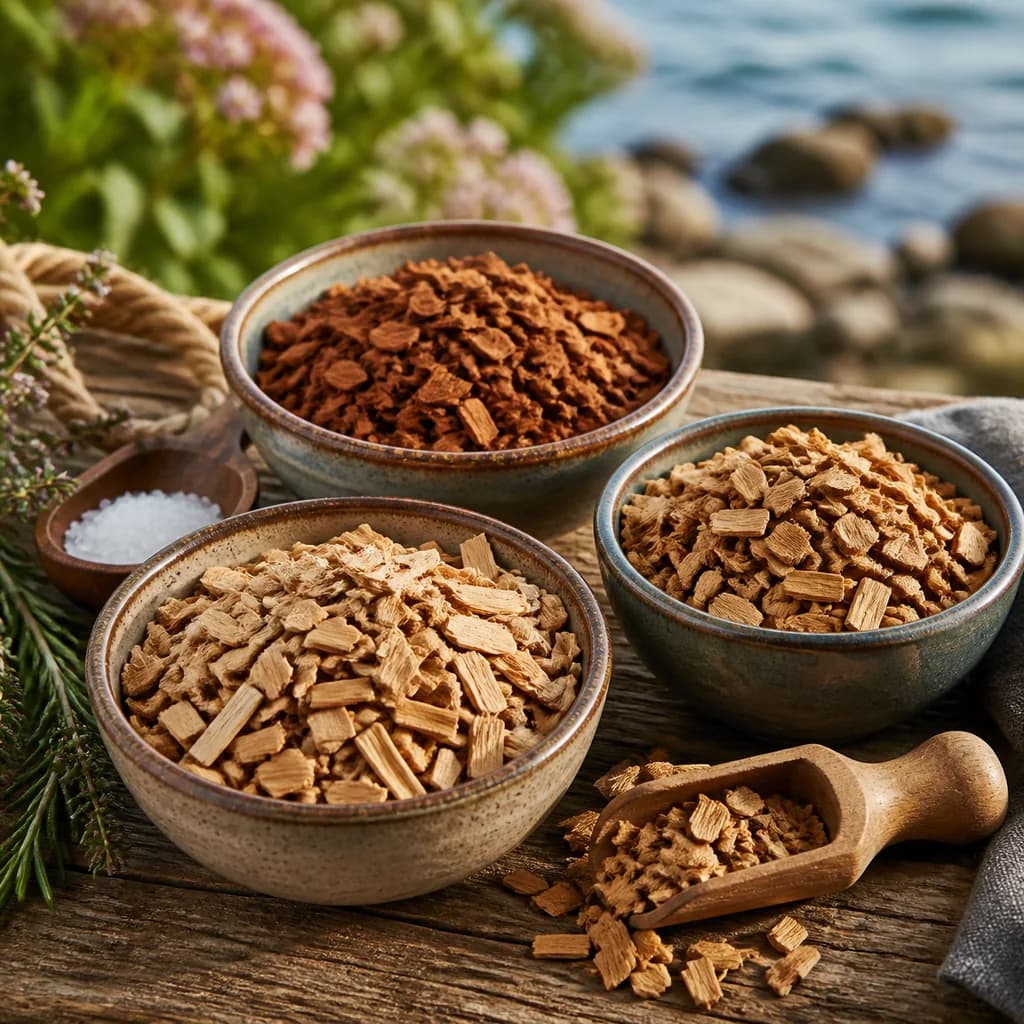
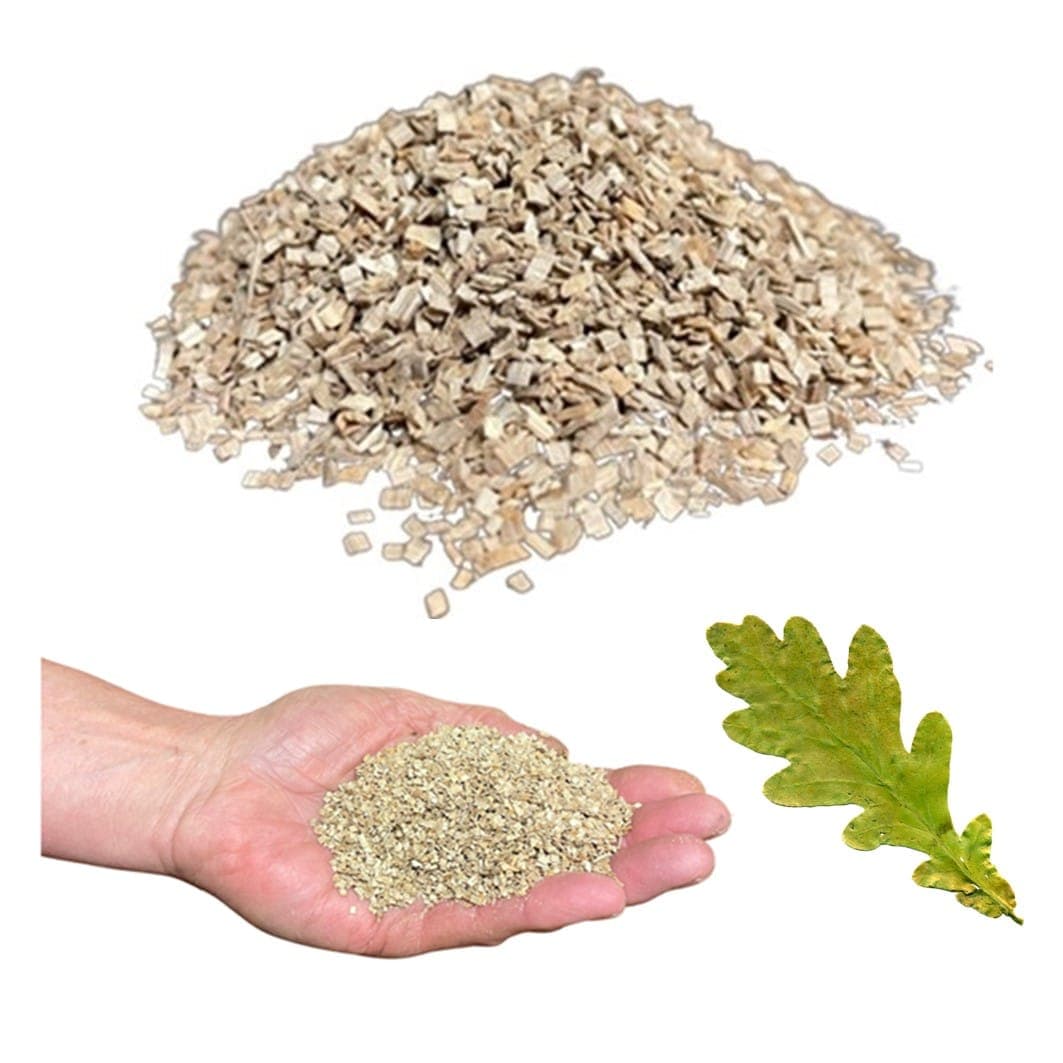
Apple dust and apple chips share a wood name but are not automatically interchangeable in equipment. Check the smoker’s specified grade before choosing a flavour. Use the separate wood-grade guide if you are deciding between dust, fine chips and coarse chips.
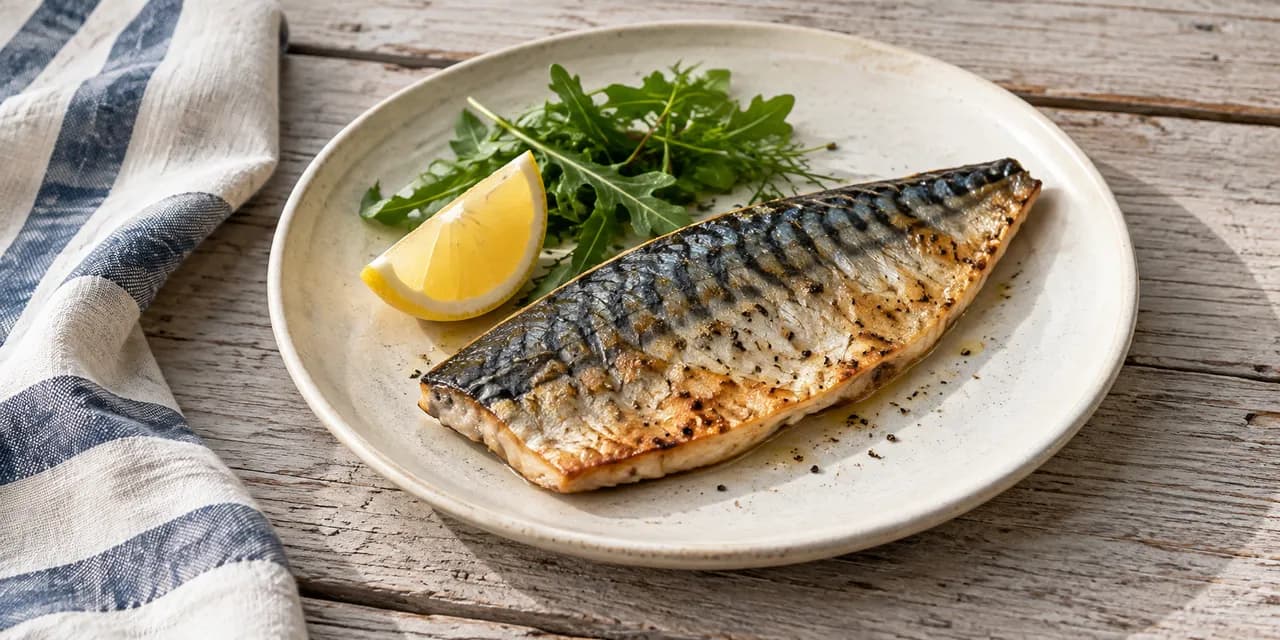
A first choice for fish, poultry or vegetables
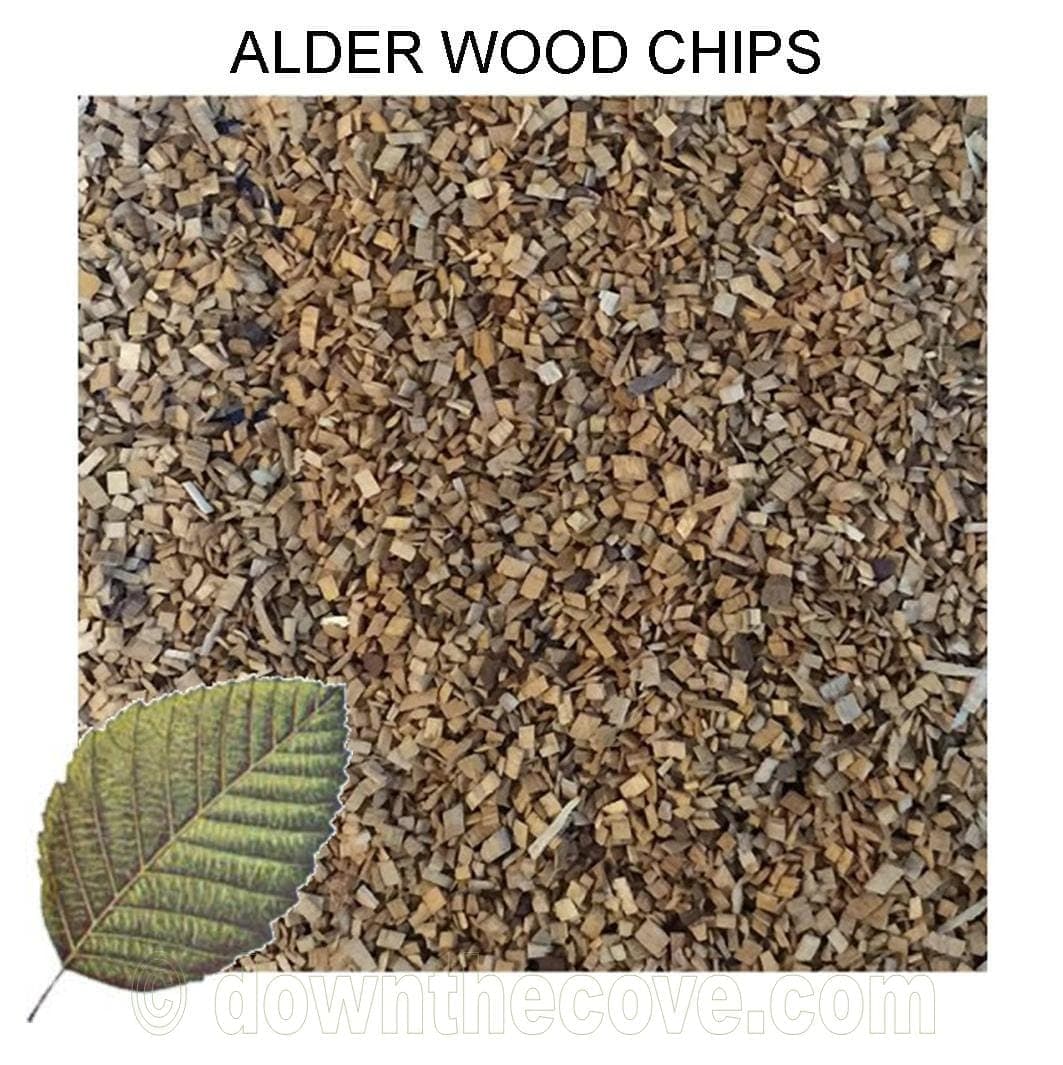
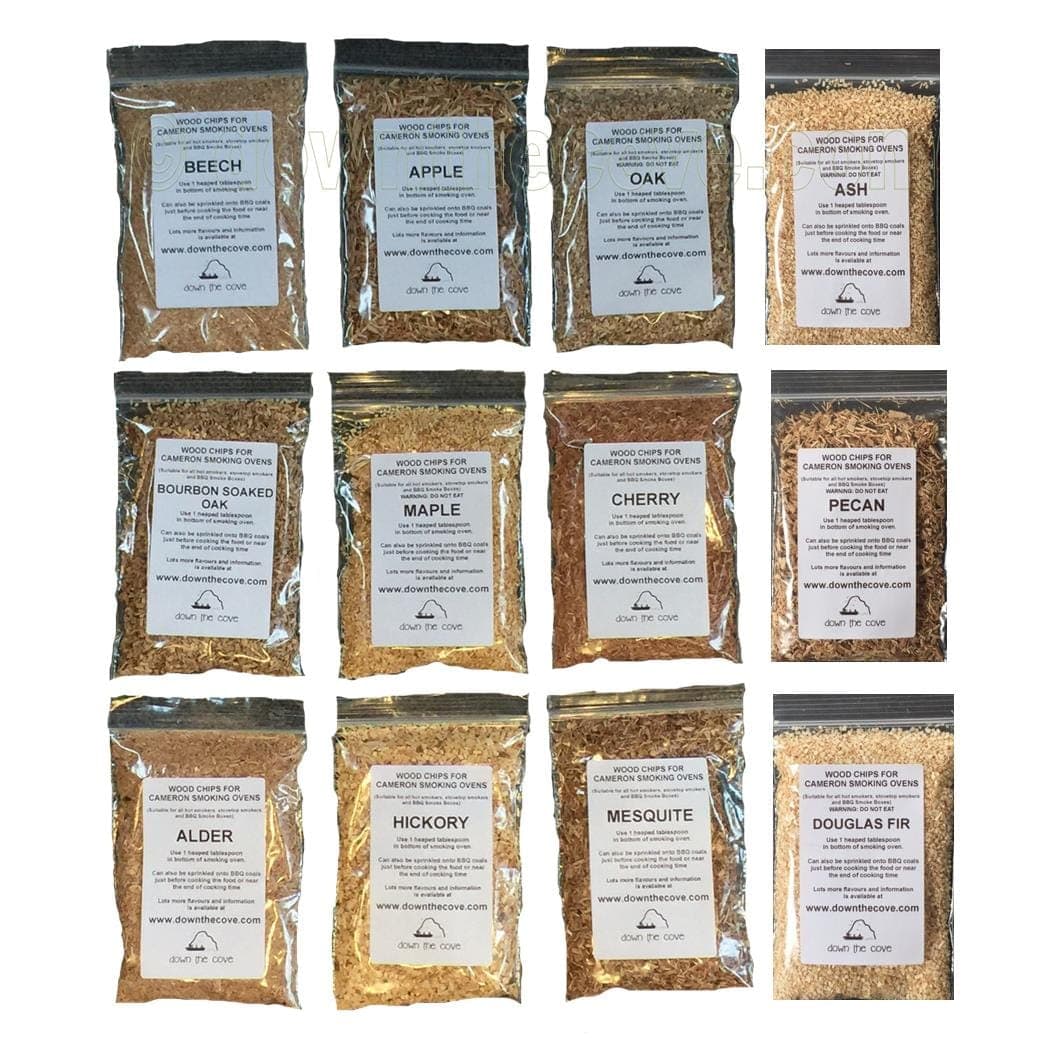
If you prefer a lighter profile, compare food-smoking alder, apple or beech in the grade your equipment accepts. Taste is subjective and depends on the food, amount of wood and process. Do not treat a pairing suggestion as a guarantee that one wood is best for every fish or recipe.
Exploring stronger flavours
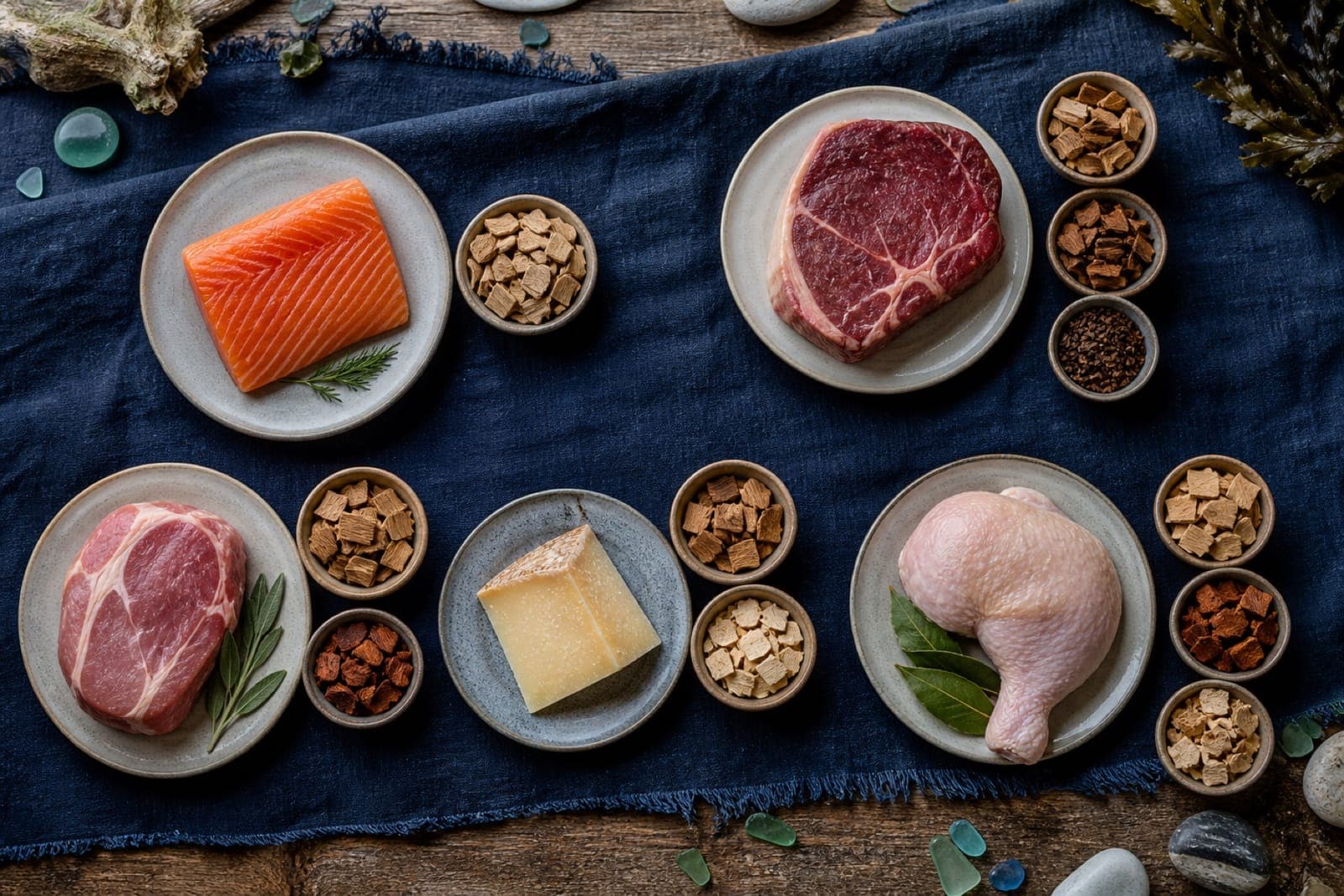
Oak, hickory and mesquite are options for a fuller profile. Start within the equipment and recipe instructions rather than adding a large amount to chase visible smoke. A bitter result can involve the process as well as the wood, so changing the species alone may not solve it.
Make a useful flavour record
Record the wood species and grade, amount specified by your setup, food, equipment and smoking stage. Add a short tasting note after the food has been prepared safely. For the next session, change one flavour variable while keeping the required food-safety controls intact. This is a personal comparison, not a preservation experiment.
Should you buy a sampler or a single wood?
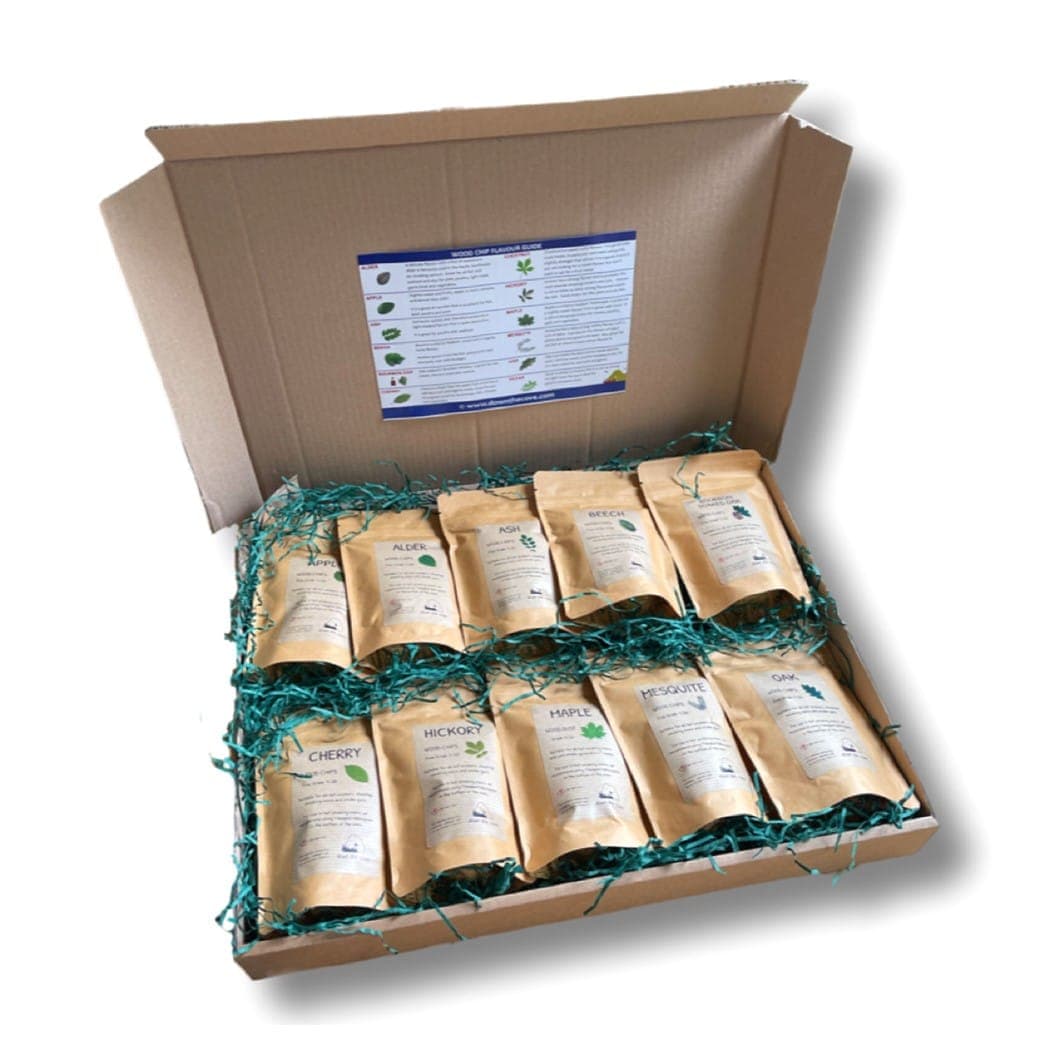
A sampler helps explore preferences only if its grade suits your smoker. Check each pack’s contents and selected option; a flavour range may not be available in every grade. Once you know a preference, compare a single-wood pack rather than repeatedly buying flavours you do not use.
Can you blend woods?
Use only clean fuel sold for food smoking and accepted by the equipment manufacturer. Begin with known single woods before blending so that you can interpret the result. Do not burn painted, treated or unidentified wood, and do not substitute gathered branches for a food-smoking product. Smoke flavour does not prove food is cooked or preserved.