Hot or cold smoking: which do you need?
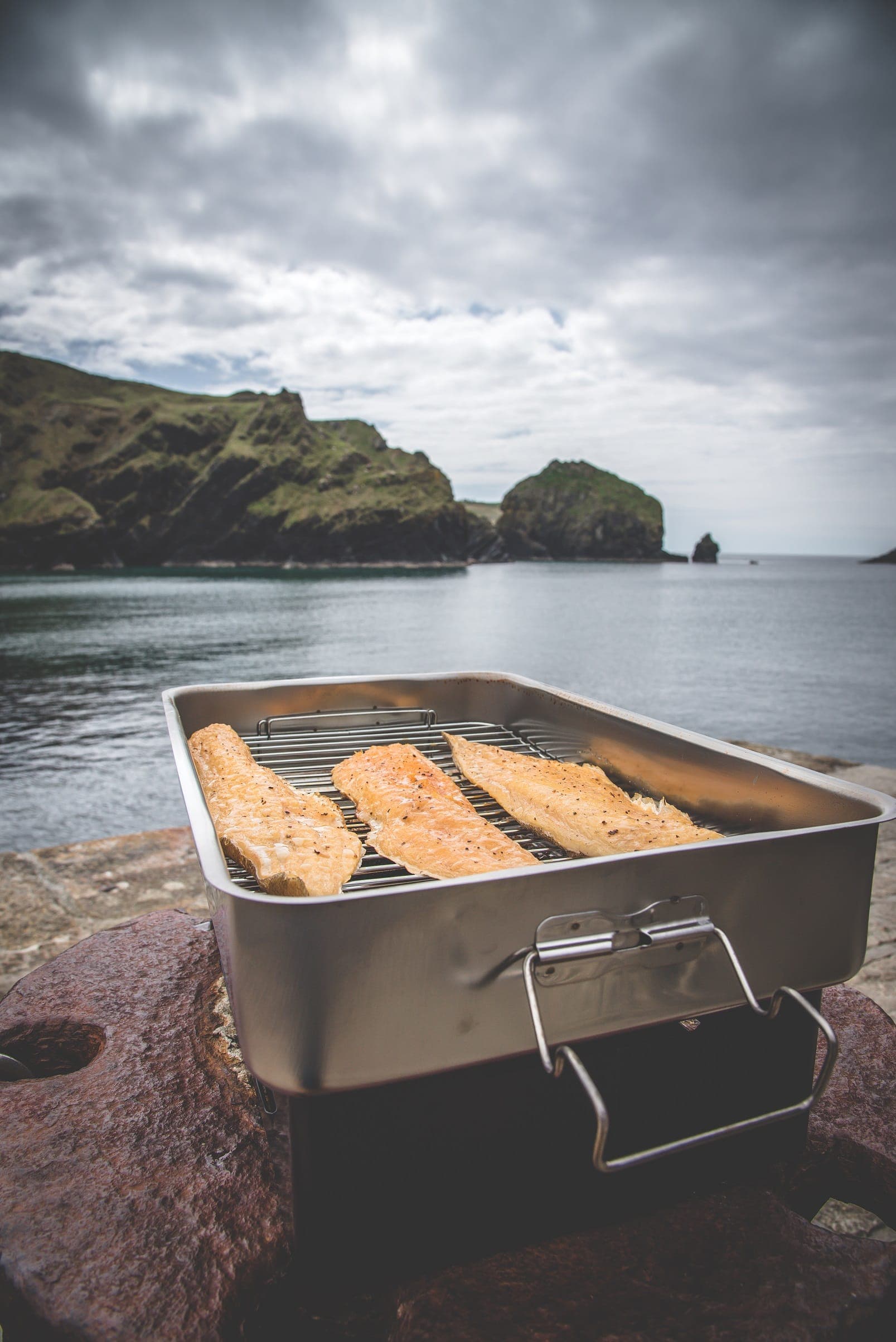
Hot smoking cooks the food while it takes on smoke, typically somewhere around 60°C to 120°C depending on the food and the kit. It is the easier way in and covers most of this list: fish fillets, chicken, sausages, prawns, vegetables. A stainless hot smoker, a stovetop smoking tray or a smoker box on your barbecue will all do it.
Cold smoking adds flavour without cooking, with the smoke kept cool, ideally below about 25°C ambient in the chamber. That is how you smoke cheese, butter and salt, and how traditional smoked salmon is made. It usually means a smouldering maze of wood dust in a closed box or barbecue, which we cover in how to use a cold smoke generator.
If you are deciding which kit to buy, our hot vs cold smoking kits guide goes through the differences properly. In short: hot smoke anything raw that needs cooking, cold smoke things that are already safe to eat or that are properly cured first.
How to read this list
Each food has a method (hot, cold or both), a suggested wood and a beginner difficulty: easy, moderate or advanced. Gentle woods such as alder, apple, cherry, beech and maple give a lighter, sweeter smoke that suits fish, cheese and delicate foods. Stronger woods such as oak, hickory and mesquite give a heavier smoke that can stand up to pork, duck and robust vegetables but can easily overpower something mild.
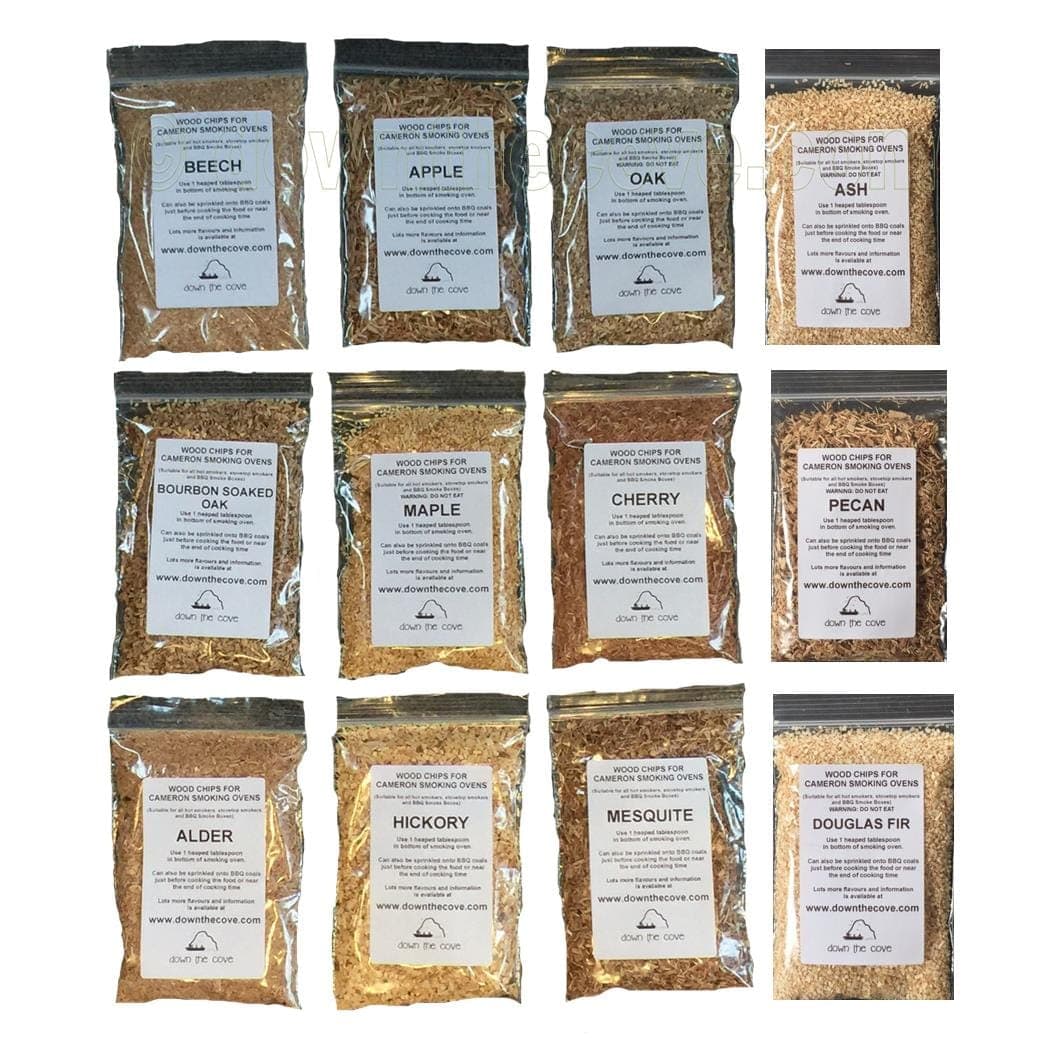
If you are not sure where to start, our guide to the best wood chips for smoking explains the flavour range, and a 12-flavour sampler pack lets you try several woods before buying bigger bags. As a rule, begin lighter than you think and add more smoke next time.
Two habits matter more than the choice of wood. After brining or curing, let fish and meat dry uncovered in the fridge until the surface feels tacky. That thin, slightly sticky layer, called a pellicle, helps smoke settle evenly. Then aim for thin, pale blue or barely visible smoke rather than thick white billows. Heavy white smoke from smothered or damp wood leaves creosote-like, sooty deposits that make food bitter.
Which fish and shellfish can you smoke?
Fish is the classic place to start, and every fish below benefits from a short brine or dry cure first, which seasons it, firms the flesh and helps the smoke stick. Follow a tested recipe for the brine strength and timing, and use our fish smoking times and temperatures chart as a reference for each species.
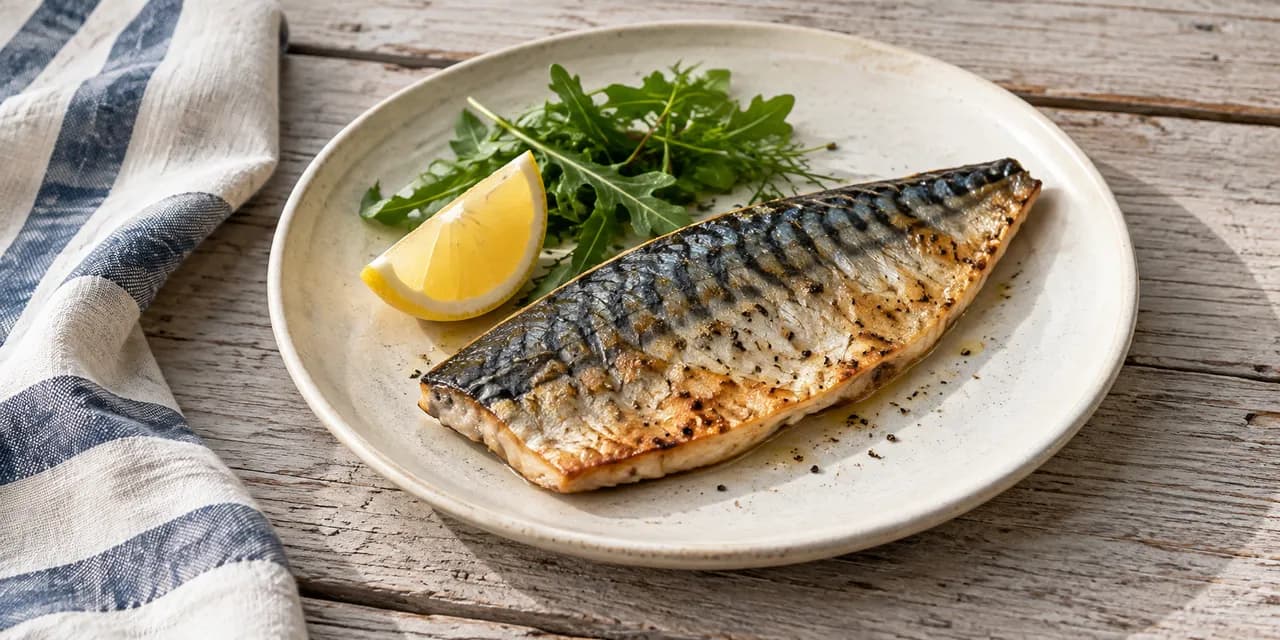
Mackerel (hot, oak or alder, easy). Oily fish takes smoke beautifully and mackerel fillets are forgiving, cheap and quick. Brine briefly, dry until tacky, then hot smoke until the flesh flakes. Our hot smoked fish guide walks through it step by step.
Salmon (hot easy, cold advanced; alder, oak or beech). Hot smoked salmon is a flaky, cooked fillet and a good second project. Cold smoked salmon, the thin-sliced kind, needs a proper dry cure, careful temperature control and chilled storage, so treat it as a later project and follow our cold smoked salmon guide closely.
Trout (hot, alder or apple, easy). Rainbow or sea trout fillets behave much like salmon but cook faster. A light wood keeps the flavour clean. Alder is the traditional fish wood for good reason.
Haddock (hot or cold, oak or beech, moderate). Lean white fish dries out more easily than oily fish, so keep the heat gentle and the time short. Cold smoked haddock is cured and smoked but still raw, so it must be cooked before eating, as you would with shop-bought undyed smoked haddock.
Prawns (hot, apple or cherry, easy). Shell-on raw prawns take smoke in minutes. Pull them as soon as they turn pink and opaque, or they go rubbery.
Mussels (hot, alder or beech, moderate). Steam them open first, discard any that stay shut, then give the meat a short smoke on a fine rack or tray. Lovely in a little olive oil.
Scallops (hot, alder or apple, moderate). A quick, light smoke flavours them, then finish in a hot pan. They overcook fast, so watch them closely. For more on matching woods to species, see the best wood for smoking fish.
Can you smoke chicken, duck and pork at home?
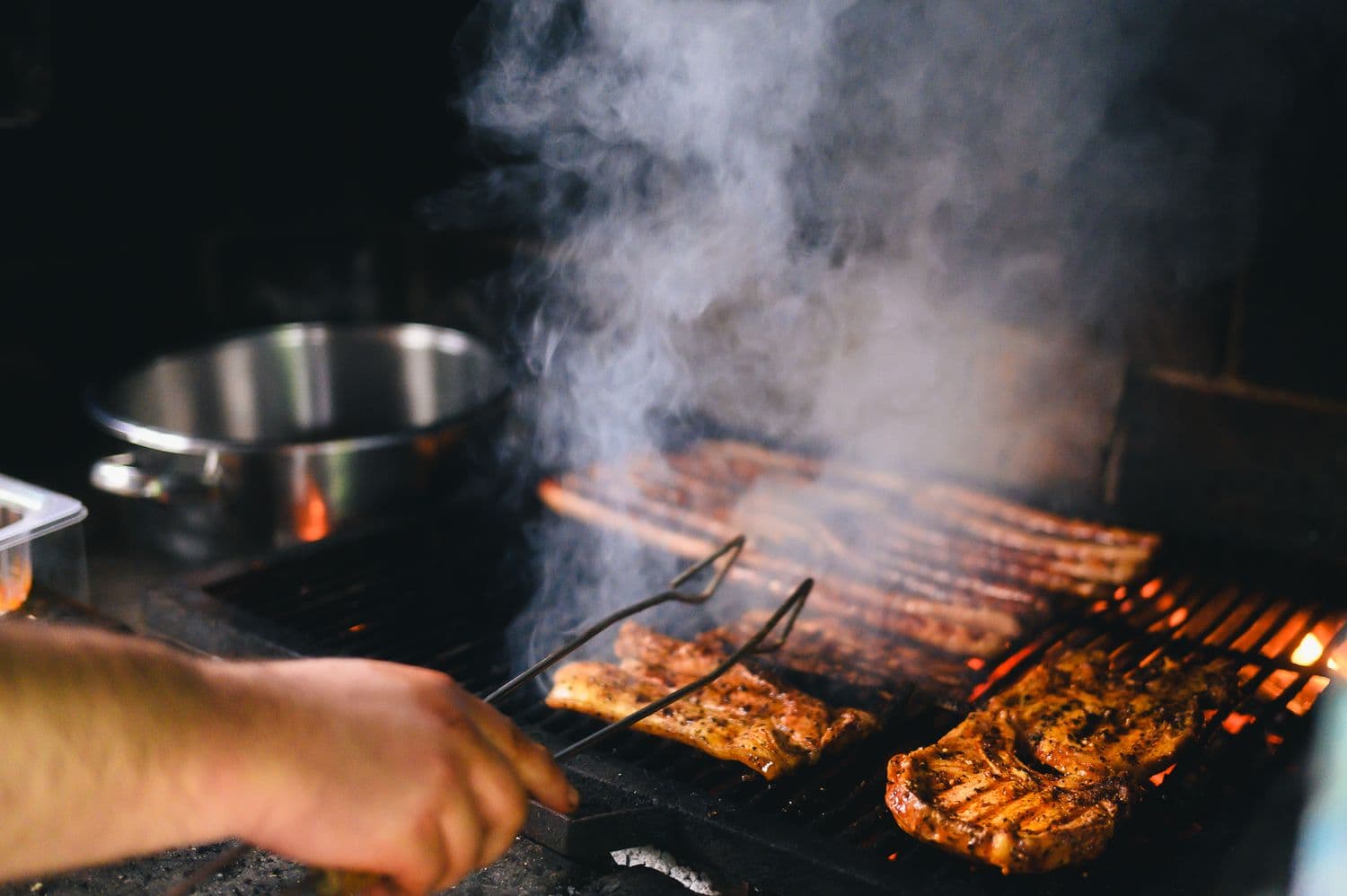
Yes, and hot smoking is the way to do it. Raw meat and poultry must be fully cooked in the smoker or finished in the oven. Check the thickest part with a probe thermometer: the Food Standards Agency advises cooking to a core of 75°C, or 70°C held for 2 minutes. Please check current FSA and NHS guidance before you start, as advice can be updated.
Chicken thighs (hot, apple or cherry, easy). Thighs stay moist and forgive a few extra minutes. Fruit woods give a sweet smoke and good colour on the skin.
Chicken breasts (hot, apple or maple, moderate). Leaner and easier to dry out. A short brine helps, and pull them as soon as they reach a safe temperature.
Duck breast (hot, cherry or oak, moderate). Score the fat, smoke gently, then crisp the skin in a pan. Duck has enough richness to handle a slightly stronger wood.
Pork (hot, hickory or apple, moderate). Pork chops, tenderloin and belly all take smoke well. Hickory is the bold, bacon-like choice; apple is milder.
Sausages (hot, apple, oak or hickory, easy). Raw sausages need cooking right through, so treat them like any other raw meat and probe them. An easy first meat.
Bacon (cold or hot, oak or hickory, advanced). Bacon is cured pork, and curing meat safely needs a proper tested recipe with accurate measurements, including any curing salts. Do not improvise a cure or cold smoke raw pork that has not been cured to a tested method, and always cook bacon before eating.
Which cheeses smoke best?
Cheese is cold smoked only. Above roughly 25°C it starts to sweat oil and soften, so pick a cool day, ideally in autumn or winter. Our full how to smoke cheese guide covers timings and resting.
Cheddar (cold, apple or oak, easy). Firm, forgiving and the best first cheese. Cut it into thick blocks so more surface takes smoke.
Red Leicester (cold, apple or cherry, easy). Mild and slightly nutty, it suits a fruit wood and looks lovely with a smoky rind.
Gouda (cold, apple, maple or oak, easy). Smoked gouda is a familiar flavour, and the semi-hard texture holds up well.
Mozzarella (cold, apple or alder, moderate). Pat it very dry and give it a short, light smoke only. It is soft and absorbs flavour quickly.
Whichever cheese you choose, wrap it and leave it in the fridge for at least a day or two before eating. The smoke mellows and spreads through the cheese, and fresh off the smoker it can taste harsh.
Can you smoke butter, eggs and nuts?
Butter (cold, apple or alder, easy). Set chilled butter in a shallow dish, or over ice, and cold smoke it for a short session. Smoked butter is excellent melted over fish, steak or new potatoes.
Eggs (hot or cold, apple or hickory, easy). Start with hard-boiled eggs, peeled. They can be cold smoked for flavour, or hot smoked for a firmer, more coloured white. Treat them like any cooked egg: keep them chilled and eat within a few days.
Nuts and seeds (hot or cold, hickory, oak or maple, easy). Almonds, cashews, pumpkin and sunflower seeds take smoke well. Toss in a little oil and salt, spread on a fine mesh tray and stir once or twice so they colour evenly.
Can you smoke salt, pepper, sugar and oil?
These are some of the easiest wins, because there is very little to go wrong. They make good gifts too.
Salt and pepper (cold, oak, hickory or beech, easy). Use flaky sea salt or coarse salt and whole peppercorns. Spread thinly on a tray and smoke for several hours, stirring now and then. Store in a sealed jar.
Sugar (cold, apple, cherry or maple, easy). Demerara or light brown sugar works well. Use it in rubs, on porridge or rimming a cocktail glass.
Olive oil (cold, apple or oak, easy). Pour a thin layer into a wide dish so more surface meets the smoke. Taste as you go, then bottle it. Good in dressings and drizzled over grilled fish.
Can you smoke water or ice for cocktails?
Yes. Put a shallow tray of cold water in the smoker, cold smoke it for a while, then freeze it as ice cubes or use it in drinks. Smoked ice adds a subtle smoky edge as it melts into a whisky, a Bloody Mary or an old fashioned. A light wood like apple or cherry is the safe choice. Cover and chill the water as soon as it comes out, as you would any water you plan to drink.
Which vegetables and fruit can you smoke?
Garlic (hot, oak or hickory, easy). Smoke whole bulbs until soft, then squeeze out the cloves. Smoked garlic lifts mash, mayonnaise and sauces.
Tomatoes (hot or cold, apple or oak, easy). Halve them and smoke cut side up. Use in salsas, soups and pasta sauces.
Peppers (hot, oak or hickory, easy). Smoke whole, then peel and slice. They pair well with a strong wood.
Aubergine (hot, oak, moderate). Smoke until fully soft, then scoop out the flesh for a smoky dip. It needs time, so be patient.
Mushrooms (hot, oak or hickory, easy). Large flat or chestnut mushrooms absorb smoke like a sponge. Brush with oil first.
Chillies (hot, oak or hickory, moderate). Chipotle is a smoke-dried jalapeño. At home, smoke ripe red chillies at a low heat for a long session, then finish drying them in a low oven or dehydrator until brittle. Store in a jar or grind to a powder.
Pineapple (hot, apple or cherry, easy). Thick rings or wedges caramelise and take smoke well. Serve warm with ice cream.
Peaches (hot, apple or cherry, easy). Halve, stone and smoke cut side up, then finish with honey or mascarpone. Apple wood suits most fruit.
What should you not smoke with or smoke at all?
Treated, painted or varnished wood. Never burn pallets, offcuts from building work, fencing, decking or anything that has been painted, stained or pressure treated. The smoke can carry chemicals straight onto your food.
Unknown woods. If you cannot identify it, do not use it. Some woods are resinous or give acrid, bitter smoke, and some are harmful. Softwoods like pine and spruce are generally avoided for this reason. Stick to food-grade smoking chips and dust sold for the purpose.
Raw meat cold smoked without cooking afterwards. Cold smoking does not cook food or make raw meat safe. If you cold smoke meat for flavour, it must be cured to a tested recipe or cooked thoroughly before eating.
Uncured fish cold smoked. Cold smoked fish needs a proper salt cure first, then must be kept chilled throughout. Never cold smoke plain raw fish and then eat it raw. Pregnant people, the elderly, young children and anyone with a weakened immune system are commonly advised to avoid cold smoked fish, so check current NHS guidance.
Mesquite on delicate food. It is not unsafe, just very strong, and easily turns fish, cheese or butter bitter. Save it for robust meat once you are confident.
Food safety basics for home smoking
Keep it simple and you will be fine. Use a probe thermometer for any hot smoked meat, poultry or sausages, and follow the FSA's 75°C core, or 70°C for 2 minutes. Cold smoke only when the air in the chamber stays below about 25°C, which in the UK generally means cooler months, early mornings or evenings.
Keep cured and smoked fish chilled before and after smoking, and eat within the time your recipe gives. Work with clean racks and hands, keep raw and cooked food apart, and chill smoked food promptly once it has cooled. If anything about a food or method is unclear, check current Food Standards Agency and NHS advice before you eat it.
What kit do you need to get started?
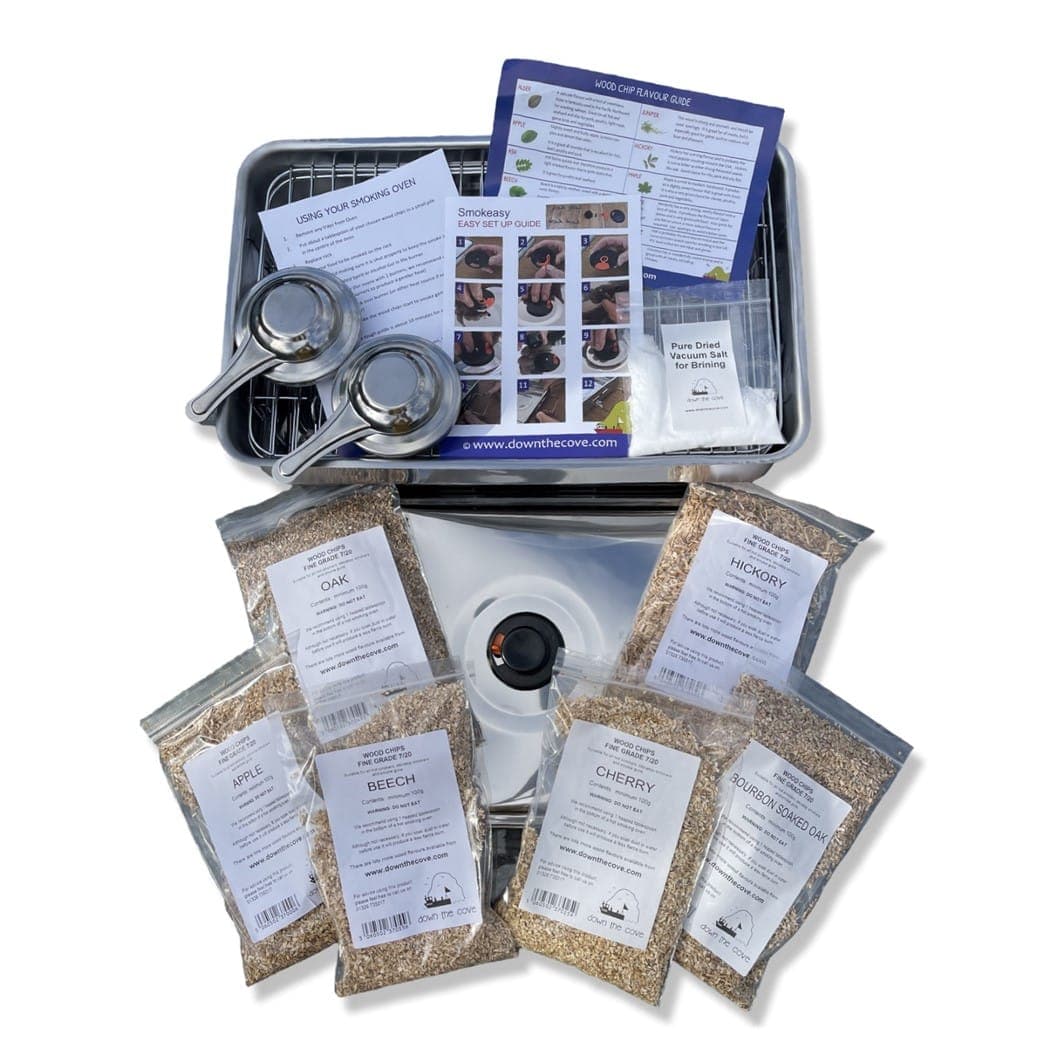
For hot smoking, a portable stainless smoker and a selection of woods is the simplest start; our complete hot smoking kit includes a large stainless portable smoker and six bags of wood for fish, seafood and meat. If you already own a barbecue with a lid, a smoker box filled with coarse chips is a cheap way to try it.
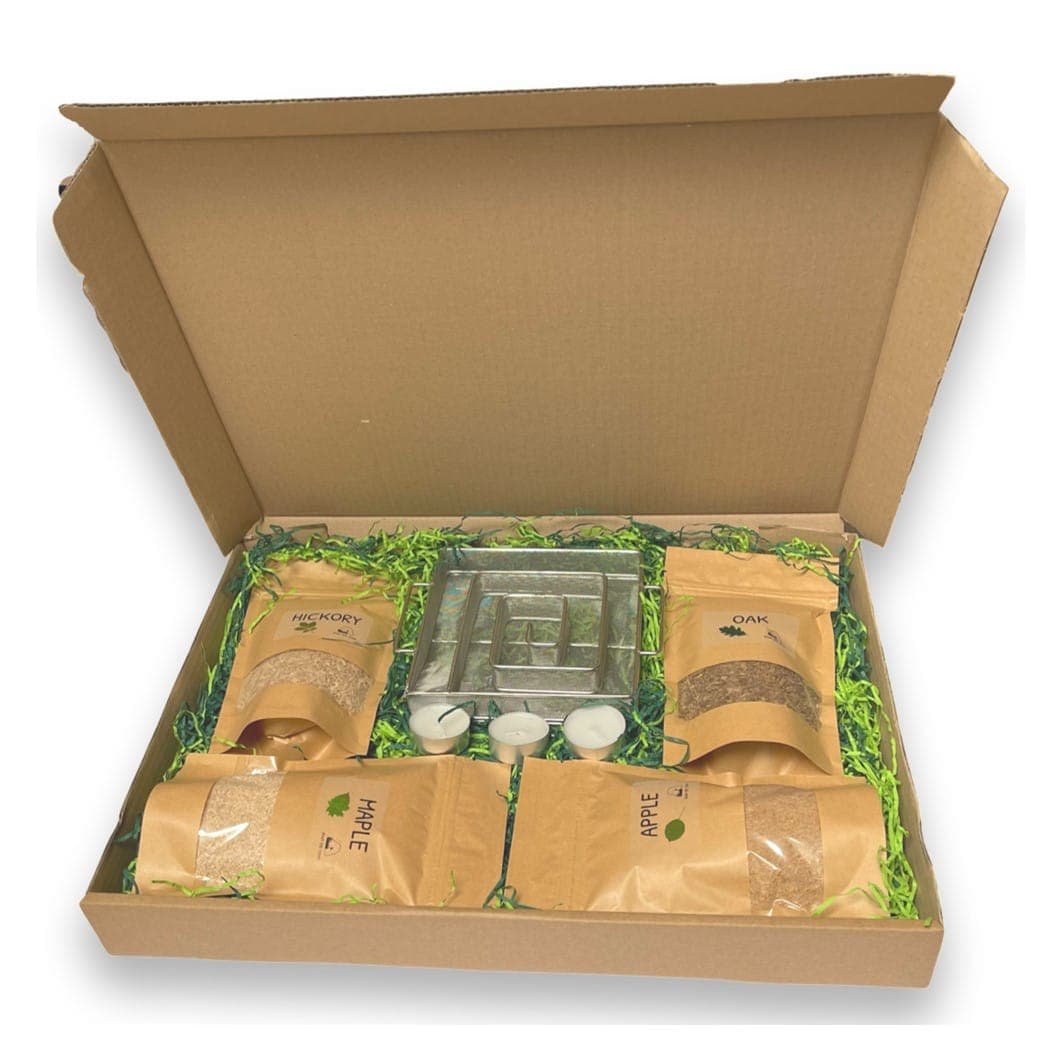
For cheese, butter, salt and cold smoked fish, a smouldering maze is the usual route, and the cold smoking starter kit pairs a ProQ cold smoke generator with four wood dusts. Fine wood dust suits mazes and cold smoke generators, and can also be used for hot smoking; coarse chips suit barbecues and smoker boxes.
Quick beginner checklist
Easiest first projects: mackerel fillets, chicken thighs, sausages, hard-boiled eggs, garlic and smoked salt.
Next steps: cheddar, butter, nuts, trout, hot smoked salmon and duck breast.
Leave until you are confident: cold smoked salmon, cold smoked haddock, bacon and other cured meats, and chipotle-style chillies.
Always: food-grade wood only, a probe for meat and poultry, cold smoking below about 25°C, cured fish kept chilled, and a check of current FSA and NHS guidance when in doubt.