The full guide
Read straight through, or dip into the sections that matter for your next smoking session.
Fish takes on smoke quickly, so the wood matters more than it does with meat. The short answer: use mild woods such as alder, apple or beech for delicate fish like trout and white fish; use oak for oily fish such as mackerel, herring and salmon when you want a classic smokehouse flavour; and keep the strongest woods, hickory and mesquite, away from delicate fillets or use only a pinch in a blend.
The quick answer
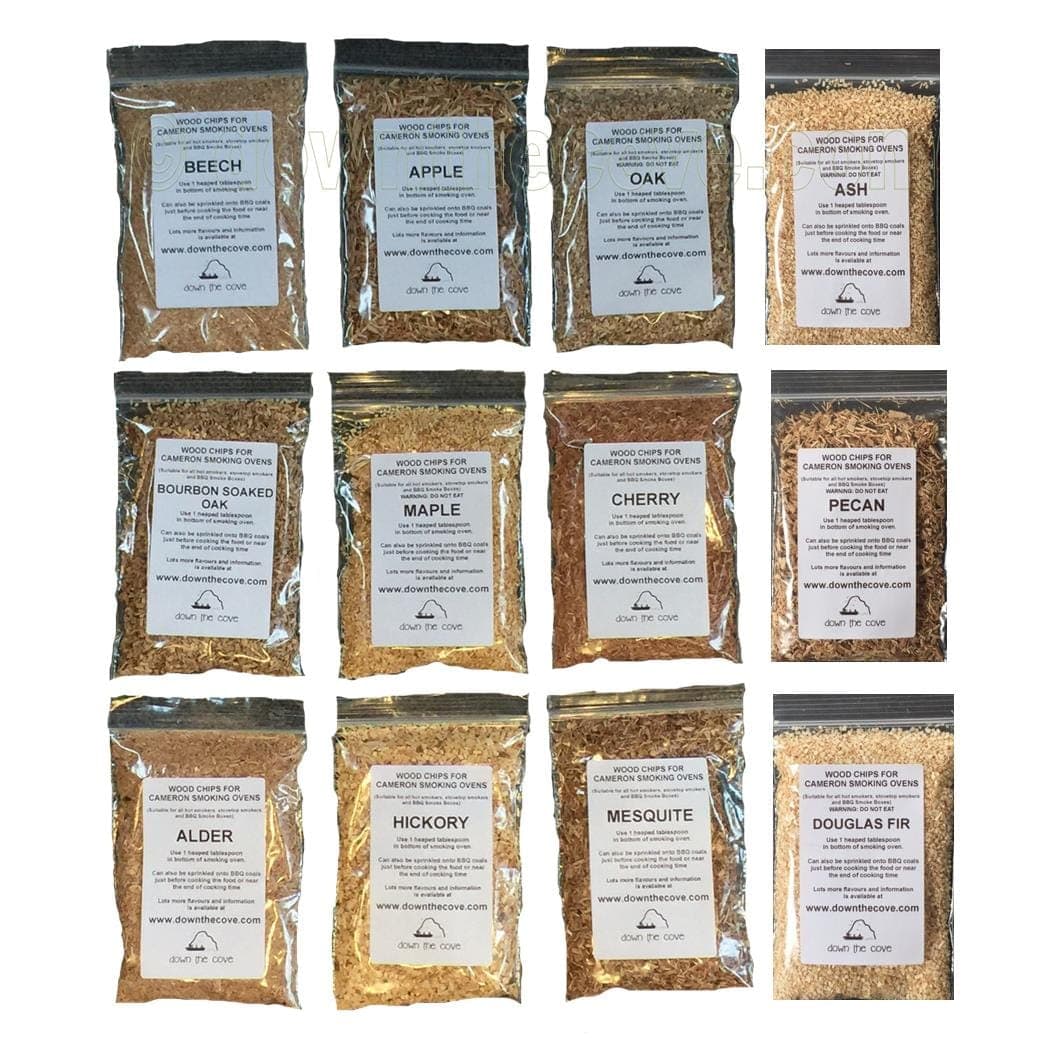
Light, lean fish needs a light wood; rich, oily fish can carry a stronger one. Oak is the traditional British smokehouse wood and the safest all-round choice if you only buy one bag. Fruit woods such as apple and cherry add a gentle sweetness. Alder and beech are the classic mild fish woods in North America and northern Europe.
Mackerel
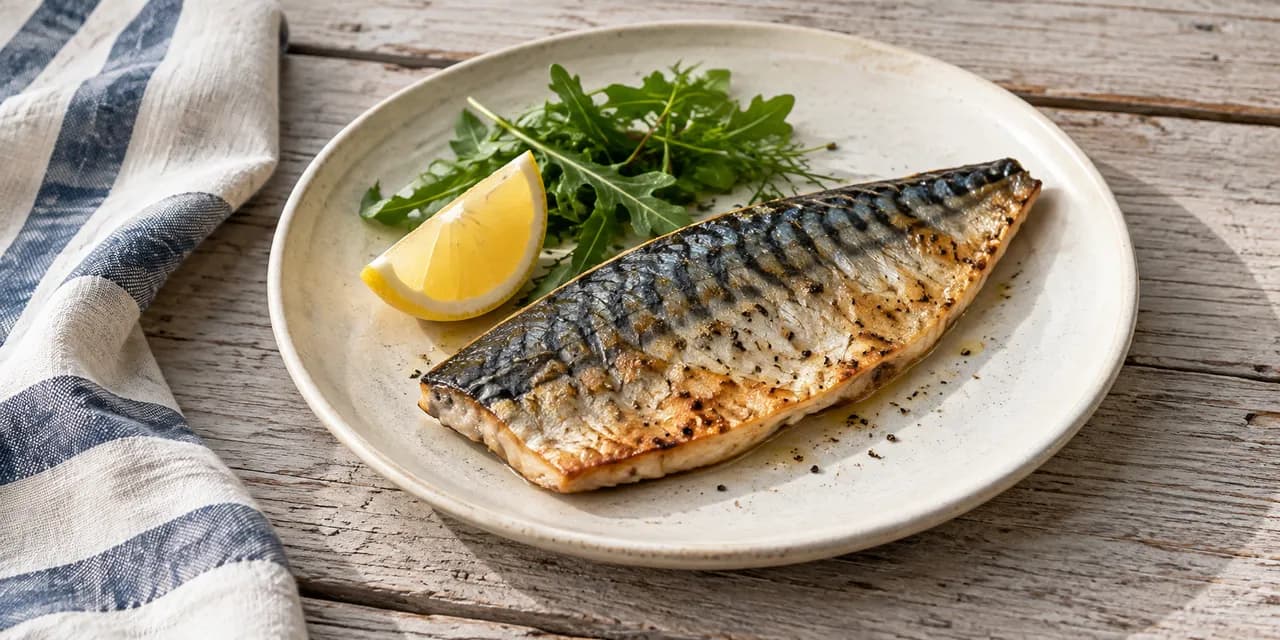
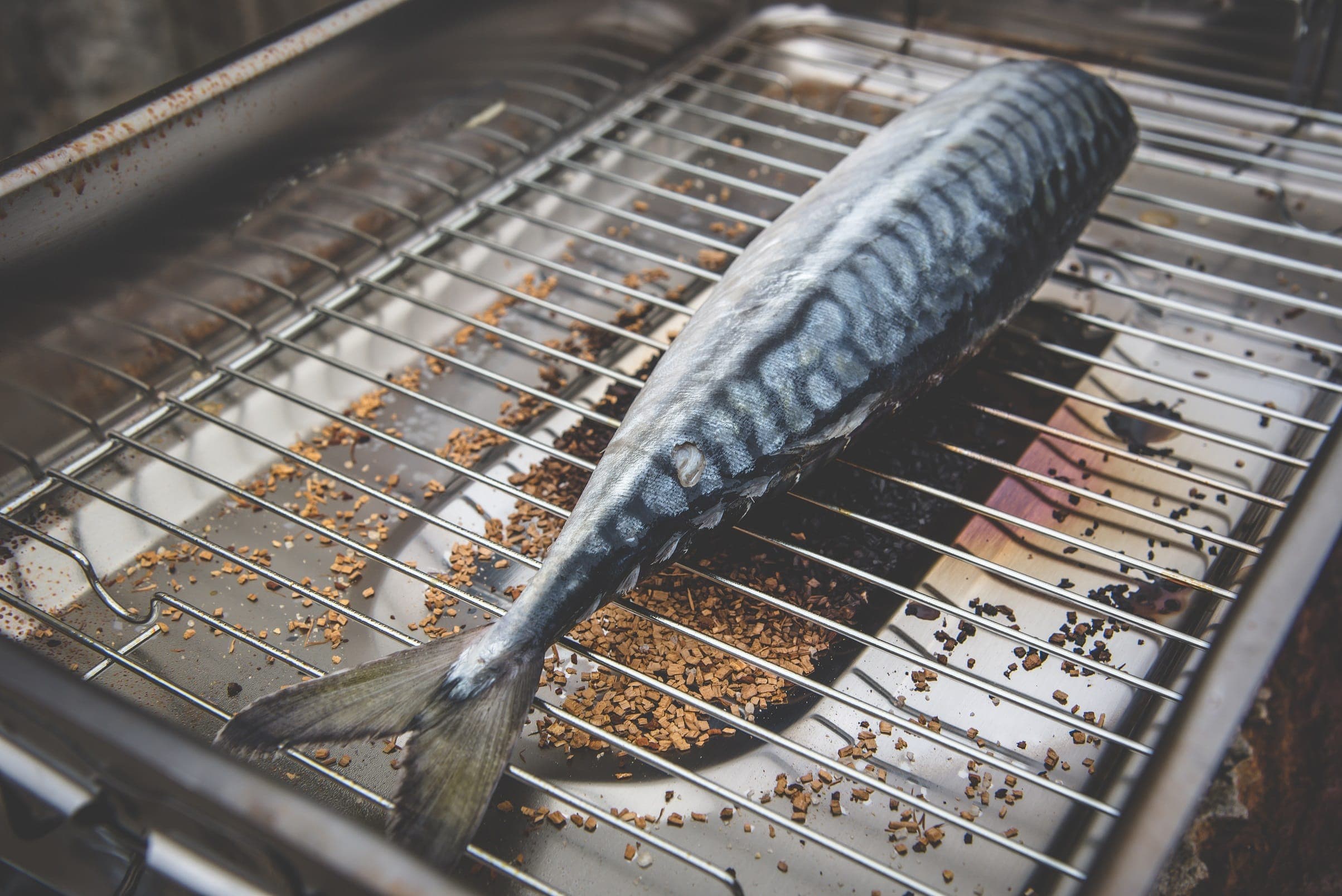
Mackerel is oily and full-flavoured, so it stands up to oak and beech and still suits apple if you want it gentler. Hot-smoke fillets or whole gutted fish in a stovetop smoking oven with fine oak chips, then see our hot-smoked mackerel guide and smoked mackerel pâté recipe.
Salmon
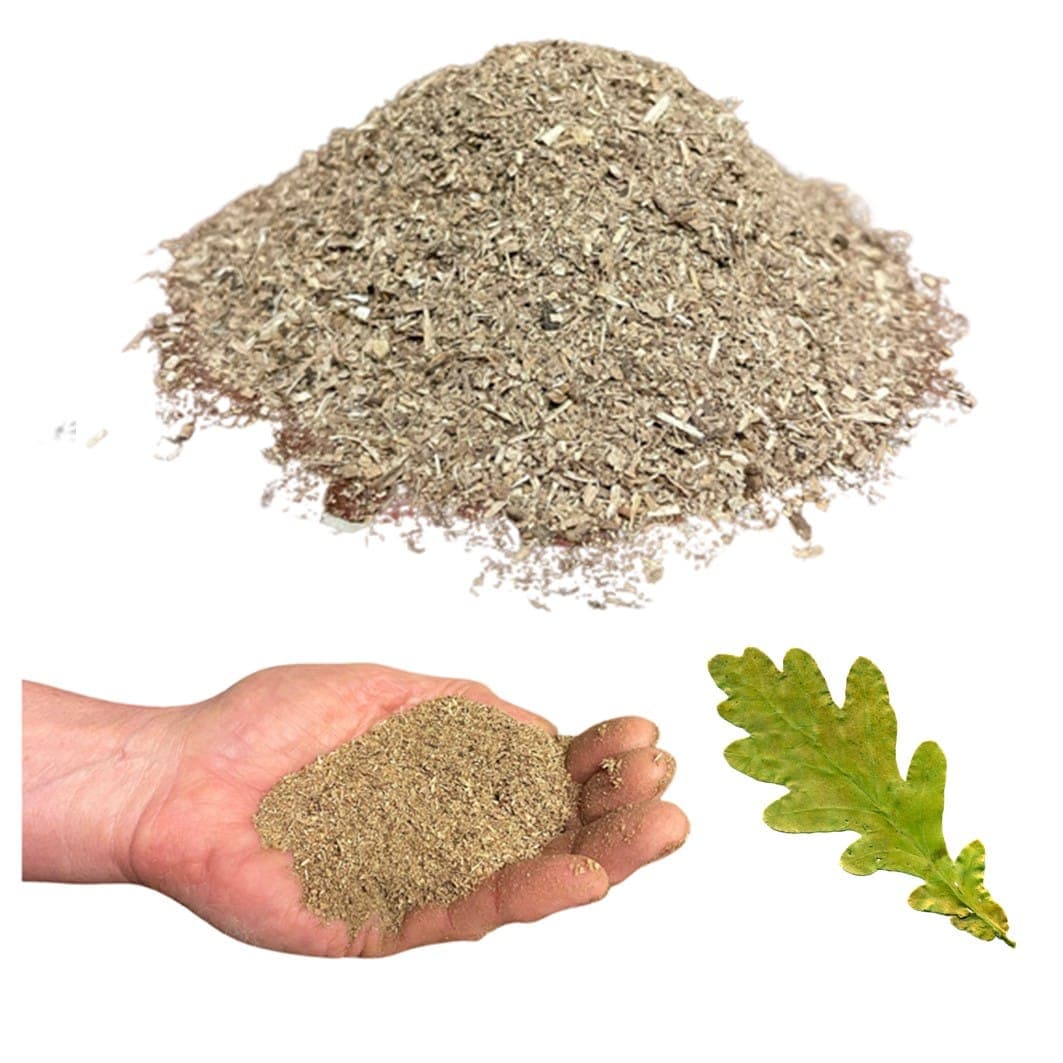
For hot-smoked salmon, alder is the traditional choice on the Pacific coast of North America, while oak gives the familiar British flavour; apple and beech sit in between. Cold-smoked salmon is made with smouldering wood dust rather than chips, usually oak, apple or beech, in a cold smoke generator. Cold smoke does not cook the fish, so follow a tested method and read our cold-smoked salmon guide before you start.
Trout
Trout is delicate, so reach for the mildest woods: alder, apple, beech or cherry. Start with less wood than you would use for mackerel and taste before adding more.
Herring and kippers
Kippers are herring split, salted and smoked, and oak is the traditional wood for them in British smokehouses. If you are hot-smoking herring at home, oak or beech gives that familiar flavour.
White fish: haddock, cod, pollock and whiting
Lean white fish picks up smoke fast and can turn acrid if overdone. Keep to alder, beech or apple and use a small amount. Bright-yellow smoked haddock gets its colour from dye rather than the wood; our haddock guide explains the difference.
Woods to use with care on fish
Hickory and mesquite are strong, savoury woods made for pork and beef. On a delicate fillet they can dominate or turn bitter. If you like a bolder edge on oily fish, blend a little hickory into apple or oak rather than using it on its own.
Which grade for your smoker?
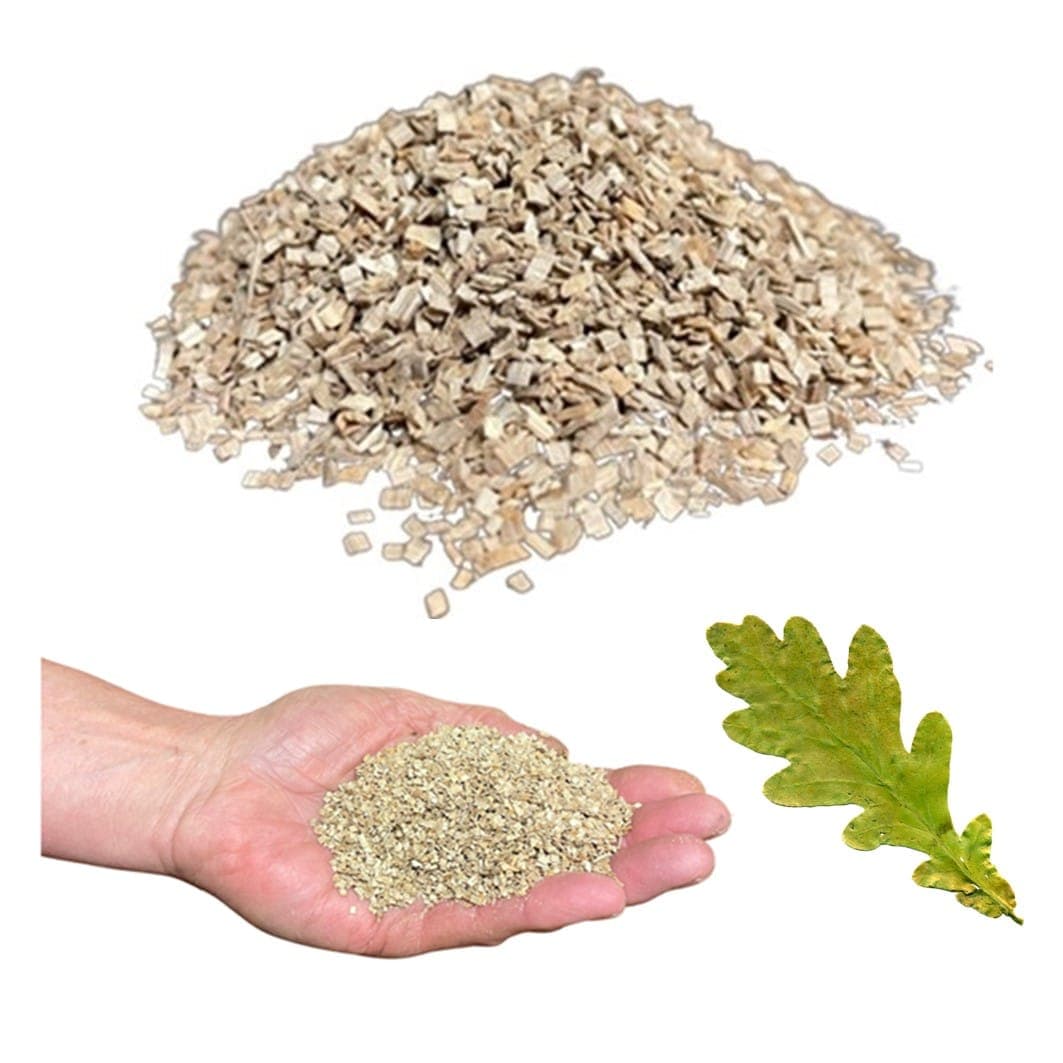
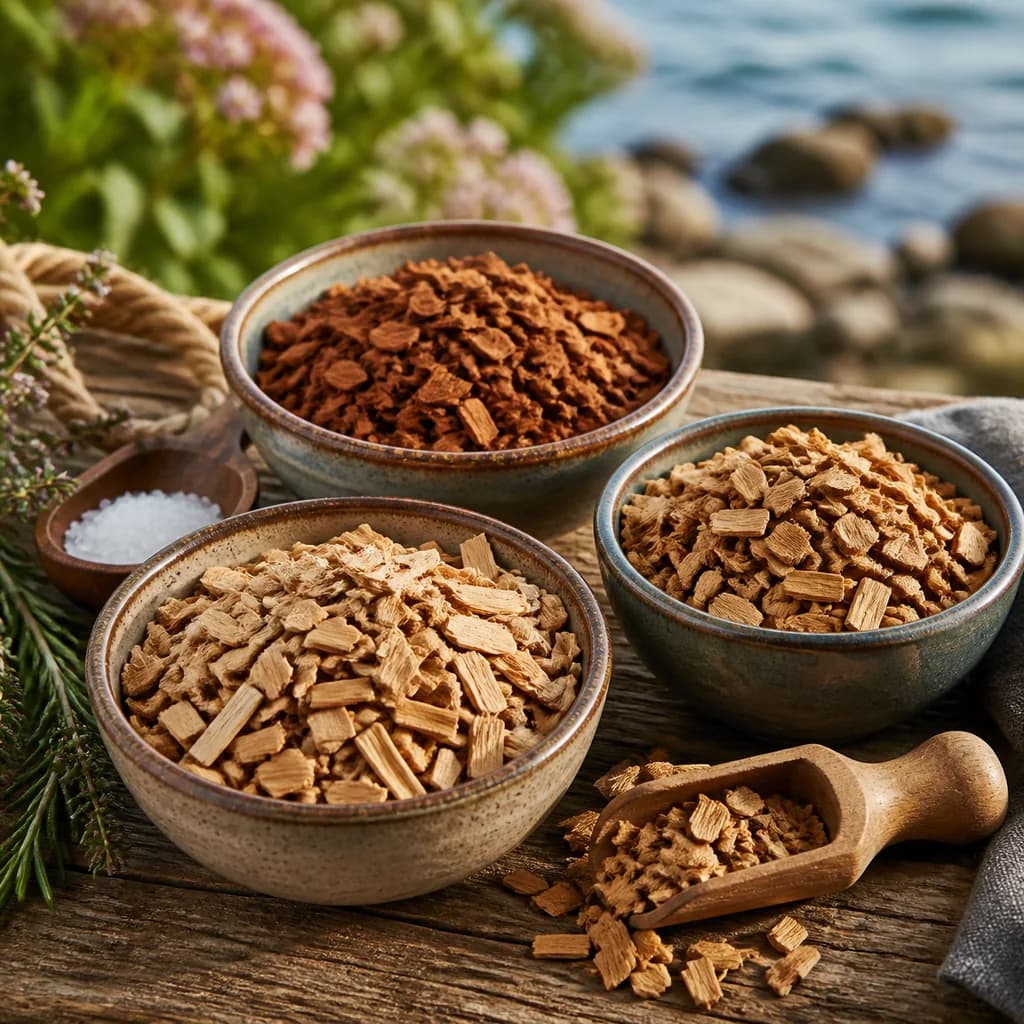
Fine chips suit stovetop smoking ovens and smoker boxes, coarse chips suit a smoker box on the barbecue, and dust is for cold smoke generators. Most of our fish woods come as fine chips (alder, beech, oak and cherry among them), with oak and apple also available as smoking dust for cold smoking.
Cook it through
Smoke adds flavour; it is not a doneness test. Hot-smoked fish and meat must be cooked through: check the centre of the thickest part of the fish with a probe thermometer rather than relying on time or colour. Our explains the checks.
Smoking kit to help at home
Home smoking essentials that make the advice easier to put into practice.