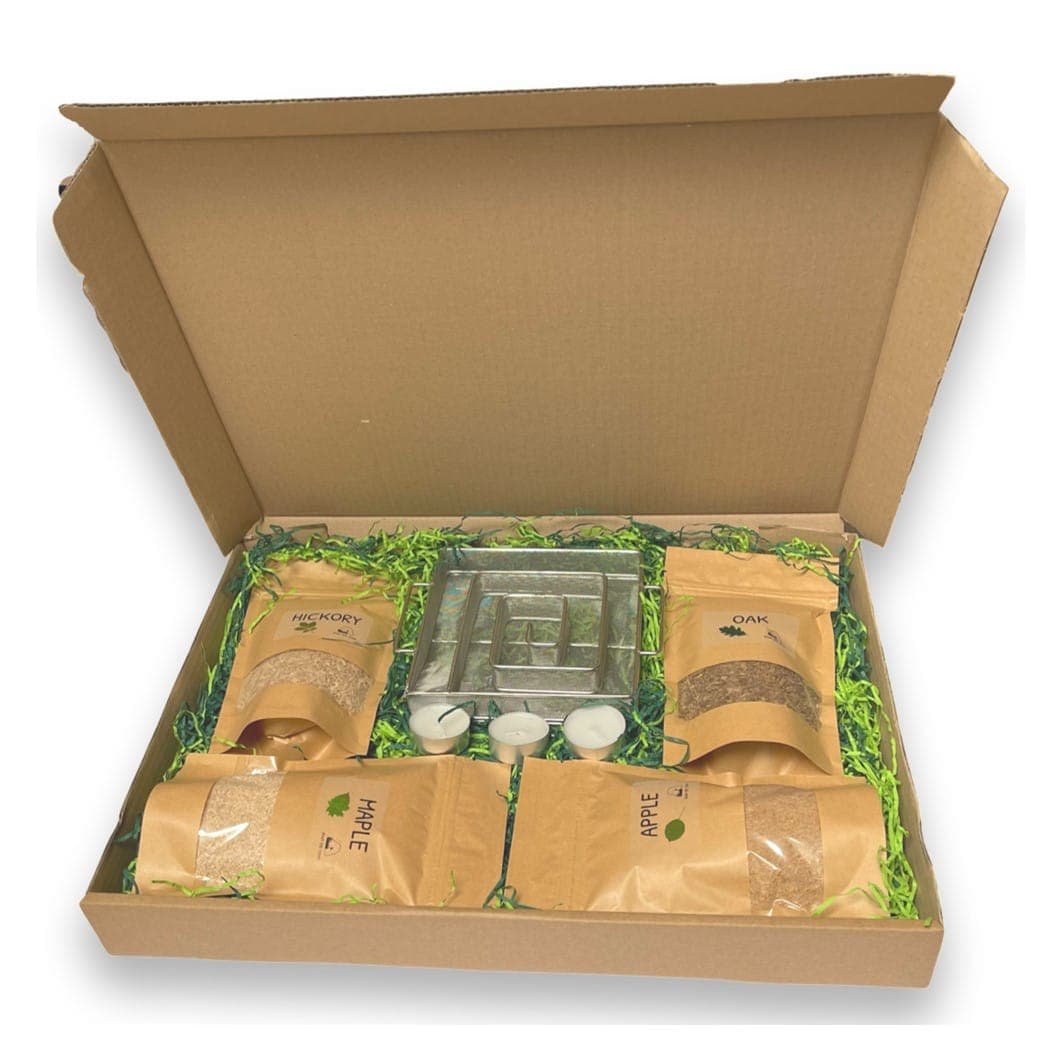
What a cold smoke generator does
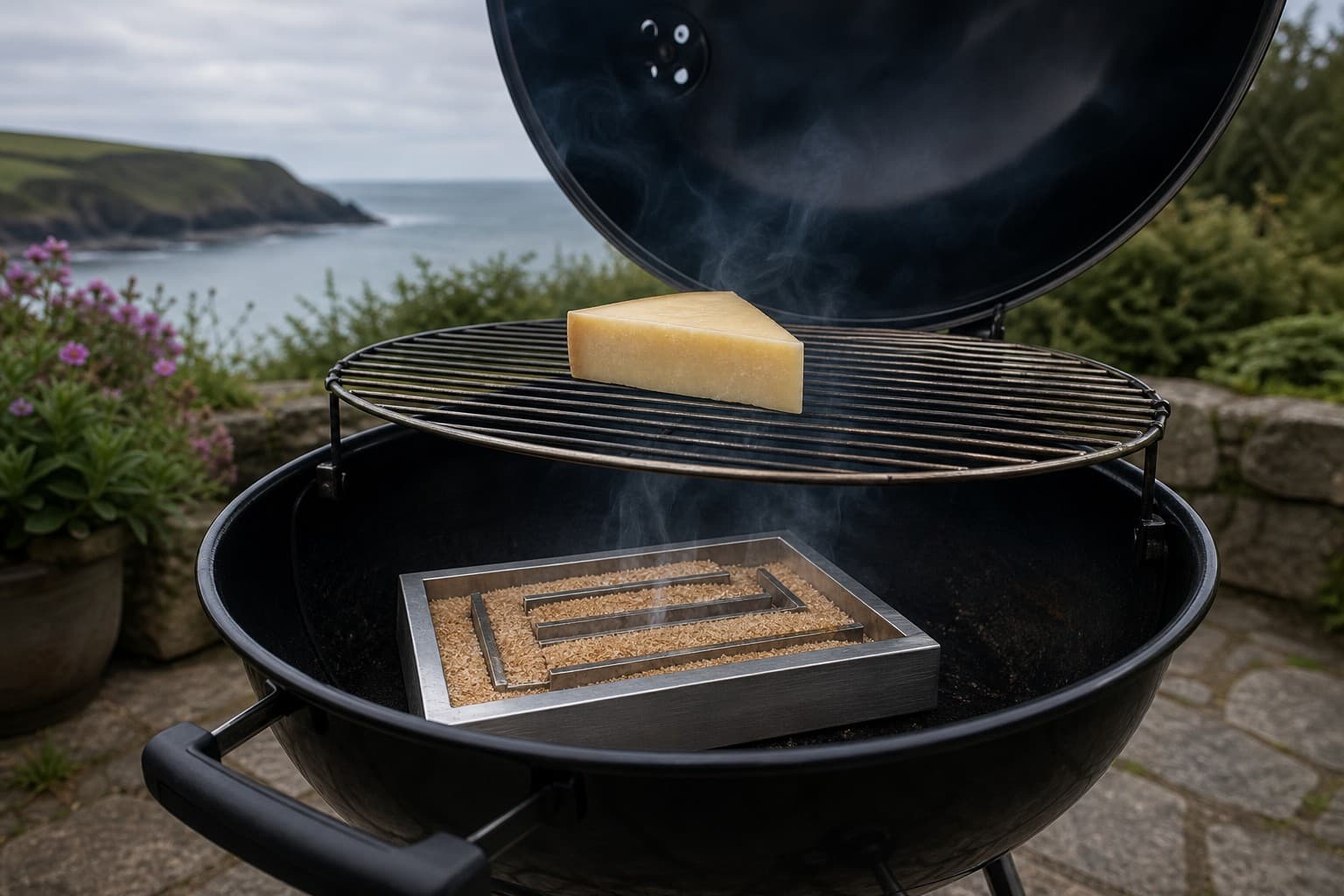
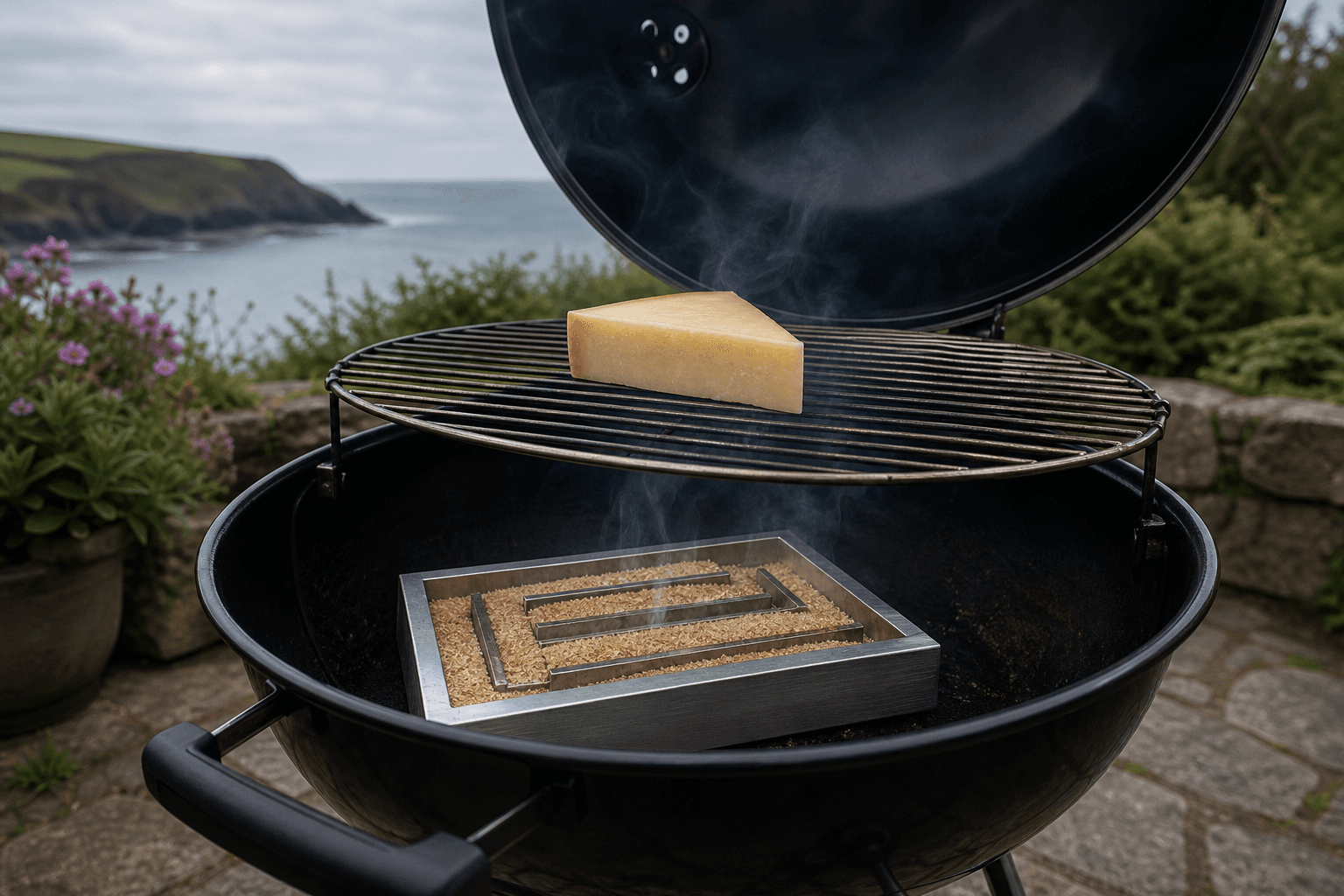
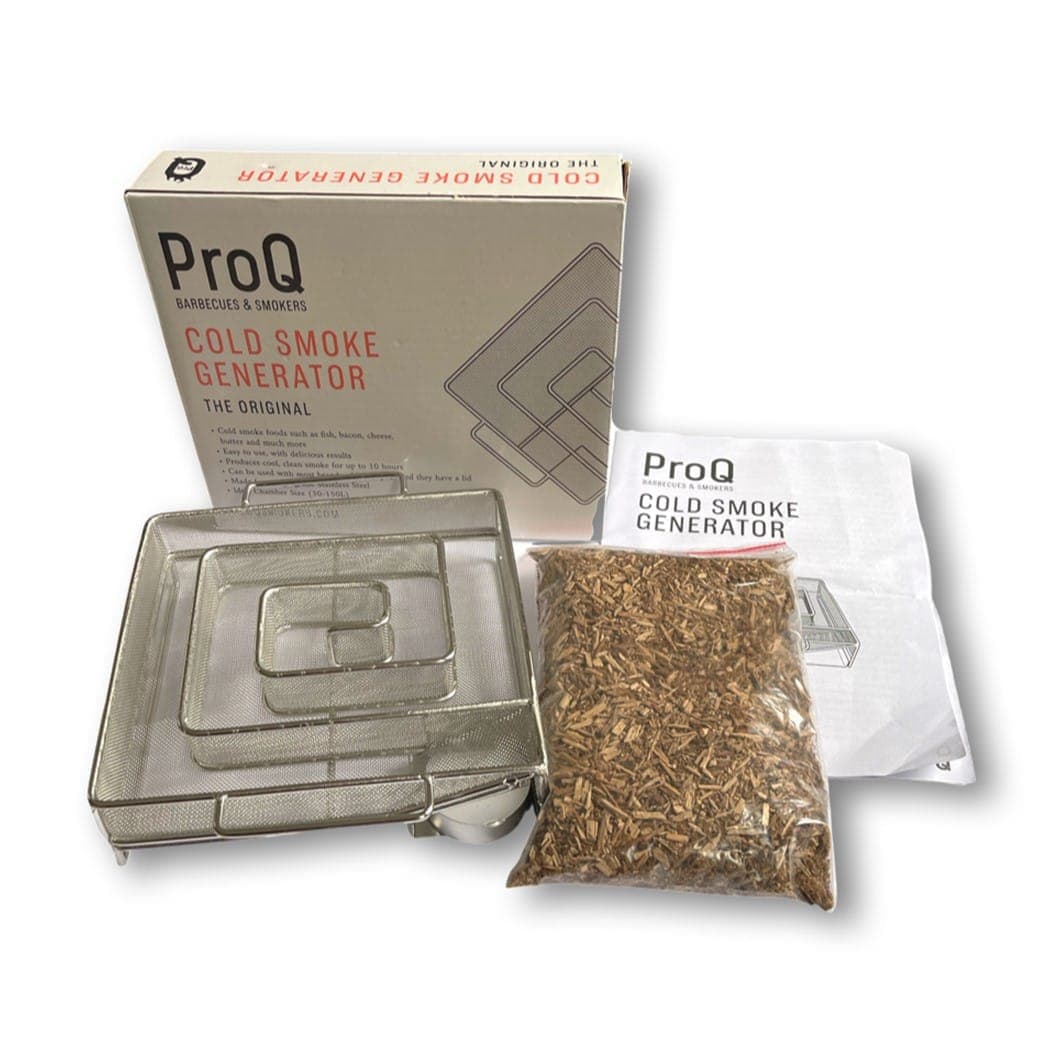
The maze controls the path of a slow ember. Because only a narrow edge burns at a time, the dust smoulders for hours while producing very little heat. The generator can sit inside a lidded barbecue, purpose-built cabinet or another clean food-safe chamber with enough airflow to keep the ember alive and let stale smoke escape.
Use dry smoking dust
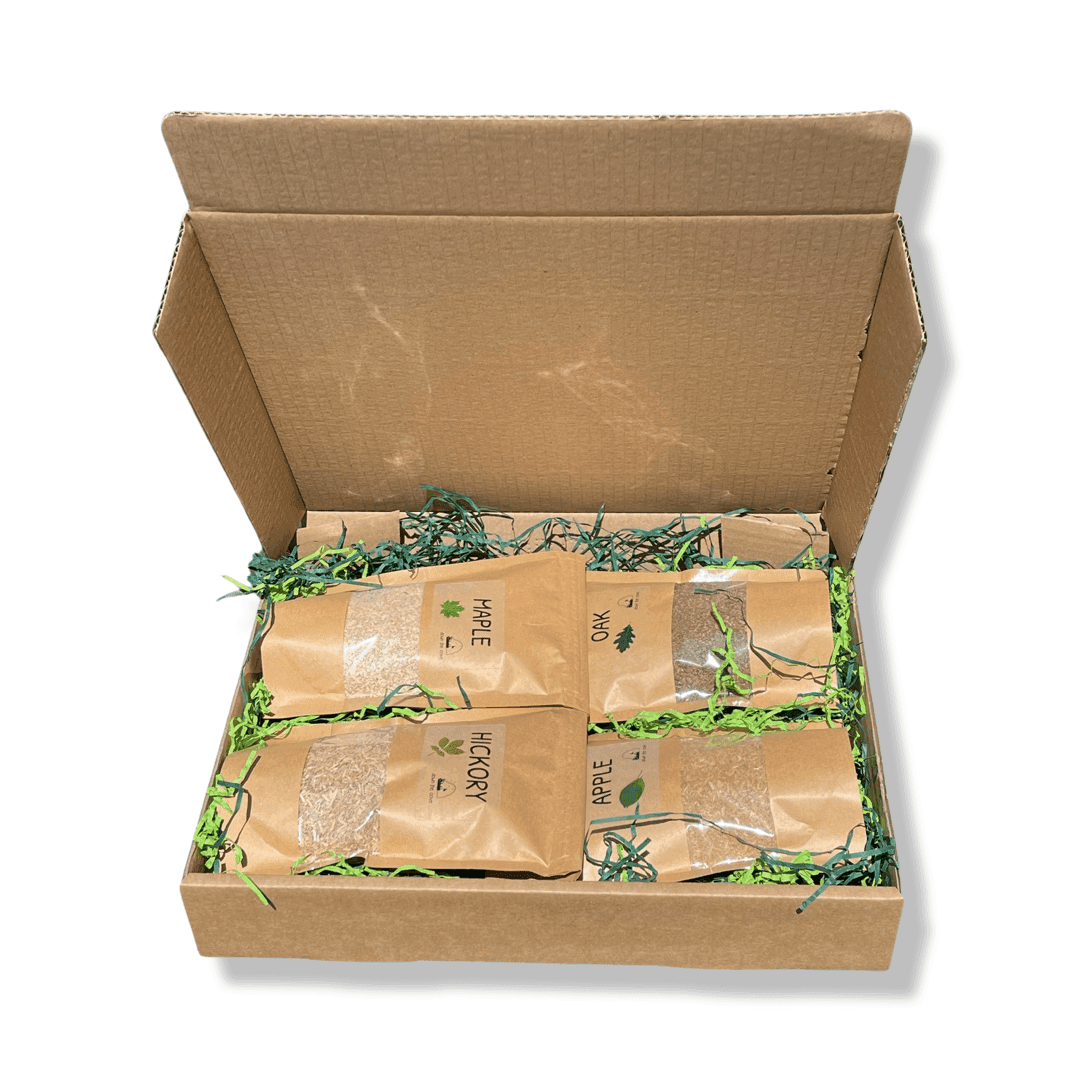
Cold generators need fine, dry wood dust. Chips are too large to travel steadily around the maze and pellets are only suitable if the manufacturer says so. Keep the dust sealed and dry; a damp bag is the commonest reason a generator goes out. The smoking-dust collection contains the correct grade for this job.
Fill the maze without compressing it
Spoon dust into the channel and level it so the surface is even. Fill to the recommended line but do not ram it solid, because the ember needs air. Brush stray dust away from the gaps between channels; loose bridges can let the ember jump across the maze and burn the whole load too quickly.
Light one end properly
Put a tea-light beneath the starting corner or use the lighting method supplied with your generator. Let the dust catch for several minutes, then remove the flame and gently blow on the ember. You want a glowing edge and a thin stream of smoke, not an open flame. Give it another few minutes outside the chamber to prove it will continue unaided.
Position it low and allow airflow
Place the generator on a stable, heatproof surface below the food, with space around it. Open a low vent for fresh air and a high vent for smoke to leave. A sealed box sounds efficient but often suffocates the ember and leaves food sitting in stale, bitter smoke. Clean airflow is part of the recipe.
Control the chamber temperature
Cold smoking should remain below 30°C. Measure the chamber rather than guessing from the air temperature. Smoke on cool days, keep the chamber out of direct sun and stop if the temperature climbs. A tray of ice can help with cheese on a borderline day, but it is not a substitute for suitable weather when smoking fish or meat.
Choose the right first project
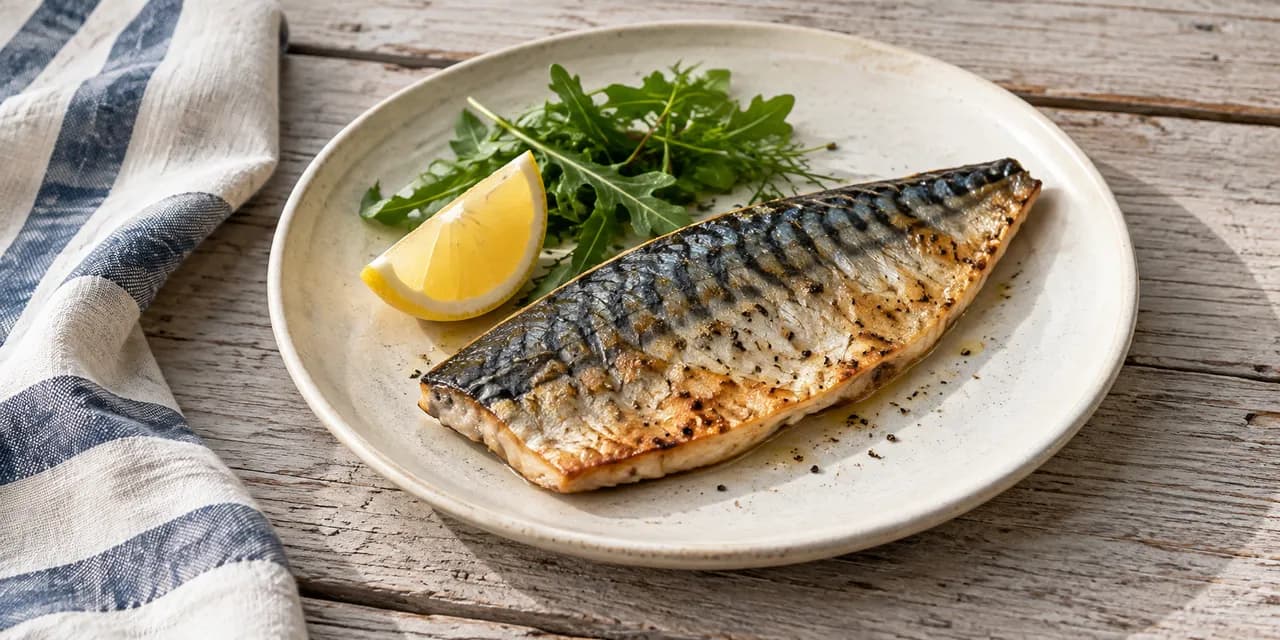
Hard cheese is the easiest starting point because it needs no cure and shows the effect of different woods clearly. Our how to smoke cheese guide walks through the rest period that mellows the flavour. Salmon and bacon must be correctly cured before cold smoking; the smoke itself does not cook or preserve them.
If the generator keeps going out
Dry the dust in a very low oven and let it cool before filling, clear the generator holes, use a looser fill and increase airflow. Also check that condensation is not dripping onto the maze. If the ember races or jumps channels, remove stray dust bridges and pack the channel more evenly next time.
Common questions
How long will one fill burn?
Most maze generators run for roughly eight to twelve hours, but dust, airflow and the model all affect the result. Follow the manufacturer's figure for your equipment and check the first few burns periodically.
Can I use wood chips in a cold smoke generator?
No. Use fine smoking dust unless the manufacturer explicitly supports another fuel. Chips need more heat and do not travel reliably through a maze.
Does cold smoking cook food?
No. It adds smoke flavour at a low temperature. Fish and meat require an appropriate cure and careful cold storage; higher-risk people should follow current Food Standards Agency advice on cold-smoked fish.