Why do you brine fish before smoking?
Salt does four jobs at once. It seasons the fish all the way through rather than just on the surface. It firms up the flesh, so fillets hold together on the rack instead of flaking apart. It draws out some moisture, which concentrates flavour and gives you that dense, sliceable texture you expect from smoked salmon or a good kipper. And it dissolves some of the proteins on the surface, which then dry into the pellicle.
Skip the salt and you will still get smoky fish, but it will be bland, soft and inclined to weep liquid onto the tray. For cold smoking in particular, the cure is not optional: it is part of what makes the method work, which is why it needs a properly tested recipe.
Wet brine or dry cure: which should you use?
A wet brine is salt (and often sugar) dissolved in water, with the fish fully submerged. It is quick, even and forgiving, which makes it the usual choice for hot smoking mackerel, trout, herring and white fish fillets. Because the fish sits in liquid, it does not lose as much moisture, so the result stays juicy after hot smoking.
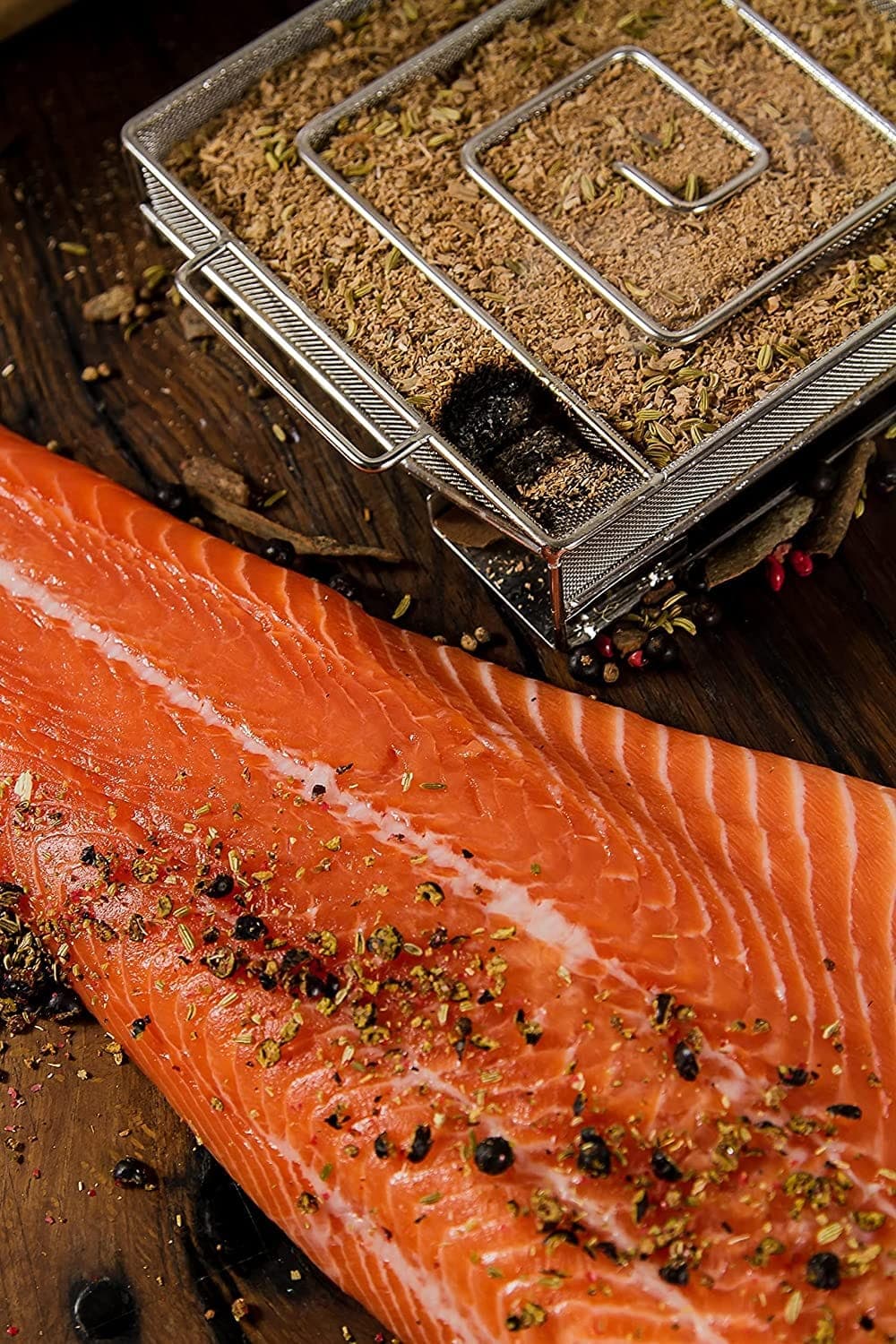
A dry cure is salt and sugar rubbed or packed directly onto the flesh. It pulls more water out, giving a firmer, denser texture, and it is the traditional route for salmon sides that will be cold smoked and sliced thinly. Our treacle cured salmon recipe is a good example of a dry cure with sweetness built in.
As a rough rule: wet brine for fillets you plan to hot smoke and eat warm or flaked; dry cure for thicker pieces, especially salmon you want to cold smoke and slice.
What ratios should you start with?
These are starting points to help you understand a recipe, not a substitute for one. Always follow a tested recipe for the fish, thickness and method you are using.
Wet brine: roughly 5 to 10 percent salt by weight of water. In practice that is around 50 to 100g of salt per litre of cold water. Weaker brines take longer but are harder to overdo; stronger brines work faster and suit quick soaks of thin fillets. Weigh the salt rather than using spoons, because different salts vary a lot in how much fits in a spoon. Use plain cooking or sea salt without anti-caking additives if you can, and dissolve it fully before adding the fish. Many people add some soft brown sugar too.
Dry cure for salmon: a mix of salt and sugar, often somewhere between equal parts and a sweeter blend with more sugar than salt. The sugar softens the harshness of the salt and keeps the texture from becoming too hard. Spread it evenly over the flesh side, thicker where the fillet is thickest and thinner towards the tail.
How long should you brine different fish?
Time depends far more on thickness than on species, so measure the thickest part of the fillet and adjust. The ranges below are typical in home smoking recipes using a brine of around 8 to 10 percent; a weaker brine needs longer.
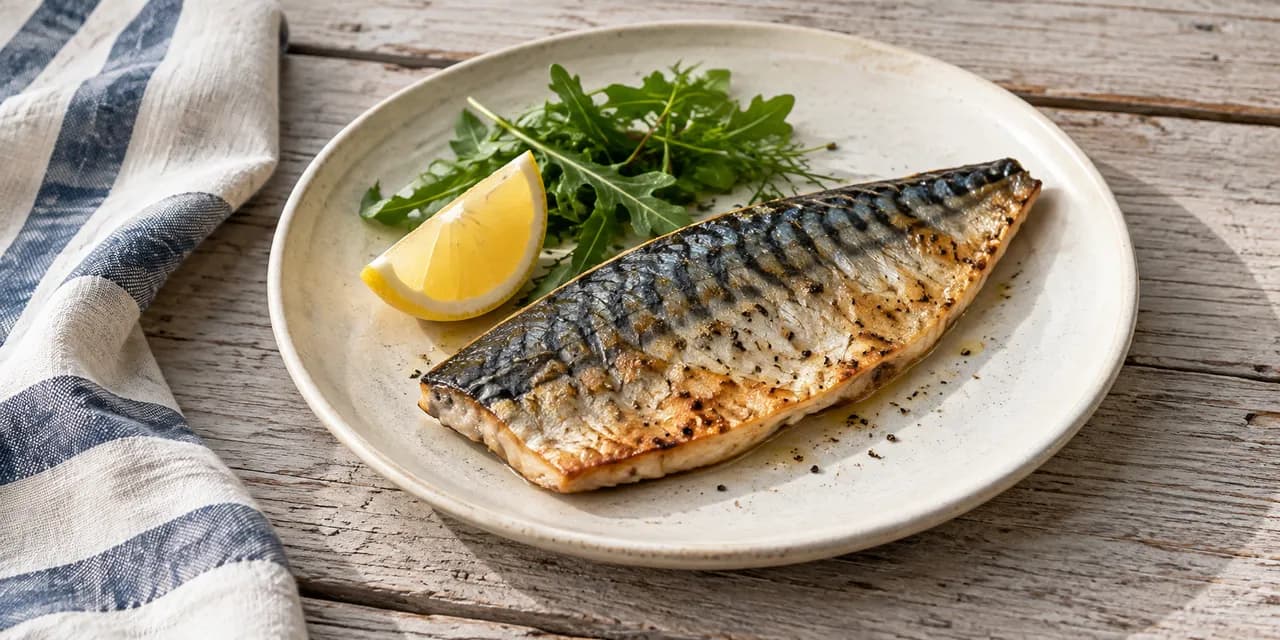
Mackerel fillets: around 15 to 30 minutes. They are thin and oily and take salt quickly. Whole gutted mackerel need longer, often an hour or so. See our hot-smoked mackerel recipe for a full method.
Trout fillets: around 30 minutes to an hour, depending on size. Whole trout for hot smoking often go a couple of hours or more.
Salmon sides: usually dry cured rather than brined. Expect anywhere from around 6 to 24 hours or more for a full side, depending on thickness, the strength of the cure and whether you are cold smoking. Turn it and drain off the liquid as it comes out.
Kippers: herring split down the back and opened flat, then given a short soak in strong brine, often in the region of 15 to 30 minutes, before a long cold smoke. Kippering is a traditional craft with its own methods, so work from a tested kipper recipe.
If in doubt, brine for less time rather than more. You can always season a slightly under-salted fish at the table, but you cannot take salt out once it has gone in. Our fish smoking times and temperatures guide covers what happens next in the smoker.
How do you rinse, dry and form the pellicle?
When the time is up, lift the fish out and rinse it briefly under cold running water to remove surface salt. A dry-cured salmon side may need a slightly longer rinse to get the cure off. Pat it thoroughly dry with kitchen paper.
Then put the fish on a wire rack over a tray, skin side down, and leave it uncovered in the fridge. Air needs to move around it, so do not crowd the rack. After a few hours (overnight suits thicker pieces) the surface will feel tacky and look slightly glossy. That is the pellicle.
The pellicle matters because smoke sticks to a dry, tacky surface far better than a wet one. Fish that goes in damp tends to steam, pick up uneven colour and can taste bitter where smoky water has pooled. A small fan near the rack is an old trick, but keep the fish in the fridge rather than drying it at room temperature.
What flavourings can you add to a brine or cure?
Sugar is the most common addition. Soft brown sugar gives a mellow sweetness; black treacle or molasses gives a darker, richer cure that suits salmon, as in our treacle cured salmon. Honey works too.
Herbs and aromatics: dill is the classic with salmon. Bay, black peppercorns, juniper, fennel seeds and a little garlic all suit oily fish. Citrus zest (lemon, orange or lime) adds brightness to a dry cure; keep juice to a minimum, as it starts to change the texture of the flesh.
Keep flavourings modest the first time. The smoke itself adds a lot, and your choice of wood matters as much as anything in the brine. Our guide to the best wood for smoking fish explains why oak, alder and beech are popular for fish, and our fine wood chips and wood dust come in a range of flavours.
How do you keep brining and curing food safe?
Keep everything chilled below 5°C the whole time: the fish, the brine and the cure. Make the brine in advance and chill it before the fish goes in, and do the soaking in the fridge, not on the worktop or in a warm shed. Start with very fresh fish that has been kept cold since it was caught or bought.
Use food-grade, non-reactive containers: glass, food-safe plastic or stainless steel. Avoid aluminium and other bare metals, which can react with salt and acid. Never reuse a brine for a second batch.
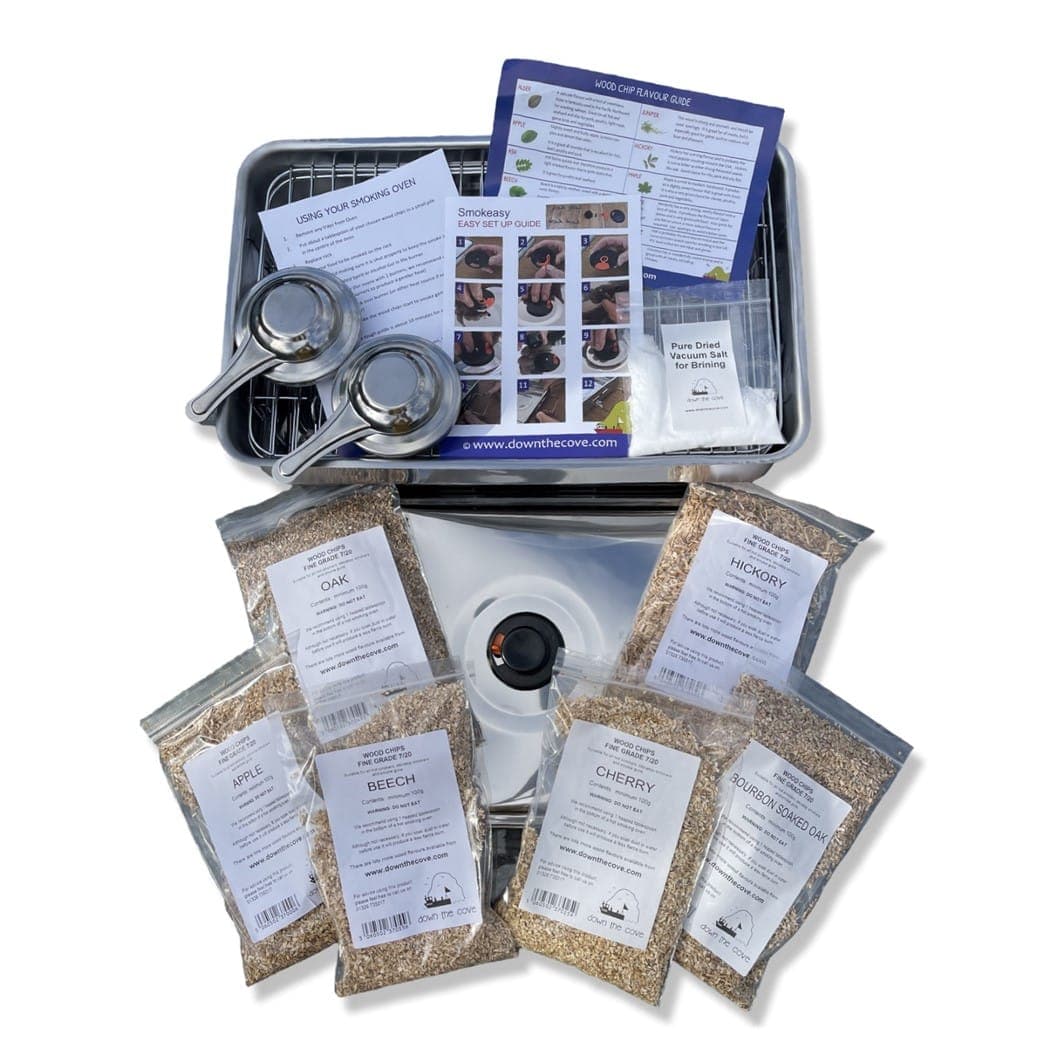
Hot smoking cooks the fish, so it needs to be cooked right through. Check the thickest part with a probe thermometer and follow the core temperature in your tested recipe. Our guide on how to hot smoke fish at home walks through the process, and the Complete Hot Smoking Kit is a straightforward way to start.
Cold smoking does not cook the fish. It relies on a proper cure, cold conditions and a tested method, and it carries more risk than hot smoking. Read our cold smoke salmon at home guide before you try it. If you or anyone eating the fish is pregnant, elderly or has a weakened immune system, check current NHS and Food Standards Agency guidance on cold-smoked and cured fish first.
What are the most common brining mistakes?
Too salty: the usual cause is brining too long, using a brine that is too strong for the thickness, or measuring salt by volume. Weigh your salt, time the soak and err on the short side. A quick rinse helps, but it will not rescue an over-brined fillet.
Not drying: going straight from brine to smoker gives patchy colour, a soft surface and sometimes a bitter, sooty taste. Give it time in the fridge to form a pellicle.
Brining somewhere warm: a bucket of brine on the patio on a sunny afternoon is not chilled. Keep it in the fridge, or in a cool box with plenty of ice packs if you are dealing with a big catch, and check it stays below 5°C.
Uneven pieces: a thick salmon shoulder and a thin tail in the same cure for the same time will come out unevenly. Trim fillets to similar thickness, or take the thinner pieces out earlier. Pin bones are easier to pull before curing, using fish bone tweezers.
Quick checklist
Fresh fish, kept cold. Pin bones removed. Salt weighed, not spooned. Brine or cure chilled before the fish goes in. Food-grade, non-reactive container, in the fridge below 5°C. Time set according to thickness and your tested recipe. Rinsed, patted dry and left uncovered on a rack until tacky. Wood chosen to suit the fish.
Then smoke: hot smoke and check with a probe that it is cooked through, or cold smoke only with a proper cure and a tested method, using something like the Cold Smoking Starter Kit. If you are planning ahead for the festive season, our Christmas food smoking plan shows how to fit curing and smoking around the week, so you can start curing in good time.