Why plan your Christmas smoking in advance?
Most smoked food needs time after it comes out of the smoke. Cold-smoked salmon needs a cure before and a rest after. Smoked cheese tastes harsh straight off the rack and needs a few days in the fridge to mellow. Smoked salt and nuts are at their best once the smoke has settled. If you leave it all to the week before Christmas, you end up juggling fridge space, smoking sessions and the weather at the busiest time of year.
December is actually a good month for cold smoking, because it needs cool air. The trick is to spread the jobs out so each one has its proper resting time, and so the fridge is not full of curing fish on the 23rd. If you are new to smoking, the key difference is that cold smoking flavours food without cooking it, while hot smoking cooks it as it smokes.
Late November: check your kit and make smoked salt and nuts
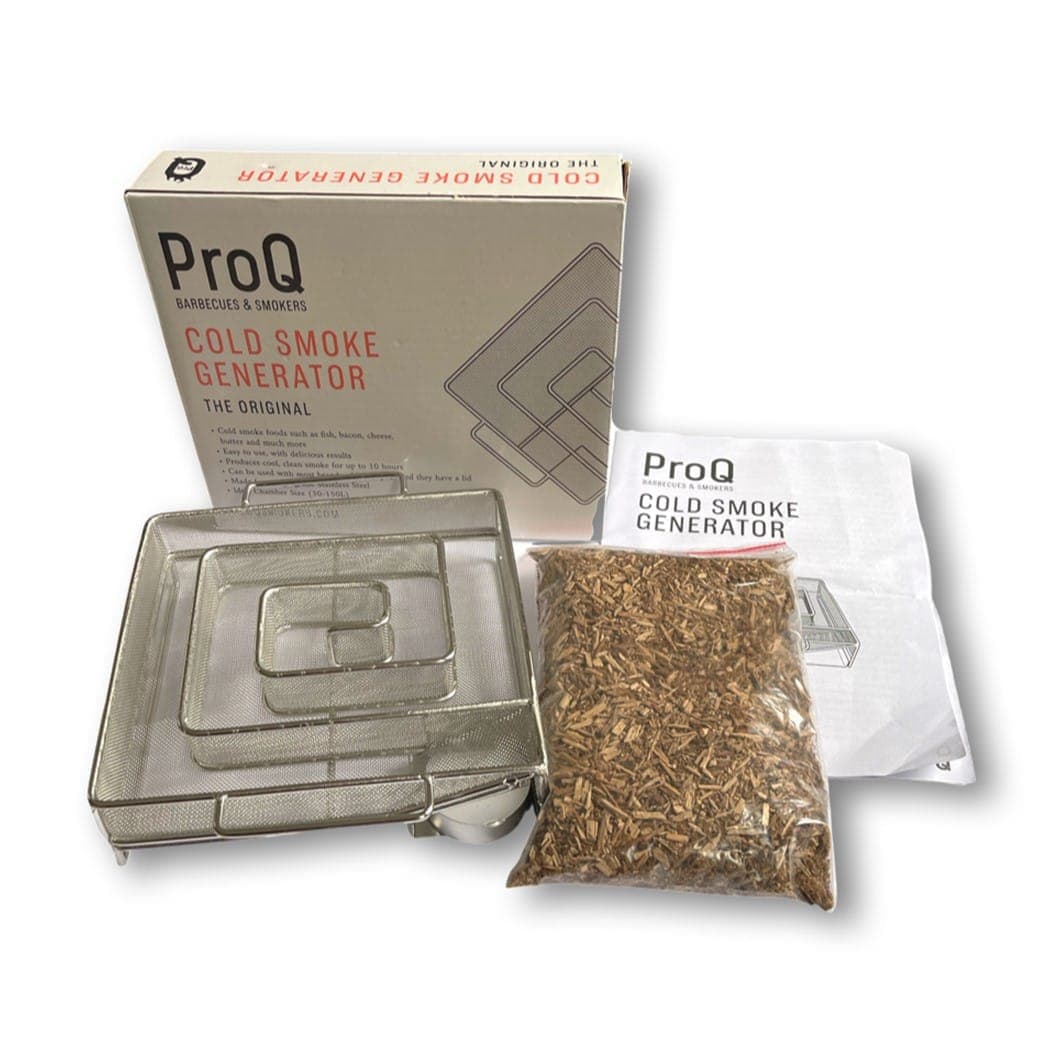
Start with a kit check. If you are cold smoking, you need a covered space (a kettle barbecue, a cabinet or a smoker box) and a cold smoke generator such as the ProQ Original Cold Smoke Generator, plus enough wood dust for several sessions. A generator filled with dust can smoulder for many hours, so one fill often covers a batch of salt, nuts and cheese together. If you have never used one, read how to use a cold smoke generator before your first run, and do a short test burn so you know it stays lit in your setup.
Smoked salt is the ideal first job. Spread flaky sea salt thinly on a tray, cold smoke it, stir it now and then, and let it dry fully before jarring. Dry salt keeps very well in an airtight jar, so it can be made weeks ahead. Nuts such as almonds or cashews can be cold smoked and then roasted, or smoked and roasted in a hot smoker; once cool, store them airtight and use within a few weeks for the best texture. Both make good early gifts because they are shelf-stable and easy to post.
Early December: cold-smoked salmon to freeze
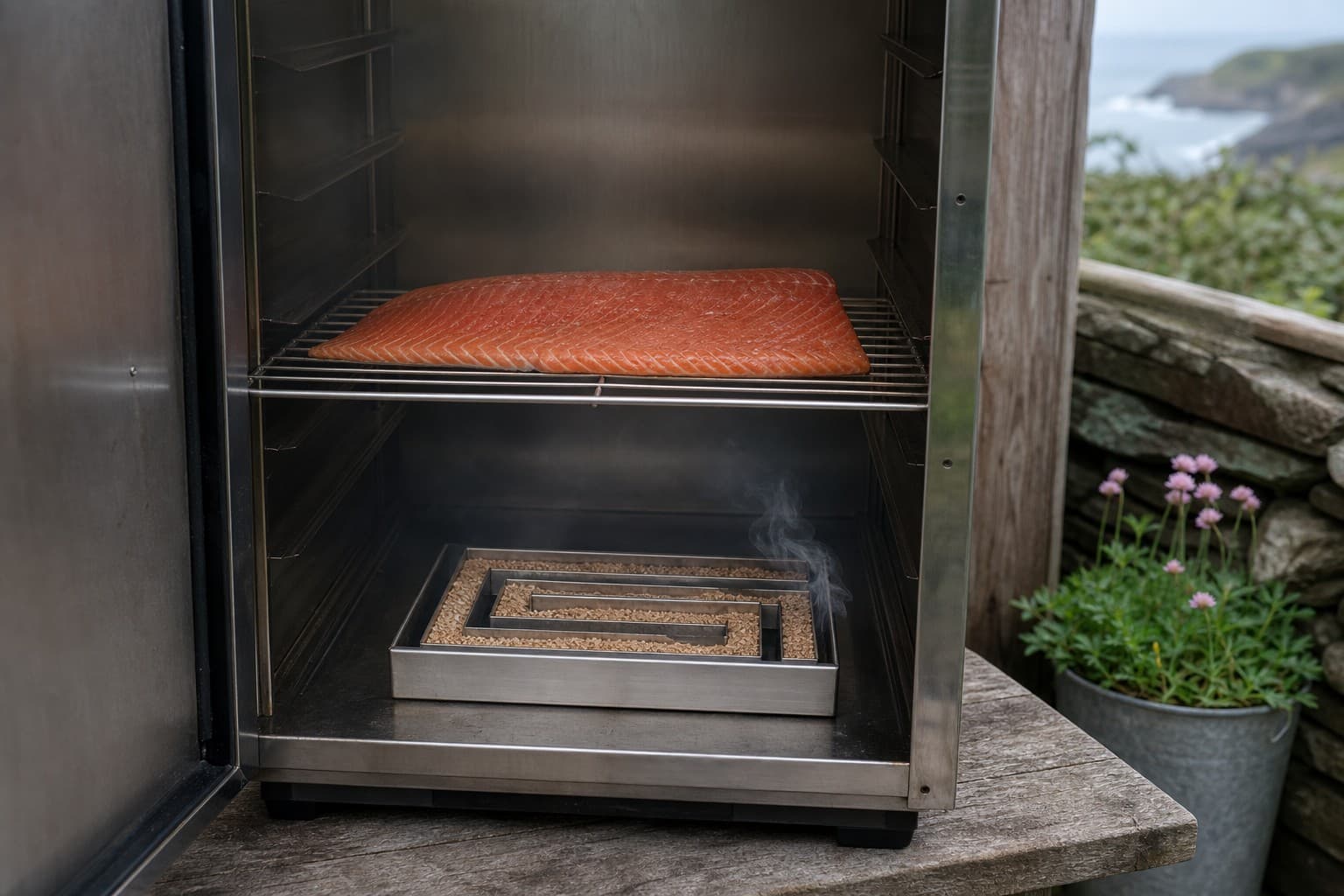
Cold-smoked salmon is the centrepiece for many home smokers, and it is the job that needs the most care. The process is a dry cure (salt and sugar) to draw out moisture, a rinse and dry to form a tacky surface, a long cold smoke, then a rest in the fridge before slicing. Follow a tested method for cure times and quantities; our step-by-step guide to cold-smoking salmon at home covers it in detail.
Remember that cold smoking does not cook the fish. The cure and good hygiene do the work, so use very fresh fish, keep it chilled at every stage, and clean boards, racks and hands carefully. Making it two or three weeks ahead and freezing it is a sensible option: wrap the cured, smoked side well, freeze it, and defrost slowly in the fridge before slicing. If you would rather not freeze, make it a few days before Christmas instead and keep it chilled, eating it within the time your method recommends. Pregnant guests and anyone vulnerable should check current NHS advice on cold-smoked and cured fish before eating it.
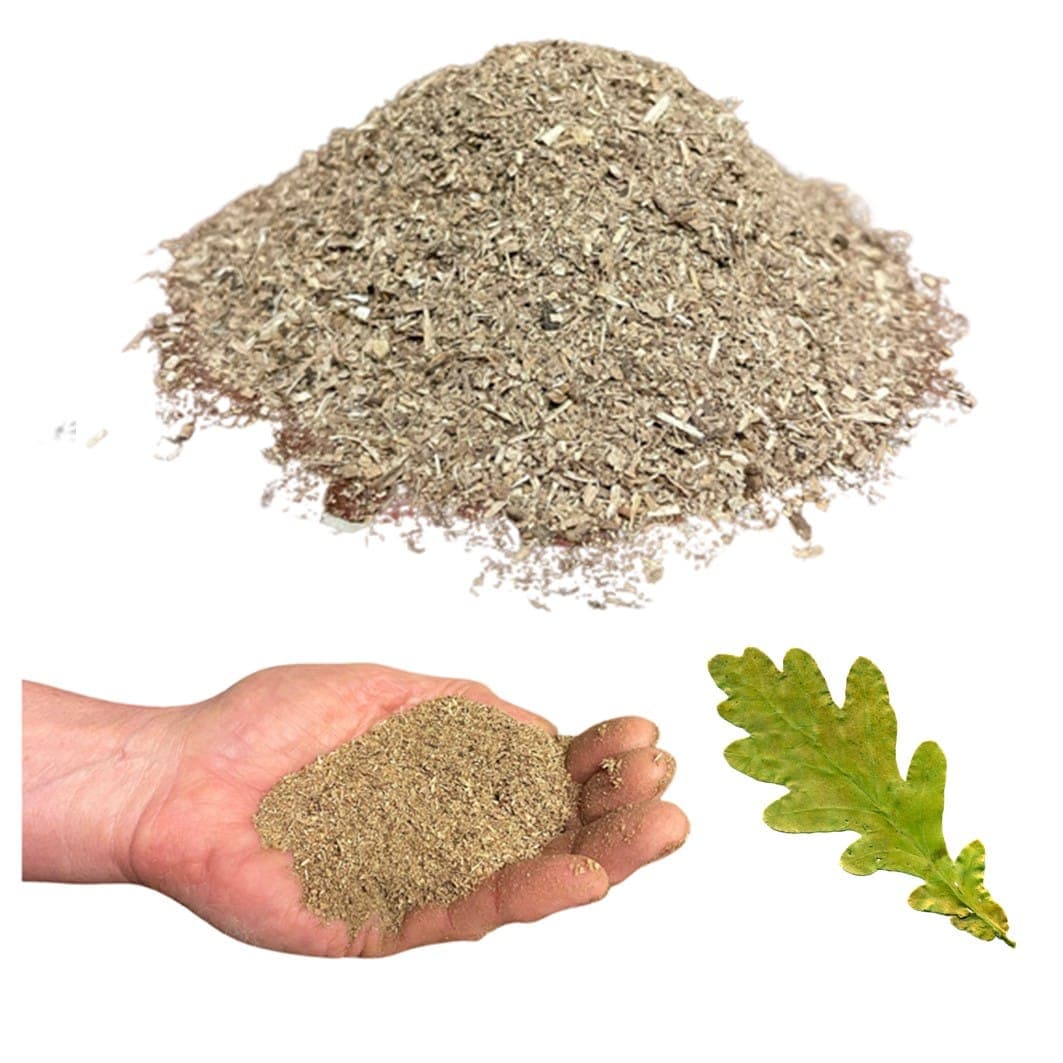
Oak is the classic wood for smoked salmon and gives a steady, rounded smoke; see our oak wood chips guide and the wider guide to the best wood for smoking fish if you want to compare options.
When should you smoke cheese for Christmas?
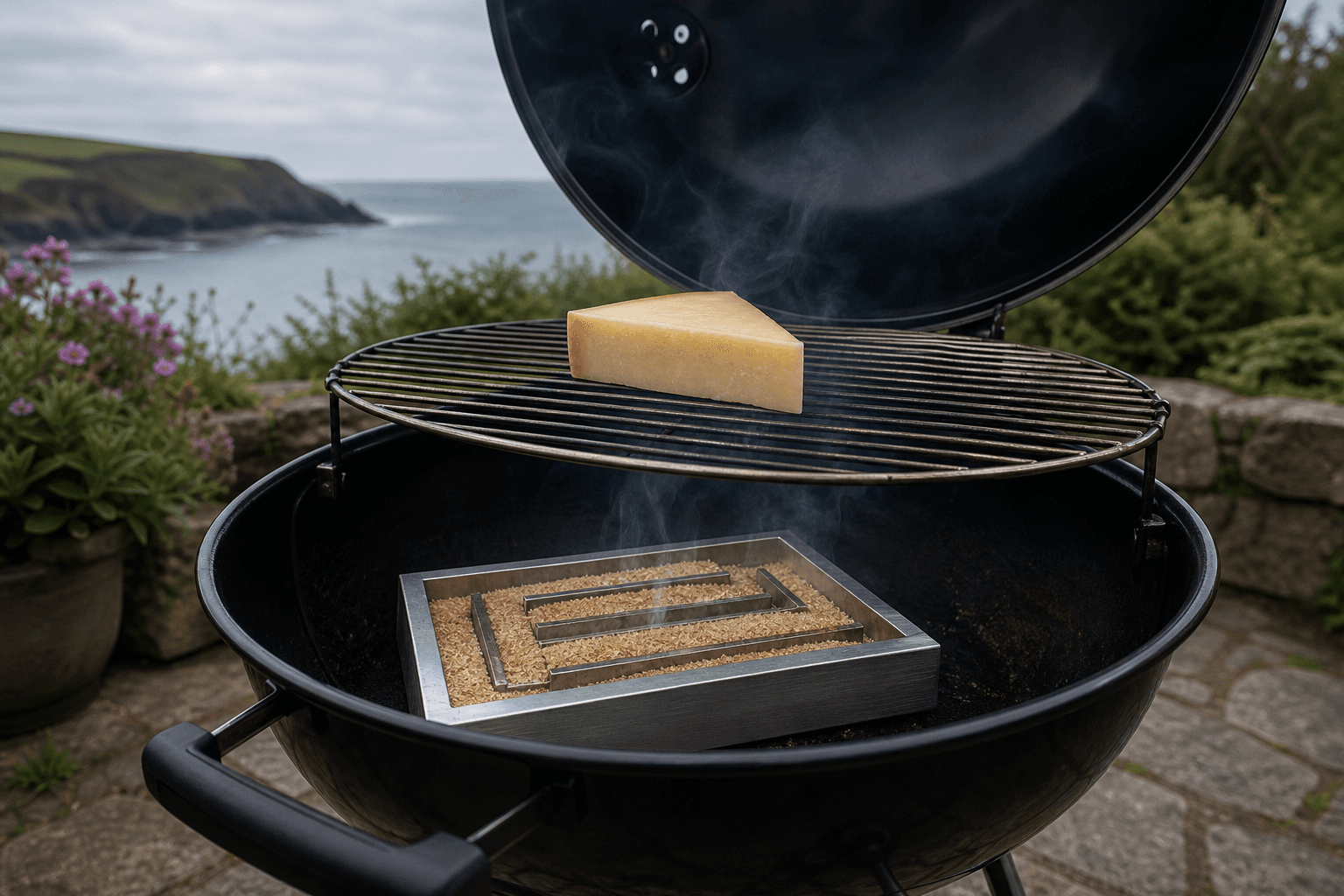
Smoke cheese about a week before you want to eat it or give it away. Firm cheeses such as Cheddar, Red Leicester or a hard goat's cheese take smoke well. Cut them into blocks so more surface is exposed, let them come up a little from fridge-cold so they are dry rather than sweating, and cold smoke for a few hours. The cheese must stay below its softening point, which is another reason winter is the right time.
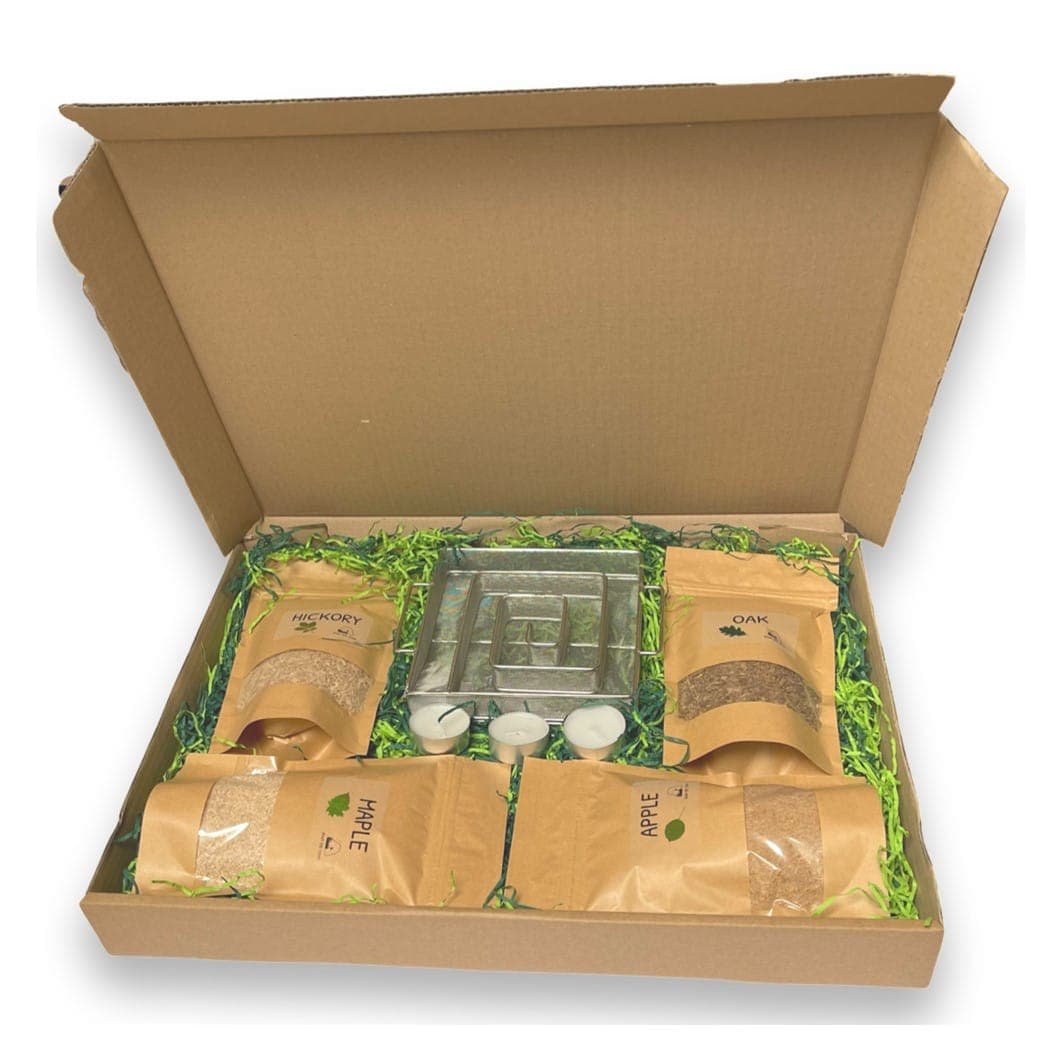
Straight from the smoker the flavour can be sharp and ashy. Wrap each piece in baking paper, then a bag or container, and rest it in the fridge for a few days. The smoke mellows and spreads through the cheese, and most people find it much better after that rest. Our guide on how to smoke cheese goes through timings and which cheeses work best. Apple and maple are popular gentle woods for cheese; a wood dust variety pack lets you try several.
21 to 23 December: hot-smoked mackerel or salmon for pâté
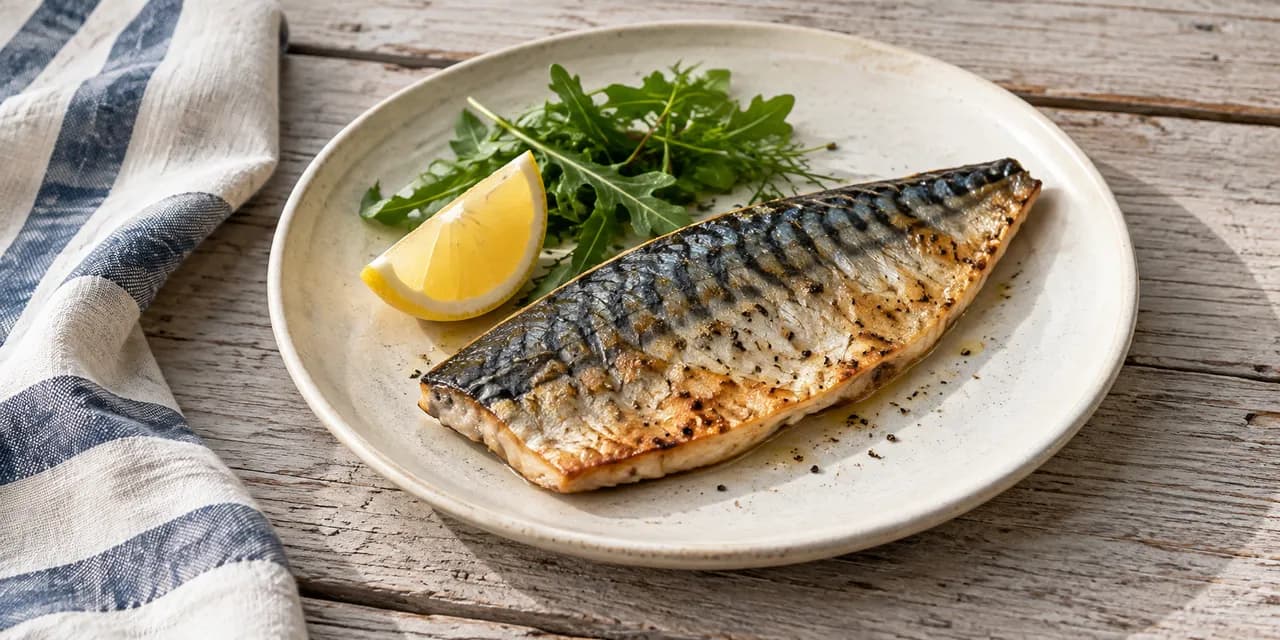
Hot-smoked fish is cooked as it smokes, so it is quicker and simpler than cold smoking, but it does not keep as long. Smoke mackerel or salmon a day or two before you need it, cool it quickly, and keep it covered in the fridge. Flaked into a pâté with cream cheese, lemon and horseradish, it makes an easy starter or Boxing Day lunch; our smoked mackerel pâté recipe is a good base.
A stovetop or portable smoker is ideal for this, such as the one in our complete hot smoking kit, used with fine wood chips or dust. For method, see how to hot smoke fish at home, and for rough times by fish and thickness, the fish smoking times and temperatures guide. The fish is done when it is cooked through and flakes easily; a probe thermometer takes the guesswork out of thicker pieces.
Can you smoke a gammon or turkey crown for Christmas?
Yes, but only as a hot-smoked dish, never cold smoked. Raw meat and poultry must be fully cooked, and a cold smoke generator does not cook anything. Use a smoker or covered barbecue that can hold a steady cooking temperature, and use a probe thermometer in the thickest part of the meat, away from bone.
UK food safety guidance for poultry and pork is that the centre should reach 75°C, or be held at 70°C for at least two minutes, and juices should run clear with no pink meat in poultry. Check the current Food Standards Agency advice if you are unsure. A turkey crown or a boneless gammon joint is far more manageable than a whole bird, because it cooks more evenly in a home smoker. Allow plenty of time, and if the weather or the smoker lets you down, finish it in the oven; it will still carry the smoke flavour. Rest the meat before carving, and get any leftovers cooled and into the fridge within a couple of hours.
Food-safety basics for Christmas smoking
Cold smoke only when the outside temperature is cool, below about 25°C, so the food stays out of the warm range where bacteria multiply. In December that is rarely a problem, but avoid placing your smoker near a heat source, and on a sunny day keep it in the shade. Put ice packs or a tray of ice in a cabinet if you are smoking for a long time.
Keep cured and cold-smoked fish chilled before and after smoking, and do not leave it sitting out on a buffet for hours. Use a probe thermometer for anything hot smoked, and clean the probe between uses. Keep raw meat and fish away from ready-to-eat food like cheese and smoked salmon, and use separate boards. If anything smells off or you are not sure it has been kept cold, throw it away. For full guidance, check the Food Standards Agency and NHS websites.
Homemade smoked gifts and how to label them
Smoked salt, smoked nuts and wrapped blocks of smoked cheese all make thoughtful homemade presents. Small jars with a ribbon and a handwritten tag go a long way. Salt and nuts can be posted; cheese and anything fishy should be handed over in person and kept cold.
Label every gift with what it is, the date it was made, a use-by or best-before date you are confident in, storage instructions (for example, keep refrigerated), and the main allergens, especially nuts, milk and fish. If you want to give the kit instead of the food, the cold smoking starter kit is worth a look.
Quick Christmas smoking checklist
Late November: test your generator, stock up on dust and chips, make smoked salt and nuts for gifts.
Early December: cure and cold smoke salmon, wrap well and freeze. Or plan a fresh batch for a few days before Christmas and keep it chilled.
Around 17 to 18 December: cold smoke cheese, wrap and rest in the fridge for a few days.
21 to 23 December: hot smoke mackerel or salmon for pâté, cool quickly and chill. Move frozen salmon to the fridge to defrost slowly.
Christmas Eve or the day: hot smoke a gammon or turkey crown only with a probe thermometer, to 75°C at the centre or 70°C held for two minutes.
Throughout: cold smoke below about 25°C, keep cured fish chilled, label gifts with dates, and check current Food Standards Agency and NHS guidance if in doubt.