The full guide
Read straight through, or dip into the sections that matter for your next smoking session.
Bright, evenly yellow smoked haddock is yellow because it has been dyed. Haddock is a white fish, and when it is cold-smoked without colouring it turns only a pale cream to light straw or golden colour. Dyed haddock has a colouring added while it is cured, to give the deep yellow that many people still expect smoked haddock to look like. The colouring adds colour, not flavour, so you cannot tell how smoky or how good a fillet is from its colour alone. Here is how to tell dyed and undyed apart, what the colourings are, and how to smoke your own haddock at home.
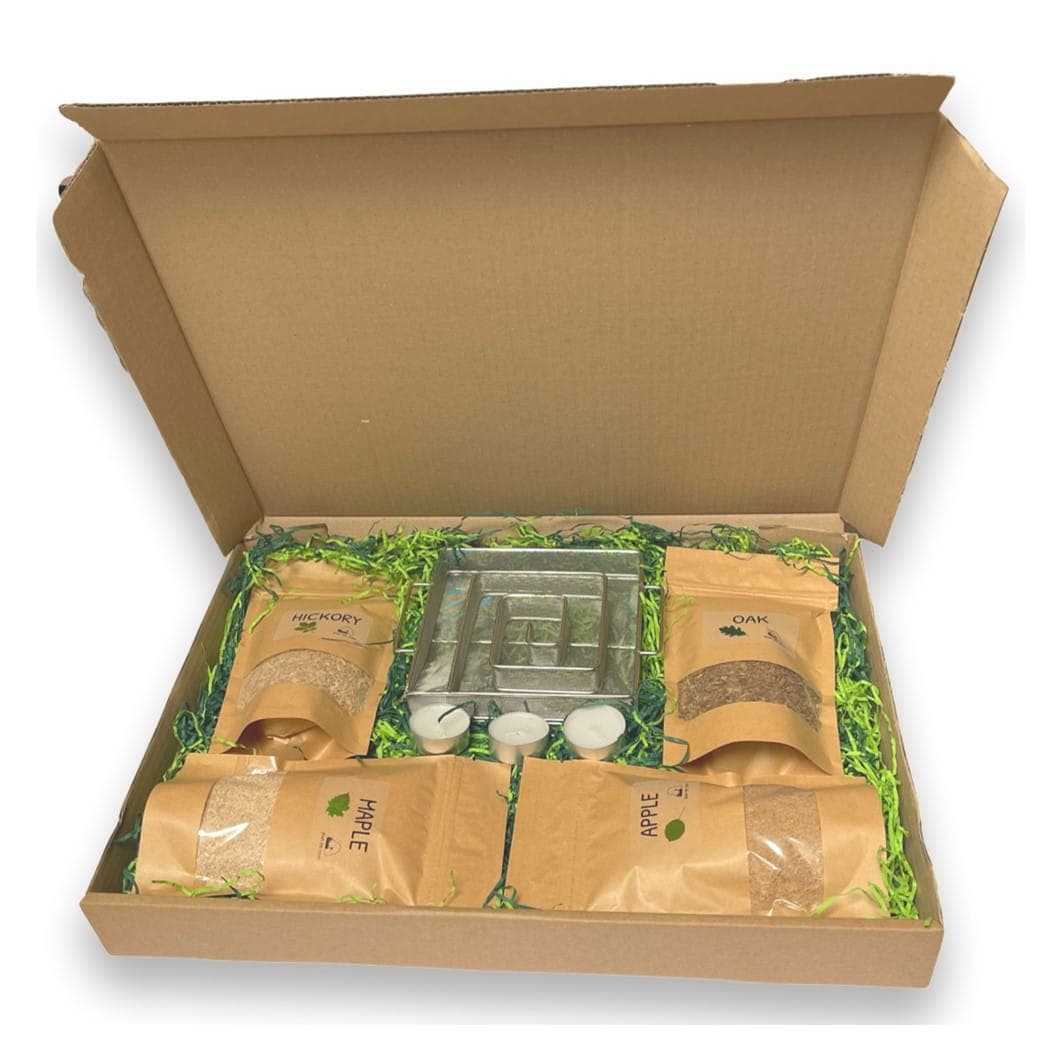
Smoking kit to help at home
Home smoking essentials that make the advice easier to put into practice.
Why is smoked haddock dyed?
Mostly for looks and habit. The usual explanation is that fish smoked for long periods in old-fashioned smokehouses, over smouldering wood or peat, took on a deeper golden colour. As smoking became quicker and more industrial, producers added colouring so that more lightly smoked fish still looked the way shoppers expected smoked haddock to look. Over time, bright yellow became what many people think smoked haddock is meant to look like.
The colouring is purely cosmetic. It does not preserve the fish and it does not add smoke flavour. How smoky a fillet tastes depends on how it was cured and how long and how well it was smoked, and both dyed and undyed haddock can be smoked lightly or heavily.
What dye is used in smoked haddock?
Today the colouring is often a natural one, most commonly annatto, an orange-yellow extract from the seeds of the achiote tree, sometimes combined with turmeric (curcumin). Synthetic yellow dyes have also been used. Whatever is used has to be named in the ingredients, so the label is your guide: dyed or coloured smoked haddock lists its colouring, and undyed fish is usually labelled as natural or undyed.
If a food contains certain synthetic colours, including tartrazine (E102) and quinoline yellow (E104), UK rules require the label to carry a warning that they may have an adverse effect on activity and attention in children. Many producers now use natural colourings instead.
Dyed vs undyed smoked haddock: what is the difference?
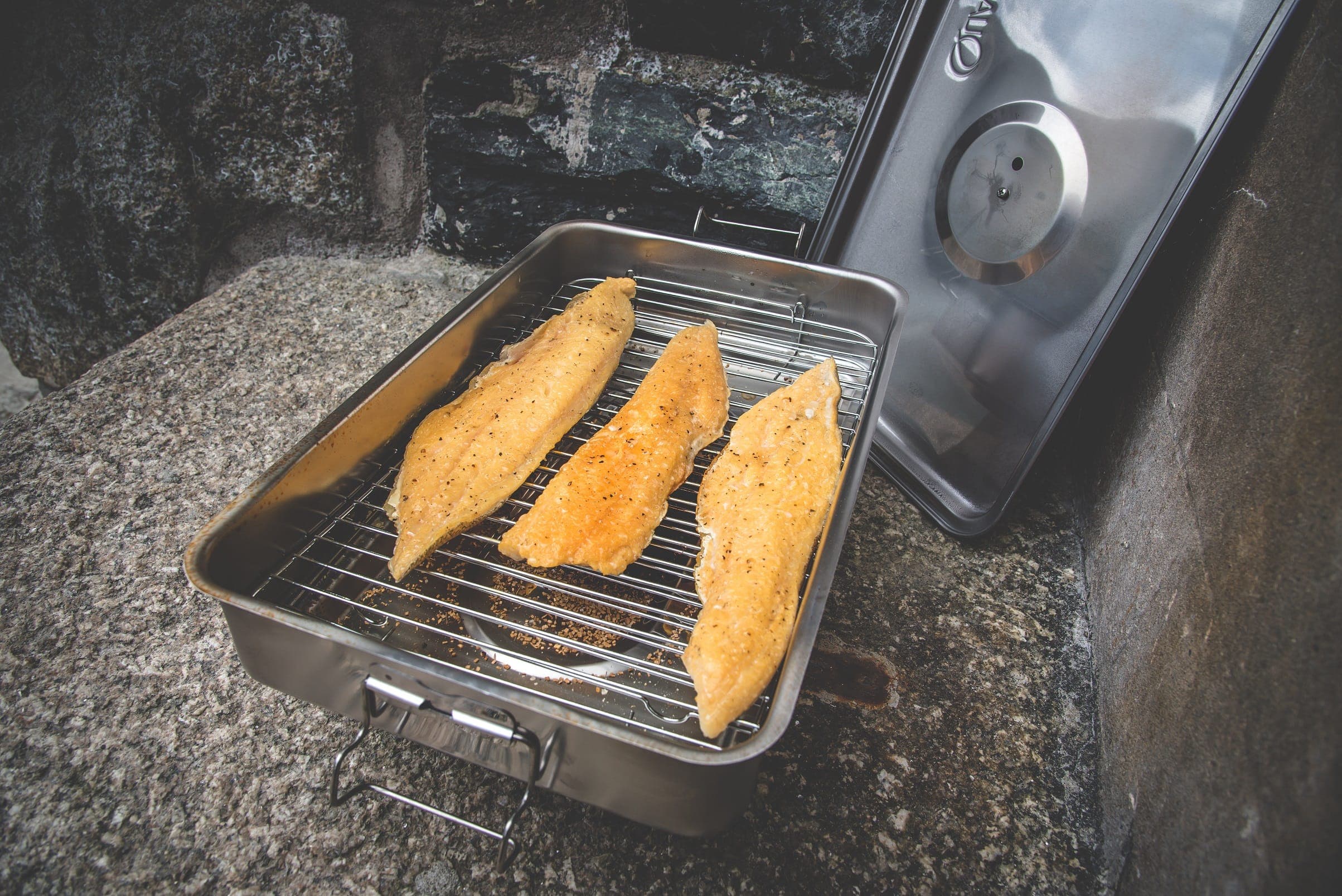
Colour is the obvious one. Dyed haddock is a bright, even yellow or orange-yellow, often right through the flesh, and the colour can bleed into the milk or water you poach it in. Undyed haddock is pale cream to light straw on the outside, sometimes with a slightly darker golden sheen where the smoke has settled, and white inside.
Flavour depends on the cure and the smoke rather than the colour. Good undyed haddock from a traditional smokehouse has a clean, delicate smokiness, while cheaper fish of either colour can be wetter and saltier. Many cooks prefer undyed haddock because it looks more natural in fish pies, chowders and a classic poached haddock with a poached egg, but it really is a matter of taste.
Nutritionally they are the same fish: a good source of lean protein but, like all smoked fish, high in salt.
Finnan haddie and Arbroath smokies
Two famous Scottish smoked haddocks show how varied smoked haddock can be, and neither is dyed. The Finnan haddie, named after the fishing village of Findon, south of Aberdeen, is a split haddock that is cold-smoked to a pale straw colour with a gentle smoke. It is the fish traditionally used in Cullen skink, the smoked haddock, potato and onion soup from the Moray coast.
The Arbroath smokie is hot-smoked instead. Whole haddock, headed and gutted, are salted, tied together in pairs by the tail and smoked over hardwood fires until they are cooked through and a deep copper brown. Arbroath smokies have Protected Geographical Indication status, so only smokies made in and around Arbroath can use the name. Because they are hot-smoked, they are ready to eat cold or warmed through.
Do you need to cook smoked haddock?
Yes, in almost every case. The smoked haddock fillets sold in UK shops, dyed or undyed, are cold-smoked, which means they are cured and smoked at a low temperature and are still raw. Cook them until the flesh turns opaque and flakes easily, usually 6 to 10 minutes gently poached in milk or water, depending on thickness, or baked in a hot oven. The exception is hot-smoked haddock, such as Arbroath smokies, which is already cooked.
If you are pregnant, the NHS advises that cold-smoked fish must be cooked until steaming hot. See the NHS guide to foods to avoid in pregnancy.
Classic ways to use smoked haddock include poaching it in milk and serving it with a poached egg, kedgeree, fish pie, fishcakes and Cullen skink. Keep the poaching milk for the sauce or the soup. Our smoked mackerel kedgeree works just as well with poached, flaked haddock.
How to smoke your own undyed haddock
Home-smoked haddock is naturally undyed, and it is one of the most rewarding things you can cold smoke. Start with skin-on fillets of very fresh haddock. Cure them first, either with a short dry cure of salt (with a little sugar if you like) or in a brine; thin fillets need much less time than thick ones. Our guide to brining and curing fish before smoking gives starting ratios and timings.
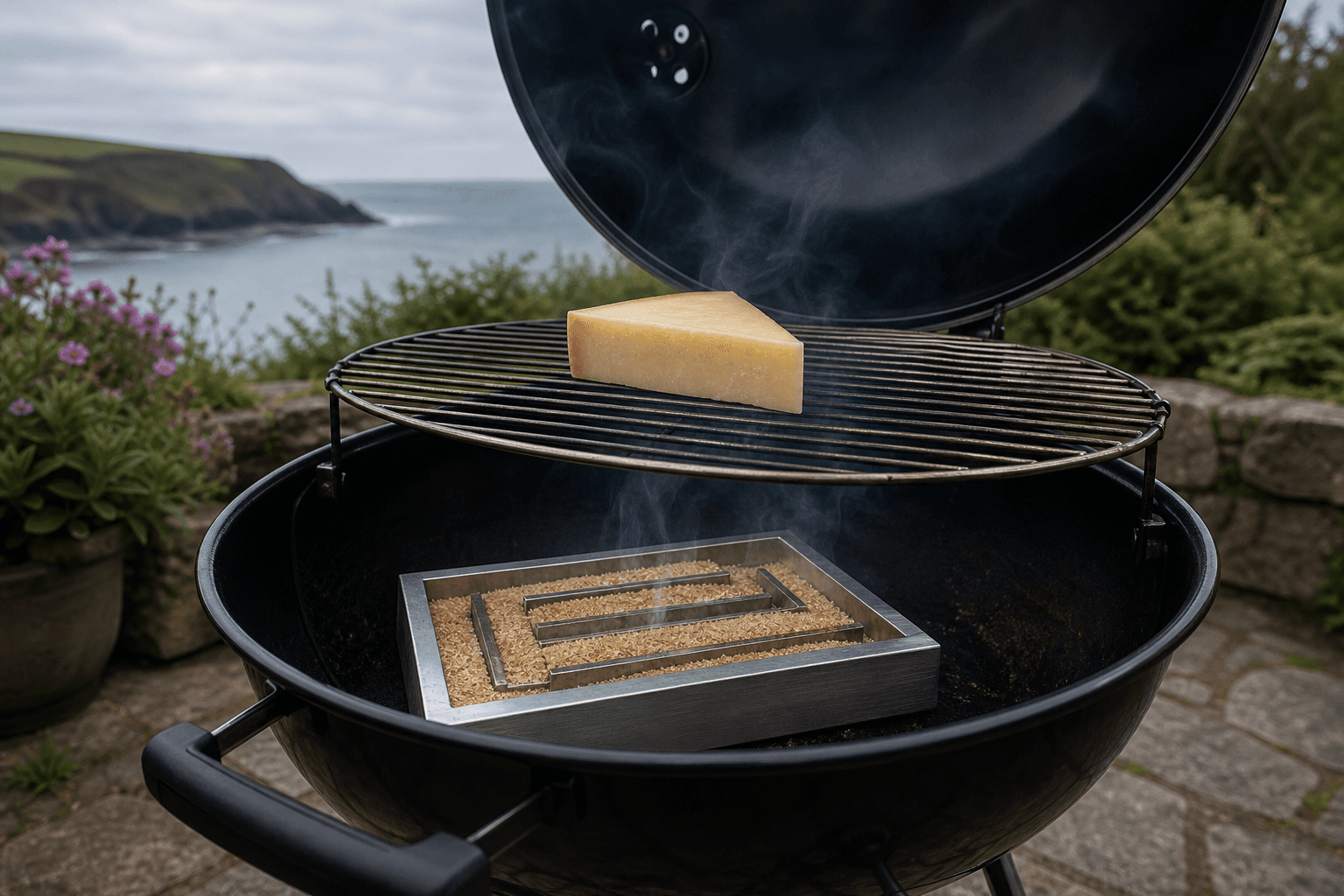
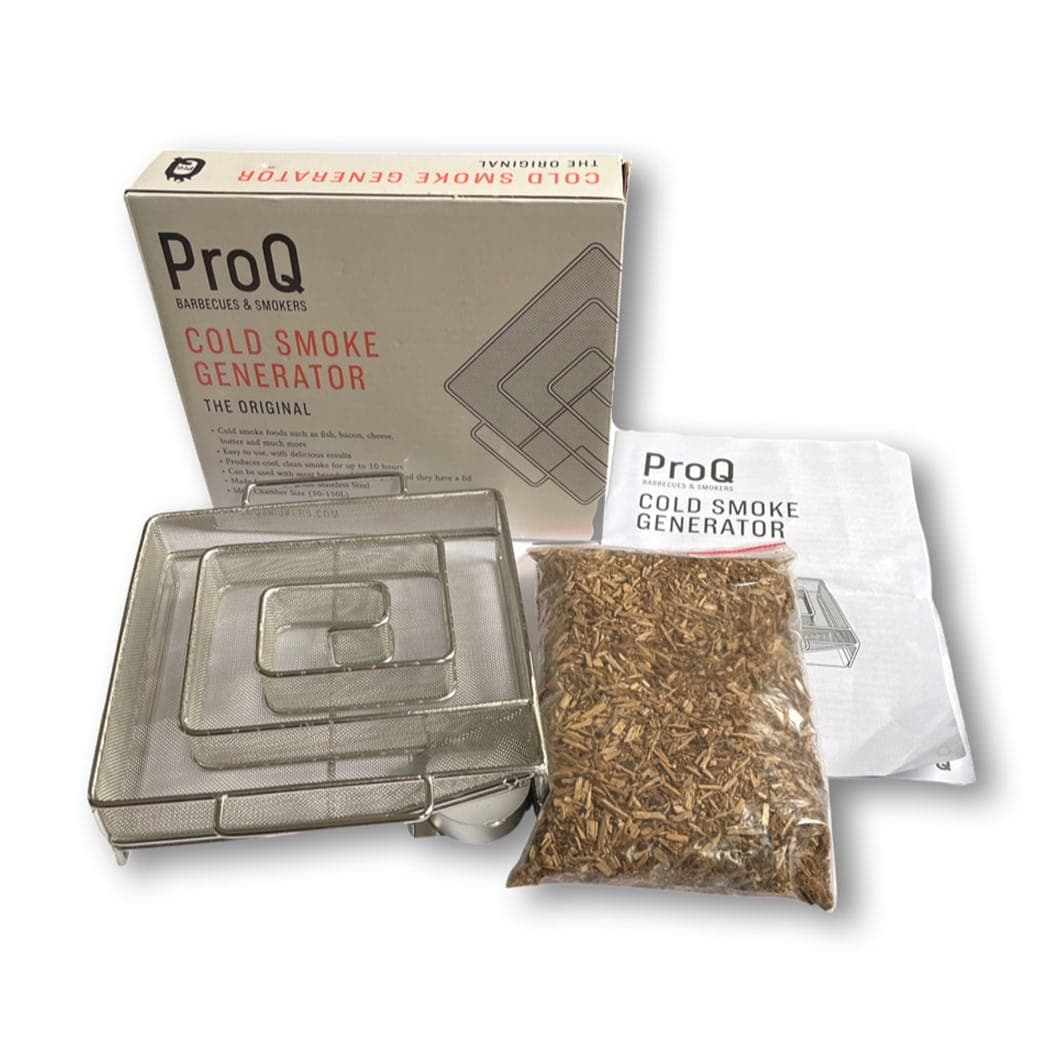
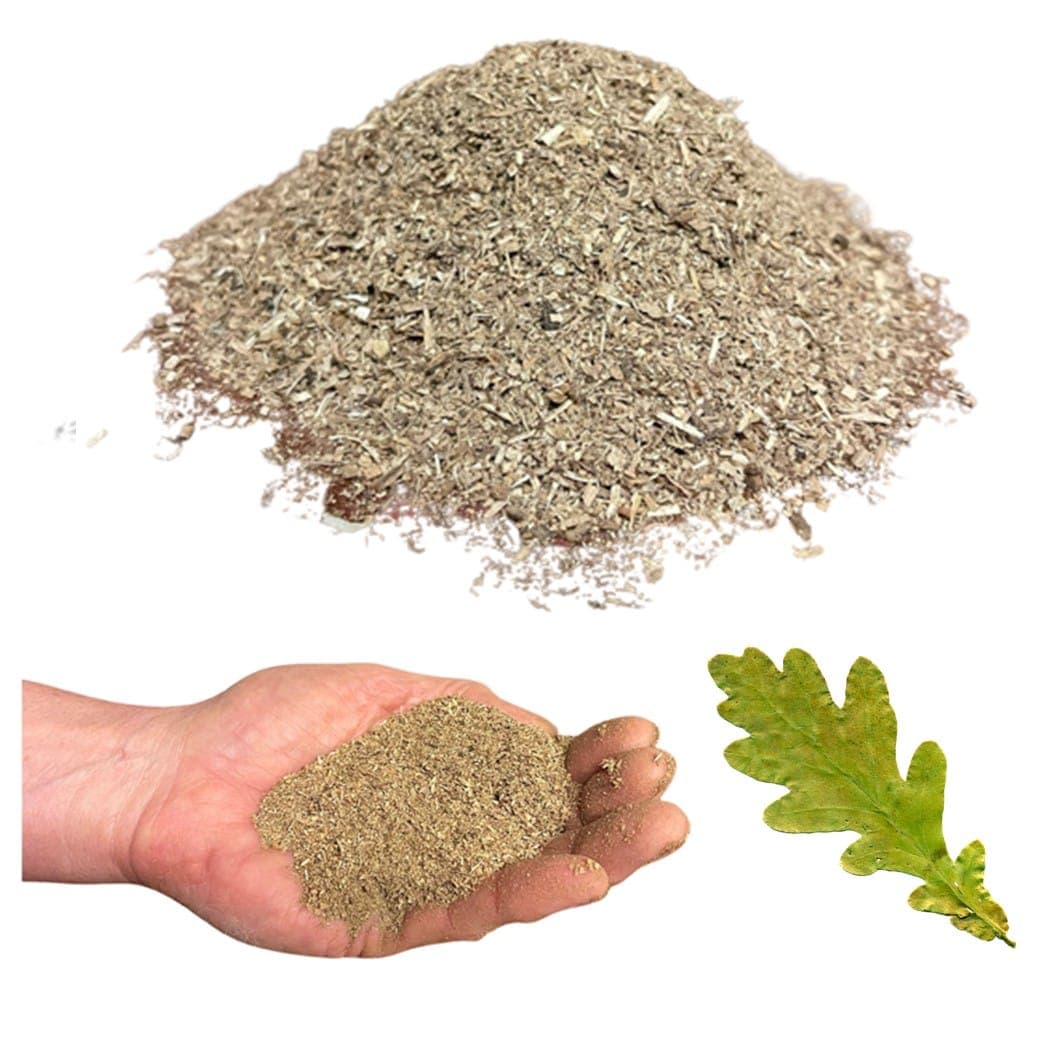
Rinse the fillets, pat them dry and leave them uncovered in the fridge until the surface feels tacky. This dry skin, called the pellicle, helps the smoke take evenly. Then cold smoke them while the smoking chamber stays below 30°C, using a smoke generator such as the ProQ cold smoke generator loaded with oak or beech wood dust. A few hours gives a light smoke; longer gives a deeper colour and flavour. Cold smoking is much easier on a cool day, in autumn or winter, or in the evening.
Remember that cold-smoked haddock is still raw, so cook it before you eat it. Oak gives a richer golden colour over a long smoke, while beech and alder give a paler, gentler result. Our cold smoking starter kit has everything you need to begin, and our guides to using a cold smoke generator and cold-smoking salmon cover the method in more detail.
You can hot-smoke haddock too, which cooks it in the smoker and gives a flaky fillet much like an Arbroath smokie. Our guide to hot-smoking fish explains how, and if something goes wrong, our smoking problems and fixes guide can help.
How to choose and store smoked haddock
Good smoked haddock looks moist but not wet, smells pleasantly of smoke and the sea, and has firm flesh. Avoid fillets that are slimy or sticky, or that smell sour or of ammonia. Check the label for dyed or undyed, and for the colouring if it is dyed.
Keep it wrapped in the fridge, because it will scent other food, and eat it by its use-by date. If you will not use it in time, freeze it on the day you buy it: well wrapped, it keeps its quality for a couple of months. Defrost it overnight in the fridge.