The full guide
Read straight through, or dip into the sections that matter for your next smoking session.
Shop-bought smoked fish keeps until the use-by date on the pack, and once opened for as long as the label says, or two days if there are no instructions. Home-smoked fish has no tested shelf life, so keep it in the fridge at 5°C or below and eat it within a couple of days, or freeze it on the day you smoke it. Hot-smoked fish such as mackerel and kippers has been cooked; cold-smoked fish such as smoked salmon has not, and that changes who can safely eat it. This guide covers fridge temperatures, keeping times, freezing and thawing, vacuum packs and botulism, Listeria and pregnancy, and how to tell when smoked fish has gone off.
Smoking kit to help at home
Home smoking essentials that make the advice easier to put into practice.
Hot-smoked vs cold-smoked: why they keep differently
Hot-smoked fish is smoked and cooked at the same time. Mackerel, trout, salmon portions and Arbroath smokies are hot-smoked, and the flesh comes out opaque and flaky. Our hot-smoking guide aims for a core of 70°C held for 2 minutes, which kills the bacteria that cause most food poisoning. It is then a cooked food, and it keeps like one.
Cold-smoked fish is cured with salt, then smoked at a low temperature so the flesh stays raw-textured. Smoked salmon, cold-smoked haddock and kippers are cold-smoked. The salt and smoke slow bacteria down but do not kill them, because the fish is never cooked. That is why cold-smoked fish sold ready to eat carries the Listeria warnings further down this page, and why smoked haddock and kippers are normally cooked before eating.
Salt, drying and smoke all help a little, but none of them is a substitute for the fridge. A lightly cured home-smoked fillet has far less salt than an old-fashioned hard-cured kipper, so it does not keep any longer than fresh cooked fish.
How long does shop-bought smoked fish keep?
Go by the use-by date. Producers set it by testing their own product, recipe and packaging, so it is the most reliable figure you have. Food after its use-by date can look and smell fine and still be unsafe, so do not stretch it because the fish has been smoked.
Once the pack is open, follow the label, which usually says something like eat within two or three days. The Food Standards Agency's advice is that if there are no instructions, you should use opened foods within two days. Rewrap opened smoked fish tightly in cling film or a sealed container, partly to keep it from drying out and partly because smoked fish will scent butter, milk and anything else nearby.
If you will not get through it in time, you can freeze pre-packed food right up until midnight on the use-by date, as long as the pack does not say it is unsuitable for freezing. Our guide to dyed and undyed smoked haddock covers choosing good fish in the first place.
What temperature should your fridge be for smoked fish?
The Food Standards Agency says your fridge should be set between 0 and 5°C (32 to 41°F). Chilling below 5°C stops or greatly slows the growth of bacteria, Listeria included. The dial on the fridge is not a thermometer, so put a cheap fridge thermometer on the middle shelf and check it once a week, and more often after a big shop or around Christmas when the fridge is packed and the door is always open.
Many home fridges run warmer than people think. The FSA's own vacuum-packing guidance quotes a WRAP survey that found most domestic fridges ran at a mean air temperature of around 7°C, with only 29% at 5°C or less. Two degrees makes a real difference to how fast bacteria grow, so it is worth turning yours down if it is running warm.
Keep smoked fish wrapped, on a shelf below any ready-to-eat food that it could drip onto, and away from the door, which is the warmest part of the fridge.
How long does home-smoked fish keep in the fridge?
Treat home hot-smoked fish like any other cooked fish. Let it cool, then get it into the fridge within two hours of coming off the smoker, wrapped or in a lidded box, and eat it within a couple of days. The FSA's rule for leftovers is to eat them within 48 hours or freeze them, and that is a sensible ceiling for home-smoked fish too. Your fish has not had the lab testing that sets a shop use-by date, and it will usually carry less salt.
Home cold-smoked fish needs more care, not less. It has been cured and smoked but never cooked, and our cold-smoked salmon guide explains why the cure and smoke alone are not a tested safety step. Keep it well chilled at every stage, before and after smoking, and eat it within a day or two. If you are unsure how it has been kept, cook it. Smoked haddock and other cold-smoked white fish are meant to be cooked anyway: poached, baked or flaked into a kedgeree or fish pie.
Good preparation helps it keep its quality. A proper brine or dry cure, explained in our guide to brining and curing fish, gives firmer, better-flavoured fish, and the fish smoking times and temperatures chart helps you hot-smoke to a safe core without drying it out. Neither makes the fish keep longer than a couple of days in the fridge, though.
Can you freeze smoked fish?
Yes, and it is the best way to keep smoked fish for more than a couple of days. Hot-smoked mackerel and trout, kippers and smoked haddock all freeze well. Cold-smoked salmon freezes too, though the slices can soften a little, so it is best used in cooked dishes or pâté after freezing.
Step 1: freeze it as soon as you can. For home-smoked fish that means the day you smoke it, once it has cooled in the fridge. For shop-bought, freeze it any time up to midnight on the use-by date.
Step 2: wrap it well. Freezer air dries fish out and causes freezer burn. Wrap portions tightly in cling film, then put them in a freezer bag with the air squeezed out, or vacuum seal them. Lay fillets flat so they freeze quickly, and portion them so you only thaw what you need. Interleave slices of smoked salmon with baking paper so you can take a few out at a time.
Step 3: label and date it. Your freezer should run at around -18°C (0°F). Frozen food stays safe at that temperature, but oily smoked fish slowly loses flavour and texture, so for the best quality aim to use it within a couple of months.
Step 4: thaw it in the fridge, never on the worktop. A pack of fillets usually takes overnight. Once it has fully thawed, eat it within 24 hours, because it spoils as quickly as fresh fish. Do not refreeze thawed raw or cold-smoked fish. If you cook it, for example into a fish pie, you can freeze that dish, but reheat it only once.
Is vacuum-packed smoked fish safe? The botulism question
Vacuum packing keeps air off the fish, so it slows the moulds and spoilage bacteria that make food go slimy and smelly. It does not stop everything. The bacterium to know about is Clostridium botulinum, whose spores are found naturally in soil, water and the guts of fish. One type, called non-proteolytic C. botulinum, grows without oxygen and can make its toxin at fridge temperatures of 3°C (37°F) and above, often without any sign that the food has gone off. The FSA's guidance notes that outbreaks of foodborne botulism have been linked to foods sealed in airtight containers, including vacuum-packed smoked fish.
This is where the 10-day rule comes from. The FSA's guidance on vacuum and modified atmosphere packed chilled foods tells businesses that, unless other controls are in place, a vacuum-packed chilled food stored at 3 to 8°C should have a maximum shelf life of 10 days. To go longer, the food must have a proven extra control throughout, such as a salt level of at least 3.5% in the water in the food, a pH of 5.0 or less, or a heat treatment of 90°C for 10 minutes. The guidance lists hot-smoked mackerel and trout as a high-priority food for this risk.
What it means at home: a vacuum sealer is great for freezing, but it does not make smoked fish keep longer in the fridge. Never vacuum pack home-smoked fish and leave it in the fridge for a week or two on the basis that the air is out. Keep to the couple of days above, or freeze it. Vacuum seal fish only once it is fully chilled, and for shop-bought vacuum packs keep to the use-by date and follow any thawing instructions on the pack.
Who should avoid cold-smoked fish?
The concern with cold-smoked fish is Listeria monocytogenes. Unlike most food poisoning bacteria, it can grow slowly at fridge temperatures. In healthy adults it usually causes mild illness or none at all, but in vulnerable people it can cause serious illness such as meningitis or sepsis, and in pregnancy it can lead to miscarriage or stillbirth.
The FSA's Listeria advice is that people who are pregnant or have a weakened immune system should avoid ready-to-eat cold-smoked or cured fish, such as smoked salmon or gravlax. Older people should also be aware of the risk. The NHS advice on foods to avoid in pregnancy says the same, and adds that cold-smoked and cured fish is fine if it is cooked until steaming hot. Cold cured meats such as salami, chorizo and prosciutto come with the same advice.
So smoked salmon is still on the menu if it goes into a hot dish: cooked through in a pasta sauce, a quiche, a fish pie or scrambled eggs, until it is steaming hot all the way through. Draping cold slices over hot food is not enough. If you are hot-smoking fish yourself, make sure it is steaming hot right through.
How can you tell if smoked fish has gone off?
Throw it away if it smells sour, rancid or of ammonia rather than of smoke and the sea, if the surface is slimy or sticky, if you can see mould, or if the flesh has turned soft, mushy or grey at the edges. Oily fish such as mackerel can also taste bitter and rancid when it has been kept too long. A vacuum pack that has puffed up or lost its vacuum should go in the bin unopened.
Your nose is useful, but it is not a safety test. As the FSA puts it, you cannot see, smell or taste the bacteria that cause foodborne illness, and both Listeria and C. botulinum can grow without changing how the fish looks or smells. That is why dates and fridge temperature matter more than the sniff test. If in doubt, throw it out.
What about smoked cheese and smoked meat?
The same principles apply. Shop-bought smoked cheese, bacon and ham keep until their use-by or best-before date, and once opened for as long as the label says. Smoking does not extend the date. Hard cheeses such as Cheddar are among the lowest-risk smoked foods, while soft cheeses and cold cured meats need more care. Our guide to smoking cheese at home explains why you should never push the cheese's own use-by date just because you have smoked it.
Quick checklist for storing smoked fish
Fridge at 0 to 5°C, checked with a thermometer. Shop-bought: eat by the use-by date and follow the label once opened, or two days if there are no instructions. Home hot-smoked: cool, wrap, chill within two hours and eat within a couple of days. Home cold-smoked: keep it chilled throughout, eat within a day or two, or cook it.
Freeze on the day you smoke it, or before midnight on the use-by date. Wrap it tightly, use it within a couple of months for the best quality, thaw it in the fridge and eat it within 24 hours. Vacuum packing helps in the freezer, not the fridge. Pregnant, older or immune-compromised? Cook cold-smoked fish until steaming hot.
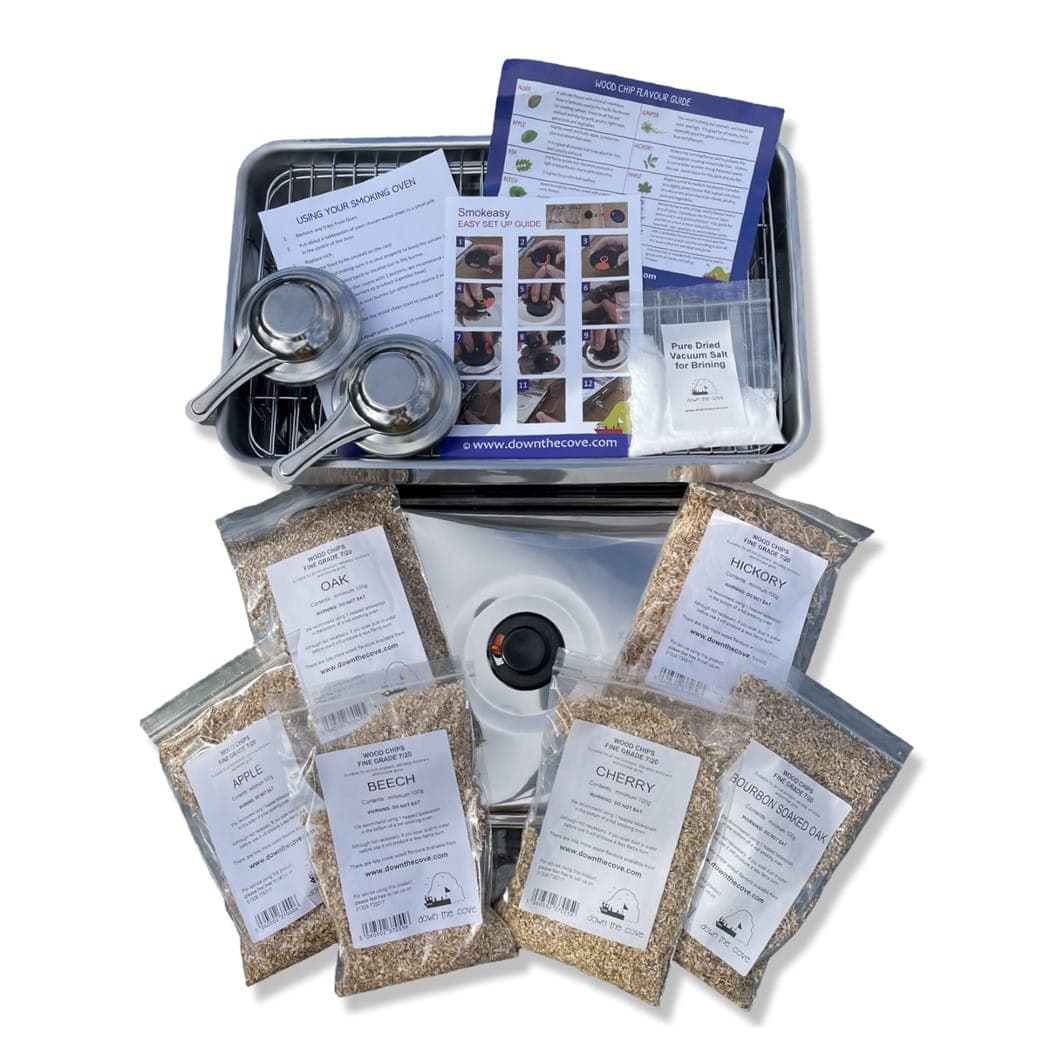
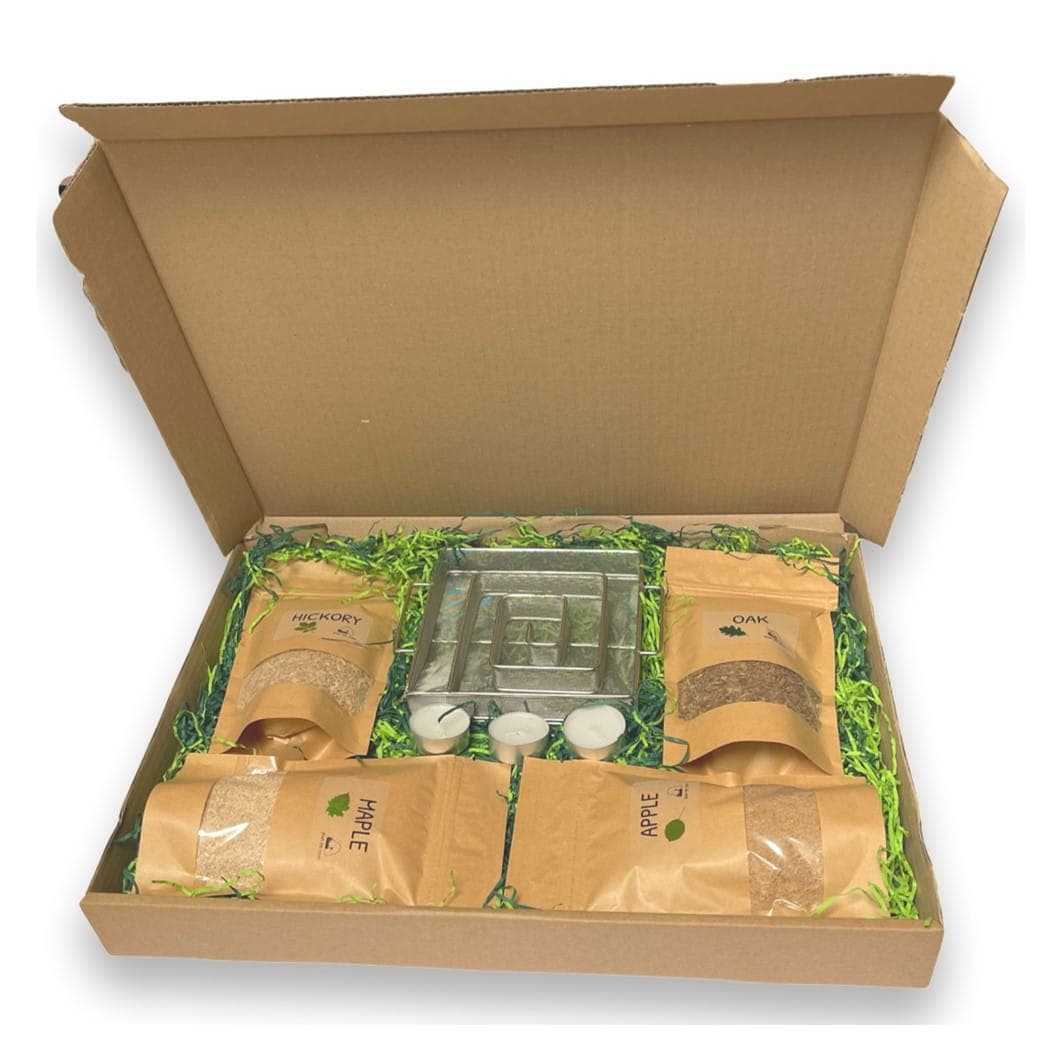
If you smoke your own, a complete hot-smoking kit covers mackerel and trout, and a cold-smoking starter kit with wood dust covers salmon, haddock and cheese. For ideas on using it up within those couple of days, see our smoked mackerel recipes and smoked mackerel pâté, which is a good home for fish on its second day.