
Useful for your next trip
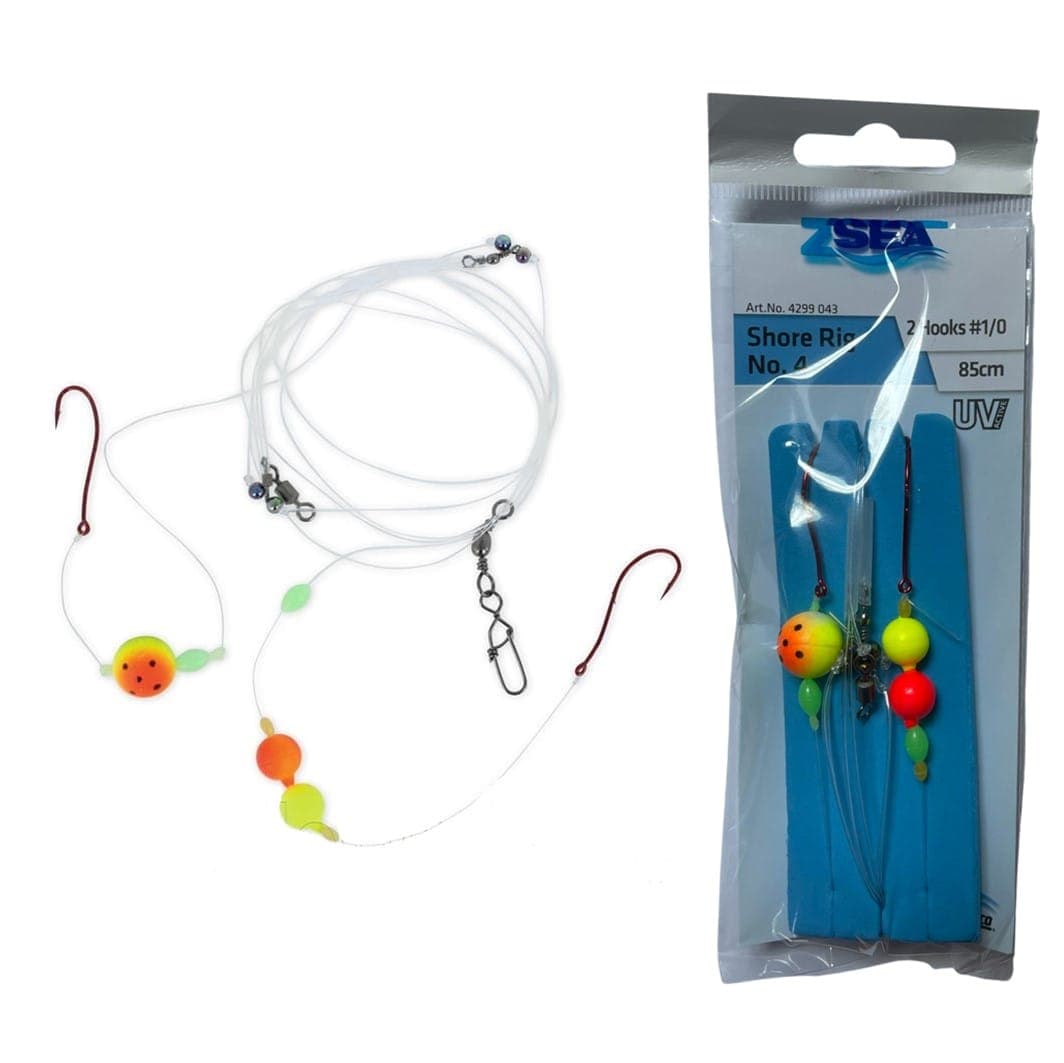
Useful kit connected to this guide, chosen to keep the next step simple.

Full red gurnard guide
How to spot it, where it lives, how it is caught and how to cook it — the complete guide, in one easy read.
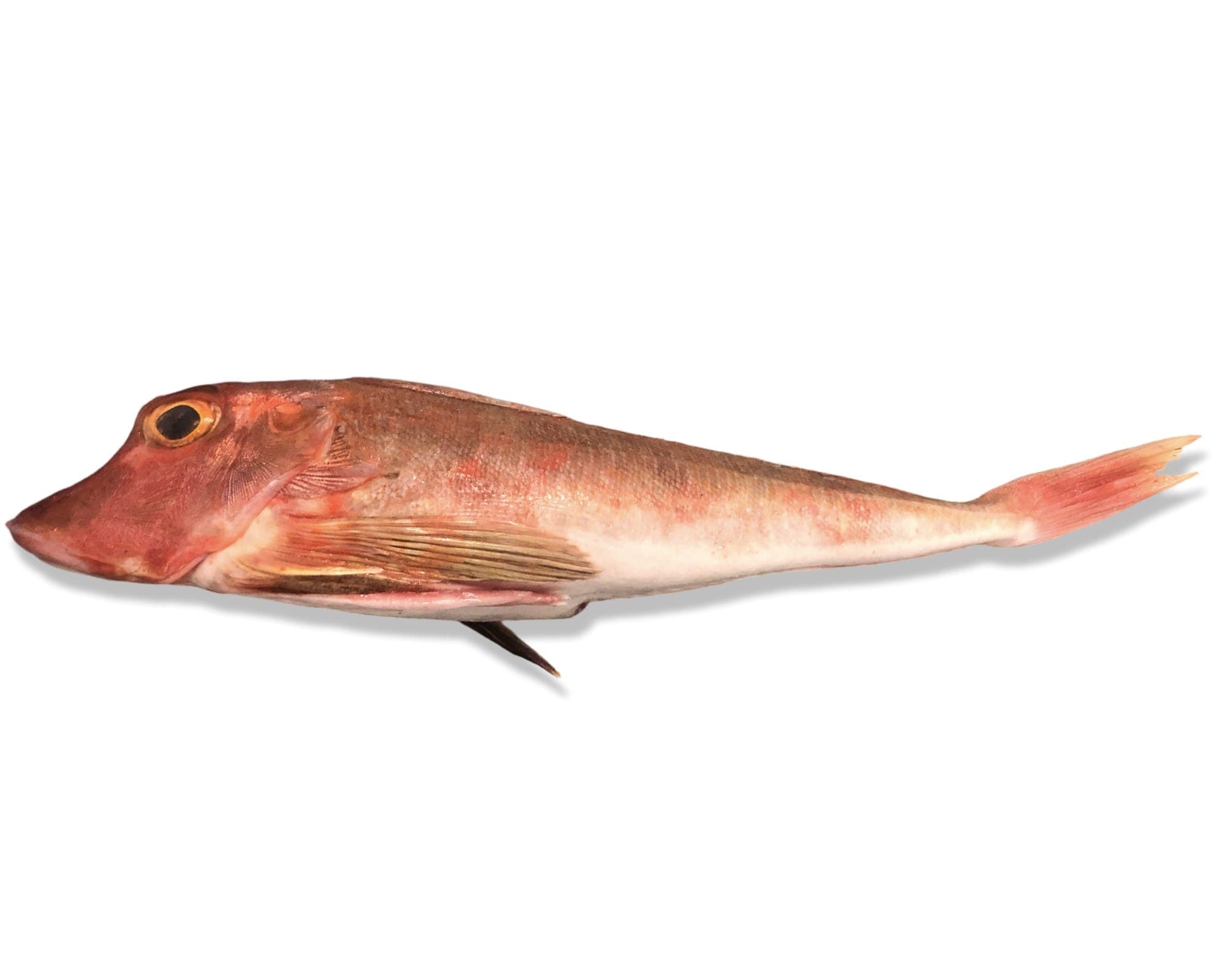
Few fish look as strange as the red gurnard. The armoured head belongs on a bigger creature, the pectoral fins open like a hand of cards, and it walks the seabed on stubby finger-like rays while grumbling to itself. For years the trawlers tossed it overboard. They were wrong: it's firm, white, cheap and one of the more sustainable fish you can put on a plate. Get to know that comical armoured head and you have a cheap, sustainable fish that cooks like a dream.
How to spot it
Start at the head. It's broad, oddly solid and cased in armoured bone, which looks all wrong against the slim, rosy body trailing behind it. The showpieces are the big pectoral fins that spread like fans, and below them sits a row of finger-like rays the fish uses to walk and feel its way over the seabed. Mind the gill plates and dorsal fin, which carry sharp spines and can give you a mild sting. And listen out: a gurnard grumbles, a low croak made with its swim bladder, so there's every chance you'll hear one before you get a proper look.
Related guides and gear
FAQs
Quick fish questions
Short answers for the questions families and coastal readers often ask first.
Is gurnard good to eat?
Yes, and it's badly underrated. Red gurnard has firm, white flesh that holds together when cooked, which is why it stands up to bold flavours like garlic, tomato, chilli and saffron. It pan-fries, braises and roasts well, and it's a forgiving fish for a home cook.
How do you fillet a gurnard?
Cut down behind the head, then lay a flexible knife flat against the backbone and run it from head to tail, riding the bone to lift the fillet clear. Turn the fish and repeat. Watch the sharp spines on the head and fins while you work, then feel for and pull any remaining pin-bones before cooking.
Is red gurnard sustainable?
It's one of the better choices you can buy. Gurnard was discarded by trawlers for years, so stocks were relatively lightly fished, and it's widely rated a responsible buy. To help keep it that way, go easy on the species during the spring and early-summer spawning season so fish get the chance to breed.